
(2025 Balloons and Beyond Ep 12)
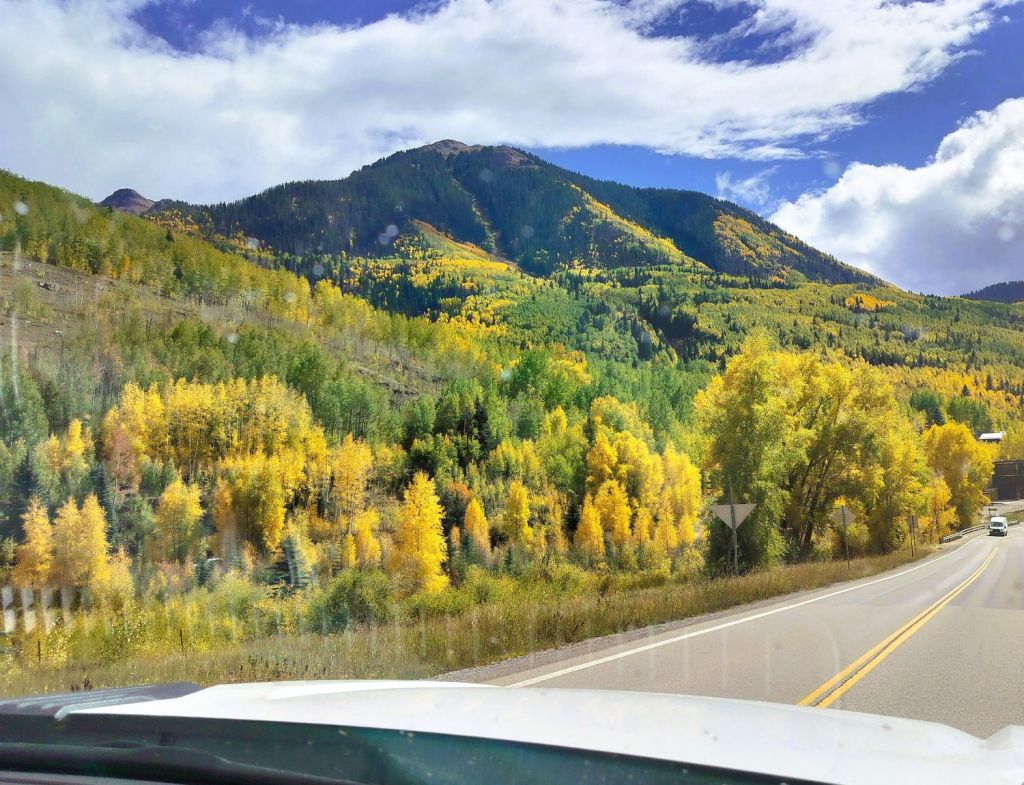
We left Black Canyon of the Gunnison bound for Mesa Verde, several hours away in southwest Colorado. Our route took us near Telluride, a former mining town that is now a popular tourist destination and ski resort, and across several mountain passes, where the Rocky Mountain fall colors were on full display.
Brief Reunion
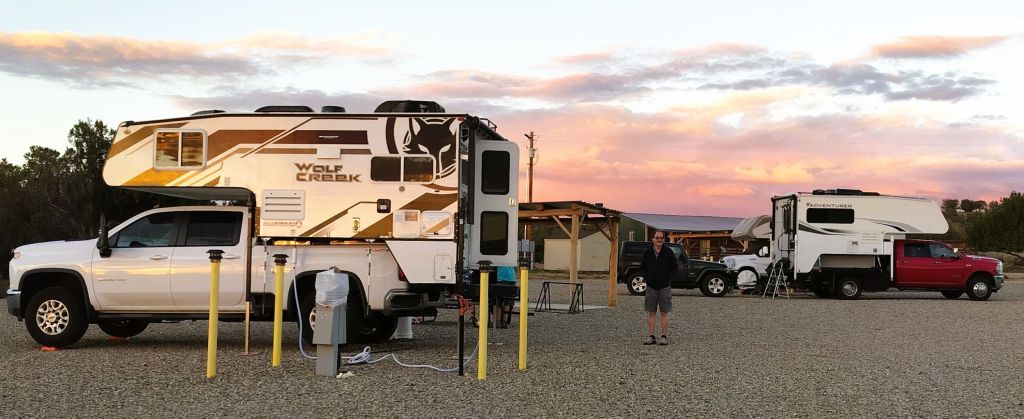
Pat’s brother, James, met us for the night near Cortez, CO. We enjoyed dinner outdoors and compared our travel experiences since parting ways in Wyoming several weeks prior. He was returning to Florida after traveling further west in Wyoming and Idaho.
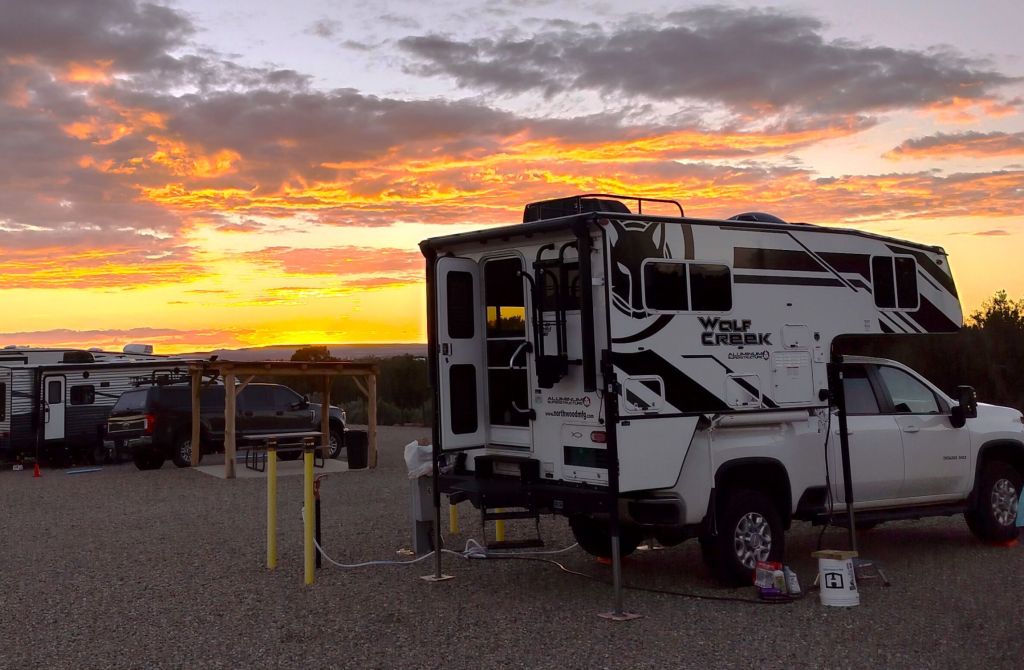
The day ended with a beautiful fiery sunset over the San Juan Mountains.
Green Table
At Mesa Verde National Park the next morning, we stopped at the visitor center to check on tours of the park’s ancient cliff dwellings. The park rangers were unsure how the US government shutdown would affect the three tours we booked during our stay. They said it was even possible we might have to leave the park.
While setting up at the national park campground, we took Pap off Percy. We often do this when staying two or more nights as it is easier to maneuver and park the truck without its piggyback friend. The gas mileage also is much better.
It takes fewer than 15 minutes to lower Pap’s four side legs so the camper is above the truck bed, drive the truck from beneath the camper and then lower it about halfway to the ground onto four screw jacks. In case you were wondering, putting Pap back onto Percy takes about 30 minutes.
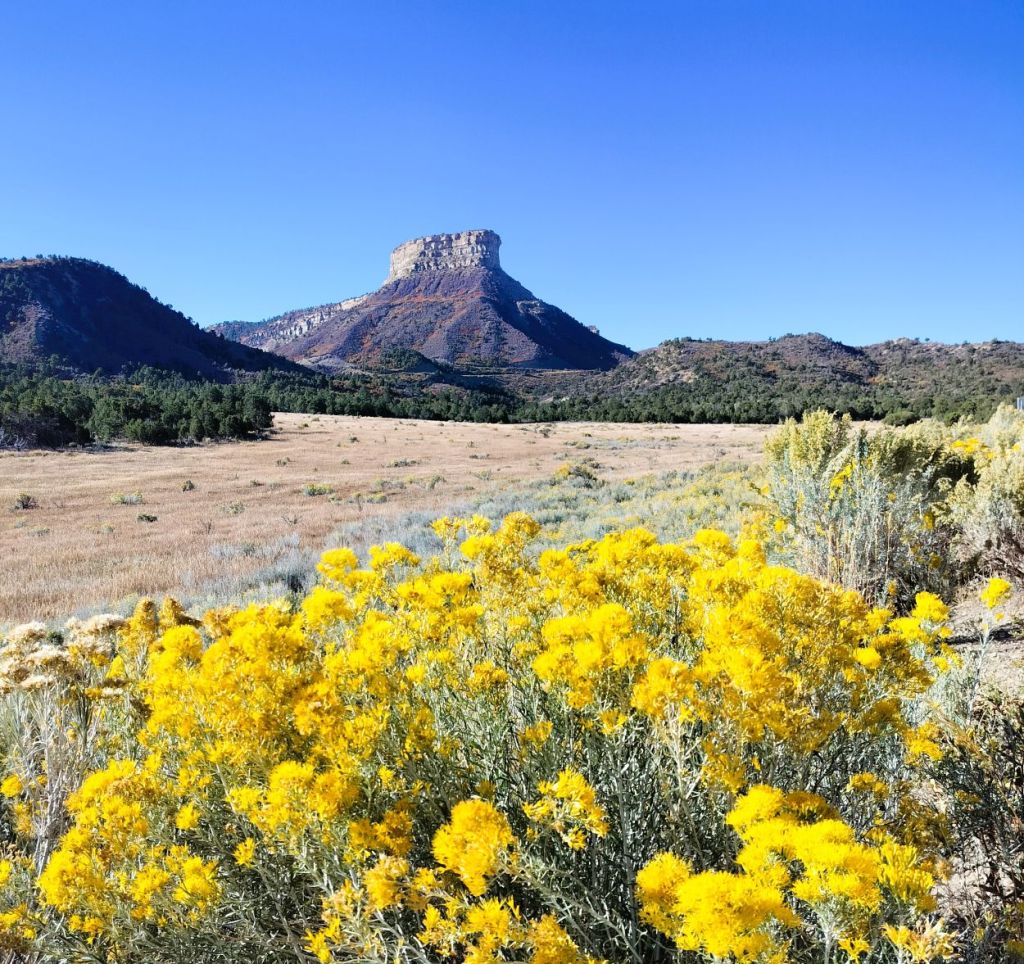
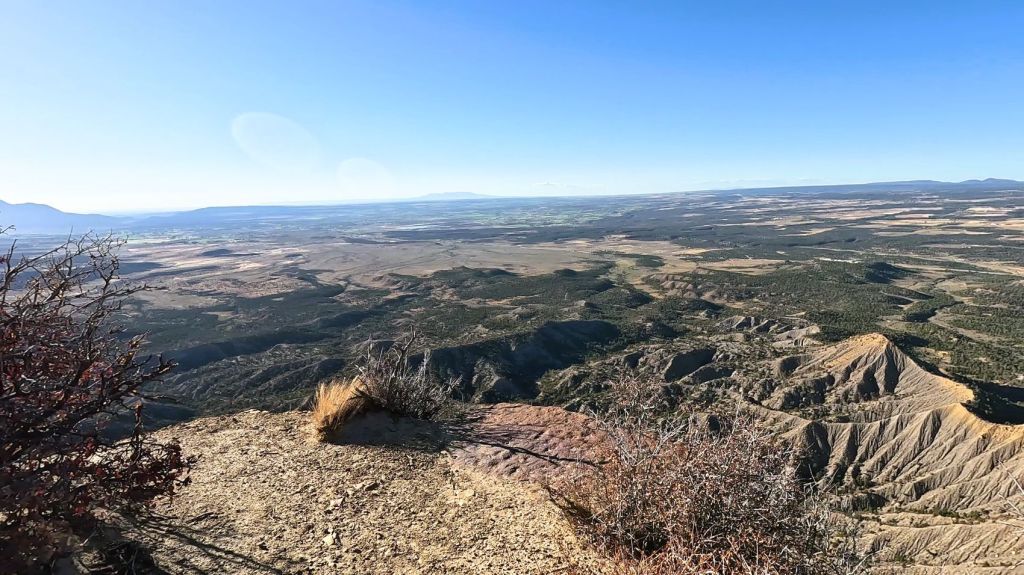
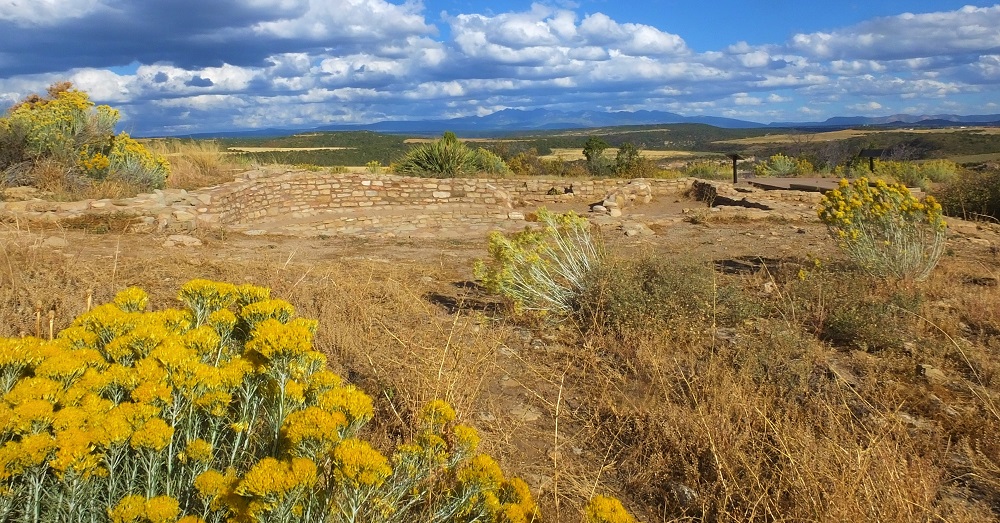
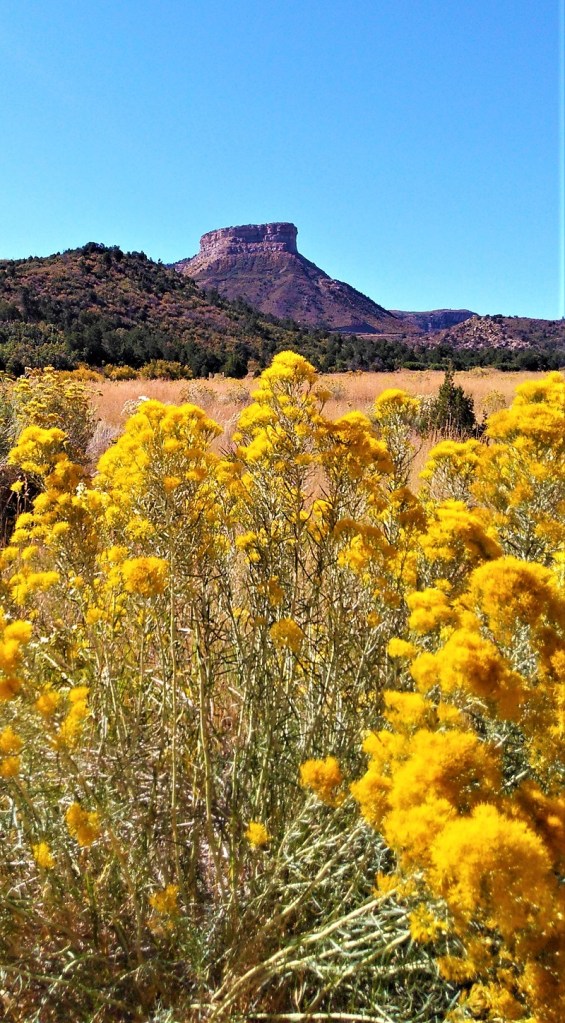
That evening we drove the 15-mile narrow and winding road to the mesa top and cliff dwelling areas. From the park’s highest point, we could see how Mesa Verde got its name. Ahead of us was a relatively flat expanse covered with green pinyon pines and junipers. It looked like a green table – translated to Mesa Verde in Spanish.
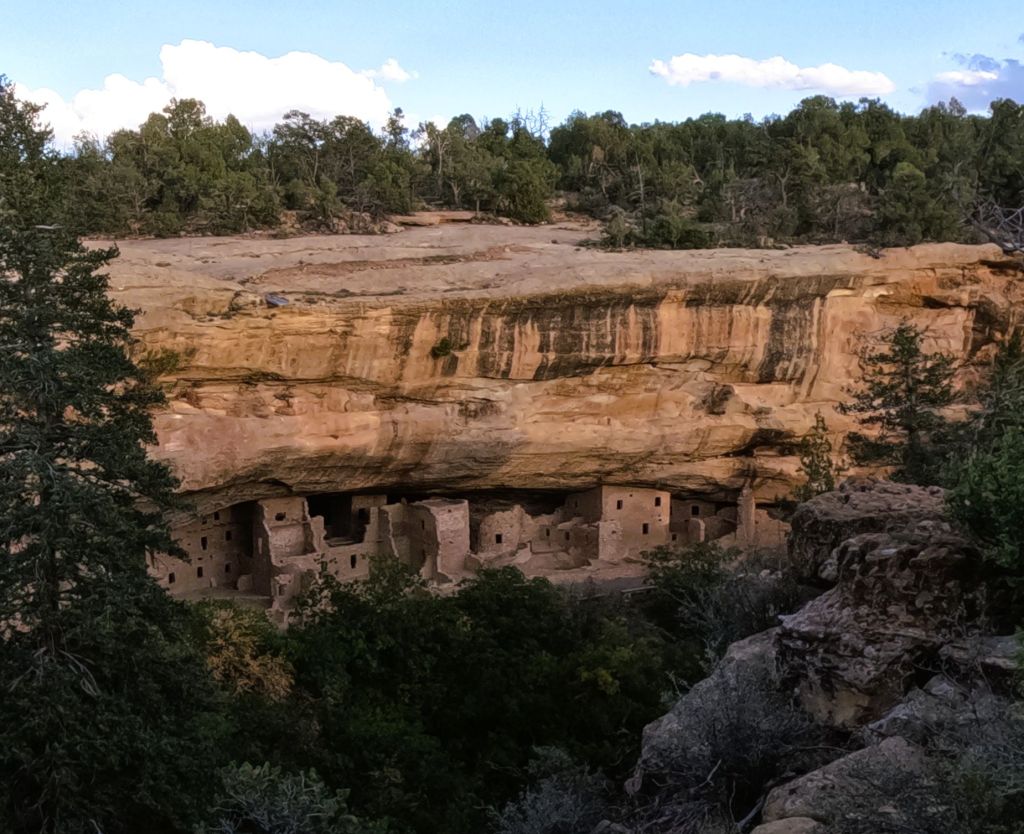
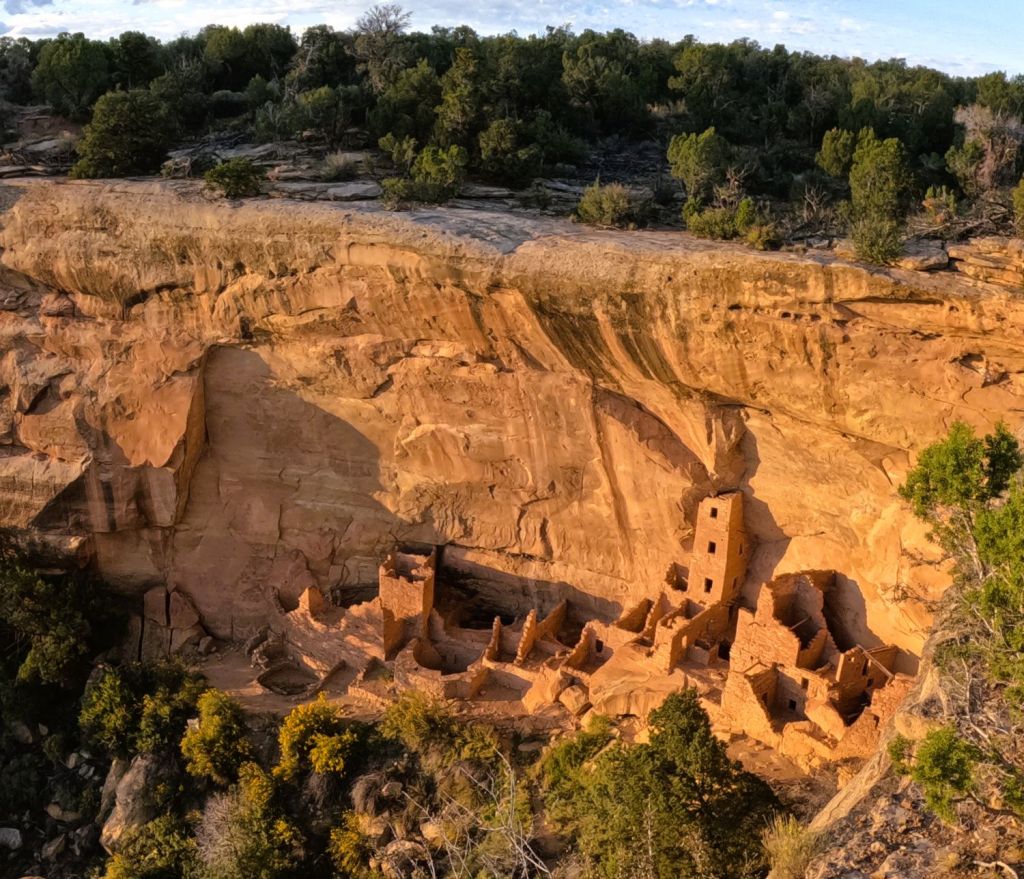
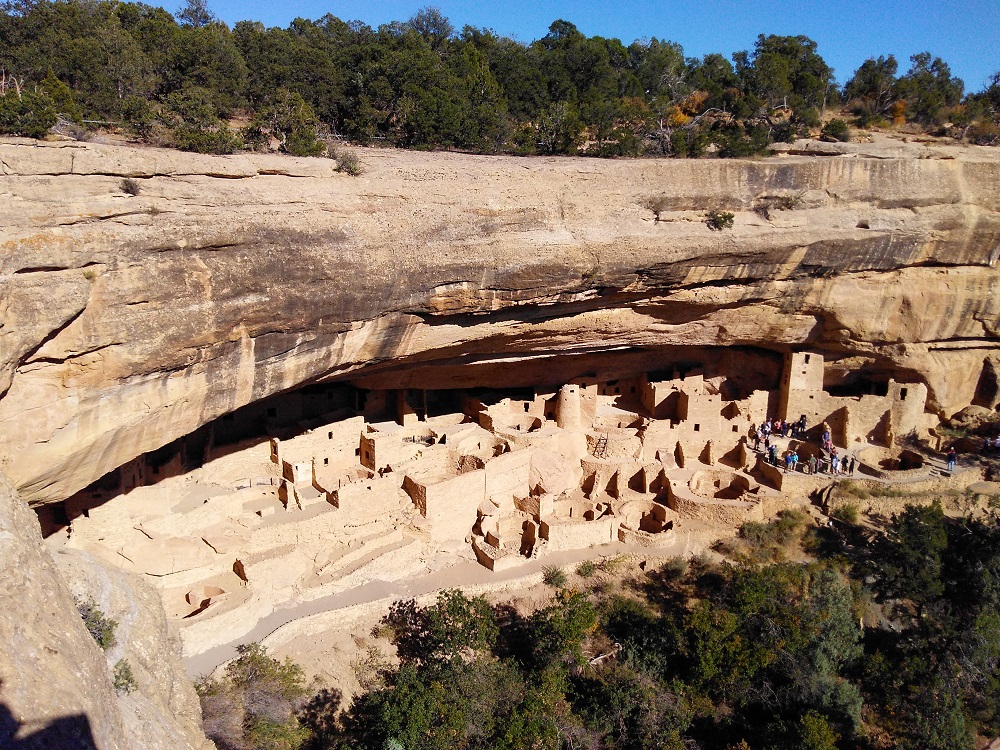
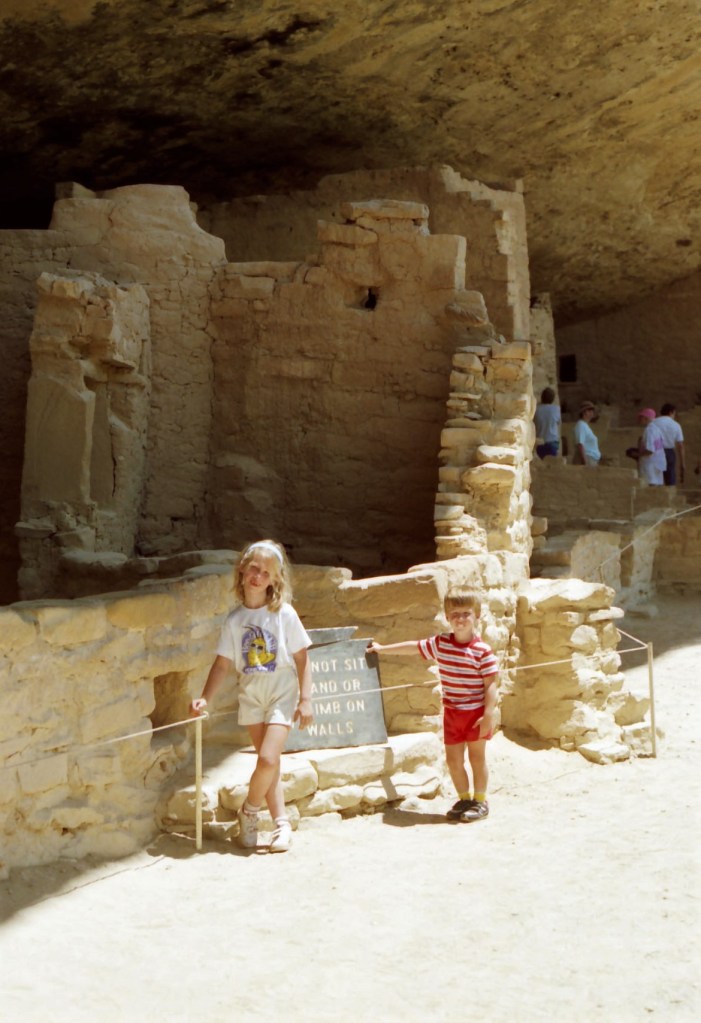
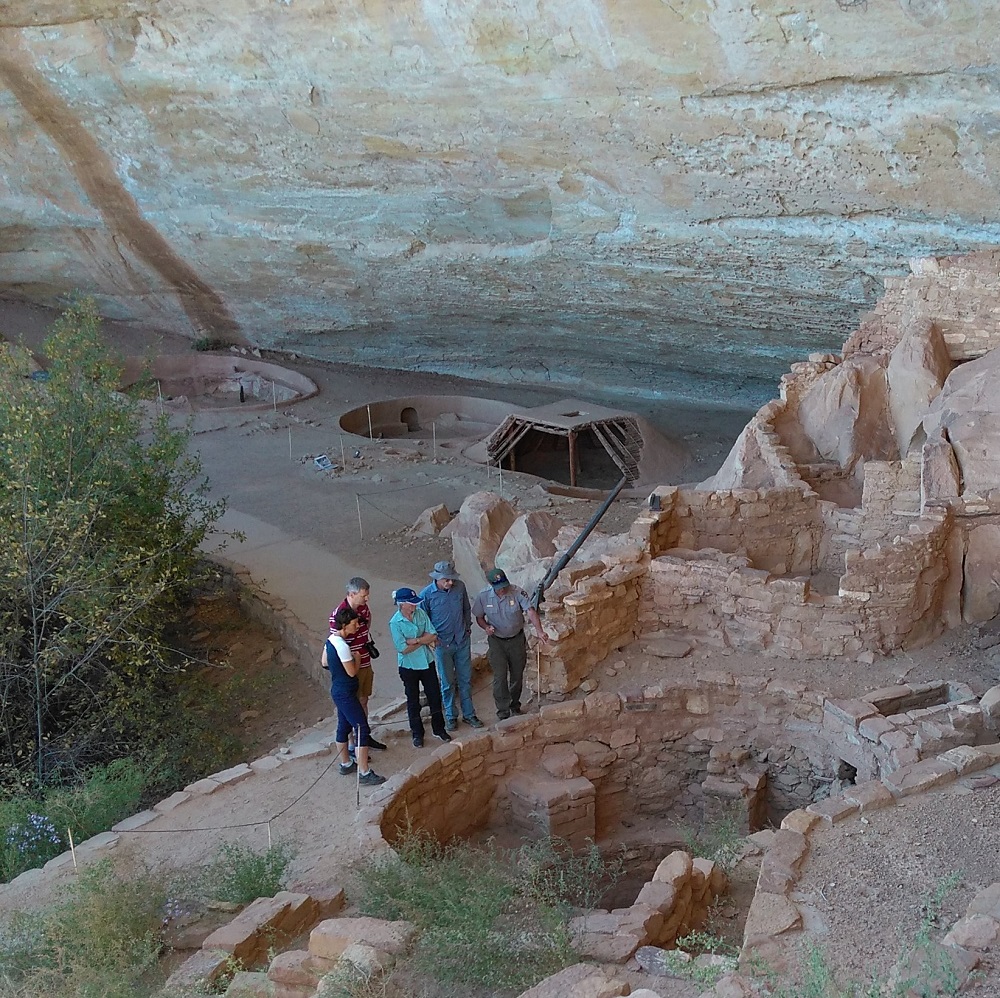
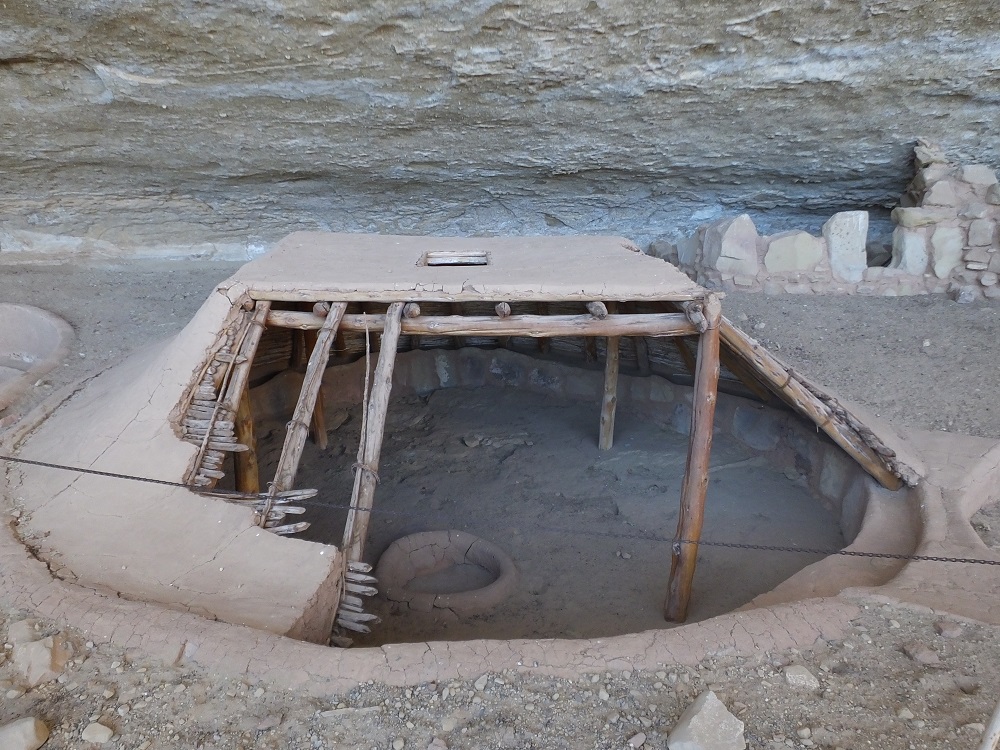
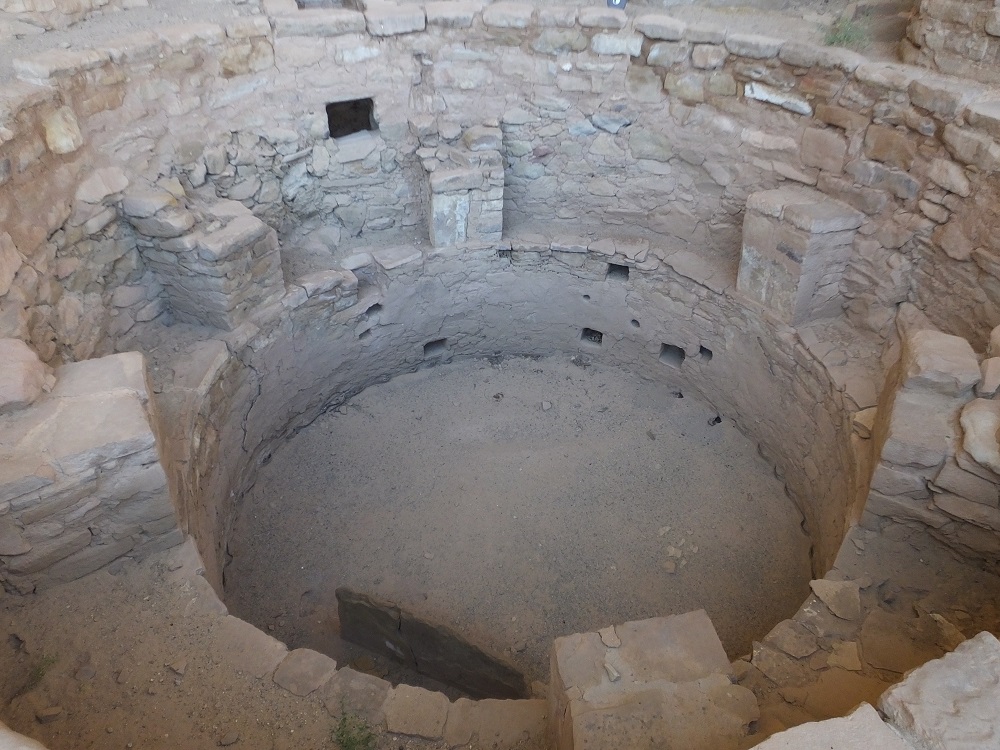
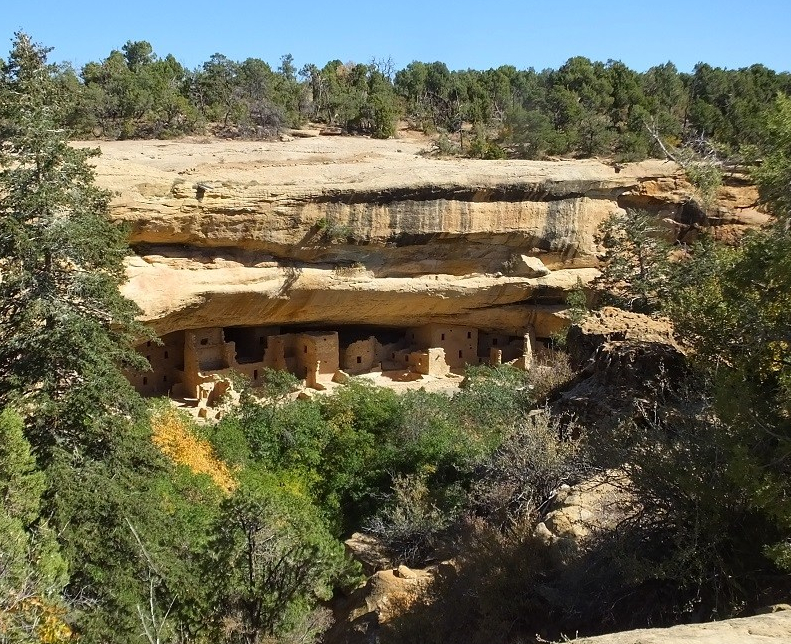
We viewed the Spruce Tree House and Square Tower House cliff dwellings from the mesa top and wondered, like many visitors, about the ancient Puebloans that built and lived in the structures. How did they get from the mesa tops and canyon valleys to the dwellings? Where did they get water and food? Why was the area abandoned around 700 years ago?
We hoped to learn answers to these and other questions during the tours.
Mesa Nada
Unfortunately, the tours were not to be.
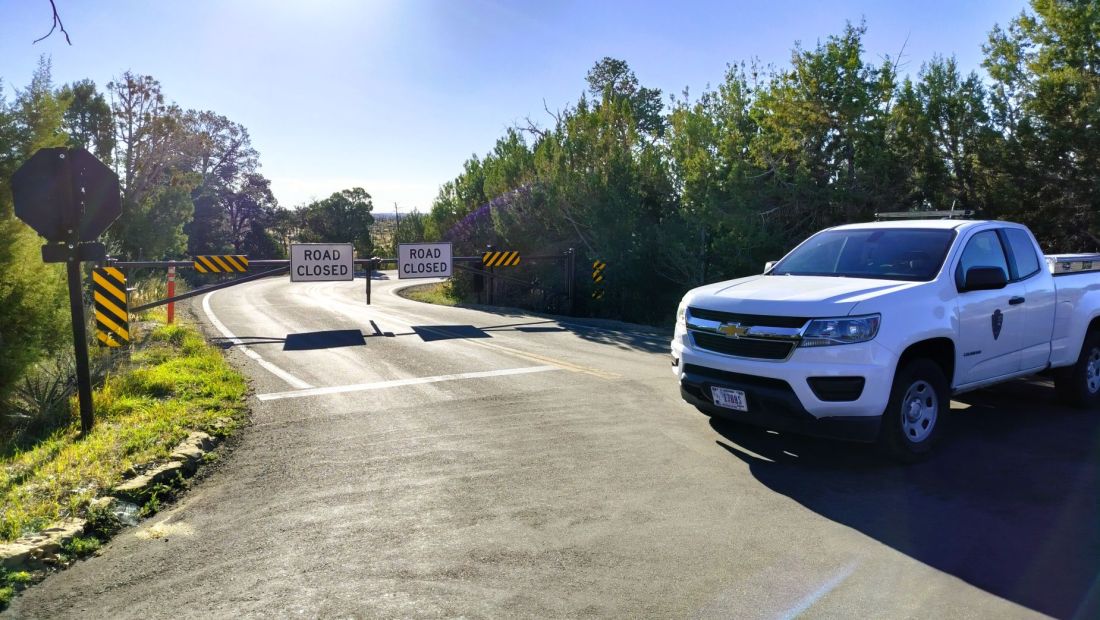
We rose the next morning before sunrise and drove to the meeting location of the Square Tower House tour. Almost there, we were stopped by a gate with road closed signs. We learned the US government had indeed shut down. All of the Mesa Verde’s historic sites were closed and our tours were cancelled.
From past travels we’ve learned that changed plans often yield unexpected surprises and blessings.
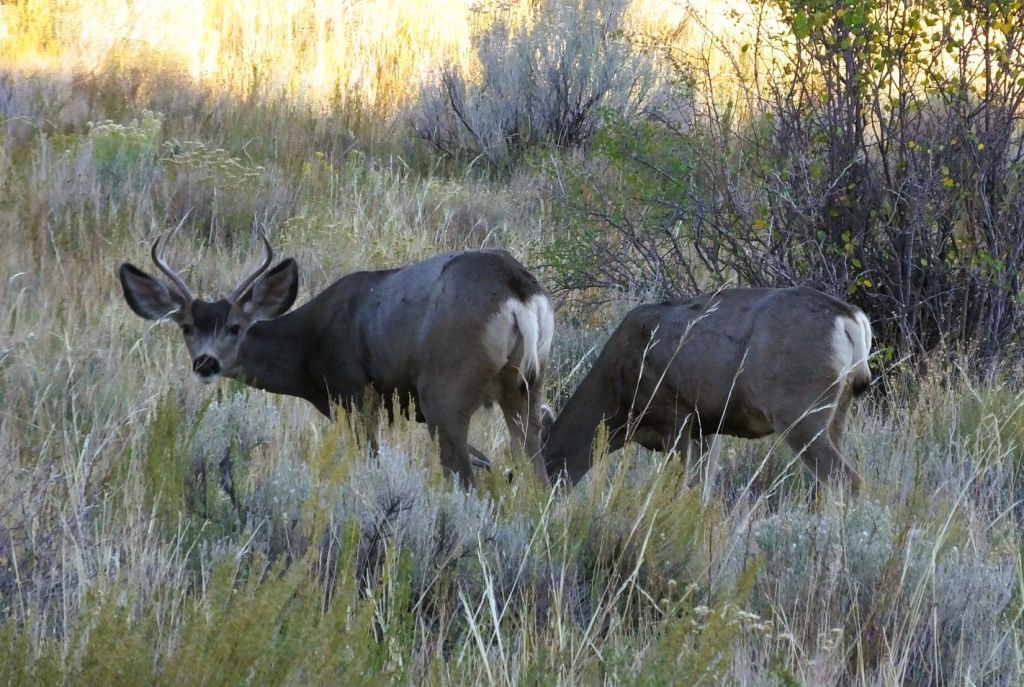
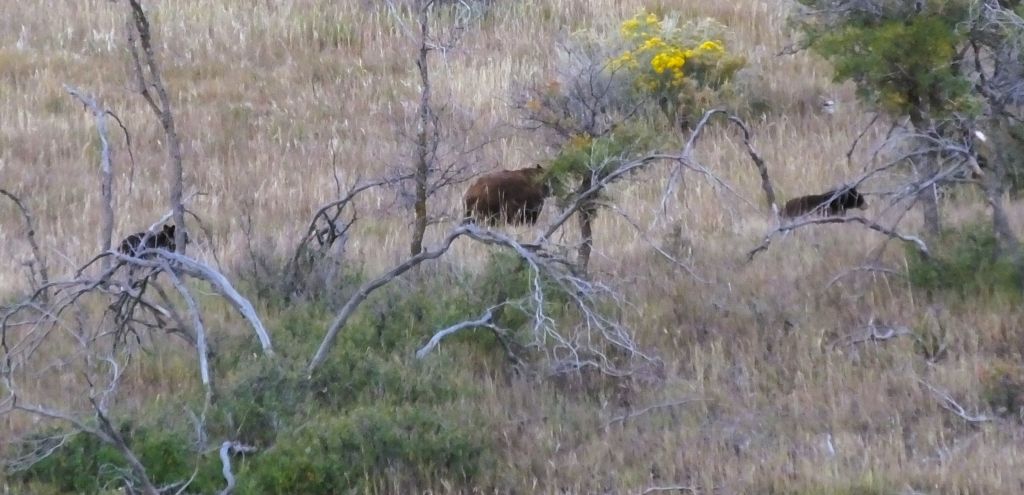
We were thrilled to see lots of mule deer and four black bears in the campground area.
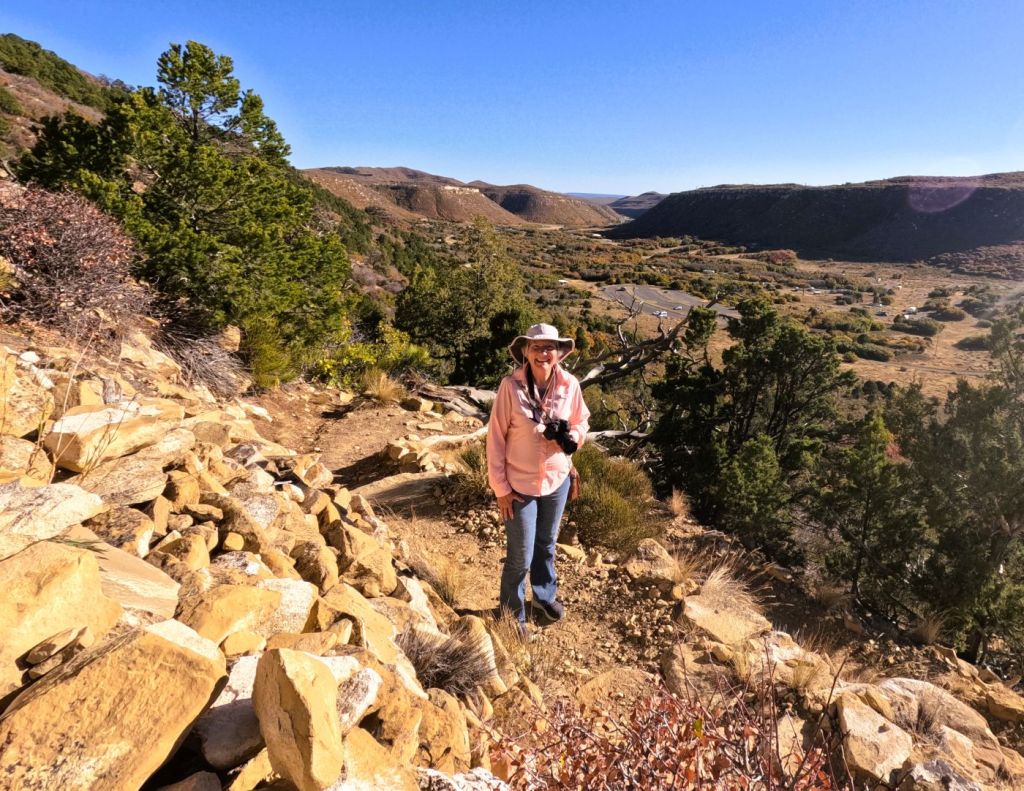
Later, we hiked to the top of Point Lookout, the iconic geological formation that towers above the park entrance. From the point, we were rewarded with views of the distant San Juan Mountains and valleys below.
Answers to the questions above?
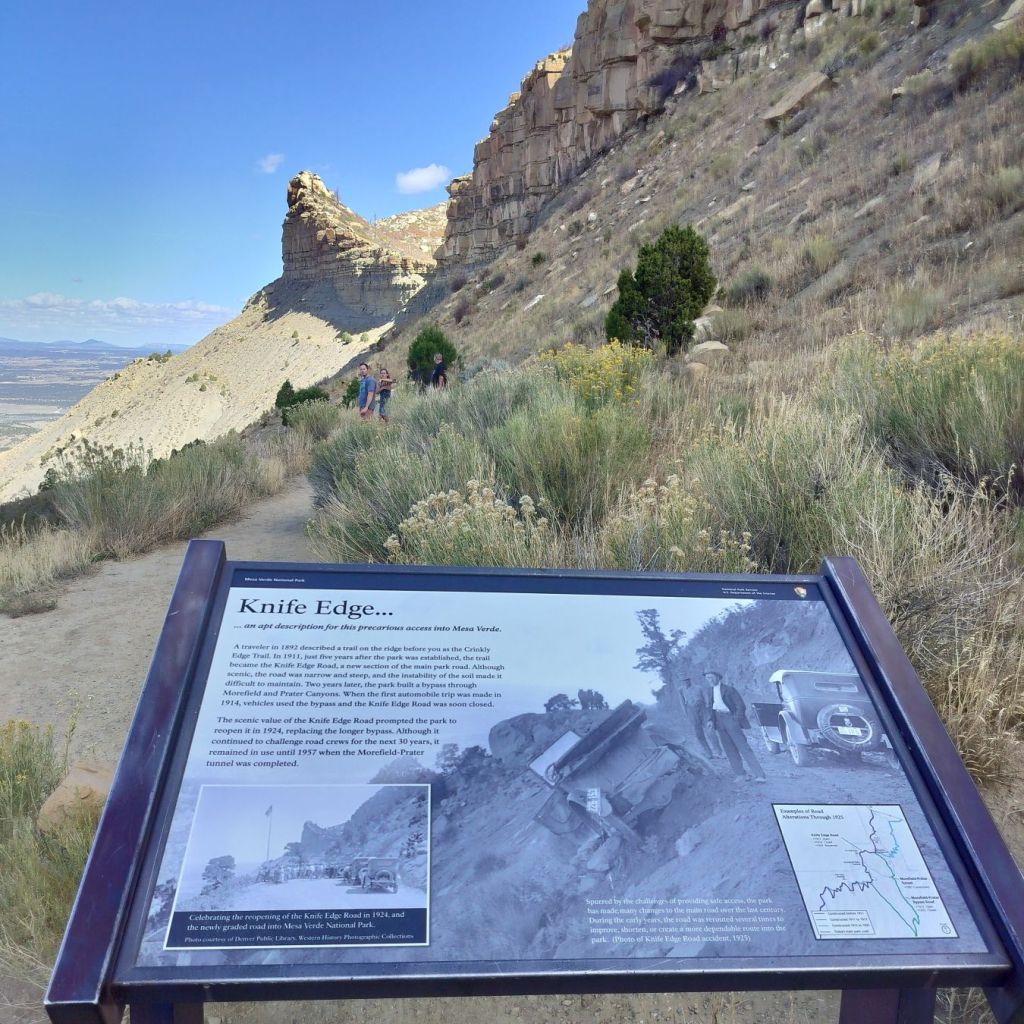
Most of the pueblos and cliff dwellings started around 600 AD were abandoned by 1300 AD following prolonged drought and social upheavals. The residents subsisted by growing maize on the mesa tops and by hunting. Narrow, steep trails connected the pueblos and cliff dwellings to the mesa top and sources of water.
Perhaps we’ll learn more complete details during a future visit to Mesa Verde. That is, of course, if the US government isn’t shut down!
Onward to the Balloon Fiesta
We left Mesa Verde a week before the Albuquerque Balloon Fiesta. We ate lunch in Farmington, a sizeable town in northern New Mexico with a HUGE Walmart, and continued southwest to a remote Harvest Host location.
Navajo Mission
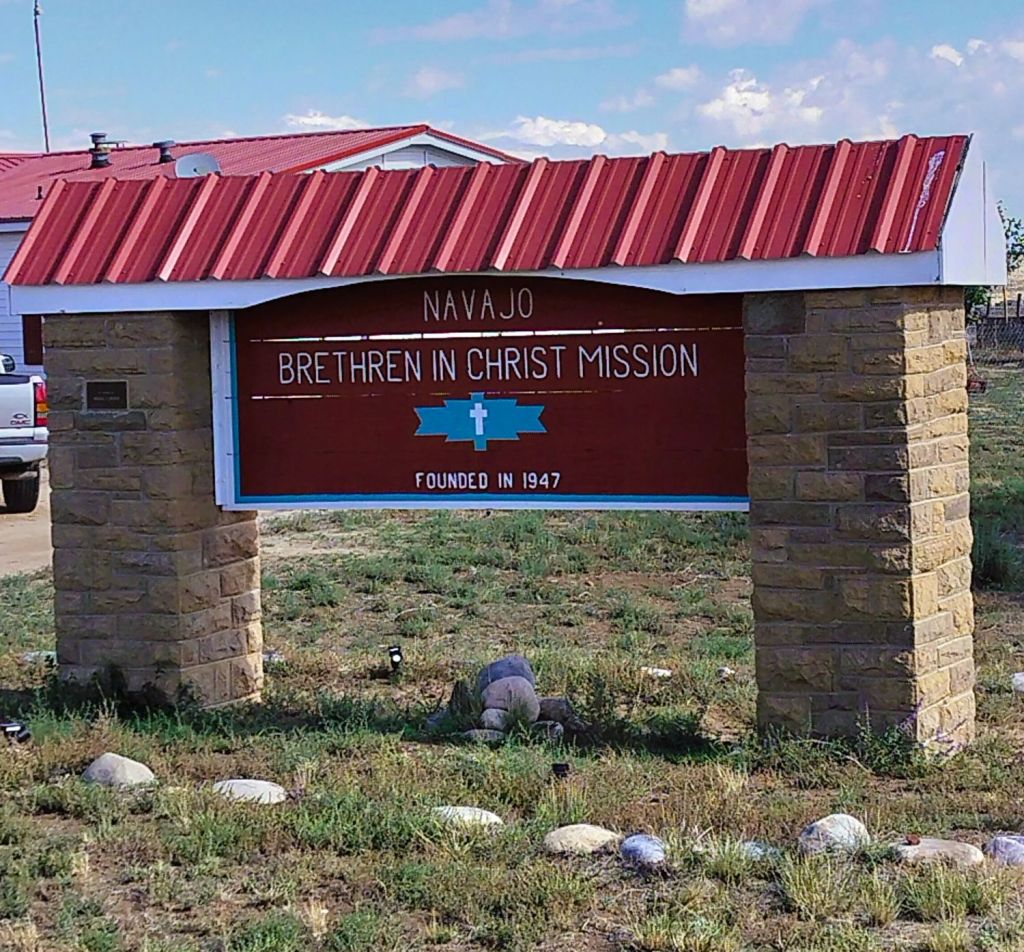
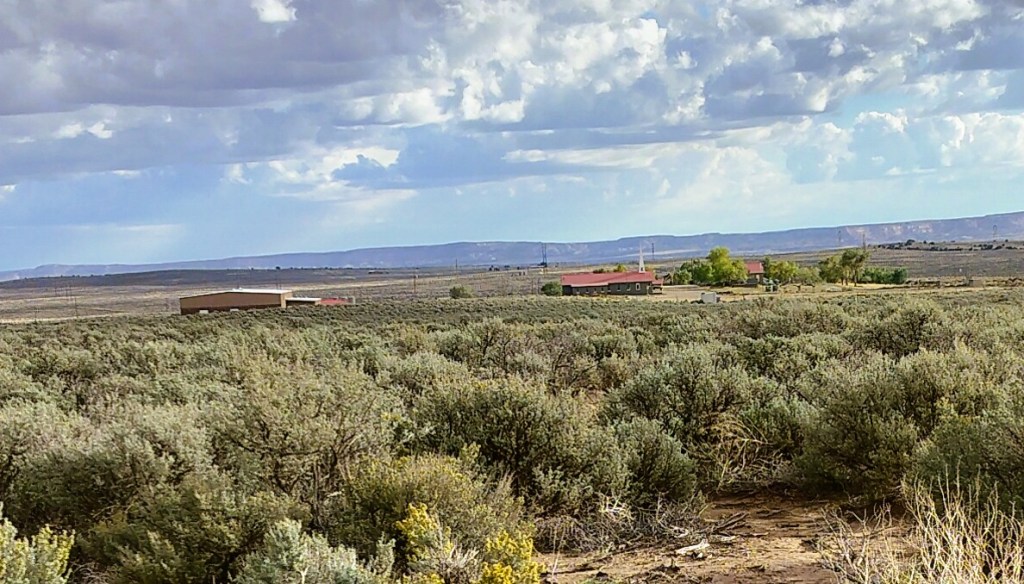
Our stay at the Navajo Brethren in Christ Mission revealed various ways the mission reaches out to Navajo residents in the area. The mission offers food, clothing, education assistance and the hope of Christ through their church ministry and fellowship programs. We camped a quarter mile from the Mission where the quiet sagebrush and cactus covered camping area was interrupted by passing water trucks, squeaking oil well grasshoppers and mooing cows.
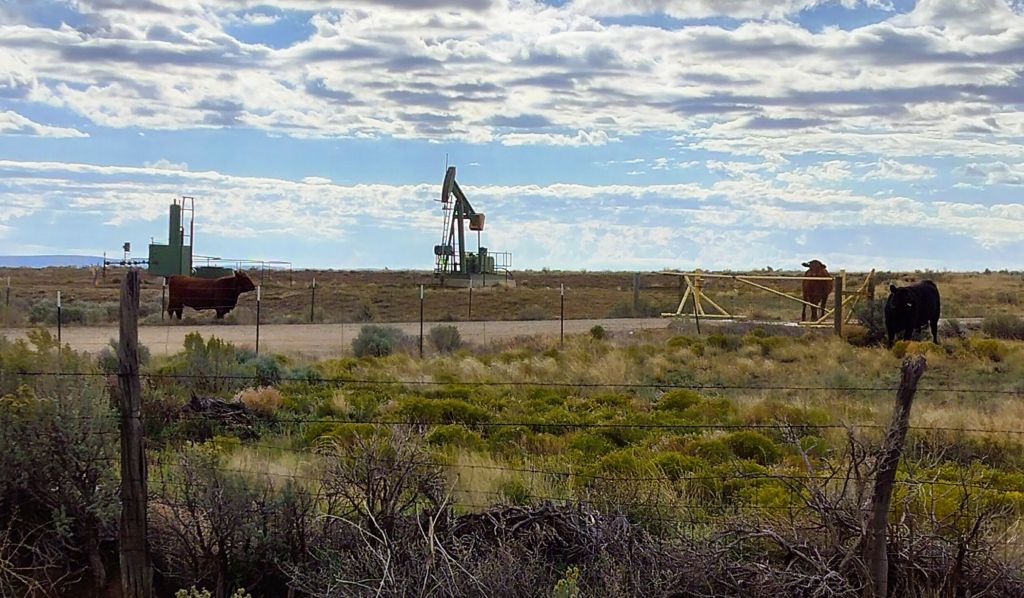
Abiquiu and the Georgia O’Keefe Connection
Our travels continued.
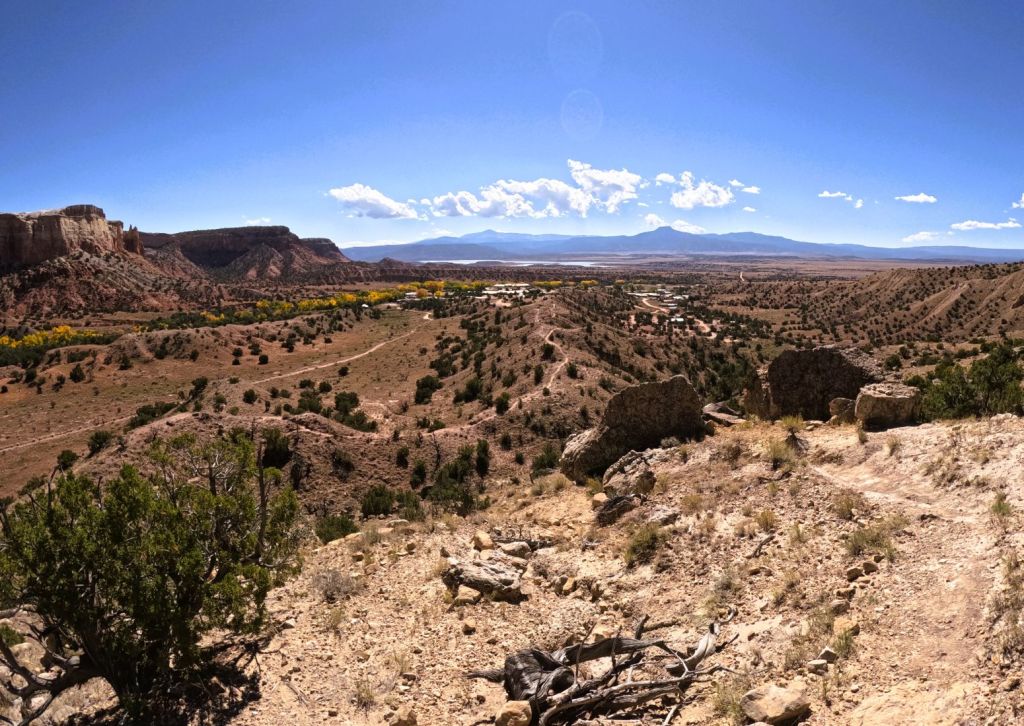
We camped several nights at a Corps of Engineers dam near Abiquiu, NM. Our campsite had a great view of the Abiquiu Reservoir and the red rock canyons and mountains in the distance.
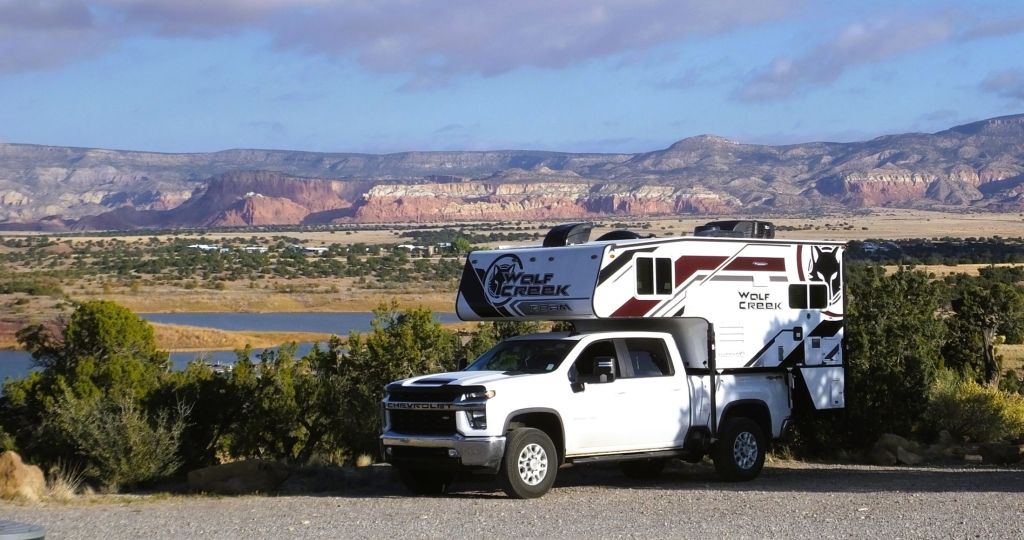
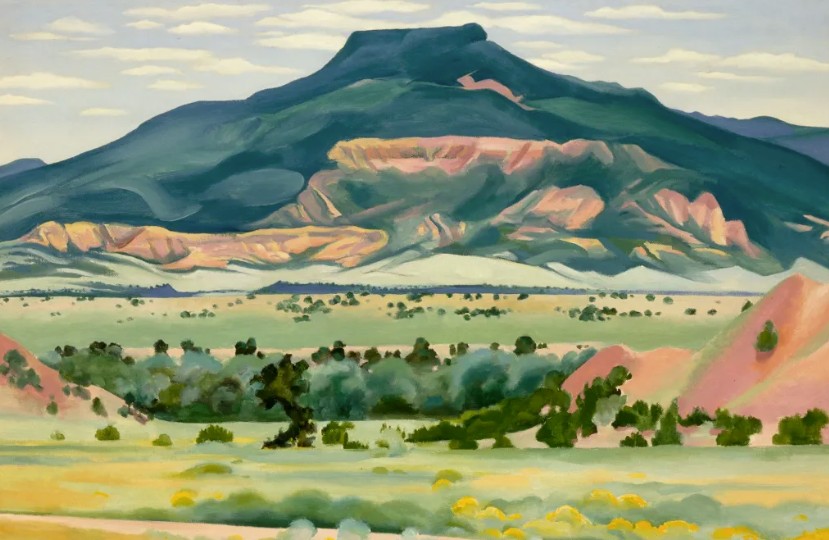
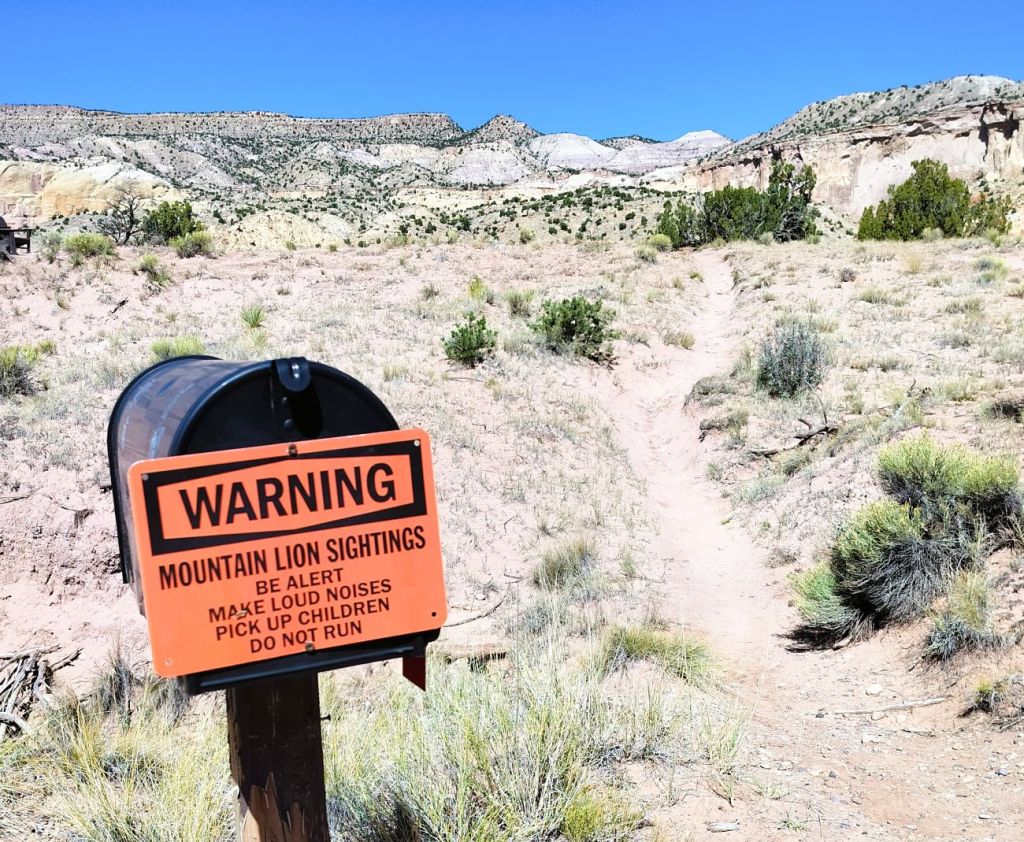
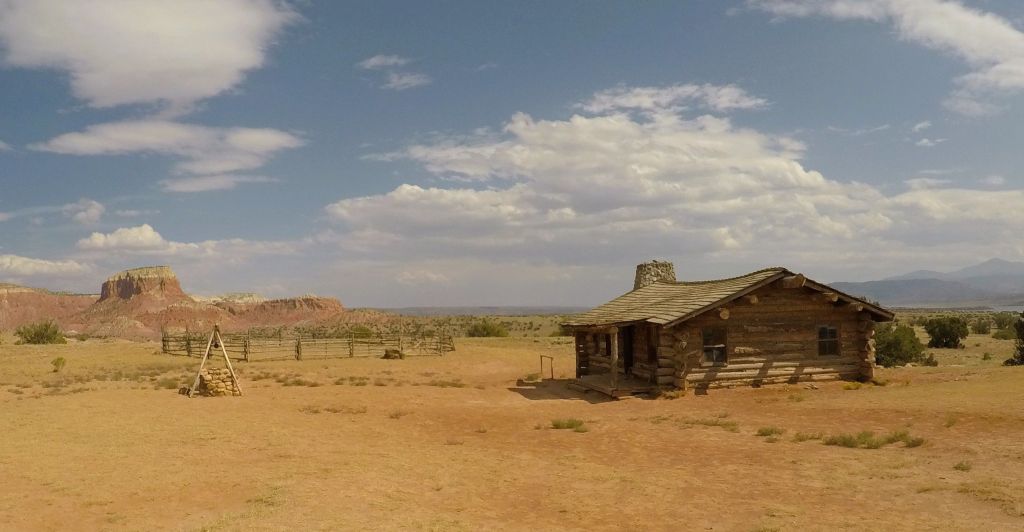
Abiquiu is best known for its connection with artist Georgia O’Keefe, where she had a home and studio. Her work was inspired by colorful and dramatic landscapes in the area that include the Abiquiu Reservoir and Ghost Ranch, a nearby education and retreat center.
Santa Fe and Meow Wolf
Our final night before the Balloon Fiesta was in Santa Fe (click to see RabbiTRAILS Ep 6 / Ep 7 / Ep 8). During prior visits we walked around the historic downtown square and toured nearby Los Alamos and Bandolier National Monument. We’ll save those for future RabbiTRAILS blogs should we visit again.
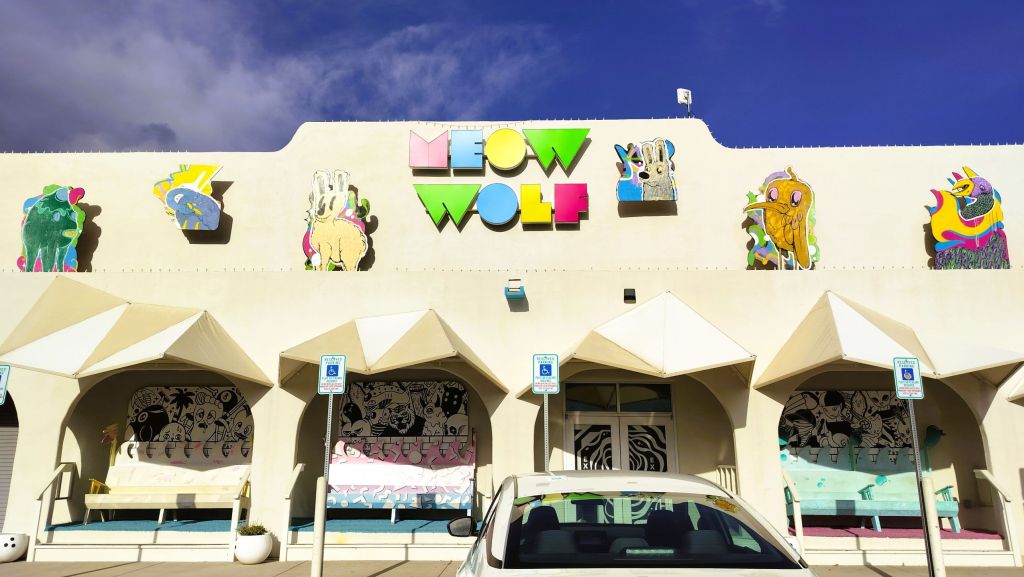
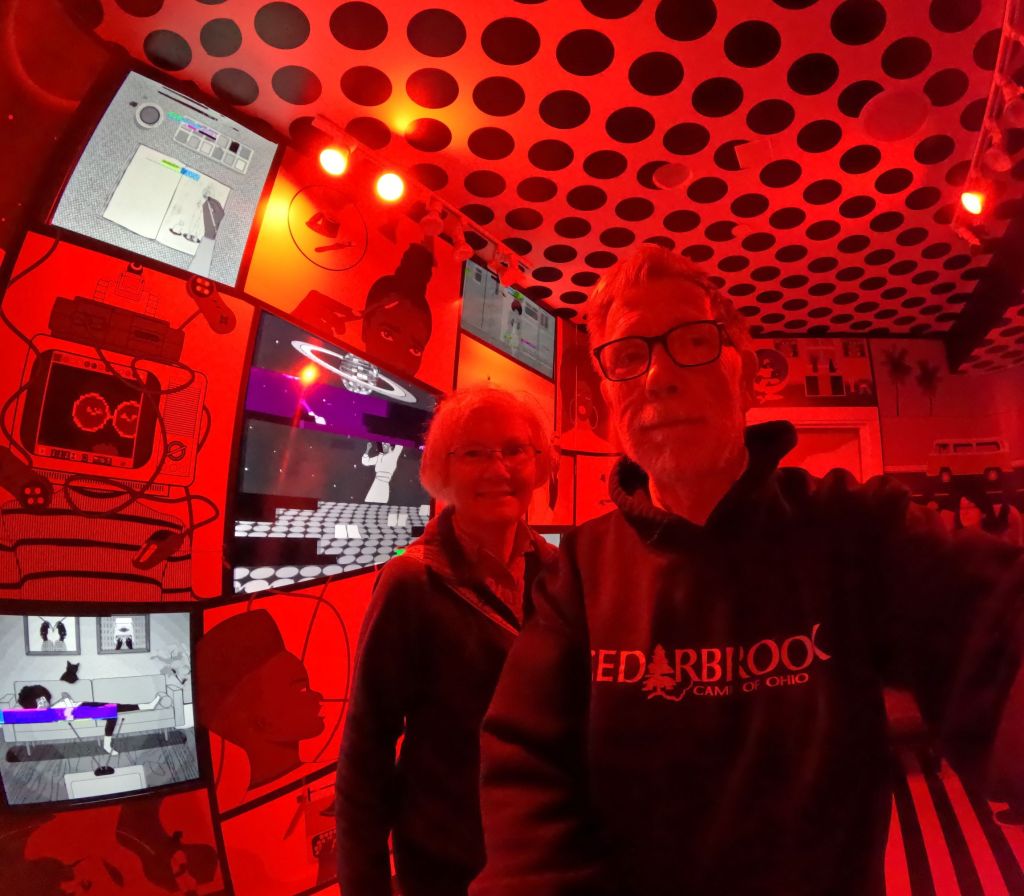
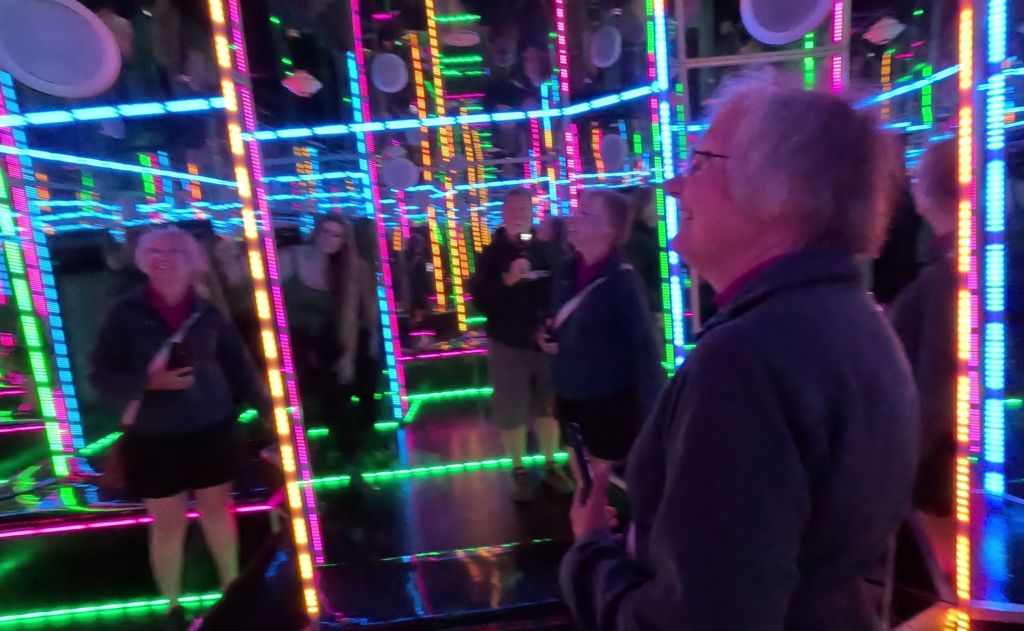
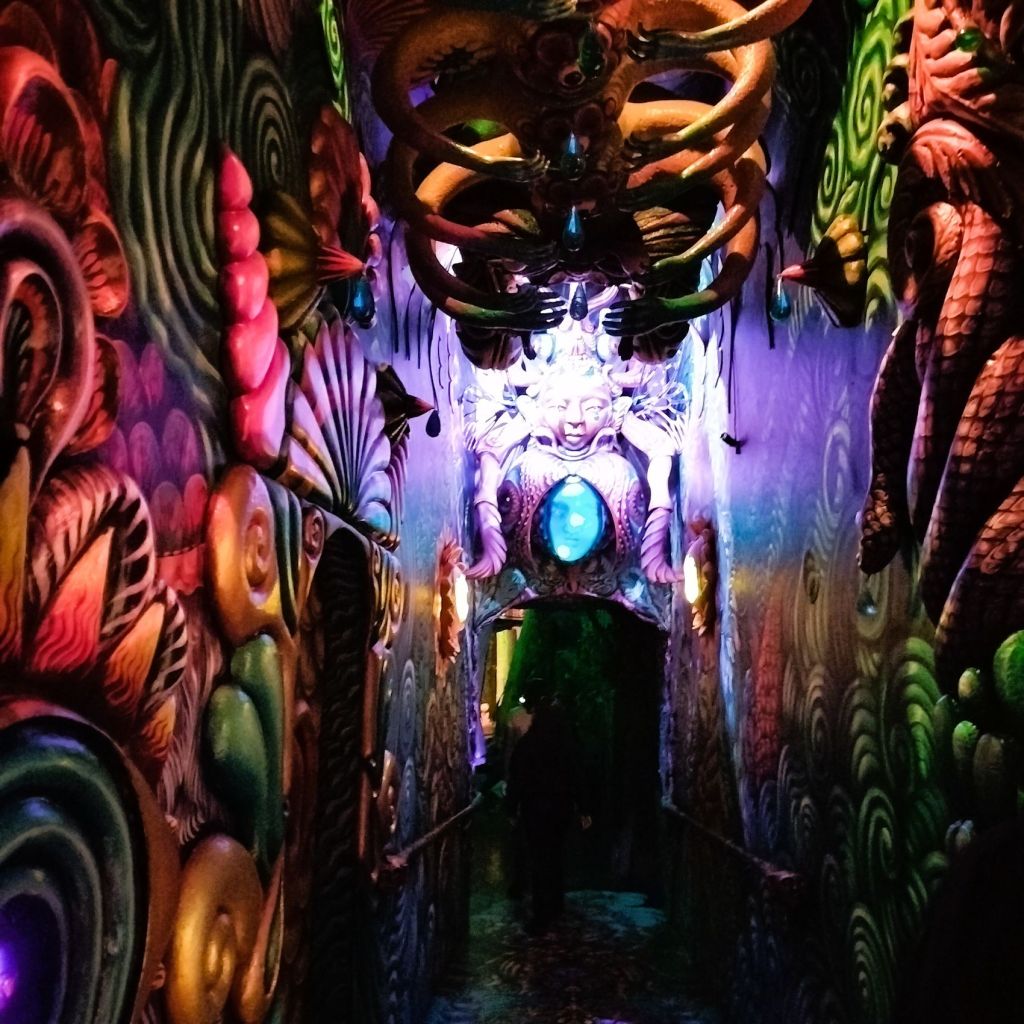
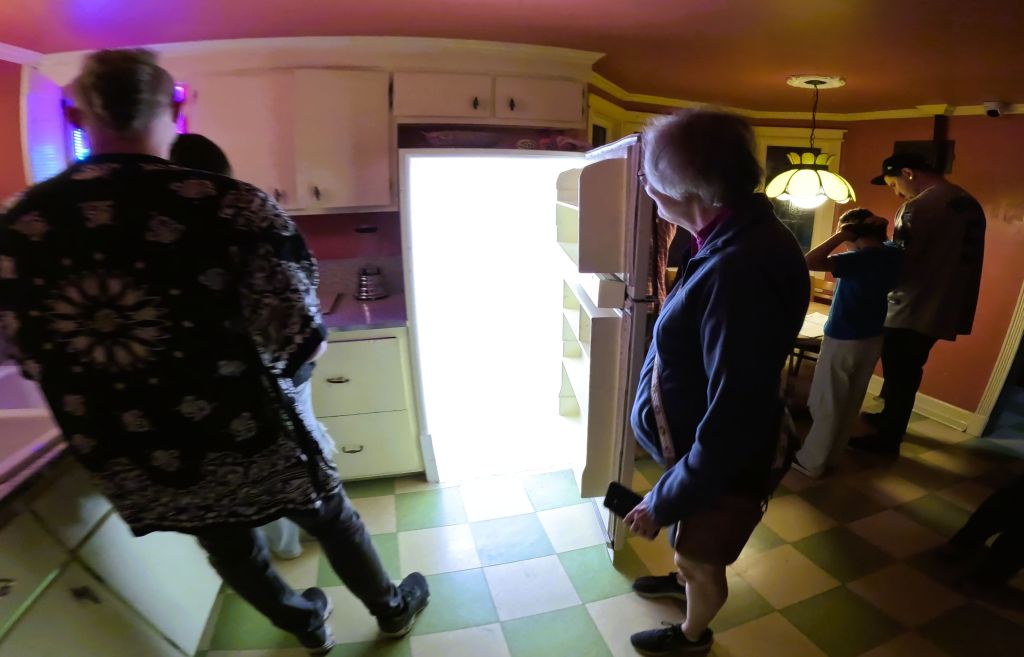
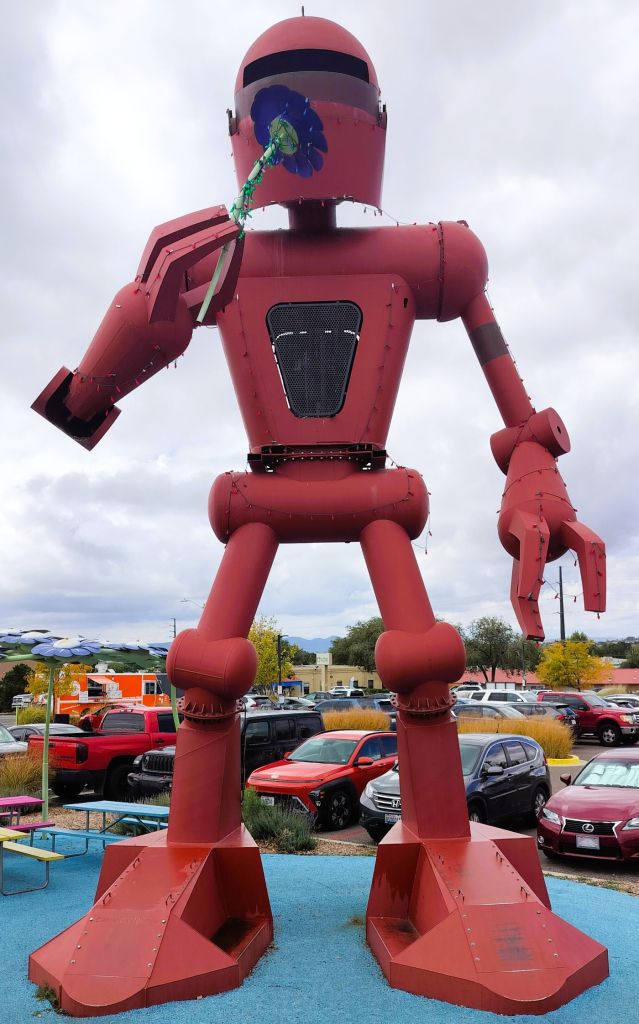
This time, however, we wanted to visit Meow Wolf, an unusual attraction formed in 2008 as part of an art collective of more than 135 local artists. The venue is a 20,000 square foot immersive art experience, where visitors wander through dozens of rooms and secret passages, attempting to unravel the mysterious disappearance of a family that experimented with interdimensional travel to bring back a deceased family member. (crazy, huh!)
Meow Wolf can be described as a combination of huge escape room and Disney Imagineering. It has been replicated in Las Vegas, Dallas, Houston and Denver. Each location has a distinct theme and narrative.
Next Week
From Santa Fe’s immersive Meow Wolf experience and Albuquerque’s colorful Balloon Fiesta, our route turns eastward to six state parks in Texas. As we cross the Lone Star State, the RabbiTRAILS vary from deep canyons to mountaintop telescopes to big thicket swamps. And one with a creepy tarantula that crossed our path just before sunset!
(Don’t forget to LIKE our blog posts and to SUBSCRIBE for future updates)
 Take the LONG Road...