Restocked and medicine cabinet remounted with four additional screws, we pressed on to Tok, Alaska (RabbiTRAILS Alaska Map, pt #35), with a night at a Yukon Provincial Park (map pt #34) along the way.
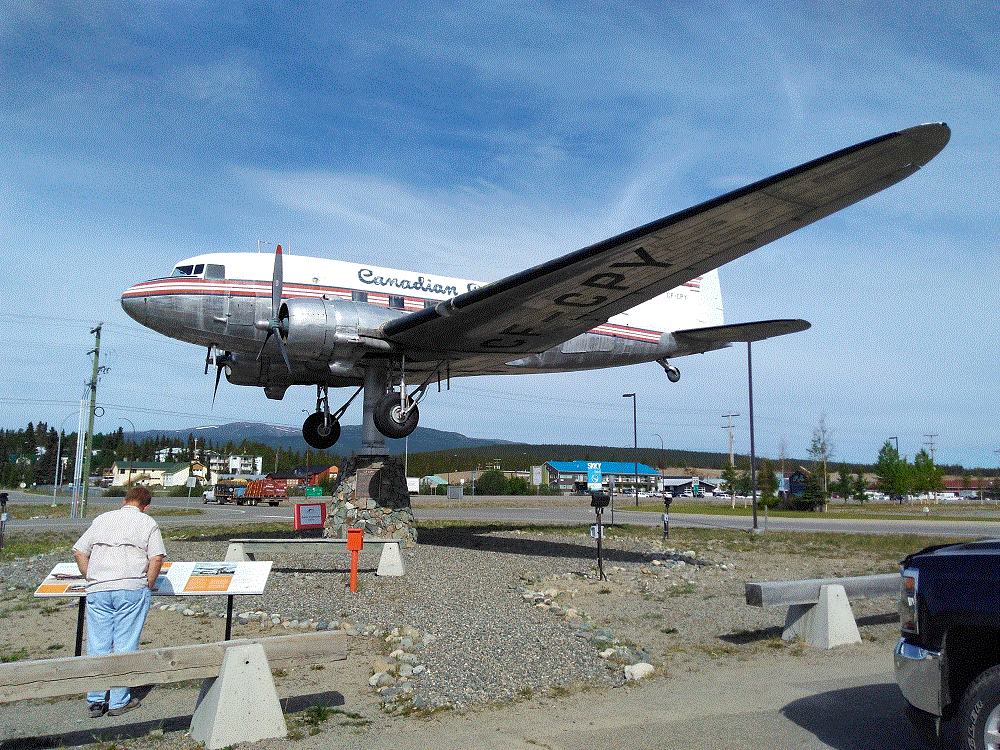
Before leaving Whitehorse we visited the world’s largest weathervane at the airport. A full-sized Douglas DC3, manufactured in 1942 and retired in 1970, is mounted so that it actually turns in the wind!
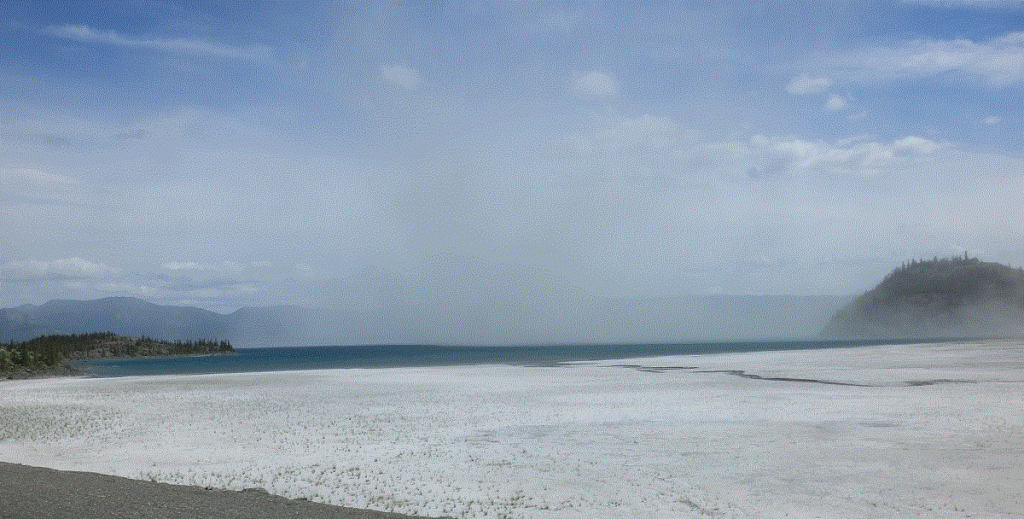
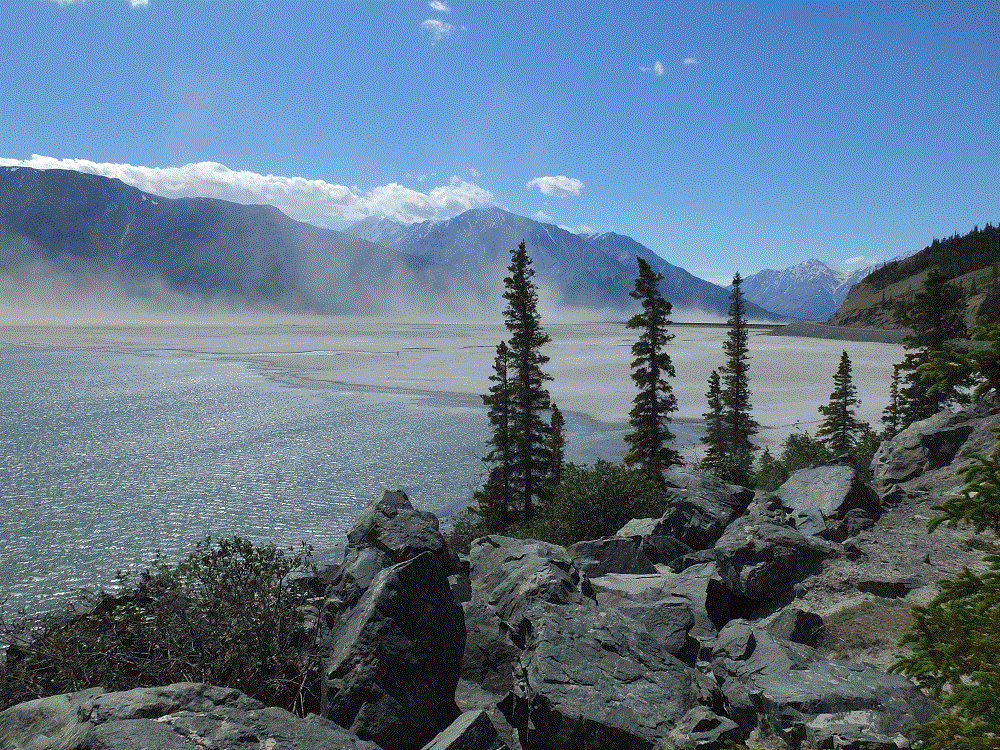
At one point, we noticed the distant mountains were shrouded by haze. We assumed a forest fire, but discovered the haze was an immense dust cloud raised by winds blowing along a dried portion of Kluane Lake.
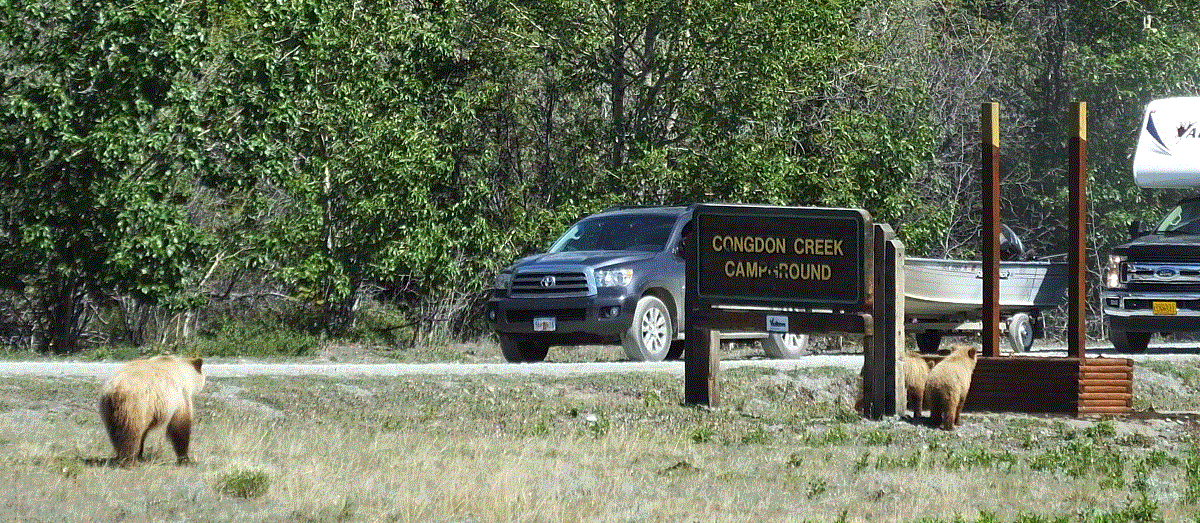
That afternoon we watched a mother grizzly bear and her two cubs near Destruction Bay.
We thought the name Destruction Bay referred to poor roads in the area and their effect on RVs. The name was actually given following a storm that destroyed buildings and such when the Alaska Highway was being built.
Our stop for the night was at Lake Creek Yukon Provincial Park. We enjoyed the quiet campground. The hungry Yukon mosquitoes enjoyed us….
We arrived in Whitehorse (RabbiTRAILS Alaska Map, pt #33) on June 18 and stayed for three days.
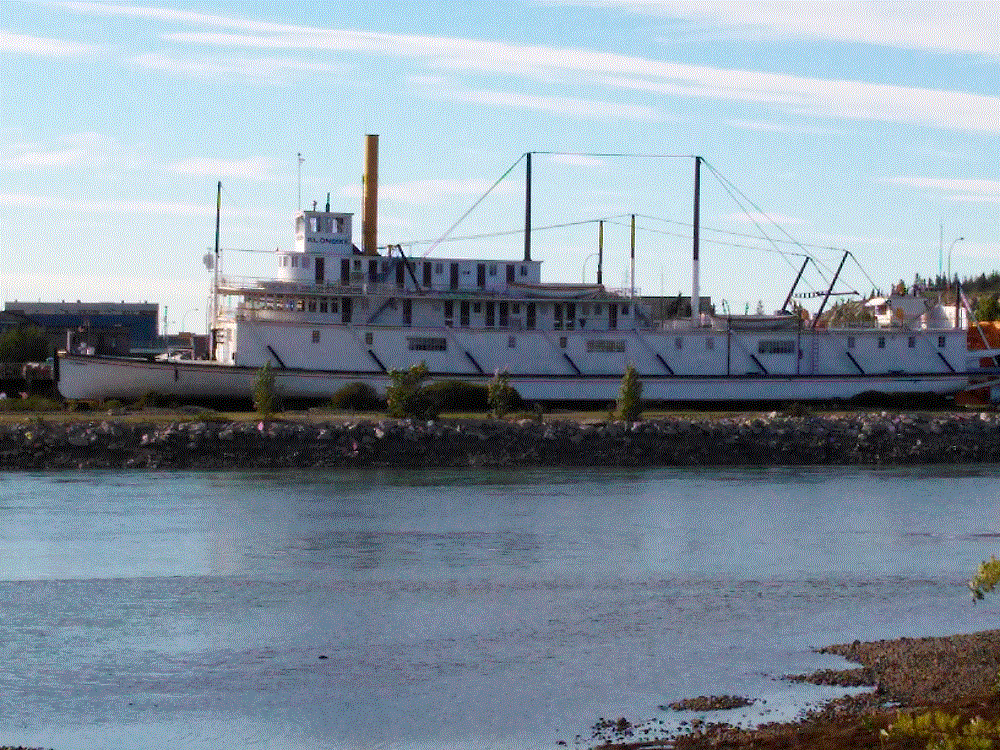
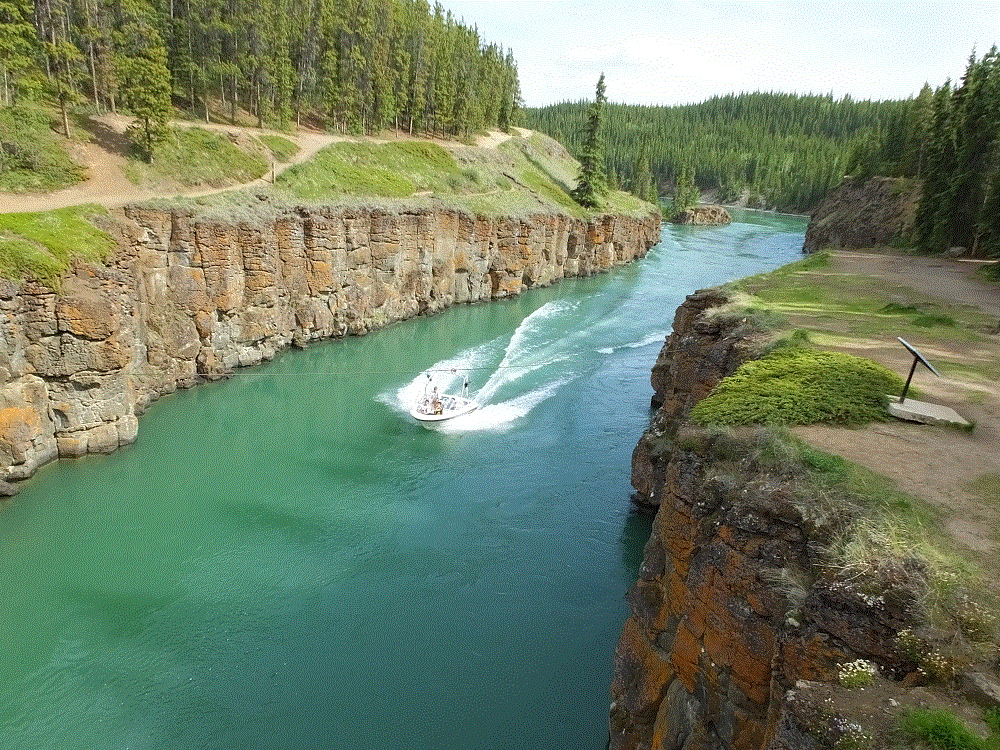
We biked and hiked along the Yukon River, and enjoyed the excellent trails that extend throughout the town. We rode past the SS Klondike, a sternwheeler that ran freight between Whitehorse and Dawson City from 1929 to 1950. The ship is now a national historic site.
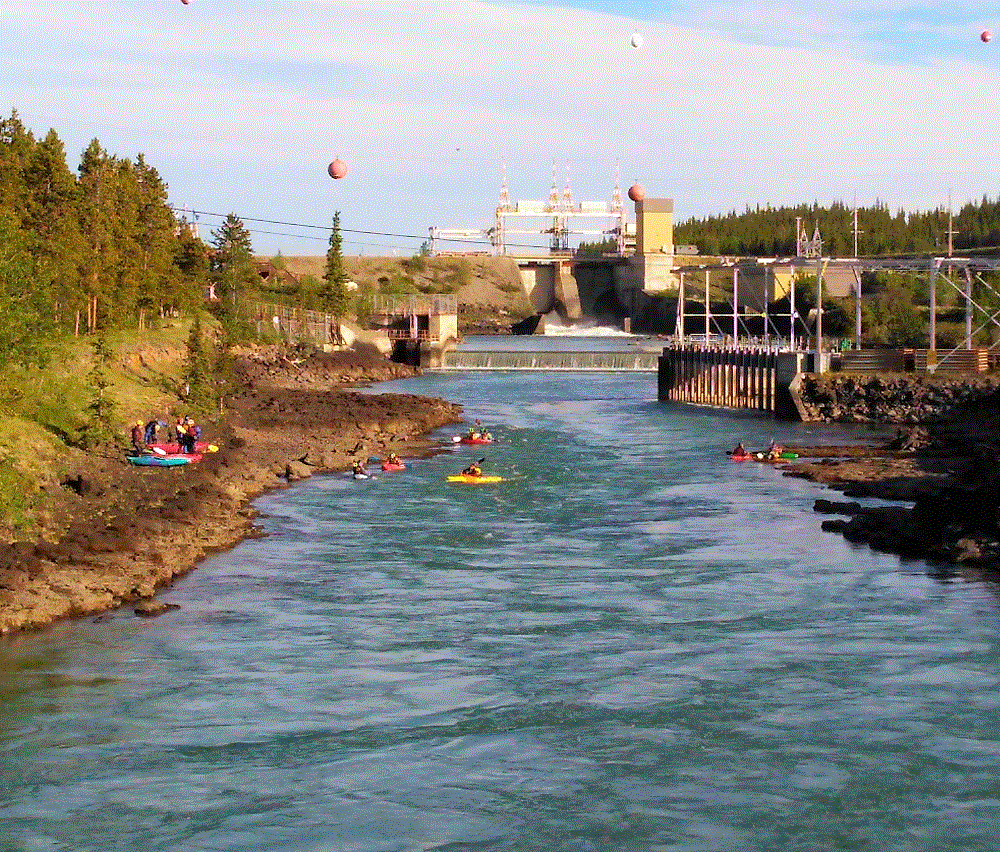
The Yukon is dammed upriver from Whitehorse. Besides hydro power and the trails mentioned above, there are various other recreational opportunities, such as kayaking (downriver) and boating (upriver).
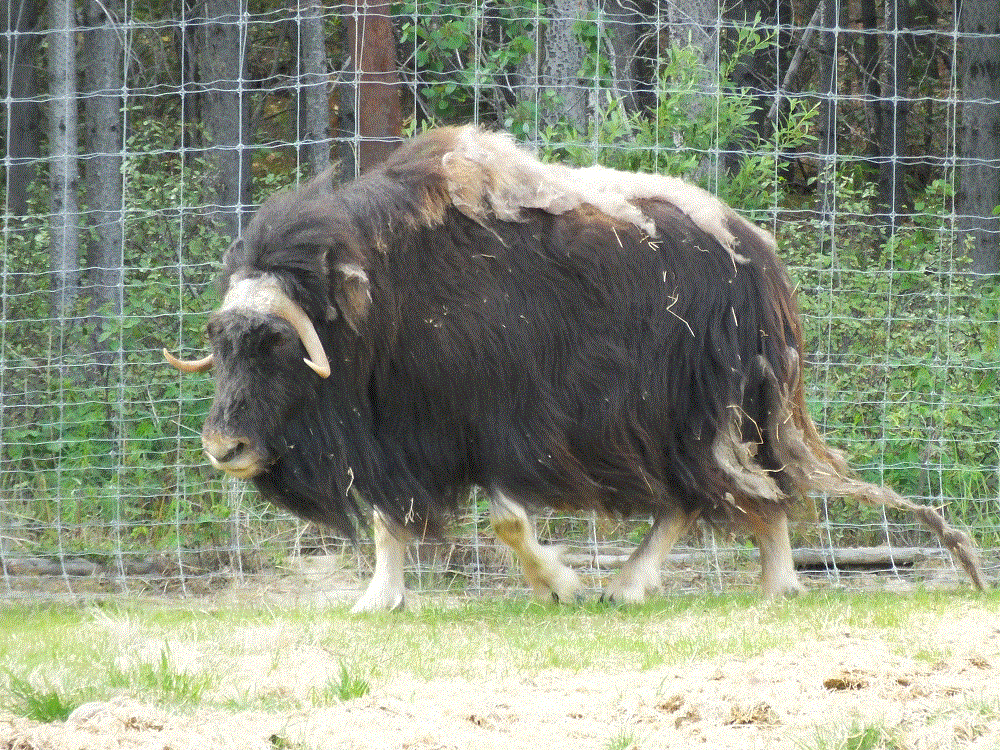
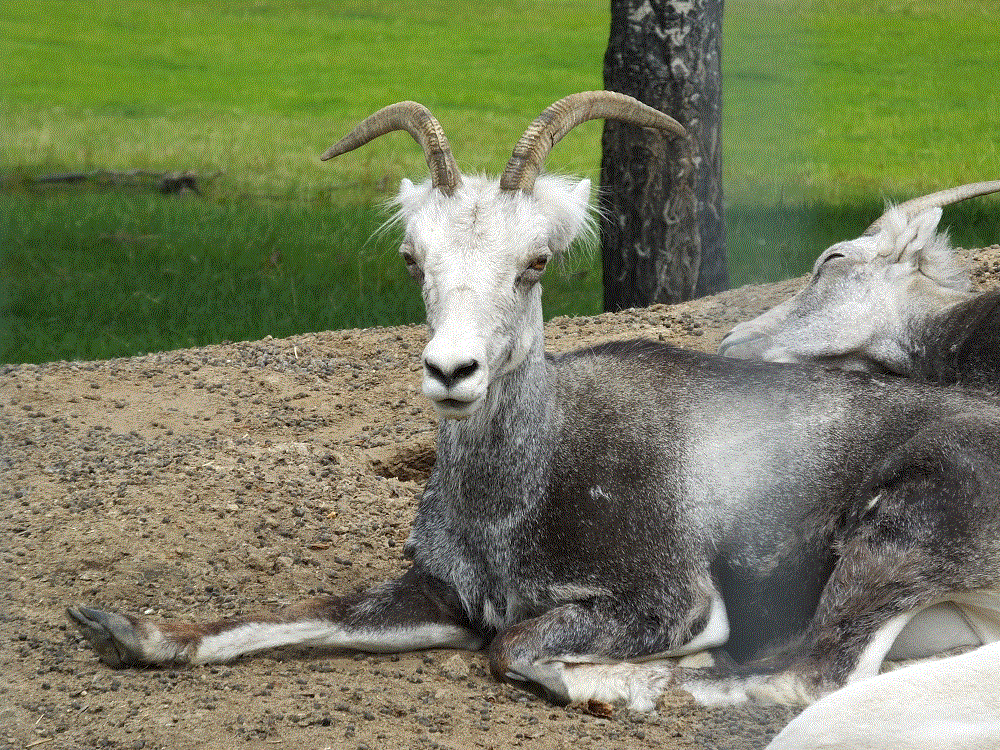
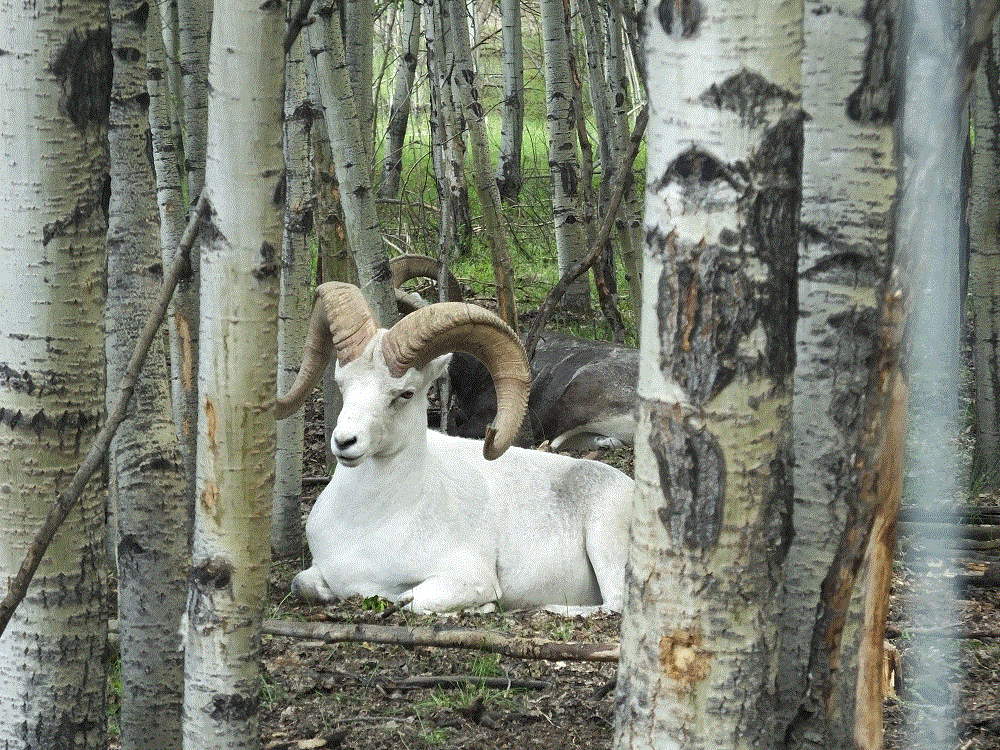
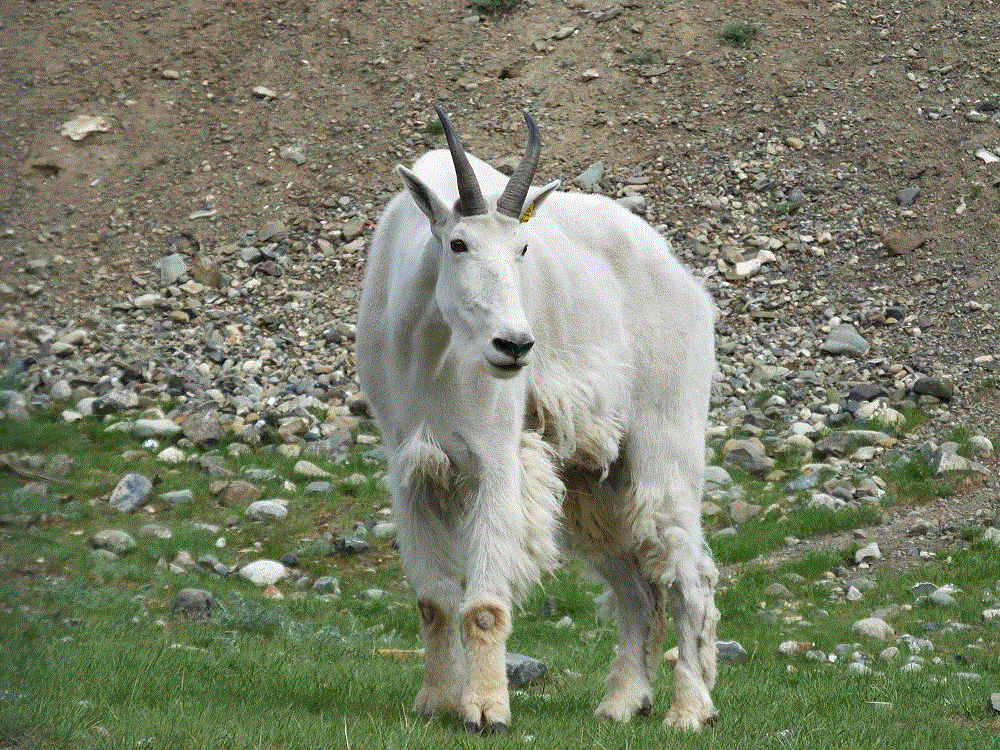
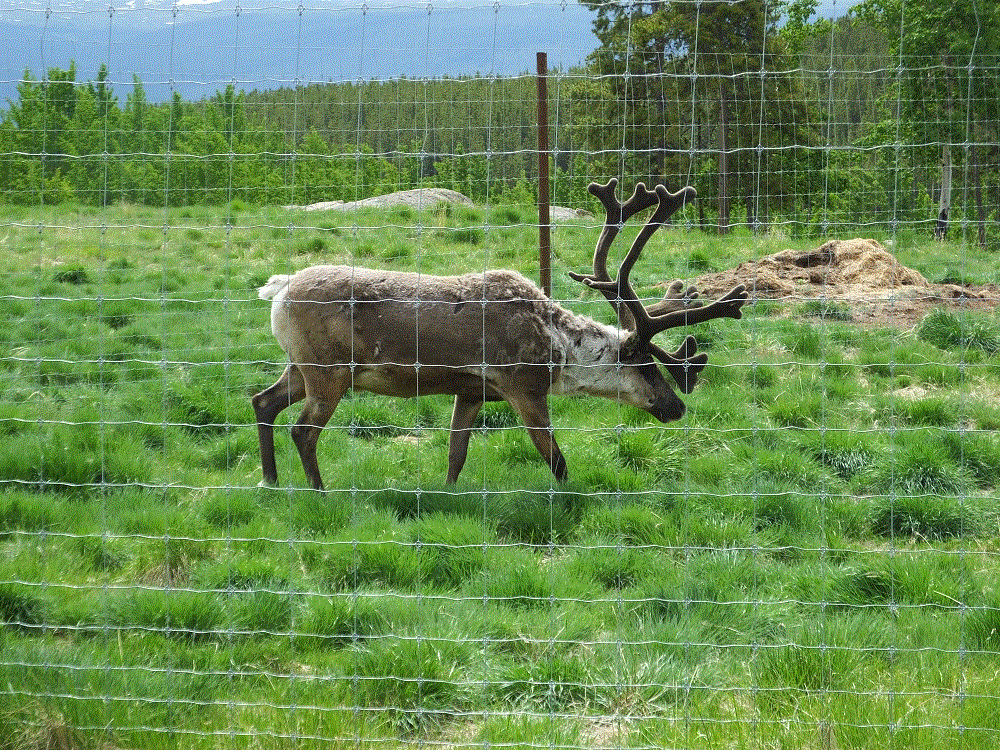
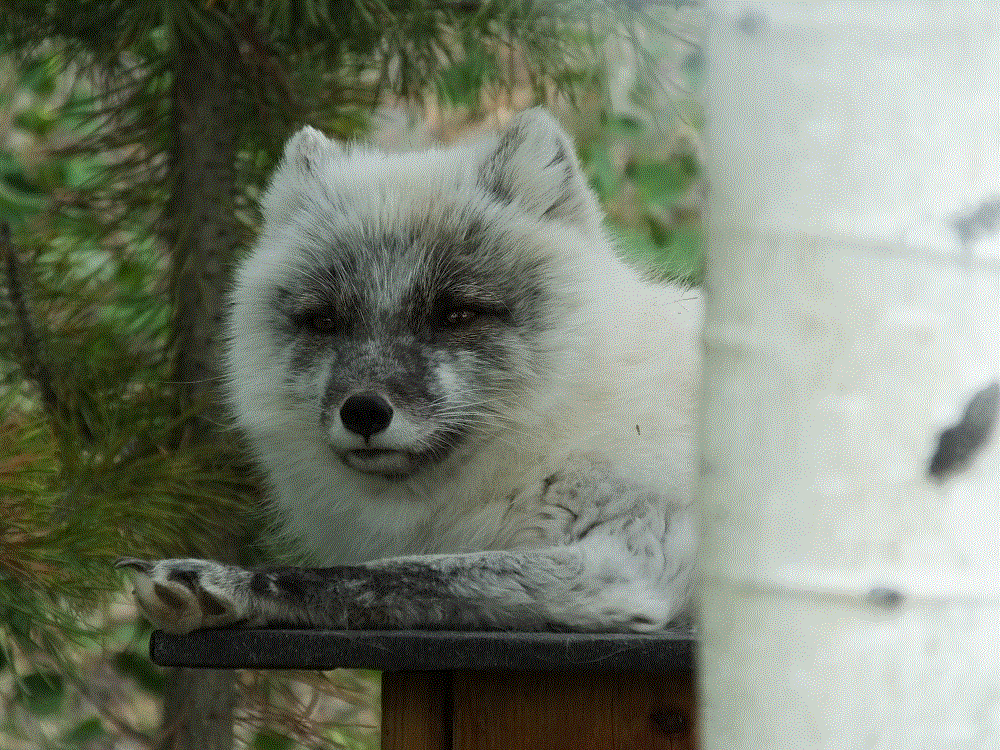
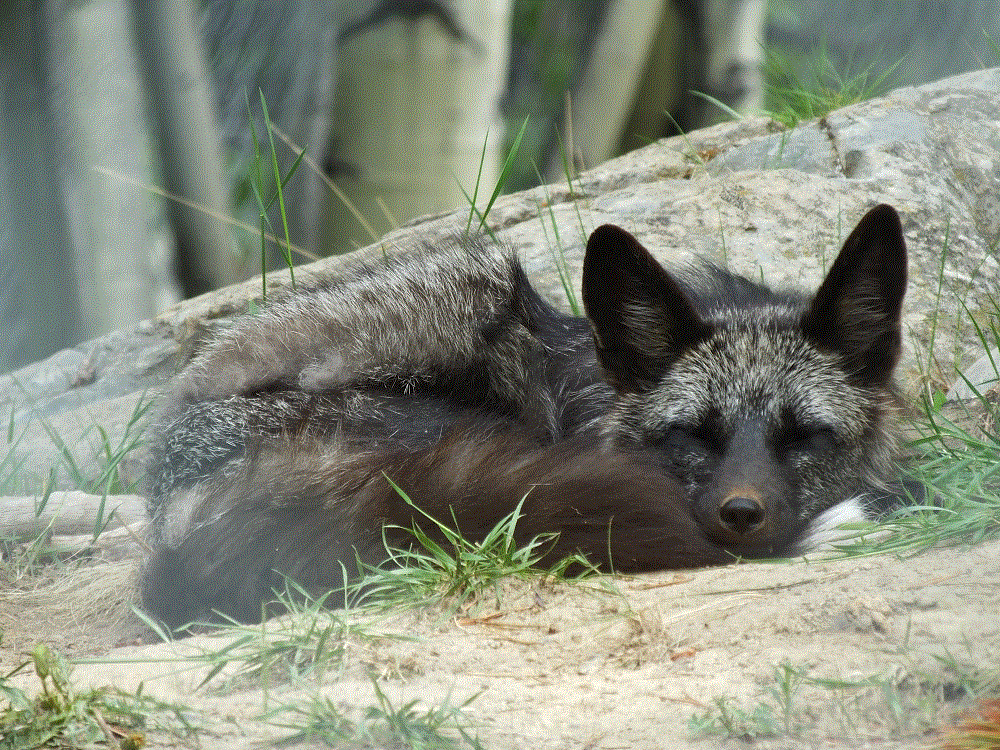
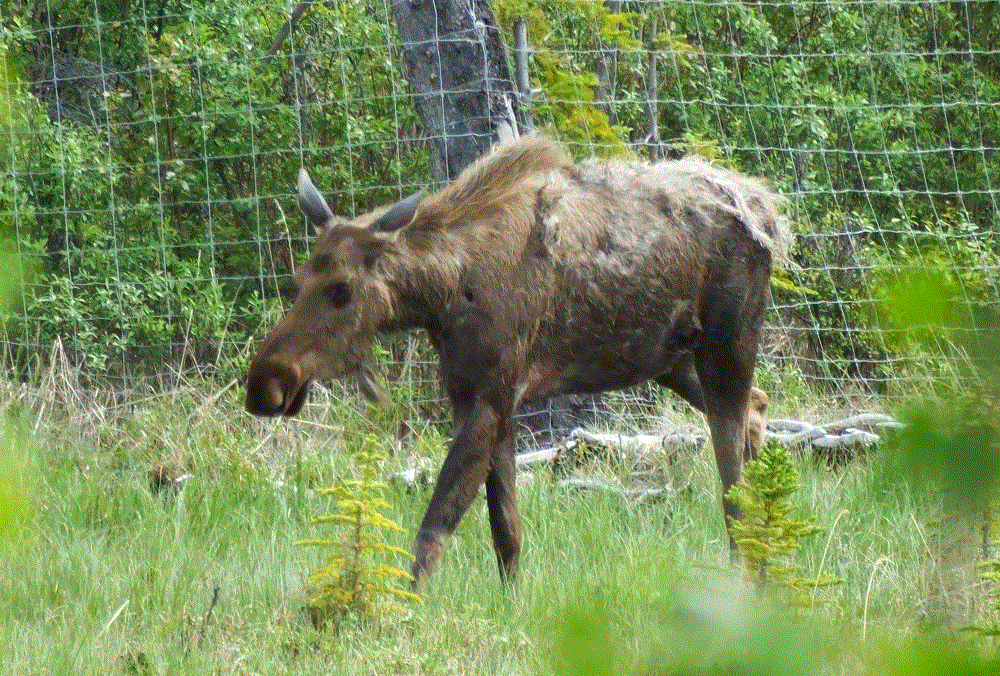
We visited the Yukon Wildlife Preserve where a number of animals native to the north can be seen in their natural habitat. The animals include mule deer, wood bison, elk, musk ox, thin horn sheep, caribou (also known as reindeer), mountain goats, arctic and red fox, lynx and moose.
We also restocked our groceries at a smaller-than-normal Wal-Mart, the first we’d seen since Dawson Creek more than 900 miles back. We counted more than 50 RVs in the parking lot, who were enjoying a free night stay and convenient shopping.
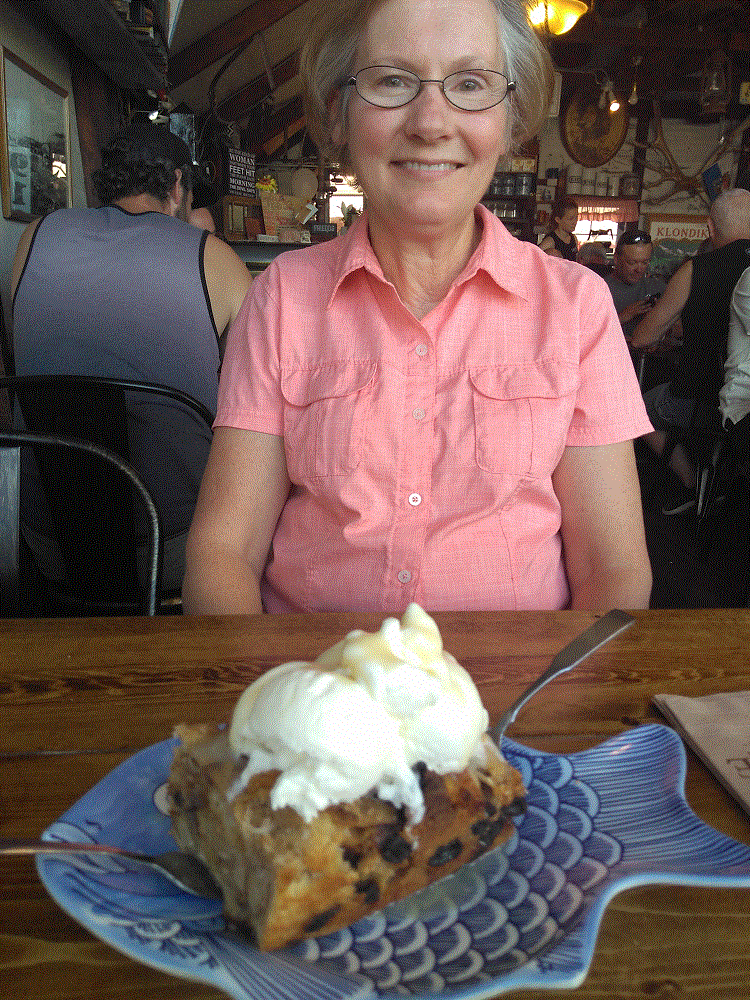
Finally, we celebrated Pat’s birthday with dinner at the Klondike Rib and Salmon BBQ. We ended a great meal with birthday-sized bread pudding!
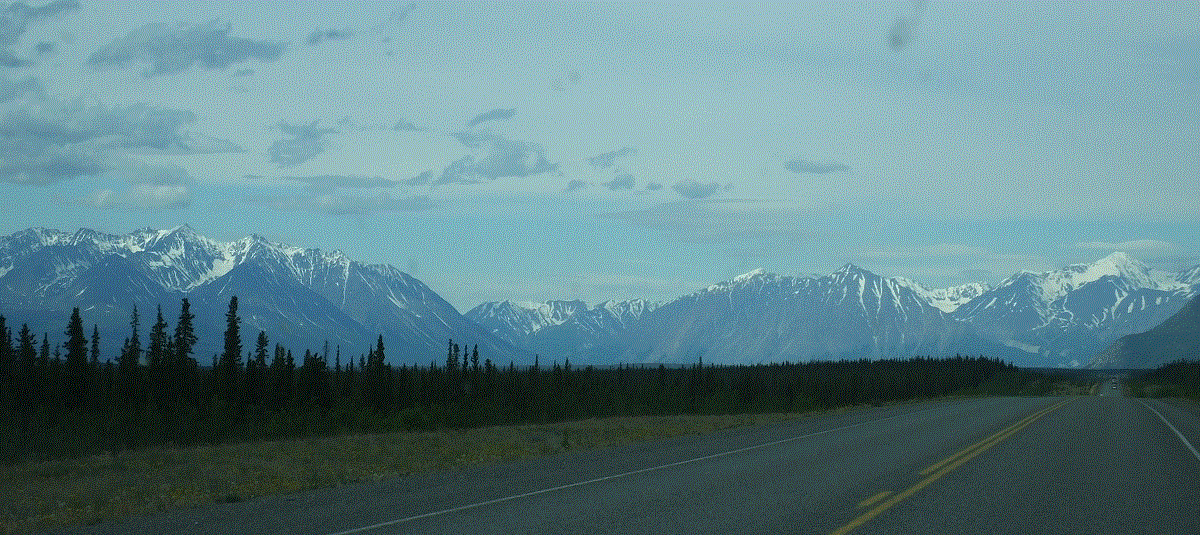
We continued from Watson Lake (RabbiTRAILS Alaska Map, pt #32) to Whitehorse (map pt #33) on June 18 – past boreal forests, catching glimpses of snowy mountains in the distance.
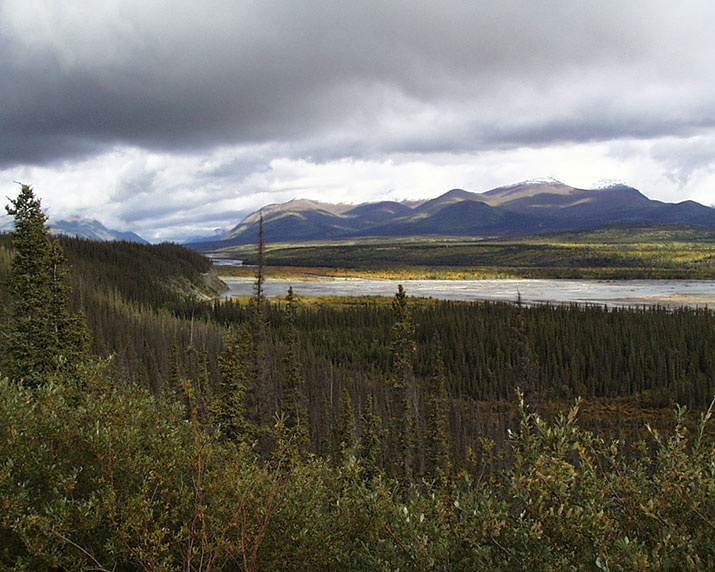
Alaska Highway and Yukon guides, and numerous information displays along the road reference the term boreal – we wondered about the meaning of the word.
A boreal climate is characterized by long winters and short, cool to mild summers, and is just south of the Arctic. We have been fortunate that our Alaska Highway trip has been very pleasant with little or no rain.
A boreal forest is characterized by coniferous trees – we have driven by miles and miles of spruce and pine trees. Sizes vary, with shorter trees in areas of past forest fires or flat areas where permafrost keep tree roots very shallow stunting tree growth.
There are also stands of aspen and other broadleaf trees. Perhaps we will see leaves changing when we begin the trip home in early September.
Our fears of the condition of the Alaska Highway have generally been unfounded. The road is in good shape, with few rough areas and occasional road construction. Road construction is extremely dusty – the dust gets onto and into everything.
Alaska Highway road construction is a short video that shows typical road construction on the Alaska Highway. Note the dust clouds created by the vehicles ahead! (this is an experiment – it may take a moment to load. Please let us know in the comments if the video works for you)
The long road has taken its toll. When we stopped for lunch we discovered the bathroom medicine cabinet fell off the wall! There was no damage other than four gaping holes in the wall where the screws that held the cabinet pulled out and various items strewn all over the floor.
At the end of the day we arrived in Whitehorse, the capital and largest city in Yukon with about 25,000 residents.
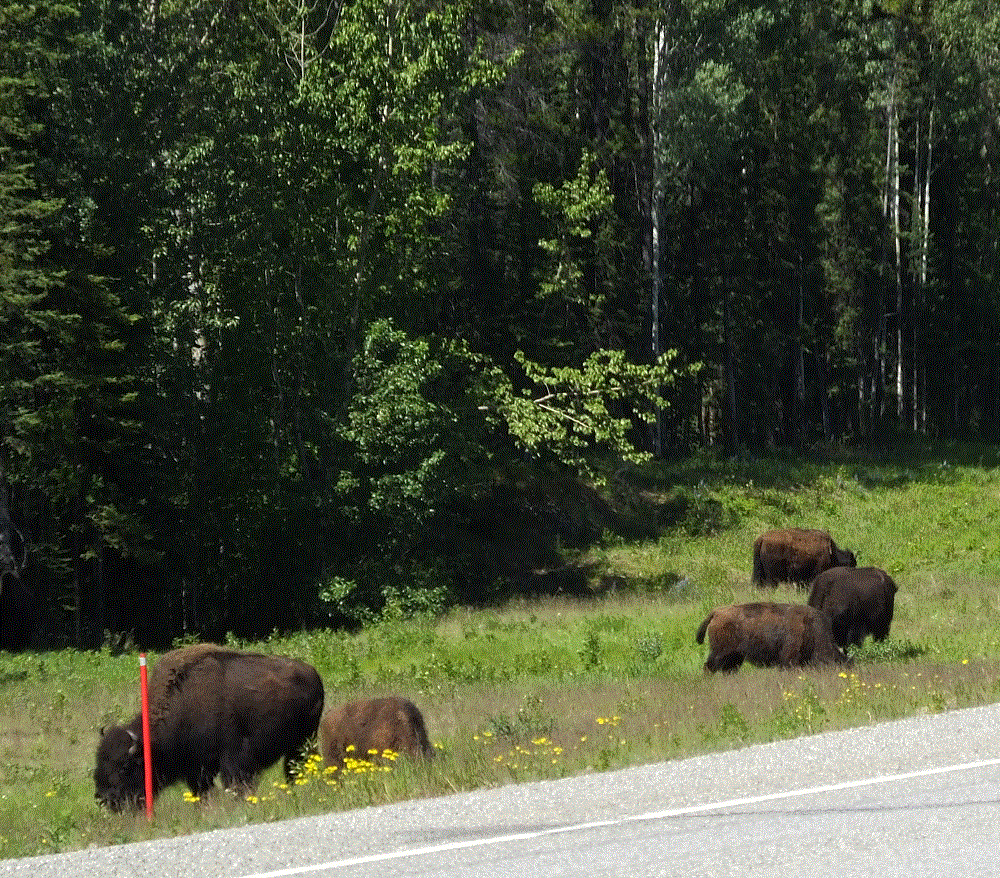
On June 17 we made our way from Muncho Lake (RabbiTRAILS Alaska Map, pt #31) to the small town of Watson Lake, Yukon (map pt #32). North of Liard Hot Springs, we saw signs advising of Wood Bison along the highway. We weren’t disappointed.
We stopped to see several individual and two larger herds of Wood Bison.
Our first take was the wood bison were smaller than the plains bison commonly seen at Yellowstone and elsewhere. We learned that wood bison are actually larger but their overall numbers are much fewer. Their behavior and demeanor are very similar, however.
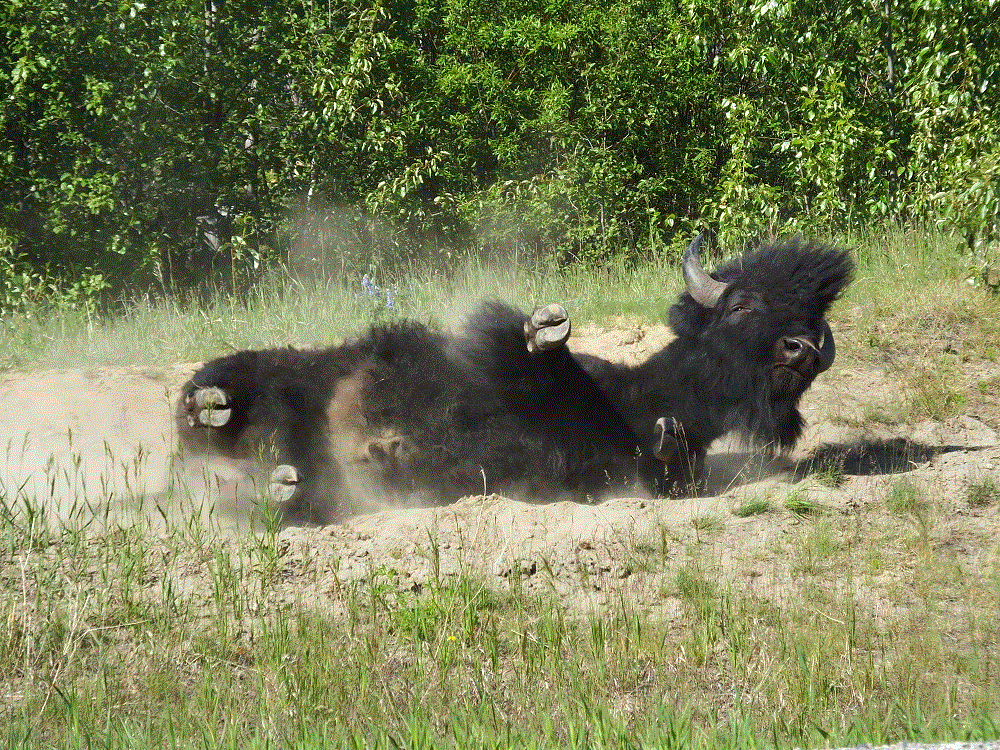
Some even like to take dust baths to remove mites and excess winter coats It is a sight indeed to see a 1500+ pound, 6-foot tall behemoth roll in the dirt like a hound dog!
Watson Lake
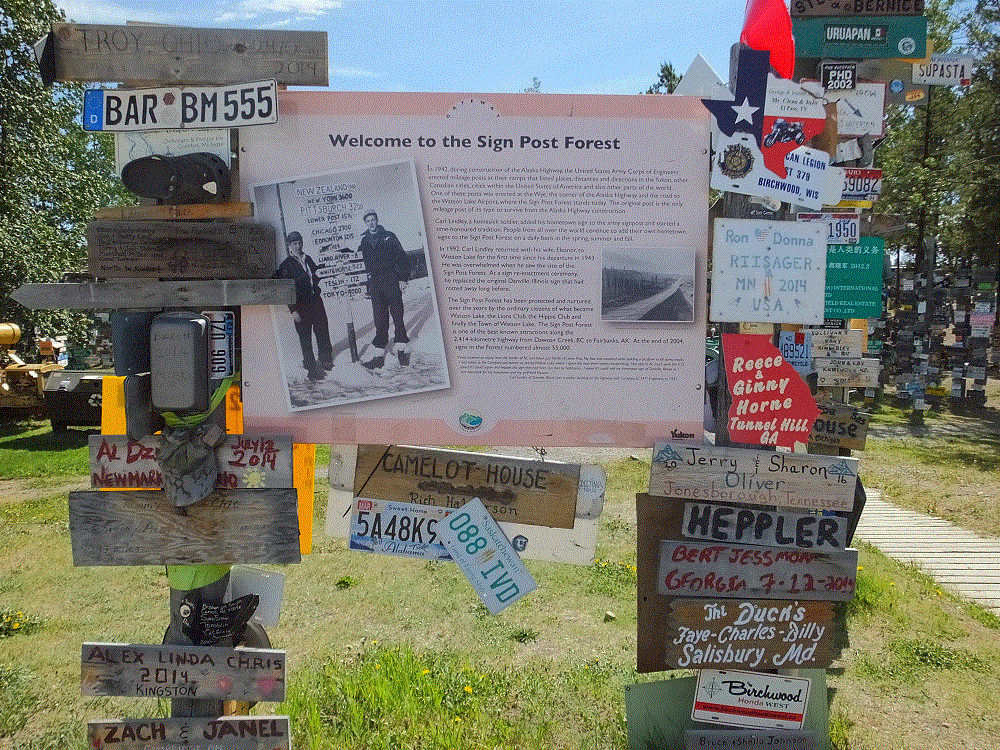
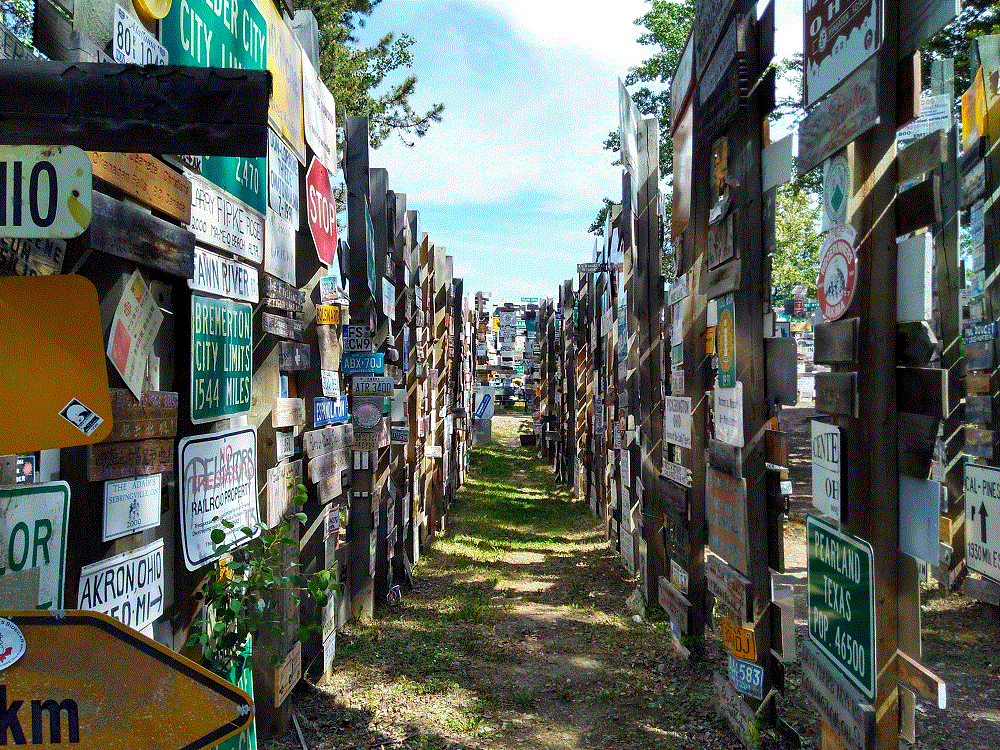
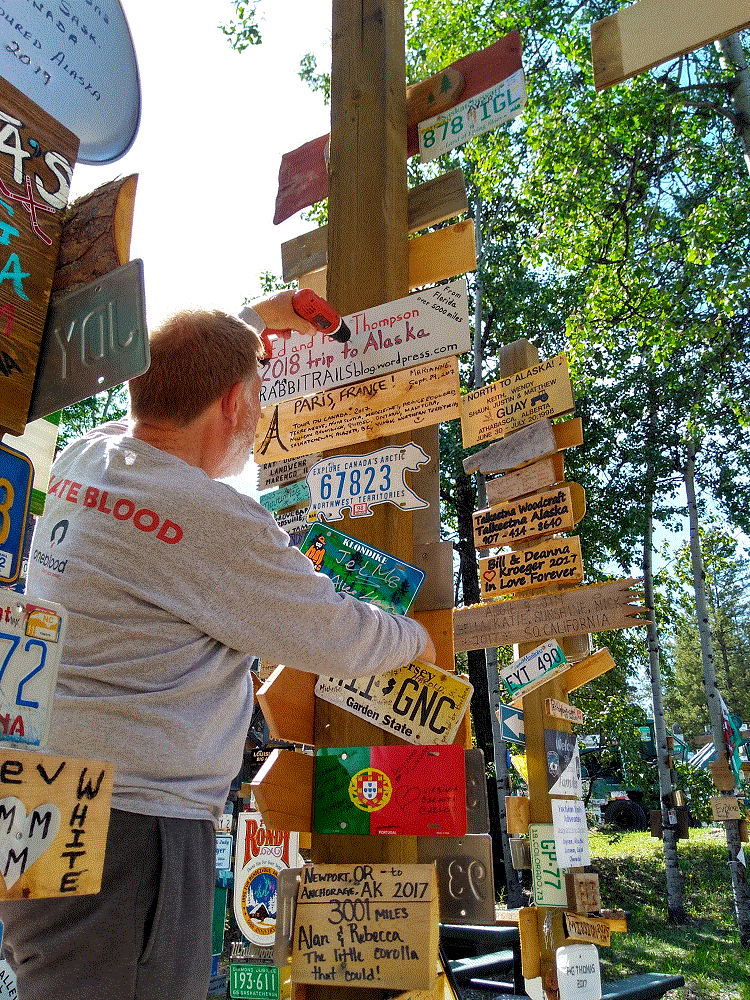
We arrived in Watson Lake, Yukon several hours later, and after getting set up, we visited what everyone who comes to Watson Lake visits – the sign post forest.
During construction of the Alaska Highway in 1942, a homesick soldier from Illinois added his hometown sign to an Army mileage post. Others did the same and this quickly became a tradition followed by visitors from all over the world. The single signpost has grown to a forest, with 90,000+ signs added over the years.
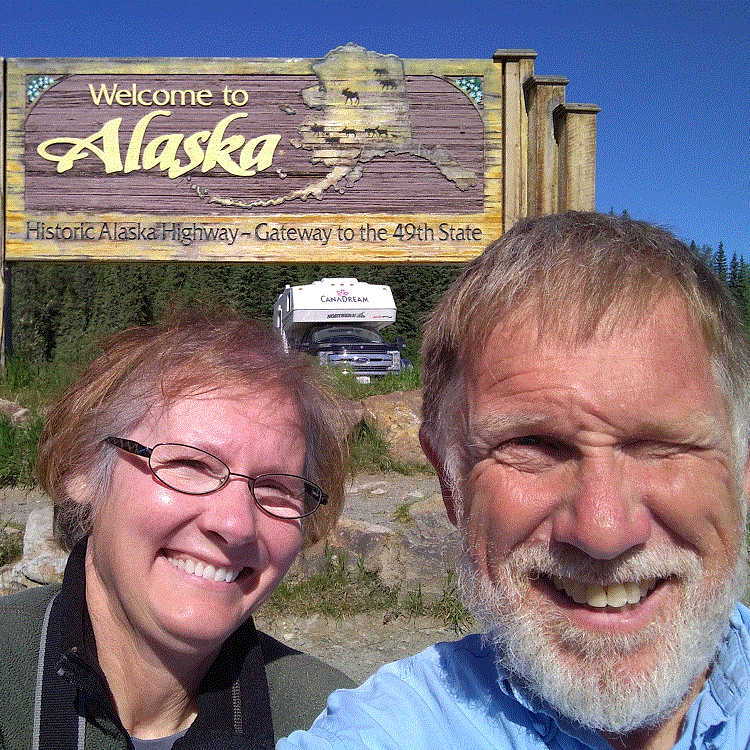
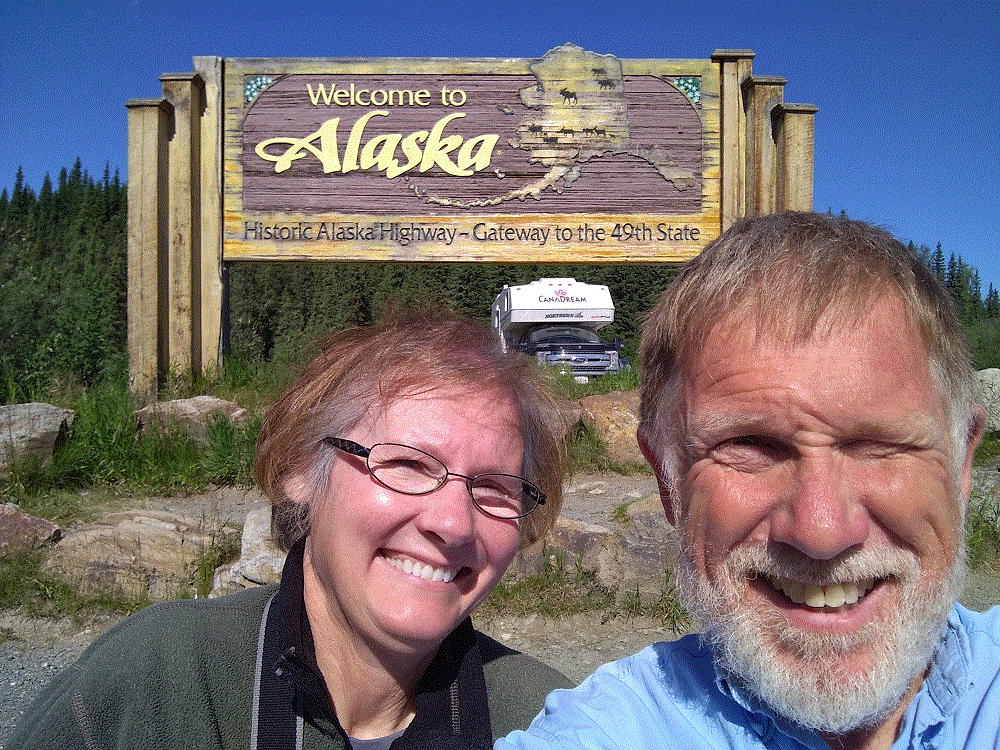
At 11:30 am on Friday, June 22, we crossed into Alaska from Canada. WE MADE IT!!
Our journey has taken us 9391 miles and 69 days thus far.
Many thanks for your prayers and good wishes as we endured camper slide problems early on, and a medicine cabinet that fell off the bathroom wall a couple days ago. More on this and several Alaska Highway updates in a couple days.
For now, we are exiting the Alaska Highway in Tok (RabbiTRAILS Alaska Map pt. #35) and are headed to Valdez for a week (map pt. #37). Then we will move on to Anchorage (map pt. #38) for July 4.
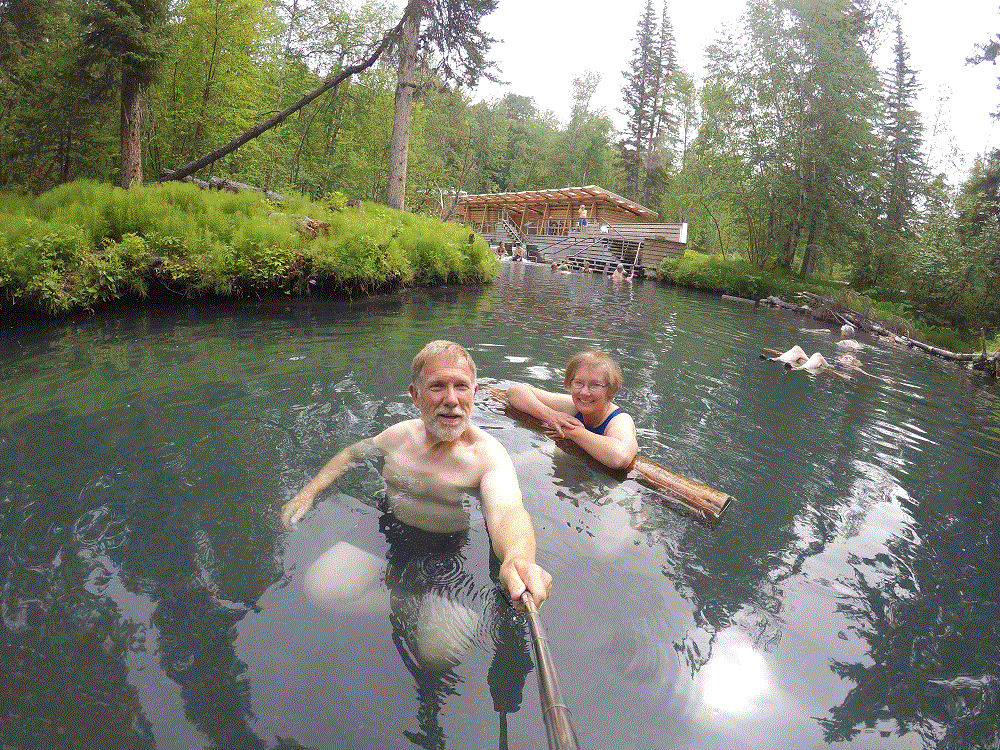
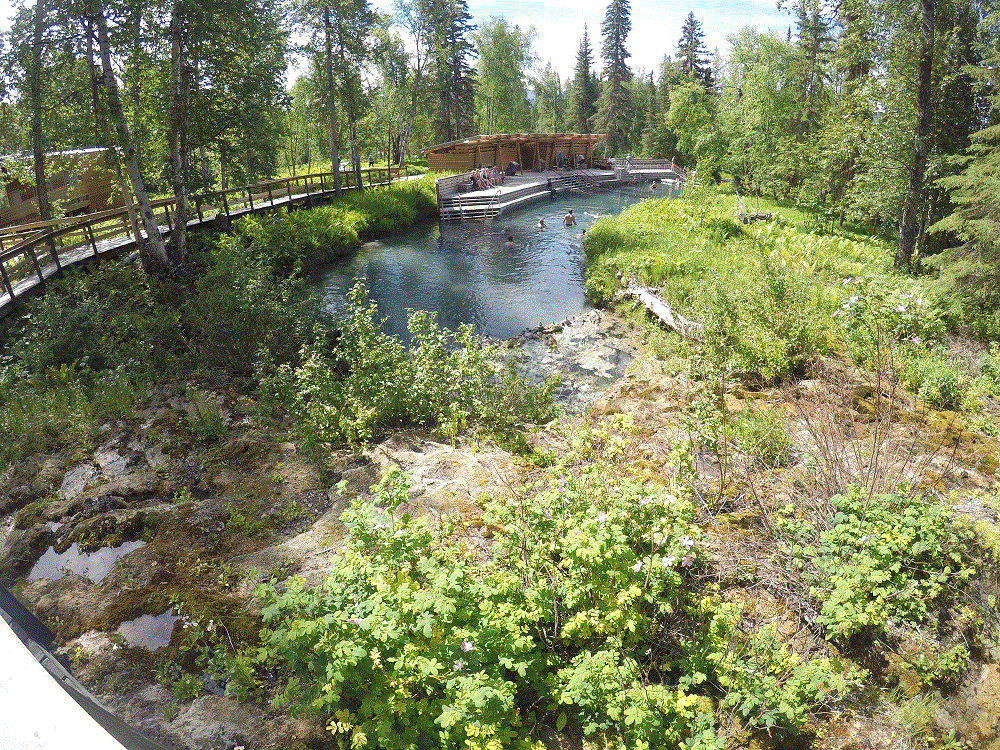
From Muncho Lake (RabbiTRAILS Alaska Map, pt #31) we made a day trip to Liard Hot Springs Provincial Park.
The 10-minute walk from the parking lot took us past a shallow swamp area. Fortunately the mosquitoes weren’t interested in us and there were no bears or moose in the area.
The spring flows into two natural rock-lined pools.
After changing into swimsuits, we eased into the lower pool and learned the water cools as it flows downstream. The right soaking temperature could be found by moving upstream (warmer) or downstream (cooler).
We found the warm waters to be very relaxing, much like the builders of the Alaska Highway in 1942!
On June 15 we continued northwest on the Alaska Highway. Our destination was Liard Hot Springs Provincial Park, a must see and do for anyone driving the Alaska Highway.
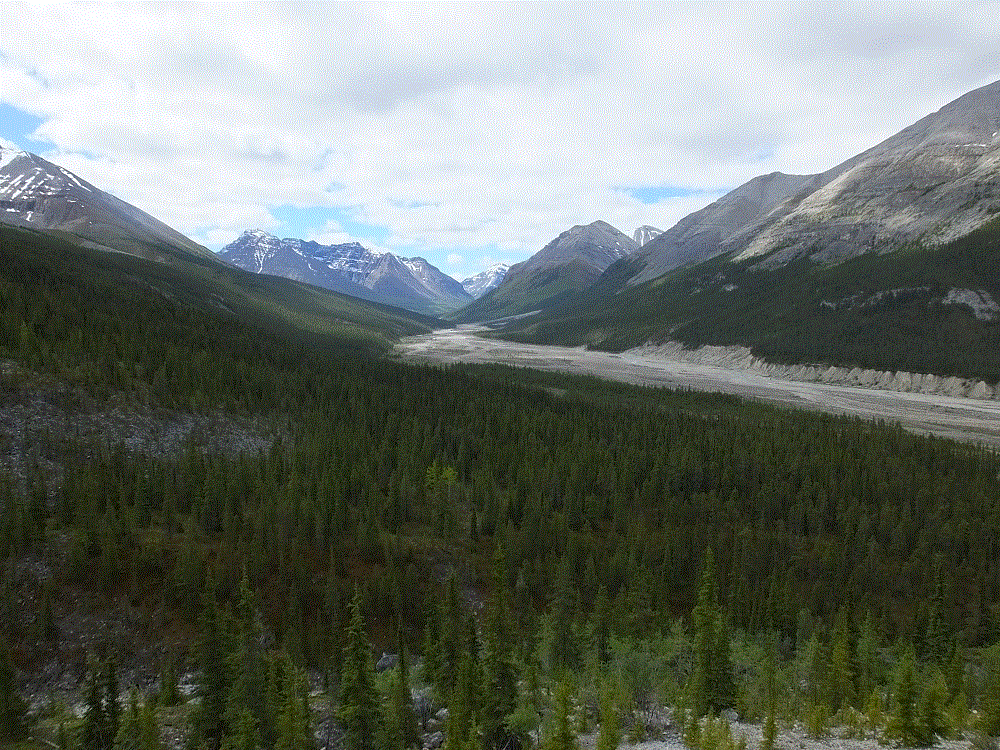
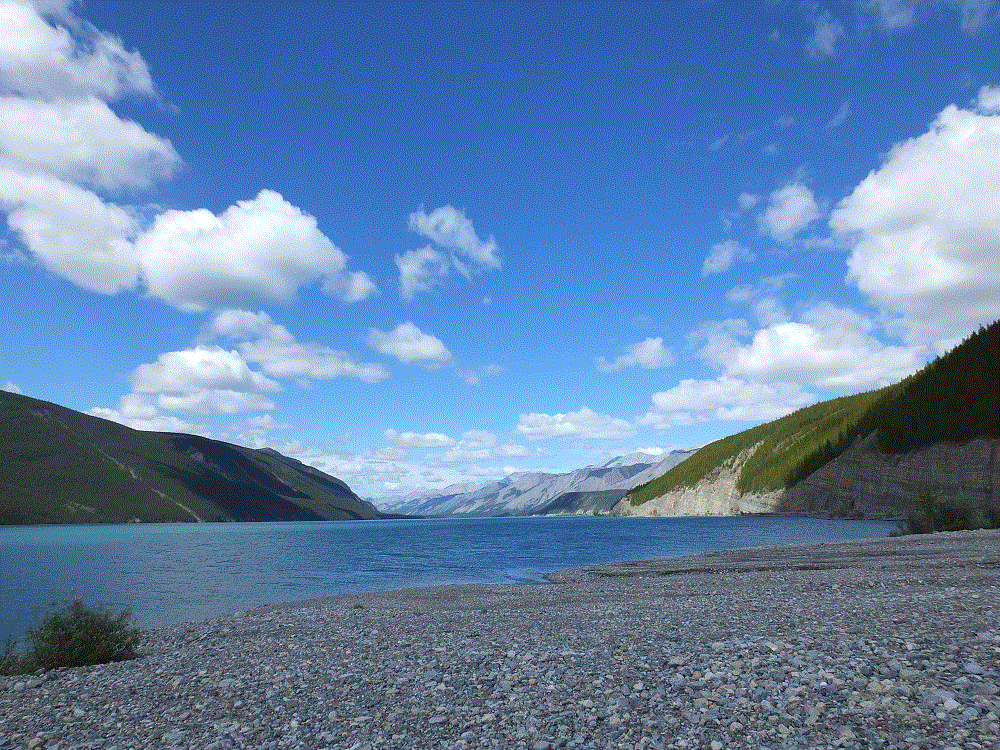
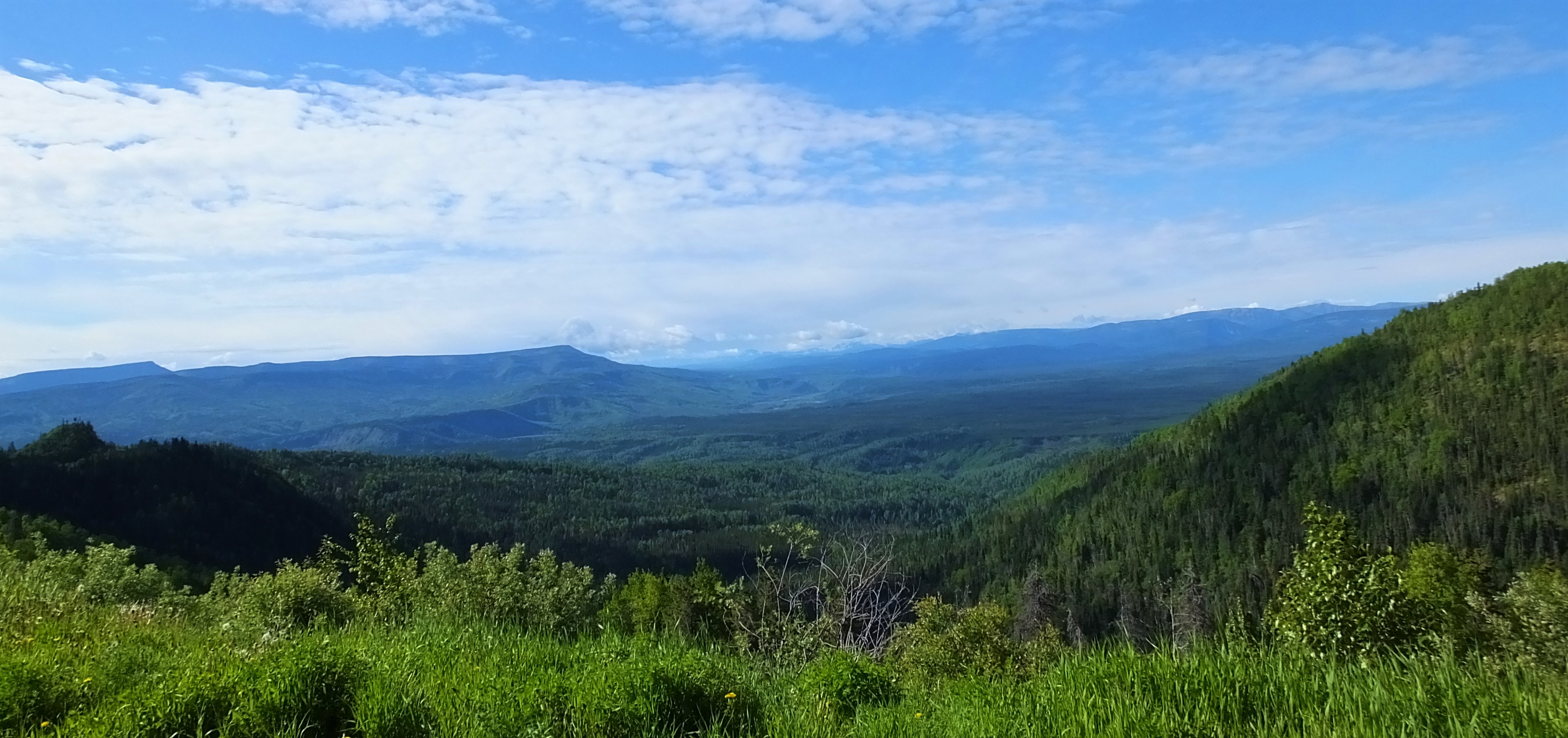
We crossed valleys framed by majestic snow-covered mountains and skirted lakes that were an amazing shade of blue. These satisfied our beautiful-view expectations of the Alaska Highway!
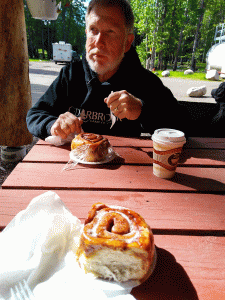
The Milepost (a mile-by-mile guide to the Alaska and other area highways) suggested a stop at Tetsa River RV Park to sample their world famous cinnamon buns. The small campground store was busy as travelers bought buns and coffee. We ate ours outside as the owners’ dog eyed us wishfully. Sorry, boy, not this time…
We decided to stop early at a campground on the shore of Muncho Lake (RabbiTRAILS Alaska Map, pt #31), and to make a day trip the following day to the hot springs. We got one of three remaining sites in the campground and were glad we decided to stop when we learned the Liard Hot Springs Campground was already full.
Muncho Lake
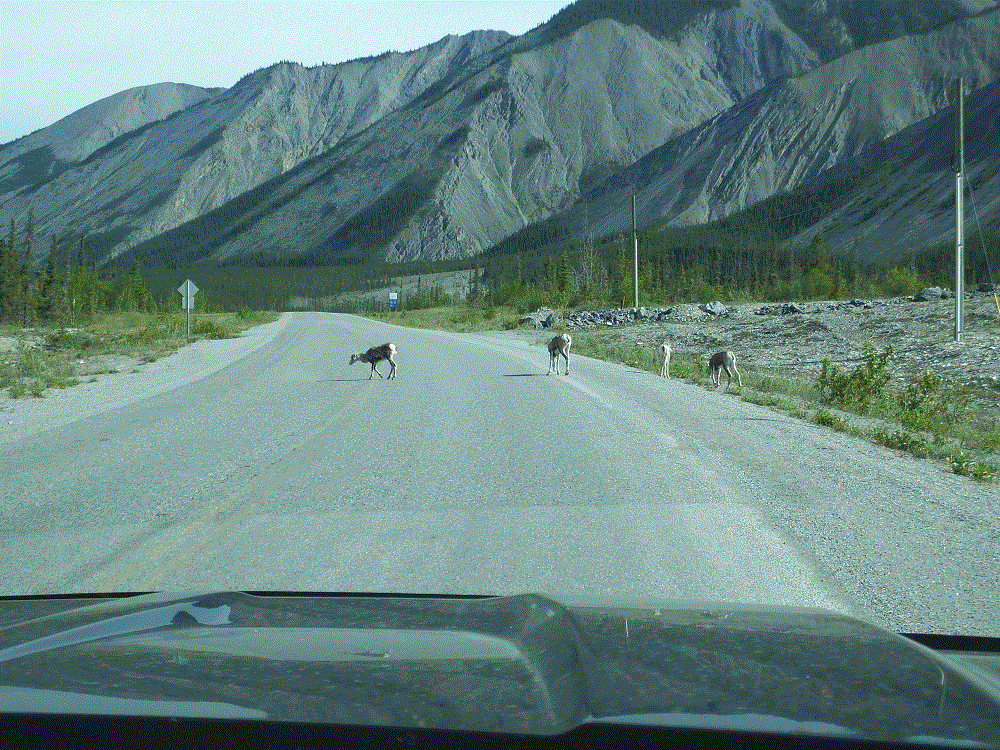
Critter Count Day 2 (Fort Nelson to Muncho Lake)
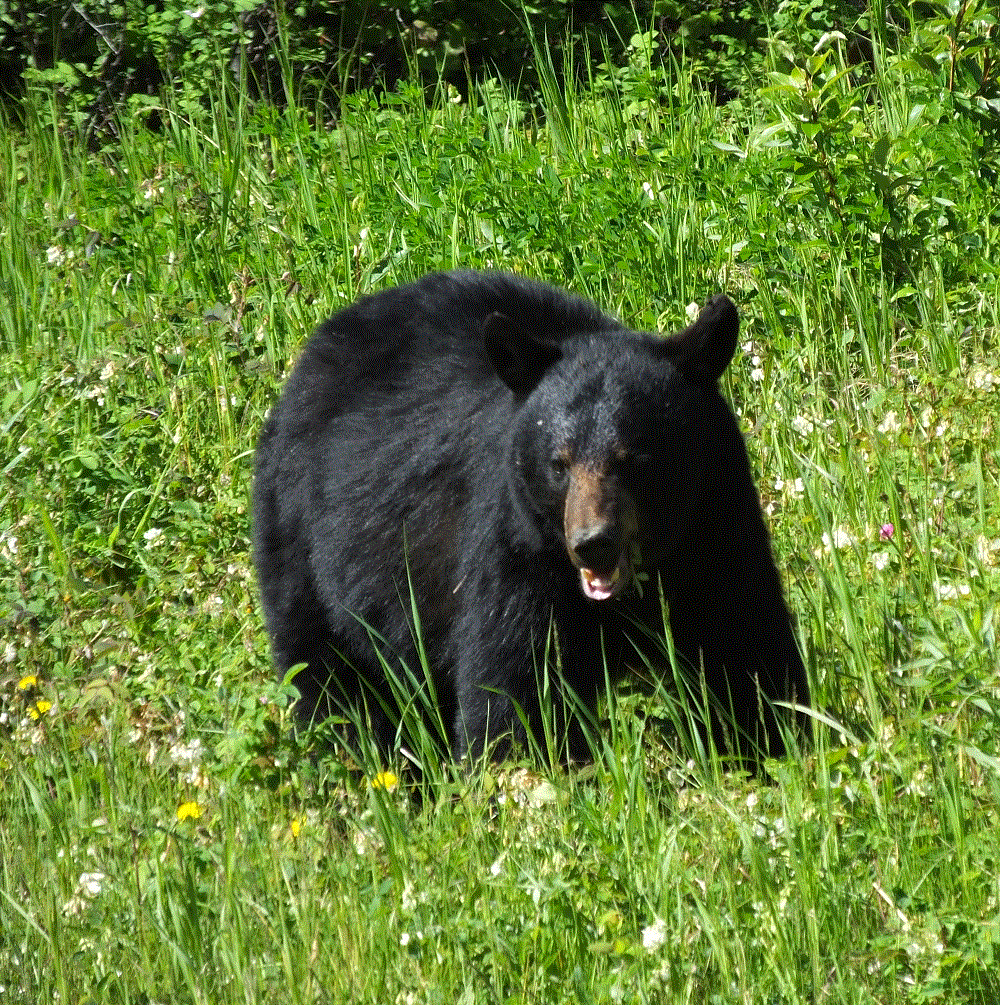
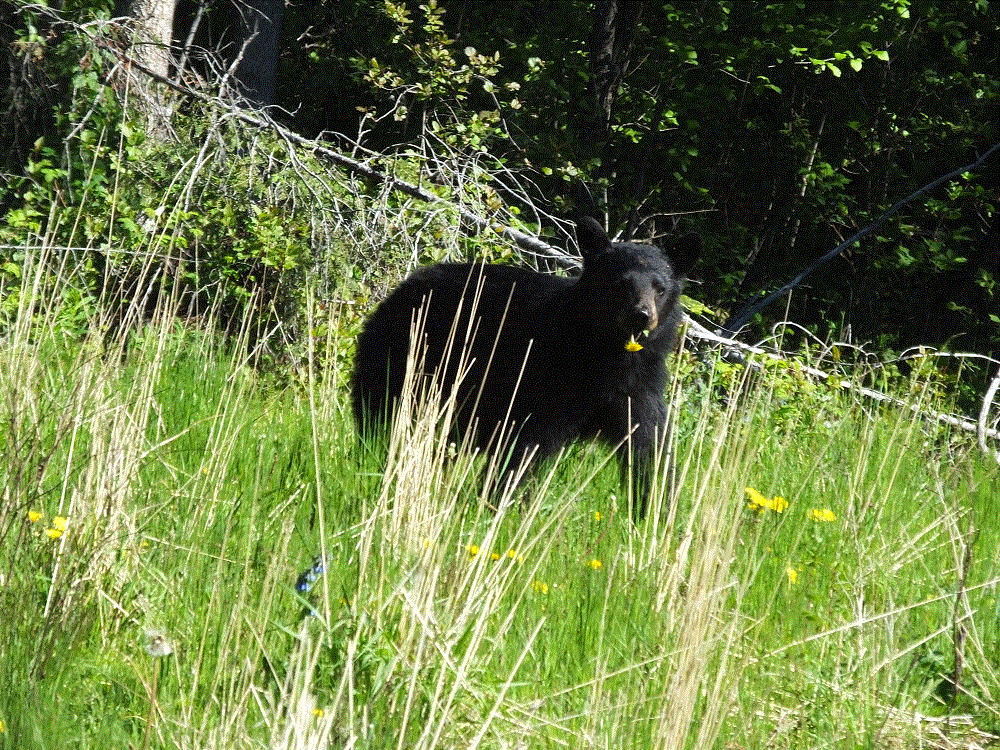
black bear – 5
deer – 2
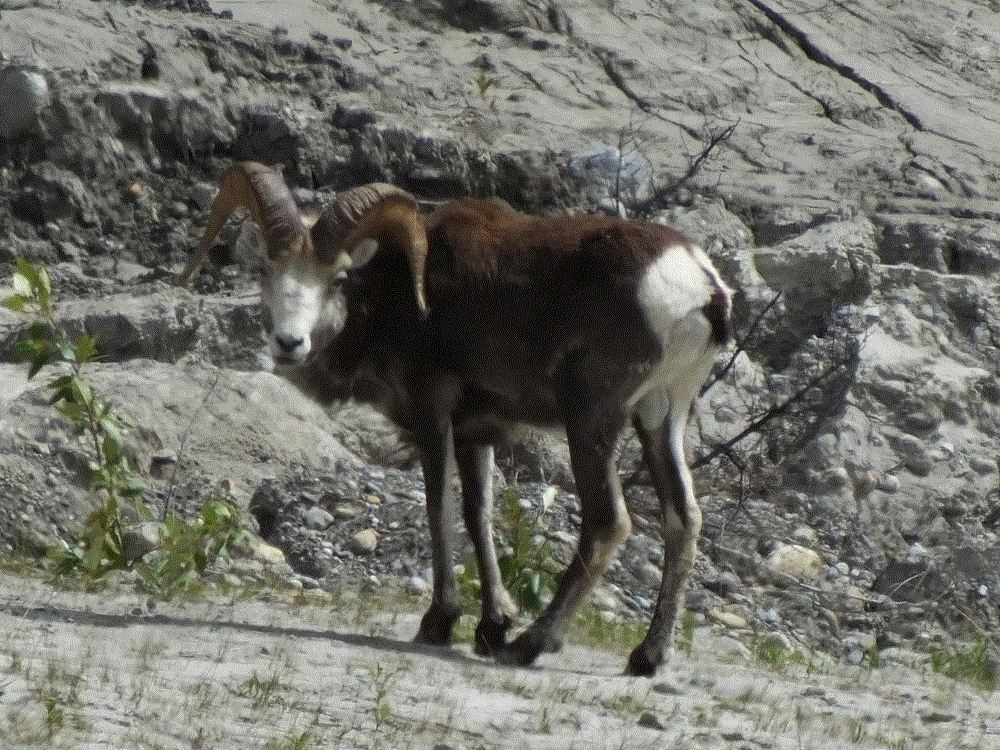
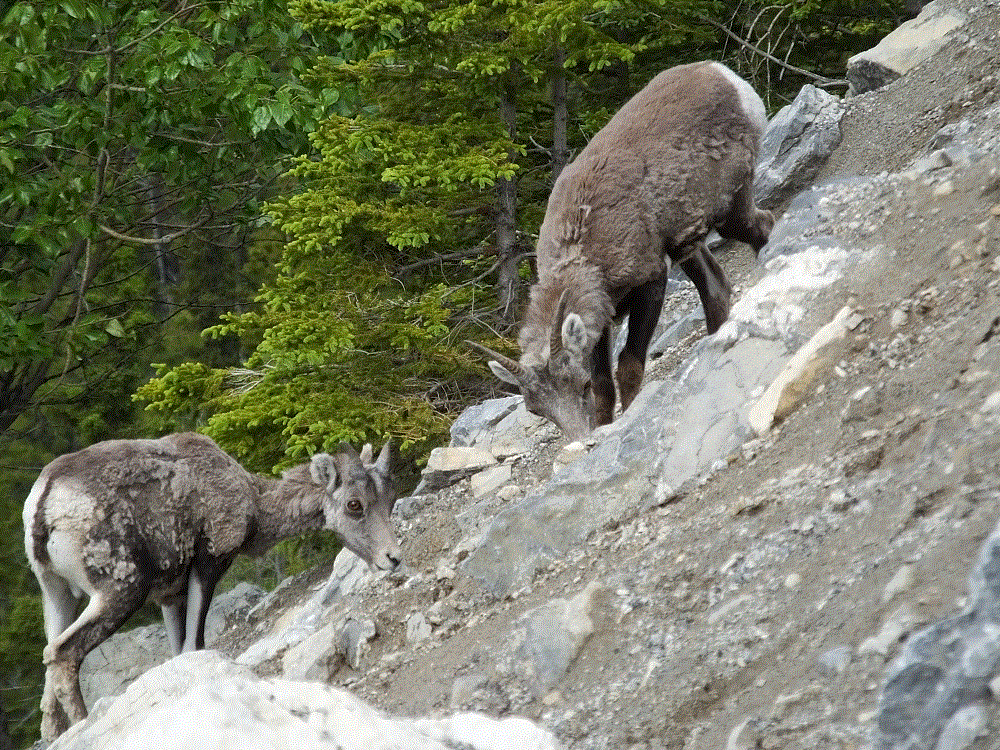
stone sheep – 5
We declared the bears to be the day’s victor – each bear was seen at a different time. The stone sheep were all in one group.
We are on the final leg of our journey to Alaska – it has taken us nine weeks and close to 8000 miles!
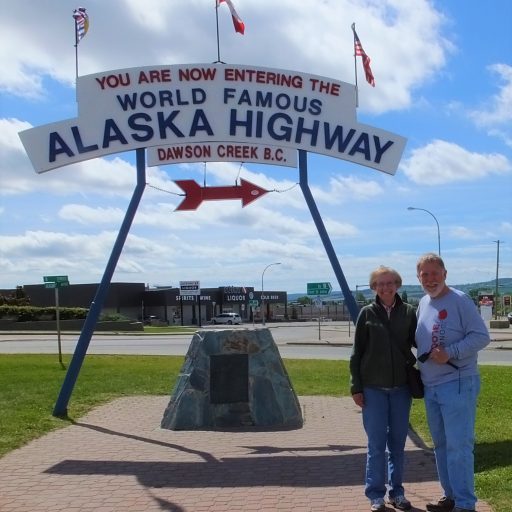
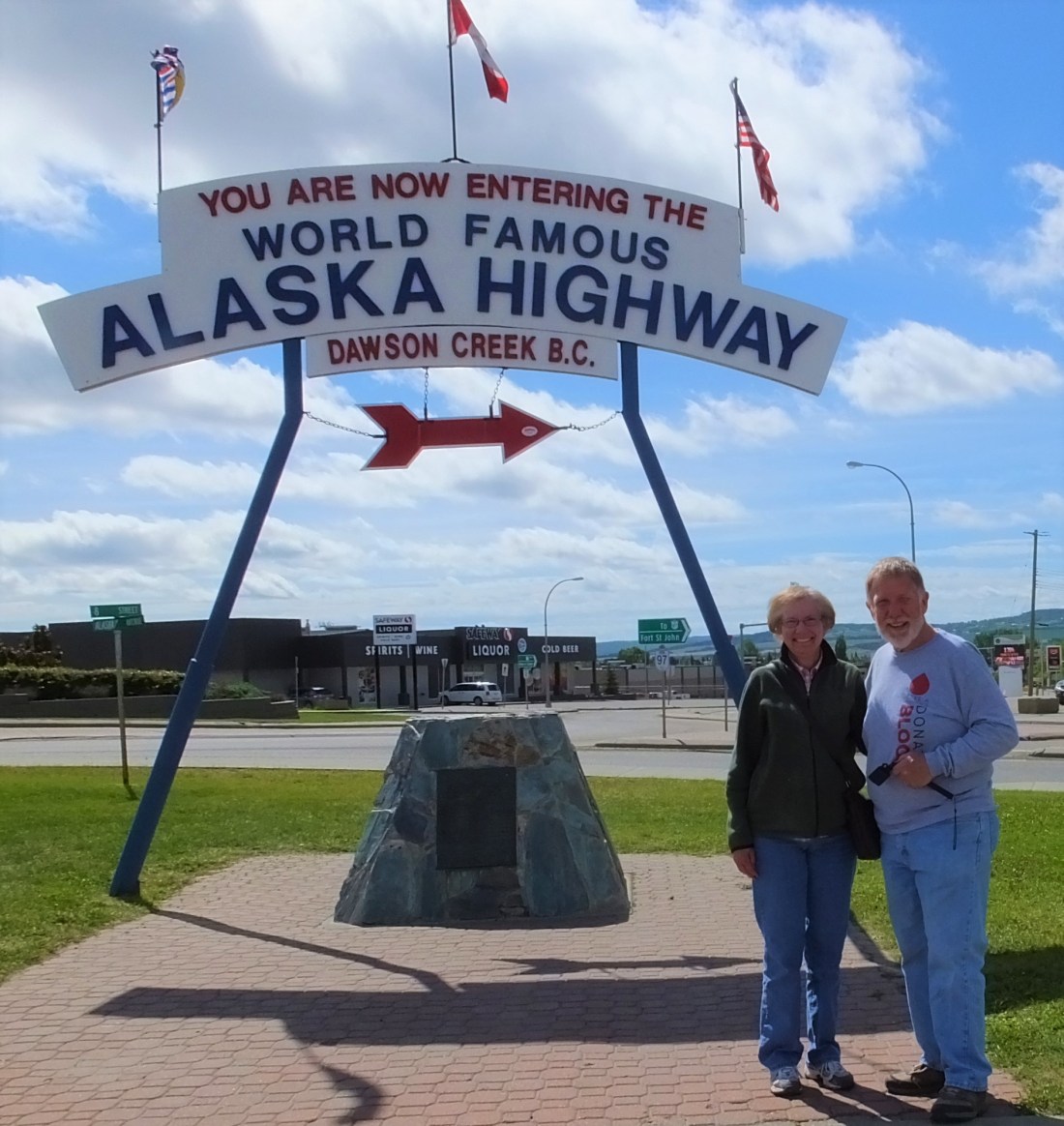
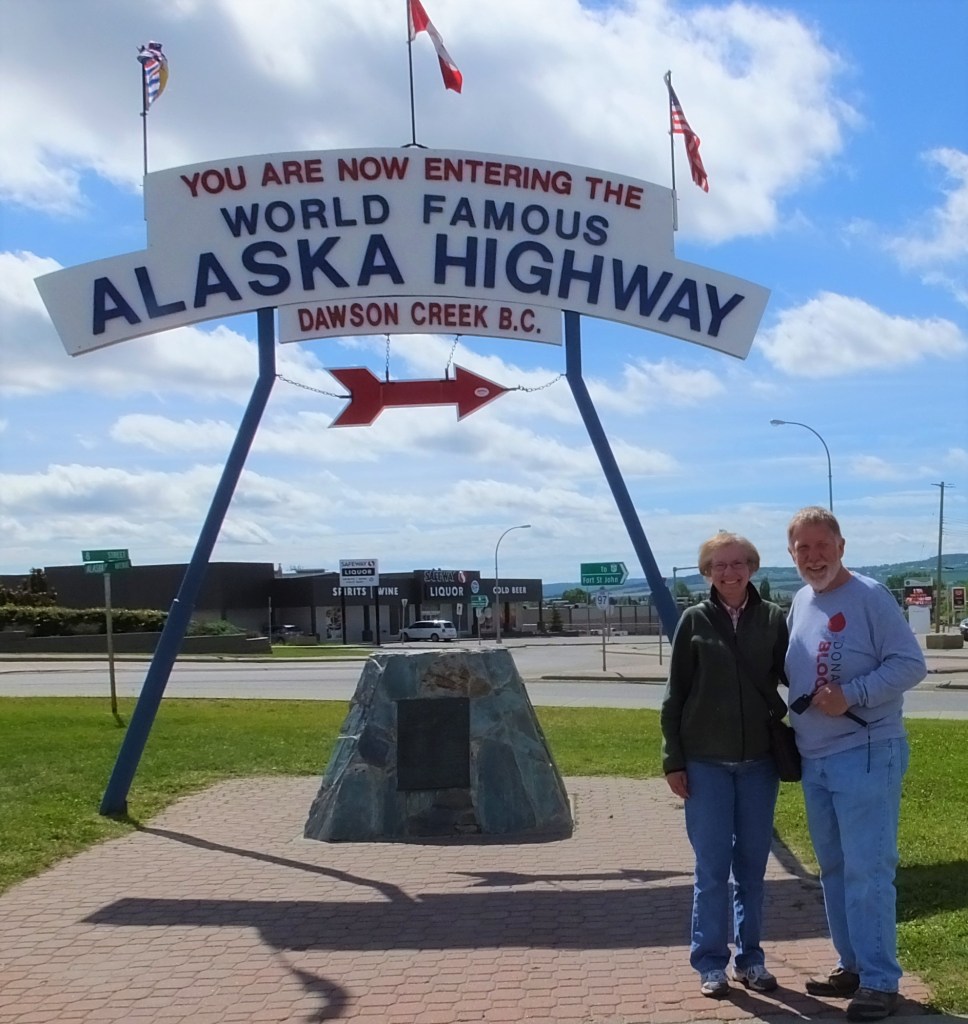
Anyone making the drive from points south or east to Alaska will likely drive some or all of the Alaska (Alcan) Highway. From Dawson Creek, British Columbia it extends nearly 1500 miles to Fairbanks, Alaska. The Alaska Highway is renowned as one of the most scenic drives in the world, and although we are not even halfway finished with the drive, it certainly rates up there with the Blue Ridge Parkway in the eastern US.
Following the bombing of Pearl Harbor in December 1941 and the capture of several Aleutian Islands in early 1942, the highway was deemed a military necessity as a supply road to defend North America against the Japanese. The construction of the highway began officially on March 8, 1942 and it was completed eight months later on October 25, 1942. It’s been said the engineering accomplishment building the highway is second to that of building the Panama Canal!
Today’s highway bears little resemblance to the original, with the exception of the incredible scenery. It is a scenic route that is completely paved and open year round.
We began on June 14 from Dawson Creek (RabbiTRAILS Alaska Map, pt #29). The first day took us 285 miles north though gentle mountains and valleys to Fort Nelson (map pt #30). To the west we caught view of majestic mountain ranges that we would soon pass through.
Critter Count Day 1 (Dawson Creek to Fort Nelson)
We’re keeping tabs on the animals we see during our drive. The first day started slowly:
On June 6, after nearly 7000 miles and more than seven weeks, we crossed into Canada near Sweetgrass Montana.
We were a little stressed – we had to have passports, auto and camper registration papers, and proof of insurance. We needed details about prescription medications. We had to ensure we didn’t have any food items that weren’t allowed. And we needed proof that our bear spray was for bears only, not people! Still we wondered if there was something we forgot or if we would have to endure an extensive search of our truck and camper.
We weren’t alone in our concerns about the border. There are numerous YouTube videos with border crossing horror stories.
We reached the Canadian Customs checkpoint and gave the agent our paperwork. He asked us a few questions and we were on our way in just over five minutes. We were wonderfully relieved!
After our first night in Taber, Alberta (RabbiTRAILS Alaska Map, pt #25), we continued to Drumheller (map pt #26), a small town well known for several significant dinosaur discoveries. At the Royal Tyrell Museum you can walk through exhibits of the various eras of the dinosaurs and other prehistoric life. There are lots and lots of full-sized dinosaur fossils to gawk at.
And to think it all happened in six days!
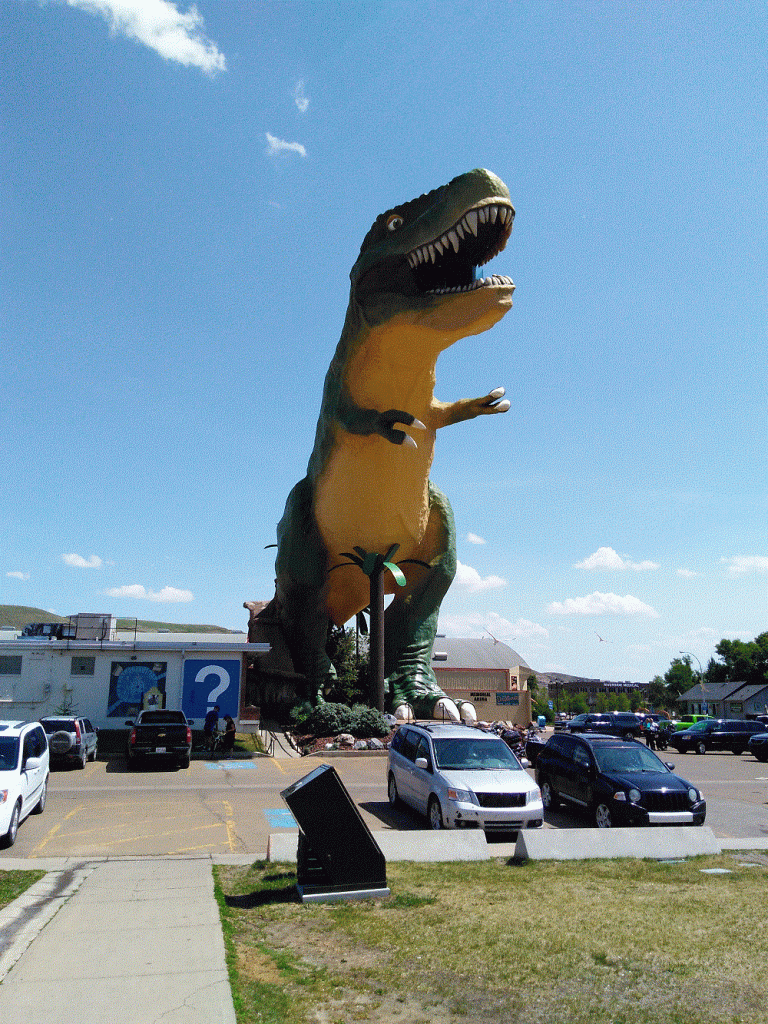
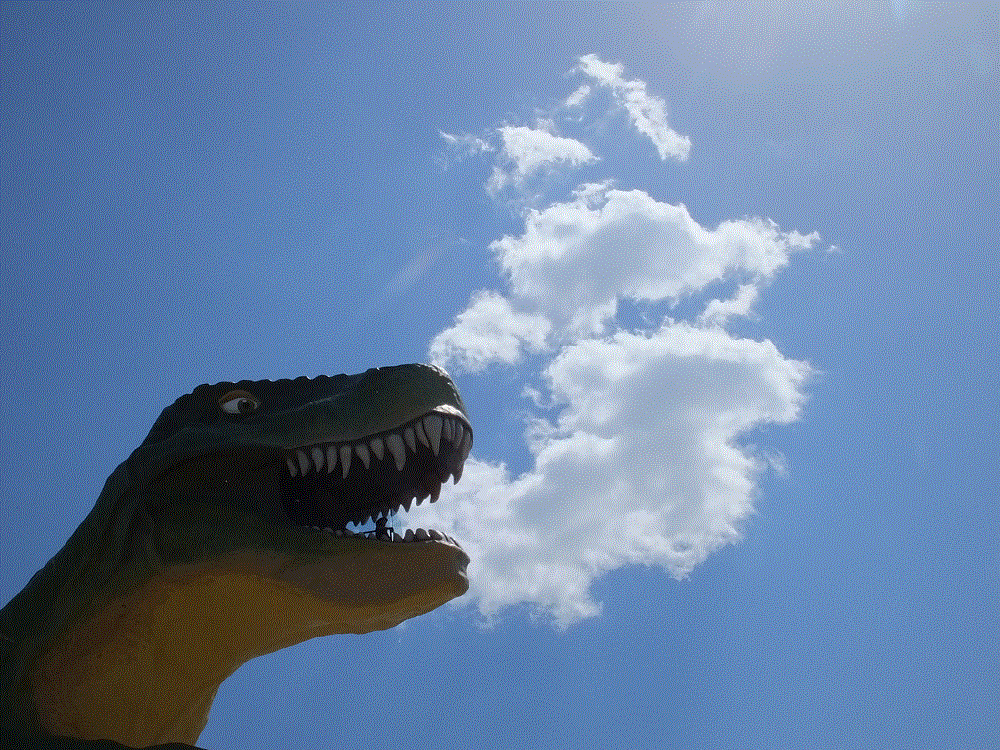
Later we witnessed the world’s largest dinosaur in the center of town – an 86-foot T-rex. We even saw him breathe a little smoke – this was a sight to behold!
Thinking back to the first few days of our trip, we wondered how Superman would fare with an 86-foot tall T-rex. Apparently others have wondered about this as well as chronicled in Action Comics!
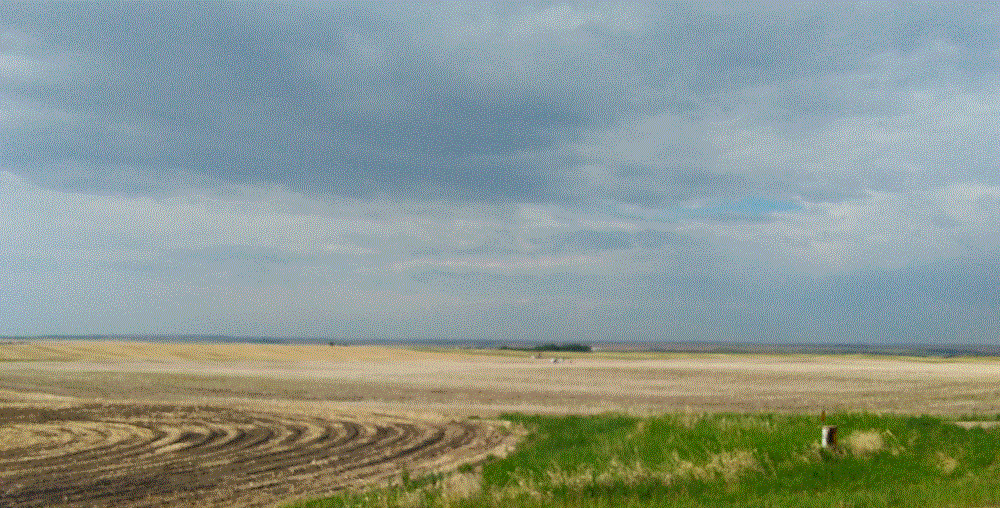
We camped at Pope Lease Pines, about 10 miles outside Drumheller, surrounded by gently rolling wheat fields that extended as far as the eye could see. The campground was in the midst of tall trees that provided protection from the wind. We enjoyed the evening breezes and sounds of the prairie.
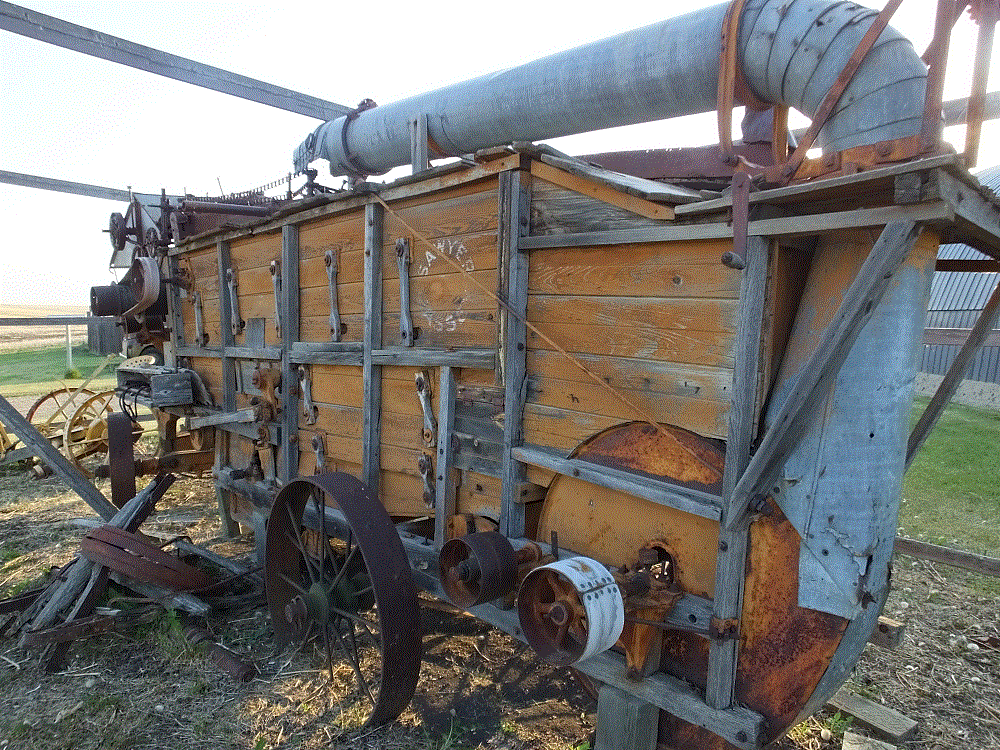
Next to the entry road was a Sawyer-Massey Peerless Separator, Model 1315 thresher. This was used in the early 1900s to harvest wheat. It must have taken weeks and weeks to harvest the wheat. How things have changed!
On to the Alcan and Alaska
This morning (June 12), we headed northwest to Alaska after several days in Edmonton (map pt #27).
We expect to reach Mile 0 of the Alaska-Canada (Alcan) Highway tomorrow (map pt #29) and take up to two weeks to cross back into the US near Tok, Alaska. This will be the most remote part of our trip and we will do our best to provide blog updates every few days!
We left Cody on Monday, June 4, headed for Great Falls, Montana (RabbiTRAILS Alaska Map, pt #24).
On the way we had an interesting experience near Billings. Our GPS routed us to the middle of nowhere (actually to the very small town of Molt, Montana). We reached a point where our only choice was one of several dirt roads.
We decided to backtrack, and after 30 minutes, we were on the correct road to Great Falls! This was a lesson to be careful what you put your faith in and to double check routing with a map!
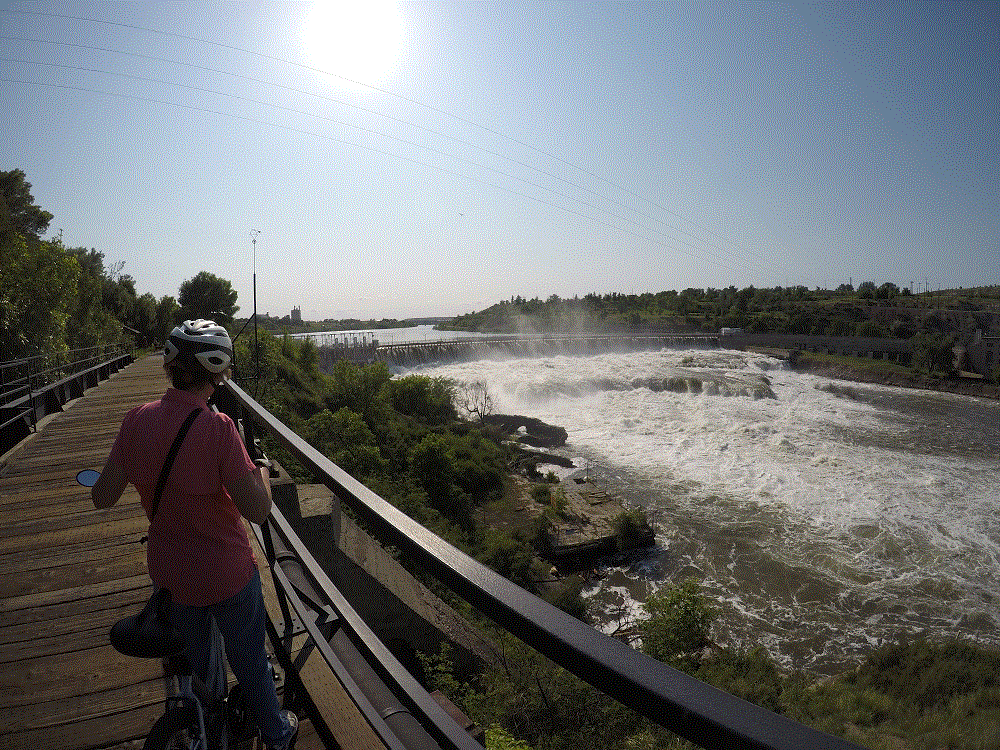
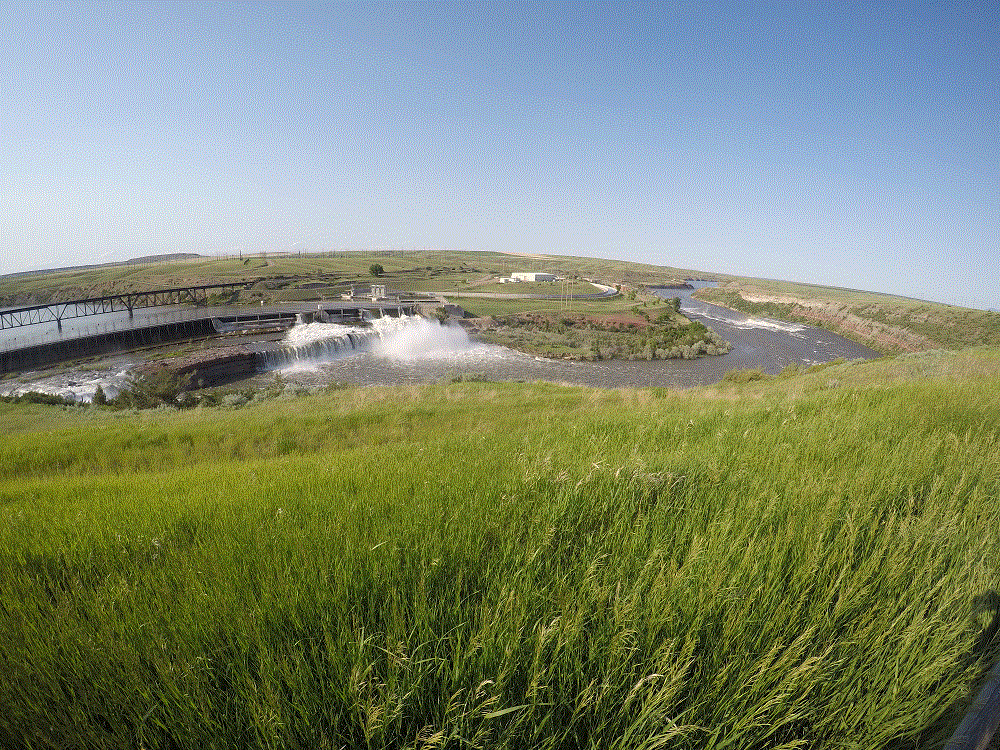
During our stay in Great Falls, we learned the Lewis and Clark Expedition passed through the area in 1804. As they travelled upriver, they were expecting a single set of falls on the Missouri River. There were actually five!
Adjacent to the center is a great bike trail along the Missouri River. We biked part of the trail to see views of three of the waterfalls encountered by Lewis and Clark, and the dams that have been built to control the river.
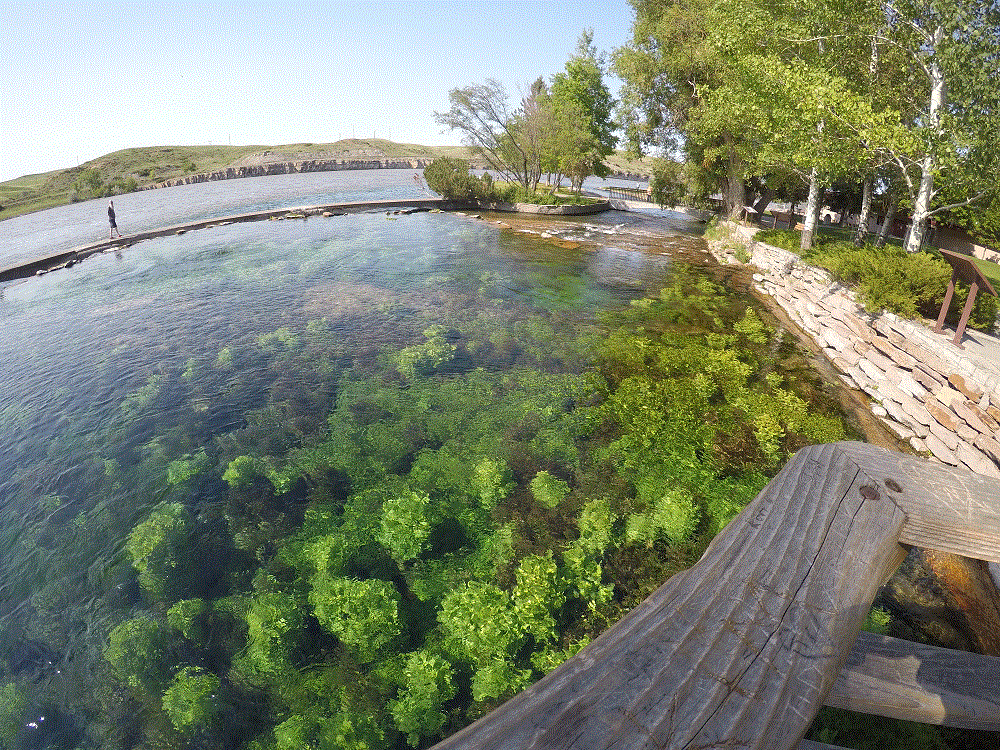
Giant Springs State Park is also on that trail. More than 150 million gallons of water flows from the springs into the Missouri River each day. Lewis and Clark even noted the springs during their expedition.
The springs reminded us of some of the first magnitude springs in Florida. At 54 degrees year-round, the Giant Springs would be a bit cold for Florida manatees however!
After two nights in Great Falls we continued north and became international travelers when we crossed the border into Canada!

 Critter Count Day 1 (Dawson Creek to Fort Nelson)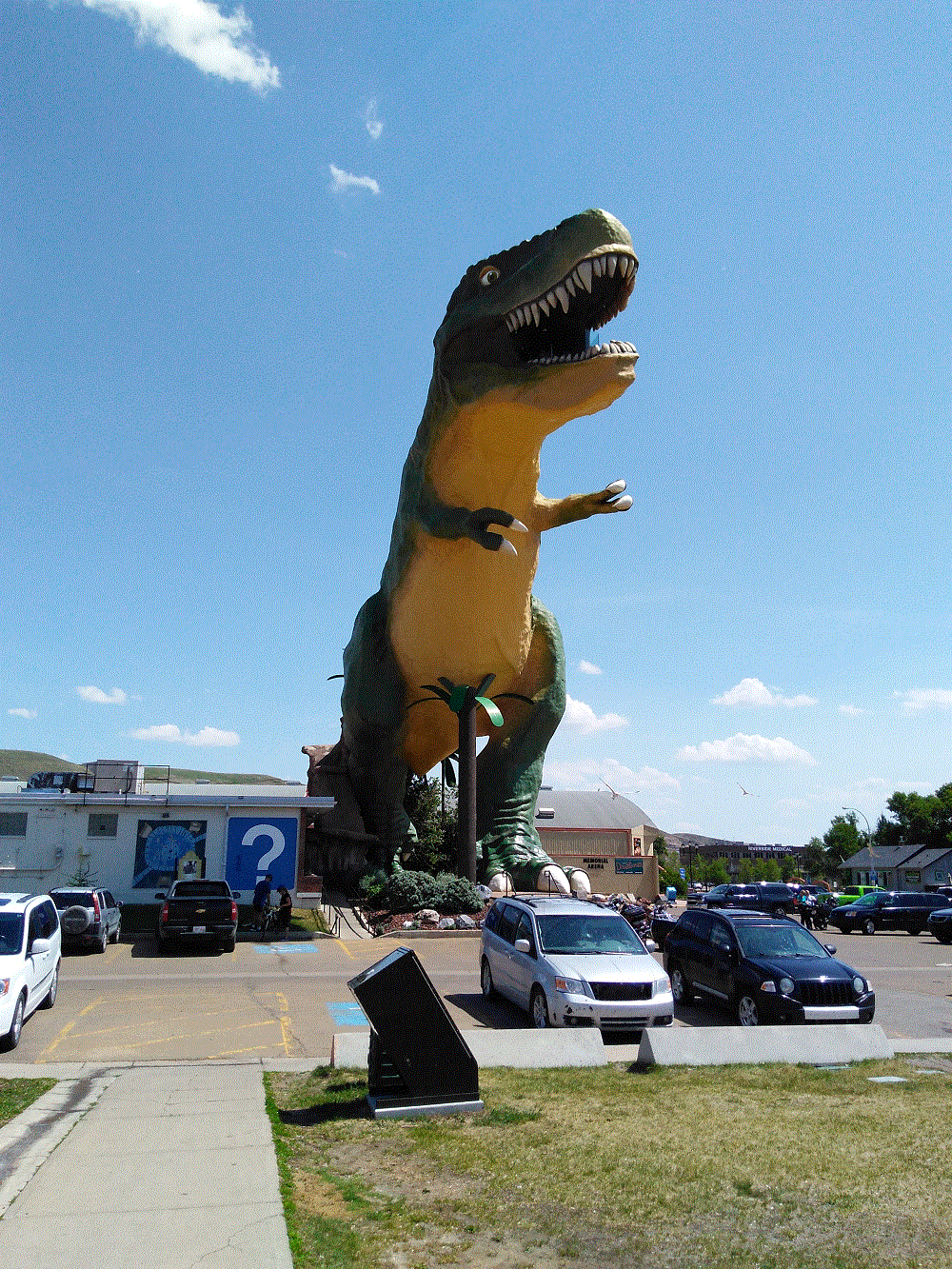

 Take the LONG Road...