Waterfall Views and Mountain Hues

Featured
(2024 Heartland Ep 13)

We left New England enjoying the warm, hazy days and cool nights of mid-August. 

We endured several days of heavy rainfall as we crossed Vermont and New York. While camping on the St. Lawrence River, we watched big ships and wondered if any would be traveling nearly 2500 miles across the Great Lakes to Duluth, MN, a stop we made earlier this summer.
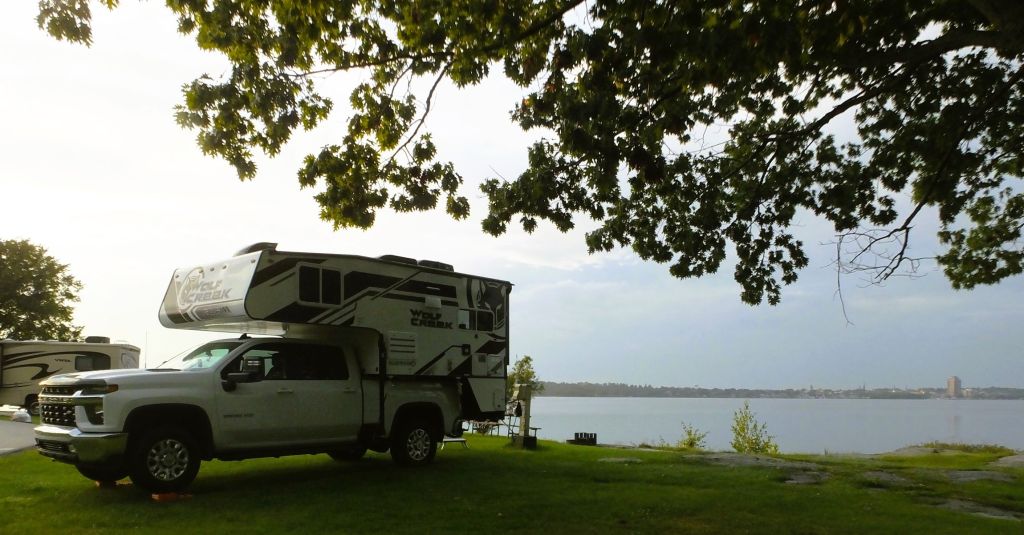
Camping on the St Lawrence River. The far shore is Ontario, Canada.

The next night we camped close to where the St Lawrence flows out of Lake Ontario.  Our campground was covered with large puddles and the ground was squishy everywhere.  We left our shoes on the back step of Pap to avoid tracking mud into the camper!

Fishes and Falls

The next morning, we visited a fish hatchery nearby on the Salmon River.  The hatchery was opened in 1981 to raise king and silver salmon and trout. 
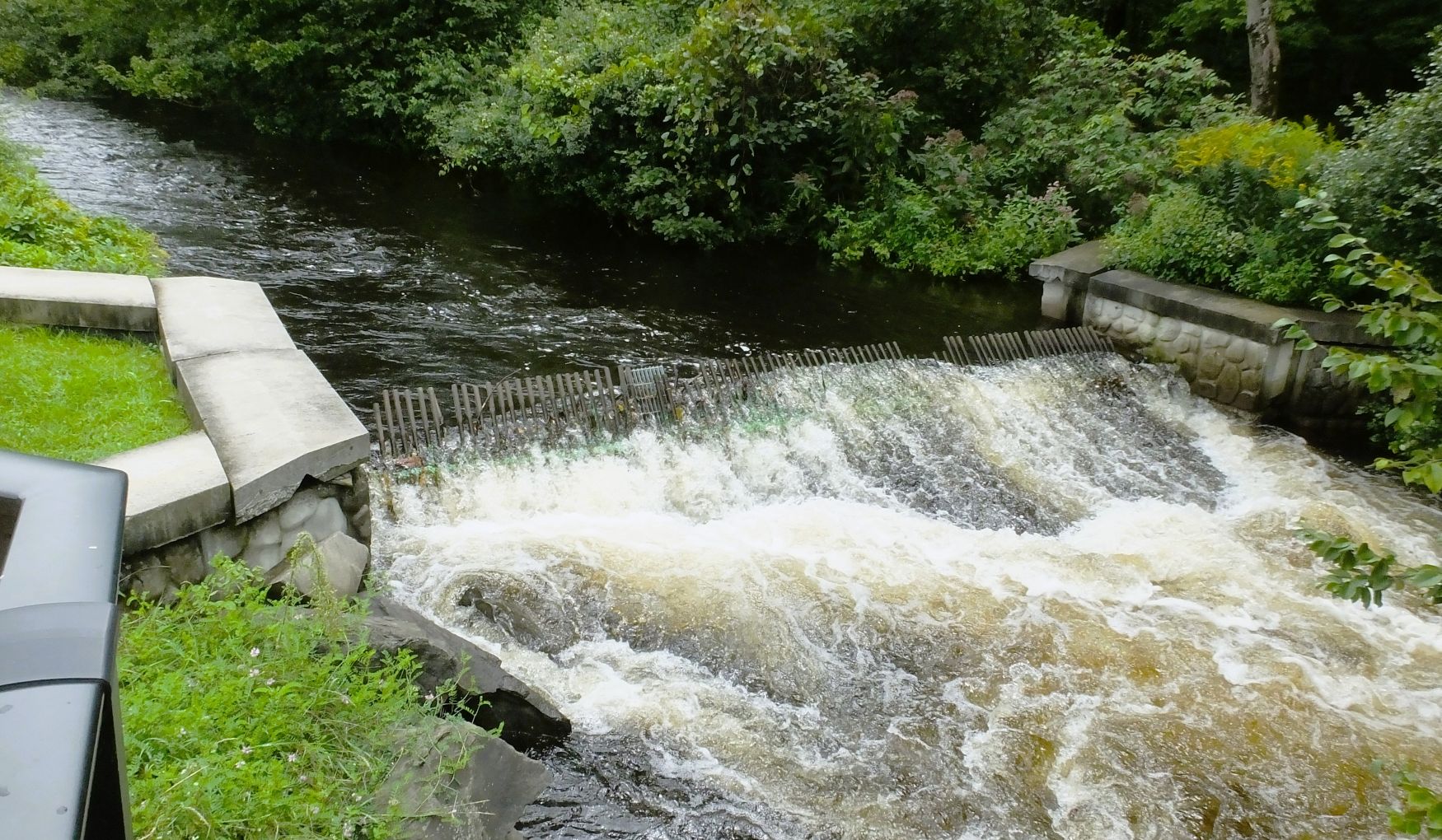
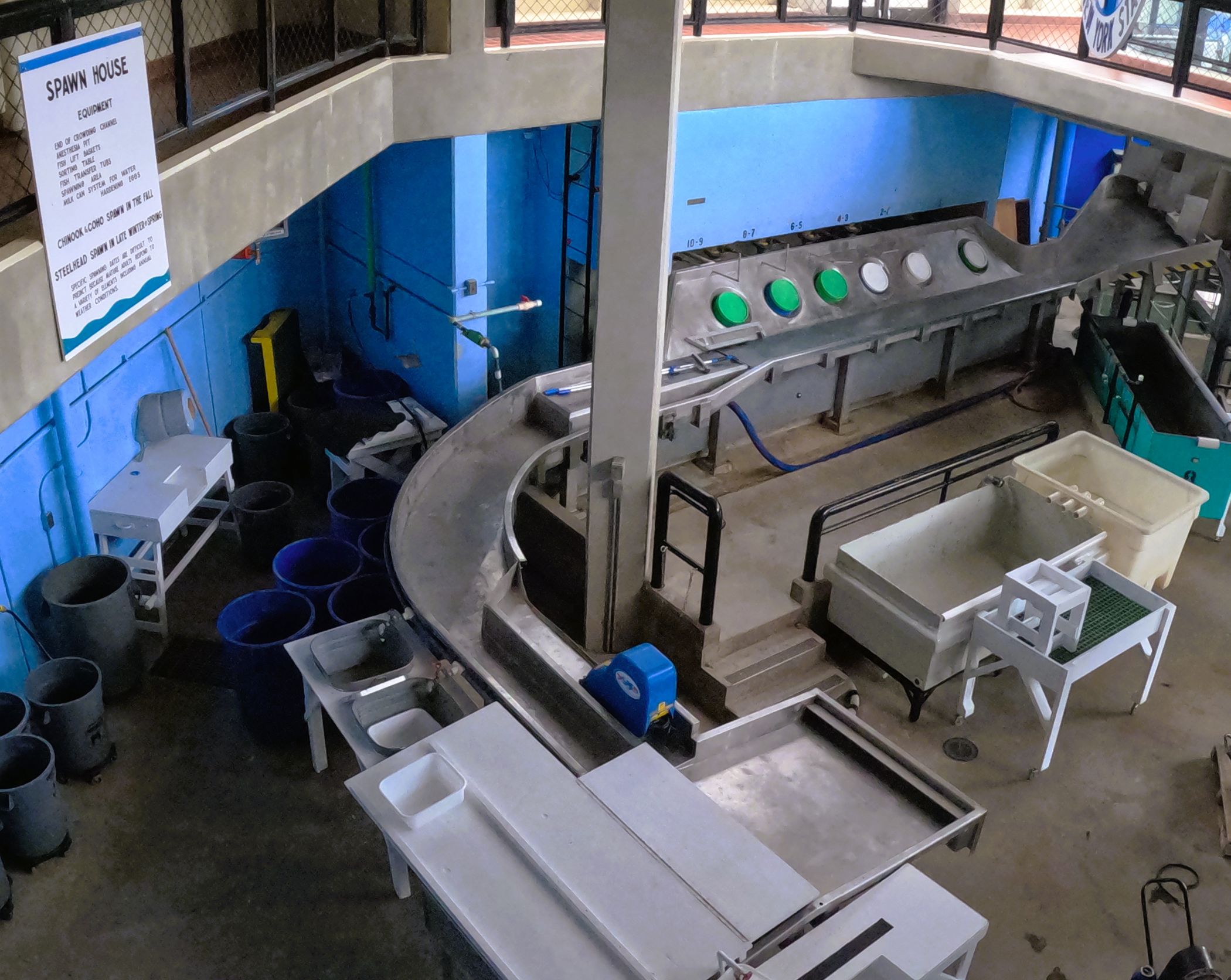
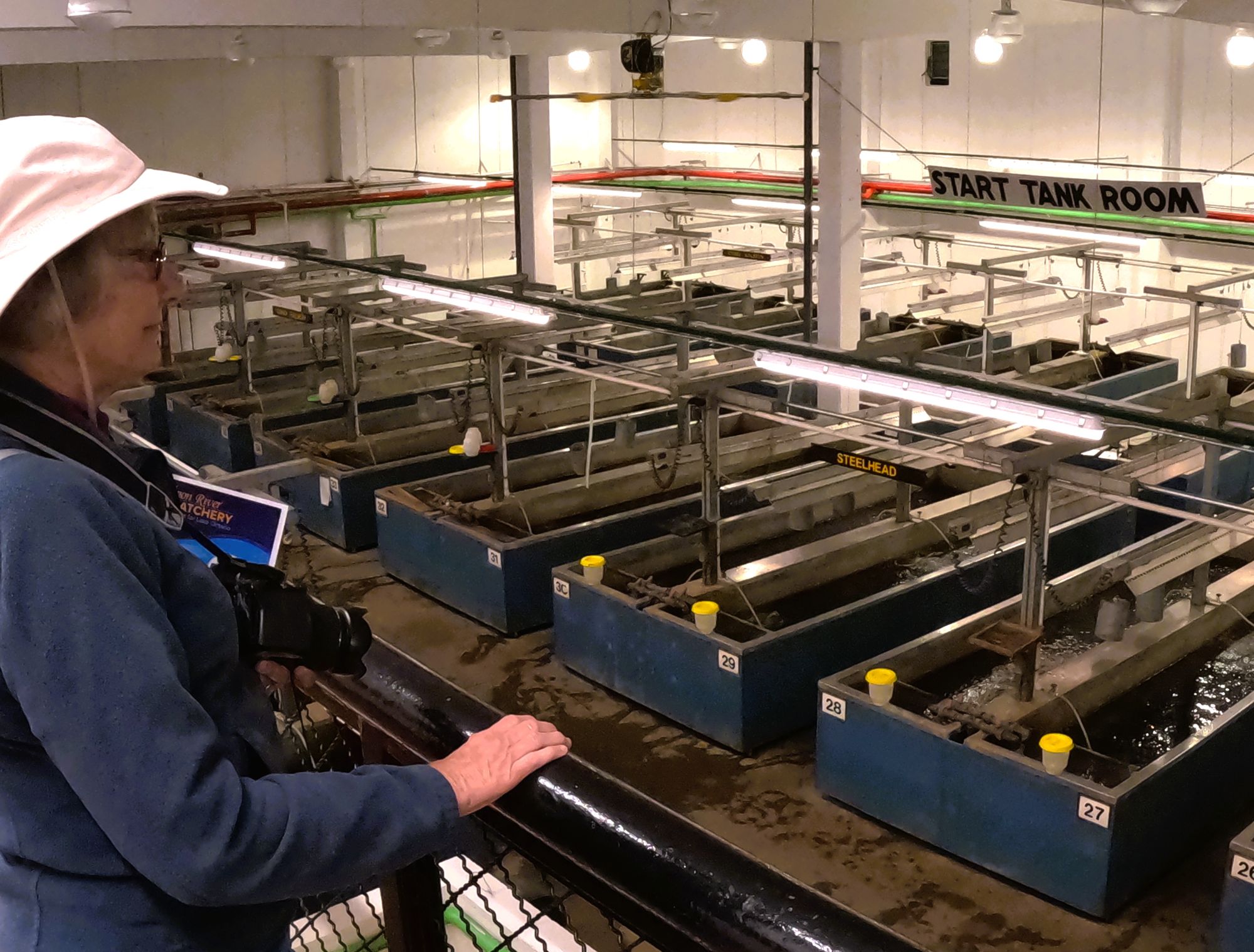
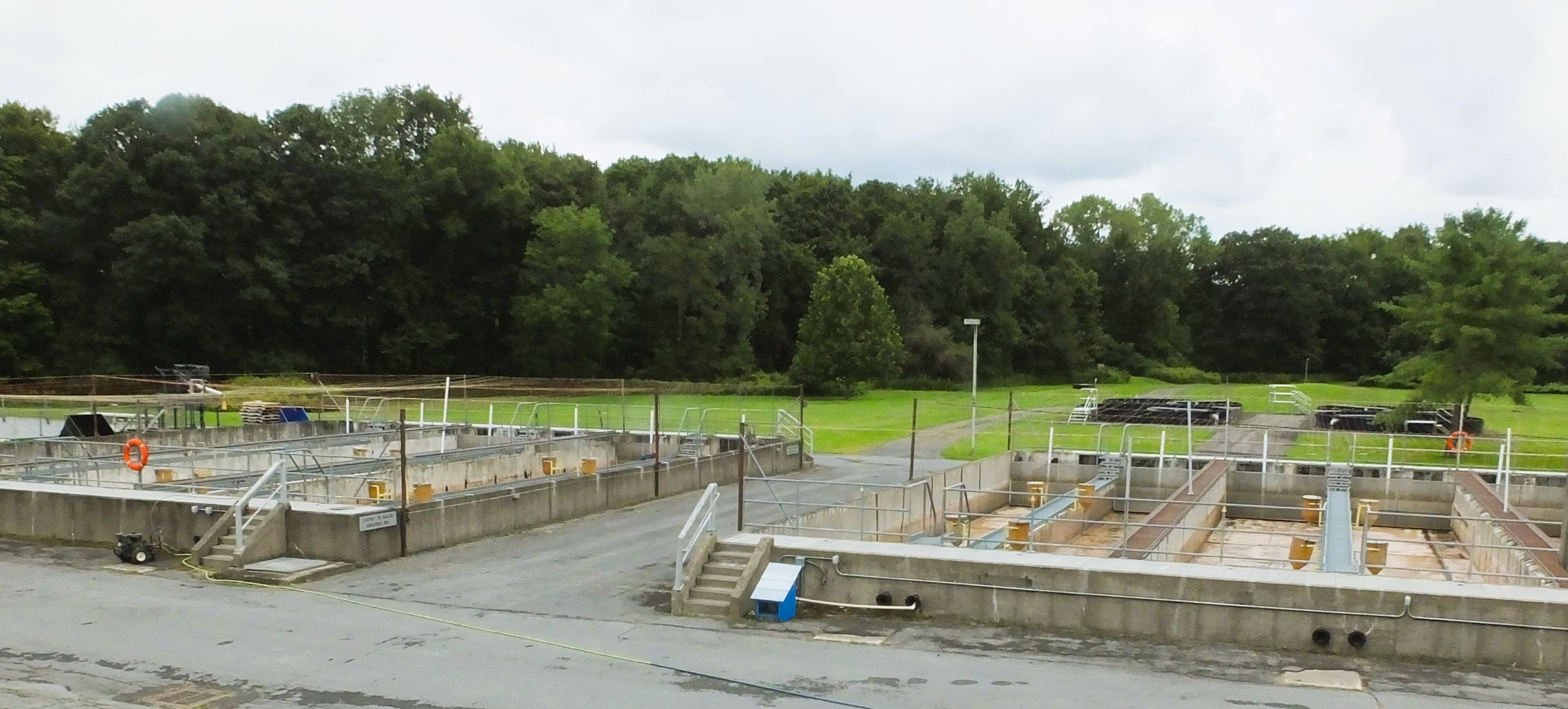
Salmon River Fish hatchery: stream where fish are directed to fish ladder, room where eggs and milt are harvested, developing fish are raised in indoor tanks and then transferred to outdoor tanks before being released

Millions of eggs are collected from adult fish, hatched, raised and released throughout New York’s Great Lakes and the rest of the state.  Egg harvesting takes place in the spring and fall, so it was quiet during our visit (mid-August).  We were reminded of hatcheries visited on past trips to Alaska and Oregon.

The Salmon River Falls were nearby, and we decided to check them out. 
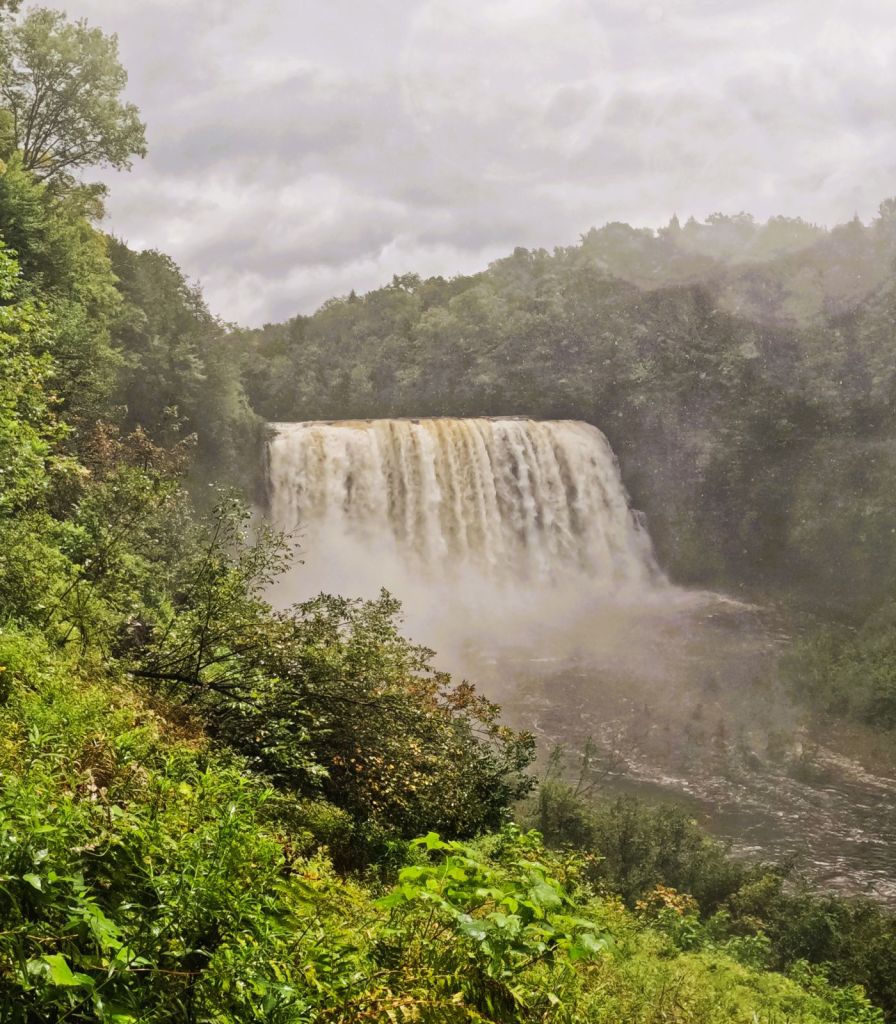
Salmon River Falls, swollen by the recent heavy rains

The falls were amazing!  Swollen from the recent rains, we could hear the falls nearly a mile away.  We carefully walked down a steep trail towards the base of the 110-foot falls but had to turn back to avoid being soaked by the falls’ mist cloud!
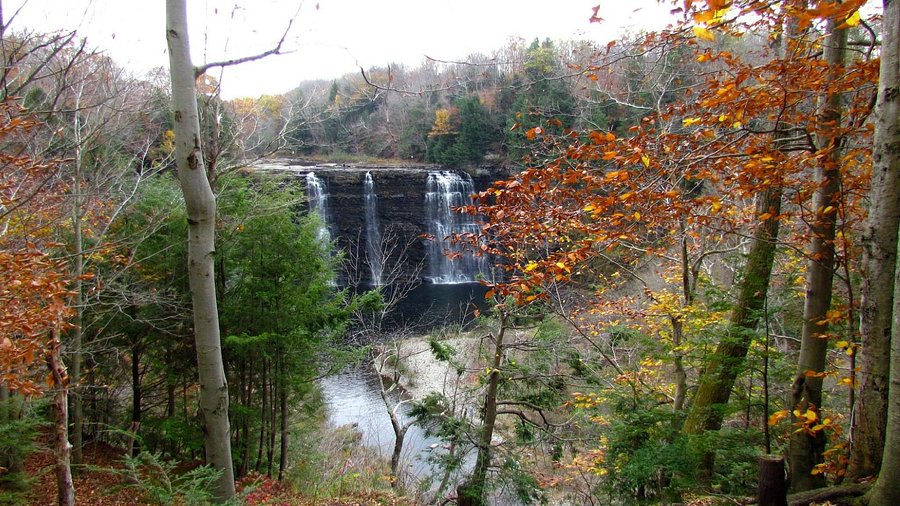
Salmon River Falls at normal water levels

More Waterfalls

Our travels continued south into Pennsylvania, enroute to Ricketts Glen State Park.
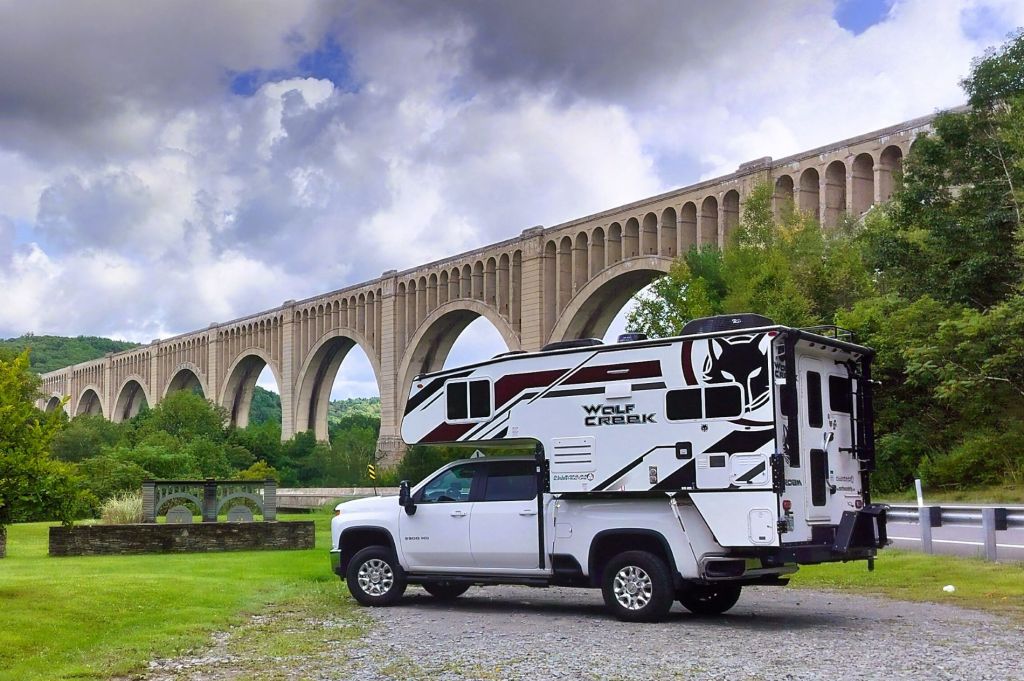
Percy and Pap posing at Tunkhannock Creek Viaduct
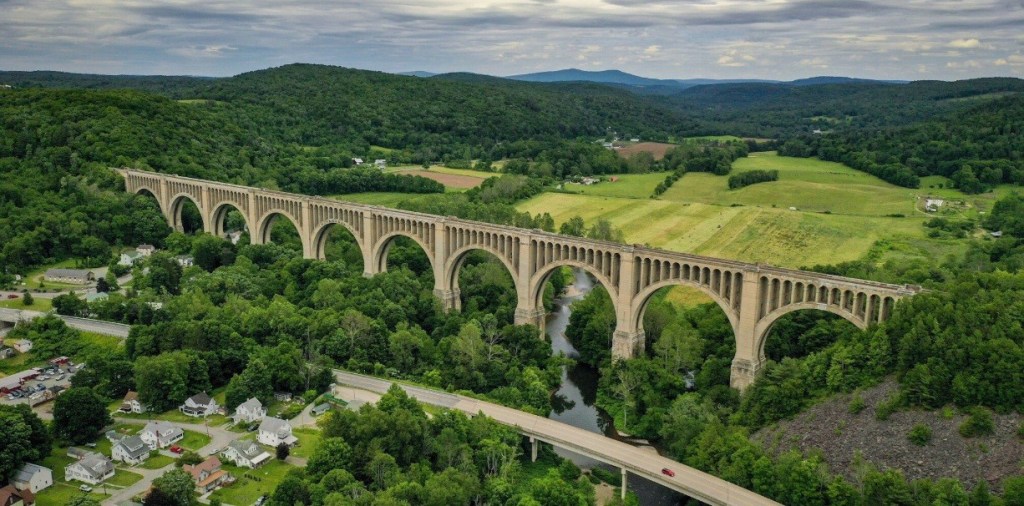
Aerial view of the viaduct (image from Google)

Passing through Nicholson, PA, we stopped at the Tunkhannock Creek Viaduct.  Completed in 1915, the half-mile long viaduct was the largest concrete bridge in the world at the time and regarded by some as the ninth wonder of the world.  The impressive structure is nearly 300 feet tall and still in use by Norfolk Southern freight trains. 

22 Falls at Ricketts Glen

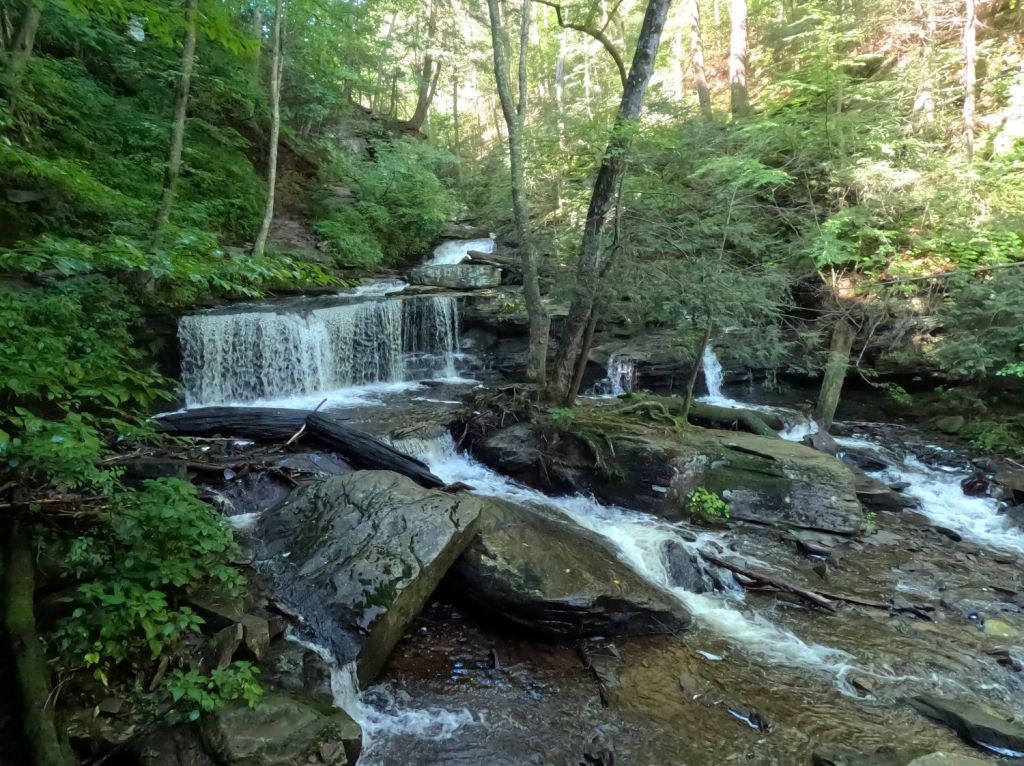
If you have a wish to see waterfalls, Ricketts Glen SP is the place for you.  In just over five miles of rocky, steep trails you can view 22 named waterfalls.  At 94 feet, the park’s tallest waterfall isn’t the size of Niagara (or Salmon River) Falls, but it and the other falls are beautiful.
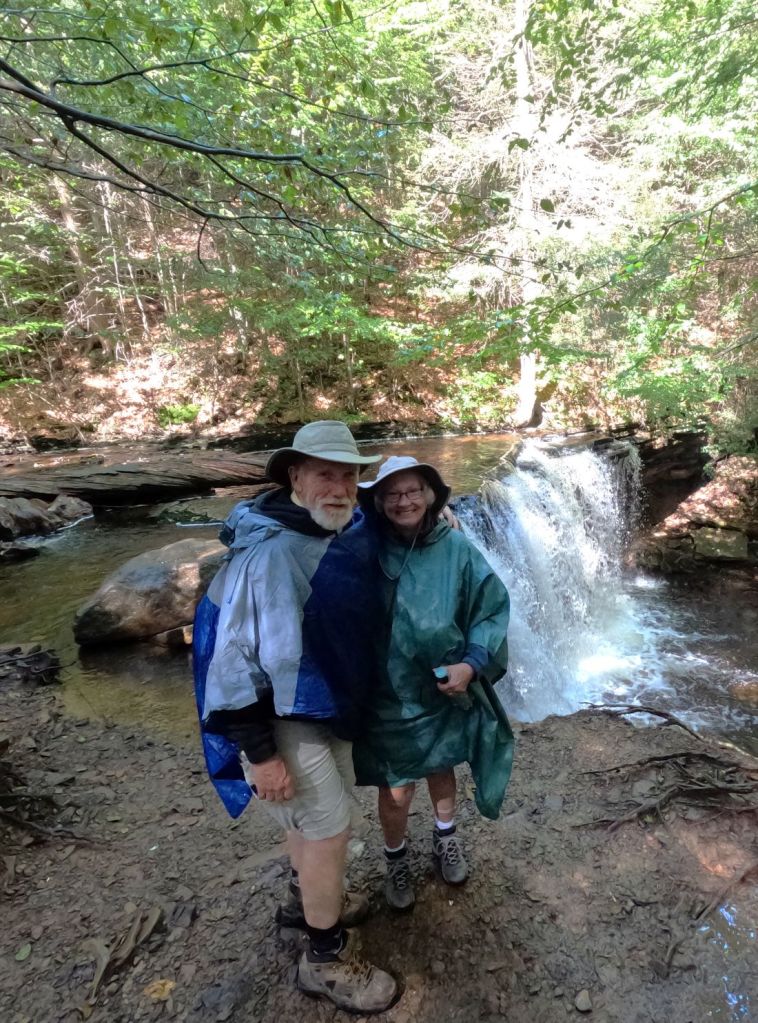
Waterfall hiking at Ricketts Glen

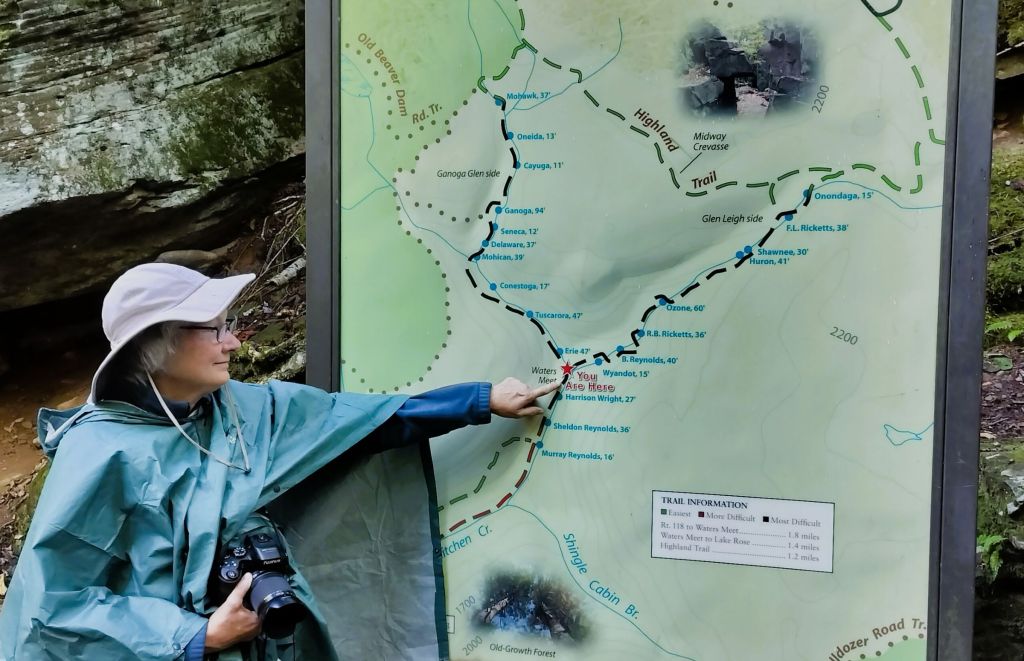
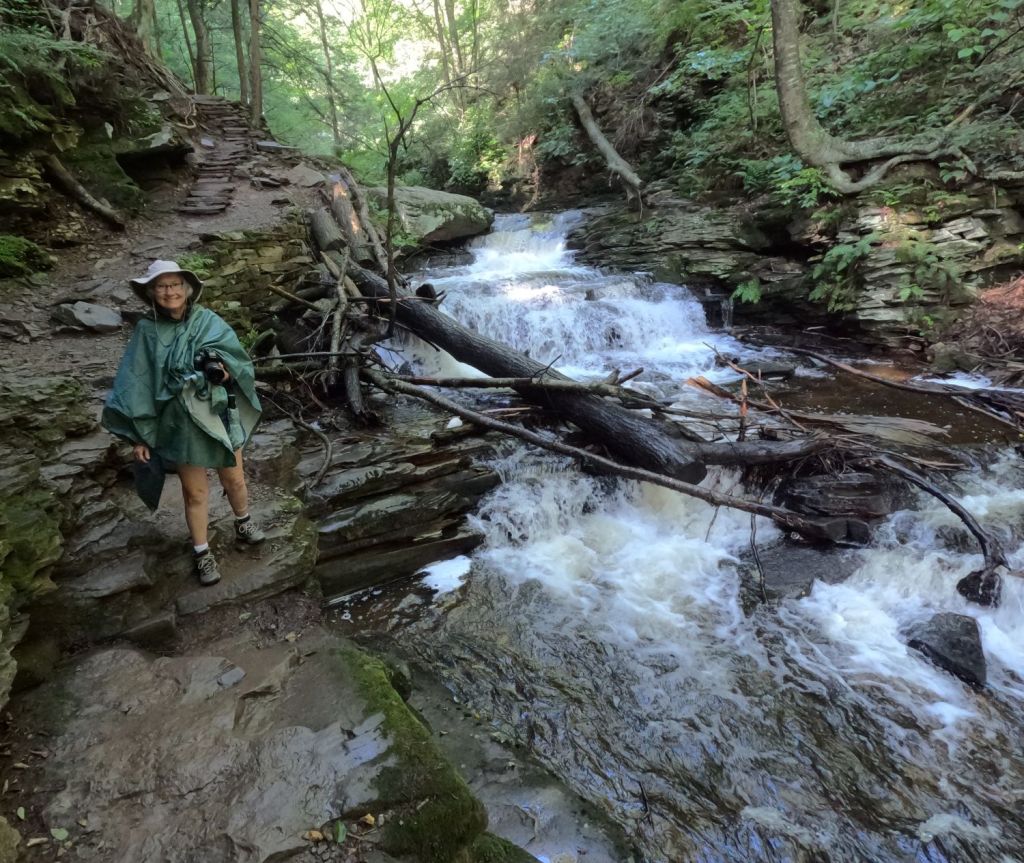
Our 3.5-mile waterfall hike went past 18 of the falls (the others are on a side trail that we didn’t take).  It was raining when we started, so we carefully descended nearly 500 feet down steep slick stairs and across large boulders. The falls were various sizes, and we stopped at each to enjoy the peaceful tranquility. 
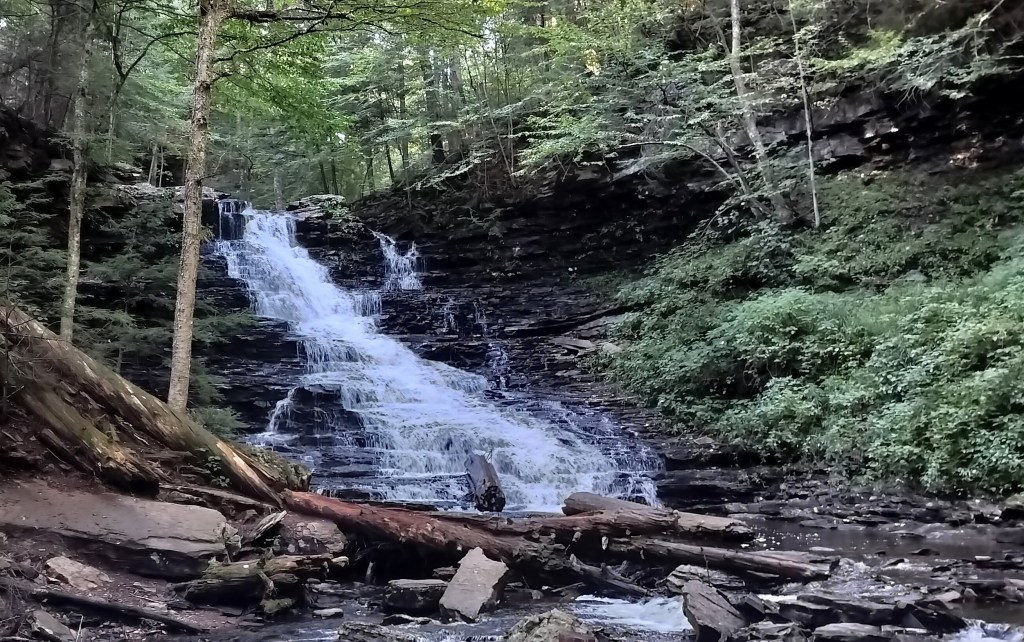
Various photos of our hike to 18 waterfalls at Ricketts Glen SP

The rain had stopped by the time we reached the bottom of our descent. We paused for a snack and enjoyed talking with other hikers, comparing the falls and reviewing trail conditions.
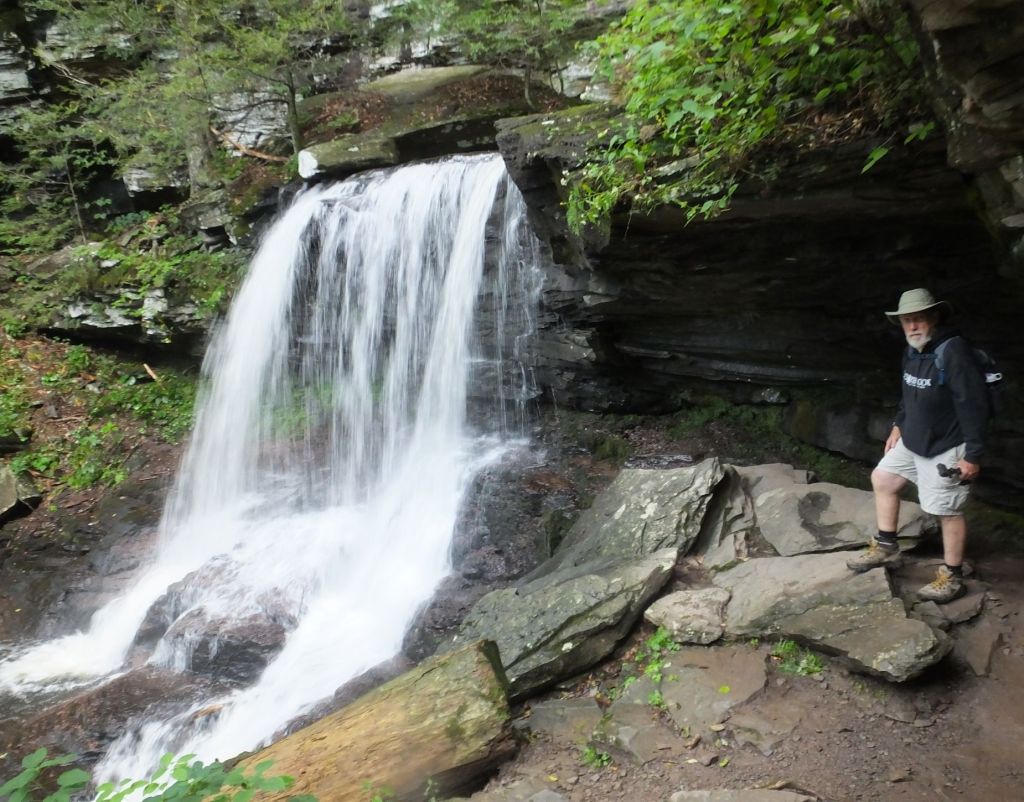
Stopping to look at another beautiful waterfall

The return part of the trail was a little easier.  Conditions were drier and, for us anyway, it always seems easier to climb a steep trail and stairs than the opposite.

The park has other trails and a nice lake. It is well worth a visit if you travel through central Pennsylvania.

Harper’s Ferry

We drove southward from Pennsylvania into Maryland, then a tiny bit of Virginia and finally West Virginia. 
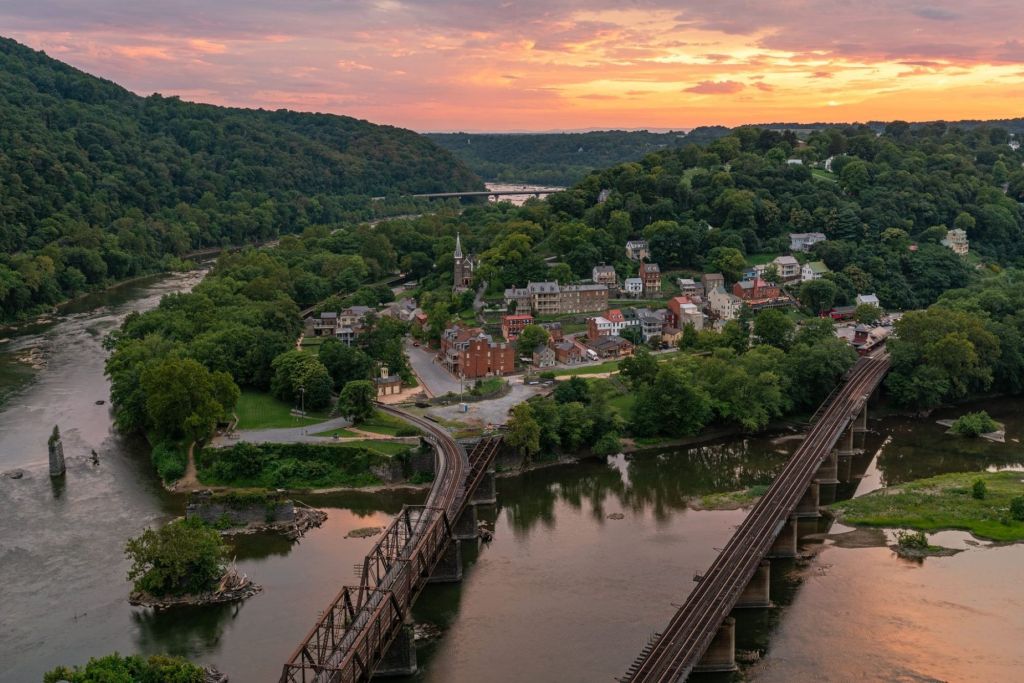
Harpers Ferry, WV (image from Google)

We visited Harpers Ferry National Historic Park at Harpers Ferry, WV.  The town is at the confluence of the Potomac and Shenandoah Rivers where Maryland, Virginia and West Virginia meet.  It is interesting looking around the well-preserved historic area. 

We learned the town was the northernmost point of the Confederacy during the Civil War.  It is also where abolitionist John Brown led a raid on the federal armory in 1859, hoping to start a slave rebellion.       
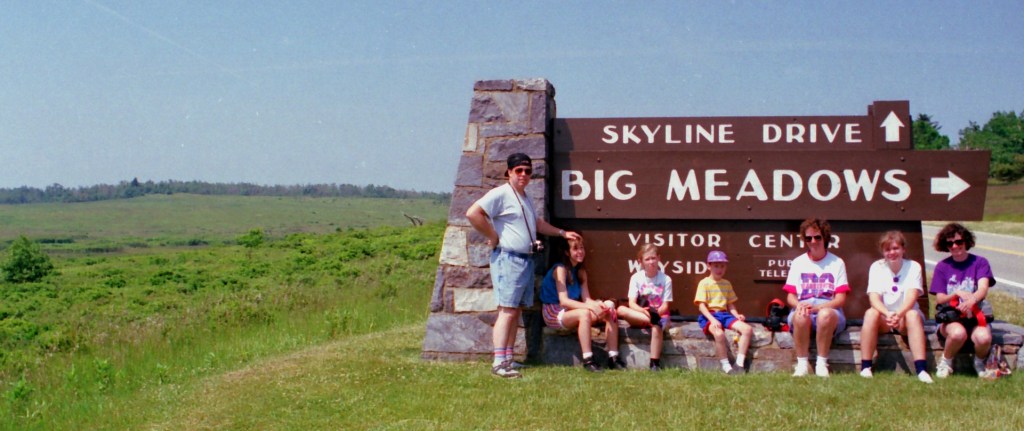
1993 Visit to Big Meadows with Pat’s sister and family

Driving the Shenandoah Skyline

Some of our favorite vacations over the years have been driving the Skyline Drive in Virginia’s Shenandoah National Park and the Blue Ridge Parkway in Virginia and North Carolina.

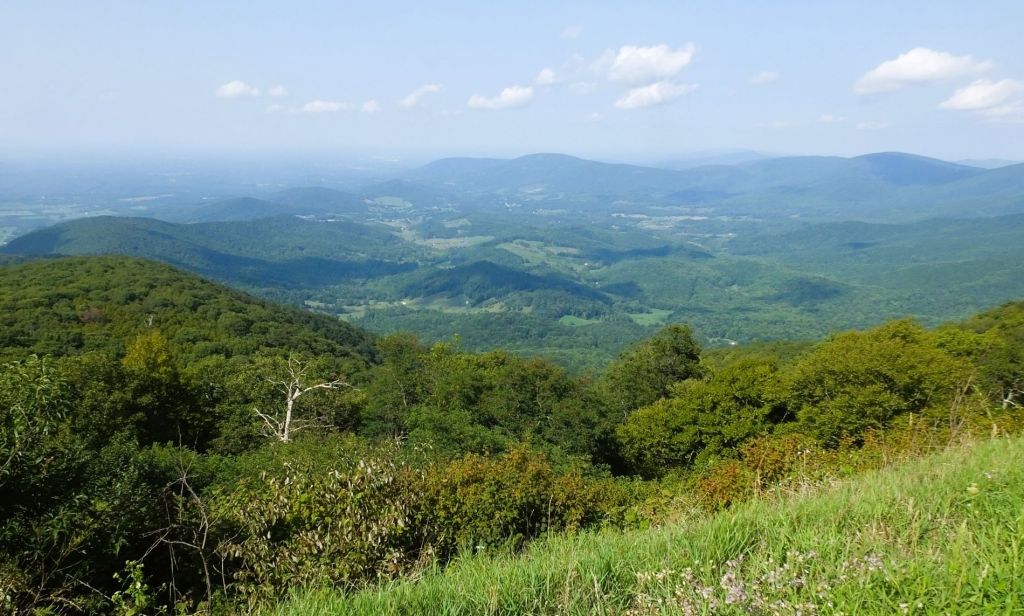
This trip we camped several nights at Matthew’s Arm campground at the northern end of the drive.  We hiked several short trails that took us along the Appalachian Trail.  The views of nearby valleys and distant mountains were nice, but not spectacular due to haze from fires in the far west.
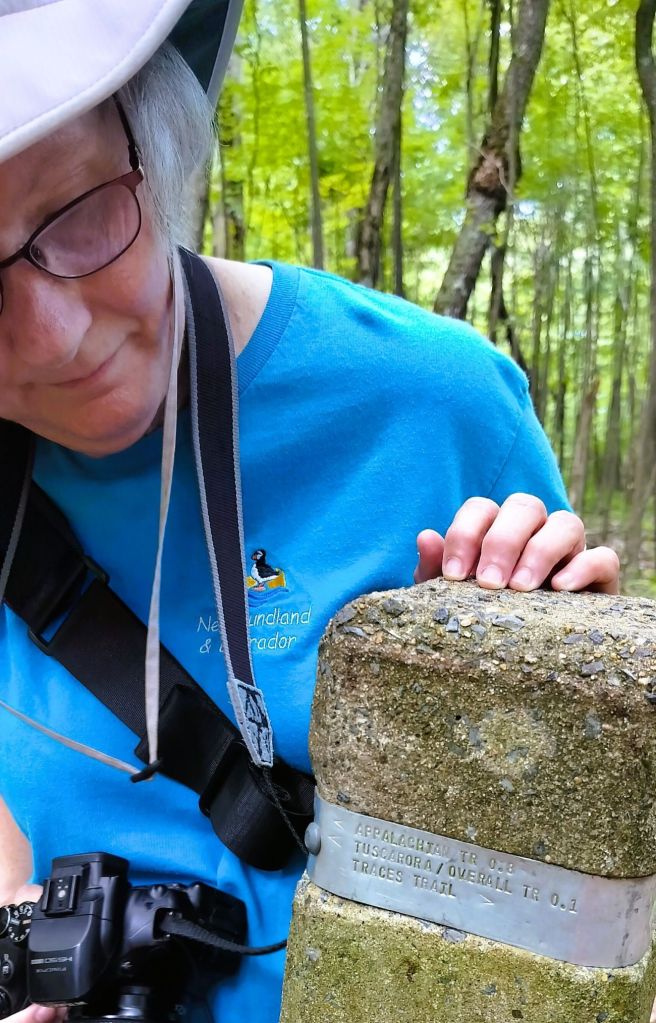
Pat examines a band imprinted with trail information
This hazy view of the valley and distant mountains was still beautiful

We stopped for lunch at Big Meadows, midway on the drive, as we continued south.  Maintained by periodic burning, the 136-acre meadow is the largest open area in the park.  It is covered with a variety of flowering plants as well as blueberry and blackberry bushes.
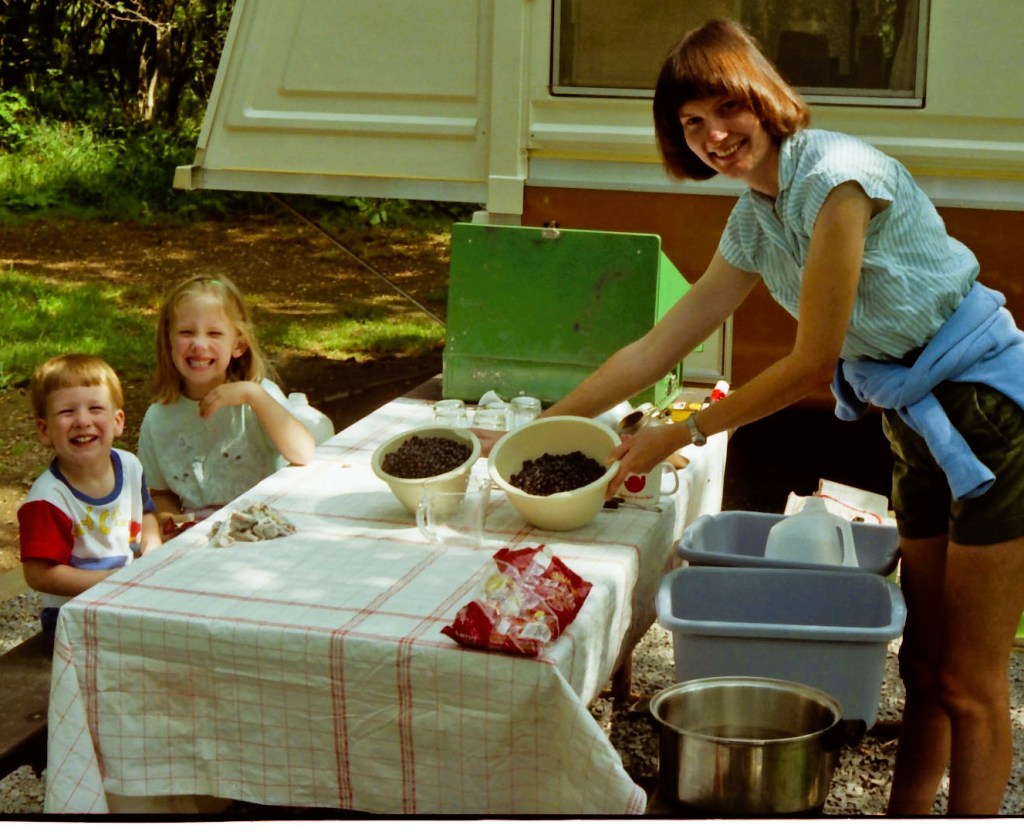
Making blueberry jam at Big Meadows in 1989

We recalled a trip with our children 35 (!) years ago when we picked blueberries and made jam at our campsite. 
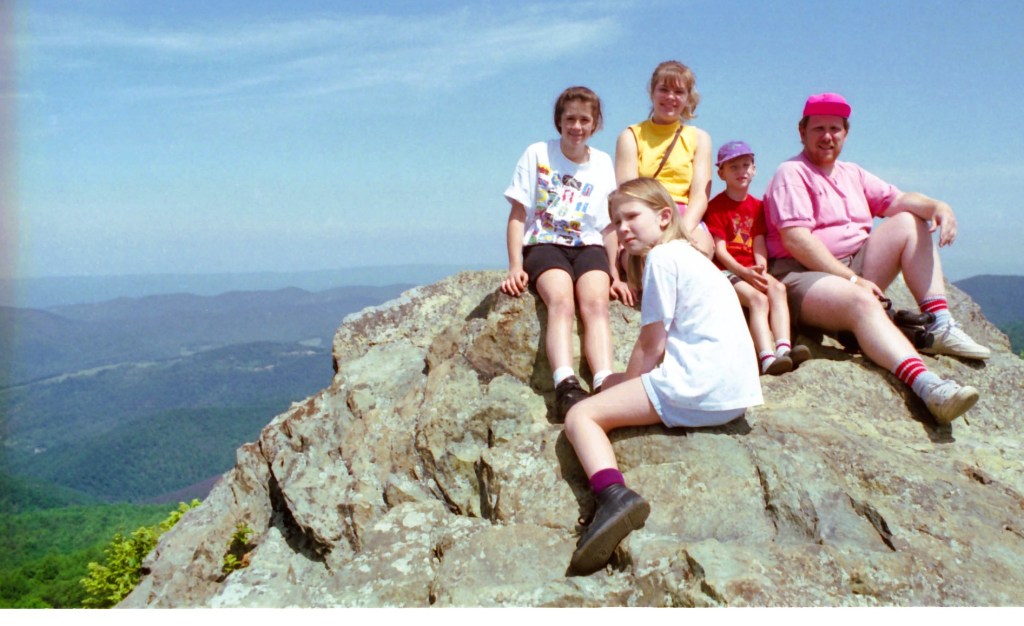
Bearfence rock scramblers, 1993

Further along we passed the trail to Bearfence. Over the years we scrambled over large, exposed boulders to a magnificent view of the distant mountains and Shenandoah Valley.   One rock scaling adventure in 1993 is captured above with a photo of our children and nieces.

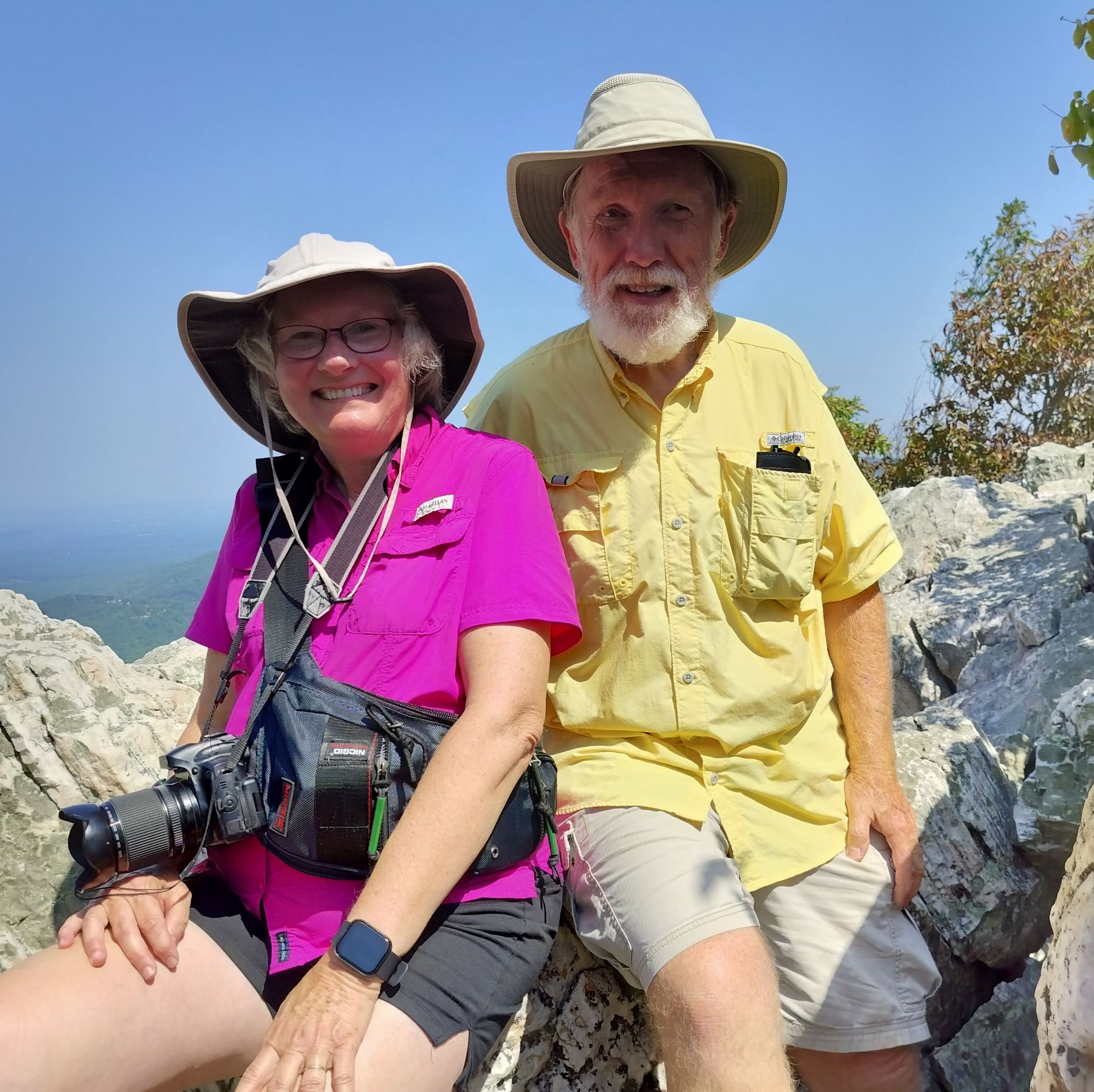
We spent a night at Lewis Mountain Campground, a new campground to us. The next day we ended our tour of the Skyline Drive with a hike to Turk Mountain.  The 2.2-mile trail was steep with a 690-foot elevation gain. It ended with a short rock scramble to an outcropping with wonderful valley views.  We caught up with a group of college students who passed us earlier and learned about their plans for the future. One of them took our picture to prove we made it all the way!
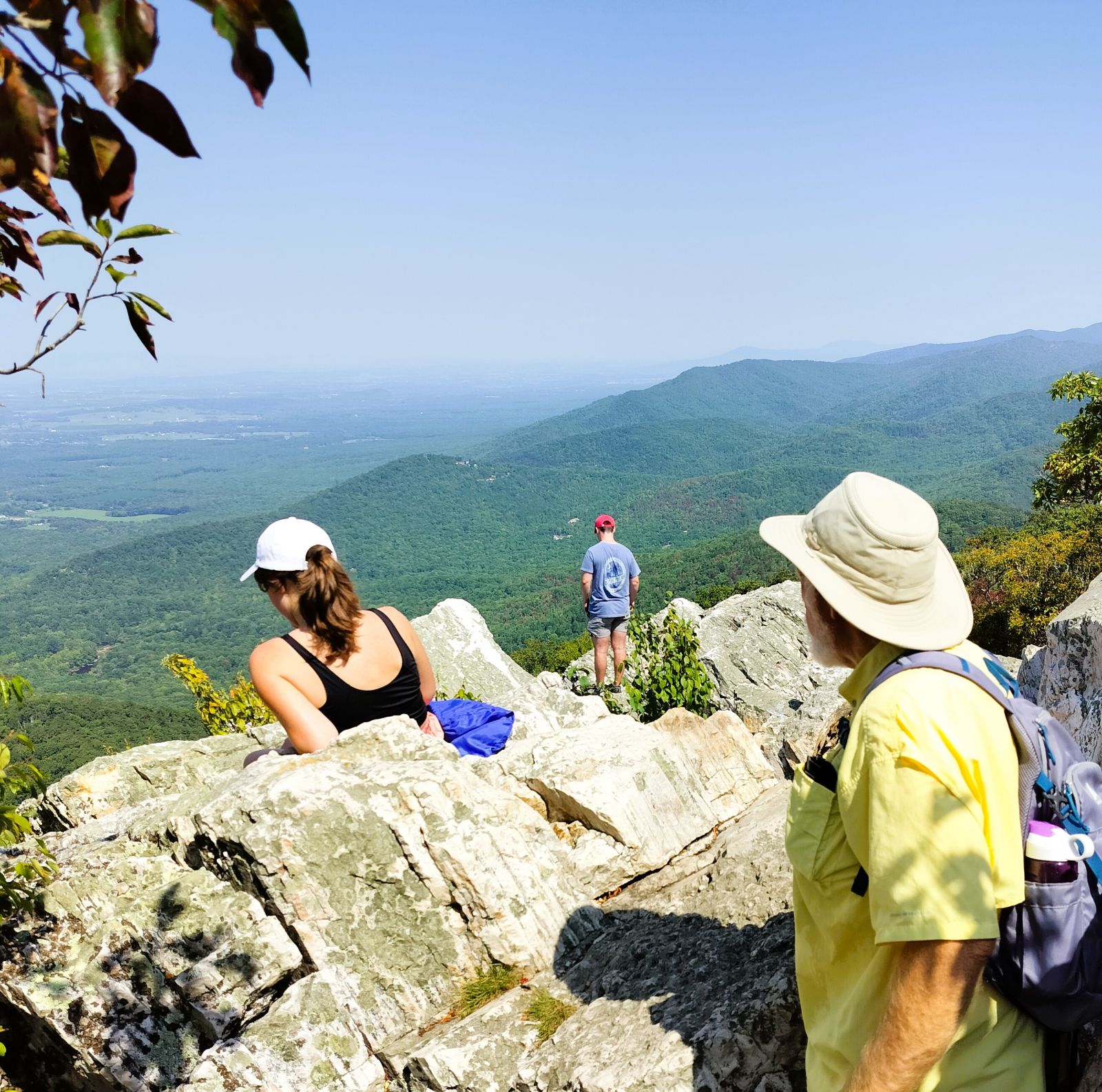
Photos taken at Turk Mountain viewpoint

Skylines to Blue Ridges

At the end of the 105-mile Skyline Drive the 469-mile Blue Ridge Parkway begins. 
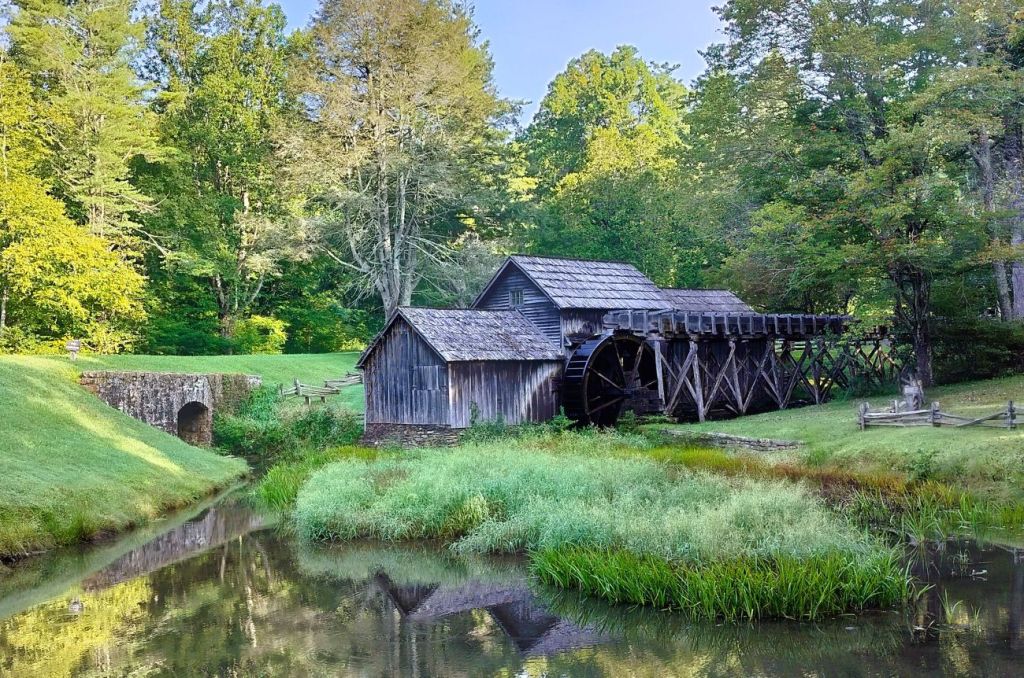
Iconic Mabry Mill at MP 176 on the Blue Ridge Parkway

We stopped at several favorite landmarks as we drove south on the parkway and made an early morning stop at picturesque Mabry Mill.  The iconic landmark was built more than 100 years ago and was both a sawmill and grist mill. It is one of the most visited sites on the parkway.

Our final stop on the parkway was at Puckett Cabin.  We marveled at the story of “Aunt” Orelena Hawks Puckett, who lived in the cabin during the latter half of her 102-year life.  She had a long career of midwifery, where she assisted at the births of more than 1000 babies.  What an impact she had on the people in that area!
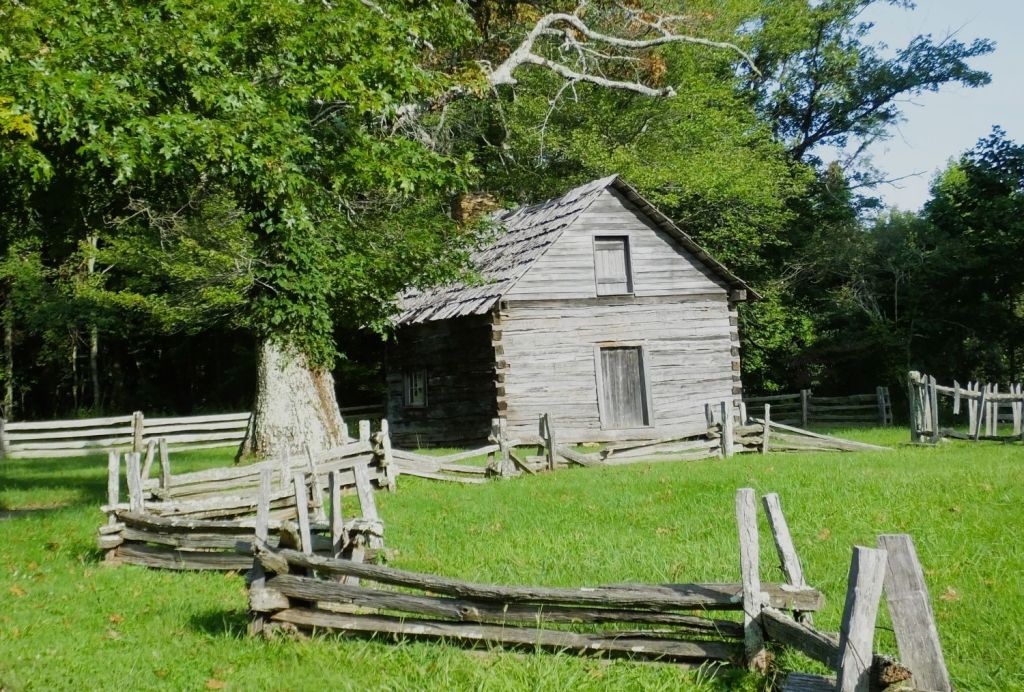
Puckett’s Cabin at MP 189 on the Blue Ridge Parkway

A few miles beyond the cabin, we left the parkway to begin the two-day trip home. 

Our original plans were to spend more time in New England before returning home in late September or early October. Because of hazy conditions throughout the east, we moved more quickly than expected though.

Accustomed to longer trips, we wondered if we were going home early for some reason.  We found out soon enough.

A few days after our return, intense weather struck our area.

After two evenings of considerable rainfall, the small creek in our back year rose above its banks. The creek flooded our backyard and continued to rise until it crossed the road next to our house. This has happened only one other time in nearly 40 years.

Although the rising creek never hit the house, rising groundwater began to seep into our semi-basement downstairs room. The sump pump we installed years ago (and tested right before our trip) had failed.

After an emergency late evening trip to Lowes to purchase a drill-powered pump, we drained the sump pit and began the timely process of drying out the room over the next week.

Had we not returned earlier than expected, water would have covered floor of the room. Carpet and furniture would have been damaged, and we would likely have had to deal with mold and mildew.

Giving Thanks

We are thankful!

God is our refuge and fortress in whom we trust for safety and protection – during our 2024 Heartland travels, trips in the past and journeys yet to come!
Gorgeous Gorge and Classy Glass

(2022 Newfoundland Ep 21)

From the Utica area, we drove southwest through New York hill country past small towns, lush vineyards and fertile farms.  Our destination was a Harvest Host location and state park in Watkins Glen, NY. 

Camping at the Creamery

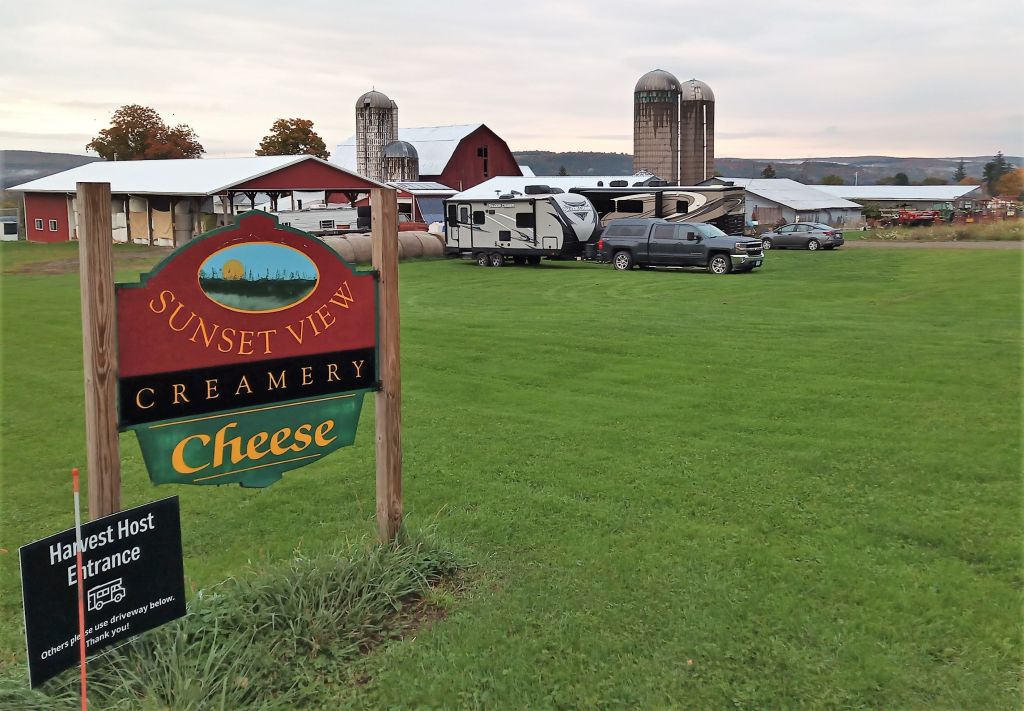
We camped for the night in a field at Sunset View Creamery.  The creamery is a large dairy farm with a nice store where we sampled (and purchased) several types of cheese along with other local farm products. 

By then, it was mid-afternoon and we had to hurry to visit Watkins Glen. Although the town is noted for its role in auto racing, our visit was to see the gorge at Watkins Glen State Park

The large parking lot was crowded when we arrived.  There is a charge to park but entrance to the state park and gorge is free.  We crossed a busy street and the entrance to the gorge trail was ahead.

Entrance to the Gorge

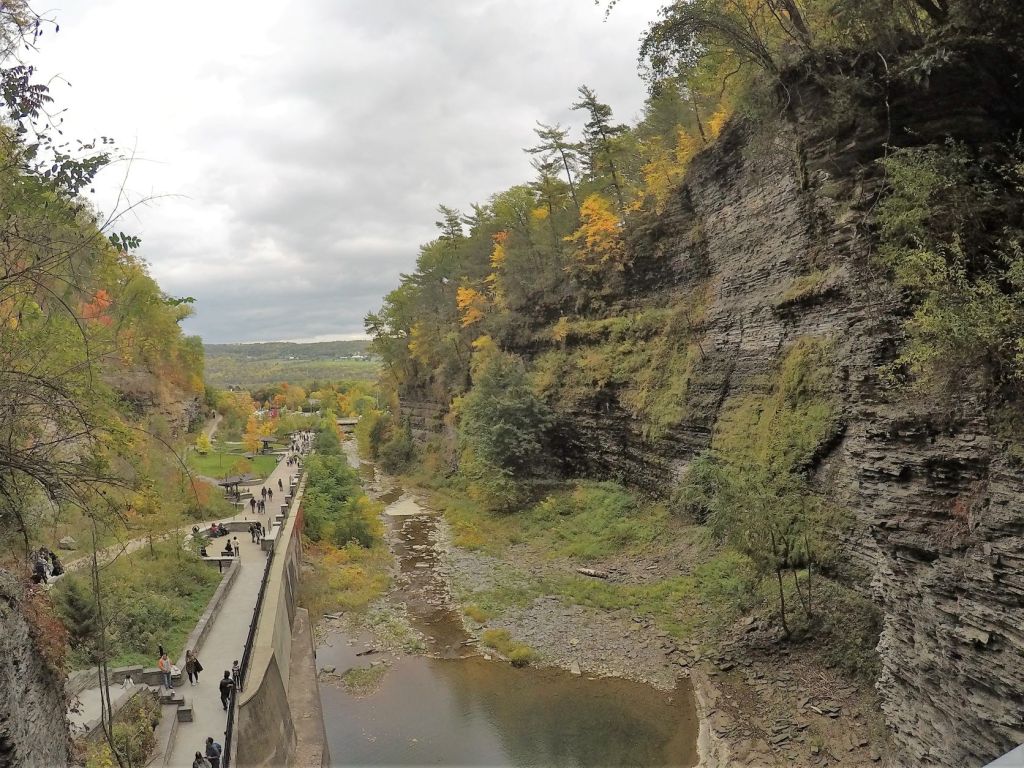
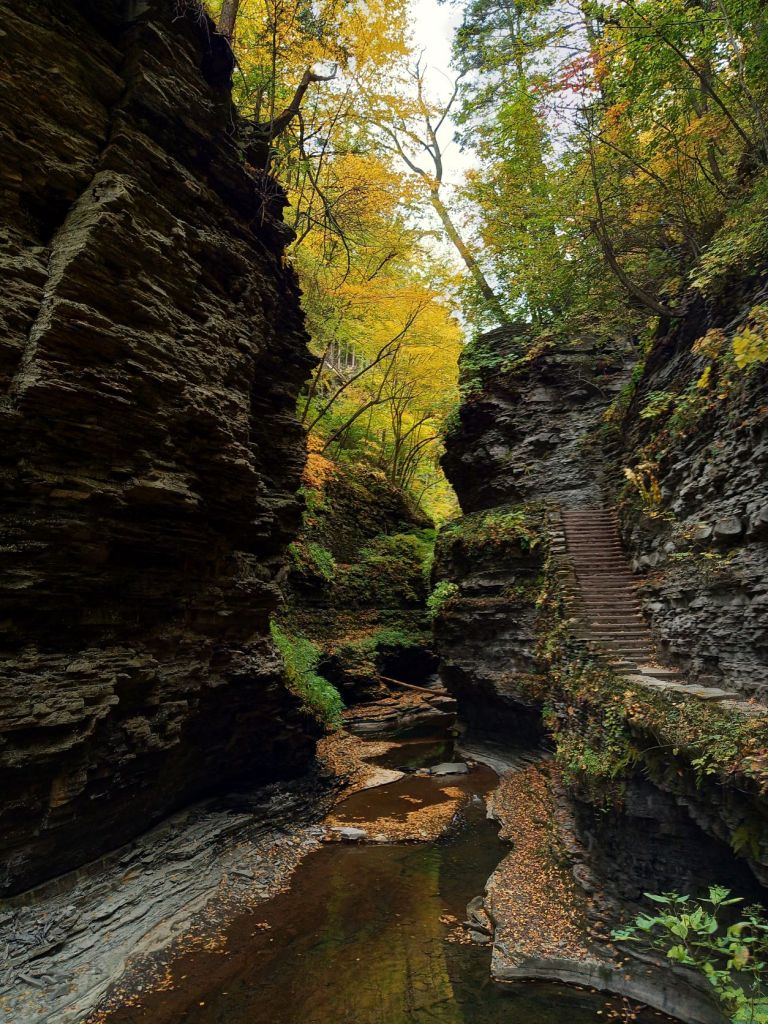
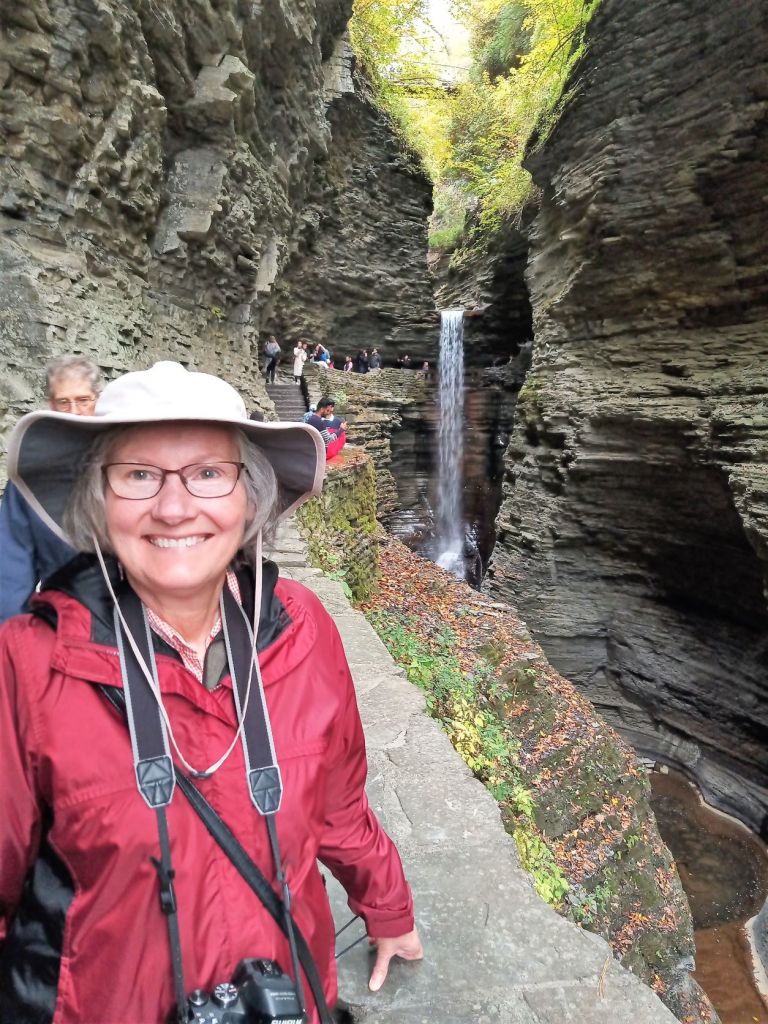
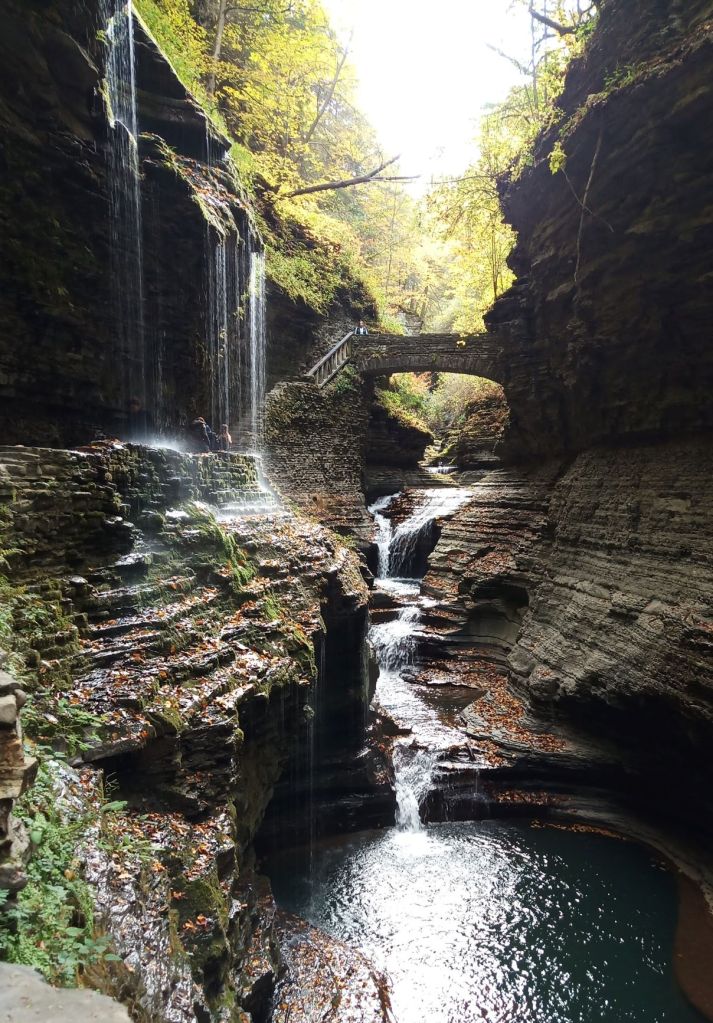
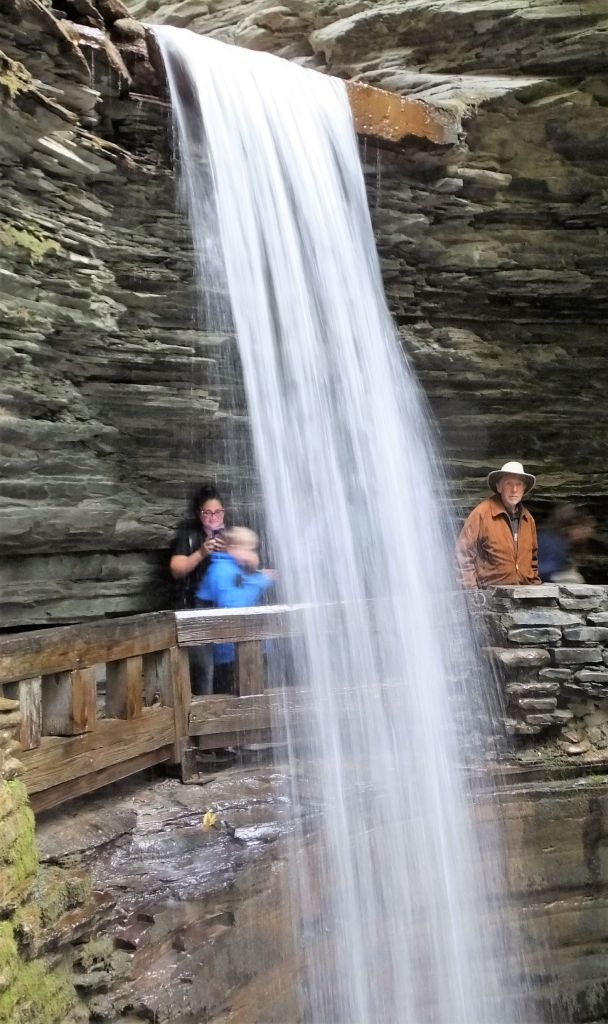
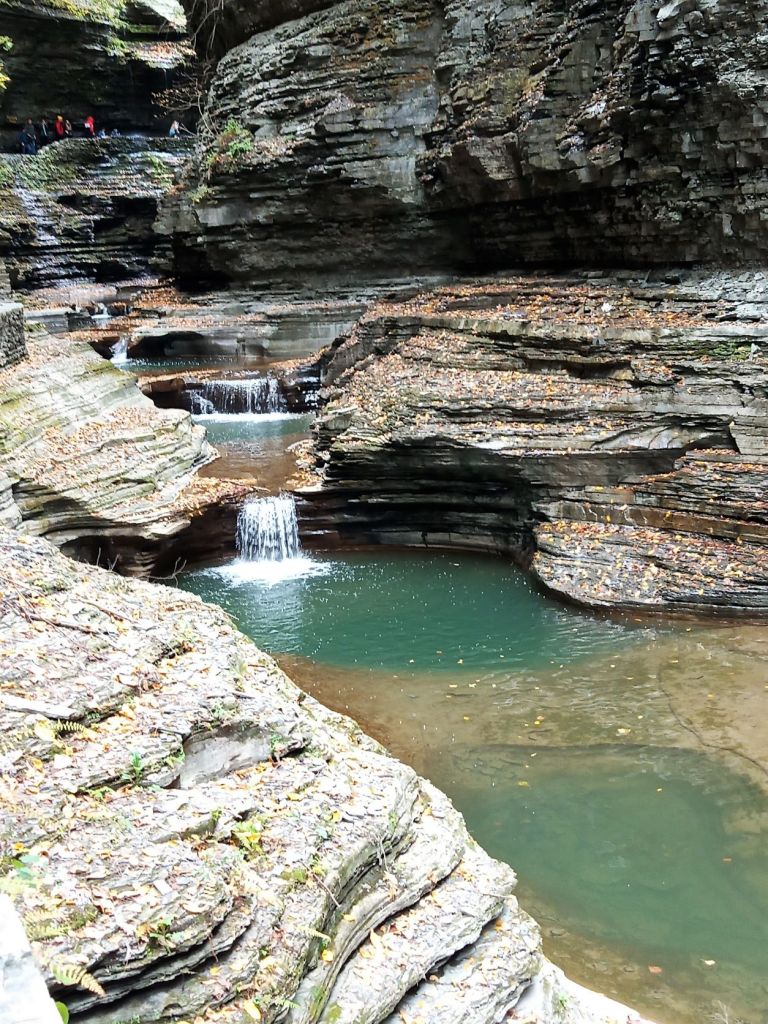
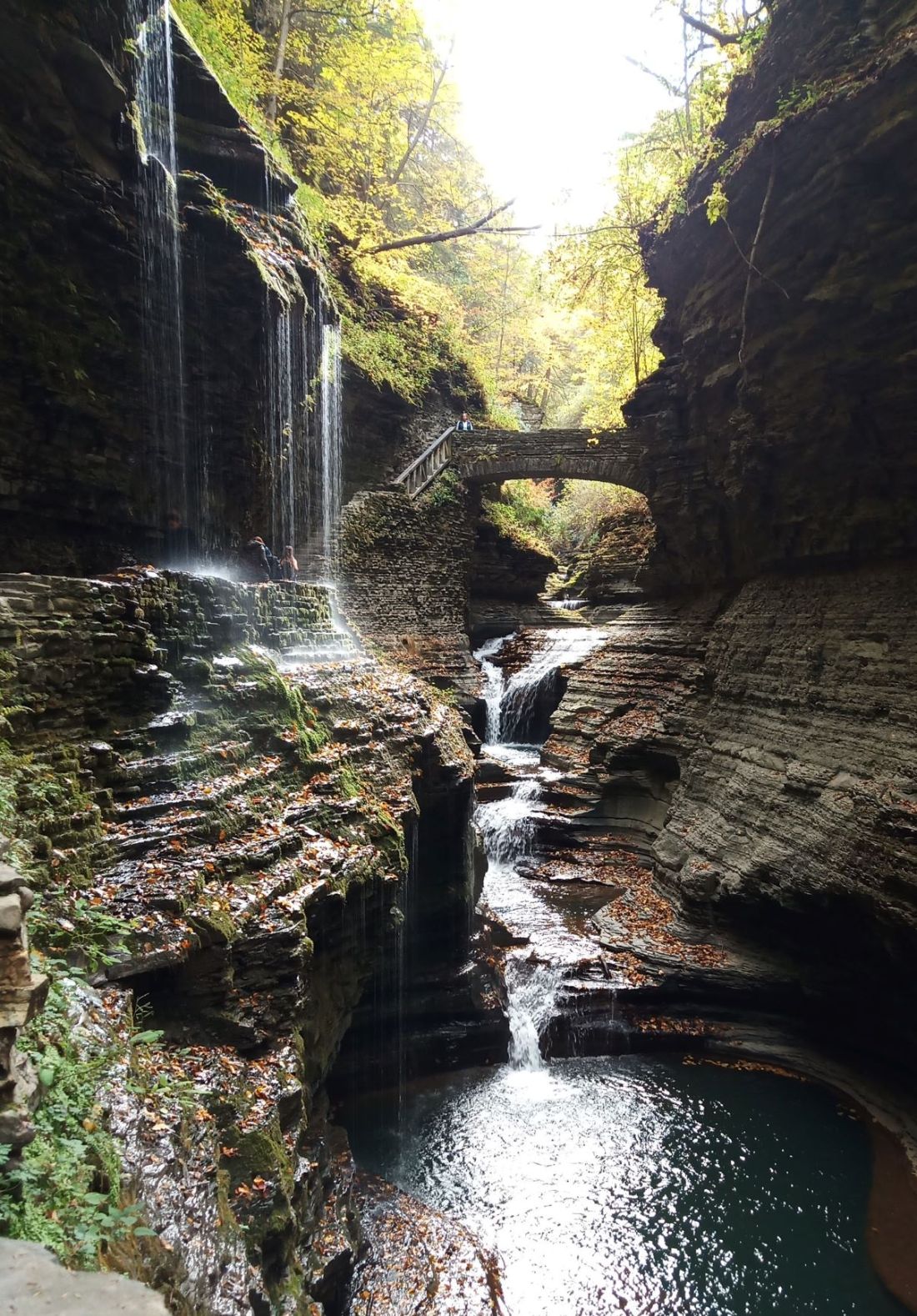
The trail starts at the bottom of the 400-foot deep gorge and continues for 1.5 miles as it follows a small stream up 832 steps.  The paved trail goes over and under waterfalls, bridges and tunnels. The layered sides of the gorge were accented here and there with trees displaying colorful autumn leaves.

The trail ends at the top of the gorge, where you can hike one of two trails along the top of the gorge or take an inexpensive shuttle back to the bottom of the gorge.  Some visitors start with the shuttle and then take the steps down to the entrance. We think the views are better hiking up the gorge however.

The park has a lot to offer in addition to the gorge – a campground and cabins (both were closed for the season when we visited), biking and other hiking trails.

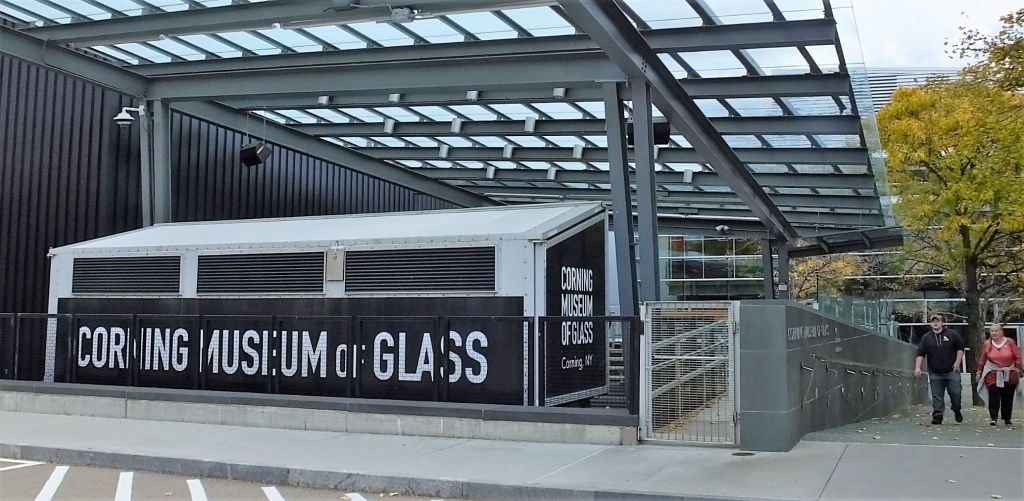
After a chilly no-hookups night at the Creamery, we arose early the next morning for a short drive to Corning NY to visit the Corning Museum of Glass.

The museum and town of Corning are worthy of a day or two visit, but we only had a few hours to explore the museum. 

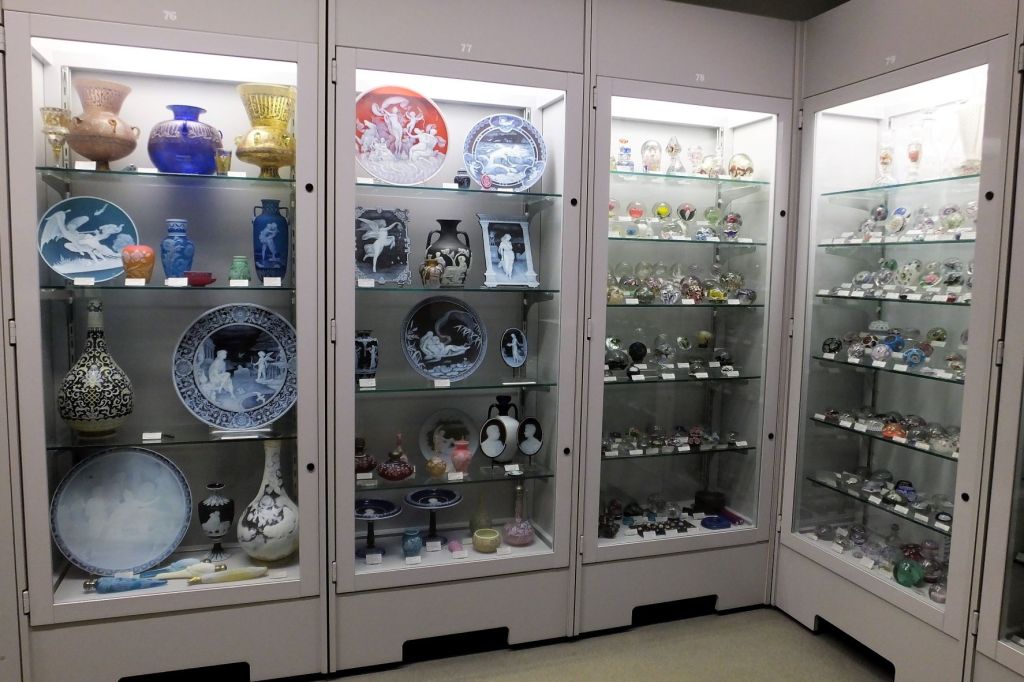
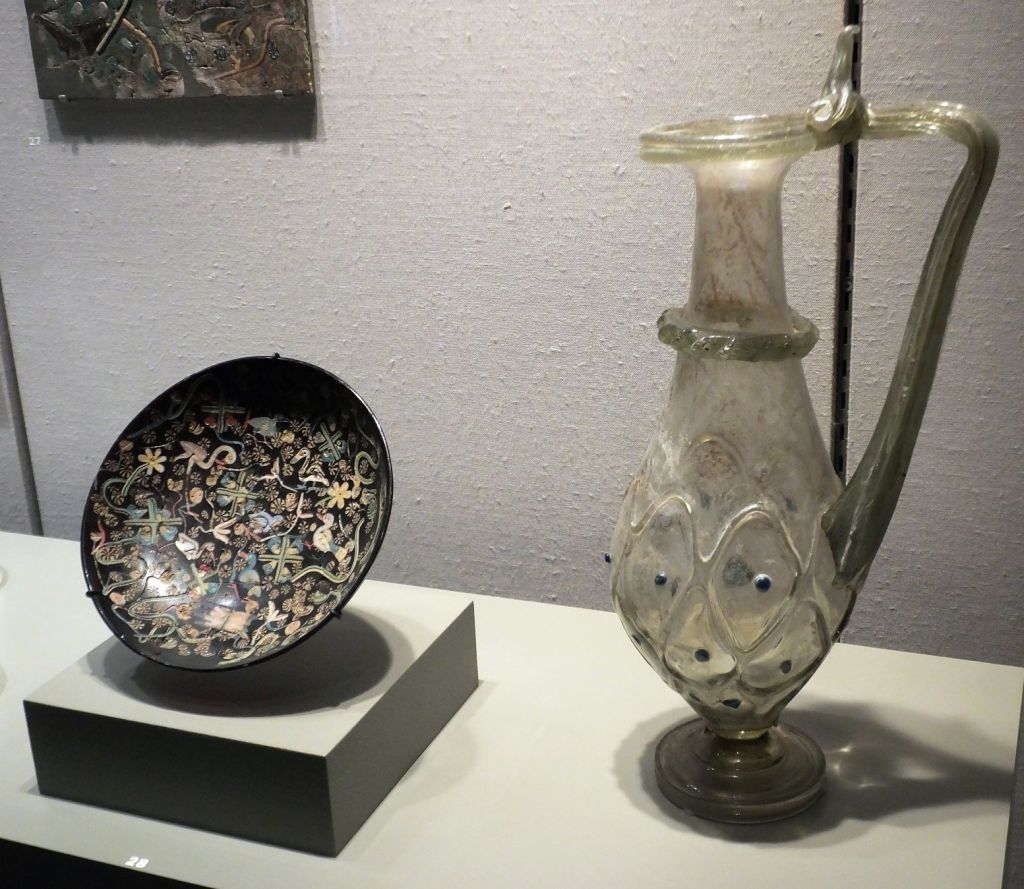
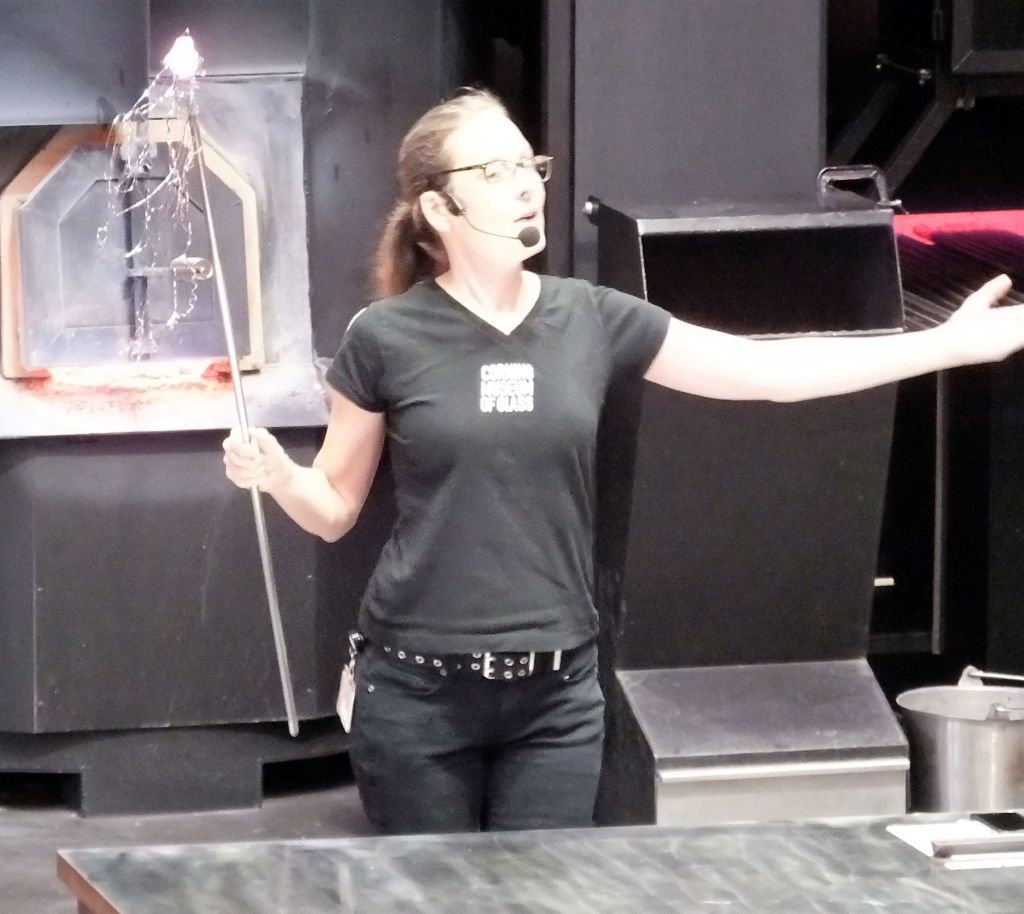
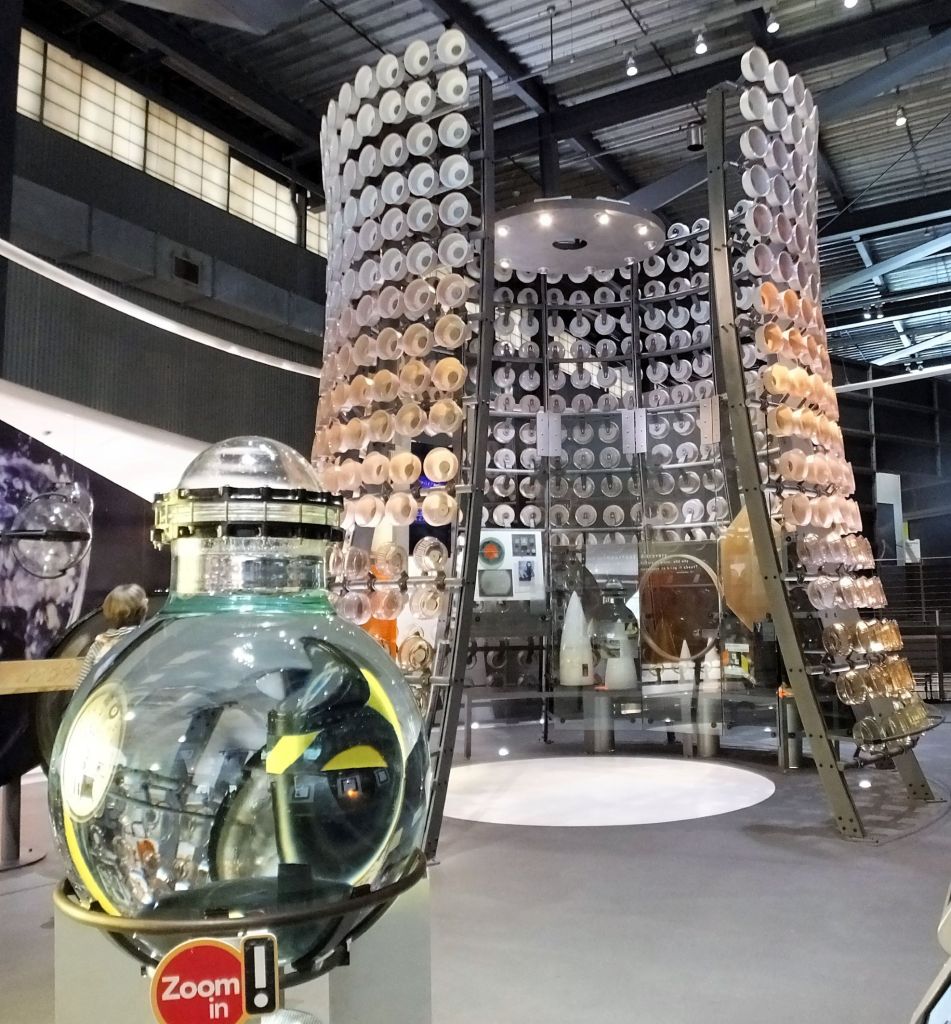
The museum has exhibits ranging from ancient glass artifacts more than 3500 years old to contemporary glass art, as well as various scientific and practical uses of glass in modern society.  There were also several live glass-blowing demonstrations. 

Who’d have thought there was so much to see at a glass museum!

After a quick lunch we were on the road again heading south to spend the night in Pennsylvania. We were on the way to Virginia and the Blue Ridge Parkway.

Next week:  our plans take yet another unexpected turn.

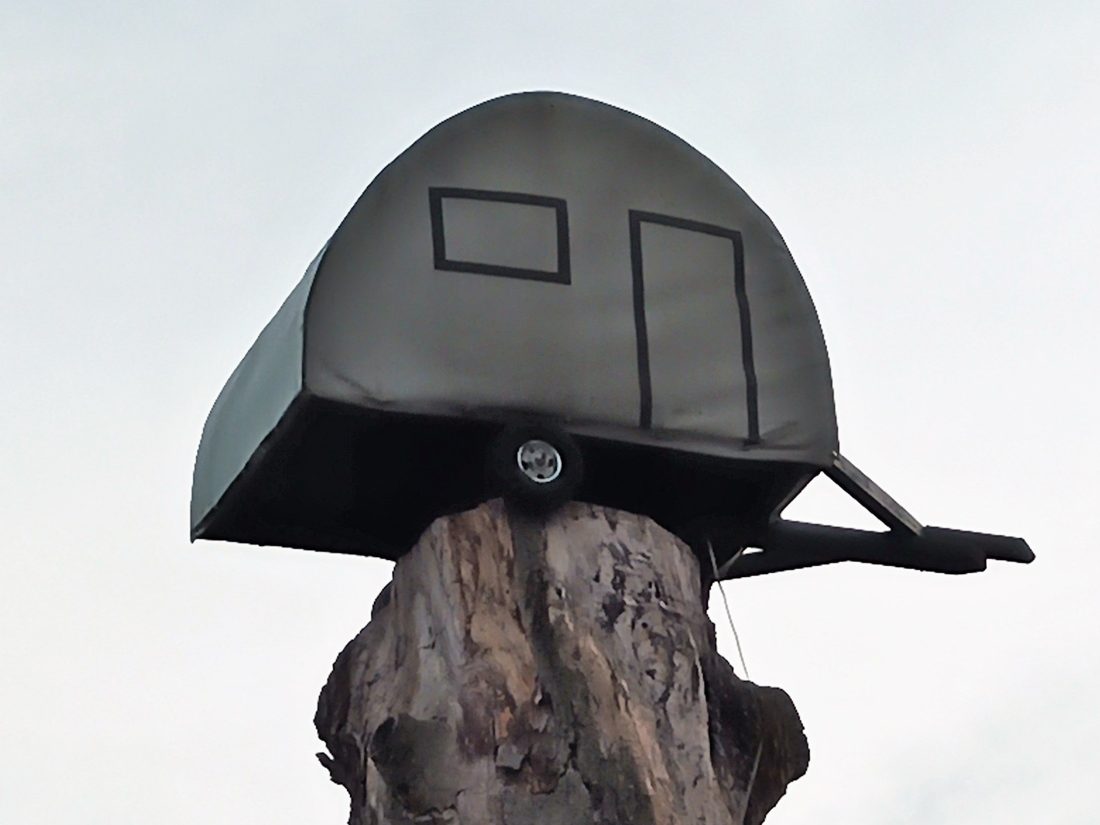
What was it?

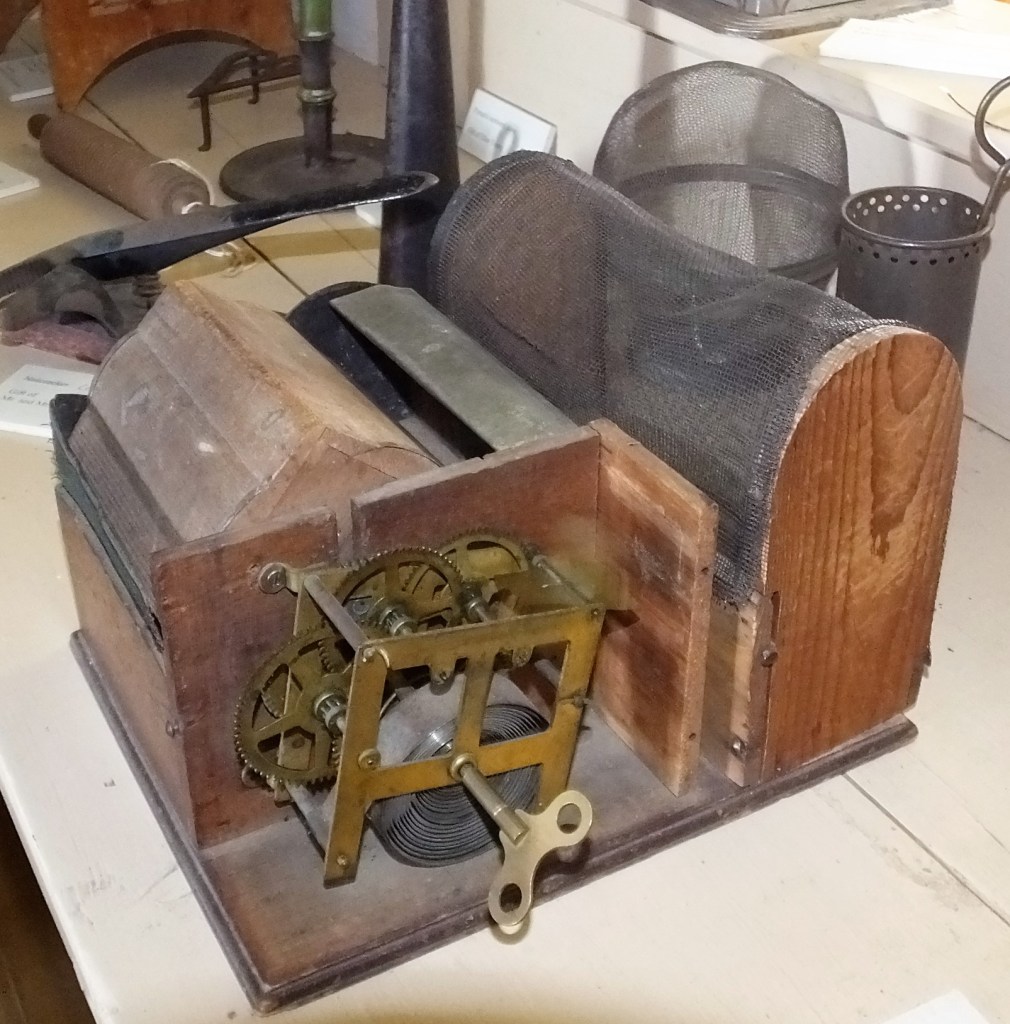
The photo below (2022 Newfoundland Ep 19 Autumn in Vermont blog post) was taken at the Old Stone House Museum in Brownington, VT. 

The device is a MOUSE TRAP!  When triggered, a portion of the trap rotates and deposits the mouse in the adjacent screened box.  This trap is more humane than a spring-loaded mouse crusher!

Garlic Fries and Feasts for Eyes

(2022 Newfoundland Ep 20)

With Vermont behind us, we continued through the Adirondacks and were surprised with the remoteness of the area, considering we were in New York.  We passed through Spectacular, aptly named for the colorful fall drive we were enjoying.

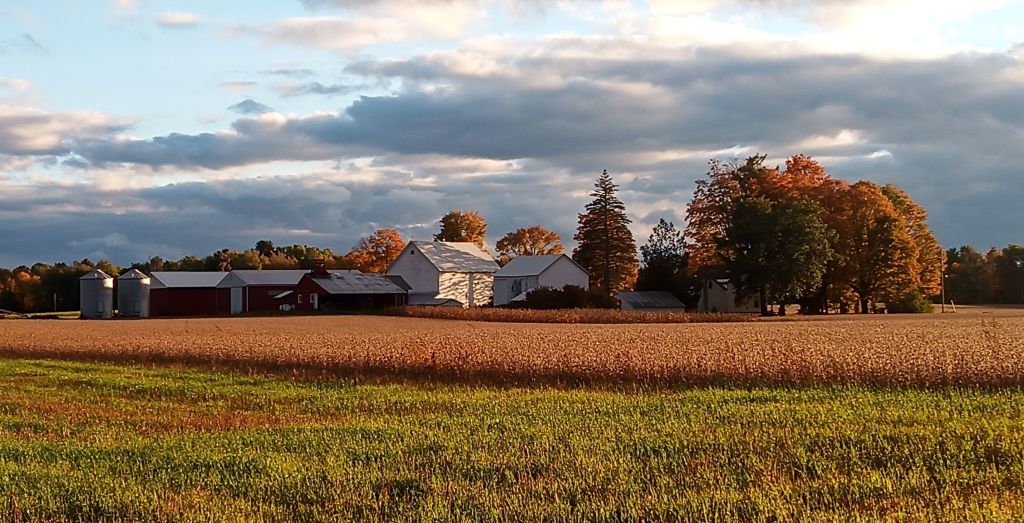
Spectacular evening view of the farm adjacent to our campground

Max’ gas gauge was between half and quarter full. To continue or not to continue? We decided to play it safe and turned around to fill up at the only gas station in town and for more than 30 miles in each direction.  You can’t take chances when you get 10 MPG.

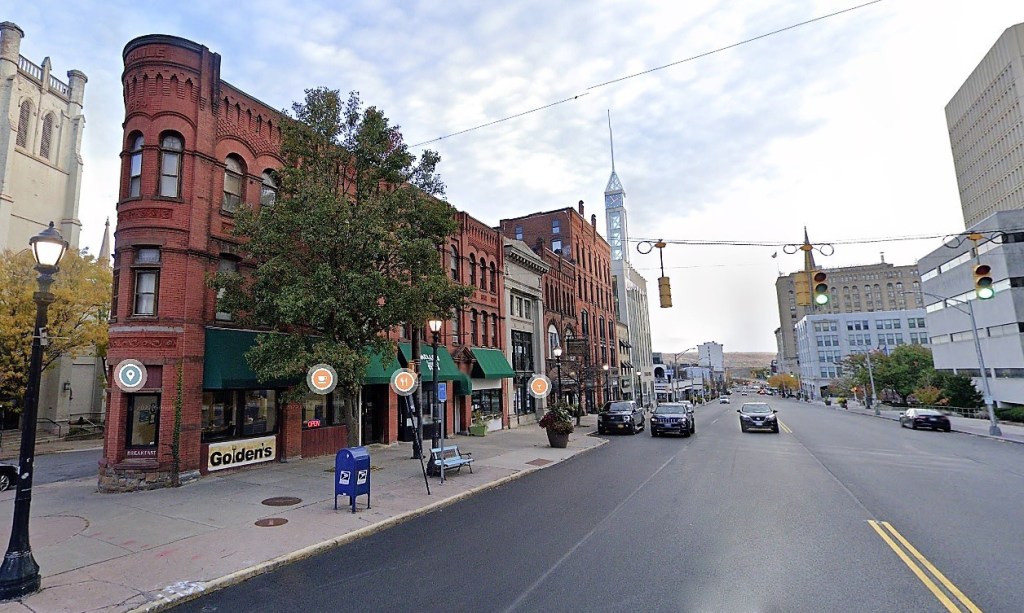
Downtown Utica NY and Golden’s (Google Streetview)
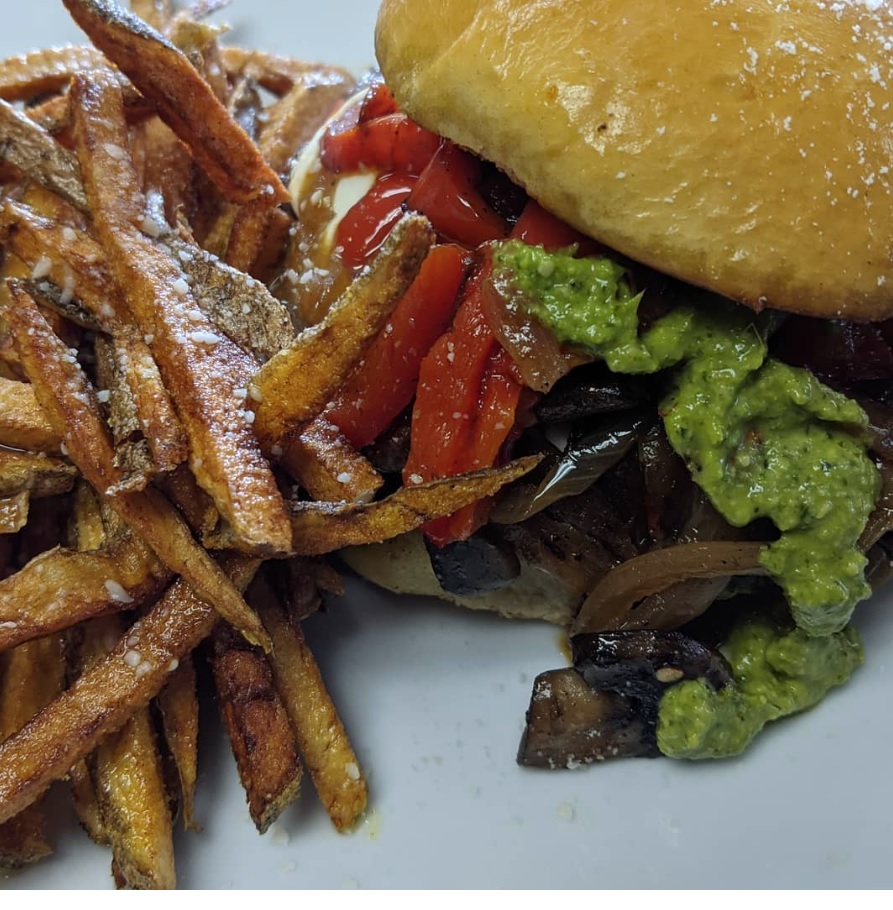
Utica burger and garlic parmesan fries

We set up camp and the next rainy morning we visited Utica, a small city several miles away on the Mohawk River.  Lunch was at Golden’s, a highly rated tiny downtown restaurant, where we tried Utica Burgers.  The burgers were topped with cherry peppers, pesto, mozzarella and tomato, and included sides of garlic parmesan fries. 

The burgers were good. 

The fries were GREAT!

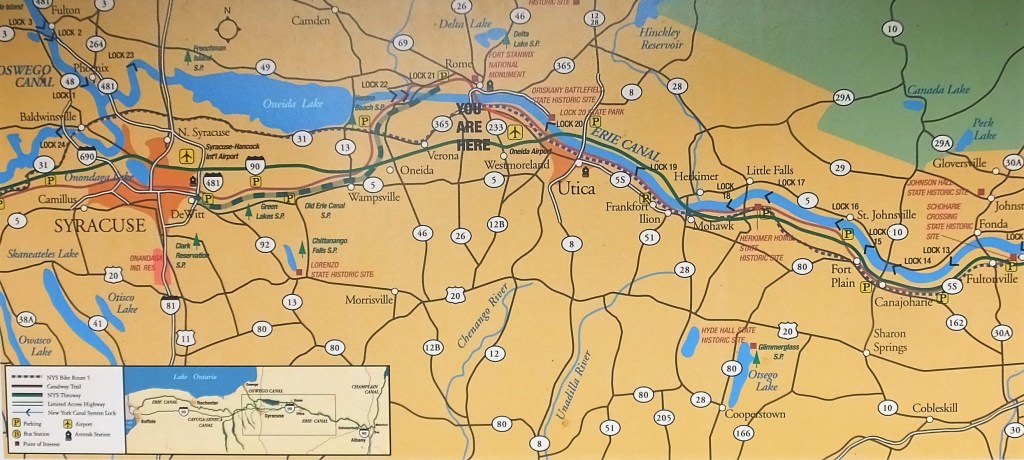
Erie Canal in the Utica area

After lunch we visited the Erie Canal.  Completed in 1825, the canal extends 351 miles east-west from the Hudson River to Lake Erie.  It is 120 feet wide and 12 feet deep, and a series of 34 locks raise and lower vessels a total of 565 feet.

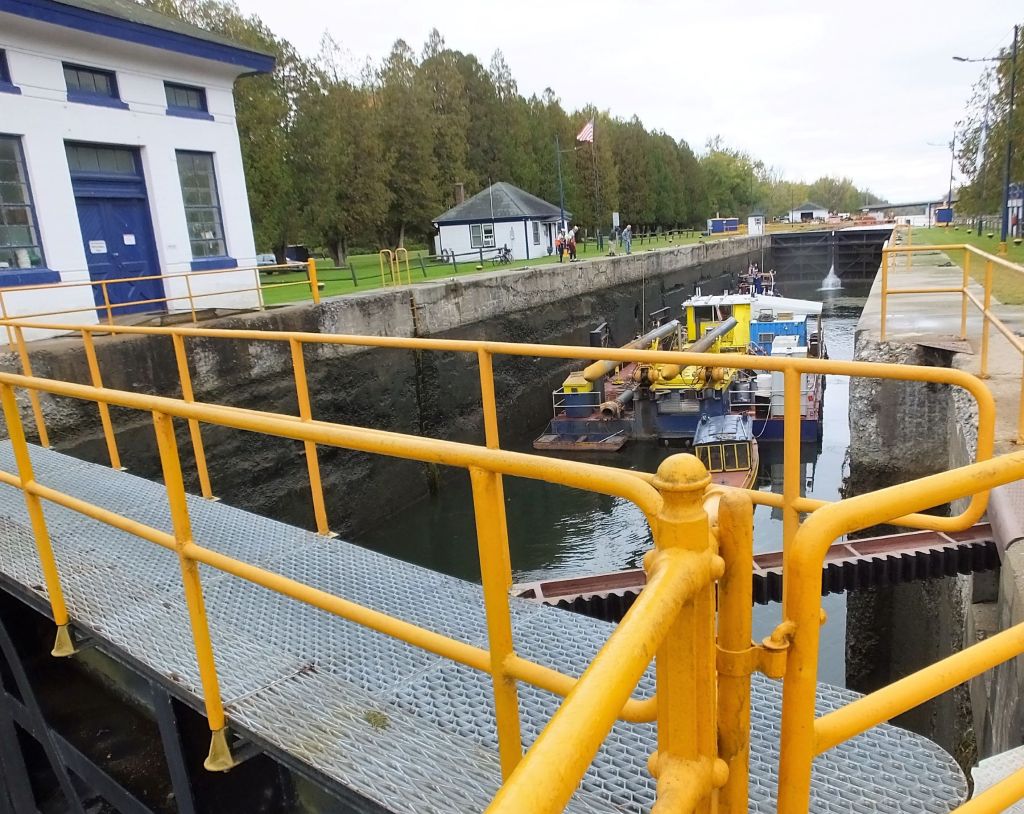
Erie Canal Lock 20 Near Utica NY

At Lock 20 State Canal Park, just outside Utica, we watched a small tug boat and canal maintenance barge enter the lock.   The downstream gates closed and the lock filled with water.  A few minutes later the water level had risen 16 feet and the upstream gates opened.  The tug and barge were on their way.

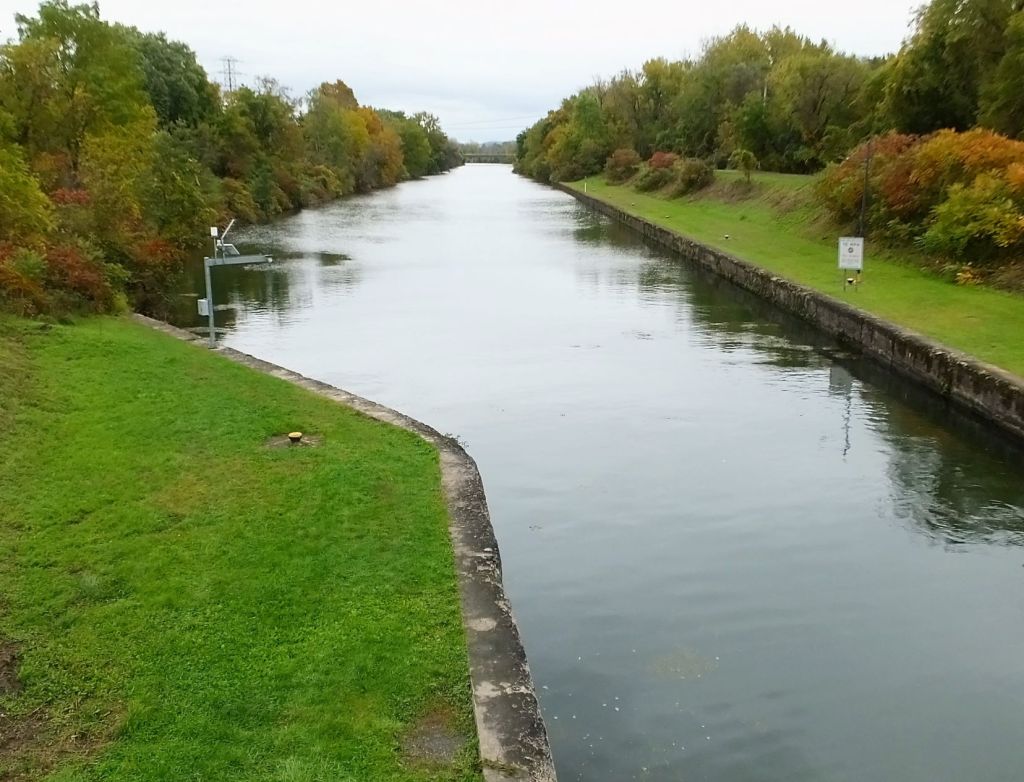
Quiet Erie Canal downstream from Lock 20

Similar to historic railroads, Pat and I are fascinated by canals – they are rich in history and much slower paced than interstates and airports.  We dreamed of taking a boat trip on the canal or riding some of the bike trail adjacent to the canal.  Unfortunately, our time was short.  Perhaps on a future trip…

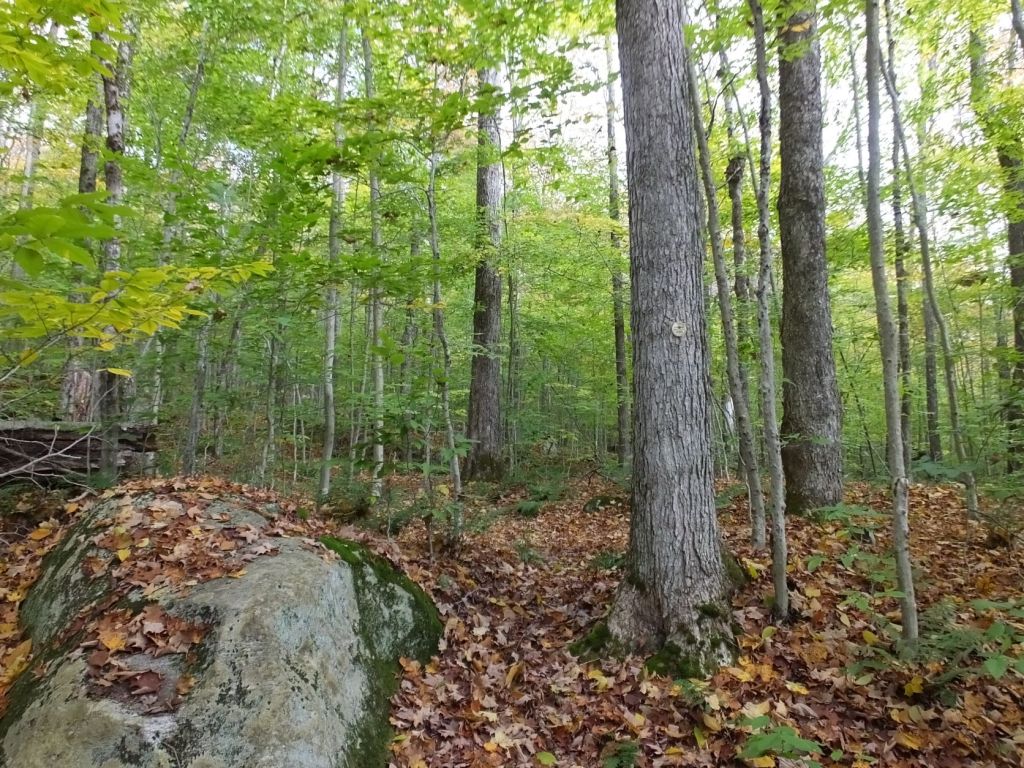
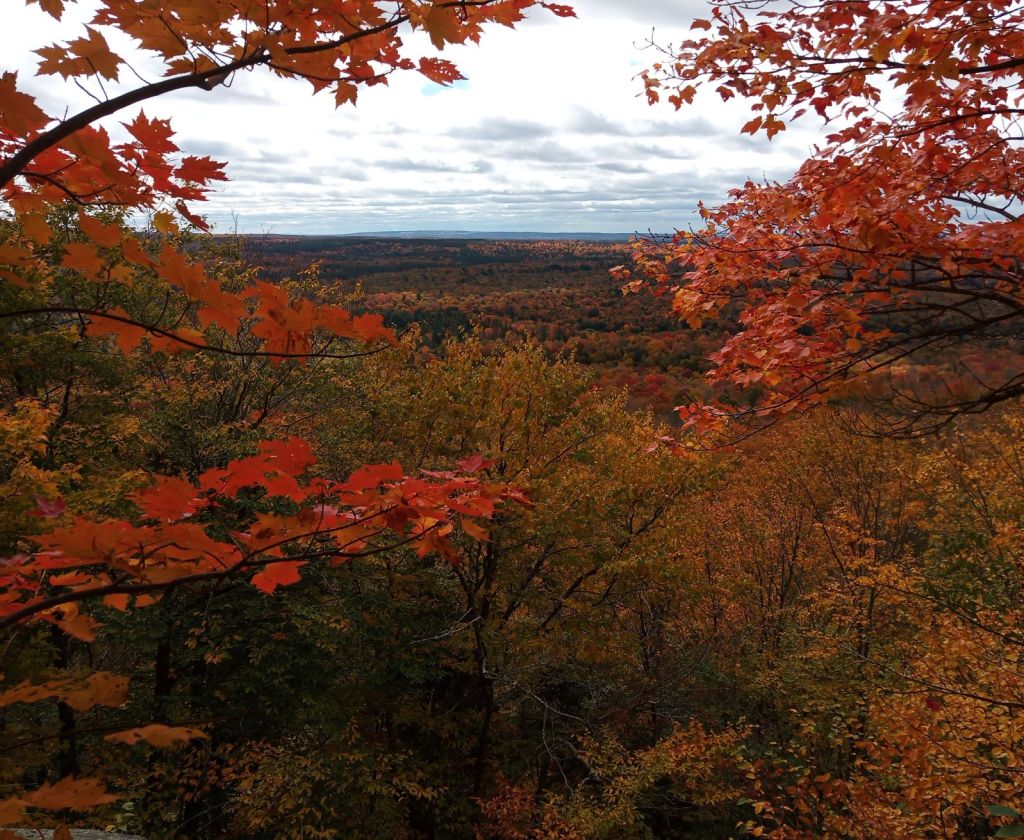
We hiked the Vista Trail in Black River Wild Forest near our campground the next morning.  The hike wasn’t long but it was challenging because a thick mat of colorful leaves completely covered the forest floor and trail itself.  We hiked across low wet areas and climbed rock outcroppings as we searched for small blaze markers attached to trees and rocks.  Our slow-going efforts were finally rewarded:  we enjoyed lunch at the vista where the fall leaves had peaked and were visible all the way to the distant hills.

Vista view of endless fall colors

Next week:  we near the end of our Newfoundland Journey as we hike Watkins Glen State Park and tour the Corning Museum of Glass.

We Took the Long LONG ROAD

(2022 Newfoundland Ep 12)

As the end of August neared, we could tell the NF weather was about to change.  Days were becoming shorter, nights were getting cooler and we were having to wear sweatshirts and long pants more and more.

It was time to start back toward Port aux Basques for the ferry ride to Nova Scotia.

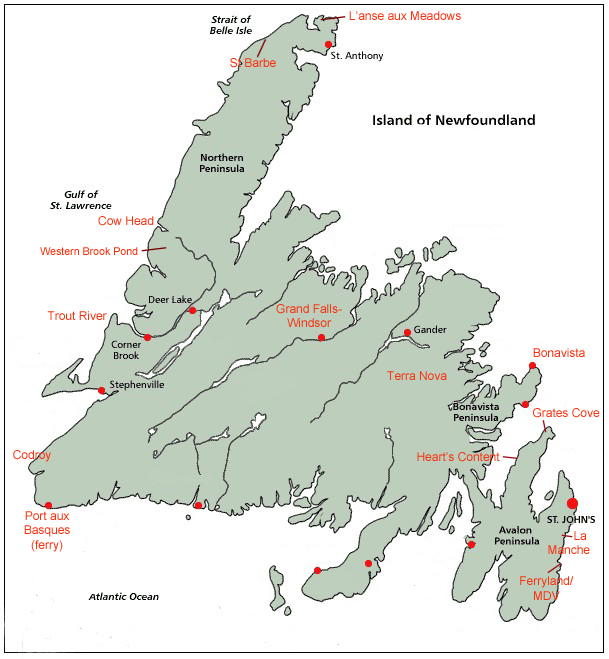
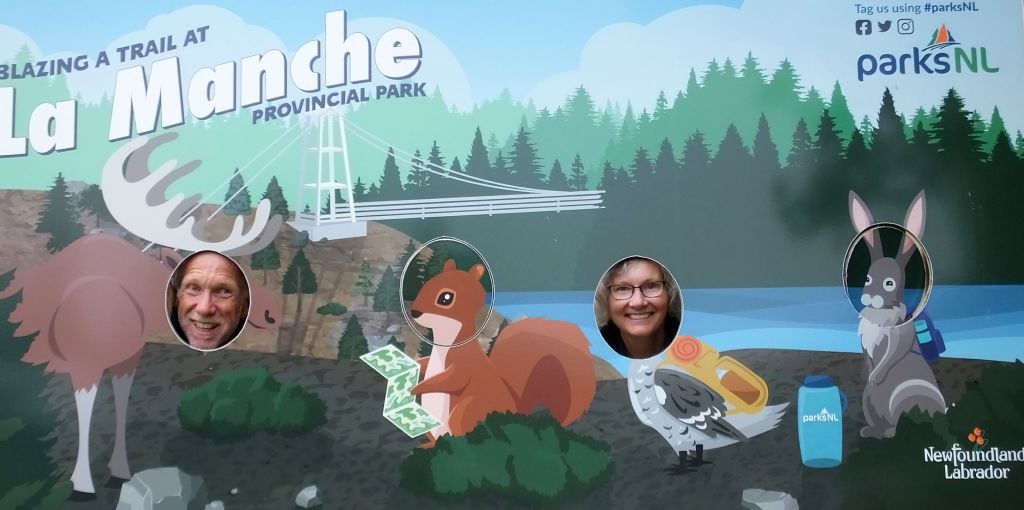
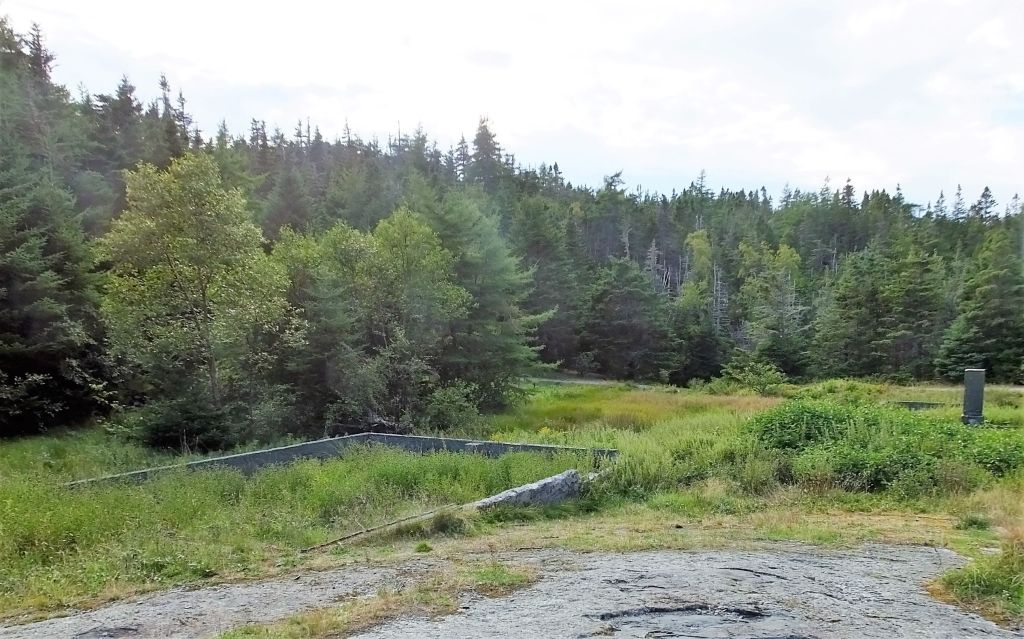
From St Johns we drove south on the Avalon Peninsula to La Manche Provincial Park. The park is named for a nearby fishing village that was abandoned following a severe winter storm in January 1966.   Most of the remote town was washed away including a suspension bridge that connected both sides of the harbor.

La Manche ruins
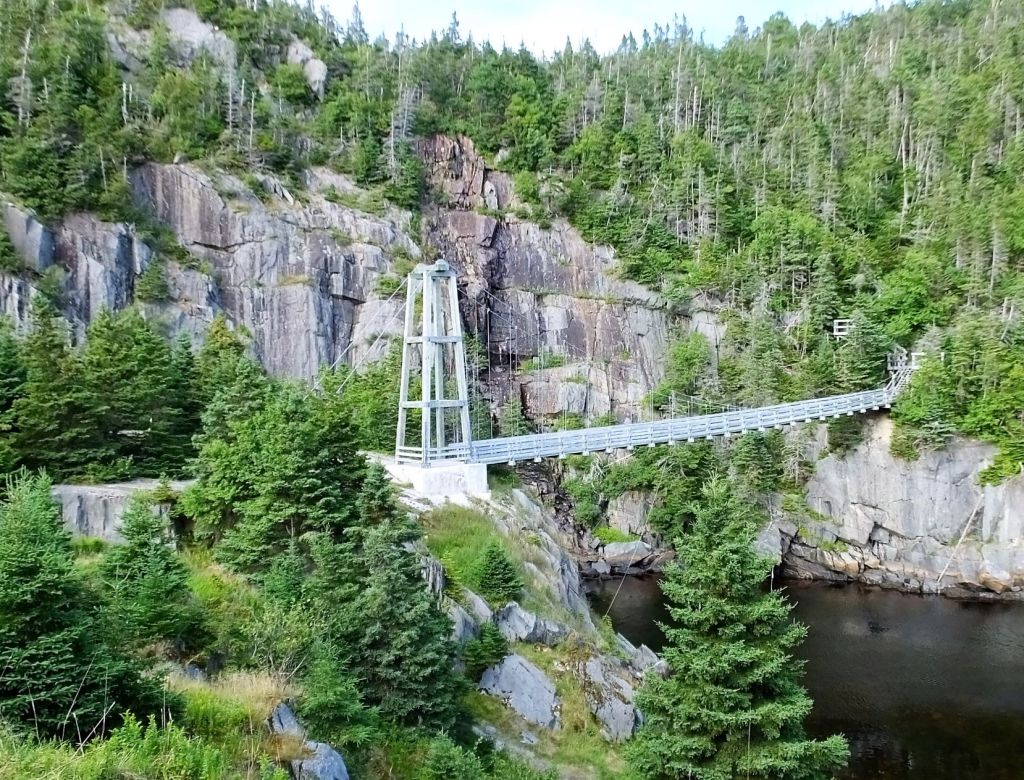
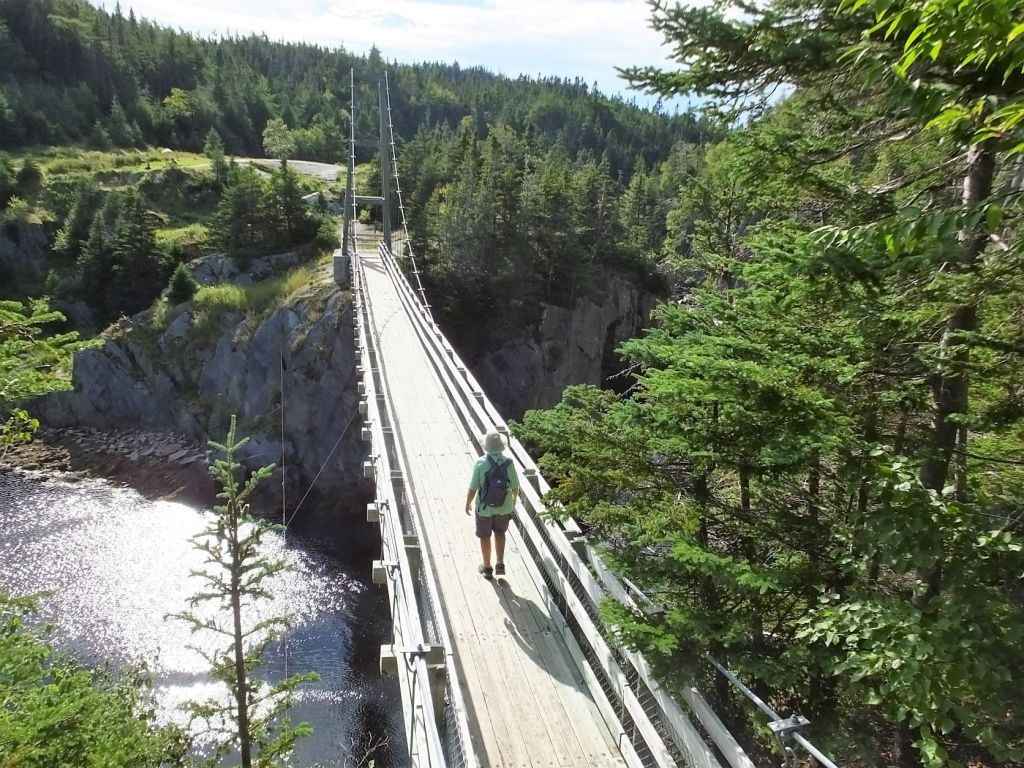
New La Manche suspension bridge

We decided to visit the new bridge built by the East Coast Trail Association in 1999.   According to NF hiking time given to us by a park ranger, it was 20 minutes up a steep fire road to where the trail started and another 20 minutes down a rocky, moderately steep trail to the bridge and La Manche village ruins.  Actual hiking time was more than double that!

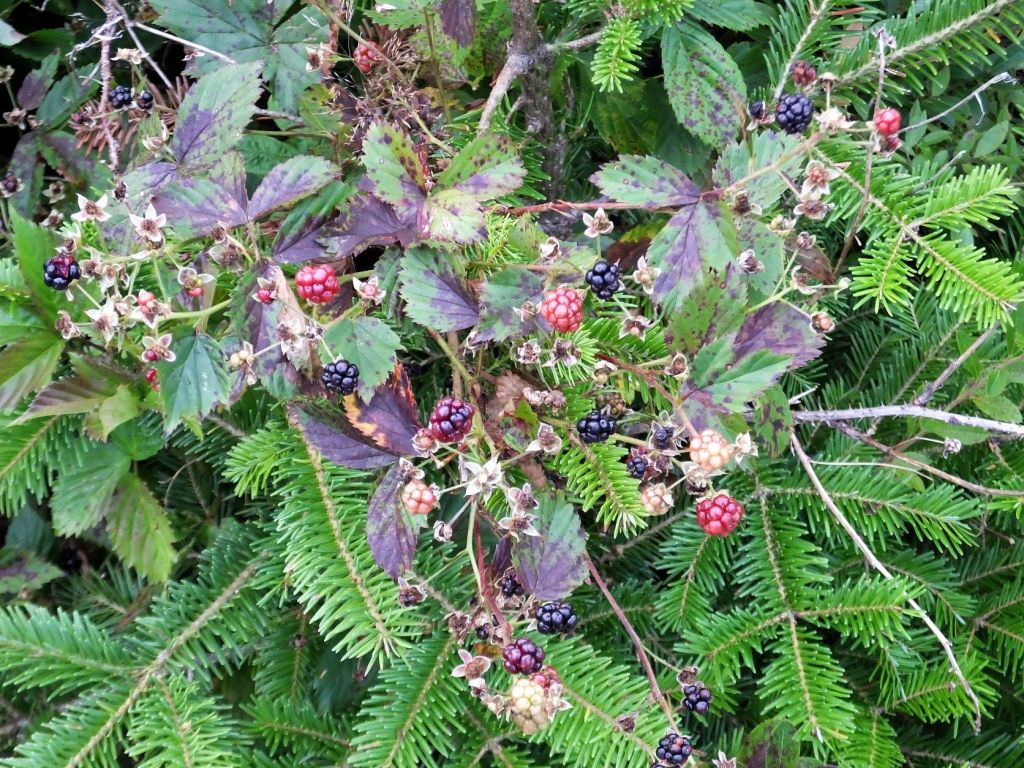
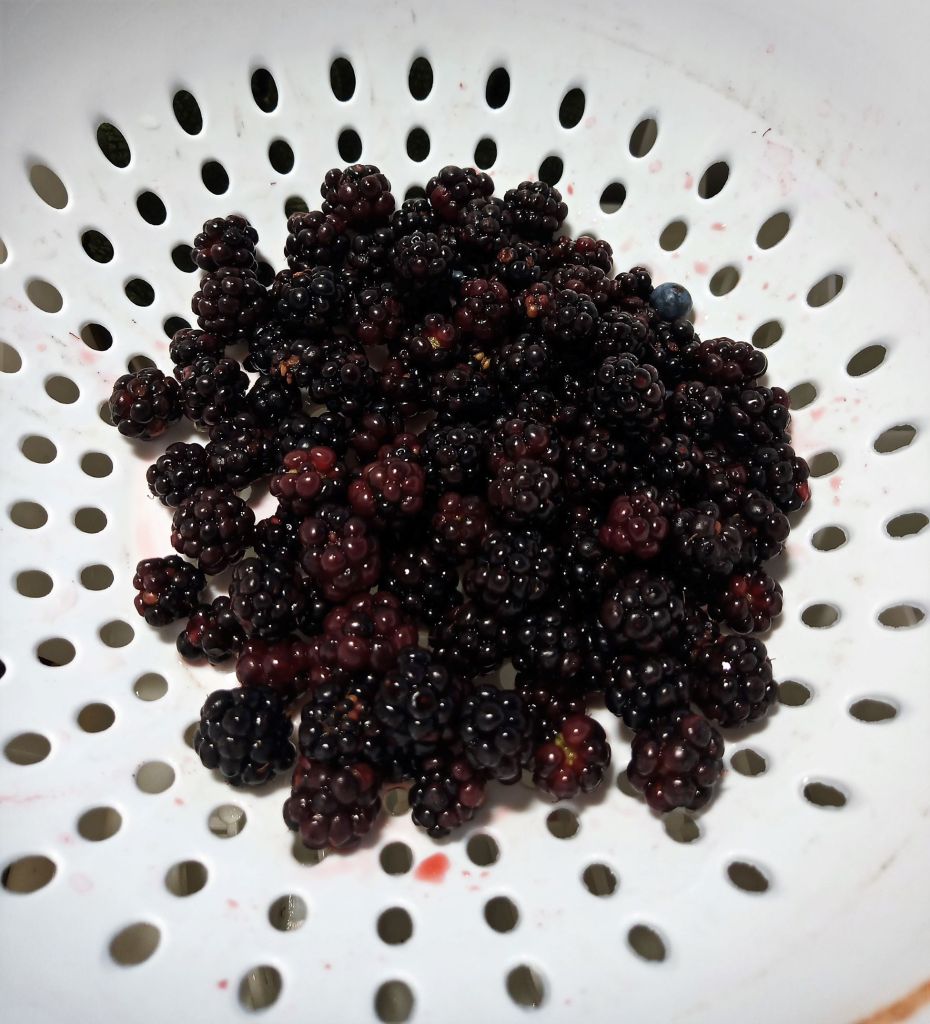
We hiked the fire road and met Marsha Tulk, who was picking blackberries.  Marsha is the coauthor of “Food, Culture, Place: Stories, Traditions and Recipes of Newfoundland.”  We wondered about what her plans were for the berries, and when we stopped to do our own berry picking as we returned to the campground, she was gone. Maybe we’ll find out in her next book!

The suspension bridge was an unexpected sight on the narrow, steep-sided harbor.  “La Manche” means “the sleeve” in French and seems to be a fitting name for the town.

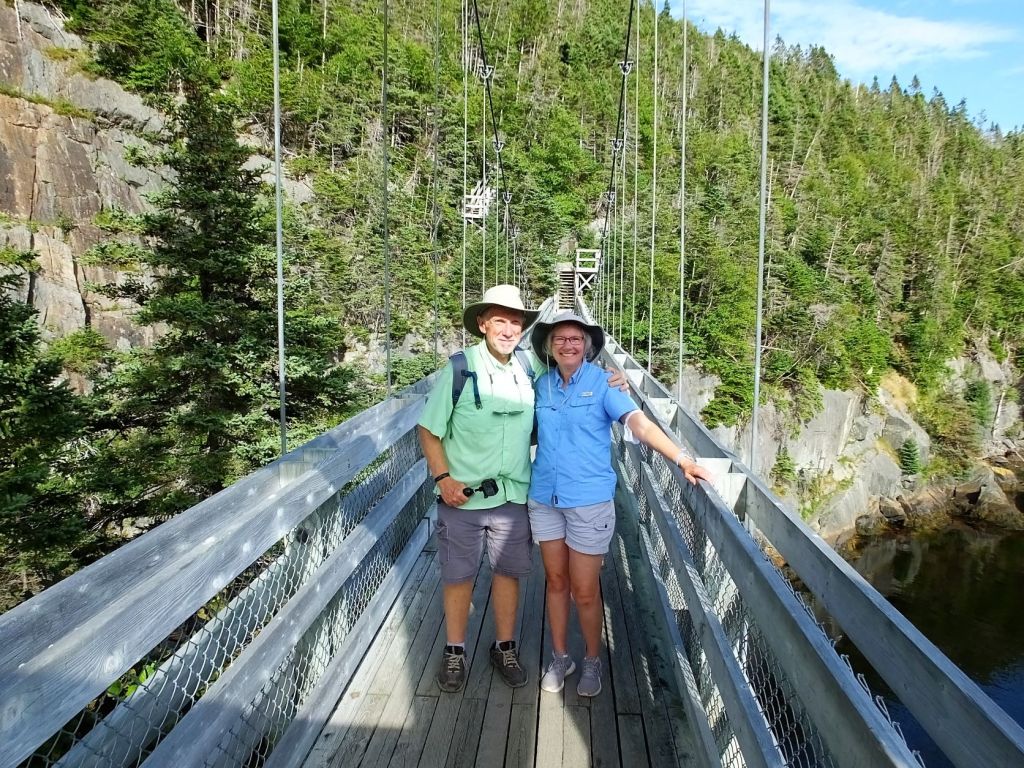
Together on the La Manche suspension bridge

The next day, as we drove a few miles south of La Manche, we stopped at Best Friends Restaurant and Giftshop.  The owner recommended visiting Ferryland Lighthouse and enjoying the food and view from the Million Dollar View Restaurant nearby.  (tip – ask locals about the best sights and places to eat) 

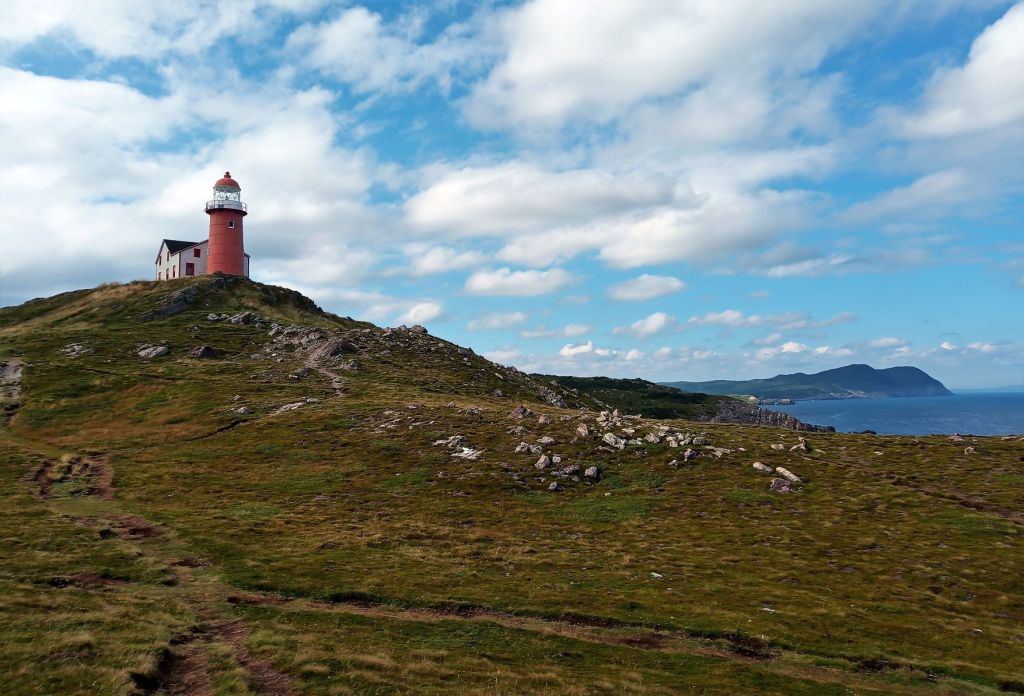
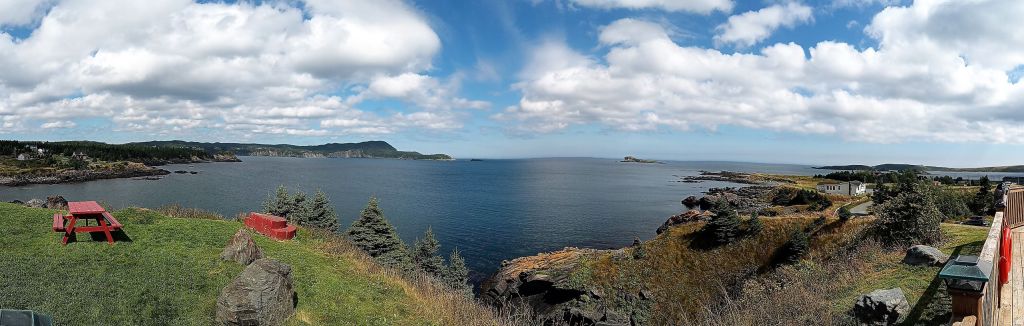
Ferryland Lighthouse

We hiked across a narrow causeway to the island location of the lighthouse.  Like many other NF lighthouses, the rugged coastline view was breathtaking.  As we returned to the parking lot, we found bushes loaded with blueberries and picked nearly a quart of berries in just a few minutes.  At the causeway, thick fog was rolling in. It was a good time to be leaving.

Million Dollar View

We stopped for dinner and to check out the view at the Million Dollar View Restaurant.  It was worth every Loonie!
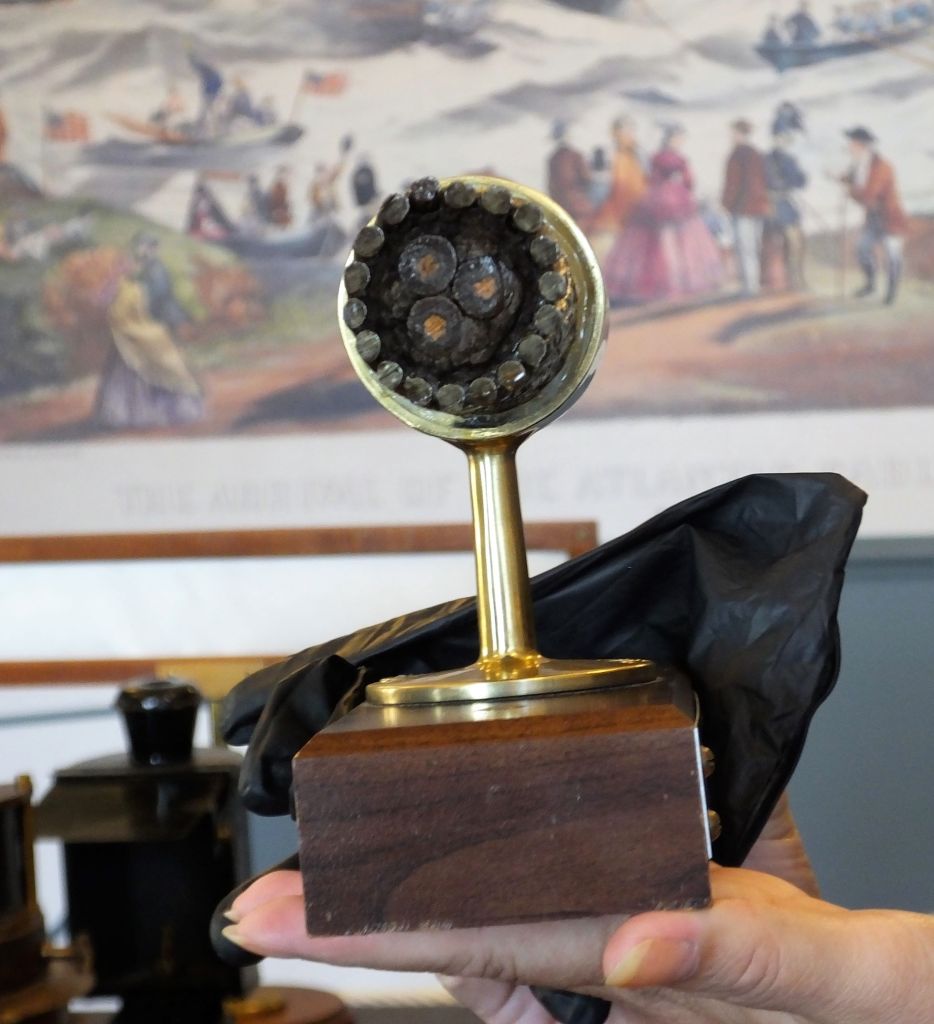
Cross section of transatlantic cable

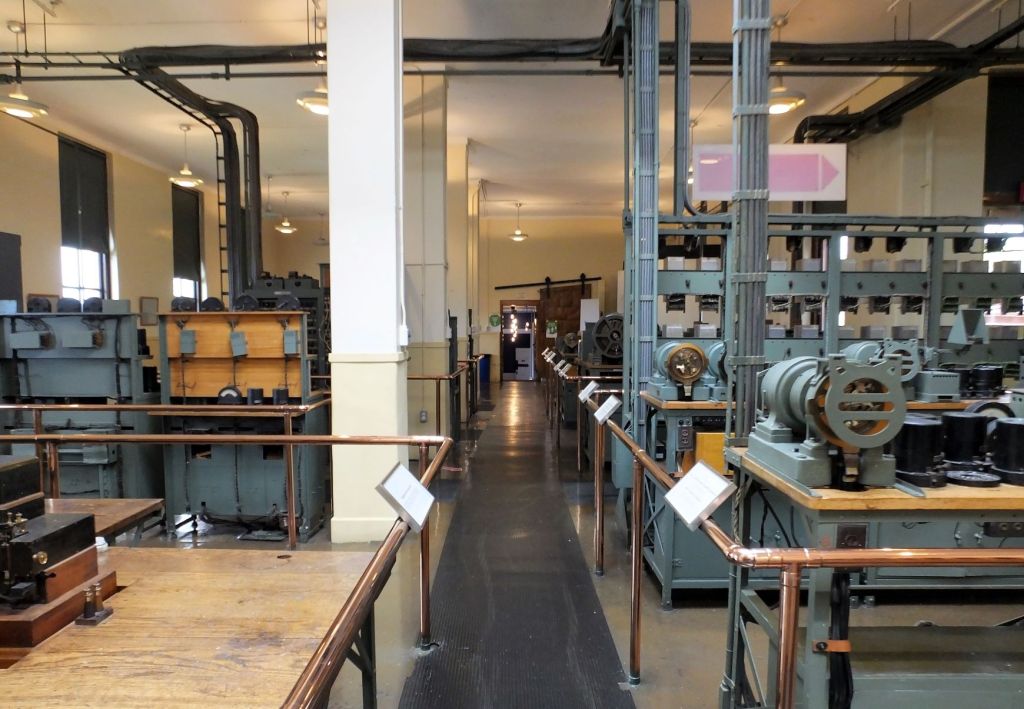
The next day, we began the drive back across NF and camped near Greens Harbor for several nights.  We found a most unexpected RabbiTRAIL nearby:  in the town of Heart’s Content the first transatlantic telegraph cable linking Europe and North America was landed in 1866.  A portion of the Cable Station Provincial Historic Park is a small museum with information about the communications cable.  Most of the building houses the original electric equipment used to operate the cable.  Several large control rooms are full of components in remarkable condition!
One of the transatlantic cable control rooms

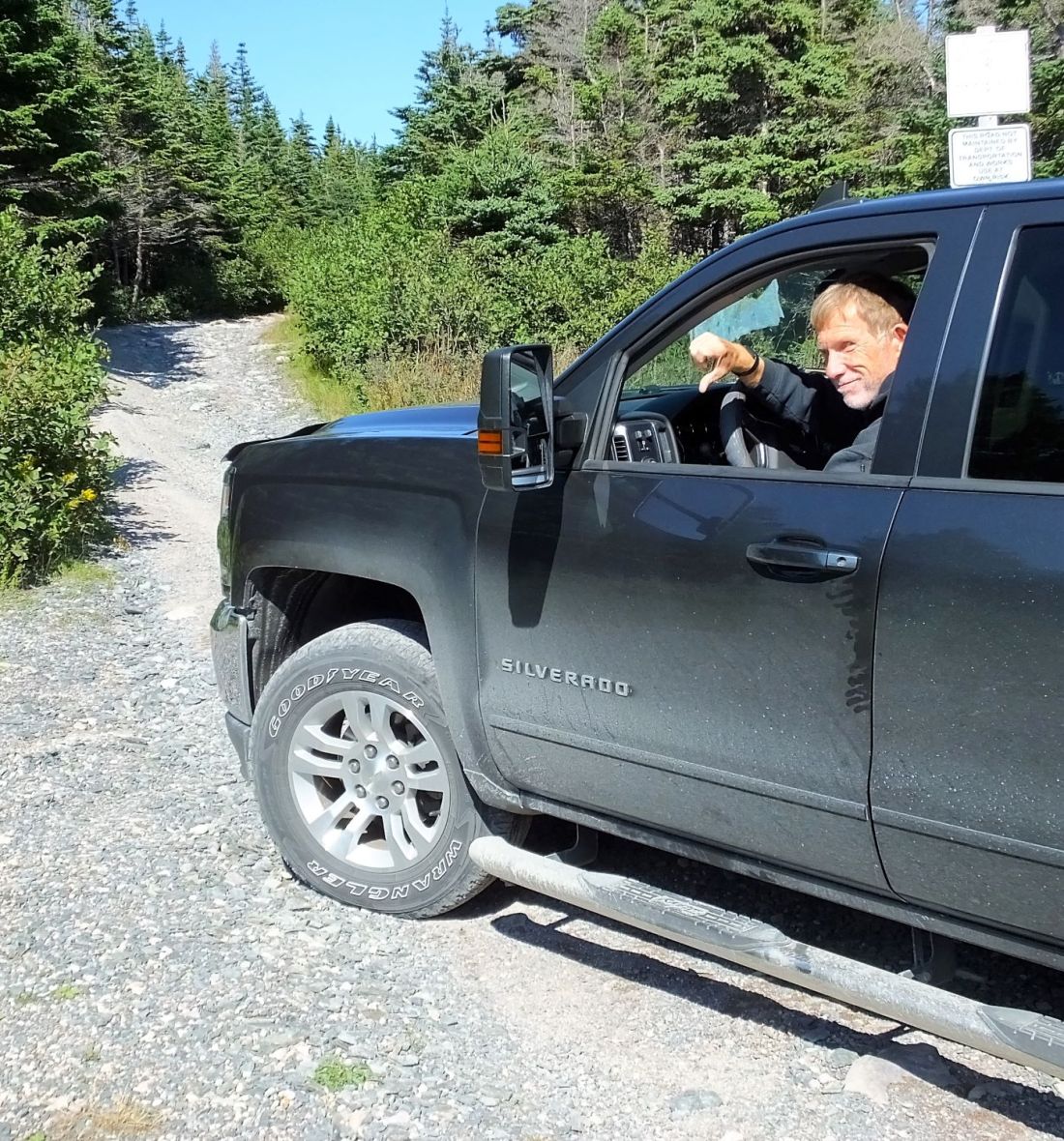
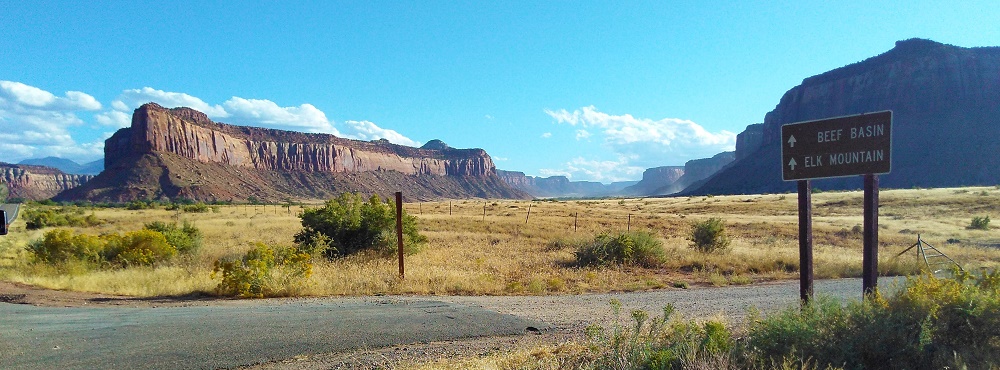
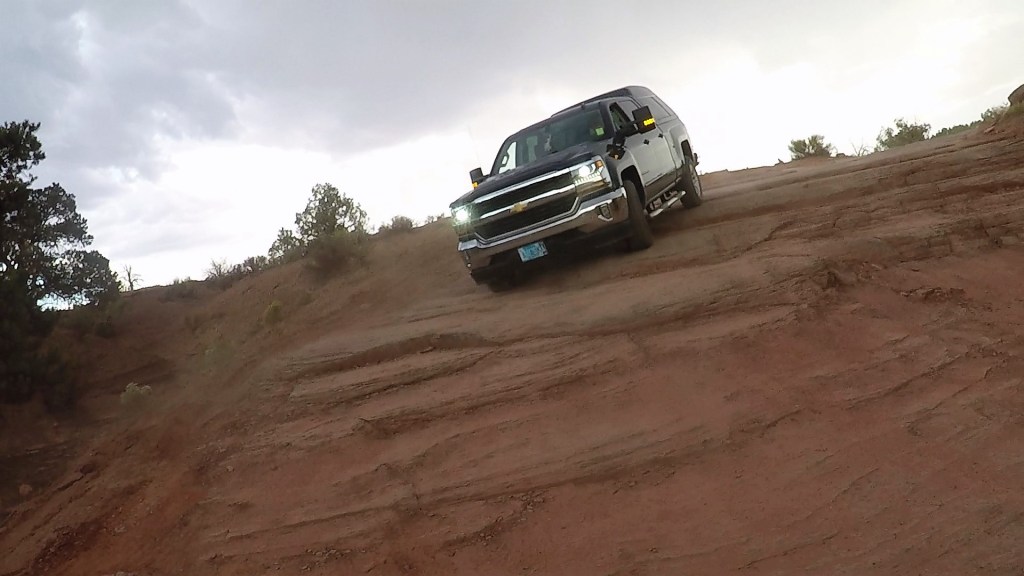
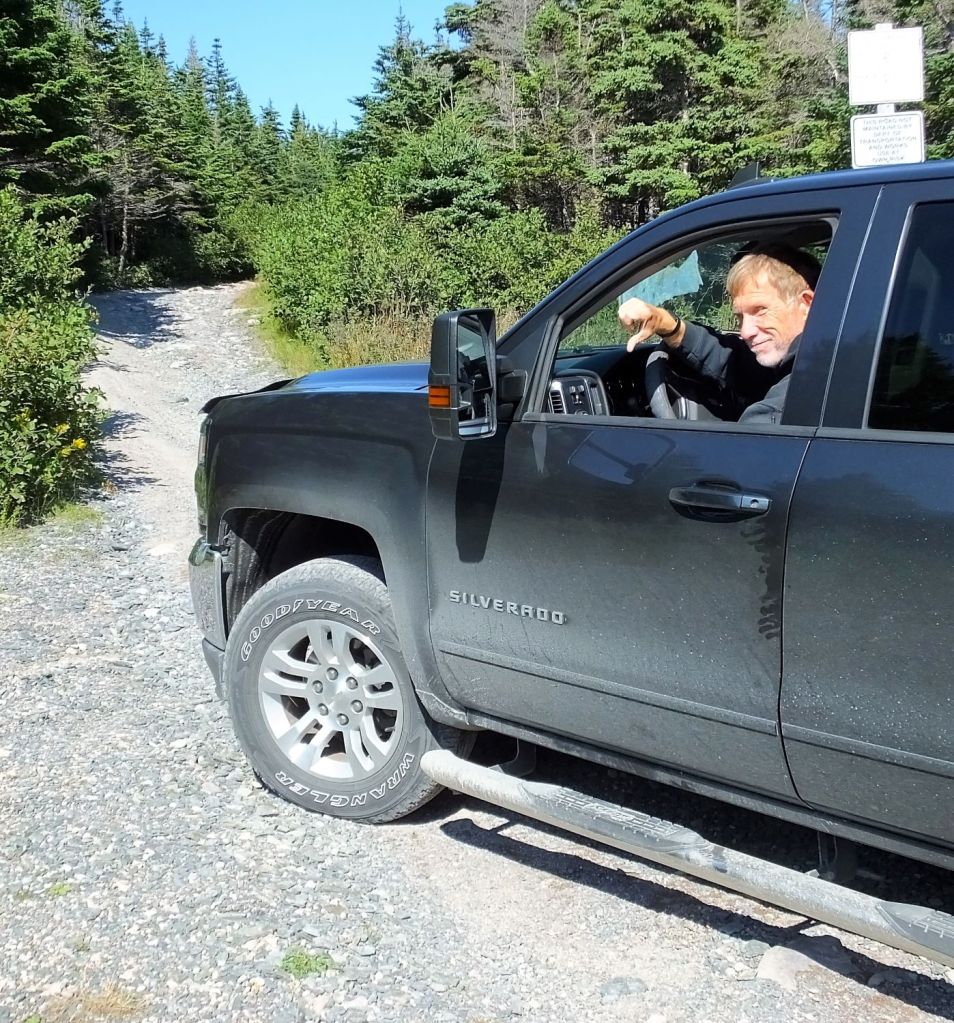
When we continued, we decided to take an unimproved (e.g. dirt) road along the western coast of the peninsula and a paved highway back along the eastern coast.  After several miles of dusty and somewhat bumpy roads, a road sign warned “This Road Not Maintained by Department of Transportation and Works.  Use at Own Risk.”  The road ahead resembled a goat path, with deep ruts and rocks.  Based on two VERY stressful experiences driving on four-wheel drive roads in Utah in 2021 (where Max’s step rails were bent), we decided not to follow this NF RabbiTRAIL!

Stressful four-wheeling with Max – Canyonlands NP Sept 2021
Thumbs down on this RabbiTRAIL – a wise choice in 2022!

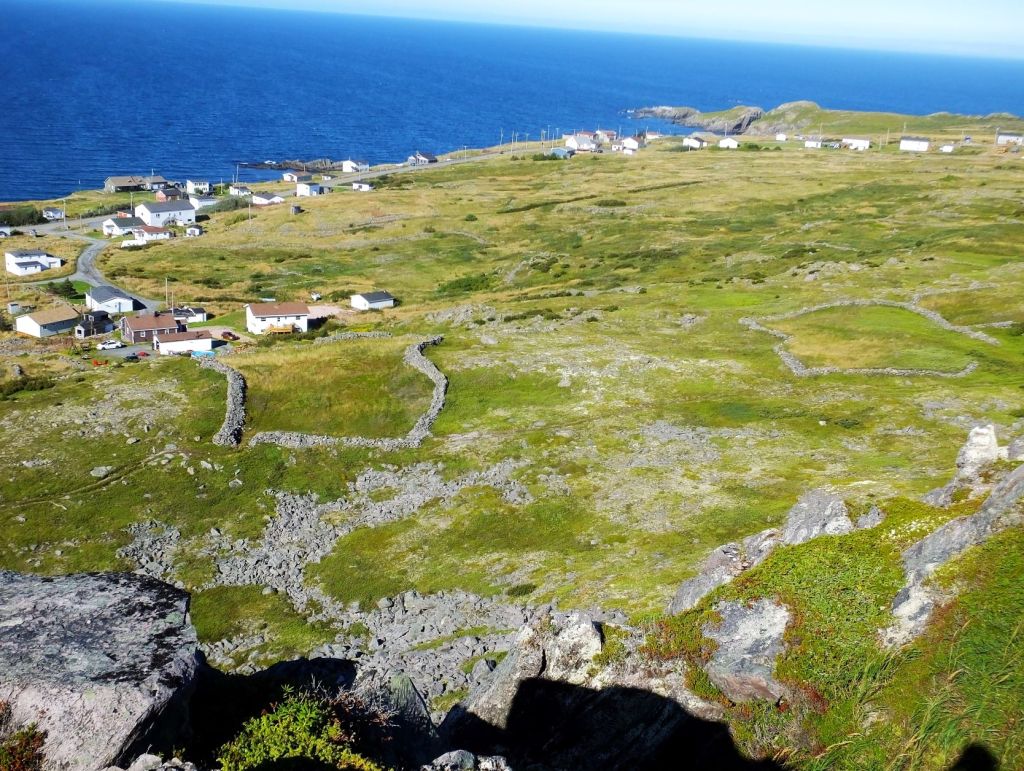
We backtracked to the paved highway and drove the long road to the tip of the peninsula.  We were intrigued by stone walls that marked off historical sustenance gardens in the small fishing village of Grates Cove.  We drove through the town but did not see the walls.  At a small park on the edge of town we found a trail up a hillside to an overlook.   From that vantagepoint we saw the walls!

Stone walls at Grates Cove

A pod of porpoises (at least 5)
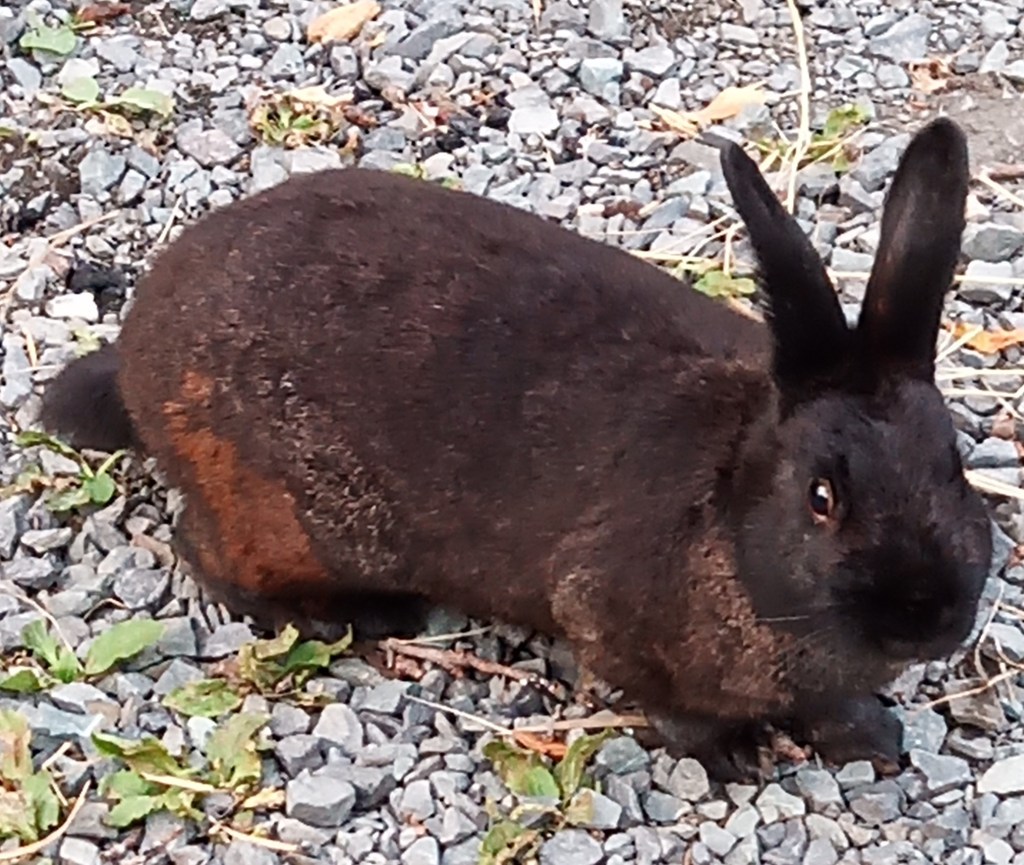
Two black rabbits

Next week:  A 9-11 Story and We Leave the Island Again

Three Rivers Side Trip #3 – Florida Caverns

After spending New Year’s Day 2020 at Three Rivers State Park, we headed a half hour west for a visit to Florida Caverns State Park on January 2.  The park is a few miles outside Marianna, Florida.

As we entered the park, the effects of Hurricane Michael were still very visible.  Once dense forests that lined the road to the visitor center parking area are gone and the terrain is much like Three Rivers State Park – wide open areas with haggard trees here and there.  Homes and other development are visible not far away.    It will take years for the forest to recover.

At the visitor center we purchased tickets for the one-hour guided cave tour.  Tours fill quickly, so it is a good idea to get tickets when you first arrive and then tour the visitor center and park store while waiting for your tour to begin.

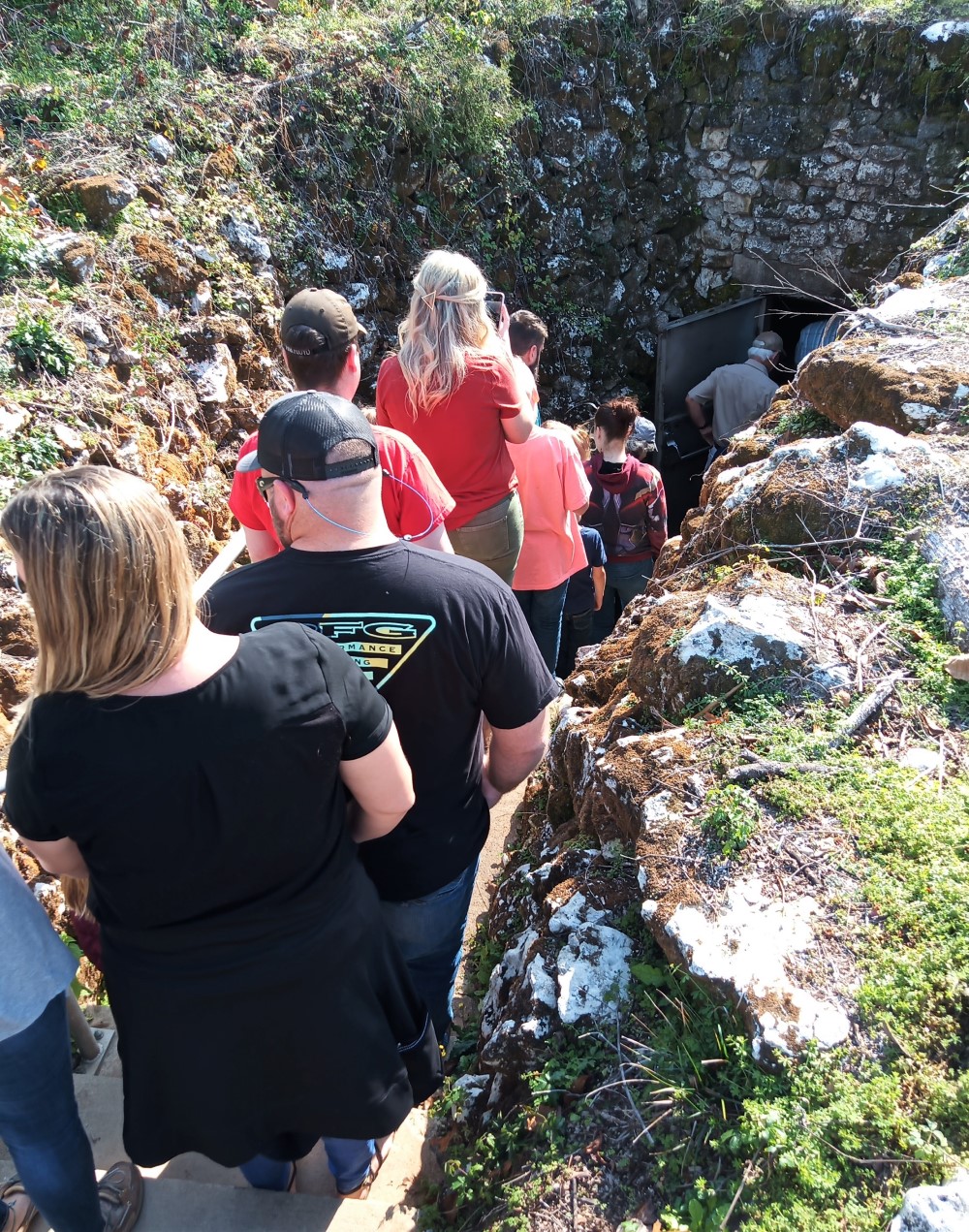
Entering Florida Caverns

The Caverns

Florida sits atop layers of limestone and caves are pretty common.  Most of Florida’s caves, however, are underwater connected to beautiful freshwater springs and reached only using SCUBA equipment.  Florida Caverns is the only air-filled cave in Florida to offer tours.

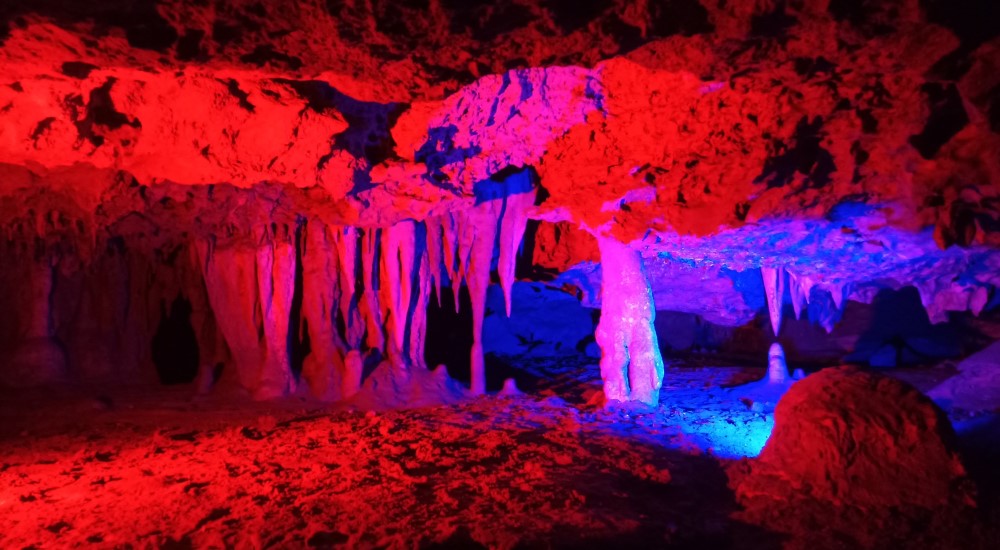
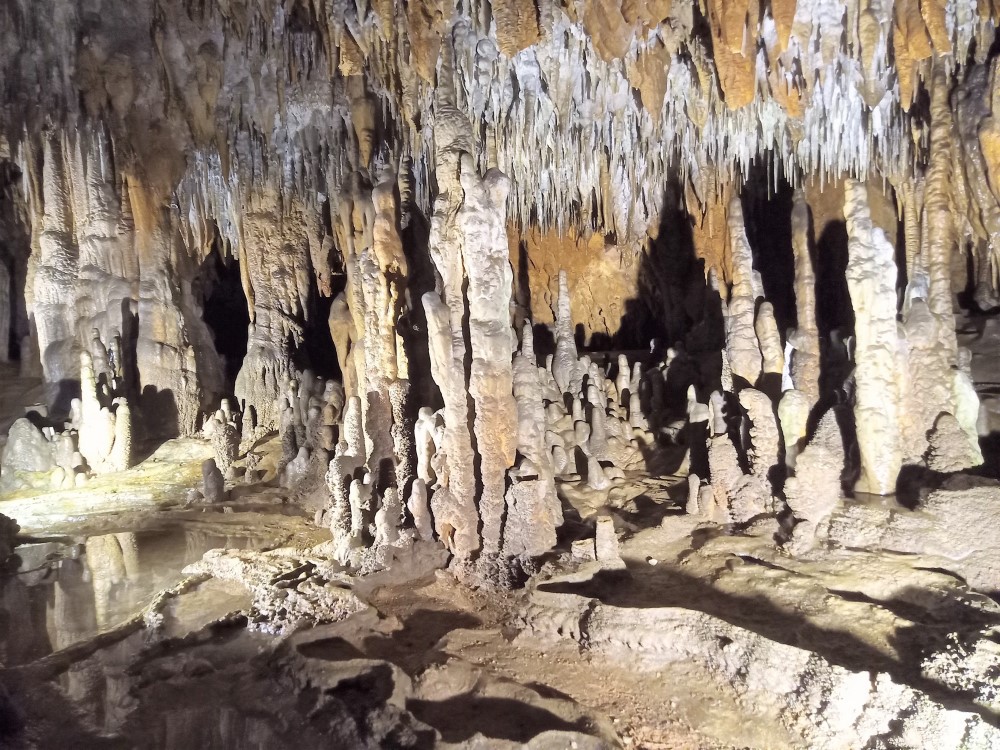
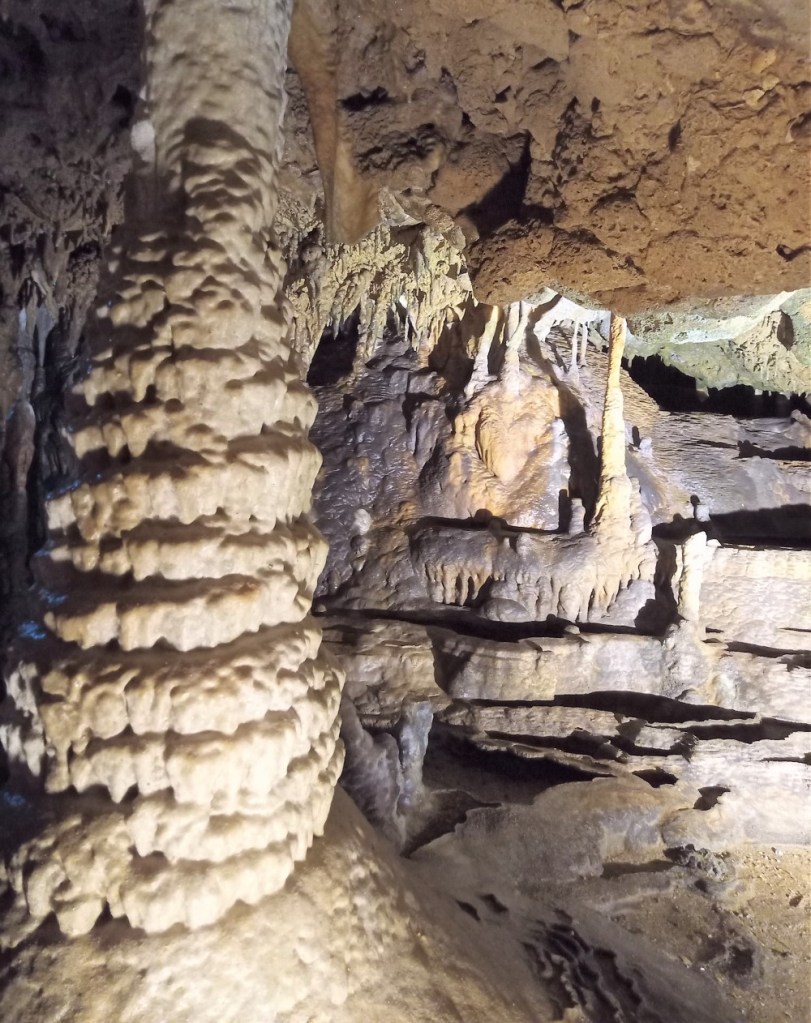
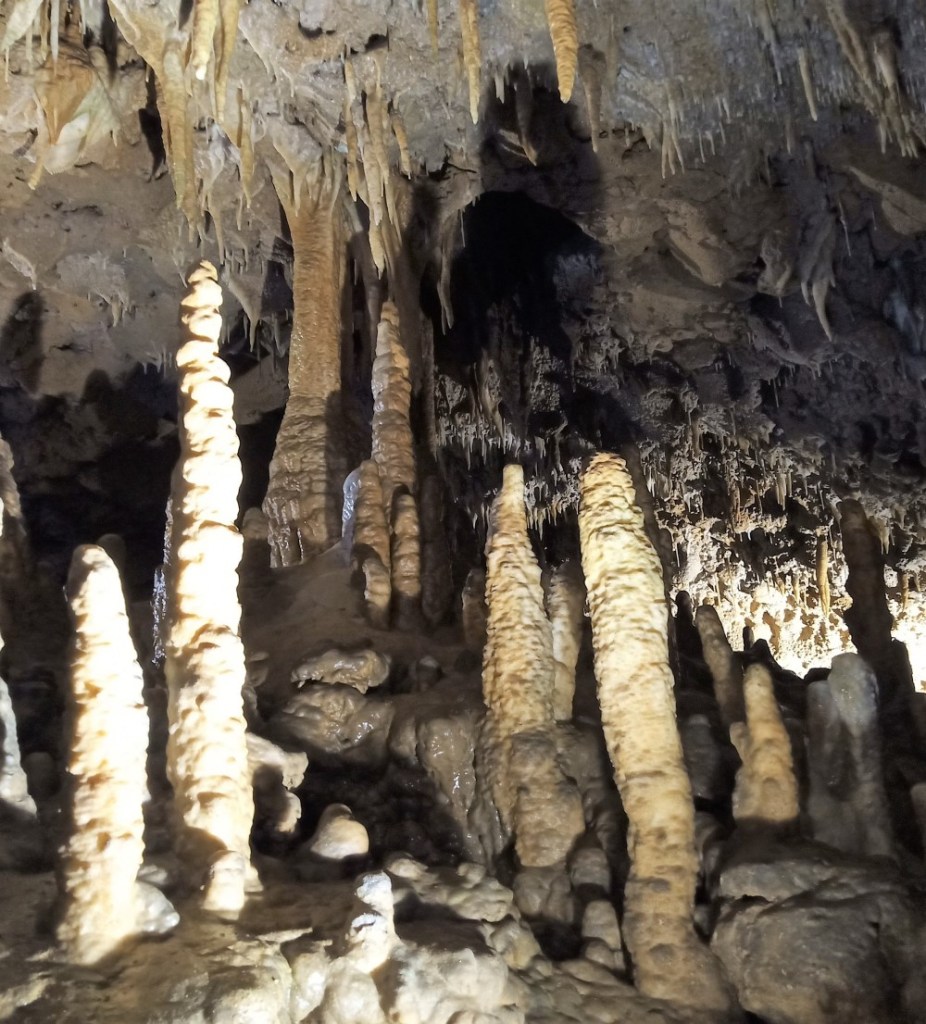
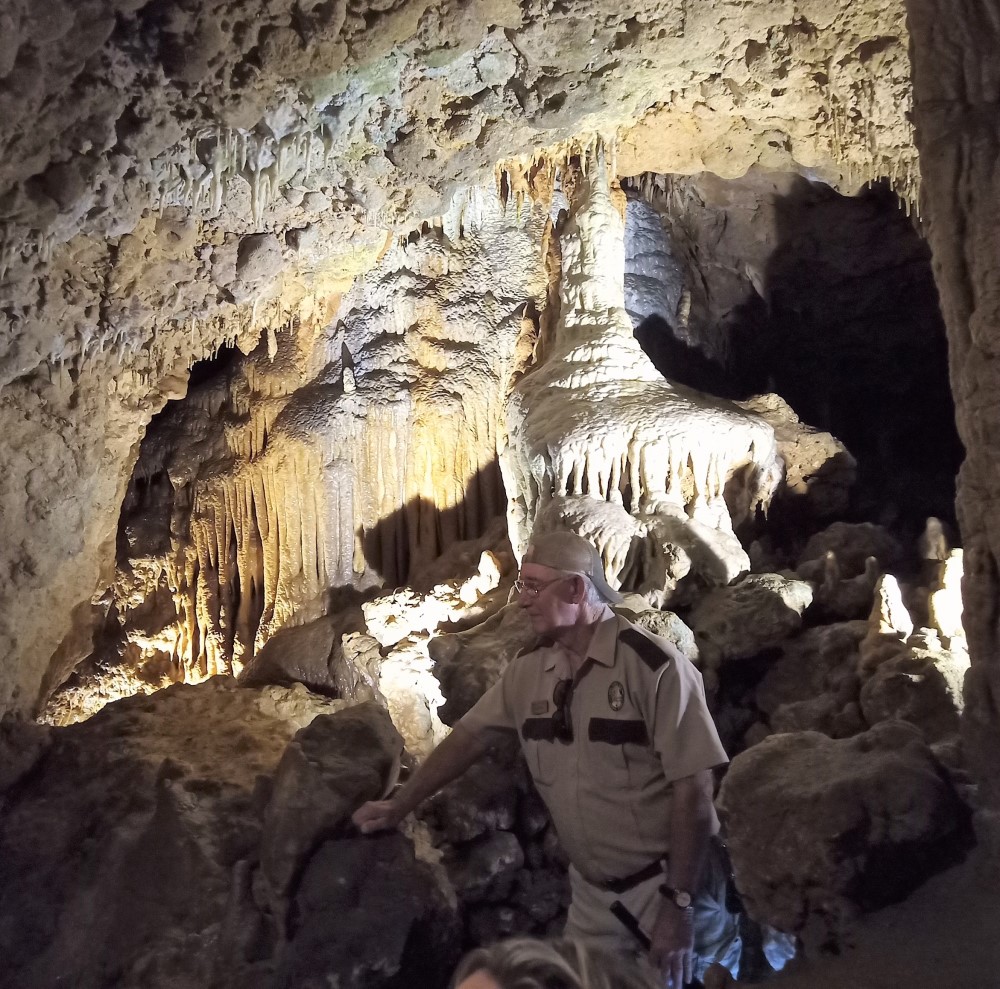
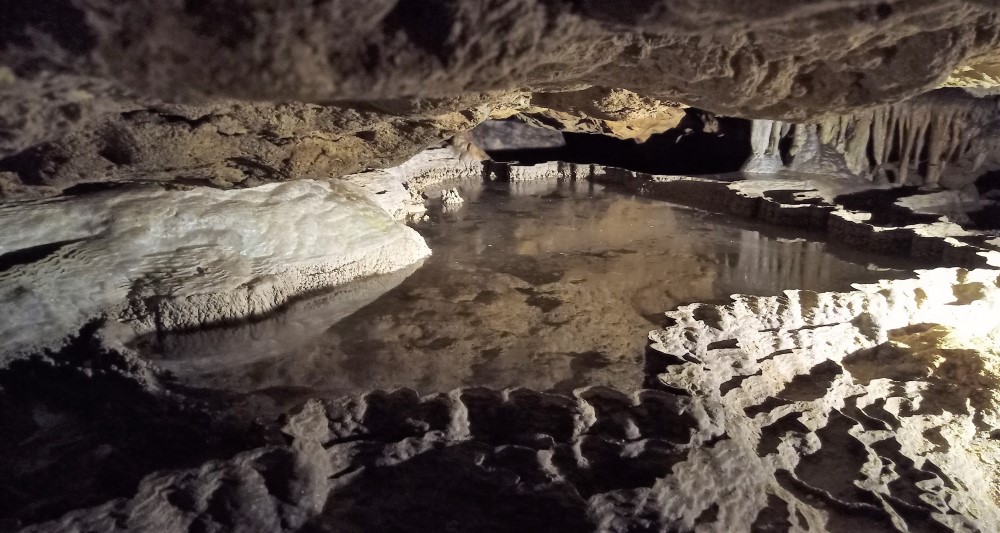
The main cave entrance and portions of the tour were inaccessible due to flooding from recent rains, so we entered the cave through a secondary entrance nearby.  We descended down more than 30 stairs, and once inside, we enjoyed stunning rock formations, including limestone stalagmites and stalactites, flowstones, soda straws, draperies, and more.

Formations 3
View of amazing cave formations

Beginning in the 1930s, the Civilian Conservation Corps excavated the tour cave using pickaxes and hand tools.   Most of the cave passages were originally only a few feet tall.  Tours of the cave have been offered since 1942 and span an area of nearly two acres under the surface.

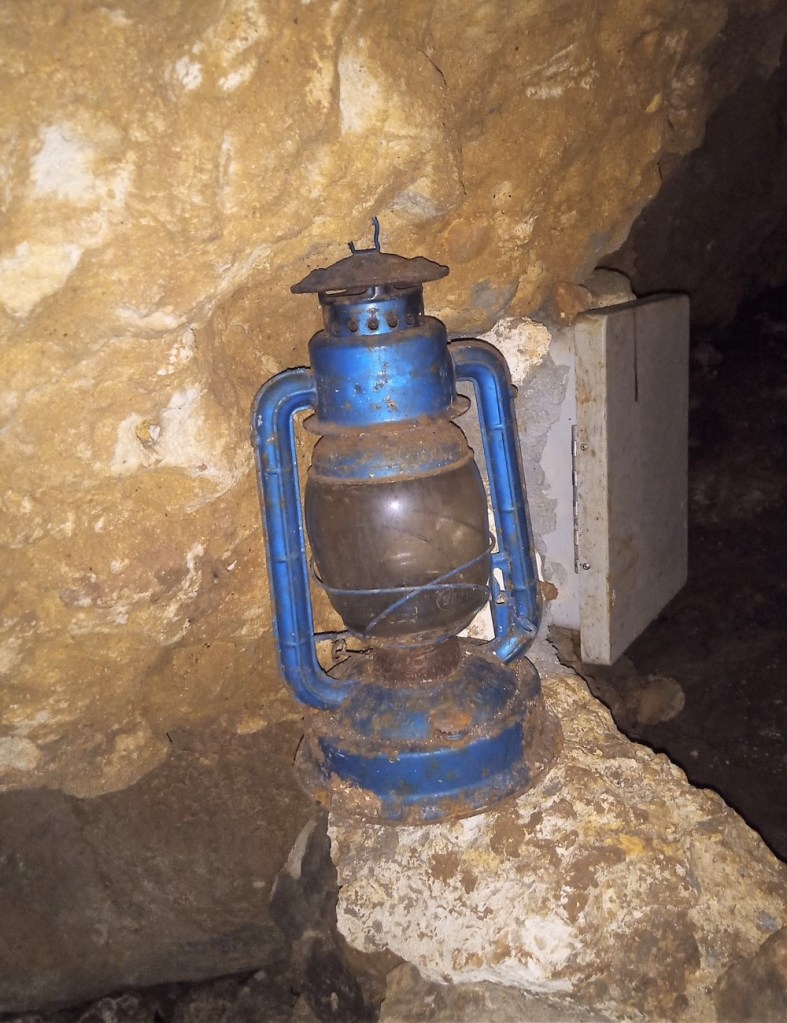
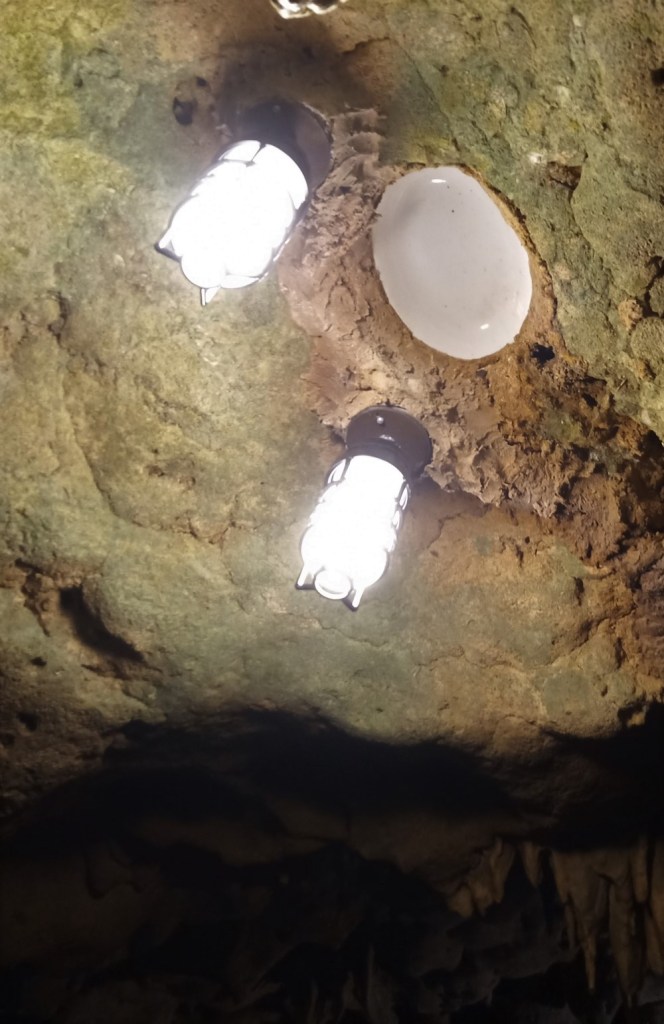
Interesting artifacts that can be viewed in the cave include CCC lanterns and white bowls embedded in the ceilings to reflect the lights.

We learned various animals call the cave home – bats, mice, cave crickets, salamanders, cave spiders and occasionally snakes and frogs.  Fortunately we didn’t encounter any of these during our visit.

Here are additional views of the cavern formations:

The cave tour takes you up close and personal to the formations in a dozen or so cave rooms, unlike tours of much larger caves like Carlsbad Caverns and Mammoth Cave.

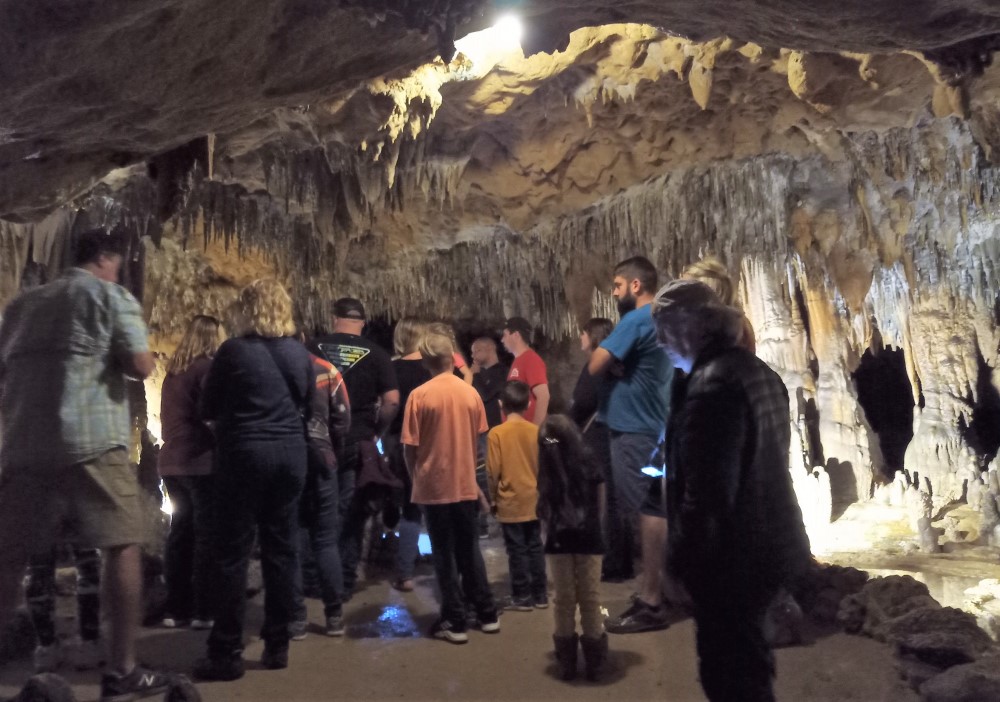
Tour Group
Our tour group in one of the cave rooms
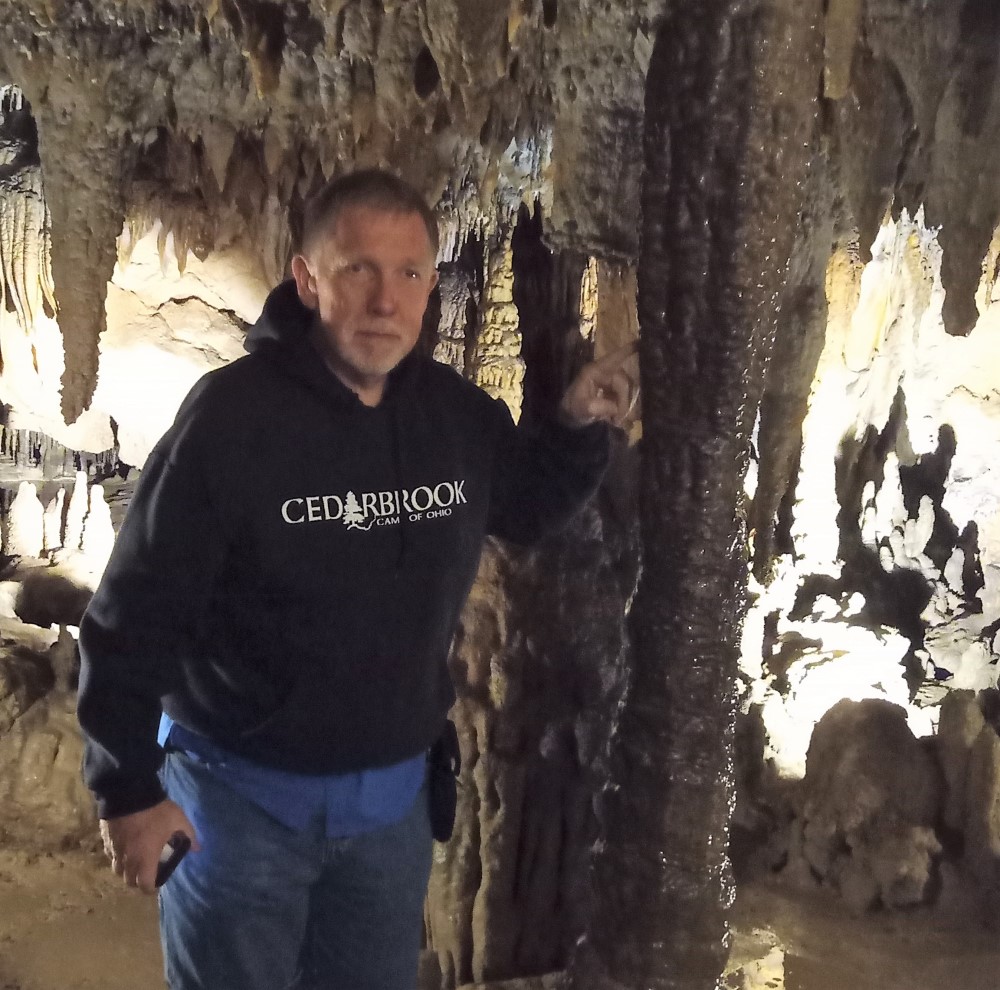
Dont Touch
Visitors were allowed to touch only one formation in the cave, so I took the opportunity!

Florida Caverns are an enjoyable and cool way to spend a morning or afternoon while in the area.

Next week:  we take a blog break as we head to Juniper Springs and Anastasia State Park in search of new rabbit trails!

Three Rivers Side Trip #2: Havana and Thomasville

It was a cold morning at Three Rivers State Park.

We put a hold on outdoor activities and decided to take a day trip to Havana instead. Not THE Havana in Cuba, but Havana, Florida, some 45 minutes away.

Downtown Havana
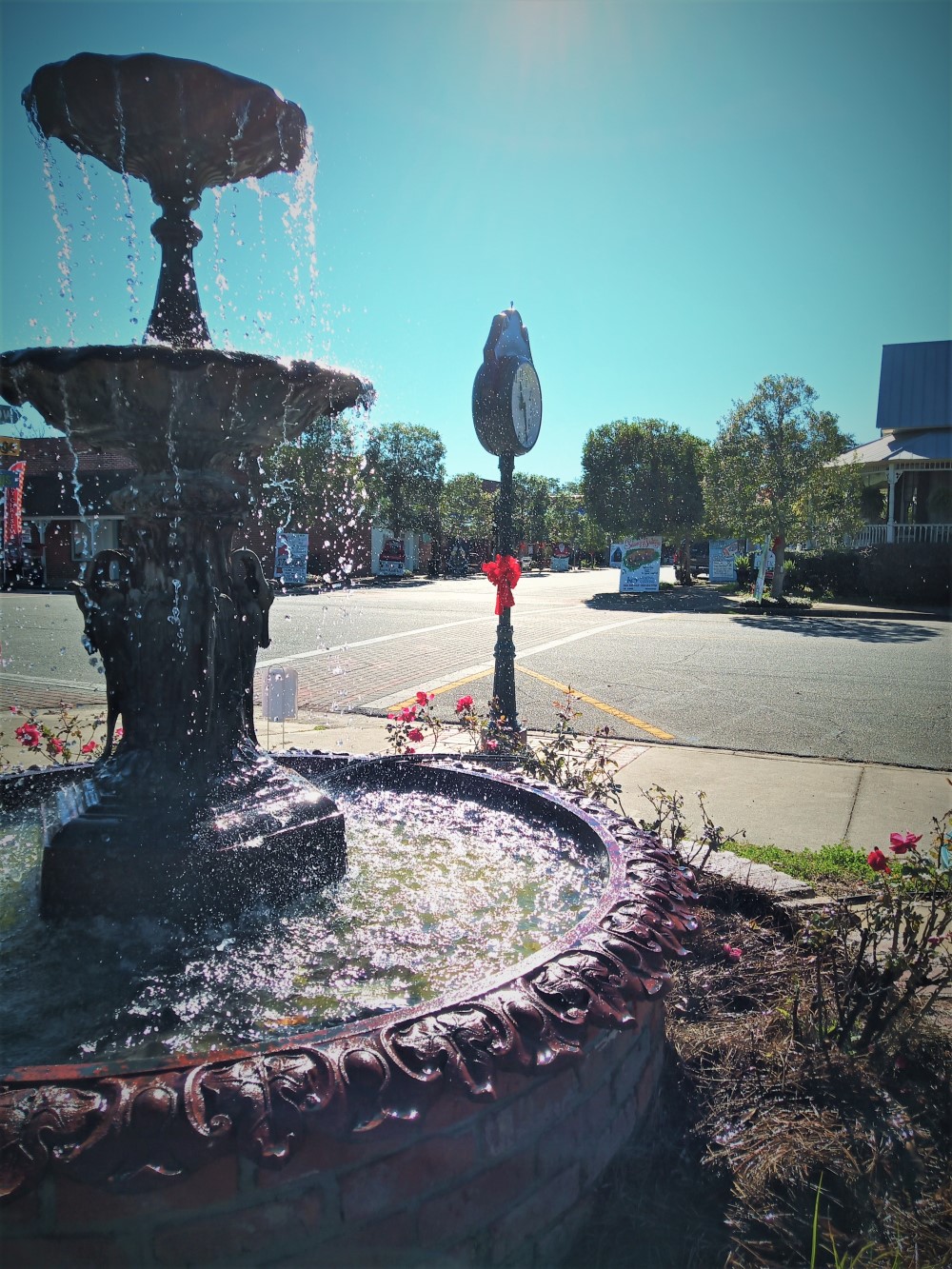
Fountain Entry to Havana

Havana is a small town located a few miles outside Tallahassee.  In 1906, the town was named for its Cuban cousin because of shade tobacco, a major crop grown in the area.  Shade tobacco was used to wrap fine cigars and Havana was one of two areas in the United States suitable for growing the tobacco.

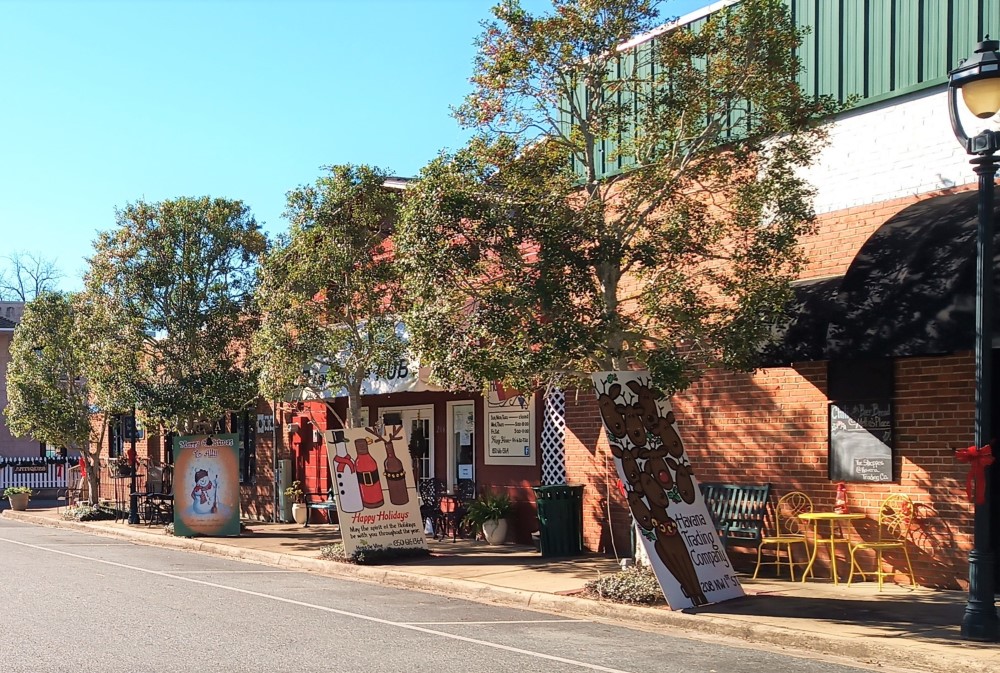
Downtown Havana
Havana Christmas Decorations

In the 1960s, the town fell on hard times when shade tobacco production moved to Central America and elsewhere.  Some 20 years later an antique shop opened in Havana, and the town has since become a quaint destination for antique stores and art galleries.

We visited on 2020 eve, planning to enjoy a relaxed lunch as we looked around.  Christmas displays, lights and large painted wooden greeting cards throughout the town gave it a friendly and inviting appeal.

However, except for a couple furniture galleries, all of the other shops, galleries and restaurants were CLOSED!  We presume this was to get a head start on New Year’s Eve celebrations.

A bit disappointed, we decided to continue our day trip to Thomasville, Georgia.  We resolved, however, to return one day to enjoy what Havana has to offer.


Our route to Thomasville took us through rural Florida into rural Georgia.  We passed by fertile farmlands, dense woods and numerous creeks.

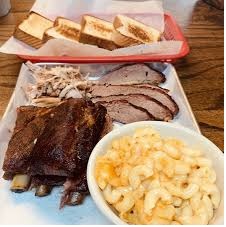
It was lunchtime when we arrived and we stopped at Fallin’s Real Pit Barbeque.  Fallin’s is an old time barbecue that serves mouthwatering ribs, pork, brisket, chicken and much more.  We left completely satisfied.

Our next stop was downtown Thomasville.

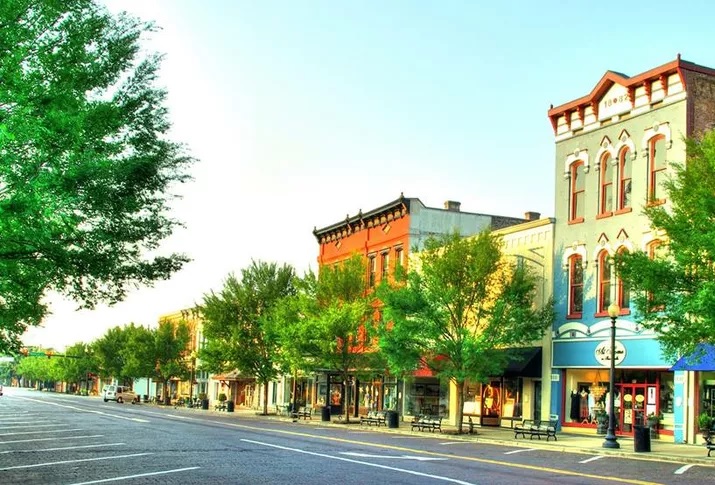
Thomasville
Downtown Thomasville

The town’s central shopping district is nicely done, with interesting shops and restaurants.  We visited a few open shops and before long, decided to head back to the campground.

There is a LOT MORE to see in Thomasville and it would be a great weekend destination for an anniversary or other special occasion.


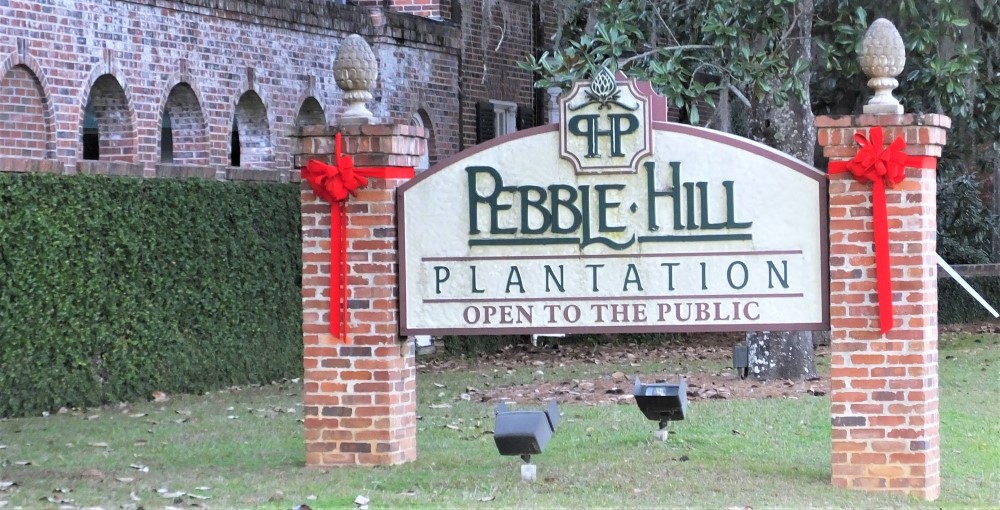
Pebble Hill Entry
Pebble Hill Plantation

On our return trip we stopped at Pebble Hill Plantation, located a few miles south of Thomasville.

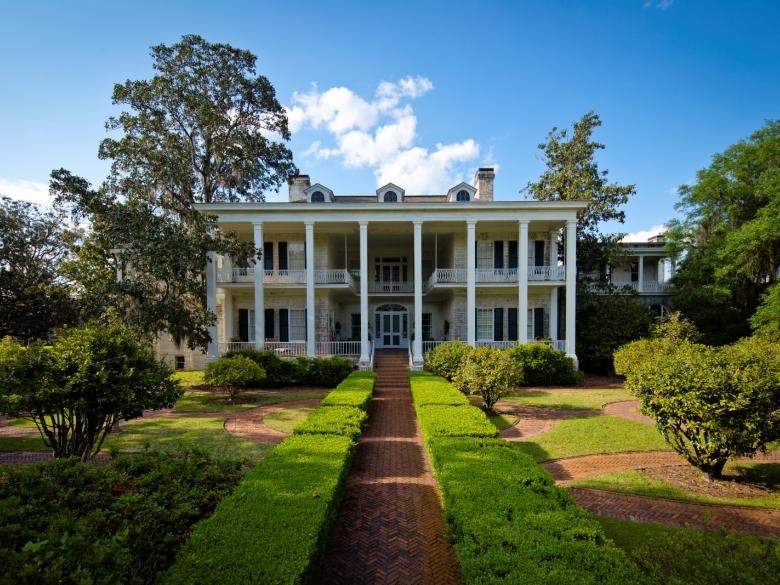
The plantation was established in the 1820s and now includes a beautiful mansion with horse barns and finely manicured grounds.  We took a guided tour of the multi-roomed mansion and an amazing upstairs art collection that included several original Picasso paintings.

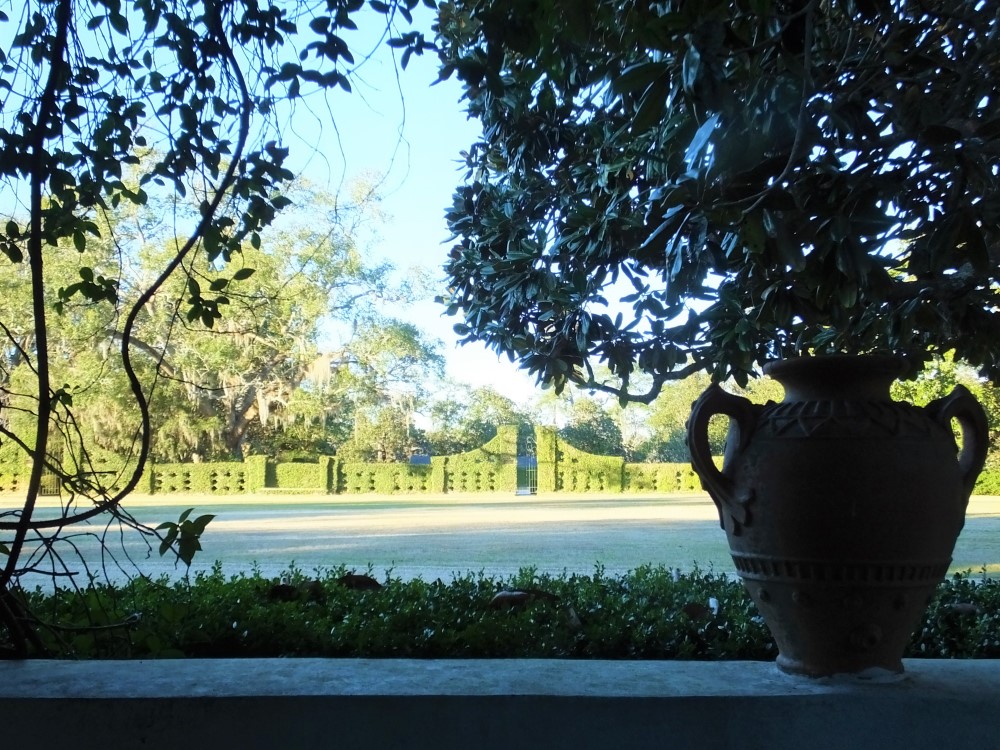
After the tour, we walked through the horse stables and several other buildings, and then around the grounds for more than hour.

Pebble Hill Mansion
Pebble Hill Grounds
Pebble Hill Grounds

Pebble Hill has an interesting history.   The plantation offers a nice half day diversion while in the area.


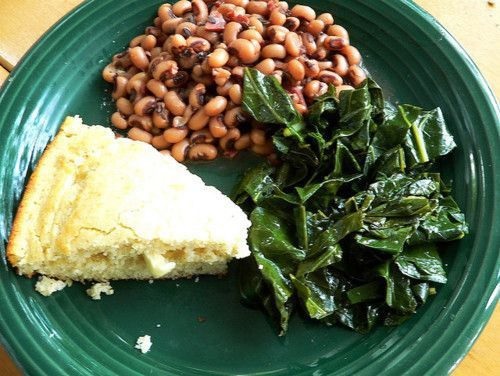
Blackeyed peas and greens
Black-eyed peas and greens – starting 2020 right!

Back at the campground, we ate dinner and settled down for a quiet New Years’ Eve.  Our New Years’ Day dinner plans included black-eyed peas and collard greens – for good luck in 2020 of course!


Next week:  after a low key New Year’s Day. we travel to Florida Caverns, Florida’s version of the famous cave located near Carlsbad, New Mexico.

Three Rivers Side Trip #1: Woodruff Dam

After setting up at and exploring Three Rivers State Park, we wanted to know more about Lake Seminole.  This meant a short drive east from Three Rivers State Park toward the small town of Chattahoochee and the Apalachicola River.

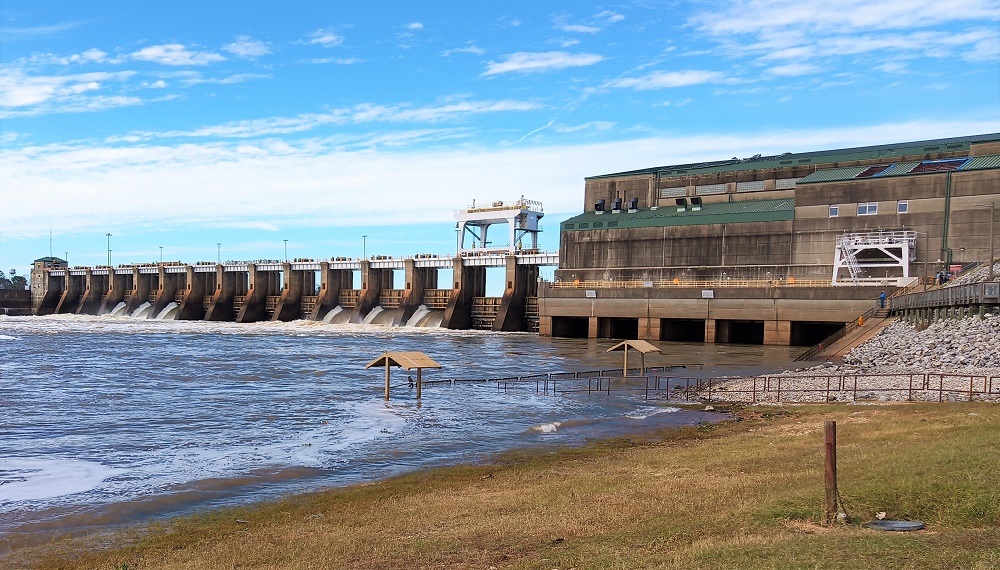
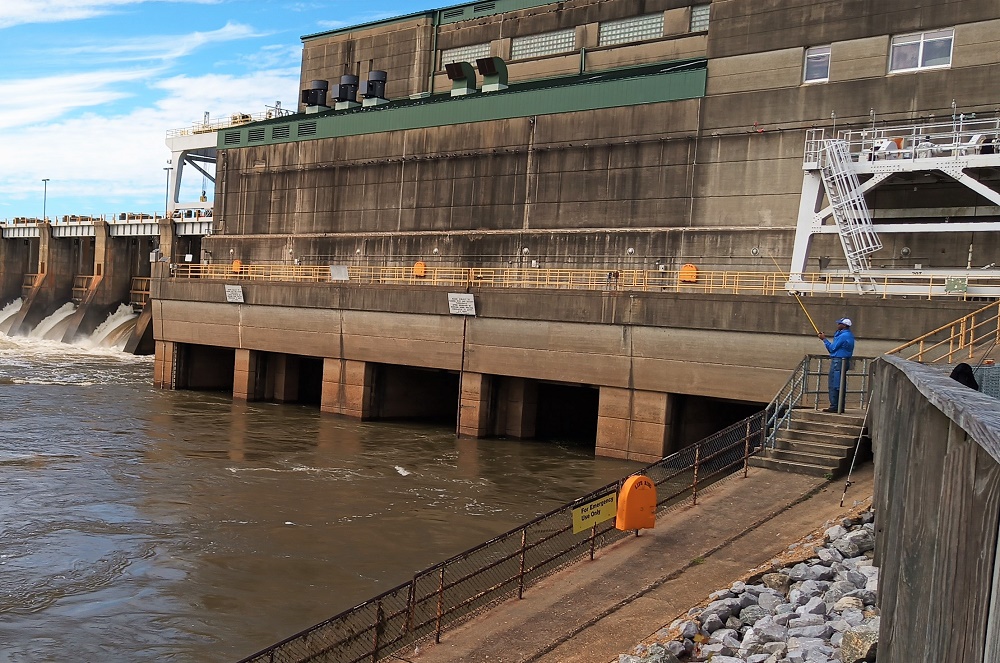
Jim Woodruff Dam 2
Jim Woodruff Dam

As we crossed the Apalachicola River, the impressive Jim Woodruff Dam was to our left.  It captured our attention as such a dam is rather unusual for Florida.

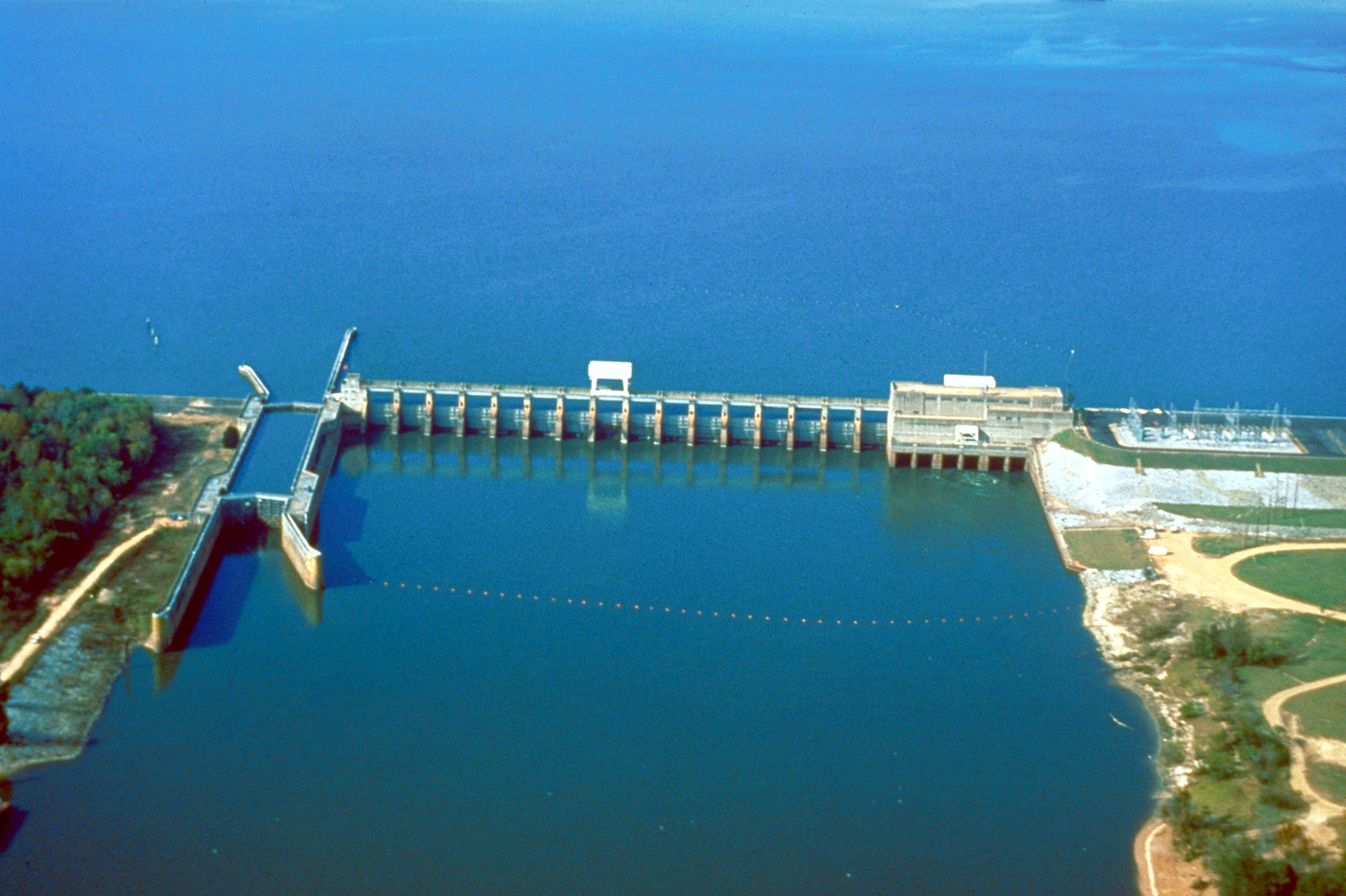
Jim Woodruff Lock-Dam Aerial View
Aerial View (U.S. Army Corps of Engineers photo) 

Completed in 1952, the Woodruff Dam includes a single lock for boats and hydroelectric generators that can power 43,000 homes!

Lake Seminole backs up behind the 1000 ft long earthen dam. The lake is located where the Flint and Chattahoochee Rivers originally came together, covers 37,500 acres and has a shoreline of more than 350 miles.   There are plenty of recreational opportunities in the more than 30 parks and 5 campgrounds all around the lake.

We wanted a closer look at the dam and drove a few miles from Chattahoochee to the dam itself.  We crossed from Florida into Georgia, and then back into Florida before arriving.

After parking below the dam, we followed a steep sidewalk to get a closer look at the multiple spillways and power generating plant.  From the high sidewalk, several persons held study fishing poles hoping to catch one of large catfish said to live in the deep water below the powerhouse.

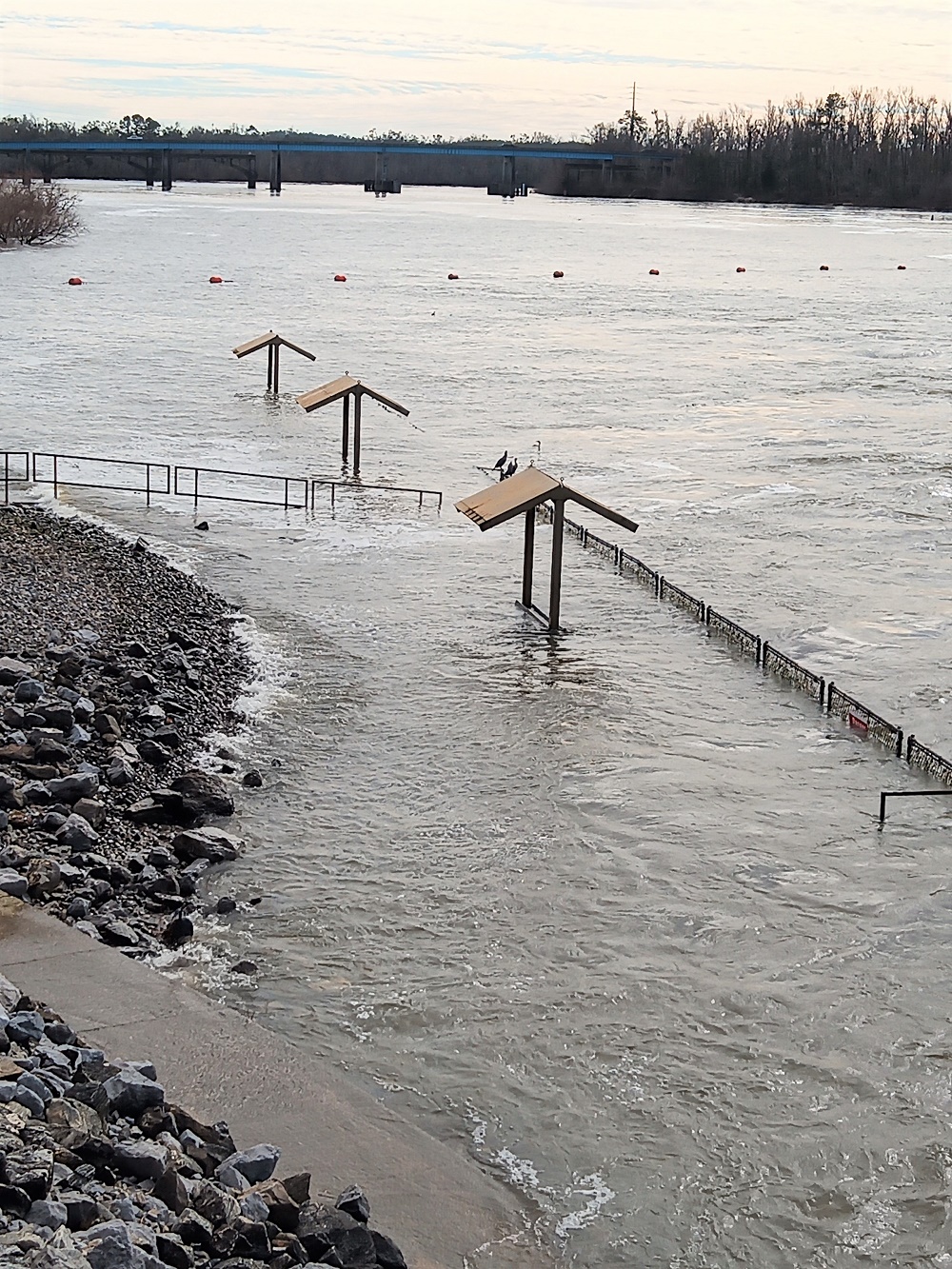
Apalachicola High Waters
High waters below the dam

There is also a sidewalk and a few covered tables next to the river, but these were temporarily flooded as excess water from recent rains was being released from the dam.

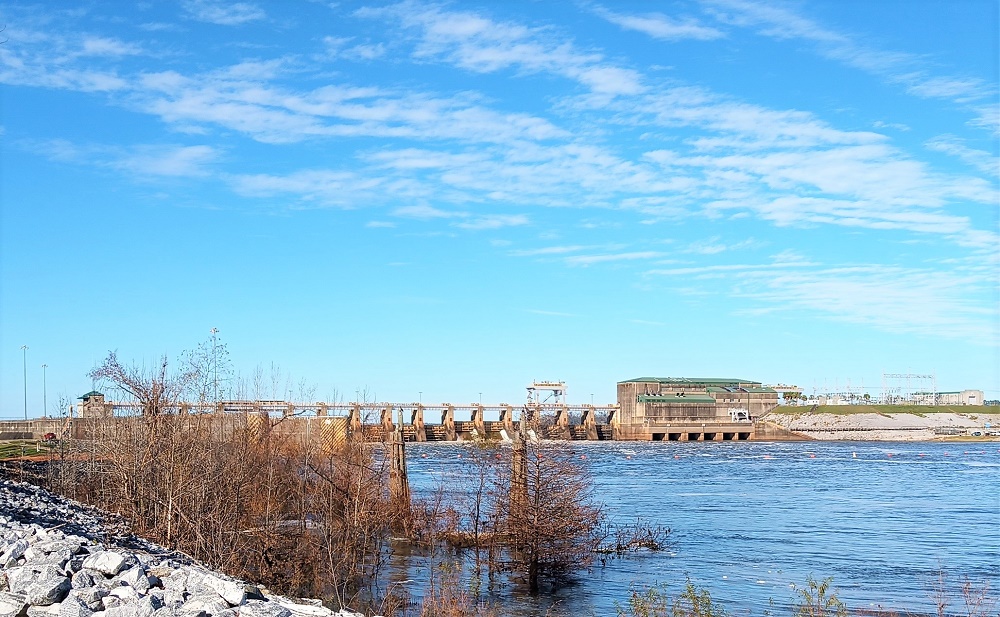
From another parking area nearby, we had a broader view of the dam, lock and spillways, and the bridge we had driven across earlier.

The dam is a nice half day diversion from Three Rivers State Park, with opportunities to walk a bit and look around.  A small Corps of Engineers visitor center is nearby with additional information about the dam and Lake Seminole.


Next week we’ll explain why the best time to visit Havana is NOT just before New Years.  We had to continue on to Thomasville, Georgia – a beautiful southern town with great bar-b-que, a scenic downtown and historic plantation nearby.

What Happens Between Camping Trips?

Unless you are a full-time RVer, life is what happens between camping trips.

Life for us involves catching up with friends and family, a lot of camper and auto maintenance, chores around the house and multiple doctors’ appointments.  Of course, we spend time planning for our next journey as well.

We also take shorter trips to find rabbit trails closer to home, often camping at Florida and Georgia state parks and visiting nearby places of interest.  We enjoy exploring and relaxing during these outings almost as much as on longer trips.

Starting next week we will share experiences during recent trips to two Florida state parks:  Three Rivers State Park, west of Tallahassee, and Blue Spring State Park, near Deland.  During each trip we found an interesting rabbit trail or two we will tell you about.

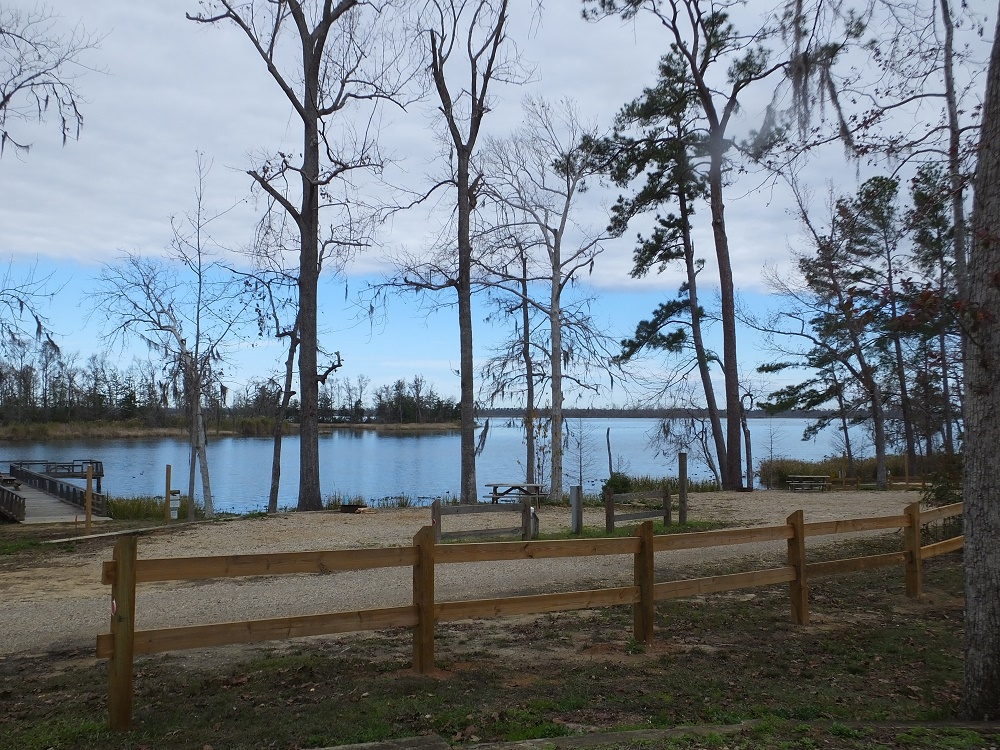
Lake Seminole from our campsite at Three Rivers State Park
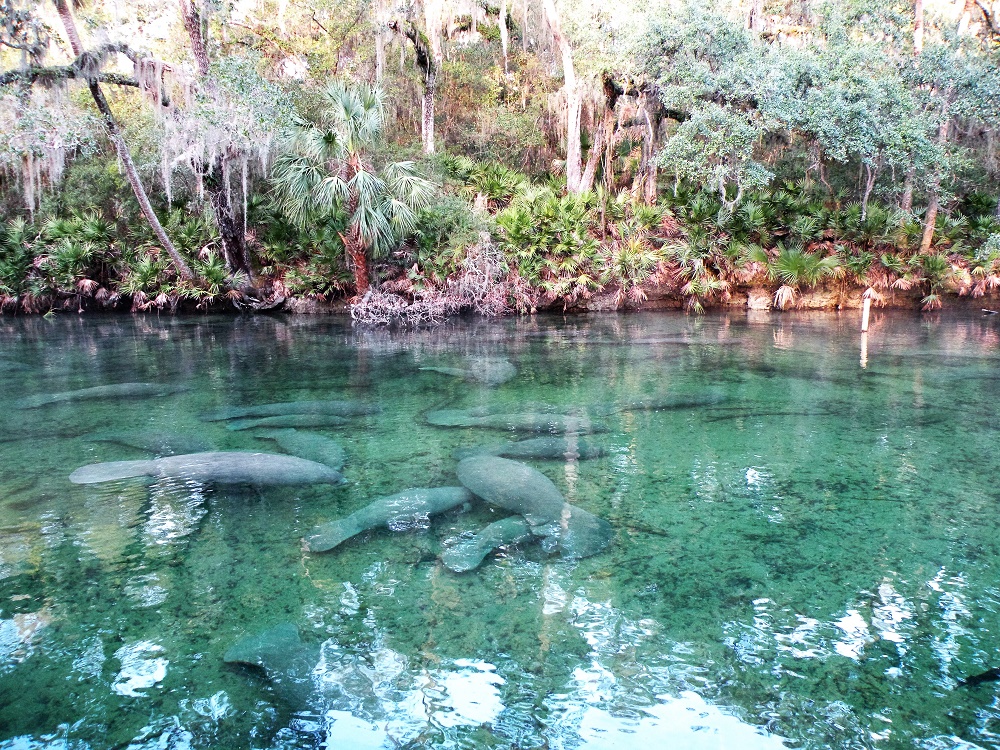
Manatees at Blue Spring State Park (Google image)

I’ll be adding a State Parks selection to the menu as well for future reference.

What’s Next

In addition to RabbiTRAILS blog posts about shorter trips, future posts will include:

  • how we research, plan and organize our trips
  • enhancements made to Max and Oscar to make them more efficient and comfortable as we travel
  • links to videos on our RabbitTRAILS Youtube channel (after some needed equipment/technology upgrades)

Our next journey will be in late summer/fall to Newfoundland, the easternmost province in Canada. As we return home, we will follow the fall colors south through New England and the Carolinas.

Otherworldly Sightings in NM: Earthship Biotecture

(2019 Grand Teton Ep 22)

We headed east across northern New Mexico (between map points 15 and 16).  From sagebrush covered mesas we enjoyed panoramic views of distant mountain ranges.

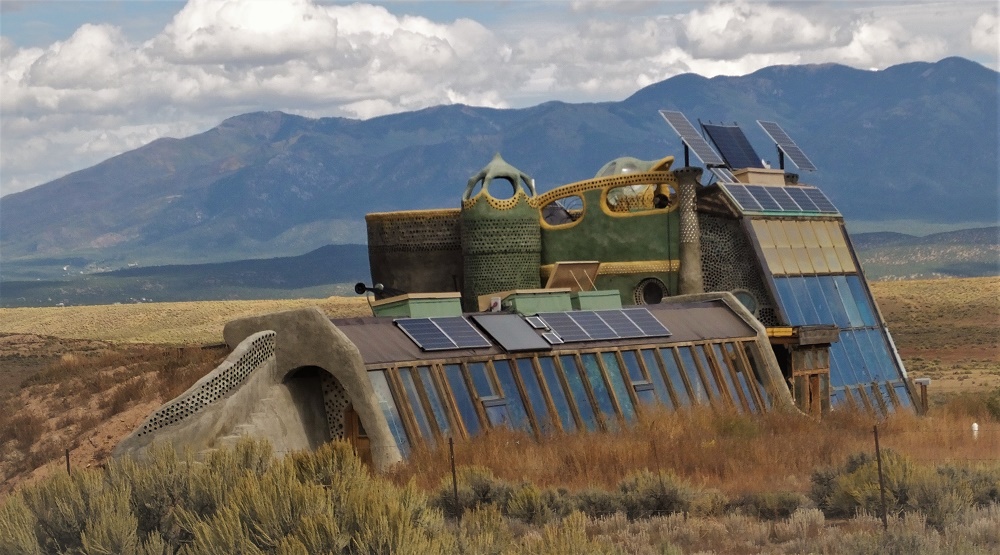
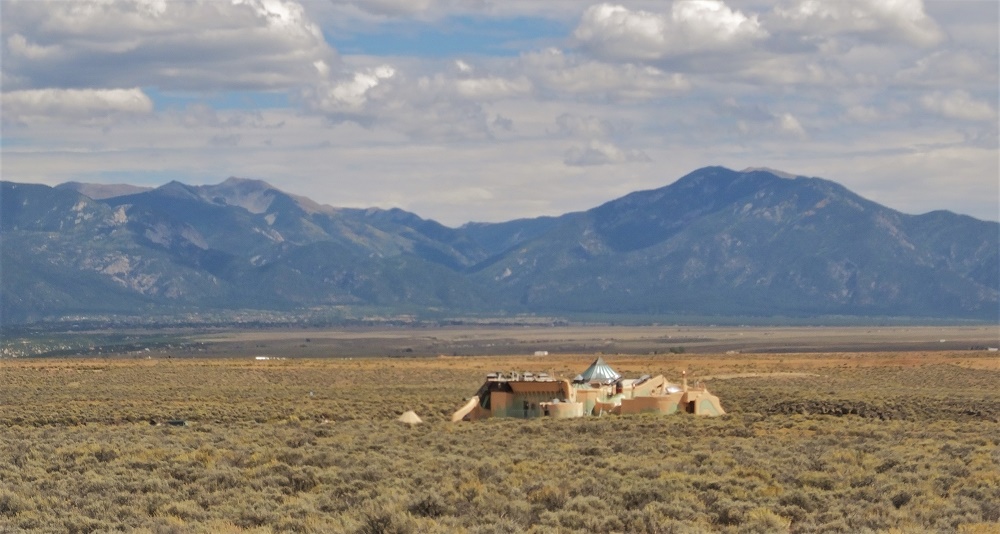
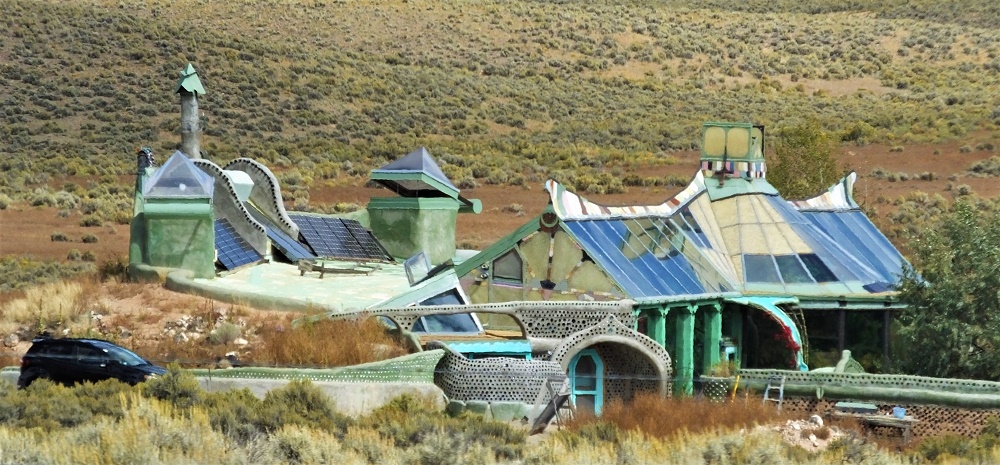
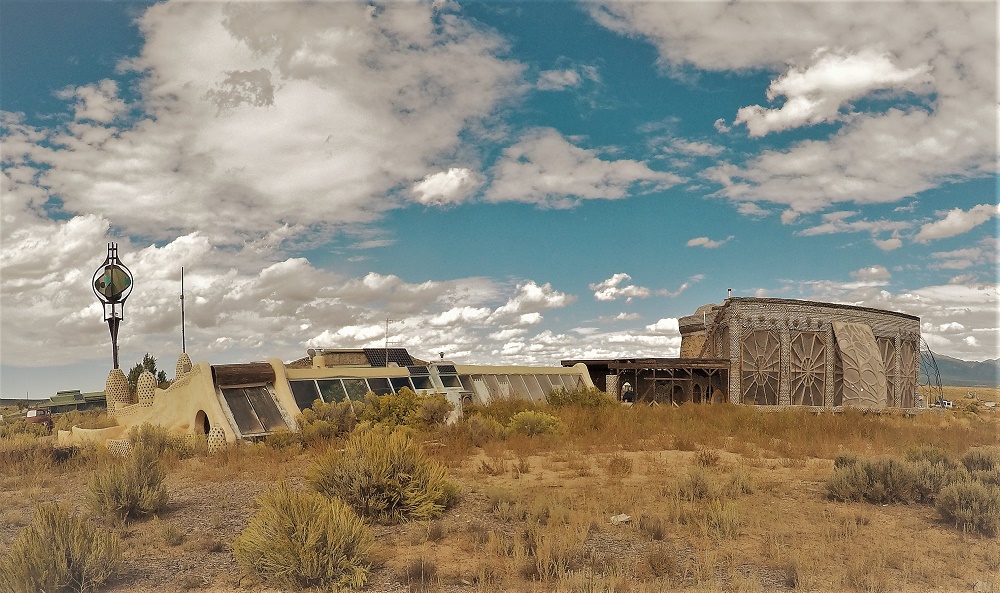
Near Taos we encountered a bizarre looking community spread across the arid valley floor.

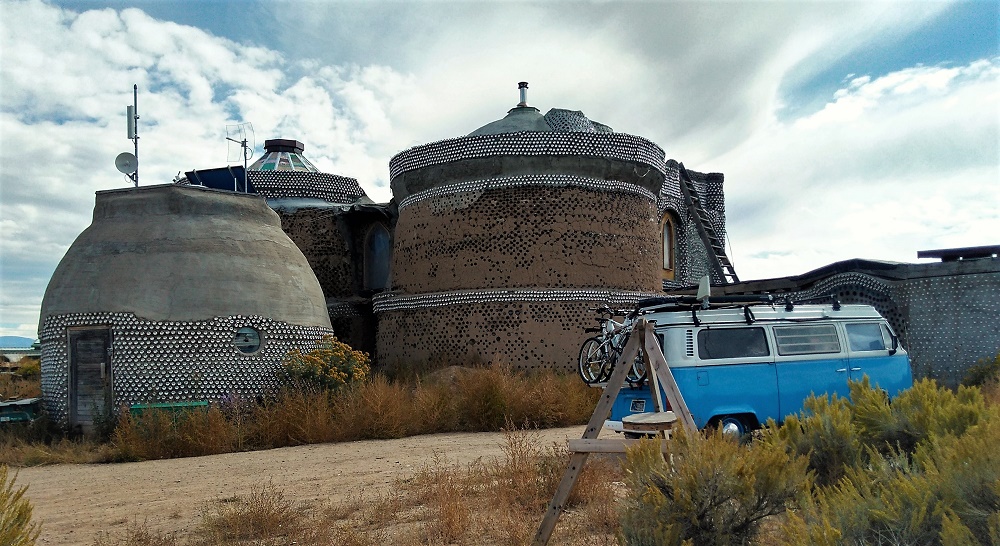
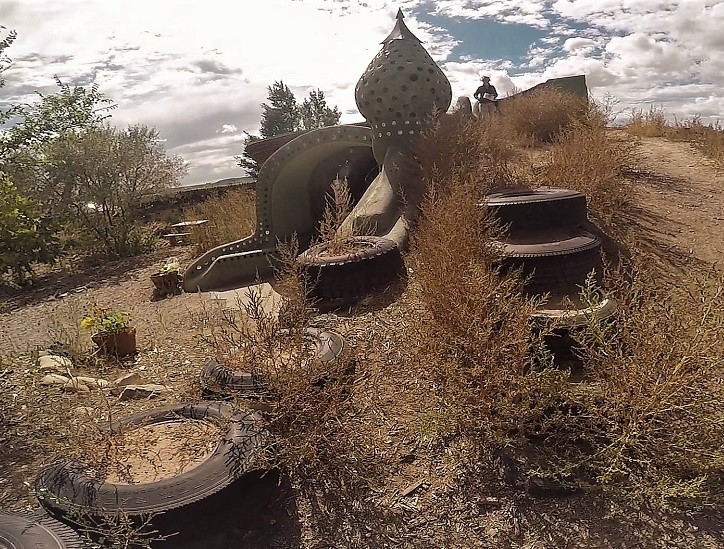
There were dozens of houses that looked like a cross between Captain Nemo and Lost in Space.  Or perhaps Star Wars Tatooine come to Earth.  We stopped to take a look.

The houses are part of a community that is the home of Earthship Biotecture.

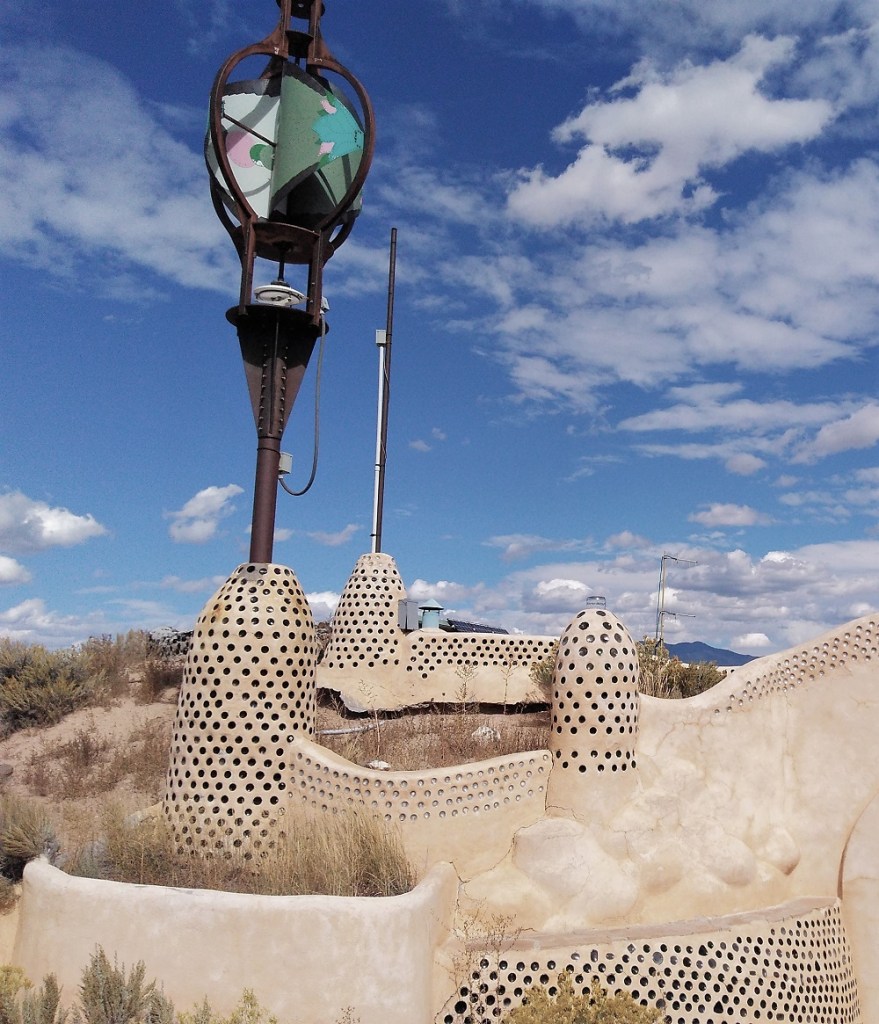
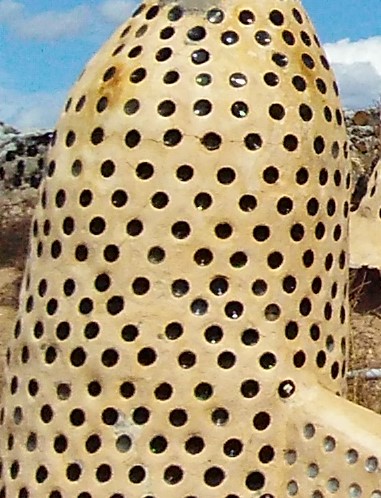
Earthships are passive solar houses made of natural and upcycled materials such as earth-packed tires, bottles and more.  Pioneered by architect Michael Reynolds, the houses offer unique solutions to (what they say) are six needs for harmonious living on earth: food, energy, clean water, shelter, garbage management and sewage treatment.

At the visitor center we learned about eco-construction and self-sufficient living. There are examples of interesting construction methods and implementations of systems for food production, solar energy collection and storage, and waste-water management.

Earthships have landed in dozens of locations around the globe.  Sustainable living concepts and how to build the structures are taught at Earthship Academies at the headquarters near Taos, in distant locations like Haiti and Puerto Rico, and online.

Want to experience life in an Earthship?  You can rent one for a night or a week!

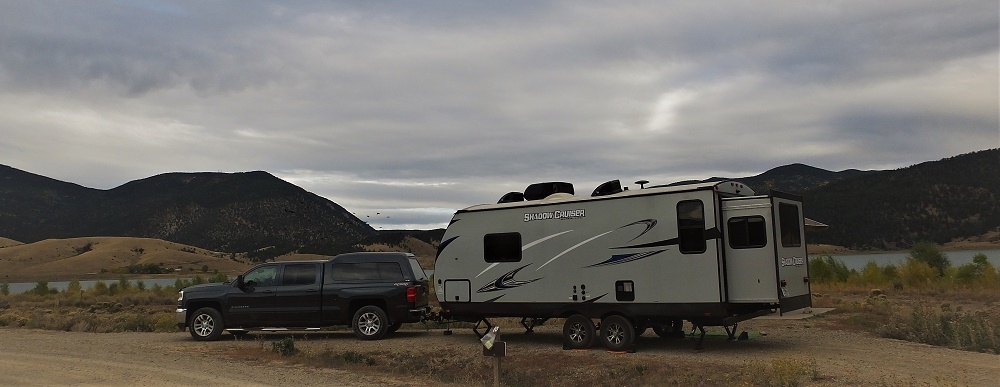
Max and Earthship Oscar
Max and Our Earthship Oscar

Oscar is our more conventional version of an Earthship.   As we left, we programmed in our GPS coordinates, engaged Max’ propulsion systems and headed on to the next rabbit trail.


Next week – we take a blog break.  RabbiTRAILs will resume on January 29 with a wrap up of our 2019 Grand Teton journey.  Until then…keep taking the LONG ROAD!

Canyonlands NP: Dry, Desolate and Deep!

(2019 Grand Teton Ep 20)

We left the goblins and traveled on toward Moab, Utah.

Moab is the gateway to Arches and Canyonlands national parks and is very popular for various types of outdoor adventure, including mountain biking, hiking and 4-wheel-drive driving.

We arrived in the early afternoon and learned all of the campgrounds in town were full.  With cooler fall weather, there were lots of visitors in the area.  Camping reservations are necessary during spring and fall months – something we will remember for our next time.

We continued 55 miles south to Monticello, Utah (map point 14).  In 2013, we stayed at a bed and breakfast in Monticello and know what the area has to offer.  With Monticello as a base, one can enjoy interesting day trips to the four corners area (where Arizona/New Mexico/Utah/Colorado touch), Monument Valley, Natural Bridges National Monument and the Canyonlands National Park Needles District.  Longer day trips to Moab, Arches National Park and the Canyonlands National Park Islands in the Sky District are also possible.

Canyonlands NP
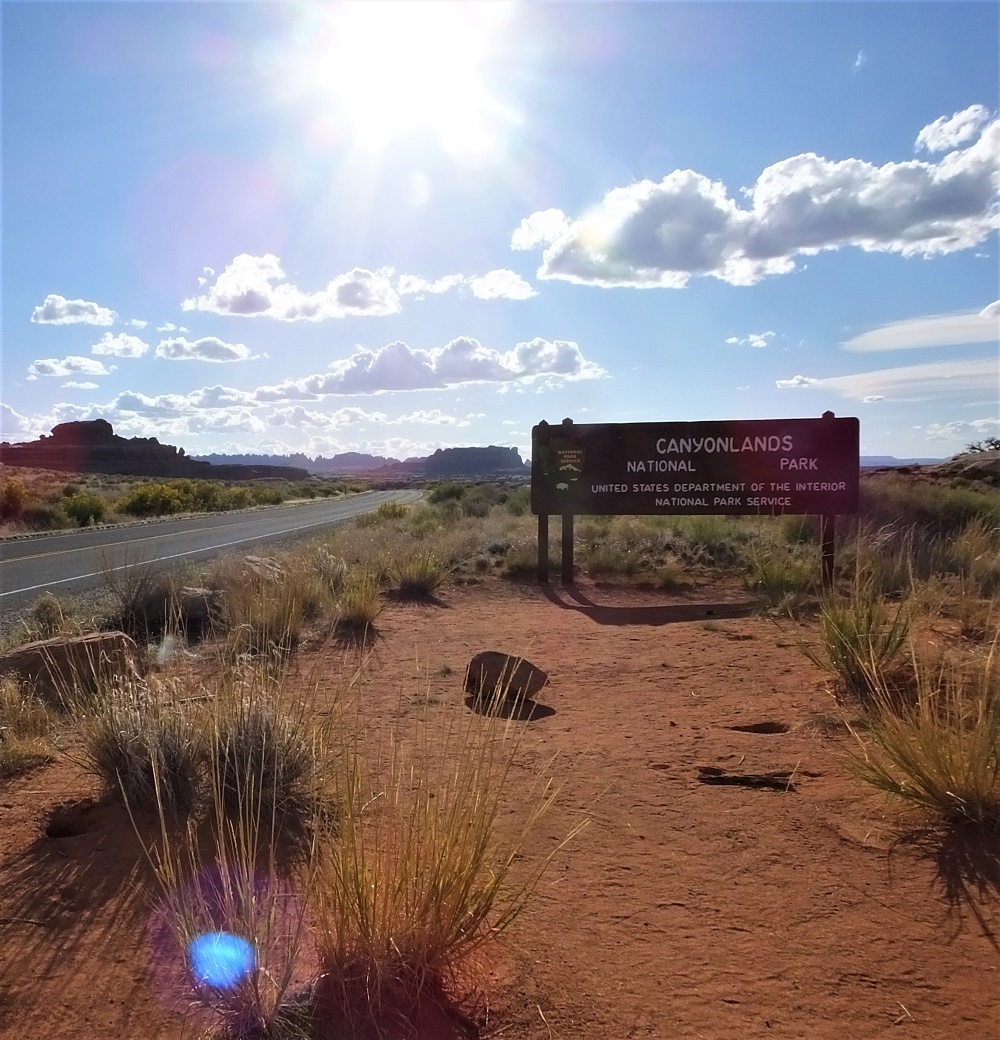
Canyonlands Park Entrance

We camped in Monticello and decided to visit the Canyonlands Needles District during our one full day in the area.

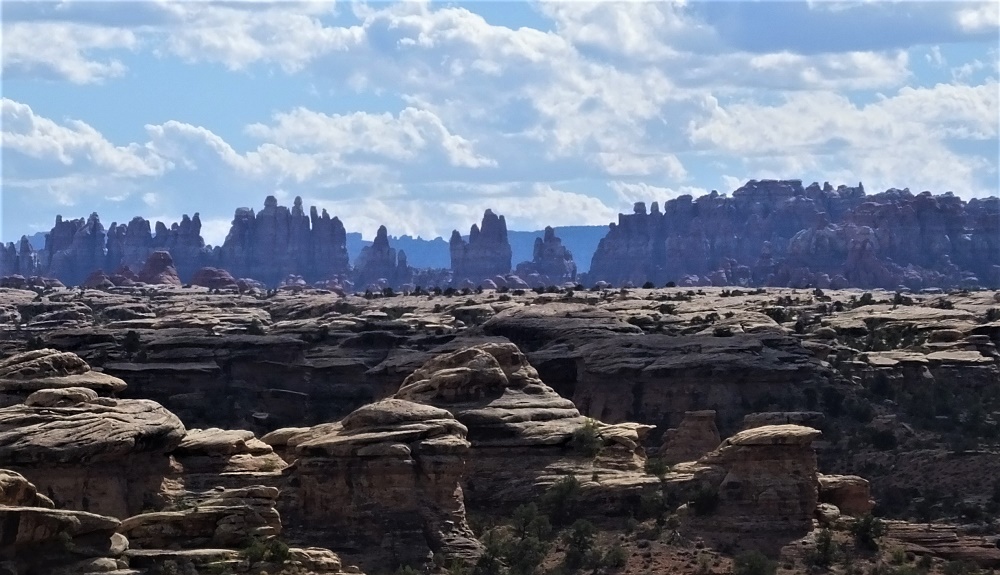
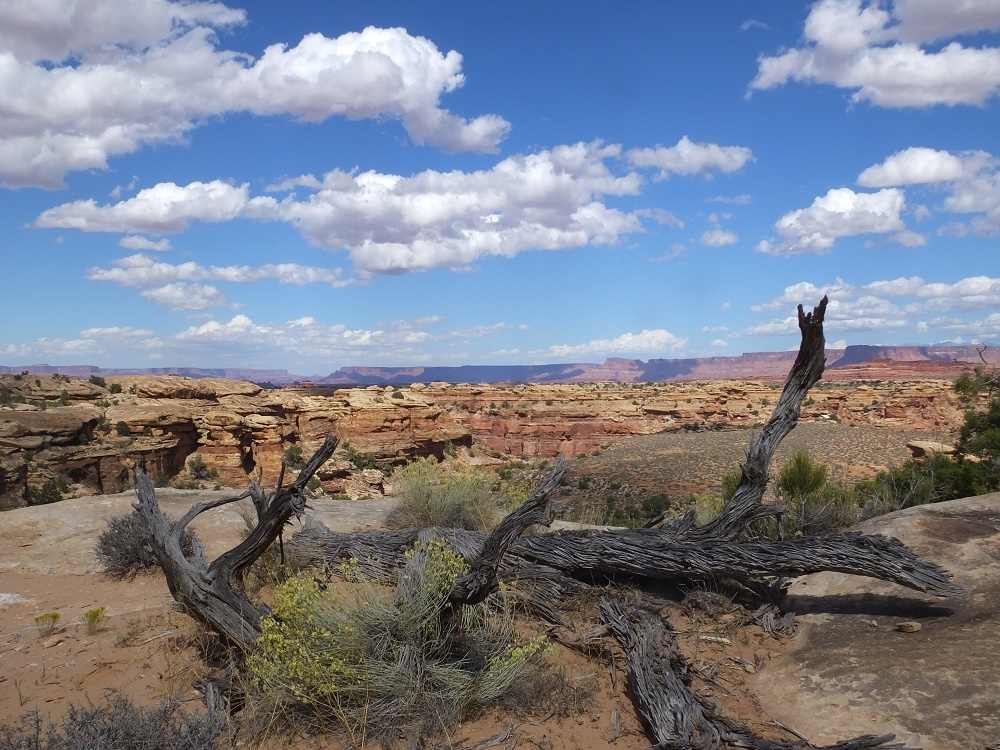
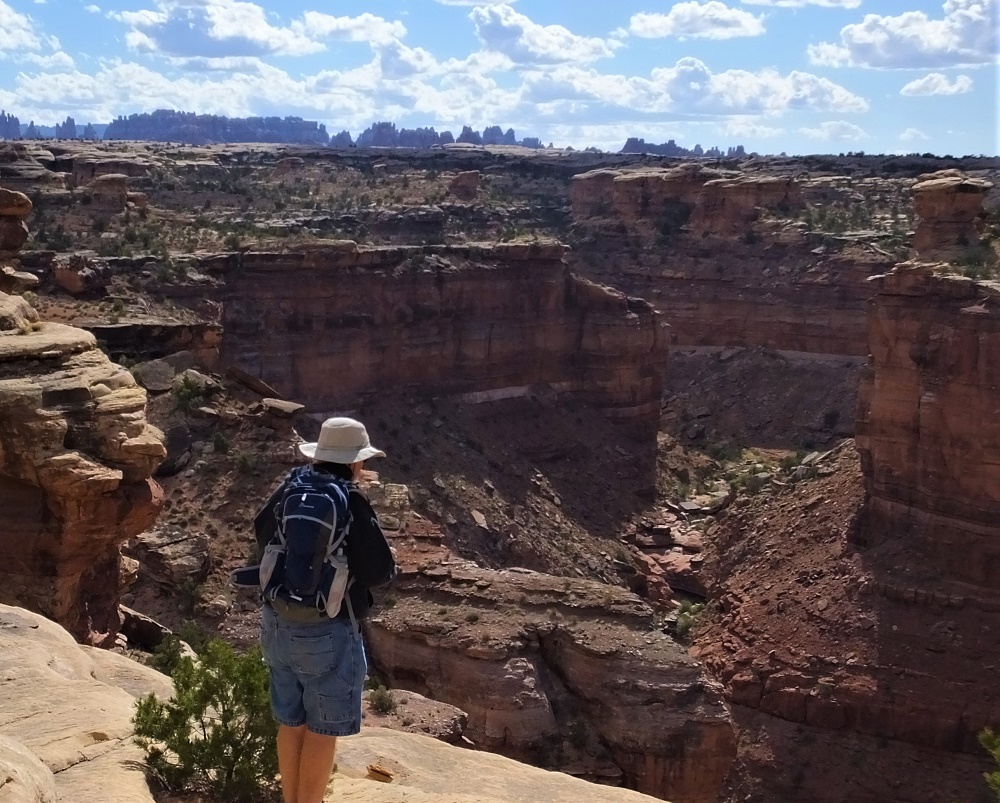
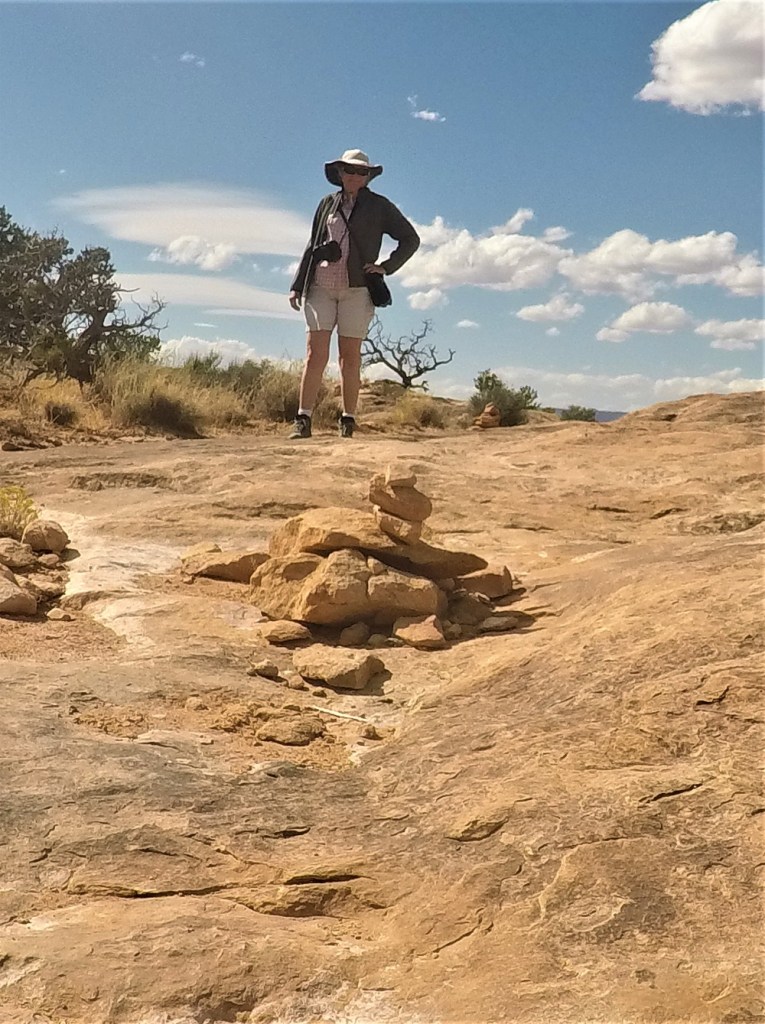
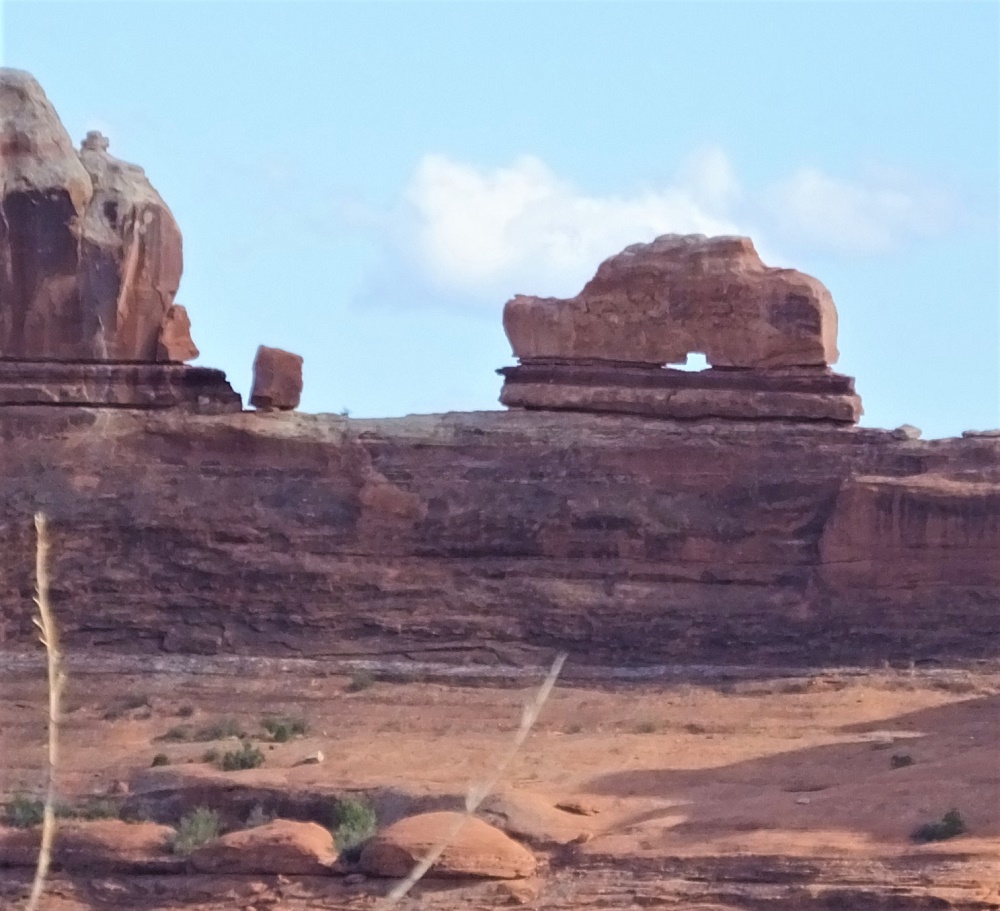
The temperatures were rather warm during our late September visit so we brought plenty of water and wore hats during two hikes in the park.  We enjoyed four overlooks along the 2.4 mile Slickrock Foot Trail that had views of canyons, pinnacles and reddish peaks of the Needles area.  We were unable to see where the Colorado and Green Rivers join at the bottom of the canyon however.

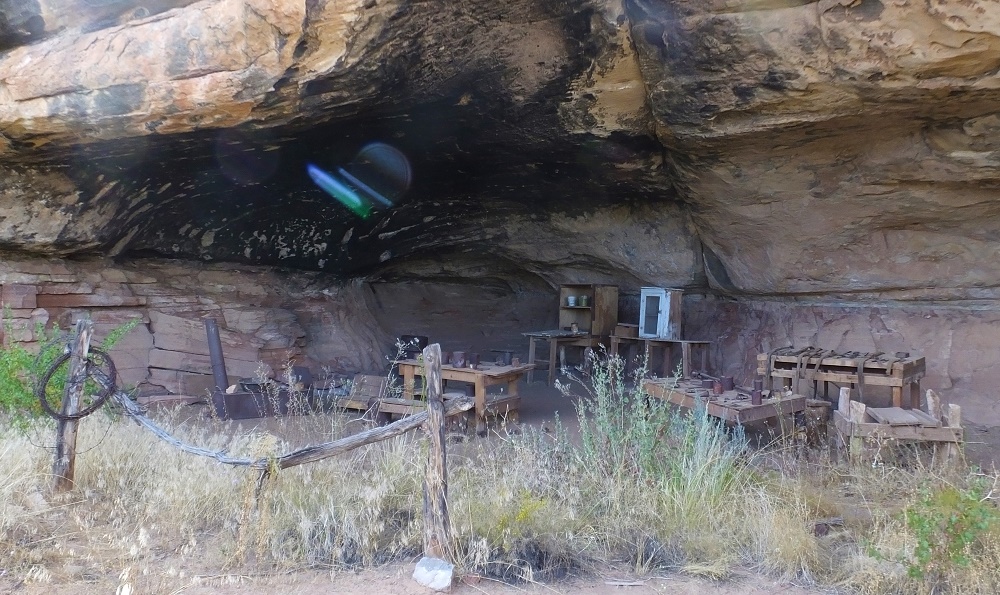
Later that afternoon we hiked the nearby Cave Spring Trail, a short trail that included relics from a 19th century cowboy camp tucked under cliffs of a low mesa, interesting petroglyphs and rock art, and a couple ladders that one must climb to reach the top of the mesa.  From the top we had a panoramic view of the Needles area.

As we drove back to Monticello, we passed by Newspaper Rock, a sandstone rockface that has hundreds of petroglyphs of human, animal and material forms.  It is said to be one of the largest, best preserved and most accessible collections of petroglyphs in the Southwest.  Perhaps this was the pre-Internet Internet

We had reached the point in our journey to begin the long return to Florida.  Our next planned stop would be at Cortez, Colorado, where I would have my dislocated finger checked out and where we would visit some amazing Indian cliff dwellings.