
(2018 Alaska Ep 38)
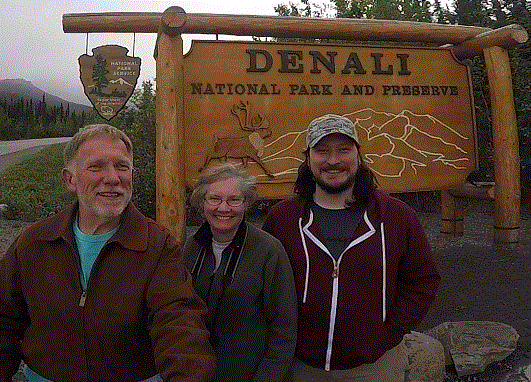
After picking up Phil in Anchorage on Saturday, August 4, we traveled north to Denali National Park and Preserve the next morning (RabbiTRAILS Alaska Map, pt #45).
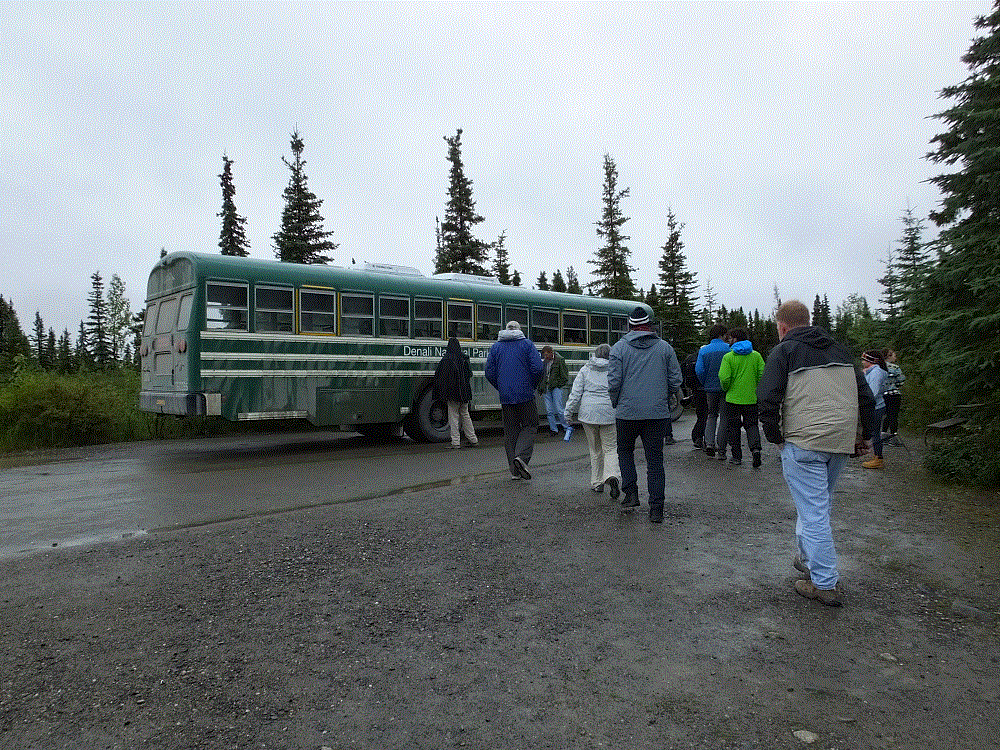
Denali National Park and Reserve is huge – at more than six million acres, it is nearly three times the size of Yellowstone. Only a small part of the park can be accessed via a 92-mile road from the park entrance to Kantishna, a historical gold mining area. The first 15 miles of the road can be driven in a private vehicle. The reminder can only be seen on a bus. We had bus tickets for the following day.
Bus riders hope to see Denali, the tallest mountain in North America. But only 30 percent of park visitors actually see the mountain. It is usually hidden by clouds.
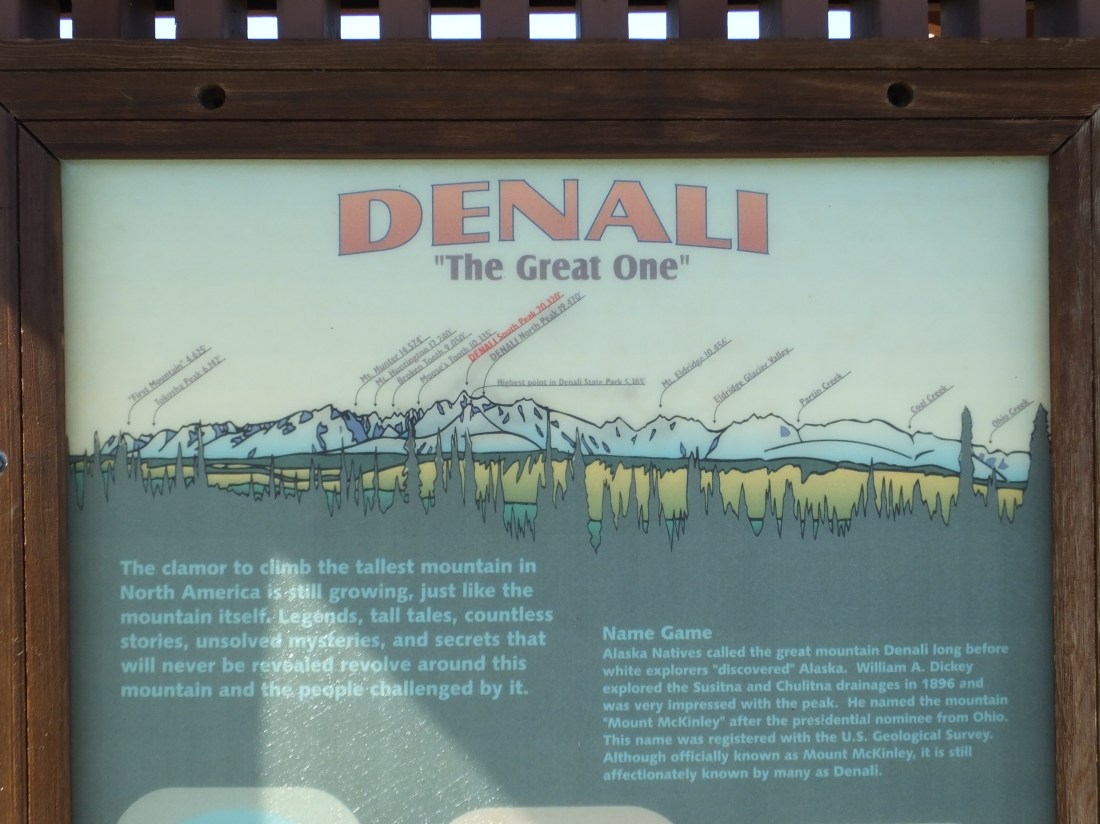
There has been controversy about the mountain’s name. Alaska natives called the great mountain Denali long before western explorers discovered the mountain. It was officially renamed Mt. McKinley in 1917 to commemorate President William McKinley, US president from 1897 – 1901. President Obama restored the mountain to its Alaska Native name in 2015.
It was raining as we left on Monday for the eleven-hour roundtrip to Kantishna. Most of the trip is a winding dirt road. Before long the bus windows were splattered with mud. Thank goodness for frequent rest stops and the driver’s diligence to clean the windows at each stop.
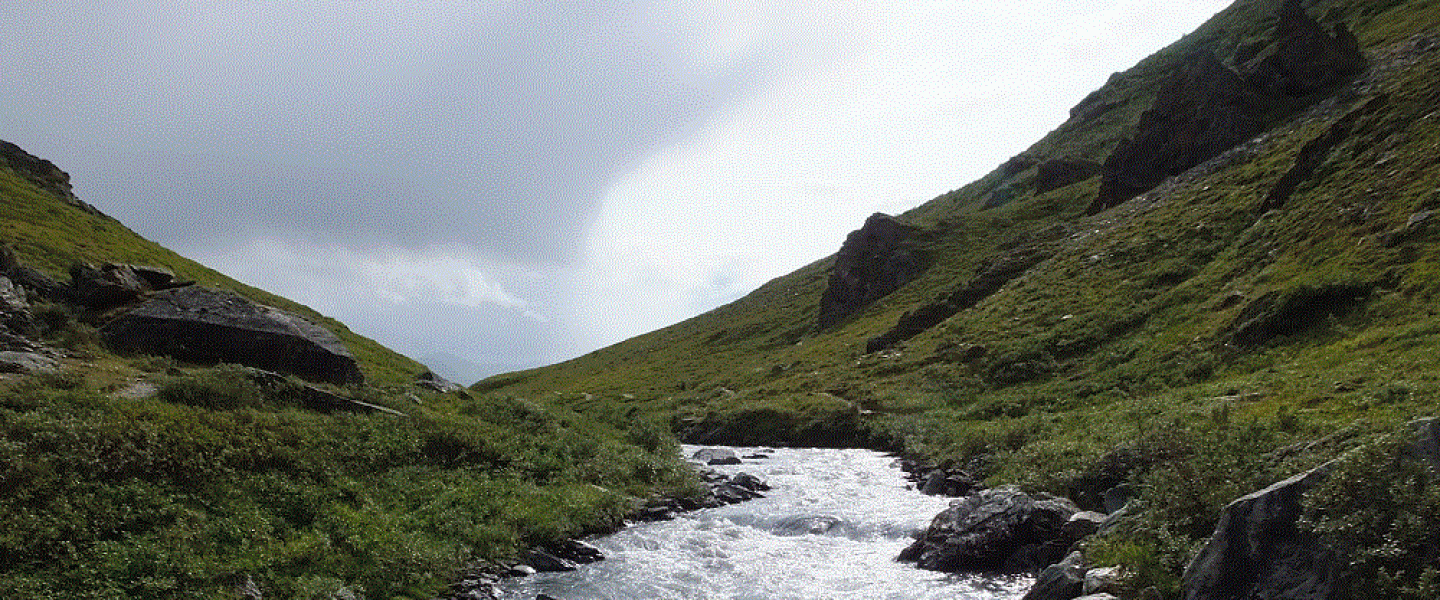
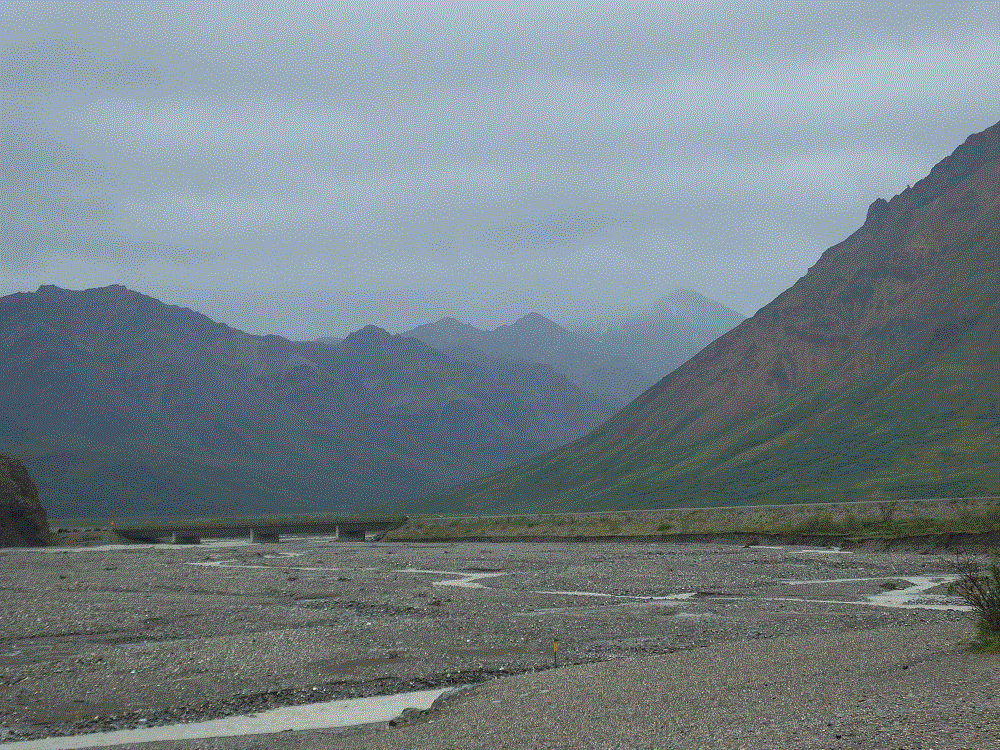
Despite the drizzle during most of the day, we could see broad valleys and lower mountains. There were several heavy downpours as we crossed higher elevations and even a few brief periods of sunshine.
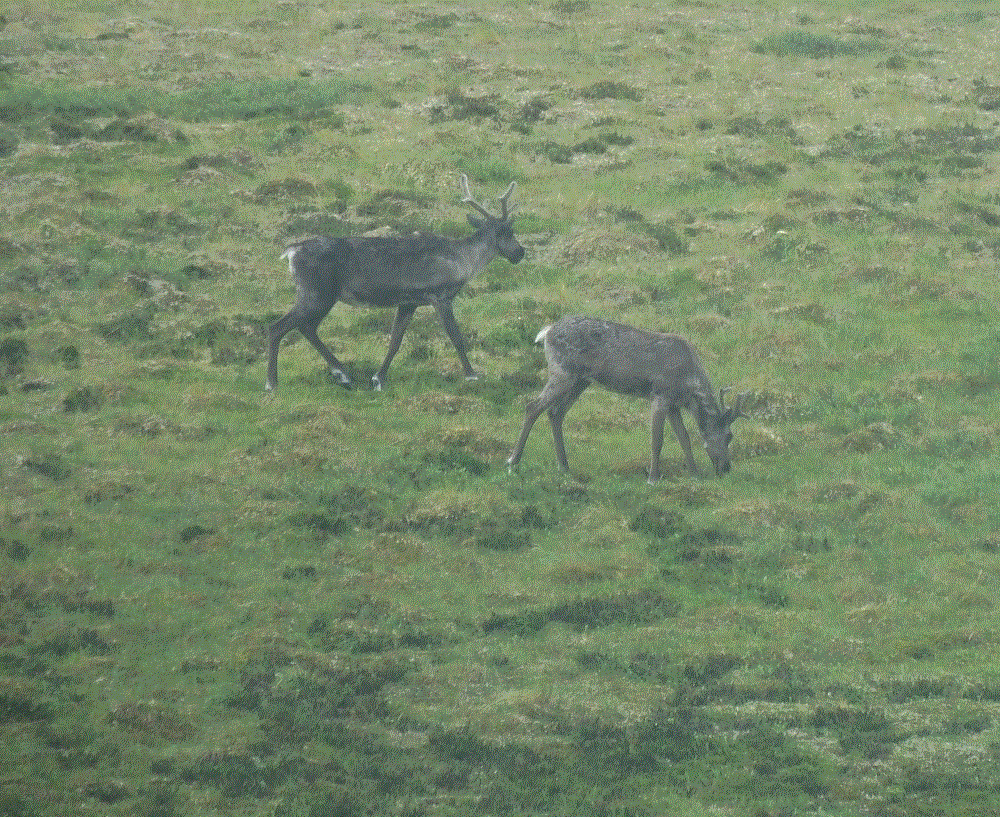
We saw four of the five major mammals that call Denali home: a herd of about 15 caribou (also known as reindeer), several distant dall sheep, a much closer grizzly bear, and a cow moose. Only wolves remained unseen.
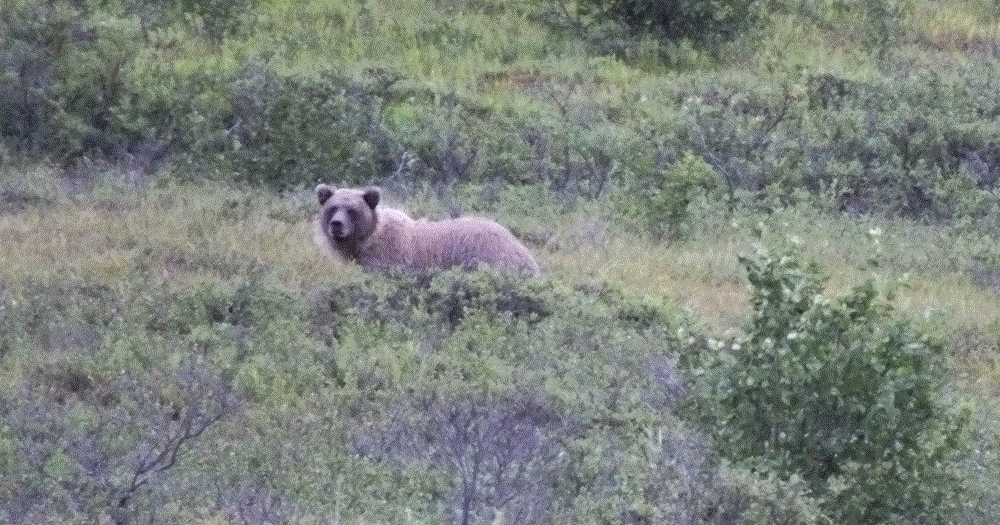
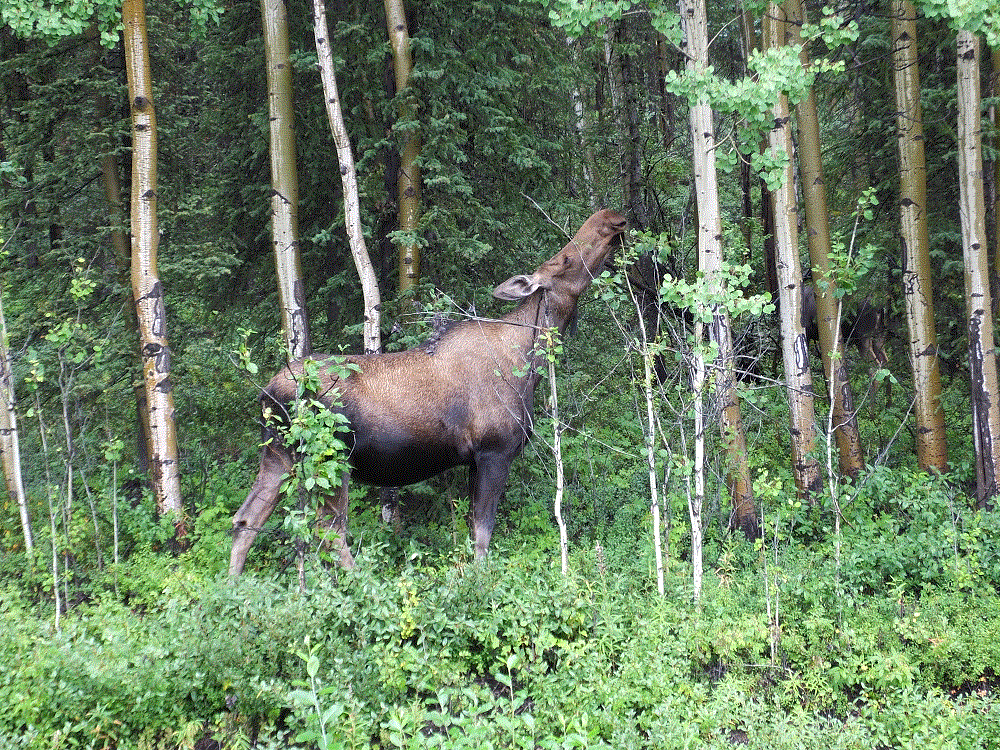
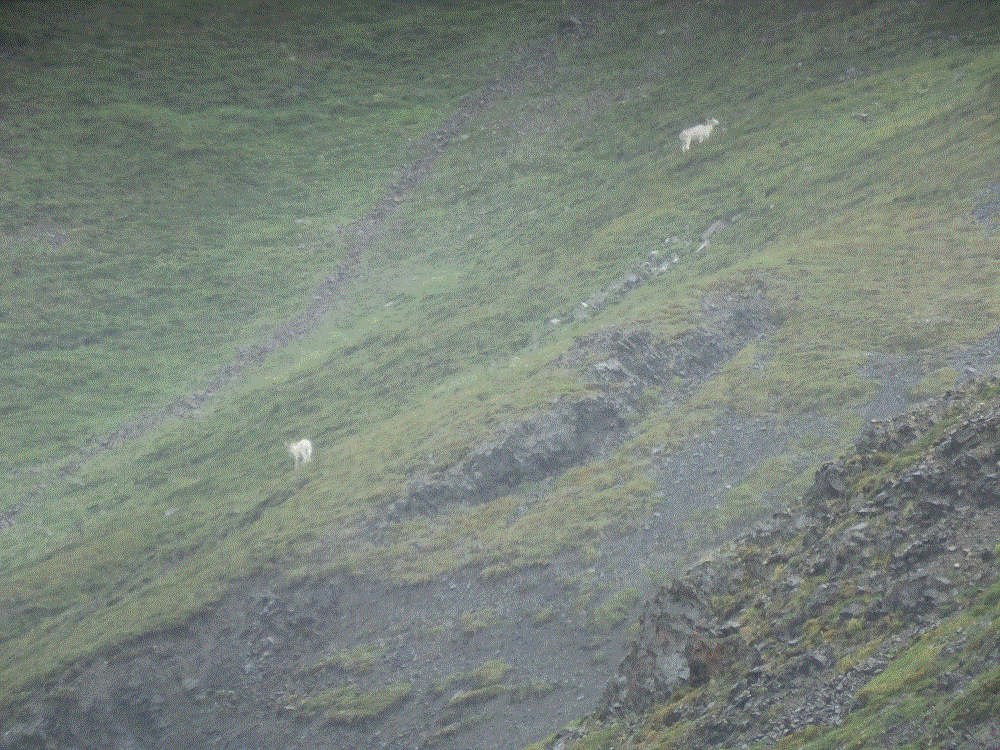
During the bus ride we never saw Denali or the other tall mountains.
With rain in the forecast thru Thursday and only a week in Alaska, Phil decided to take the Alaska Railroad to Anchorage on Tuesday and to rejoin us on Friday for a glacier-wildlife cruise in Seward. More on the cruise in an upcoming blog update.
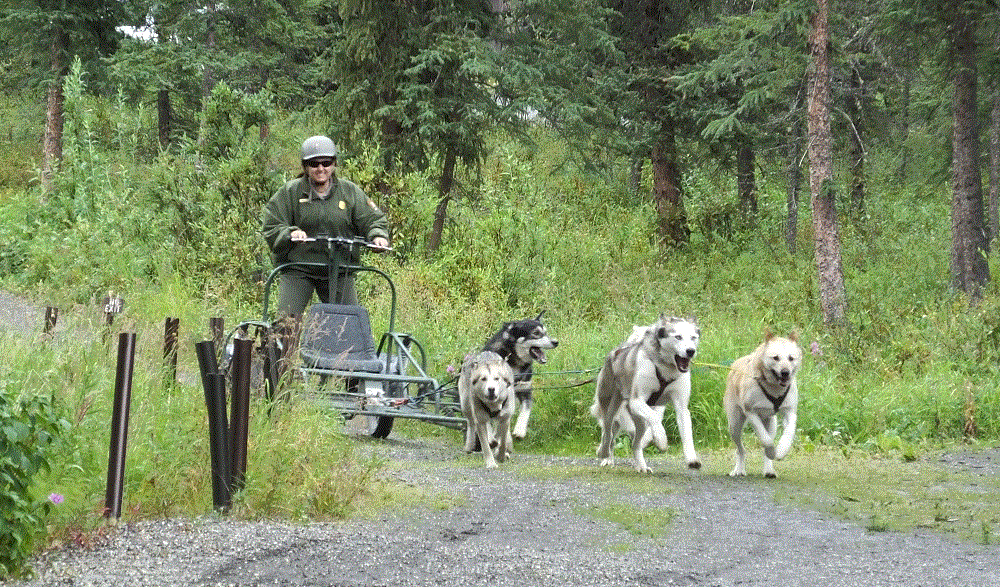
Pat and I remained in the park. We enjoyed a sled dog demonstration given by National Park Rangers. We’ll share more about sled dogs in an upcoming blog post.
On Thursday we awoke to sunshine!
The gray skies had become brilliant blue. Fresh snow dusted the tops of the lower mountains near our campground.
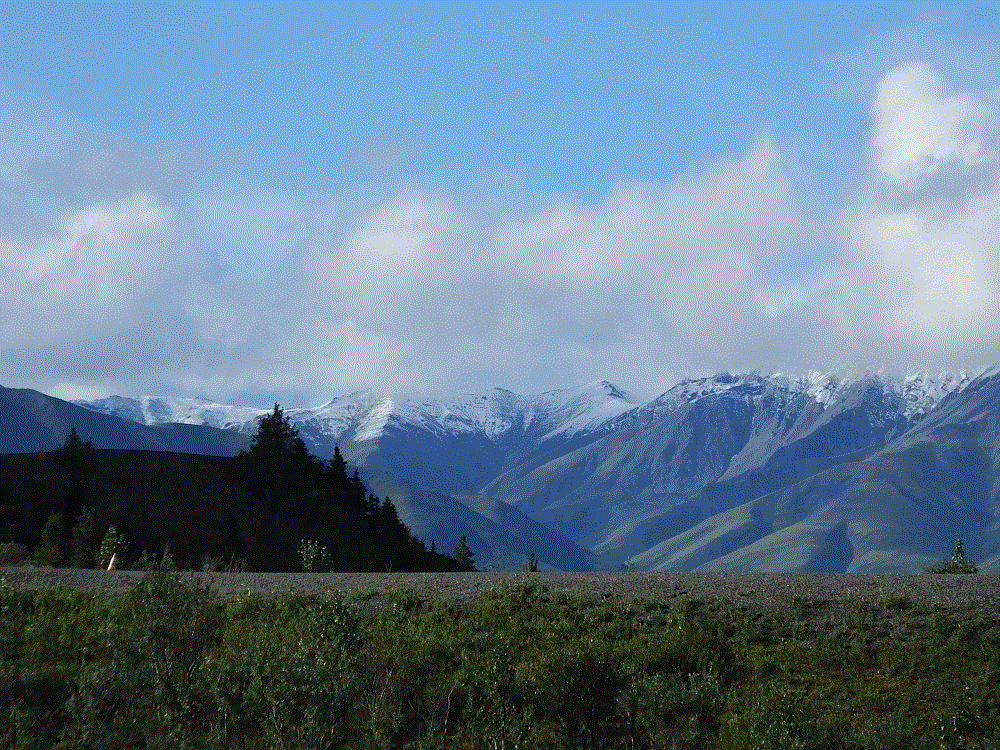
As we drove toward Anchorage we could see the distant tall mountains.
We even saw Denali and are now members of the 30 percent club!
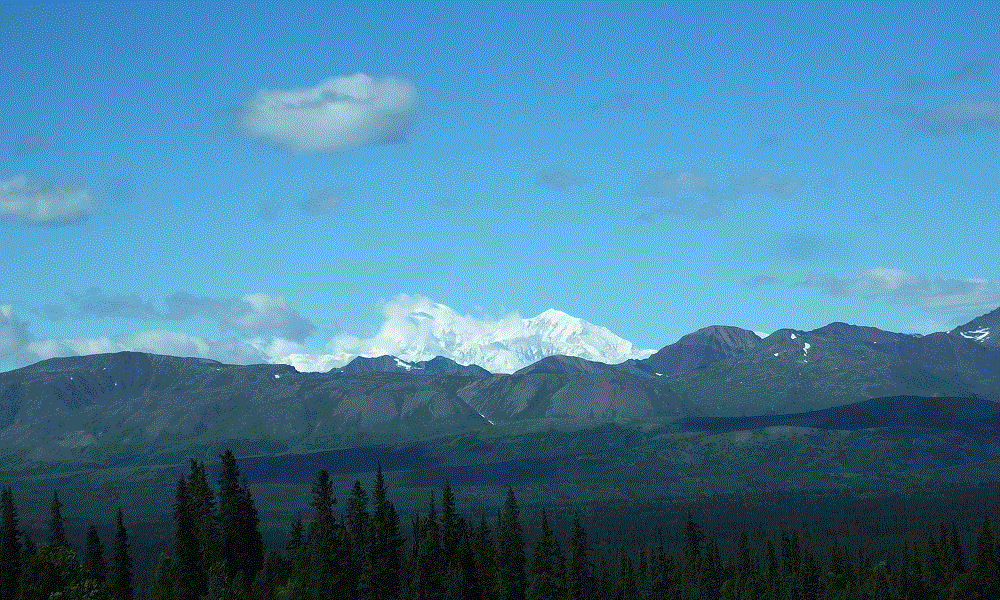
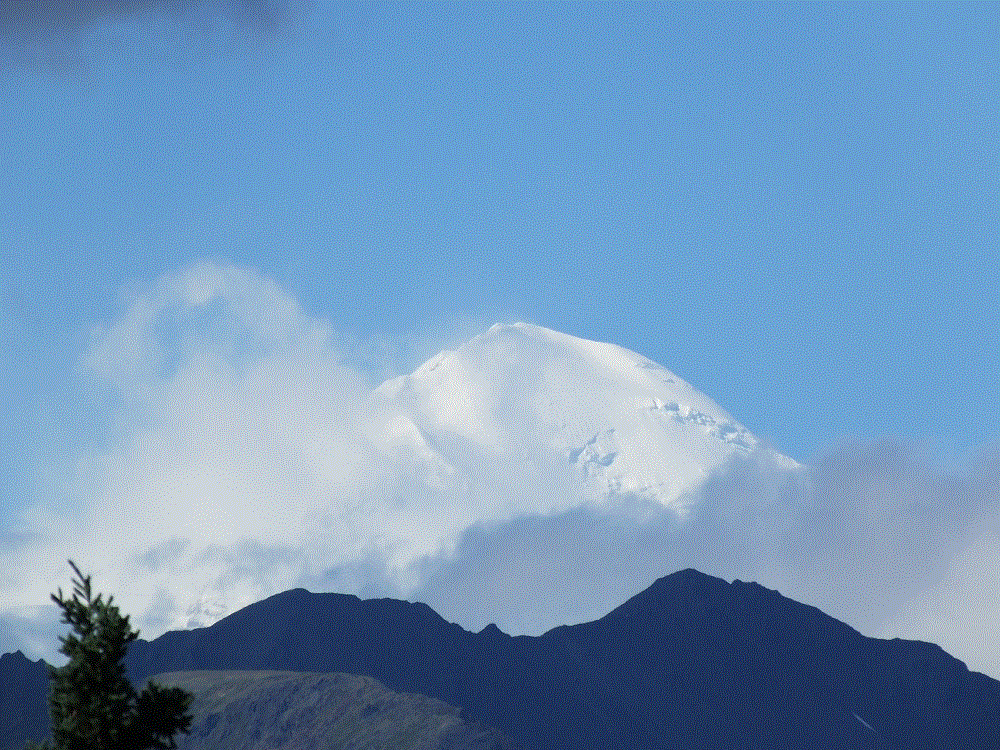
We head to Fairbanks after the cruise and saying goodbye to Phil. If the weather is clear, we hope to visit Denali again to see more of the amazing park and mountains.
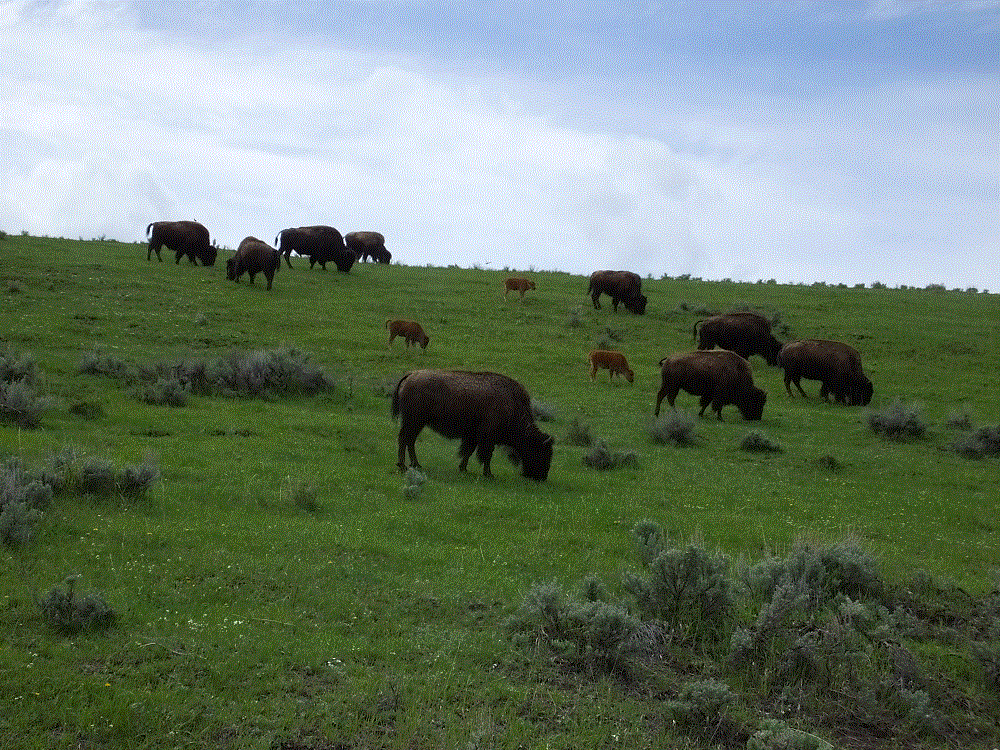
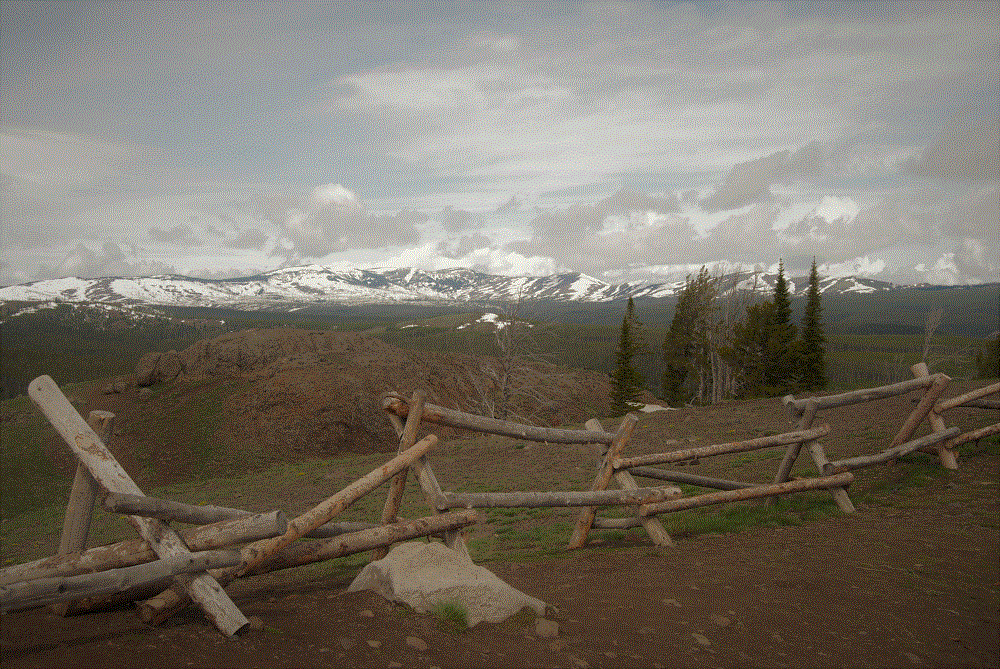
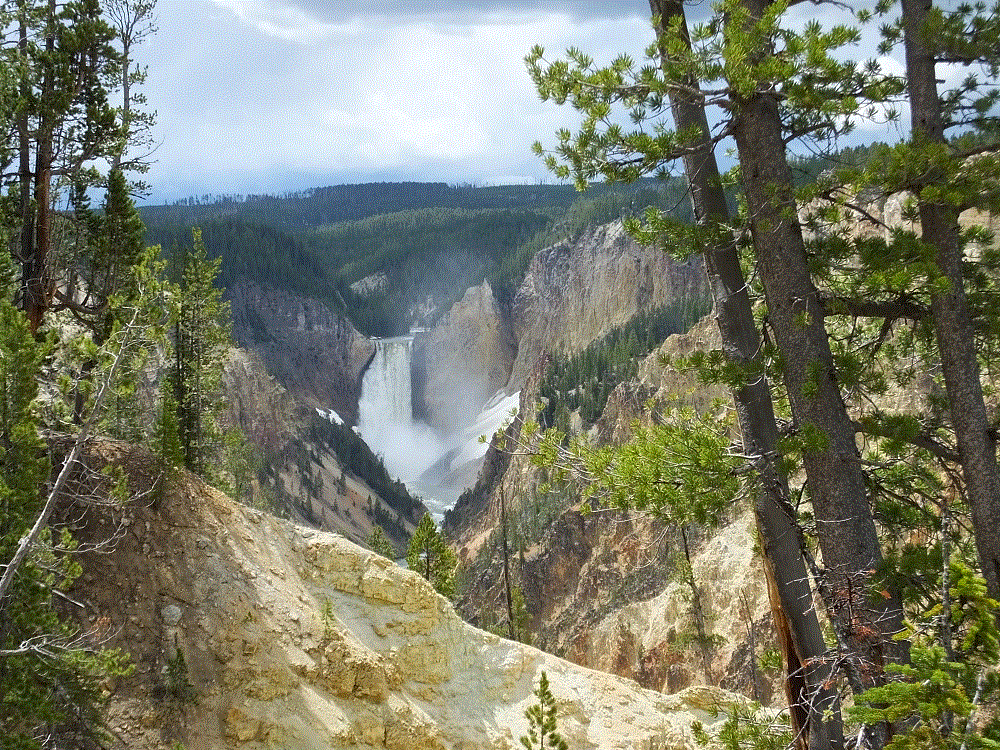
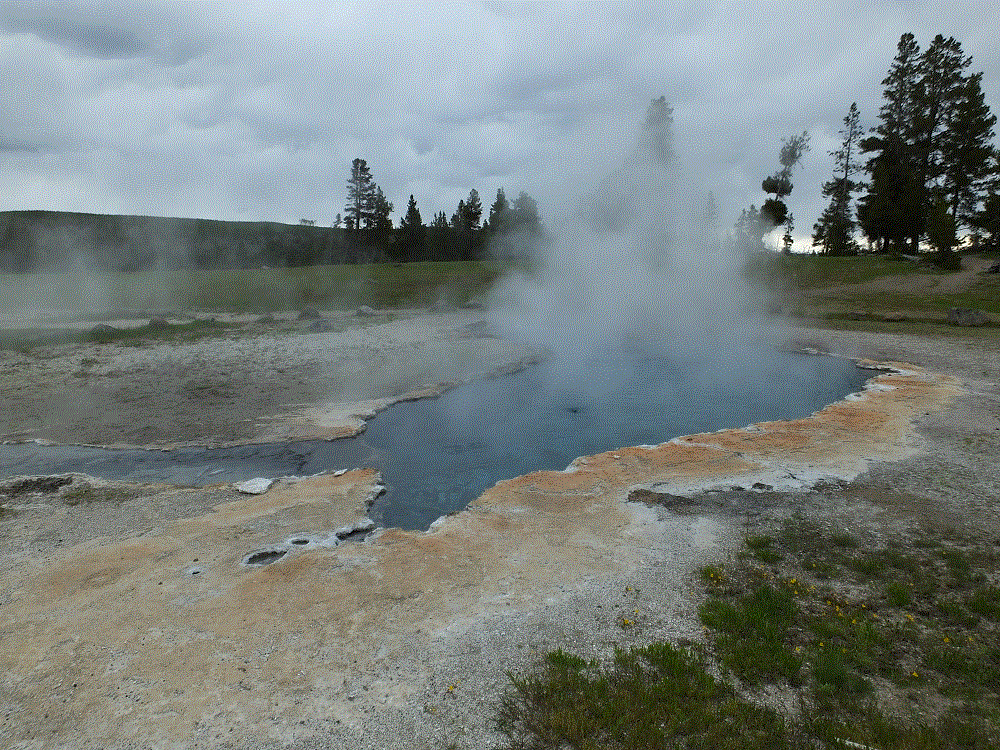
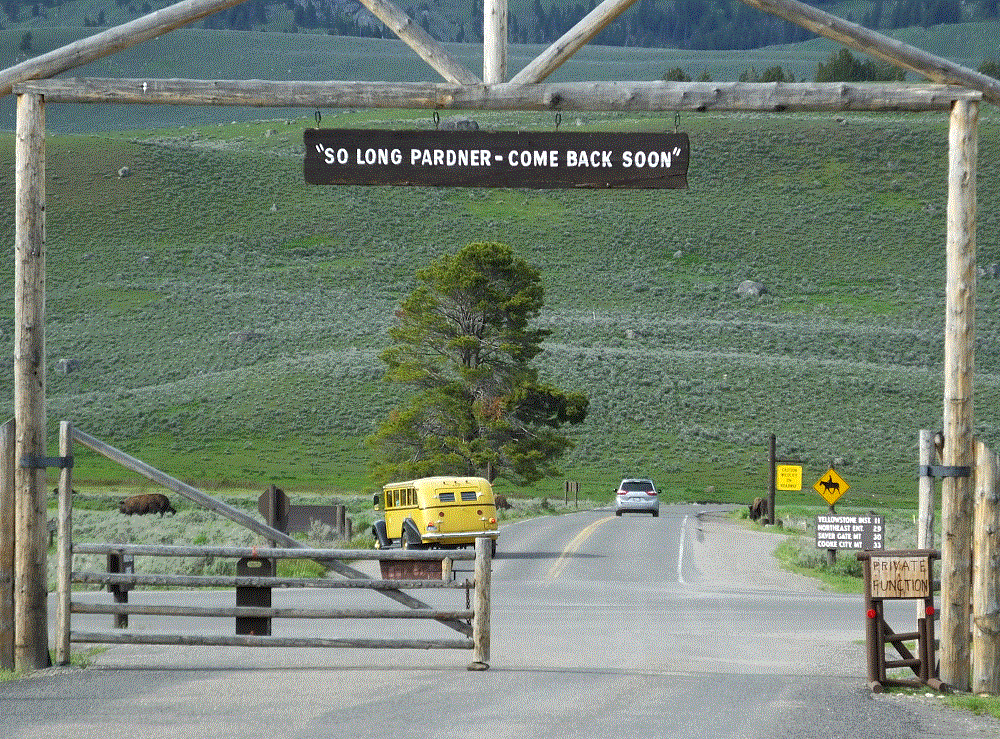
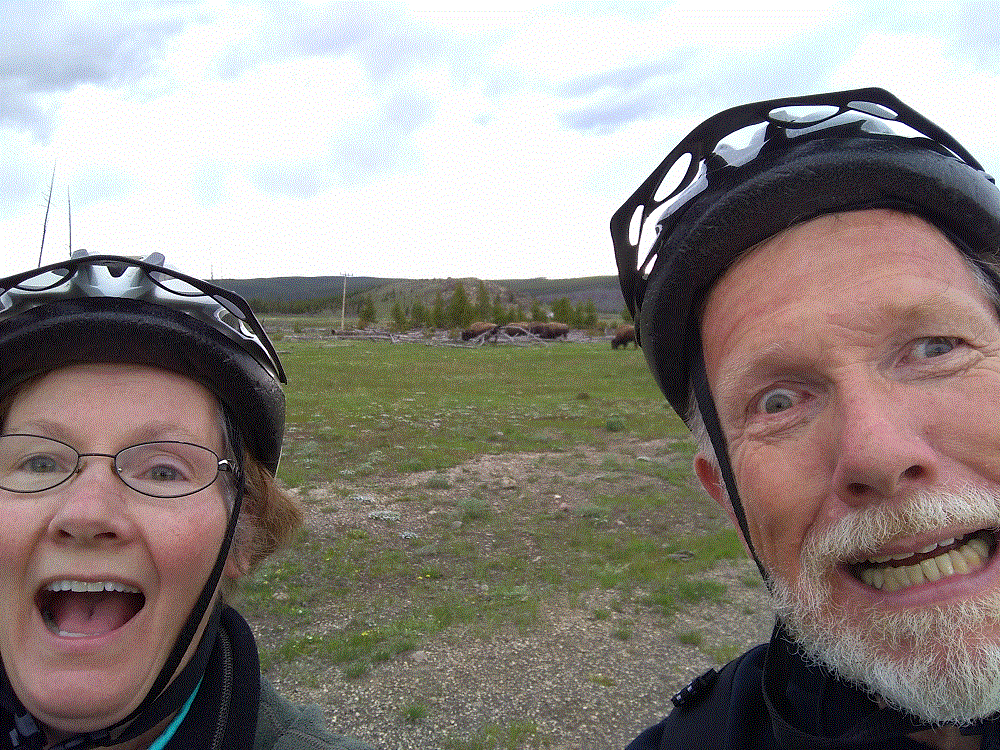
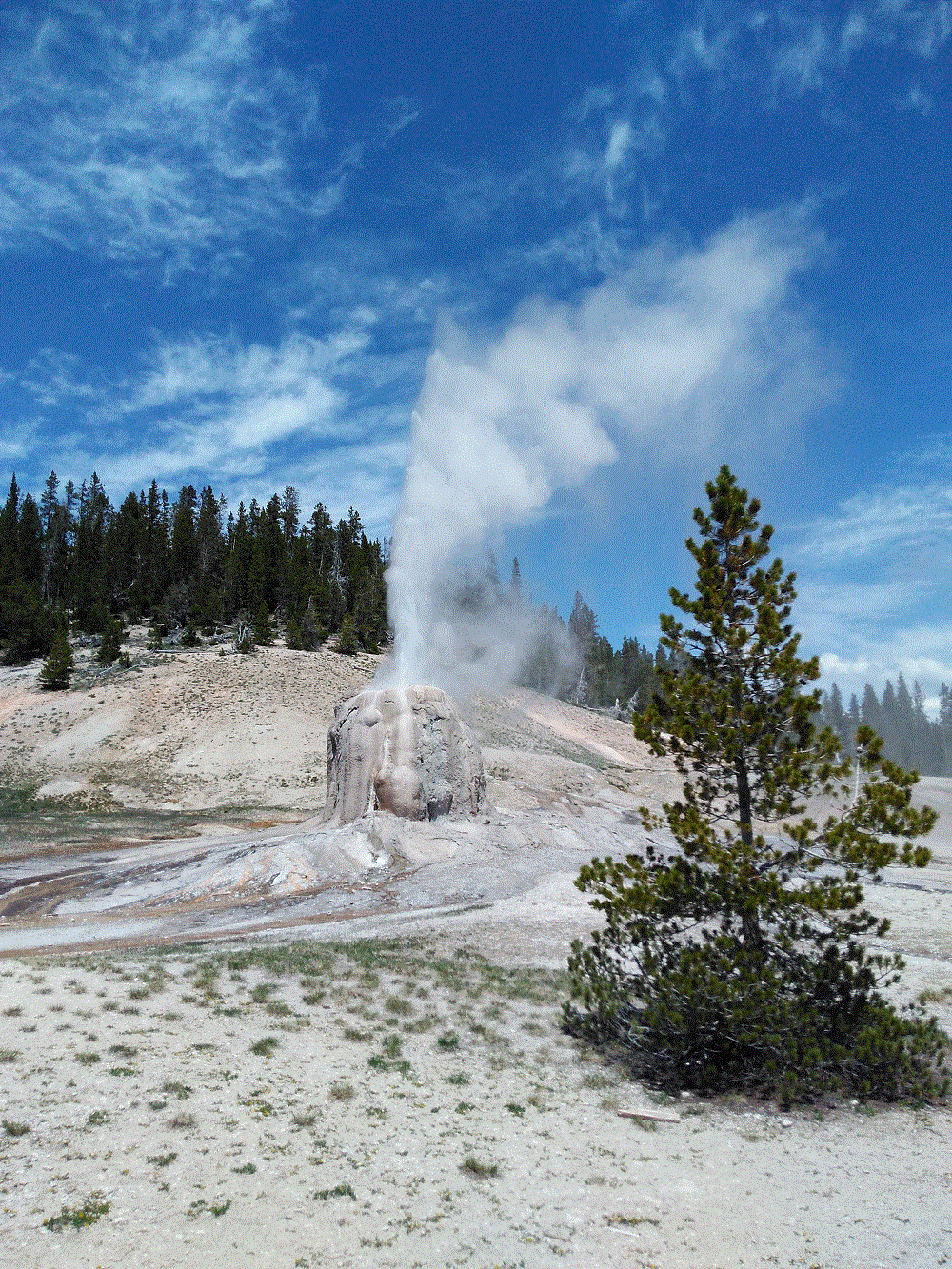
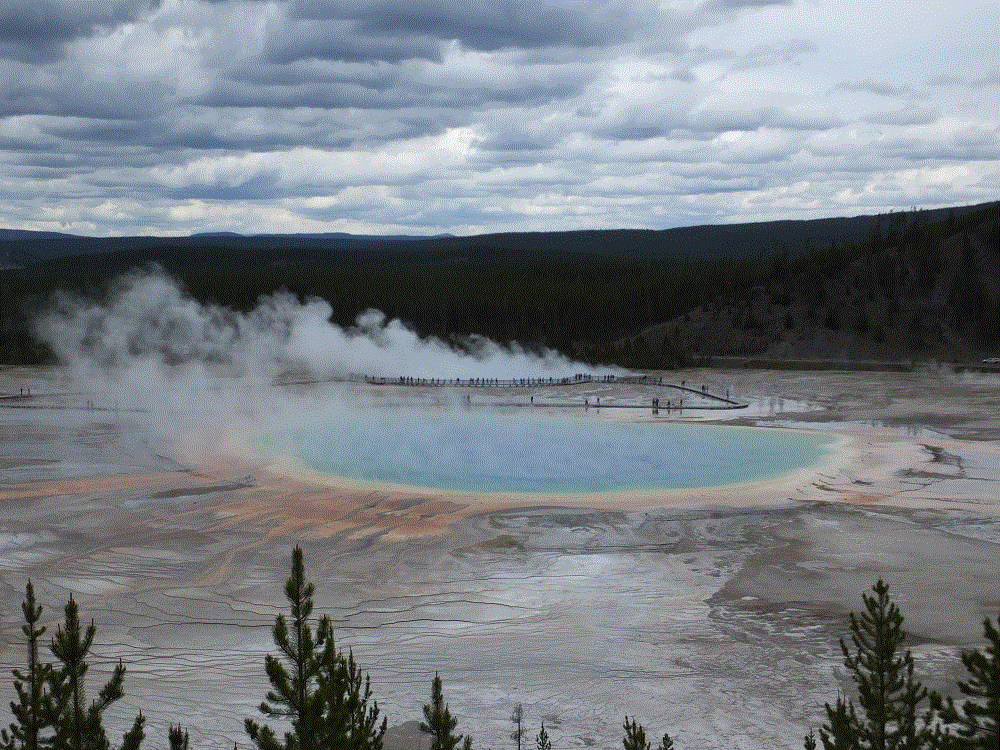
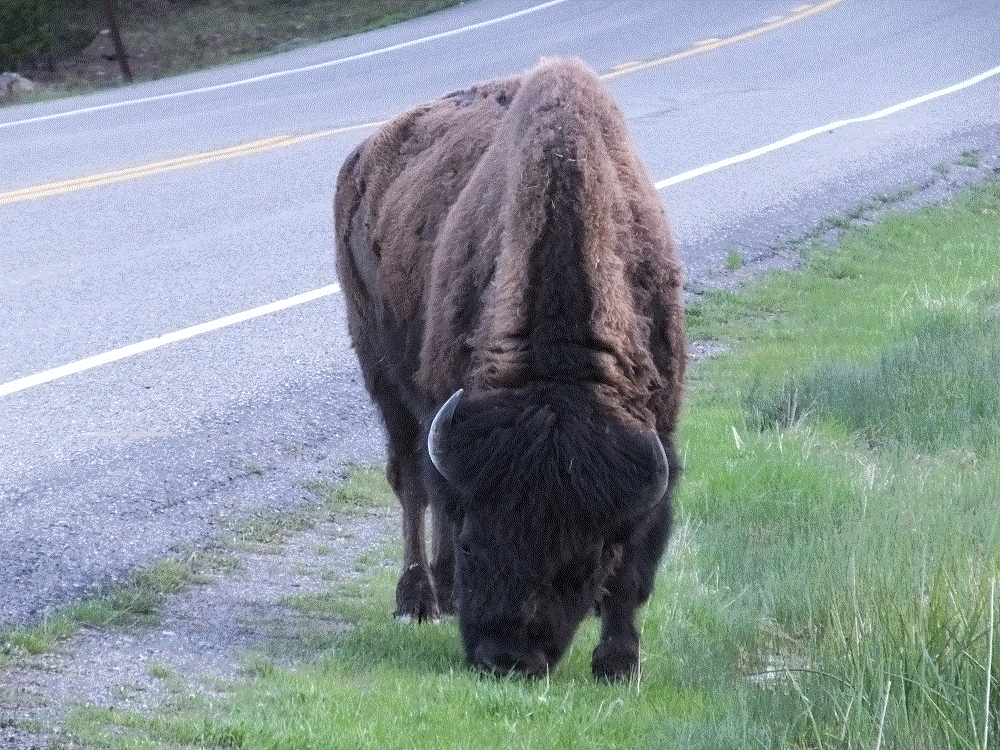
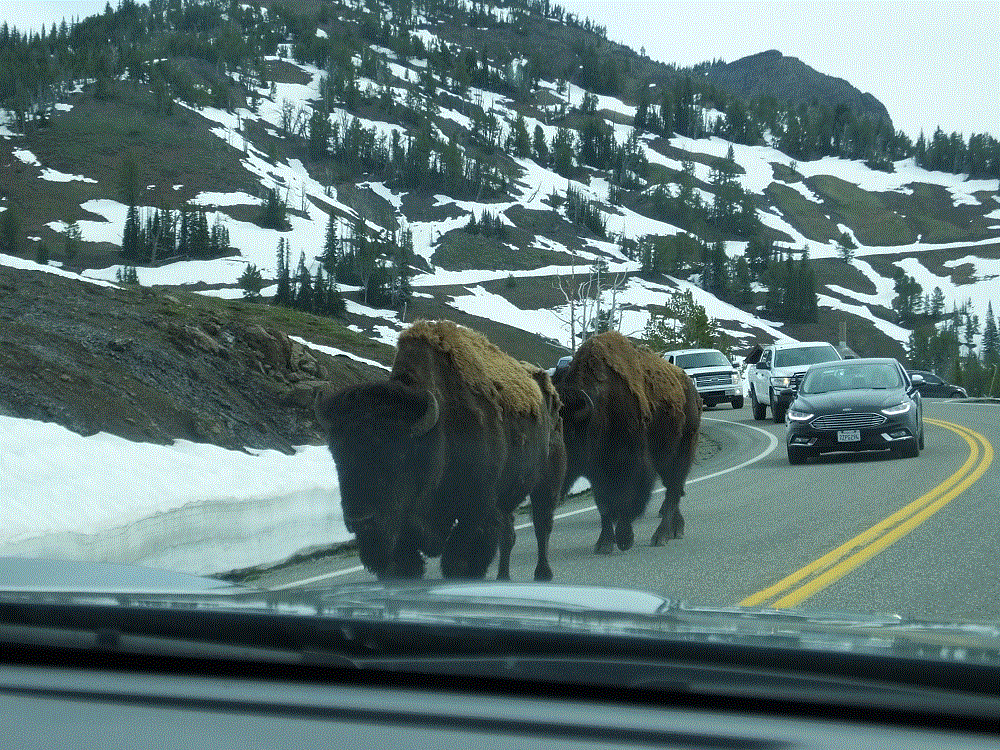
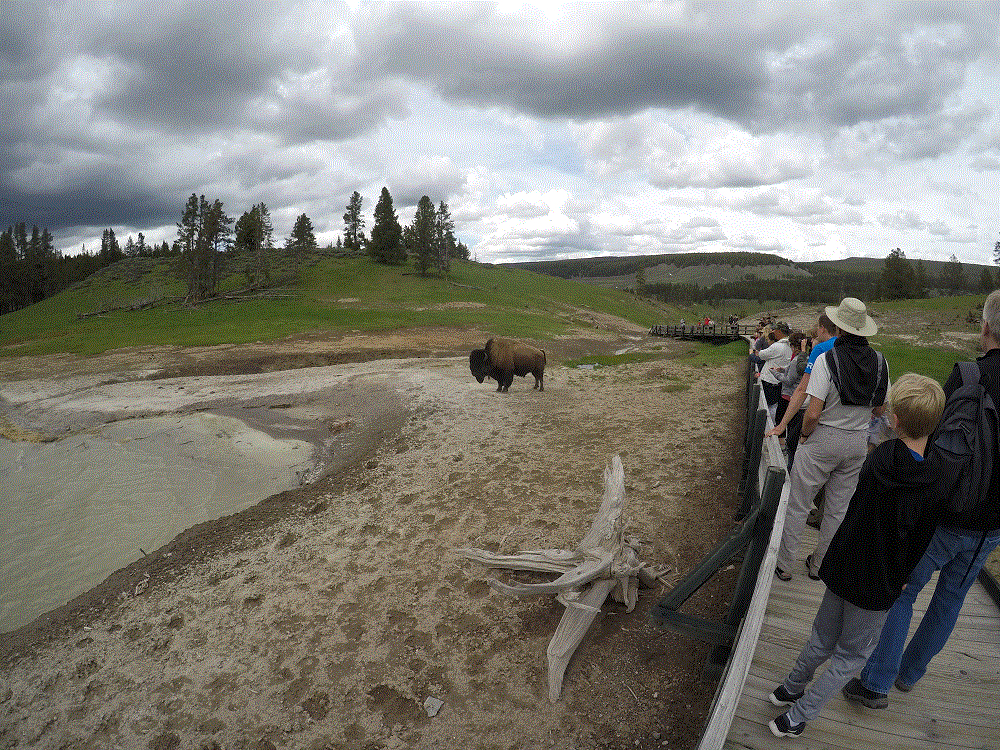
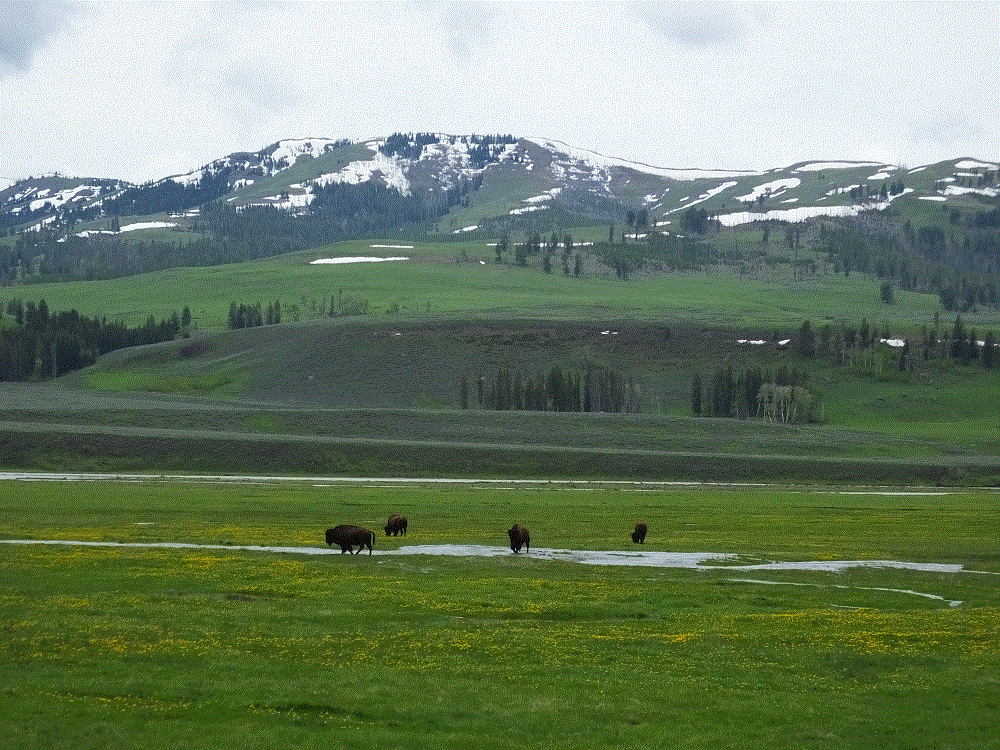 The buffalo were everywhere, or at least the telltale signs of buffalo were everywhere. One buffalo below seems to be viewing a hot spring near Mud Volcano (below). When we were camping at Madison, a fellow camper stopped by to remark the biggest buffalo he had seen spent the day in our campsite. Wish I had a picture of that to share.
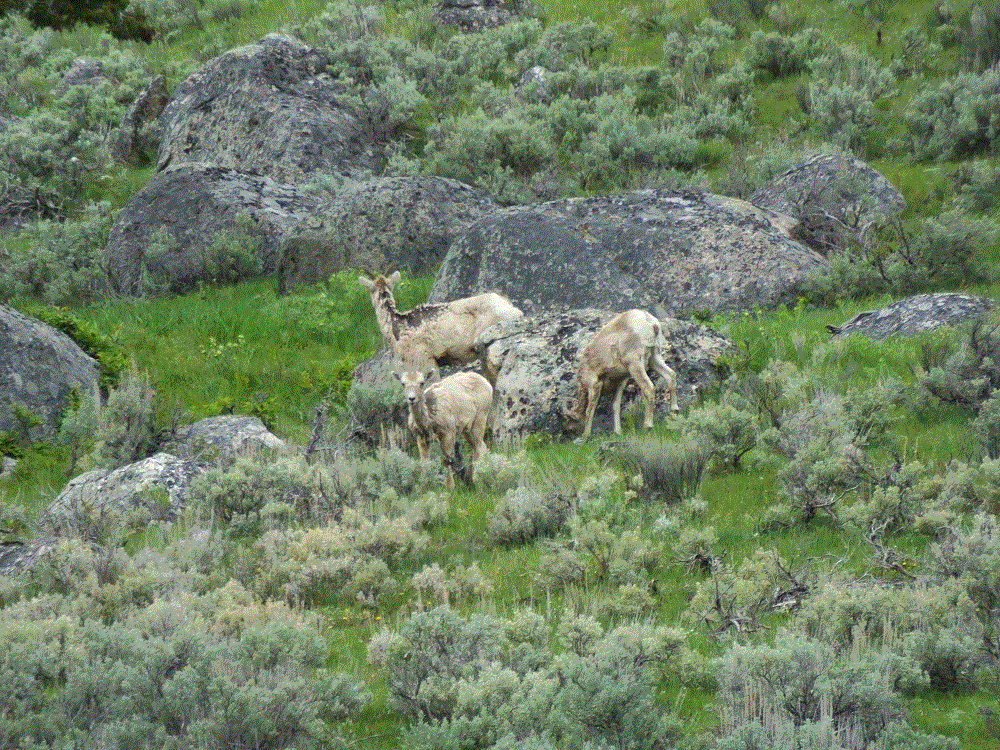
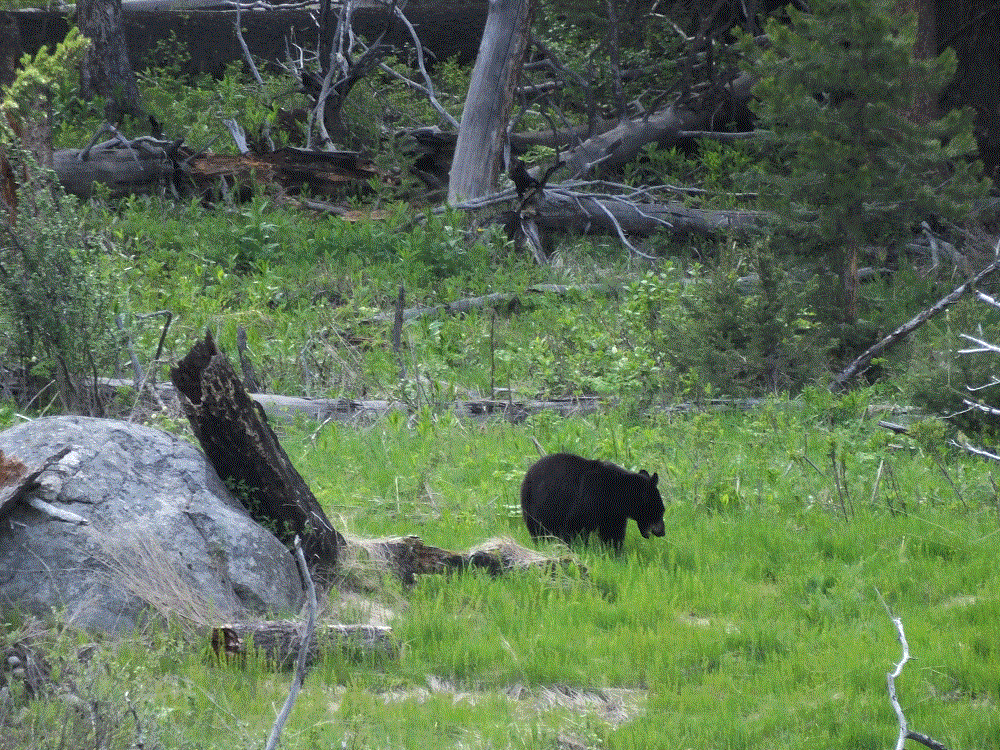
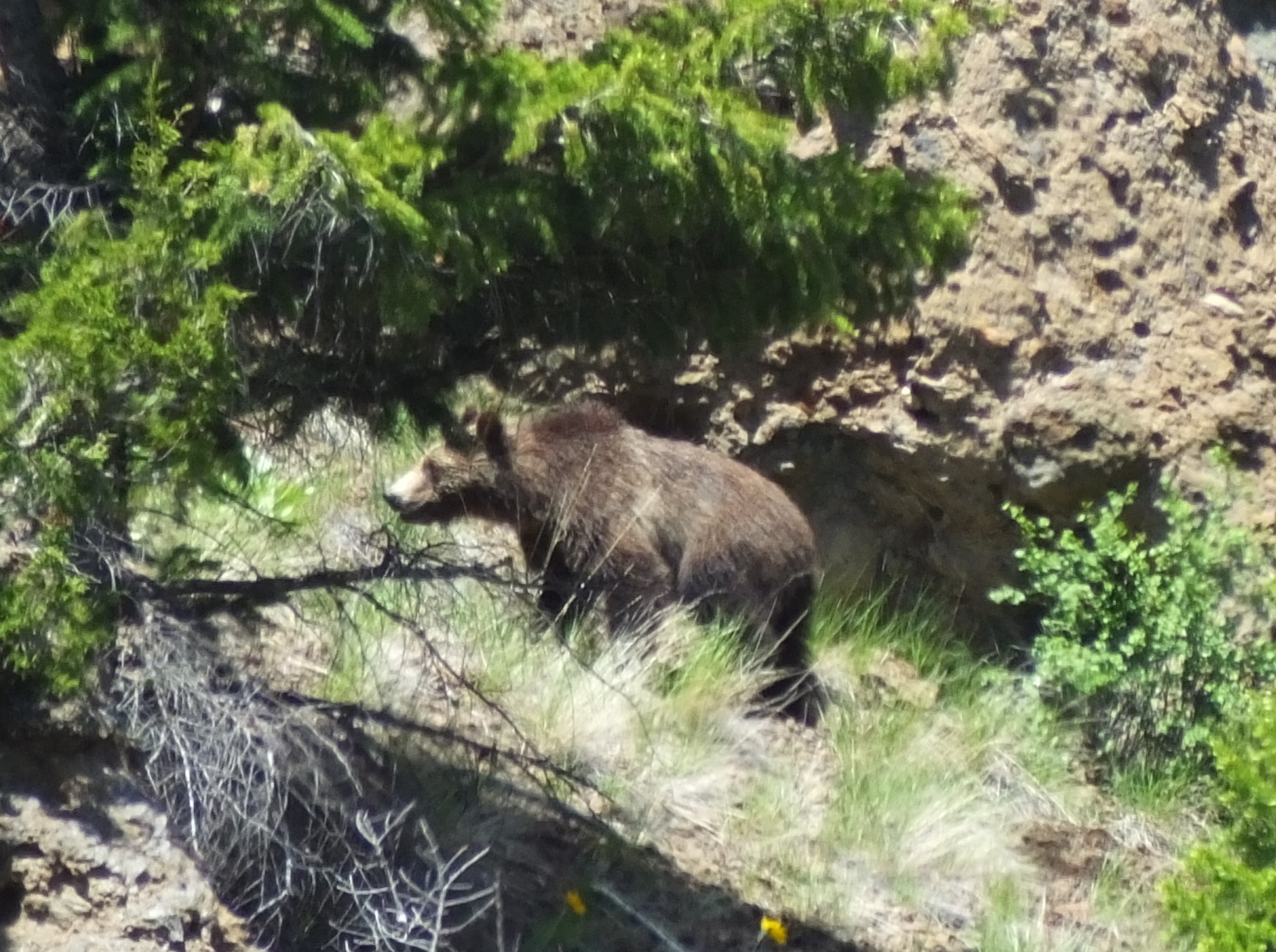
 We didn’t see moose or wolves during our visit, but we did see a coyote and several big horn sheep.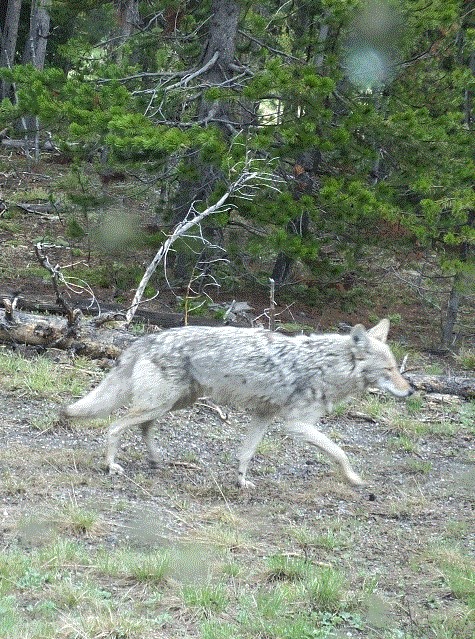
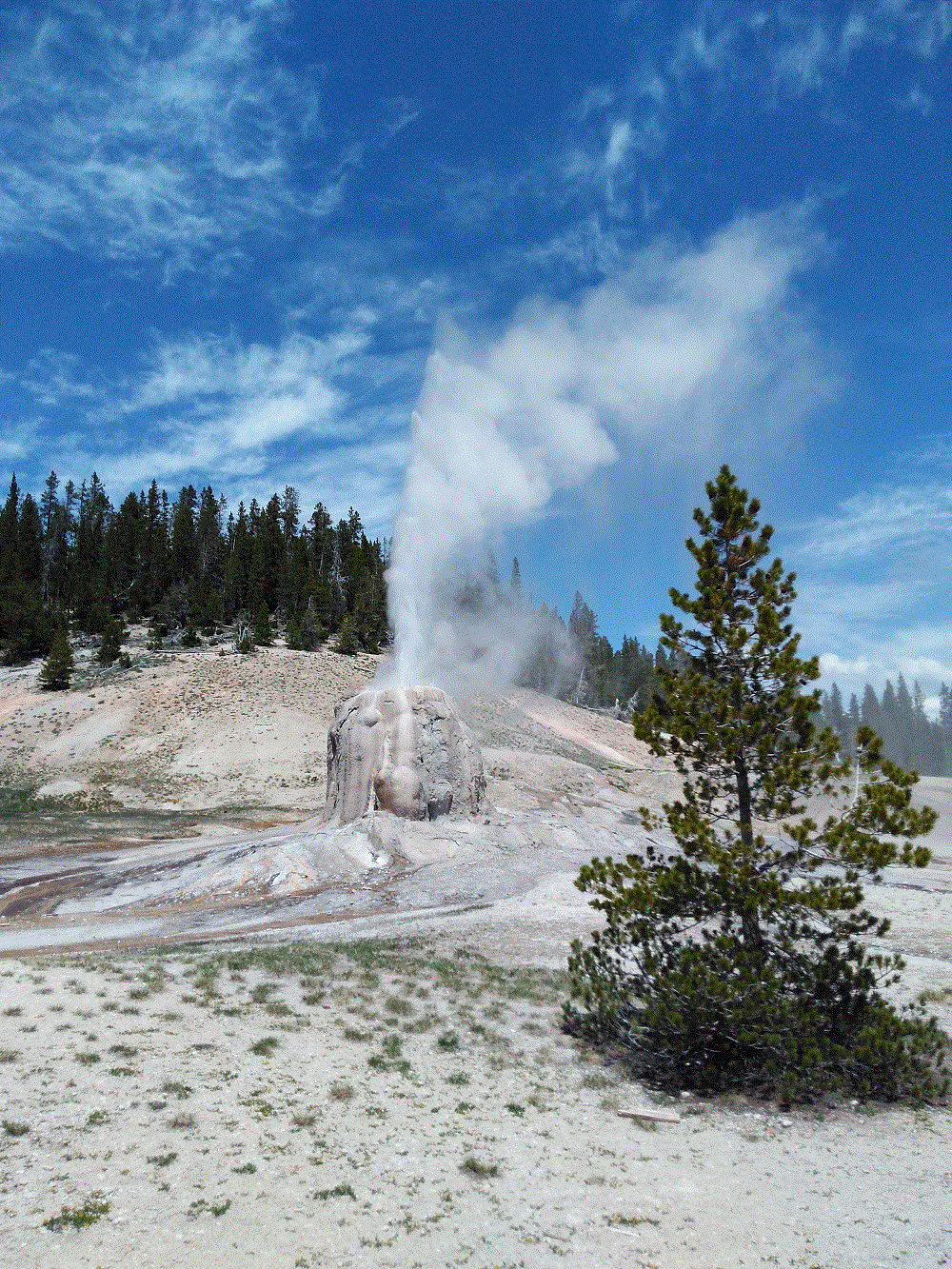
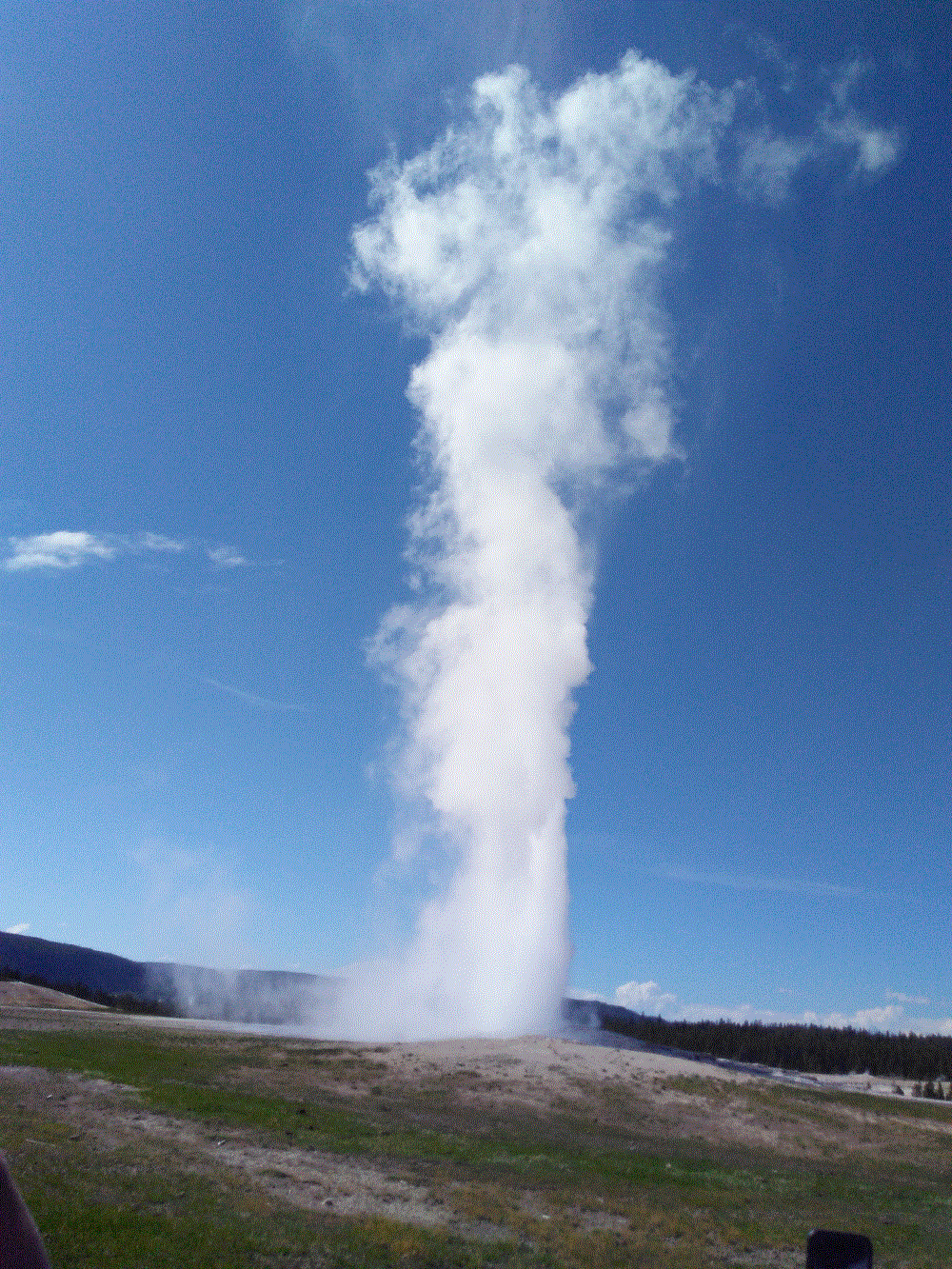 What this photo doesn’t show is the wide boardwalk along one side of Old Faithful that includes benches and standing areas for hundreds of people. Behind that is Old Faithful Lodge, stores, restaurants, a gas station, huge parking areas and more. Everyone wants to see this iconic piece of Yellowstone.
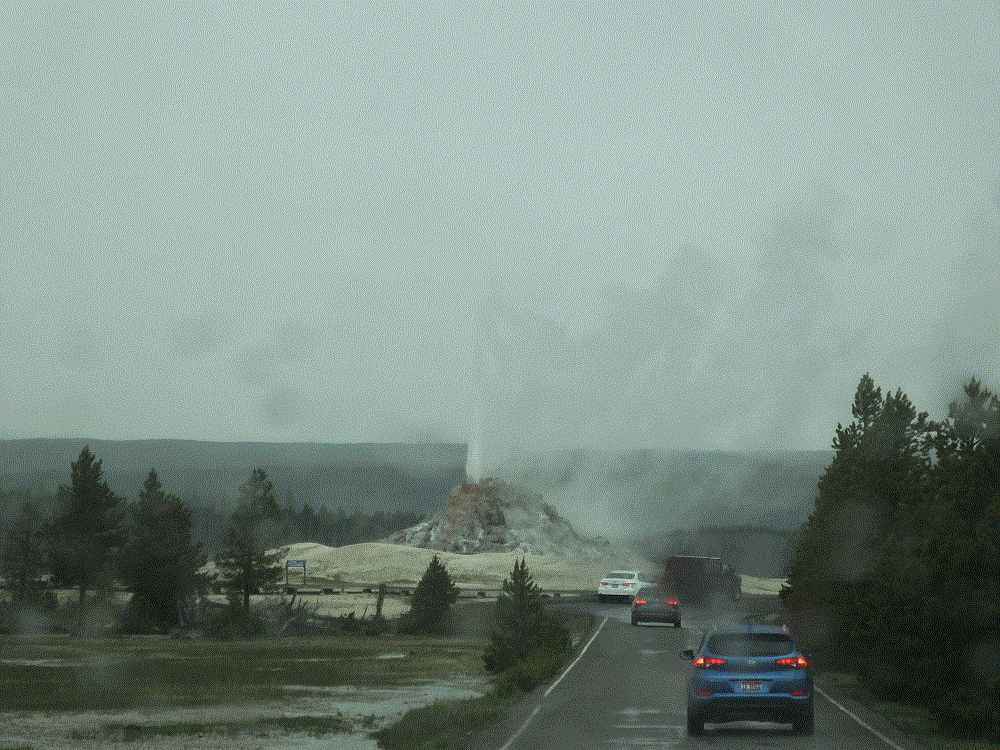 You may have seen recent news about another Yellowstone geyser that has erupted eight times this year after infrequent eruptions in recent years. Steamboat Geyser’s eruptions are much larger than Old Faithful. Unfortunately we weren’t there when it erupted – we missed it by three days.
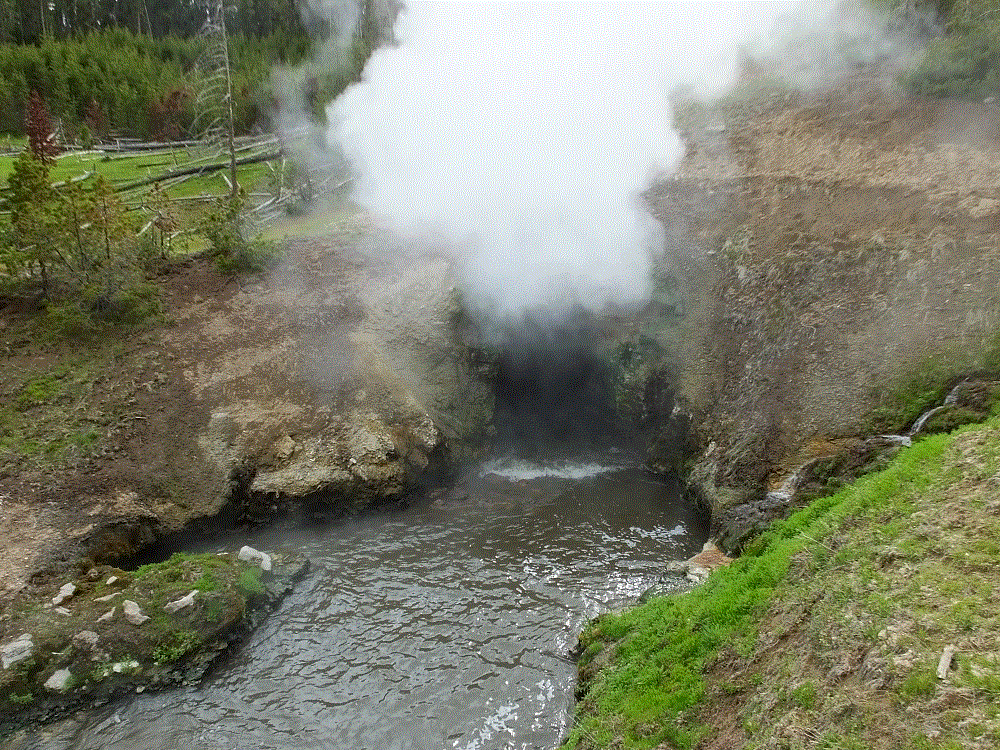 There are MANY more thermal features in Yellowstone – 10,000 by one estimate. We are blessed to have such a place to visit. Even without the amazing scenery and wildlife, the thermal features make a visit to Yellowstone a must!