
(2025 Balloons and Beyond Ep 10)
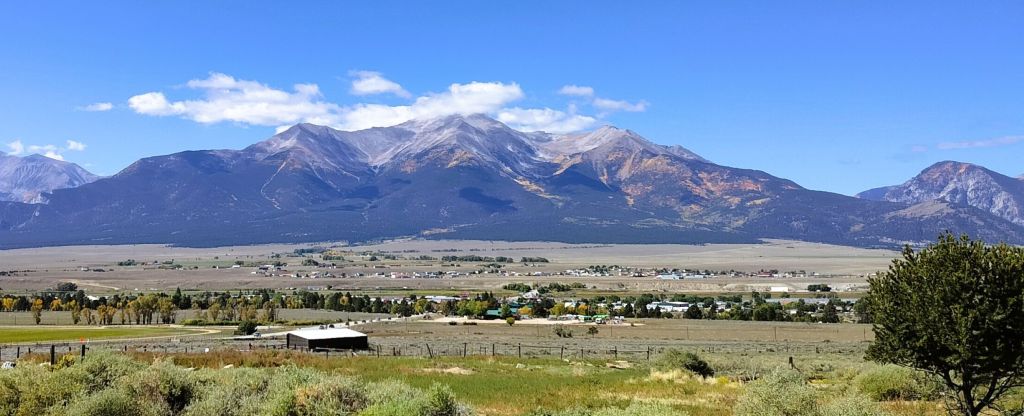
Buena Vista
Bad weather and early snows behind us, we continued south through central Colorado. We spent the night and did laundry in the small town of Buena Vista, where we were awed by incredible views of the Collegiate Peaks. Princeton, Yale and Harvard are three of fifteen 14ers (mountains over 14,000 feet) in the range across the valley.
We had a true Buena Vista (good view).

Alligators in Colorado?
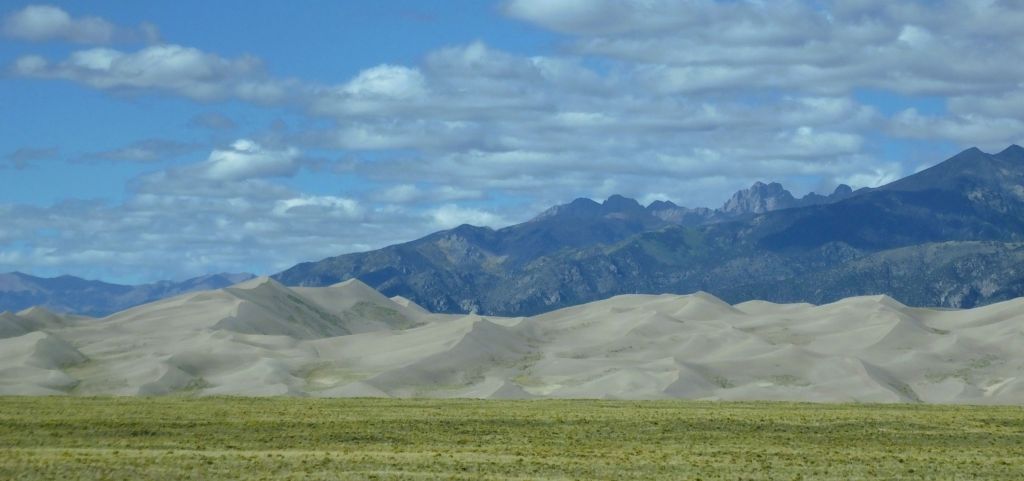
The next morning, we drove Colorado route 17 southward toward the cutoff for Great Sand Dunes National Park and Preserve. To our left were the jagged peaks of the Sangre de Cristo mountains. We saw a brownish blur at the base of the mountains and realized it was the dunes – more than 30 miles away.
A road sign caught our attention, and we turned around for a closer look.
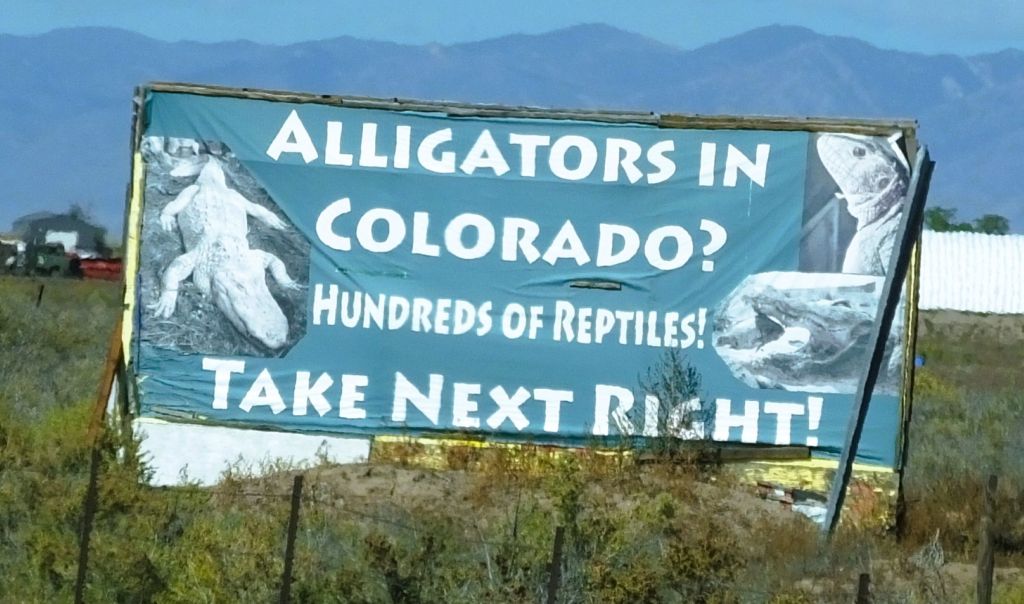
How could there be gators in Colorado? A tunnel from the Everglades? Holdovers from prehistoric times?
Nope.
The gator haven, located north of Alamosa, CO, started as a tilapia farm in 1977. In 1987, 100 one-year old gators were purchased to dispose of fish-processing waste. The fish (and gators) flourished in the 87-degree water from a 2050 foot deep geothermal well, and as the gators grew, visitors wanted to see them.
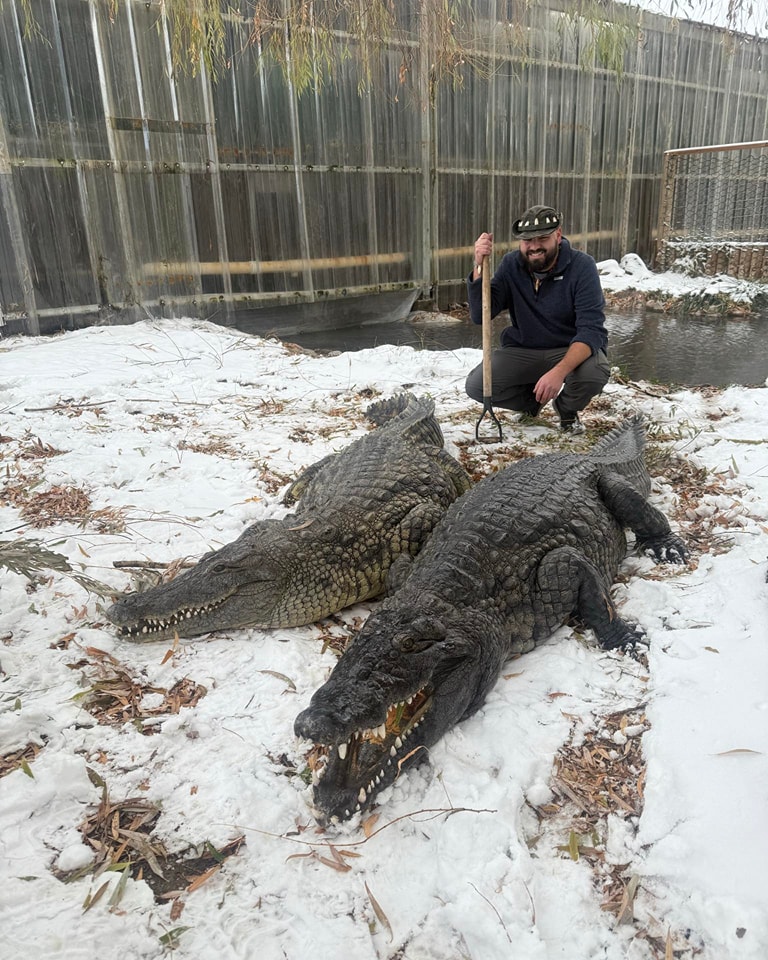
The farm, now the Colorado Gators Reptile Park, was opened to the public in 1990 and has become a home of unwanted, abused and even dangerous gators and other reptiles.
Great Sand Dunes
An hour or so later we arrived at Great Sand Dunes National Park and Preserve.
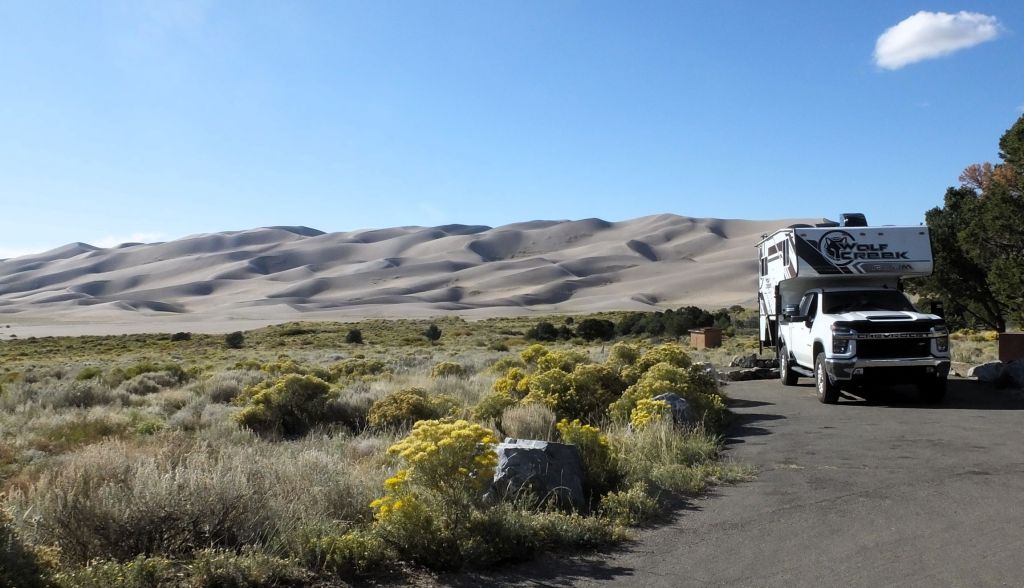
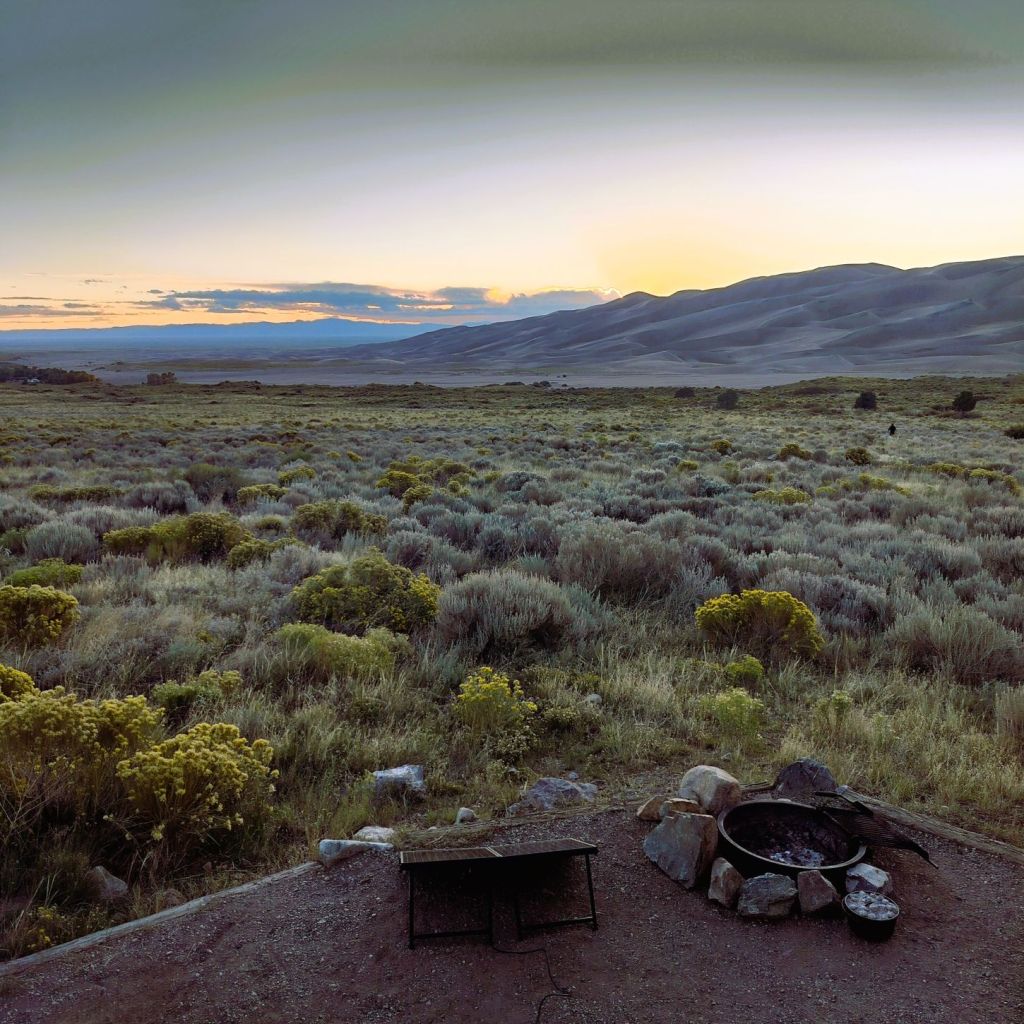
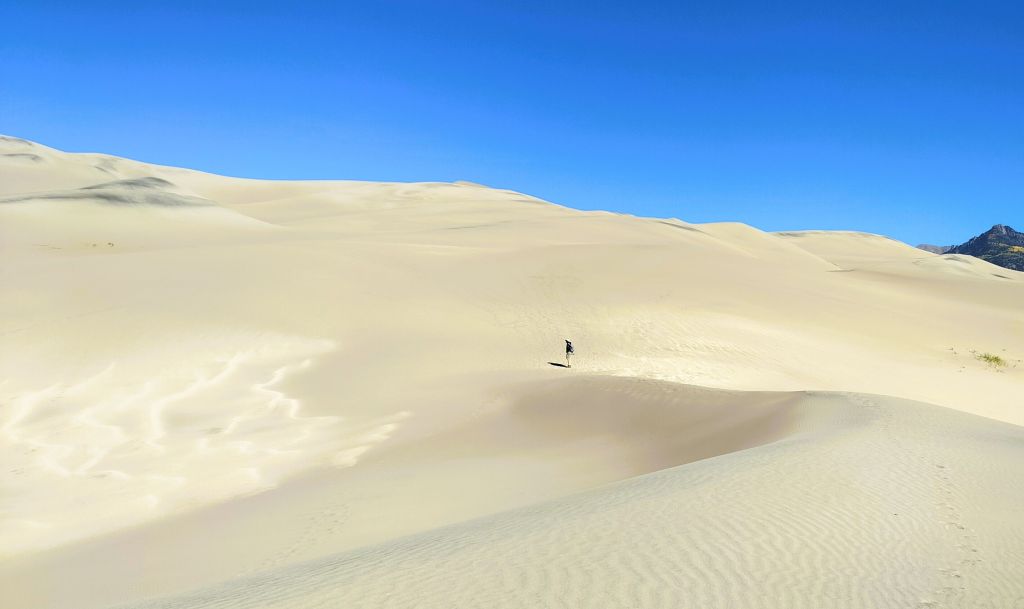
From our campsite we could see the dunes, the tallest sand dunes in North America, some as high as 750 feet!
The dunes were formed from sediments from surrounding mountains blown by southwest winds toward the base of the Sangre de Cristo mountains. The dunefield is approximately 30 square miles in size!
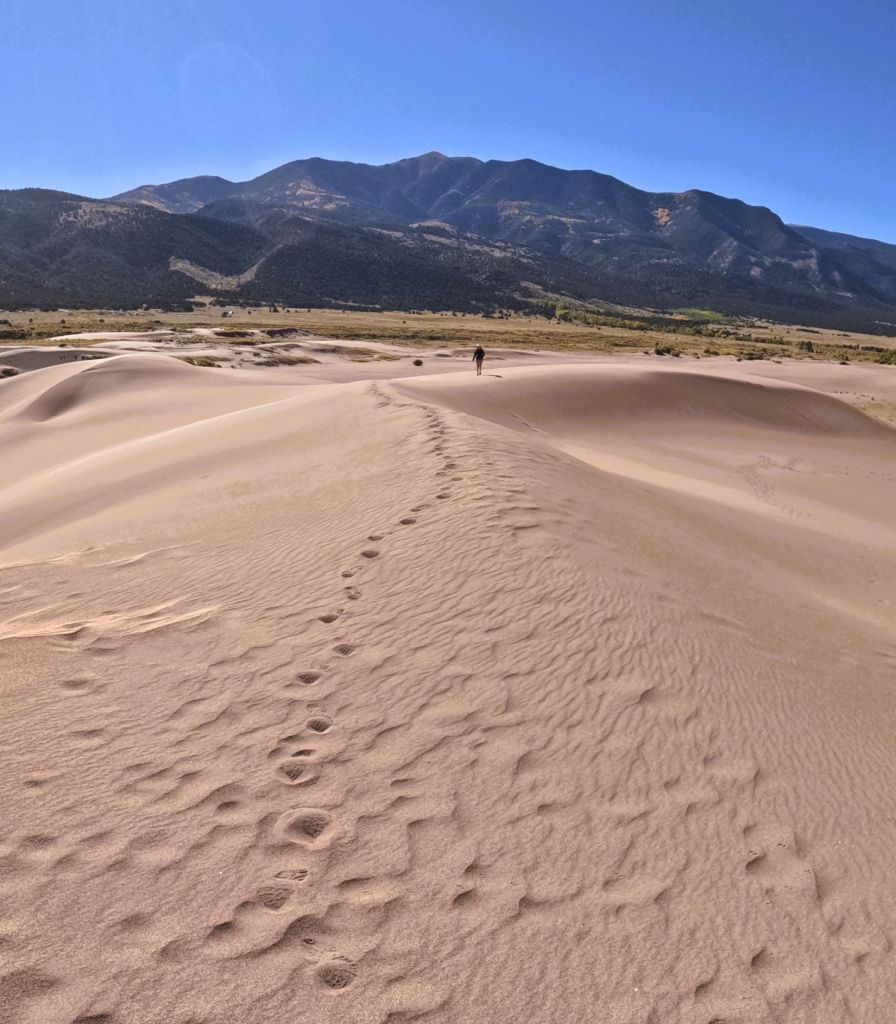
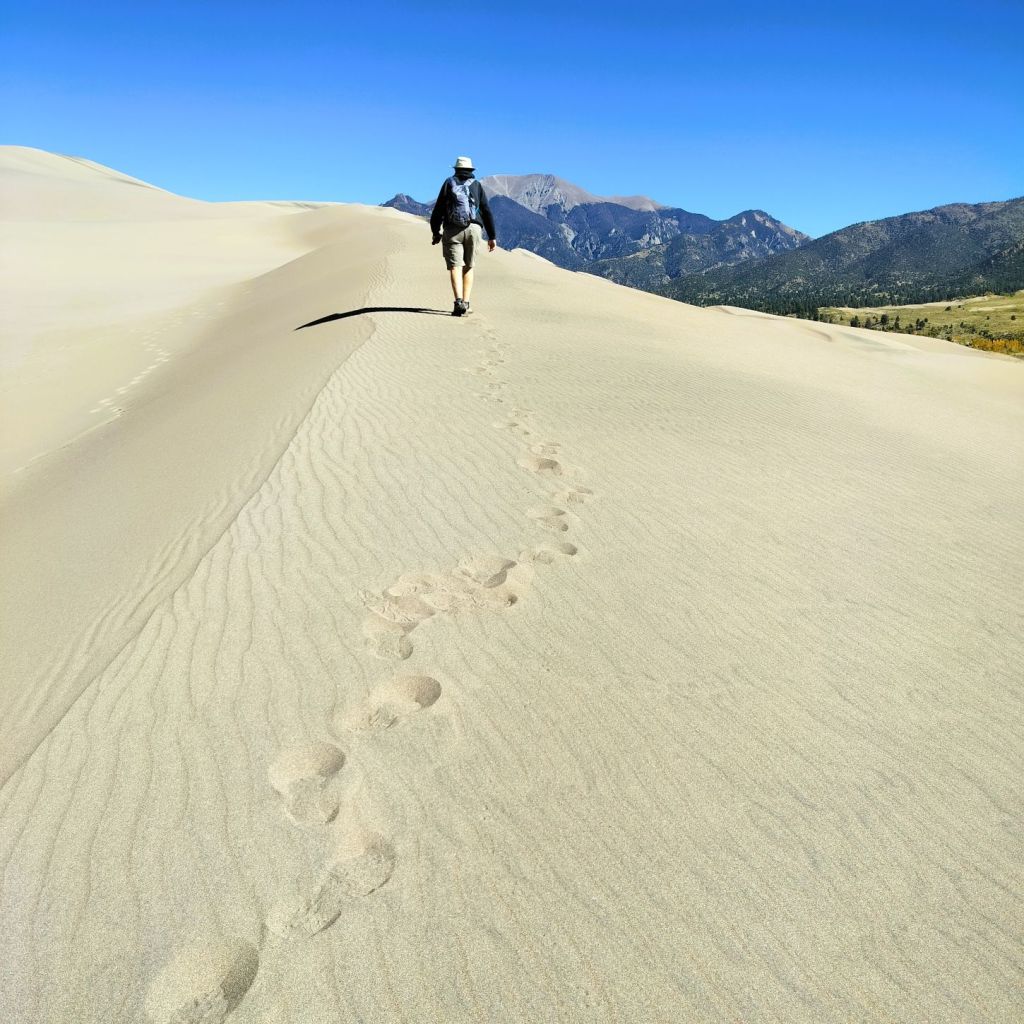
The next morning we hiked a half mile to the dunes. In the spring and early summer, the Medano Creek flows along the base of the dunes and visitors must wade across the shallow creek to reach the dunes. It was late September during our visit, and the sandy creek bed was dry as we began our hike.
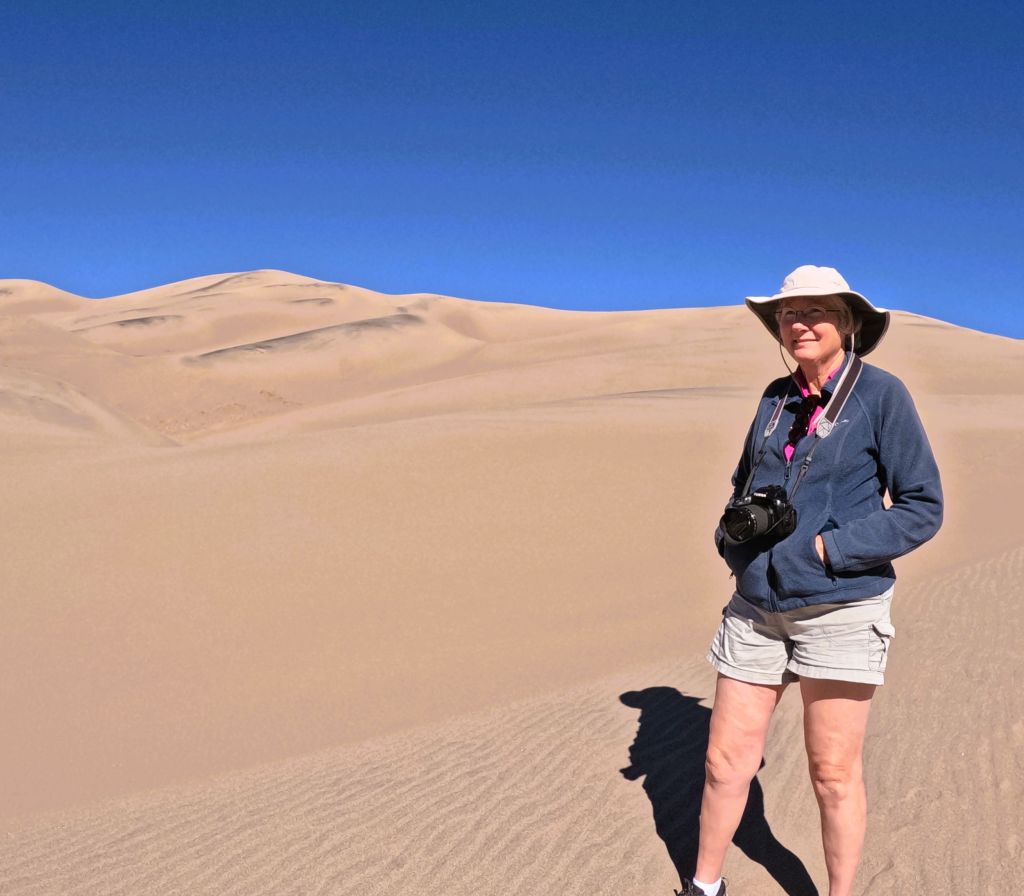
We hiked up several ridges and spotted tiny Pap and Percy far off in the campground. As we topped each dune, still higher dunes appeared. People above us were making their way to the top.
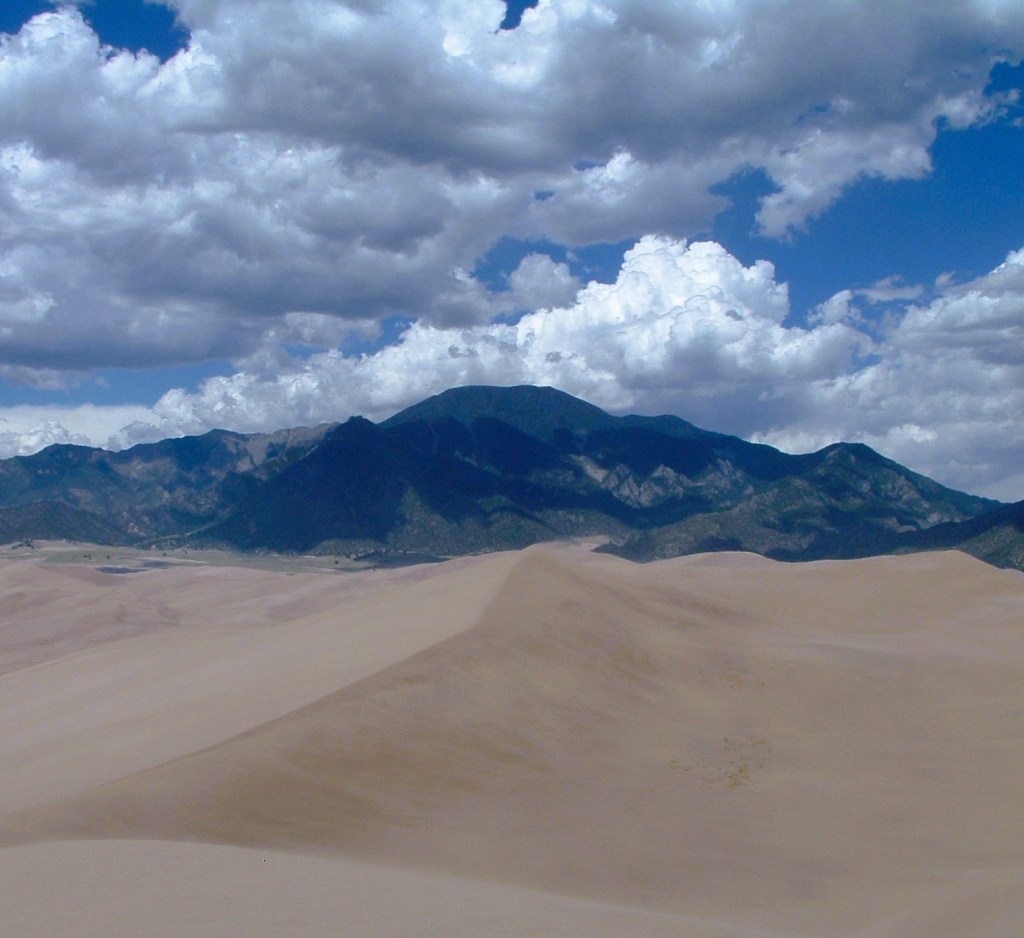
During a visit to the park in 2004, our son, Phil, took some beautiful pictures from the top of the dunes. The dunes are best photographed in the early morning and late afternoon when the shadows make the dunes stand out from the tall mountains beyond.
Viva Zapata!
A ranger at the visitor center recommended a nearby hike to Zapata Falls. The falls’ Spanish name refers to a settlement in the San Luis Valley started by Mexican families in 1864.
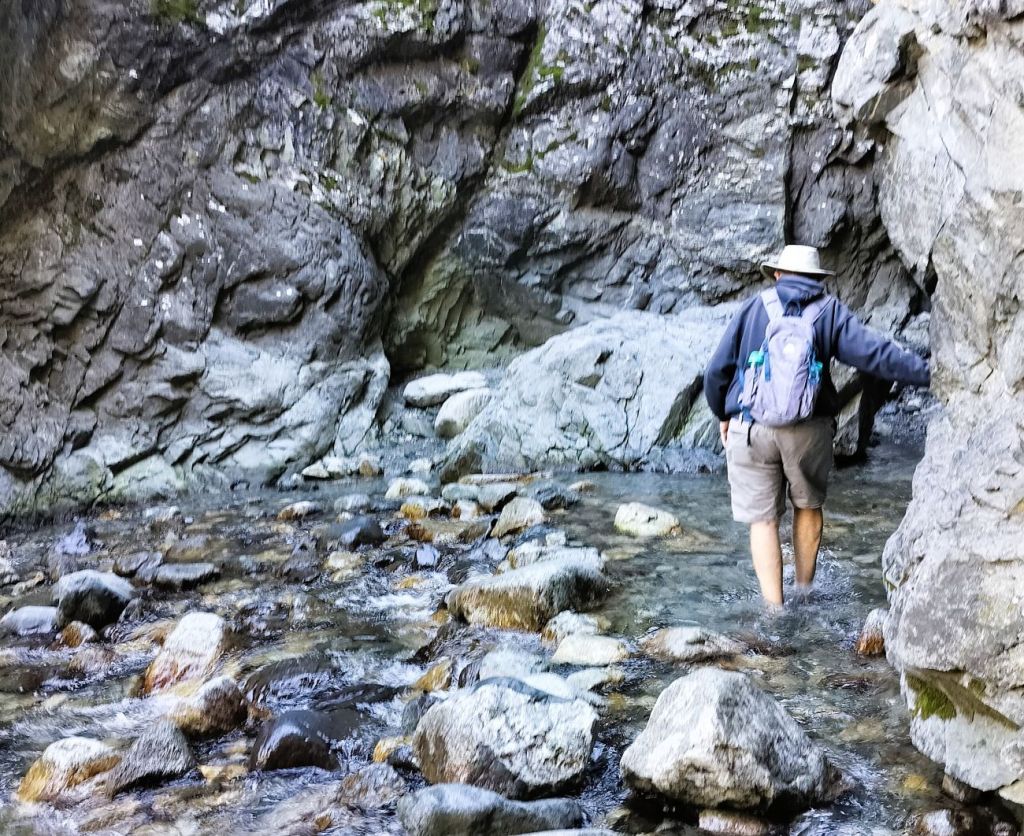
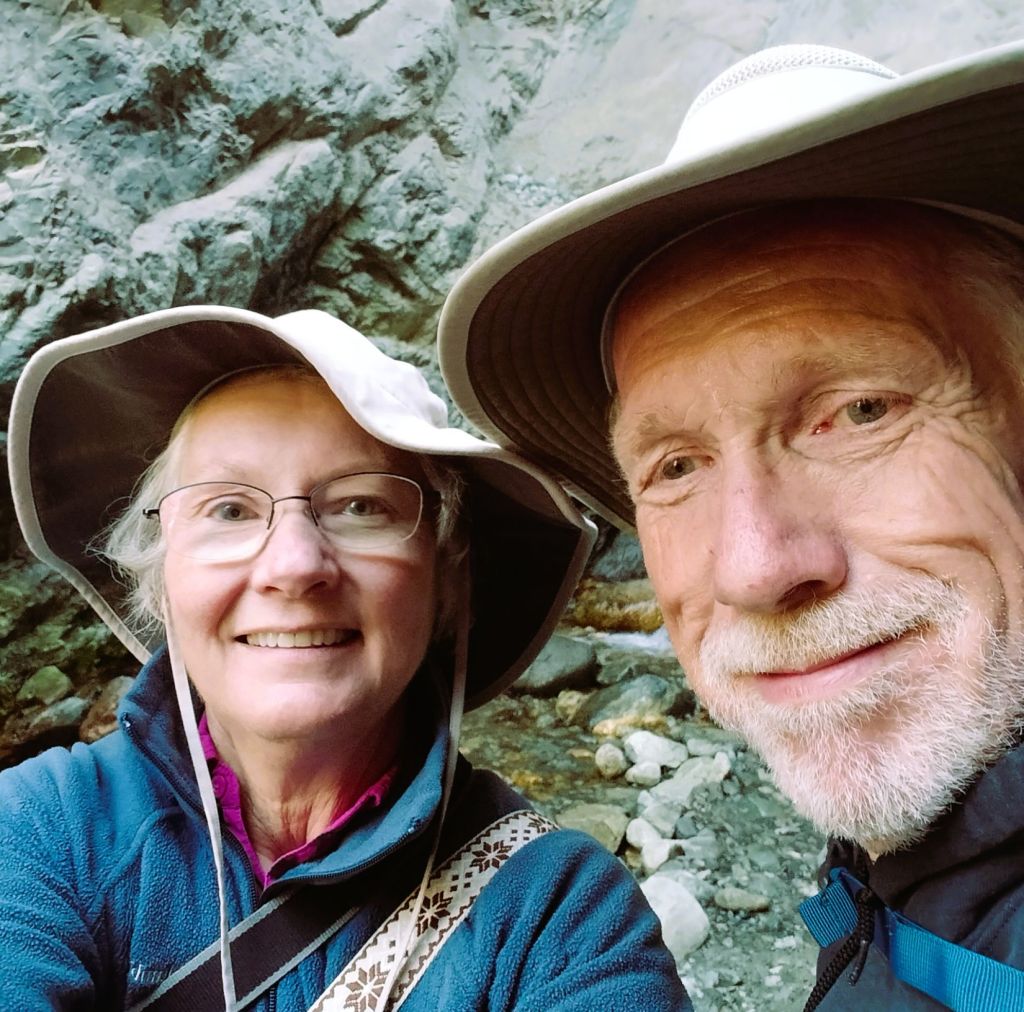
We hiked a half mile up a steep and rocky trail to South Zapata Creek. For the final 75 yards, we scrambled over rocks and waded through the VERY cold creek.
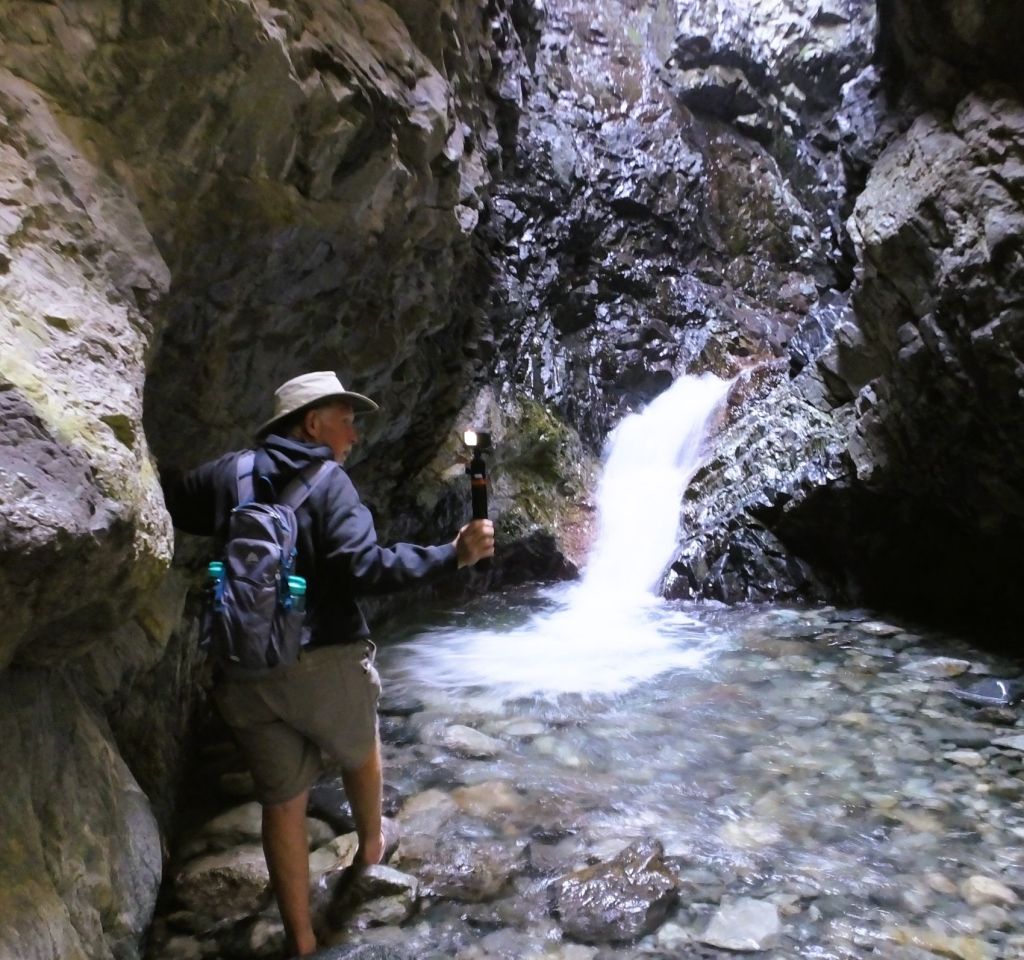
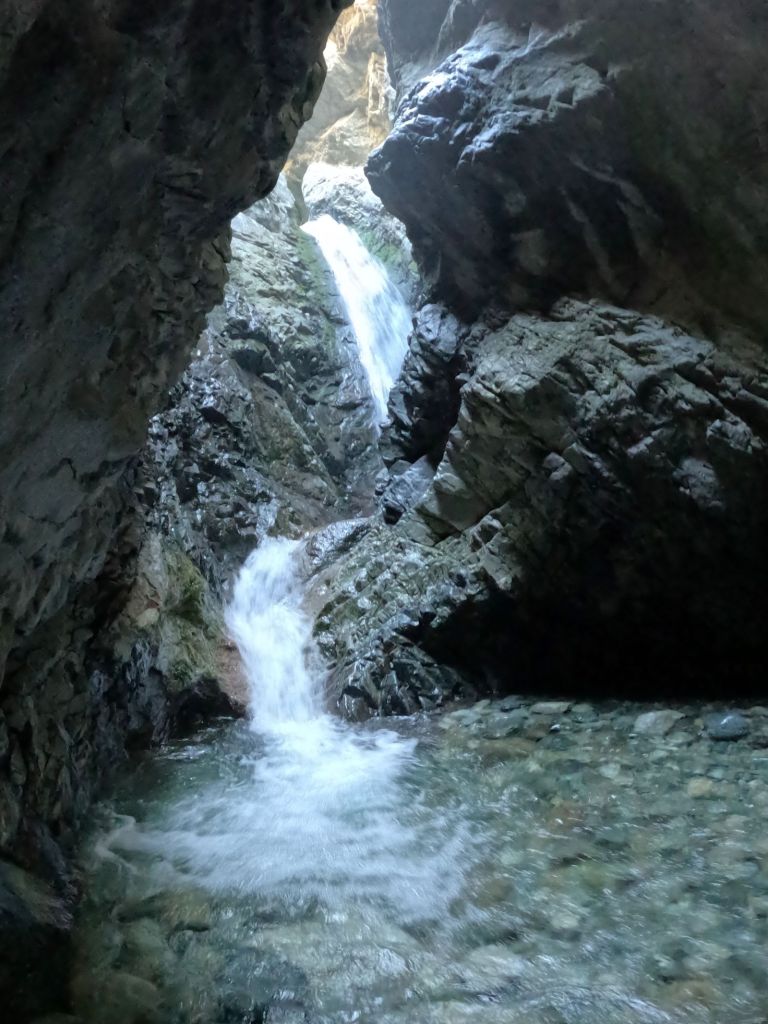
The marvelous 30-foot falls are hidden in a narrow, shaded gorge.
We thought about how refreshing the falls must be on a hot summer day and how stunningly beautiful they must be when frozen during winter.
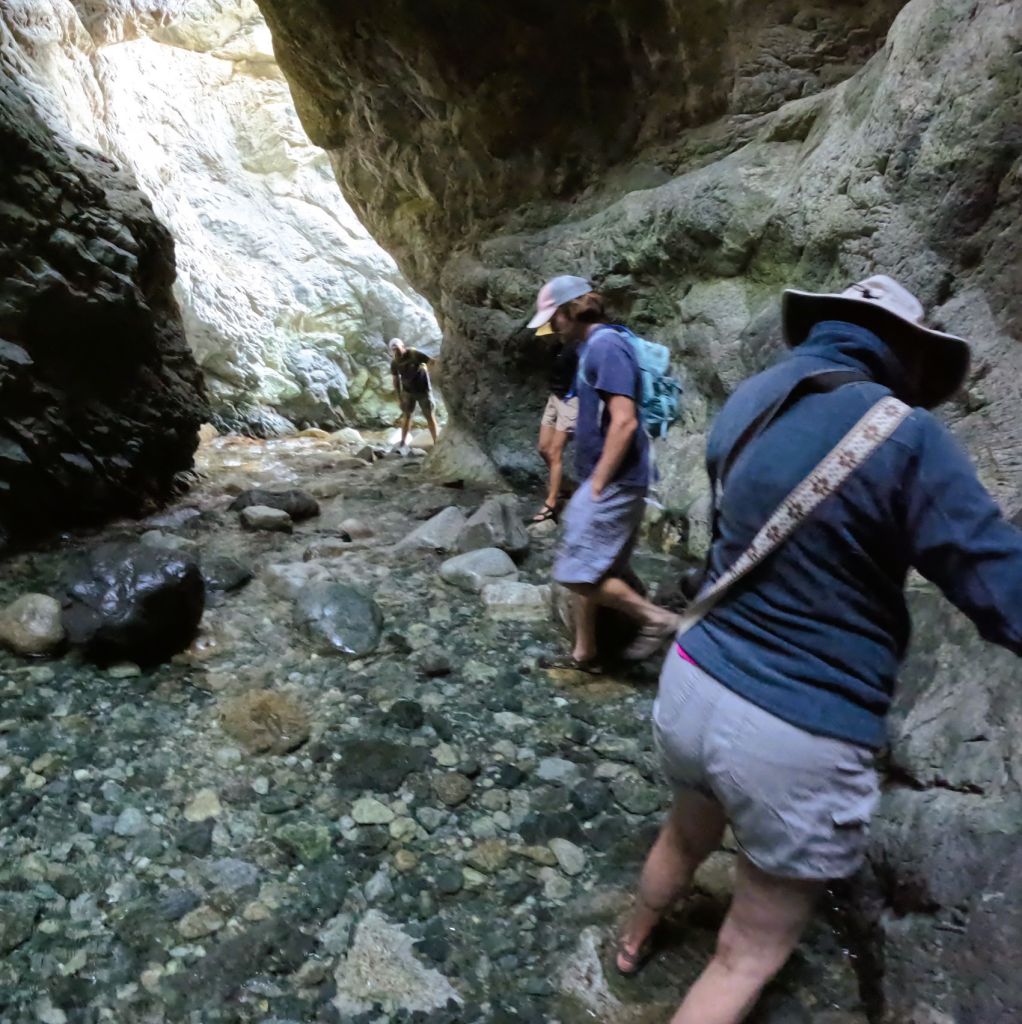
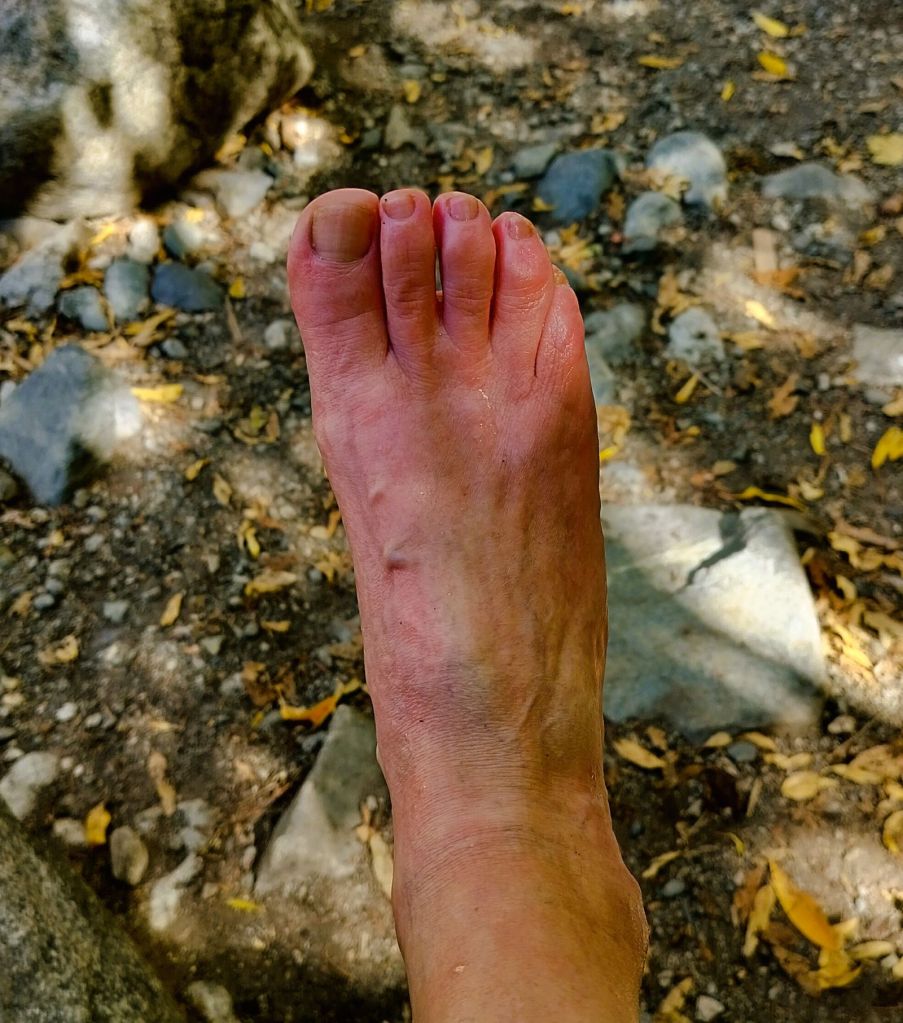
Our main concerns, however, were carefully hiking down the creek from the falls and thawing our feet when we changed from water shoes back to hiking boots.
Next Week
We visit Black Canyon National Park, a deep and narrow gorge in central Colorado.
(Don’t forget to LIKE our blog posts and to SUBSCRIBE for future updates)

 Take the LONG Road...