
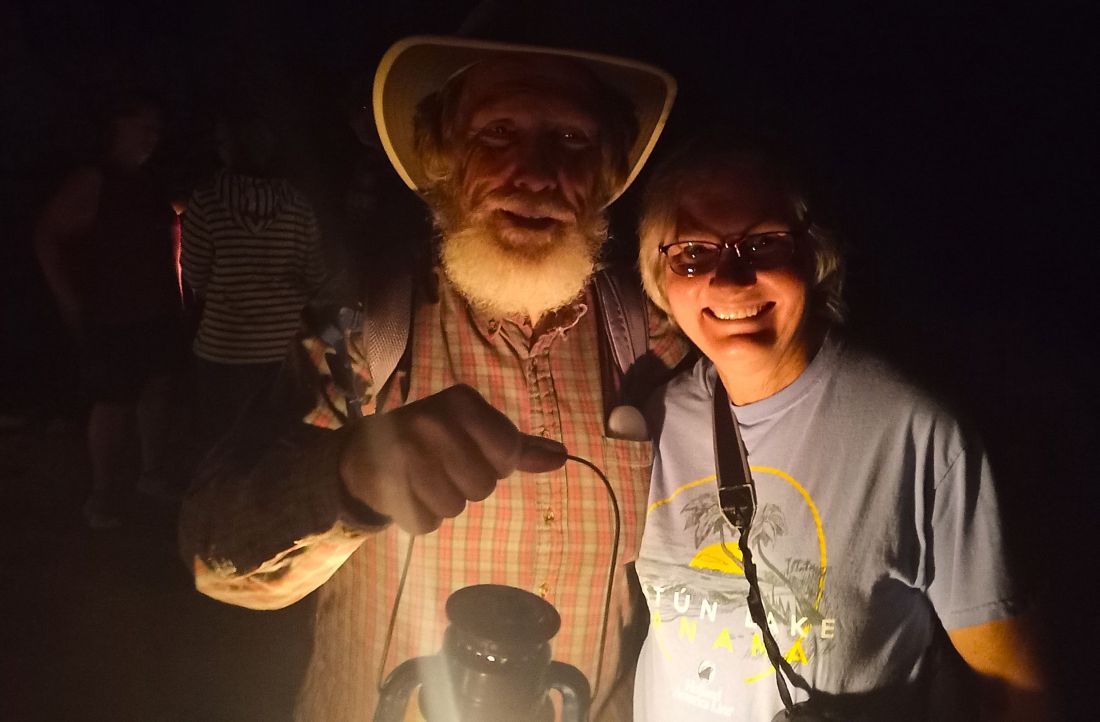
(2023 Alaska Revisited Ep 29)
Our trip home included visits to two national parks.
Theodore Roosevelt National Park
After the death of his wife and mother on Valentine’s Day 1884, Teddy Roosevelt sought solitude and healing in the North Dakota Badlands. The rugged landscape and strenuous life that he experienced there helped shape the conservation policy we benefit from today.
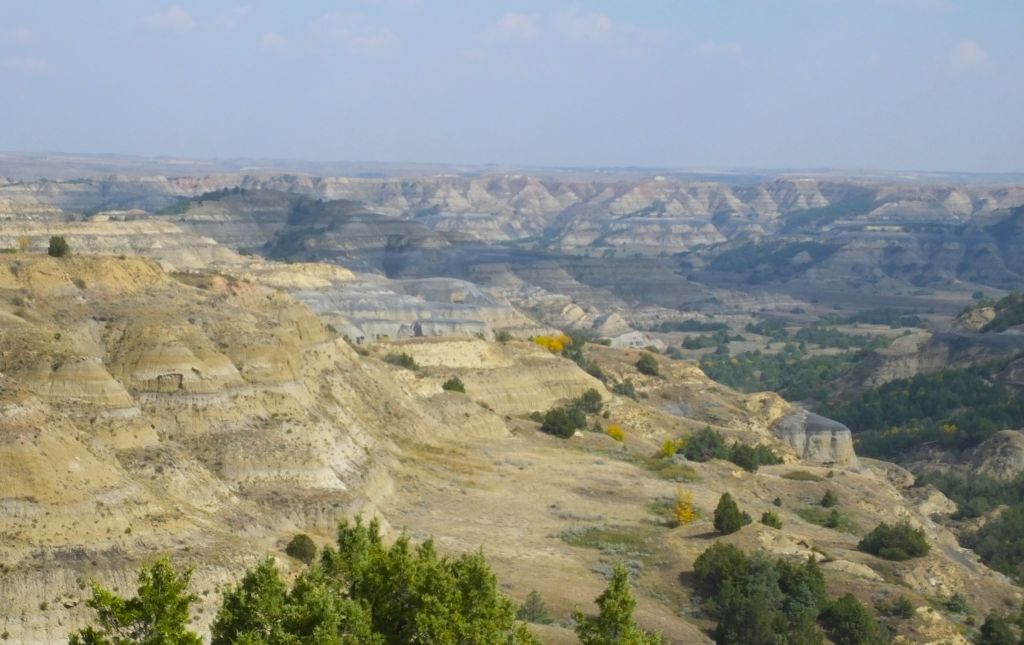
His ranch and two nearby areas are now part of Theodore Roosevelt National Park.
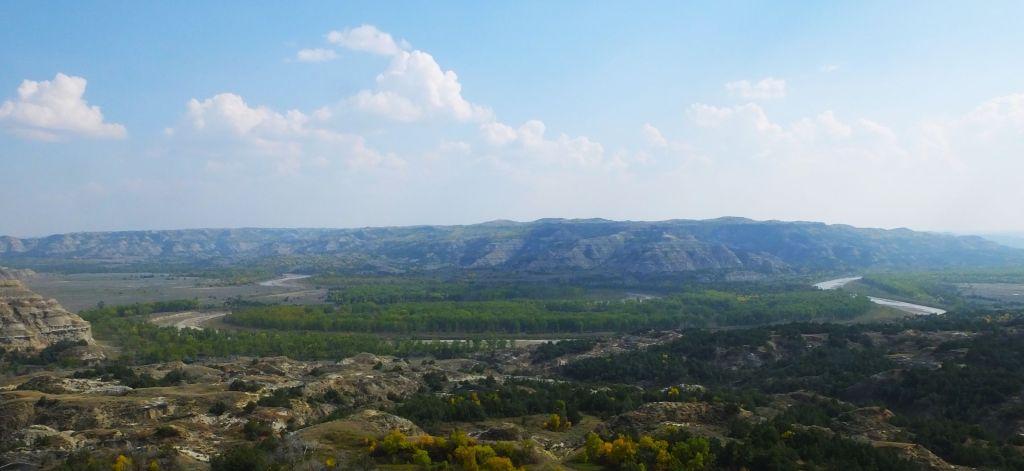
We spent three days in the park and marveled at the weathered landscape and the Little Missouri River that winds through the park. Two scenic drives provided plenty of viewing opportunities of deep, layered canyons that cut into the grassed prairie and a wide variety of Great Plains wildlife, including bison, pronghorn antelope, elk, bighorn sheep and wild horses.
We hiked two miles along a small canyon to hard packed bottom land. The trail passed small dirt piles with a few prairie dogs scurrying about. We were at the prairie dog suburbs.
Ahead, we came to many, many more dirt piles and hundreds of the yapping terrier-sized critters that announced our arrival. Some scurried in and out of holes, and others sat or sprawled lazily, watching us closely. This was TRNP’s prairie dog city!
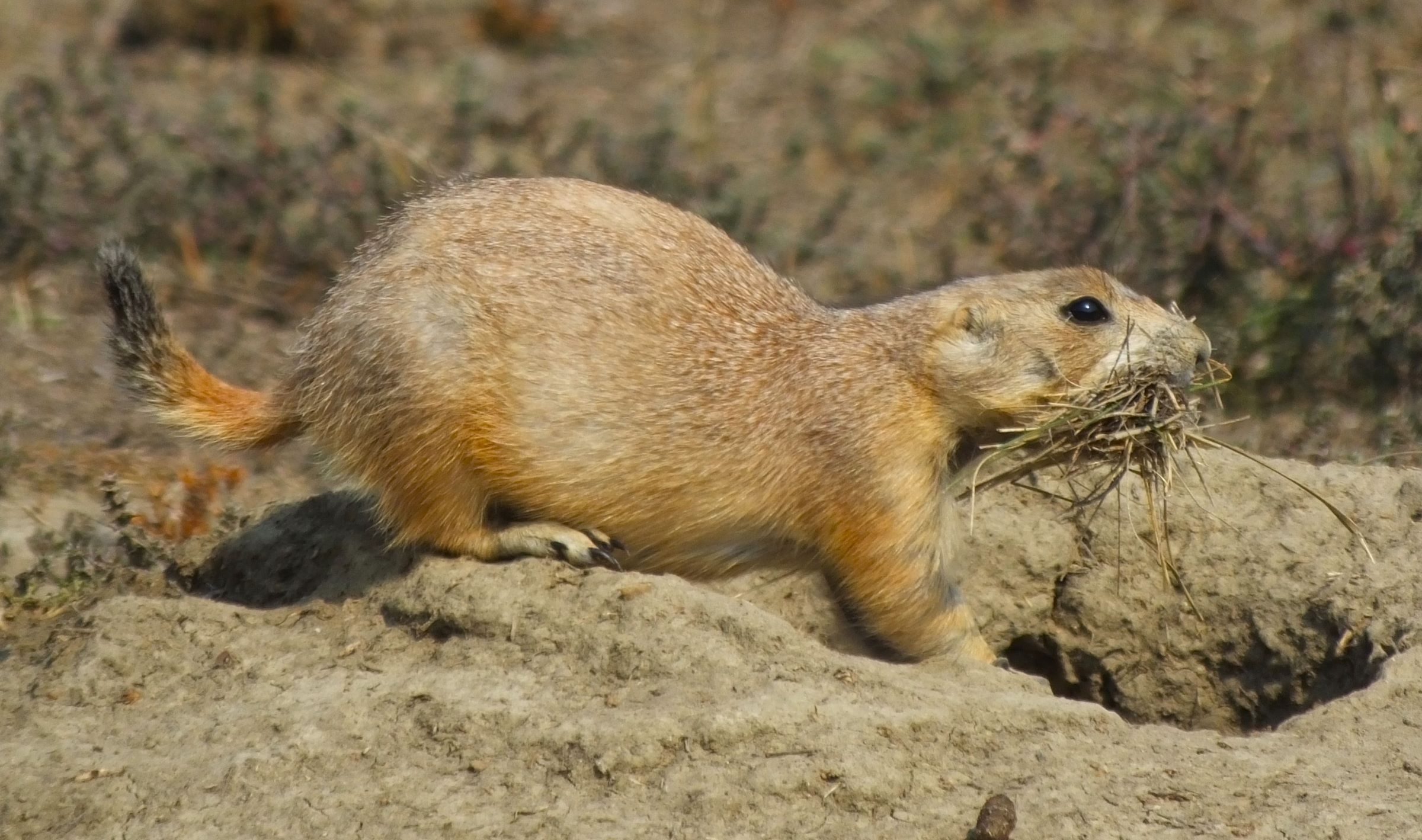
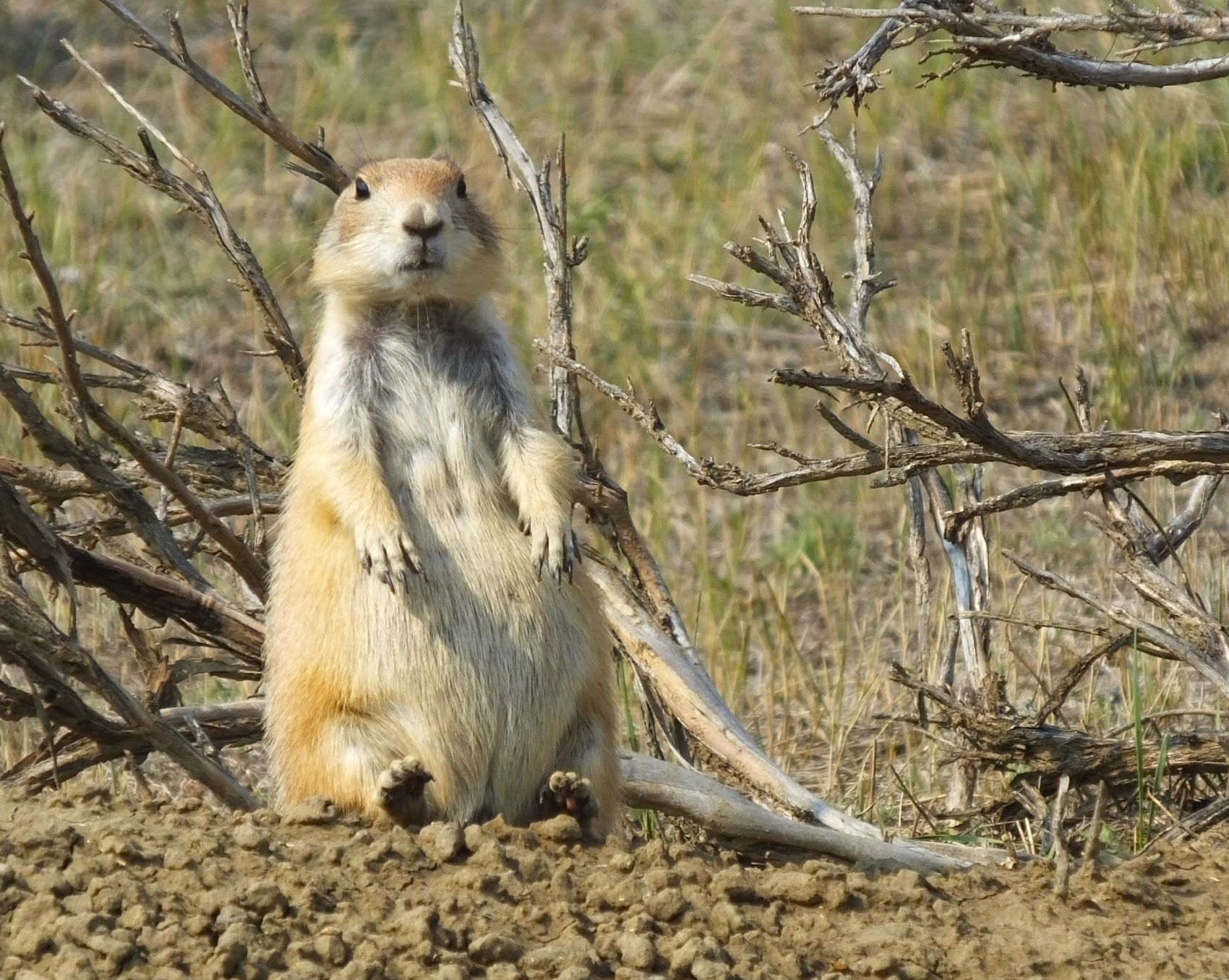
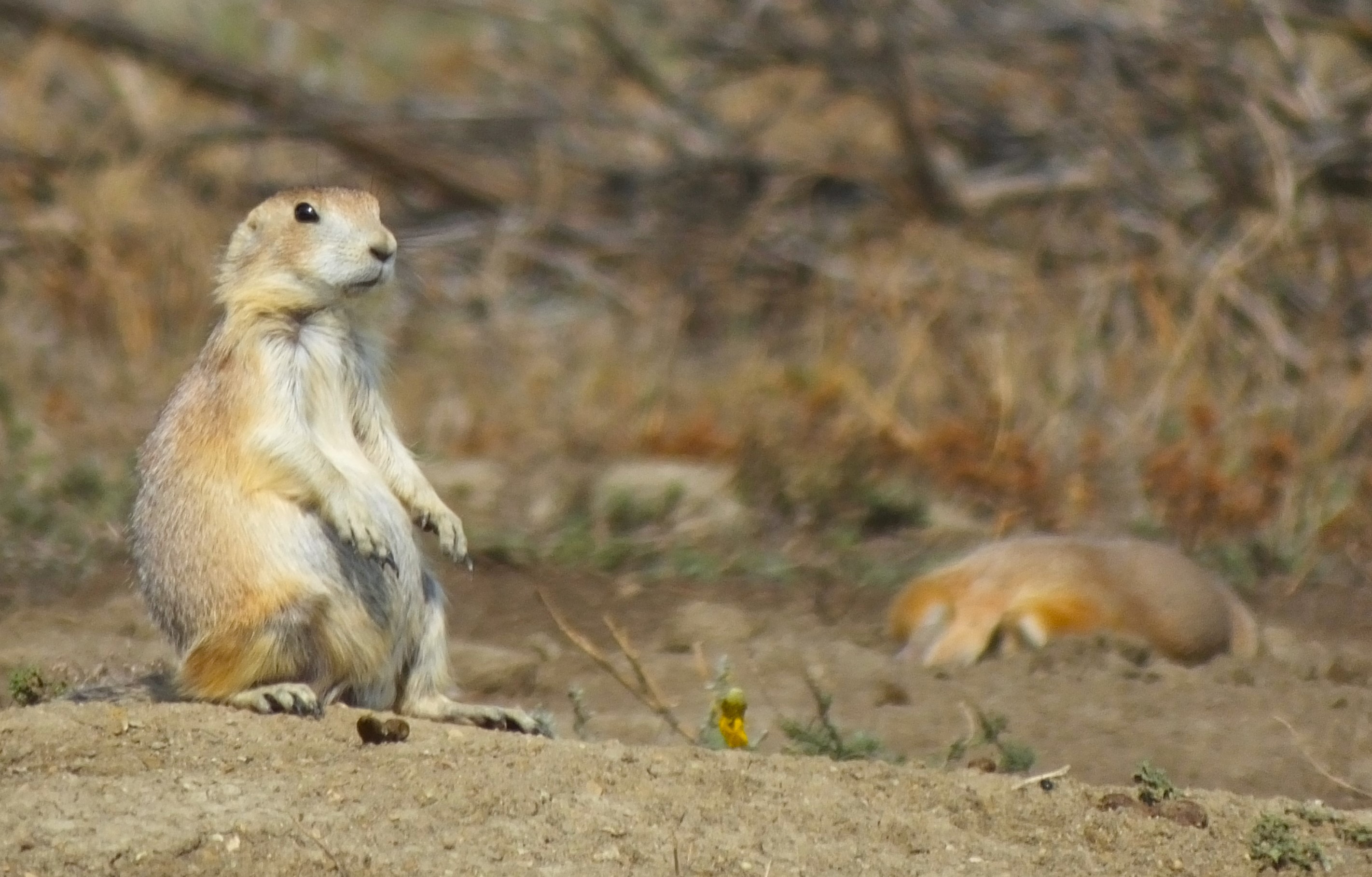
Citizens of TRNP prairie dog city
Later we saw a number of unusual cannonball-shaped rocks along the base of an eroded canyon wall. These were spherical concretions formed by mineral deposits dripping through gaps in the sediment.
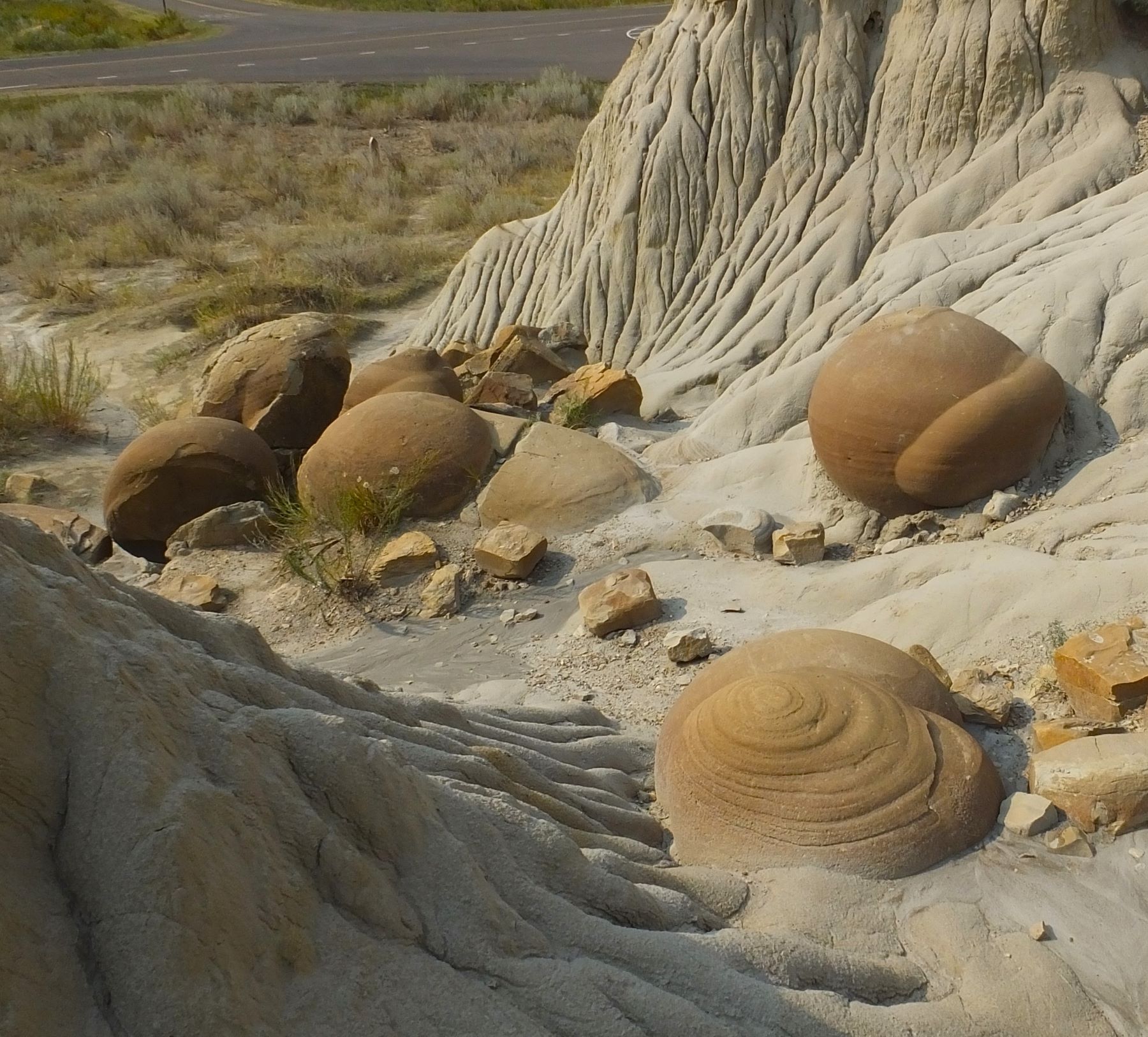
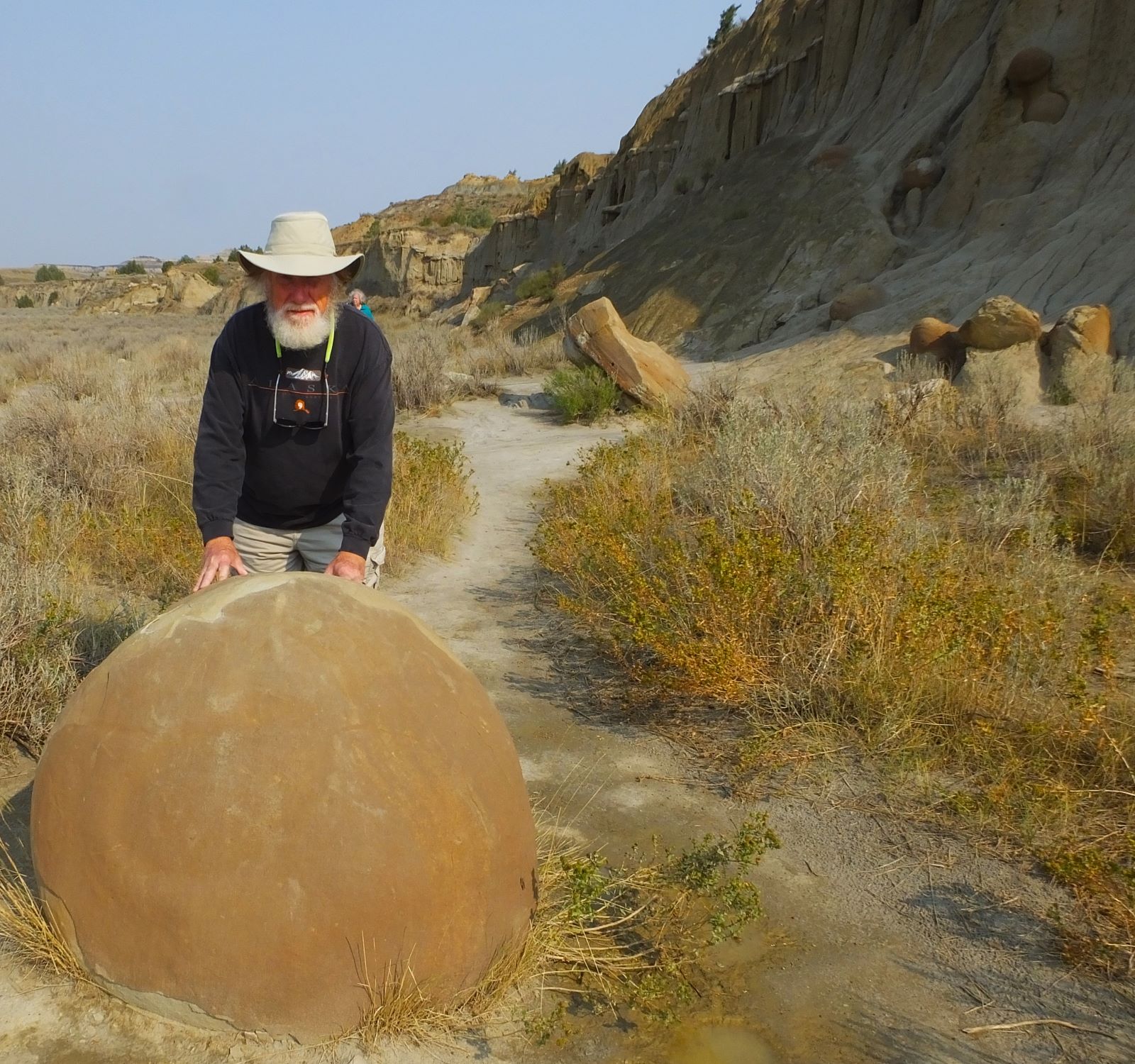
Unusual cannonballs jut out of the eroded hillsides, some more than four foot in diameter
A Close Encounter of the Bison Kind
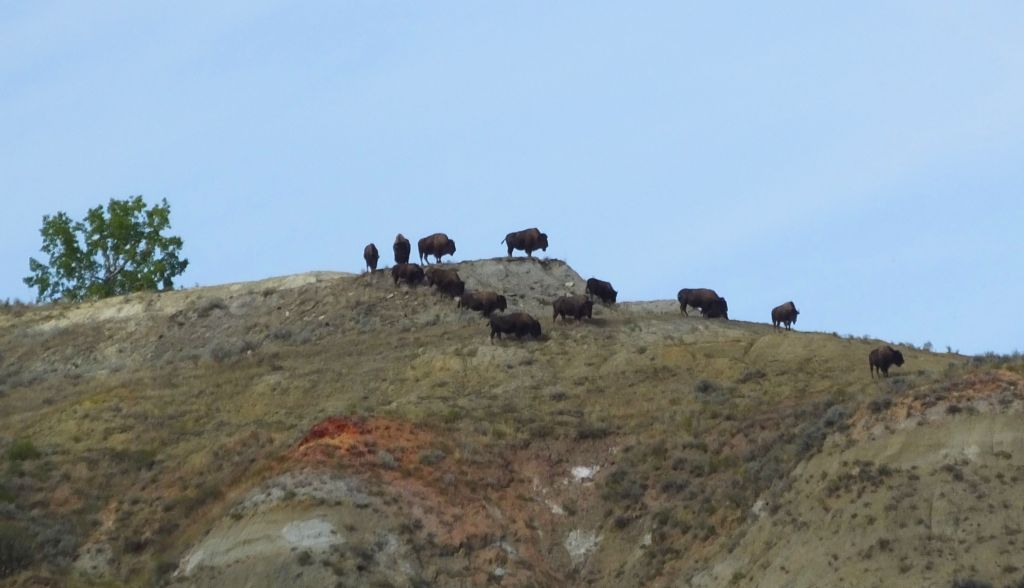
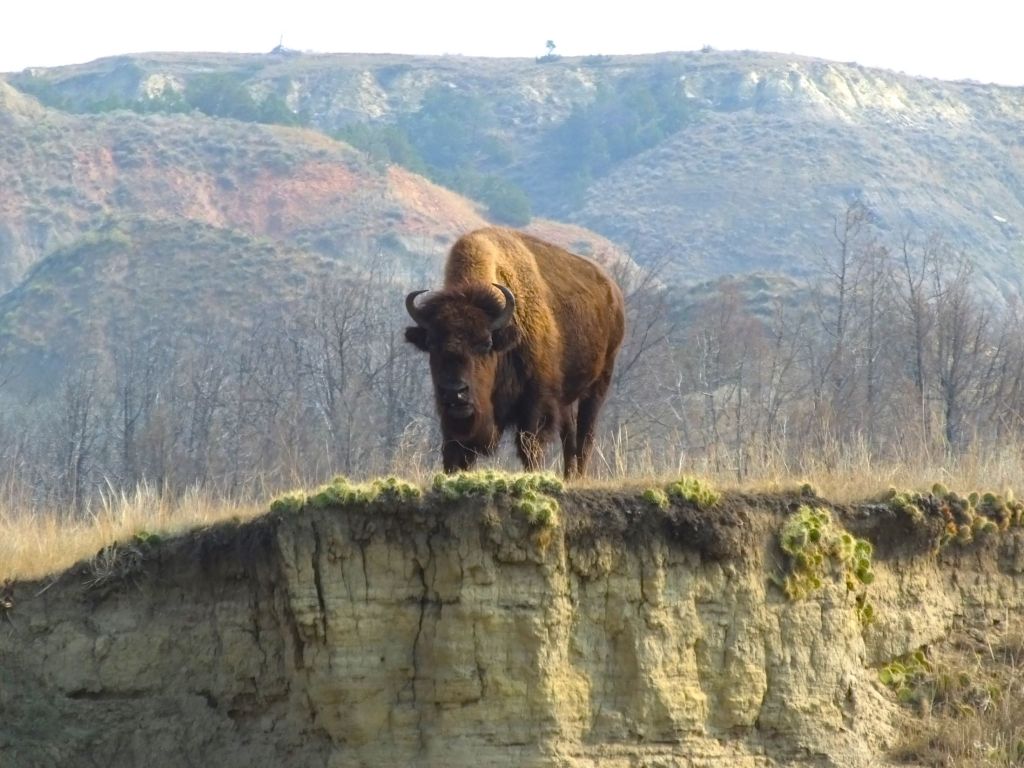
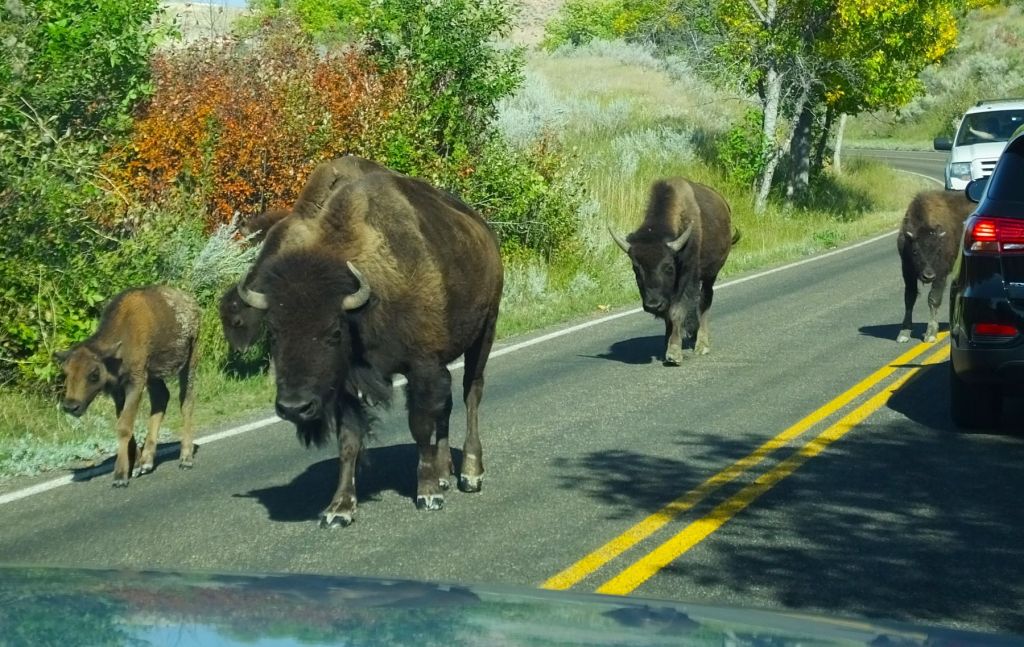
We saw telltale evidence of bison throughout the park. Individuals and small groups wandered up and down the hills and valleys, including one group of nearly a dozen bison that walked in the middle of one of the scenic drives. Several passed within feet of our truck!
Our mid-September visit to TRNP was enjoyable: the scenic drives and trails weren’t crowded, campsites were available in the park and the weather was pleasant. If you pass through North Dakota on Interstate 94, the park is a great stop.
From TRNP, we continued south, visiting many of the roadside attractions mentioned recently in RabbiTRAILS episode 27 and episode 28.
Mammoth Cave National Park
Closer to home, we visited Mammoth Cave National Park in south-central Kentucky. Explorers have surveyed and mapped 426 miles of the cave, making it the world’s longest known cave system.
Our last visit to the cave was in 1991, when we took several ranger-guided cave tours with Liz and Phil, our (now) adult children. 32 years later, our tours included the Extended Historic Modified Tour and Violet City Lantern Tour.
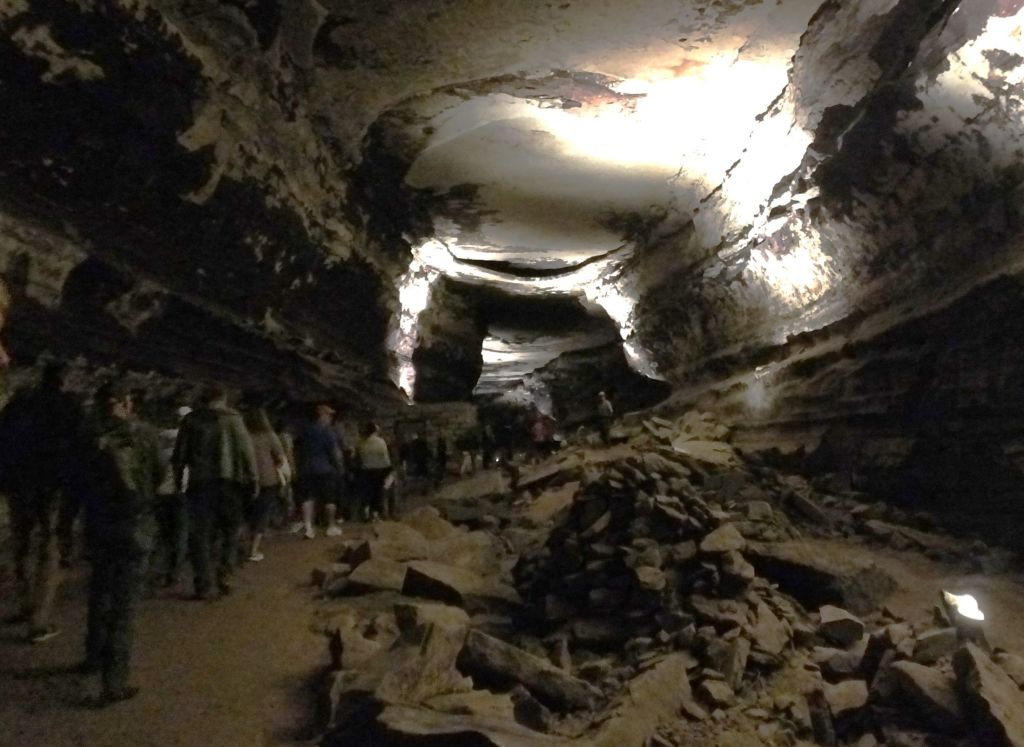
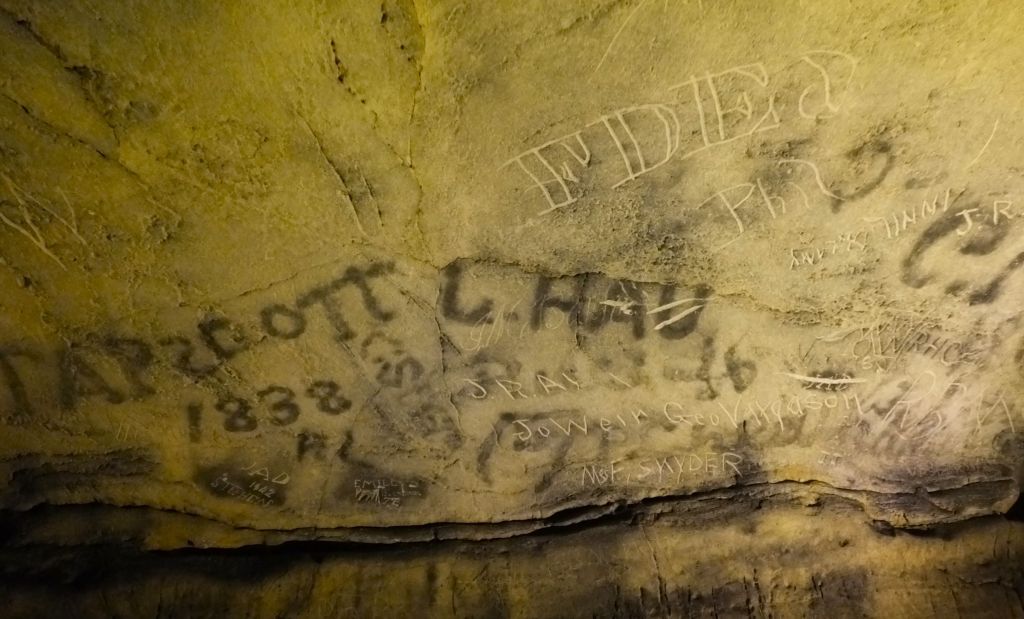
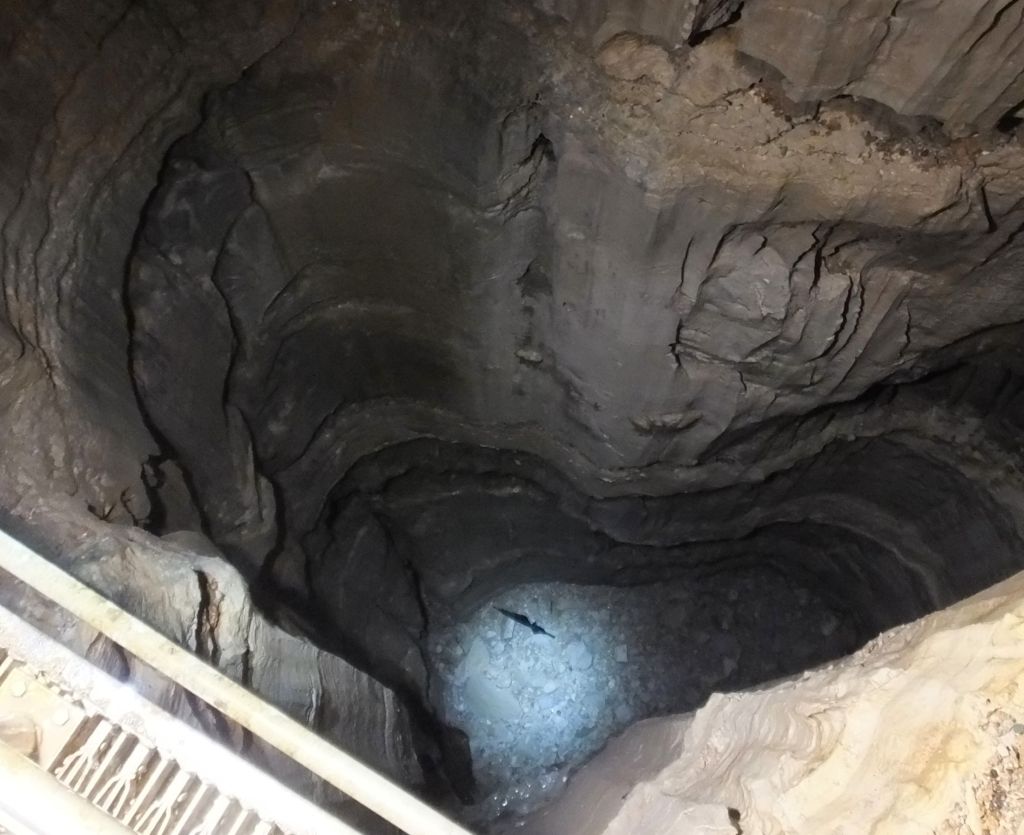
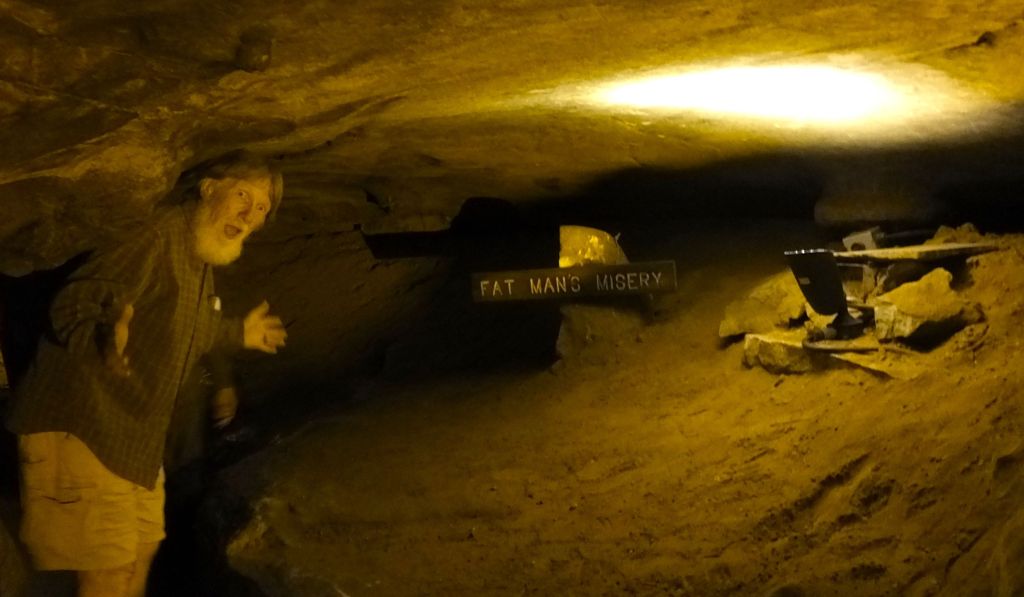
We hiked a steep trail down to the cave entrance where we entered the cool cave and walked nearly two underground miles on the two-hour Extended Historic Modified Tour. The tour included many of the historic areas that originally made the cave famous – visits to huge rooms that gave Mammoth Cave its name and much tighter places deep inside the cave. We endured the narrow passage through fat man’s misery and welcomed the underground restrooms in great relief hall that followed. The tour also included a side trip to the site of the 1840s Mammoth Cave experiment to treat consumption.
The next morning’s Violet City Lantern Tour was exclusively by lantern light. For nearly three hours, we followed the dimly lit three-mile trail as it wound through huge, broad tunnels. We climbed and descended several steep hills on our way to the cave exit. The exit was several miles from the original cave entrance and a bus took us back to the visitor center
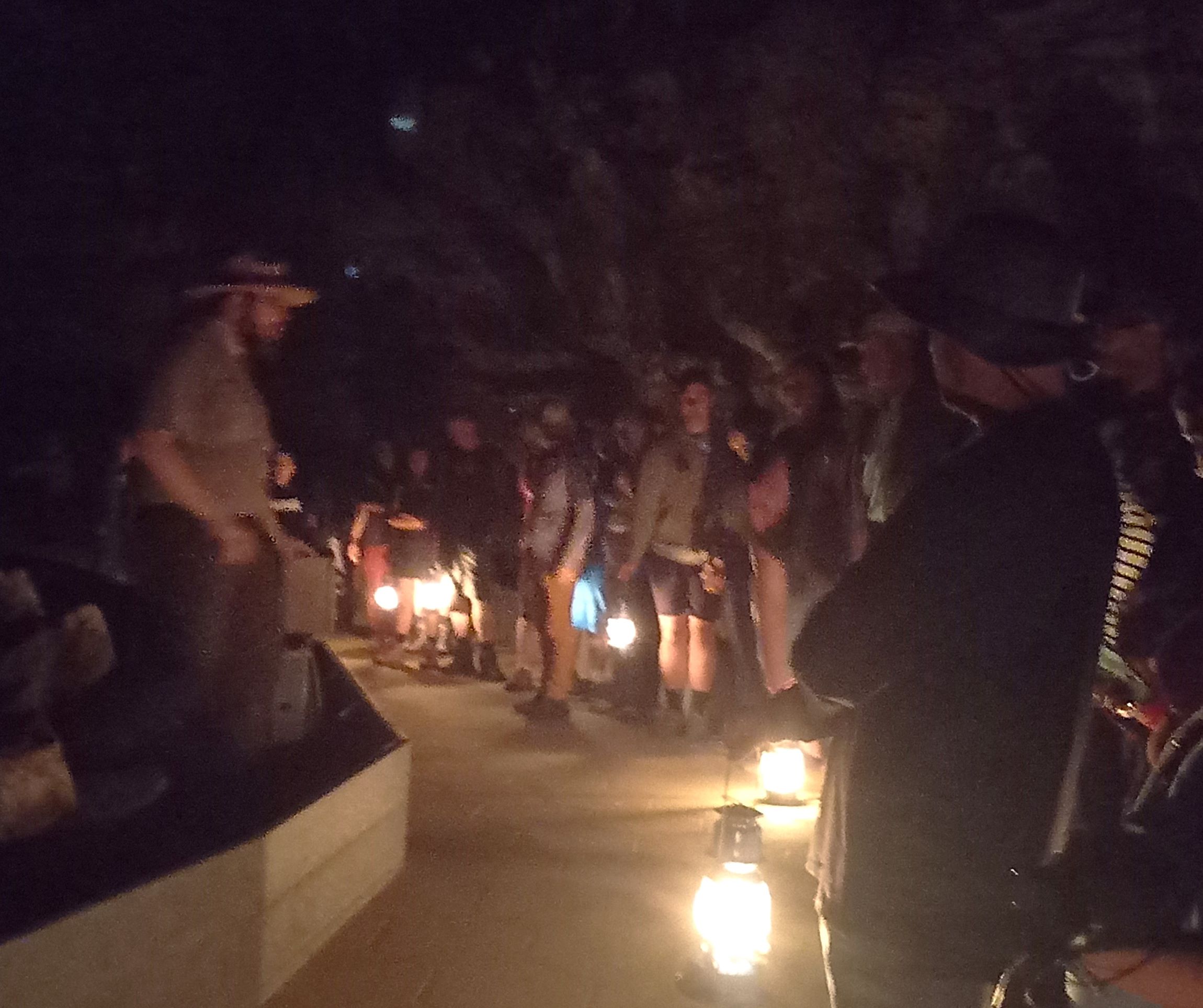
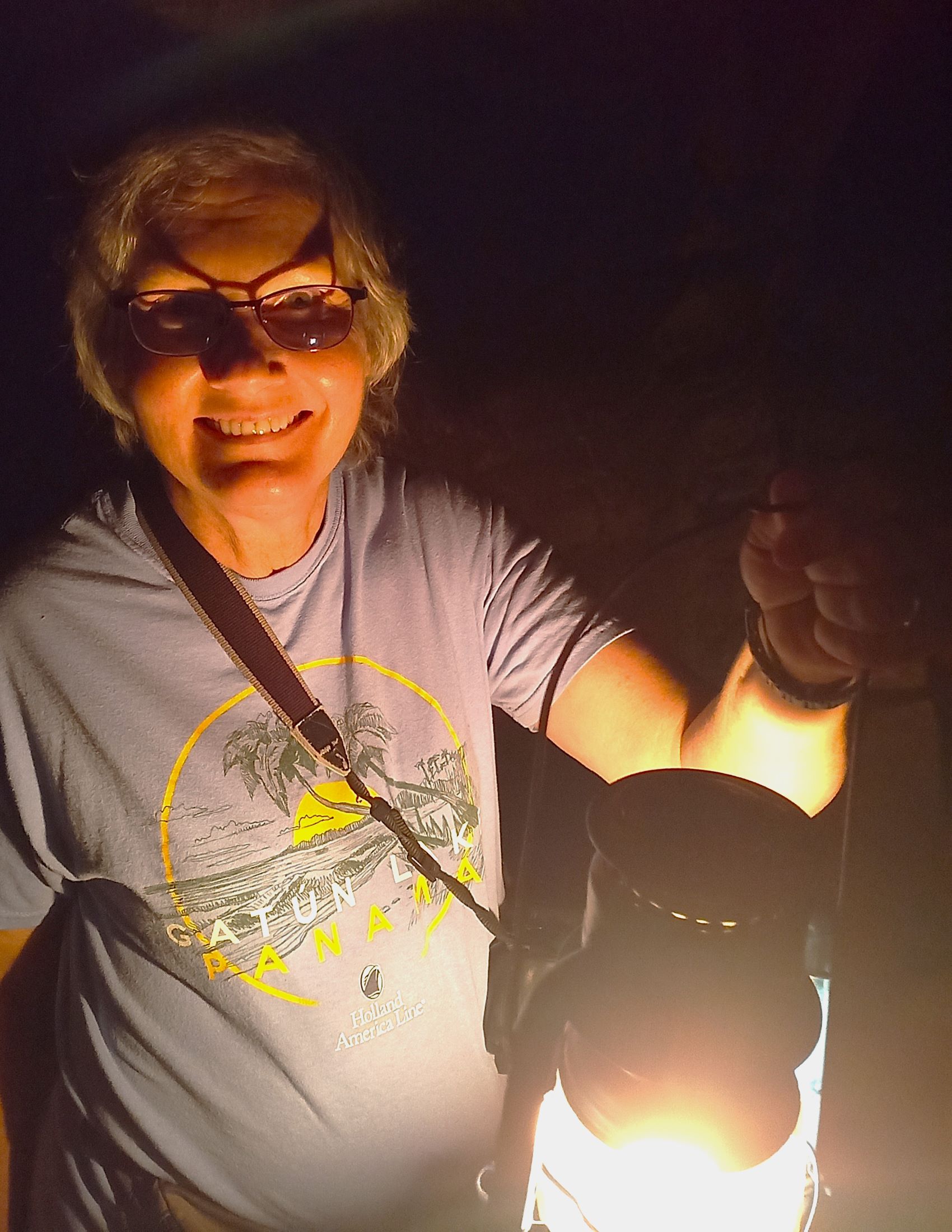
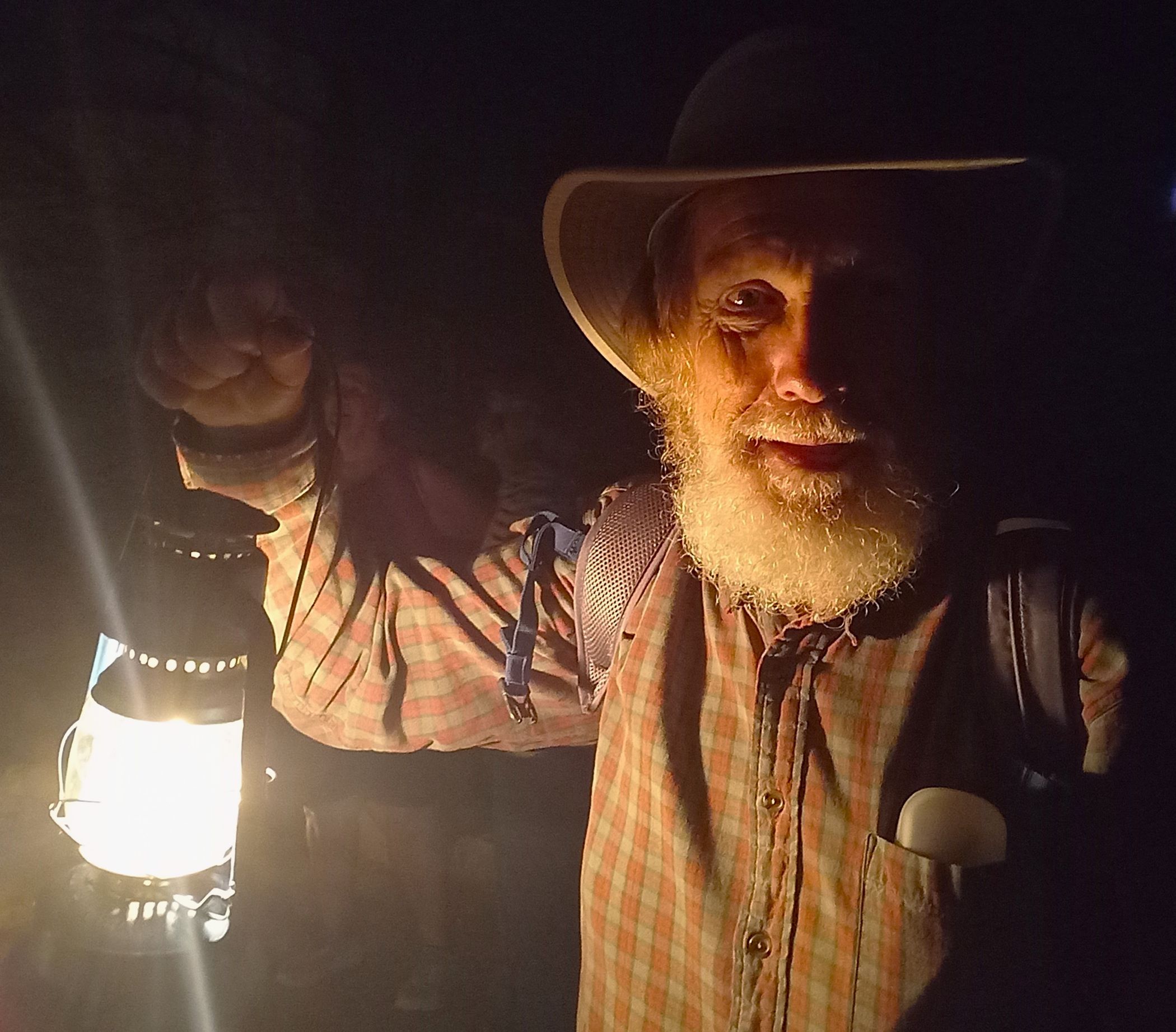
The three-hour tour was illuminated with kerosene lanterns
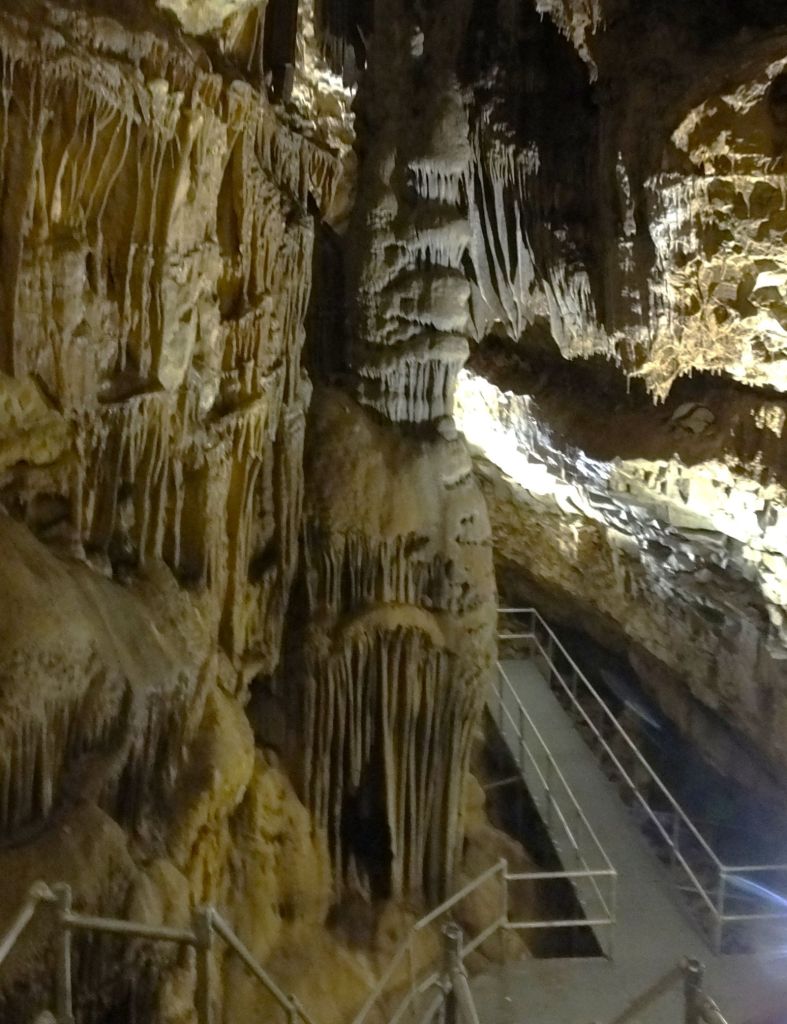
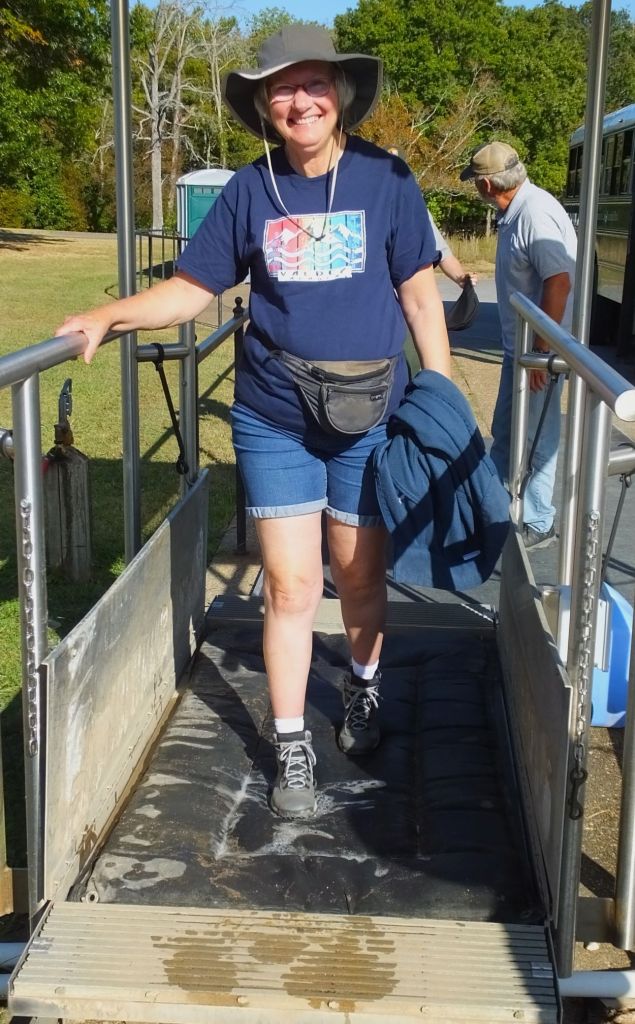
Mammoth Cave tours are moderately strenuous. Some of the trails include series of stairs and a few steep climbs. The rangers do a great job providing interesting historical and geologic details. Before visiting, we recommend researching the cave tours and buying tickets in advance, as many tours sell out during the busier late-spring and summer months.
Critter Count
bison – many
pronghorn antelope – 36
wild turkey – 11
deer – 16
wild horses – 20
sandhill cranes – 2
prairie dogs – many
snakes – 3
skunk – at least 1 (by the smell)
Next week
We wrap up our 2023 Alaska Revisited trip with a by-the-numbers recap. Pat and I will compare our answers to several questions that include best trip experiences, favorite places camped and most amazing views.
And we will reveal our pick of the best cinnamon bun of the trip!
 Take the LONG Road...