Redwoods, Bigfoot and Banana Slugs

(2023 Alaska Revisited Ep 10)

Our redwood travels began with Humboldt State Park, located in northern California, more inland and south of Redwoods National Park.  With more than 17,000 acres of ancient coast redwoods, the park protects the largest remaining old-growth redwood forest in the world.
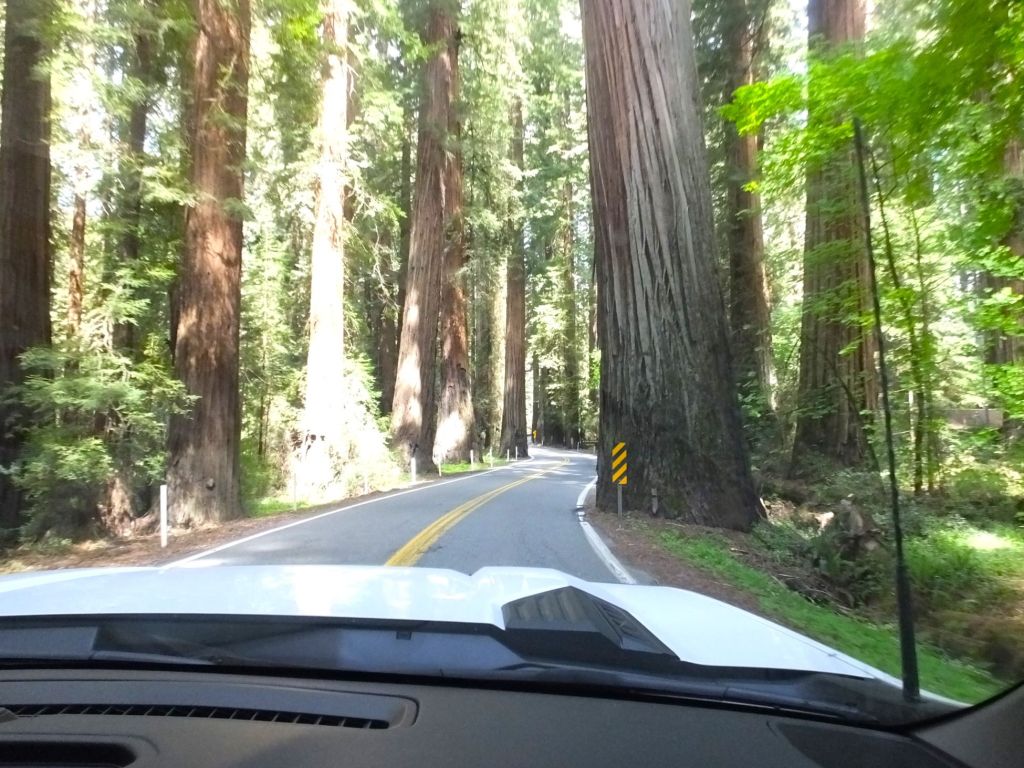
Driving between redwoods on the Avenue of the Giants

We drove the 32-mile Avenue of the Giants, surrounded by the immense trees, some just a few feet from the road.  After setting up camp for the evening, we walked a short ways to the Founders Grove. 
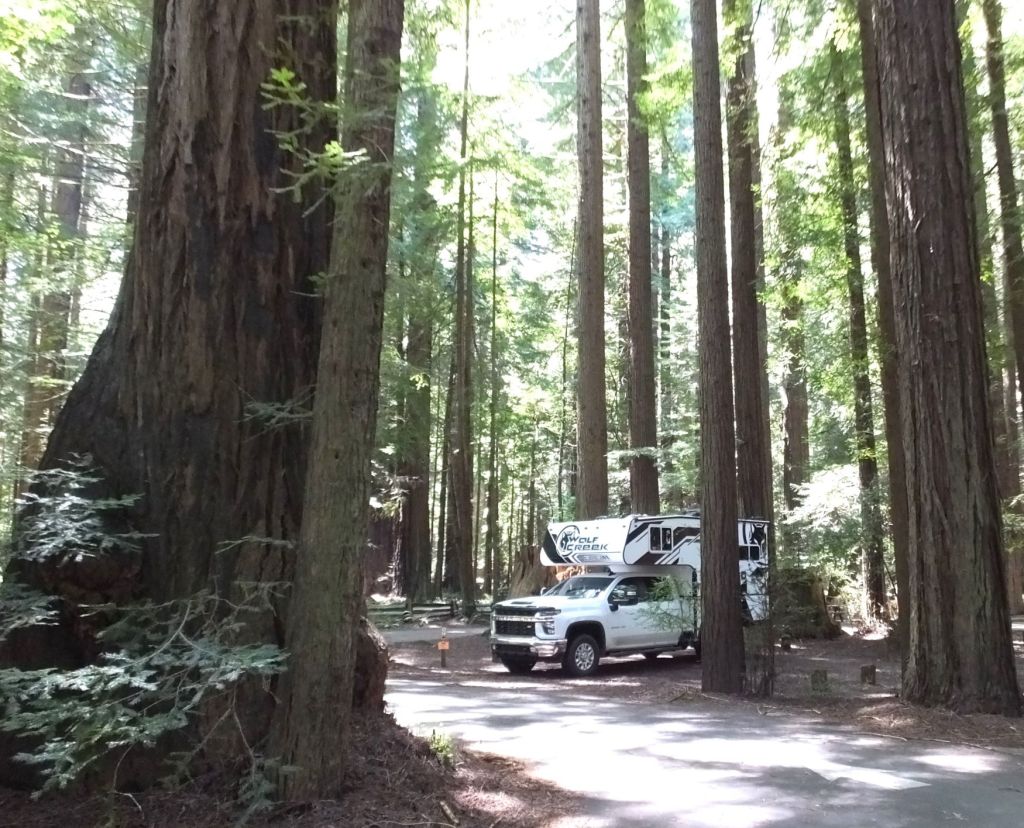
Camping in the redwoods of Humboldt SP

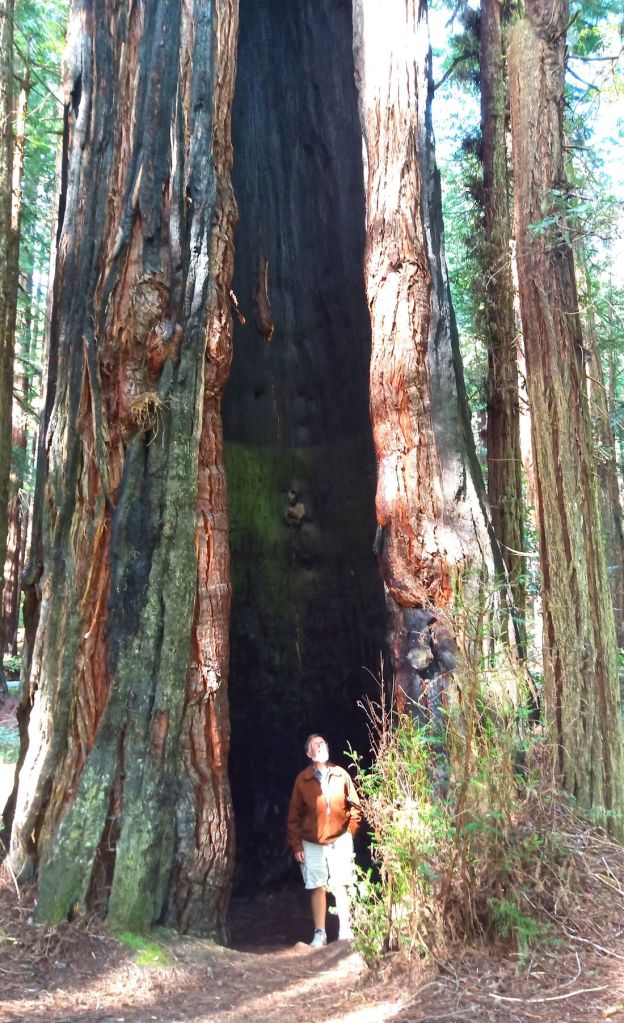
We saw our first ‘up close’ view of a redwood, the Founder’s Tree, towering more than 346 feet above us, with a diameter of almost 13 feet and circumference of 30 feet.
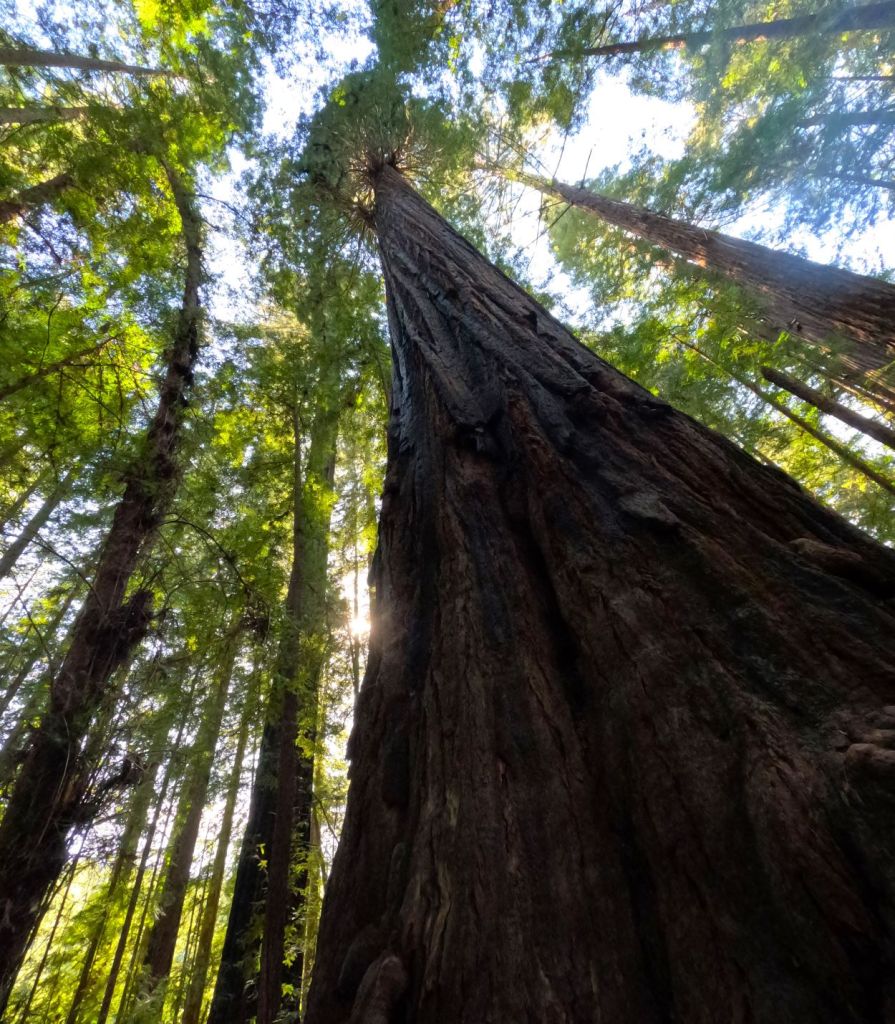
It’s BIG – skyward view of the Founders Tree

Although we visited the redwoods twice before, we were once again awestruck and could only say ‘WOW!’ 

It is hard to describe the ‘feel’ of the redwood forest.  The air is still, sounds are muted and the lighting subdued.   Time seems to stand still. 

Perhaps this is the closest place on earth to what it’s like to be in God’s presence.

The original redwood forests must have been amazing.  Only 5% of the original redwood forests remain – many are in redwood groves where the giant trees are preserved and protected for us and future generations. 
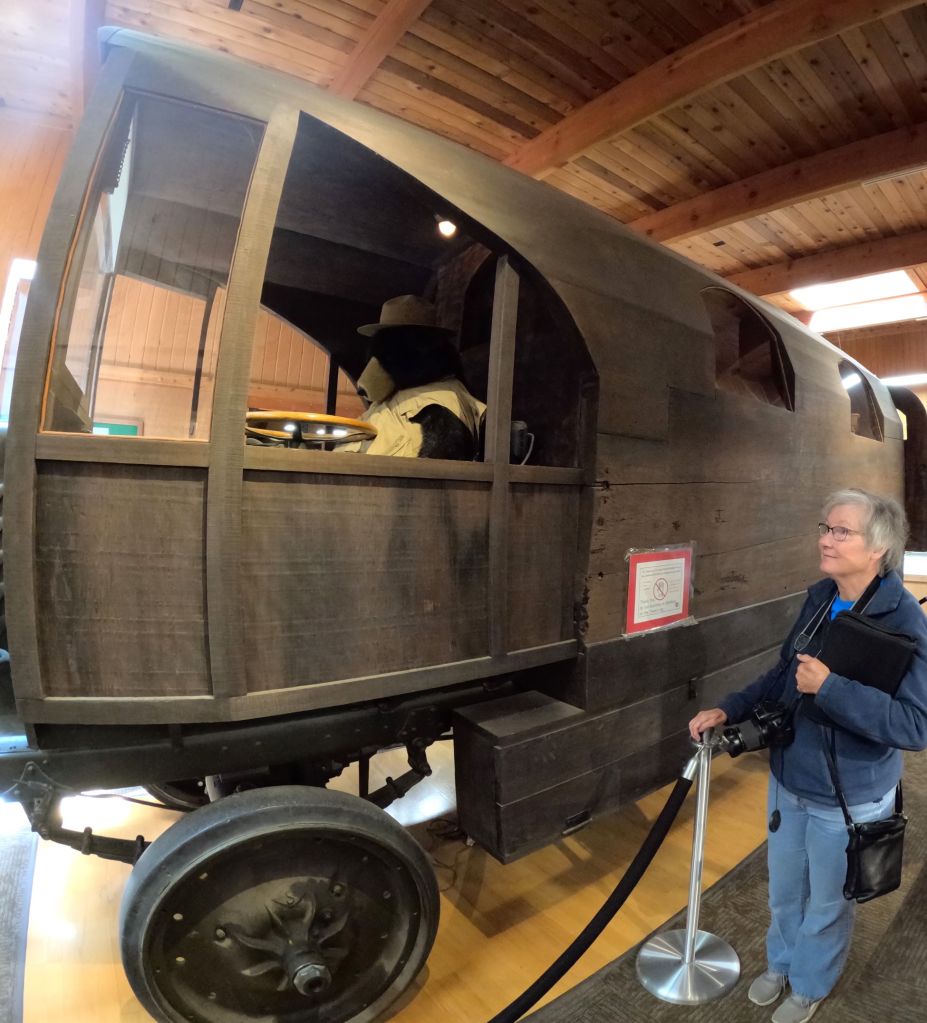
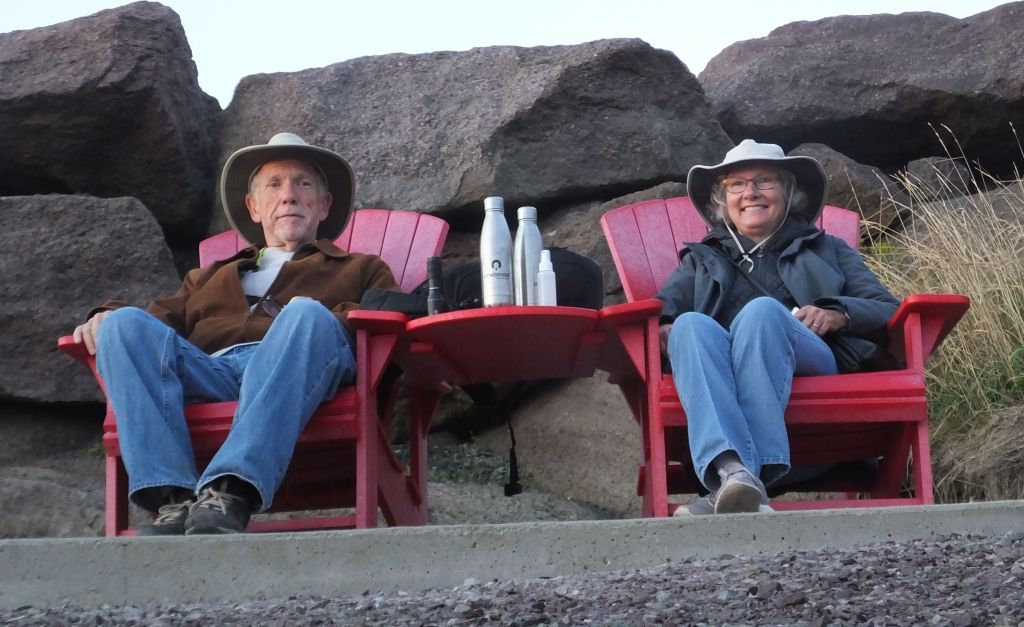
Pat examines the redwood ‘Travel-Log’, a RV, of sorts, used to promote redwood preservation

In 1917, prominent visitors to the area found the trees were not protected.  They formed the Save the Redwoods League and in 1921 the first grove was purchased by the League in what is now Humboldt Redwoods State Park.  Since then, the League has raised millions of dollars to protect more than 170,000 acres of redwood land in 35 California state parks, and Redwood and Sequoia National Parks.

From Humboldt SP we drove several hours north to Redwoods NP.  

The world’s tallest tree is at Redwoods NP:  nicknamed Hyperion, it stands more than 380 foot tall. Although the tree’s location is secret and not open to public viewing, there are other huge trees that can be visited.
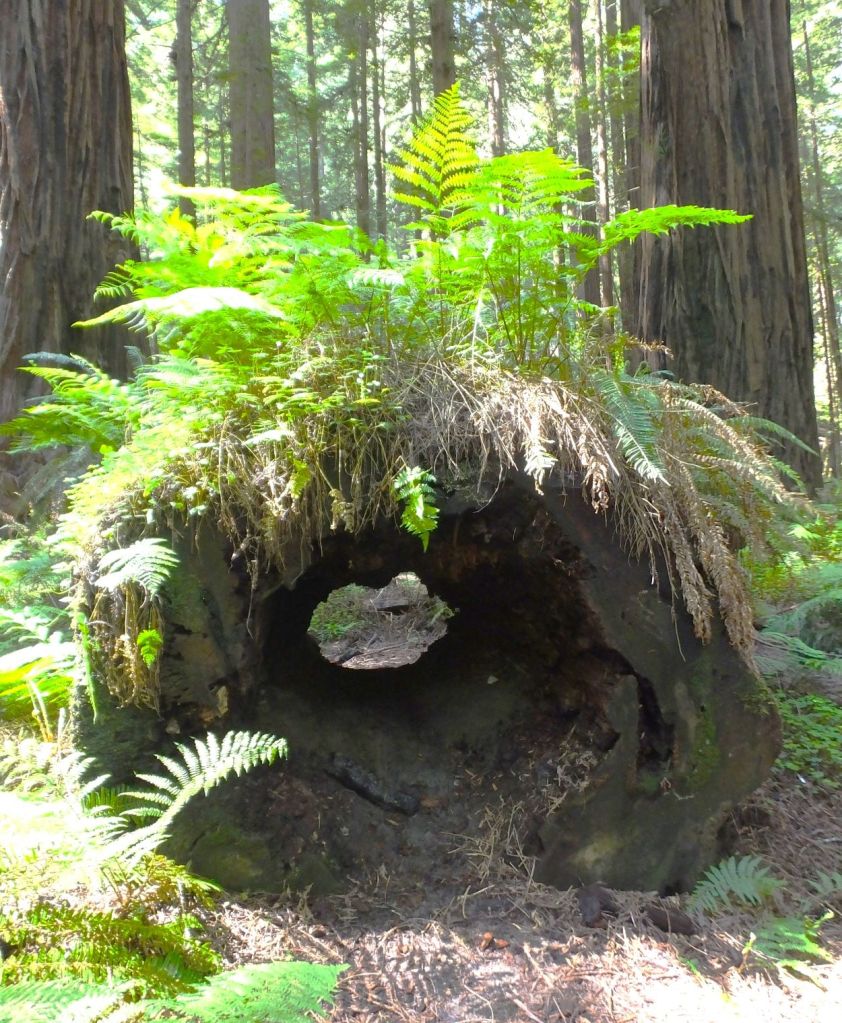
We camped in Jedediah Smith Redwoods SP, where the redwoods are co-managed by California and the National Park Service. 
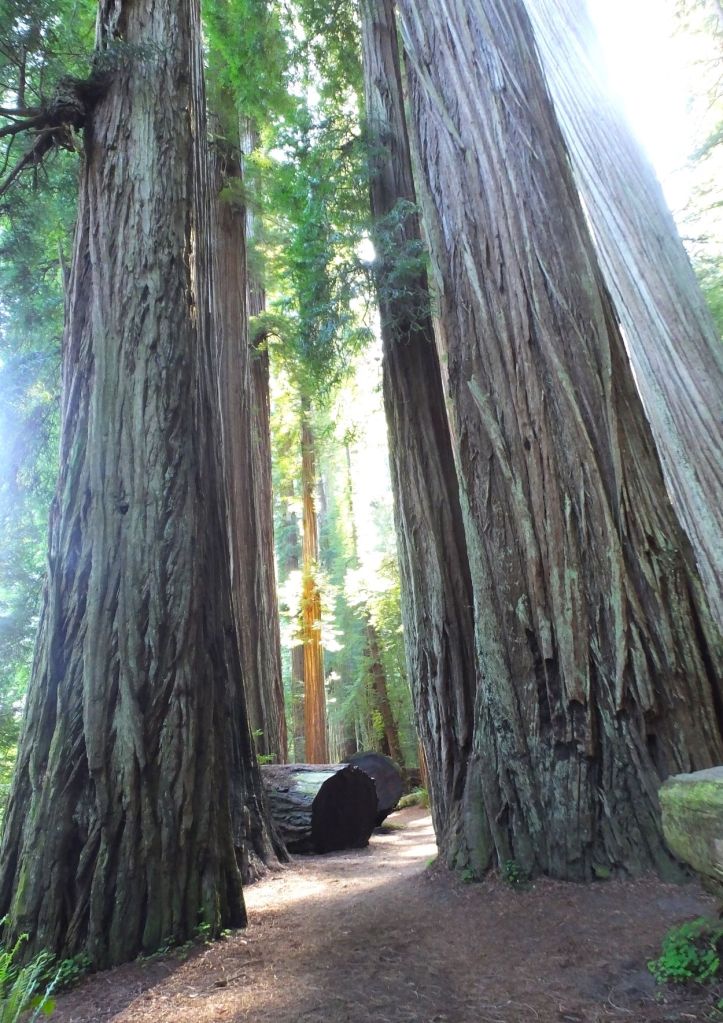
Morning view of redwoods in Stout Grove, Redwoods NP

In the Stout Grove, we both stood at the base of one tree, with arms extended and fingertips touching.  We didn’t come close to covering the face of the tree.
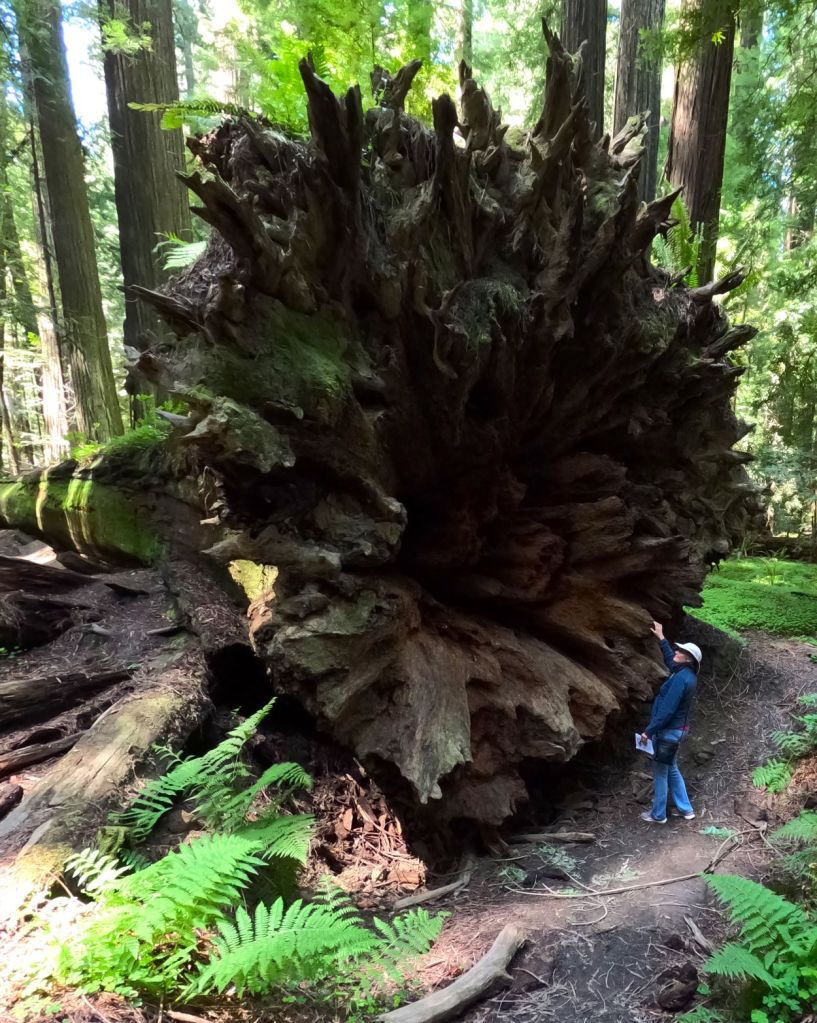
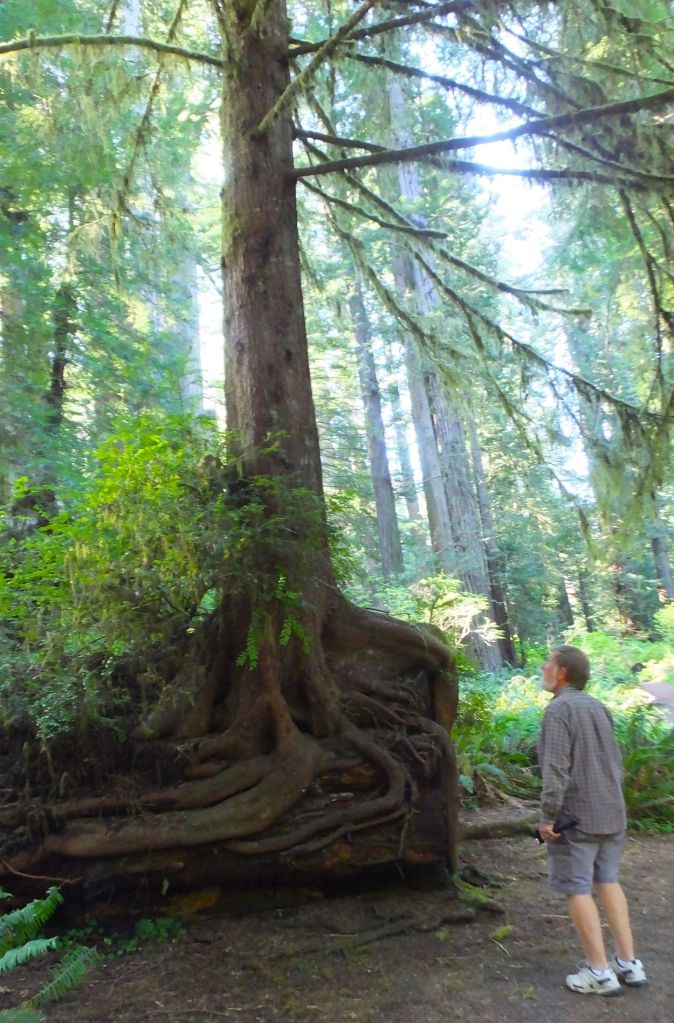
Pat and the root ball of a fallen redwood

Nearby, fallen redwoods extended for hundreds of feet across the forest floor.  They take many years to decompose.  Pat was dwarfed by the roots of one fallen tree. 
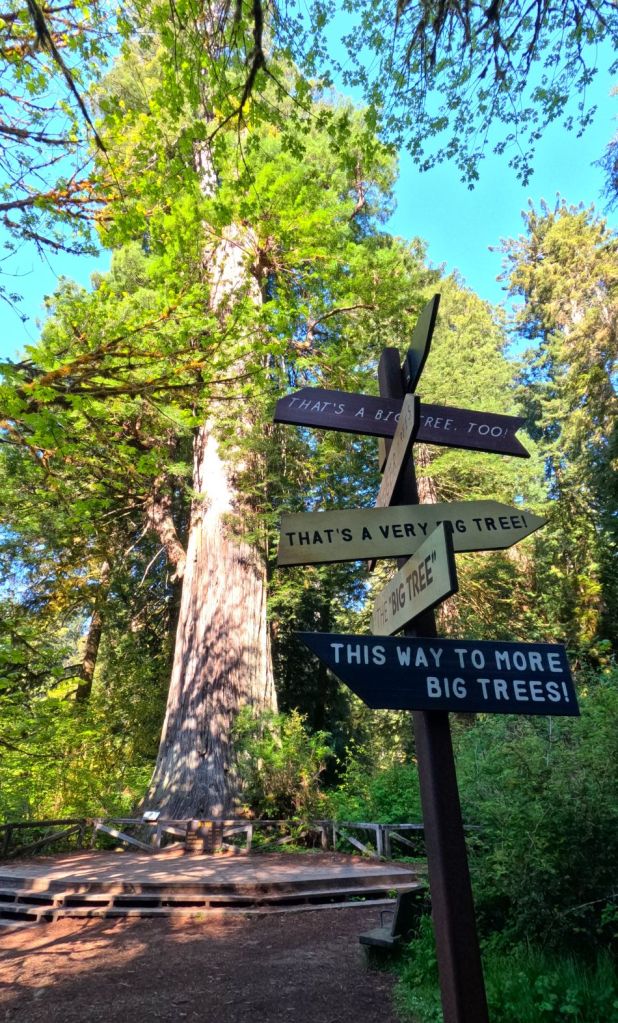
All signs point to the Big Tree

A few miles away, we camped at Prairie Creek Redwoods SP and visited the Big Tree Redwood Grove along the Nathan B Drury Parkway.  The trees can be viewed after a very short walk from the parking area. The Big Tree is a mere 286 feet tall, shorter than other redwoods we visited, but still tall indeed!
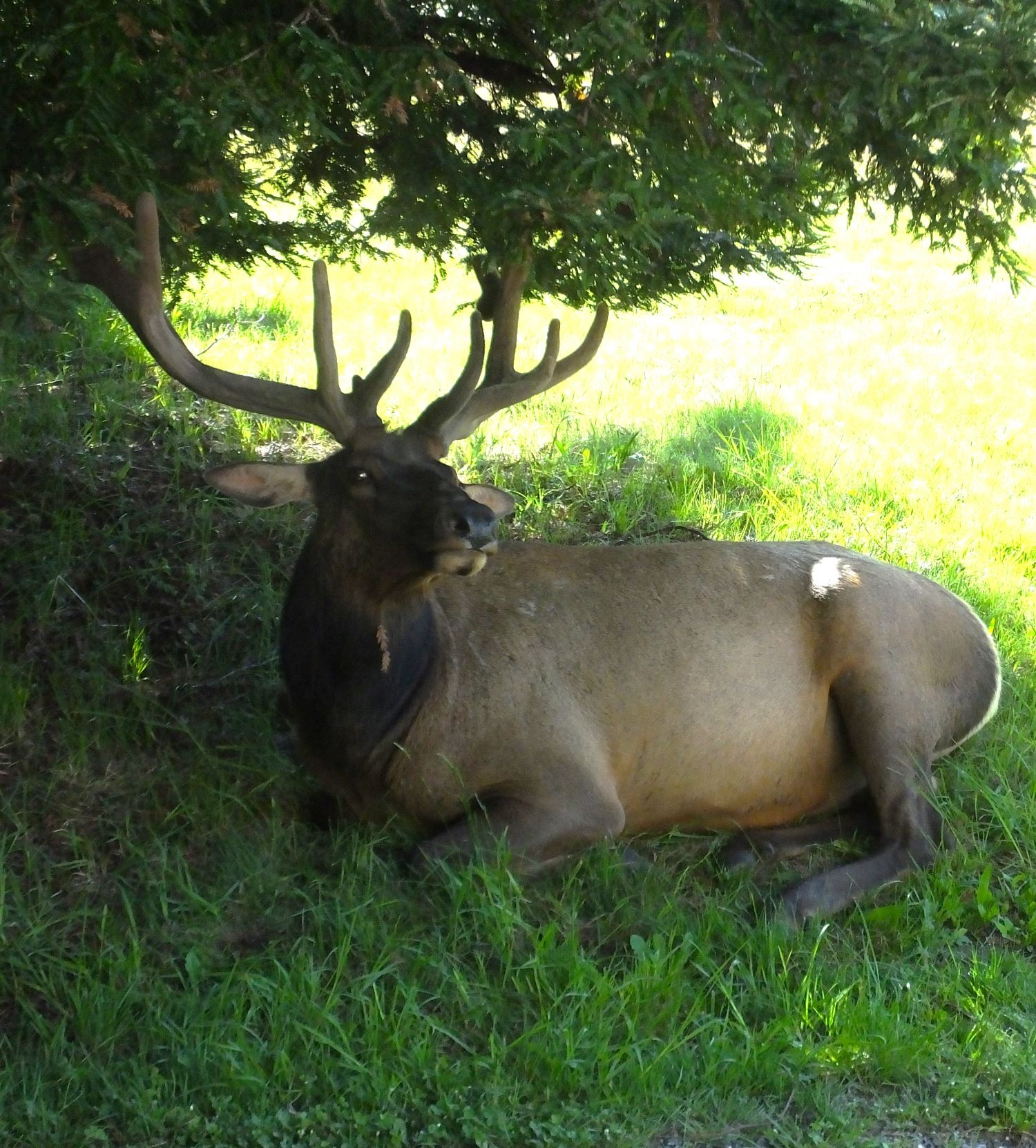
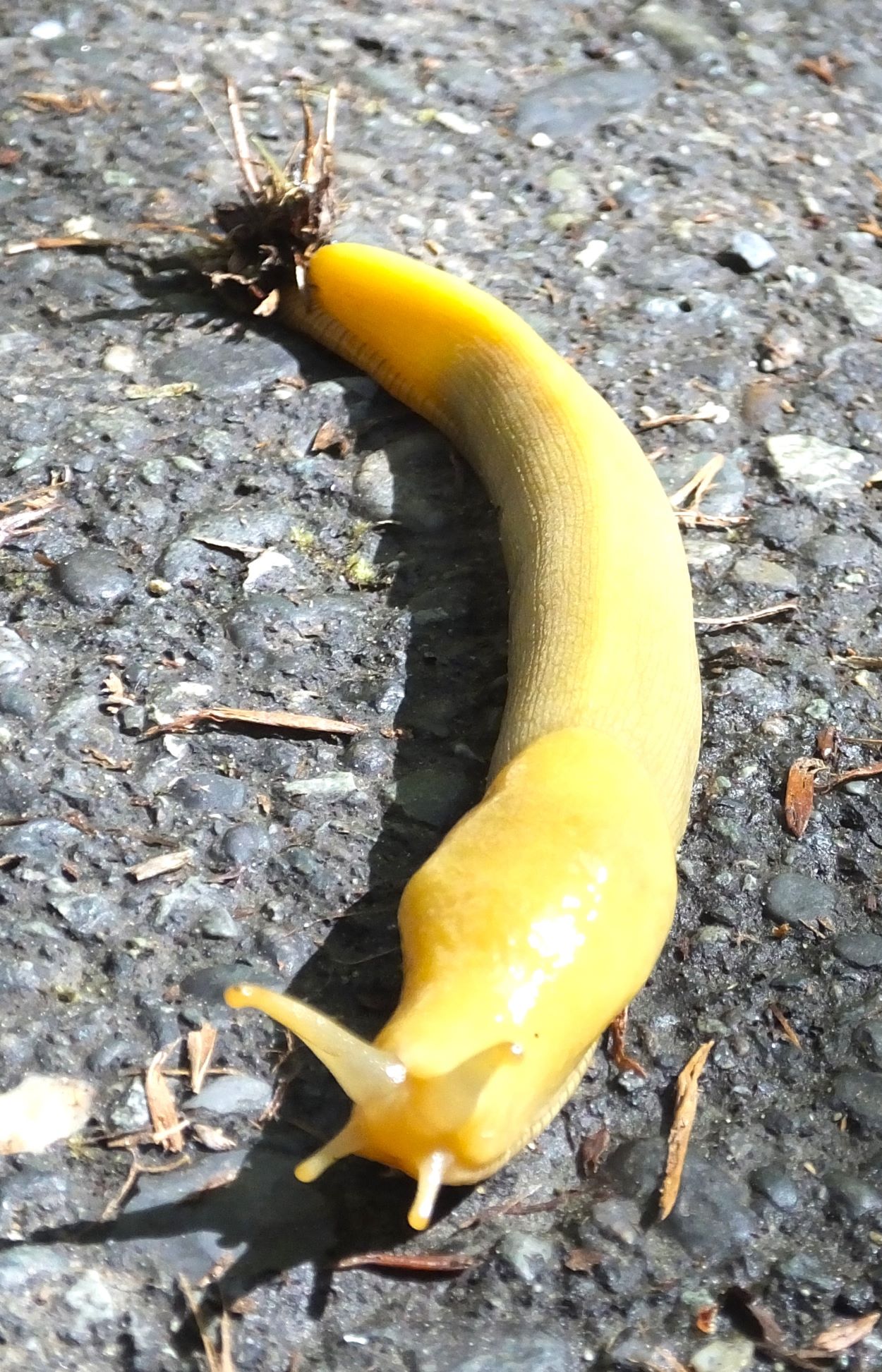
Critters in the redwoods – Big Roosevelt Elk and tiny banana slug

From the campground we enjoyed another impressive site – a herd of Roosevelt Elk casually grazing on a nearby field.   At the advice of rangers, we maintained a safe distance from the large animals.

We learned it is hard, if not impossible, to adequately photograph a redwood tree.  When standing at the base and looking upward, the trees seem to touch the sky. 

Bigfoot Sighting

When we finished the Pacific Coast Highway and neared the redwoods, we came upon this:
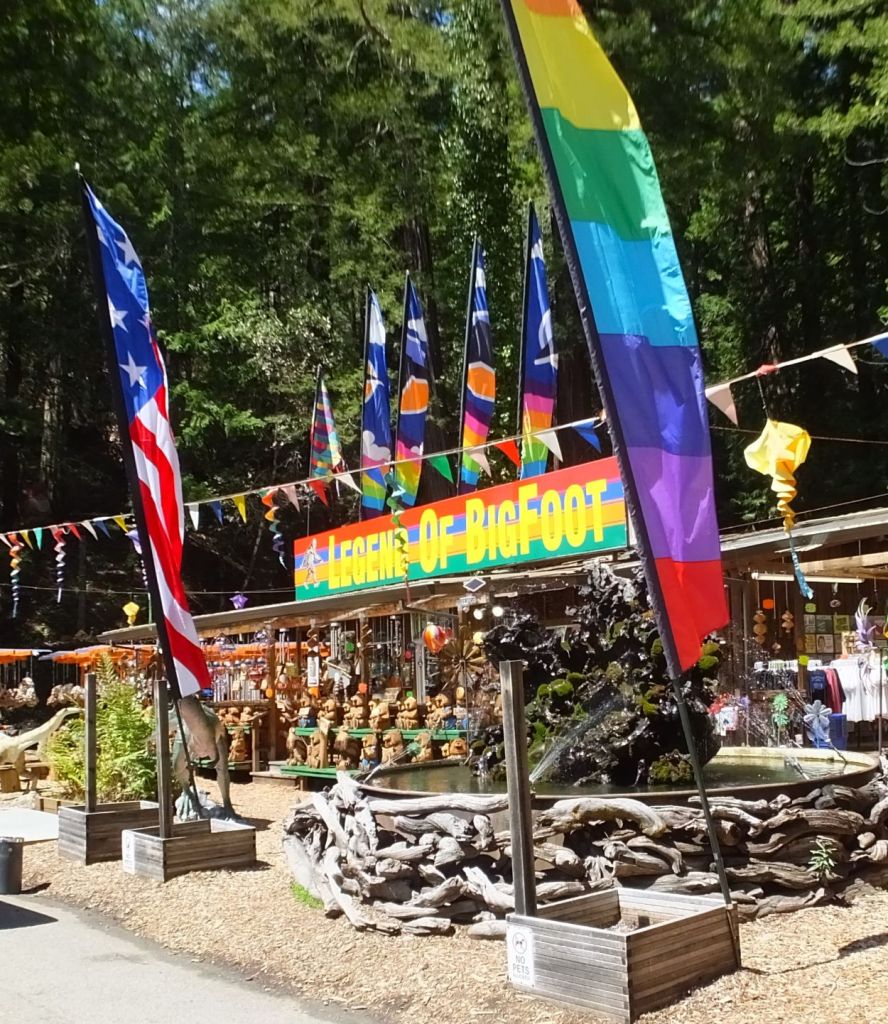
Legend of Bigfoot – a MUST STOP near the redwoods

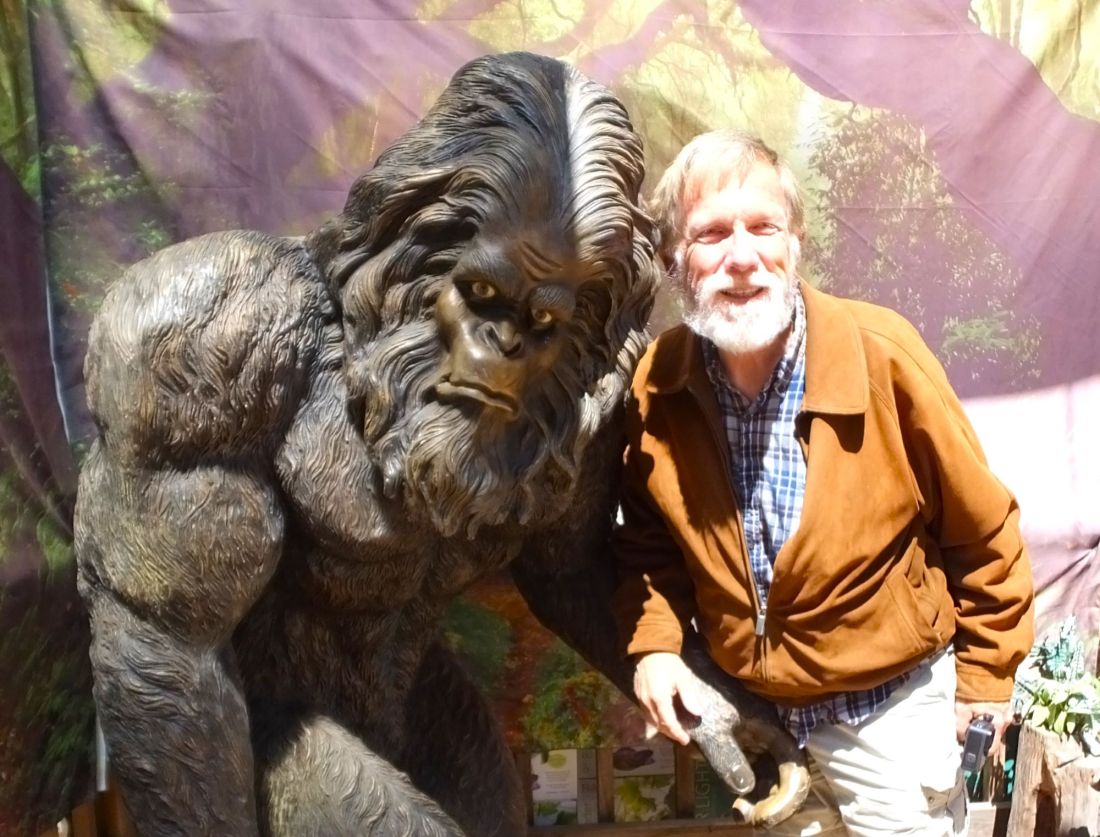
We passed this tourist trap in 1995 while on vacation and a large wooden bigfoot statue next to the road caught our attention. Twenty-eight years later we learned the old, decayed bigfoot had been removed and will be replaced with a new bigfoot. I guess Bigfoot ages like the rest of us.

Meanwhile we had to settle for a smaller bigfoot.
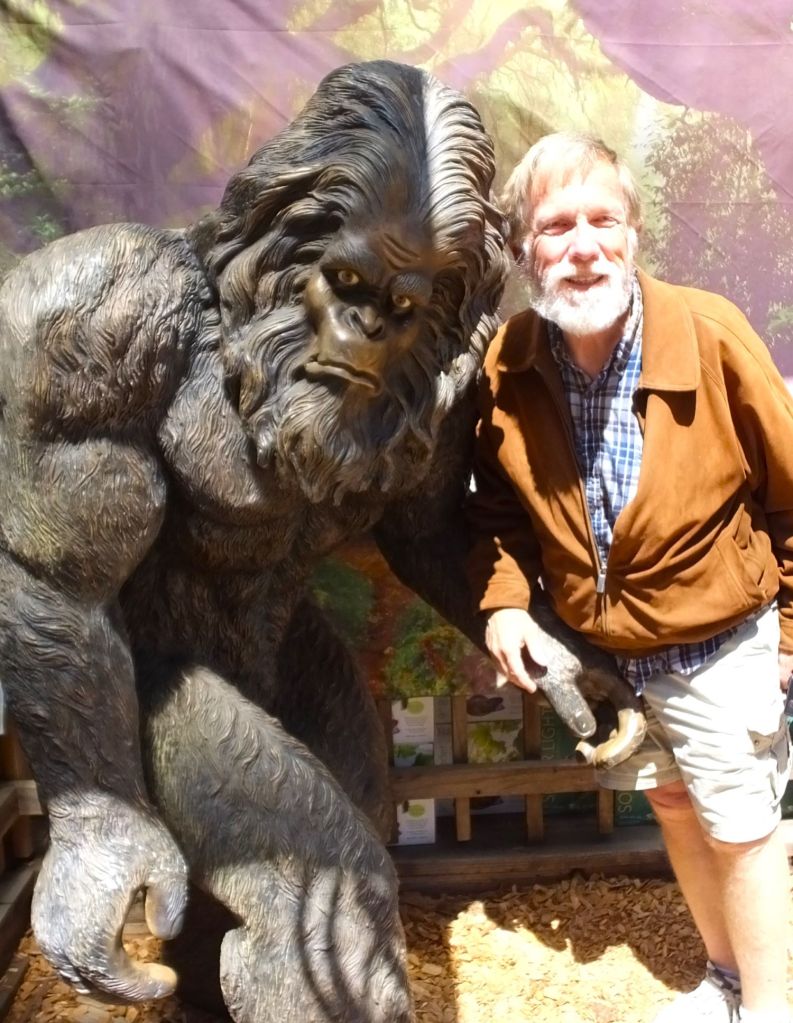
Bigfoot and friend
10 Weeks of RabbiTRAILS

We’re nearly finished wandering the west and will soon continue north to Alaska.
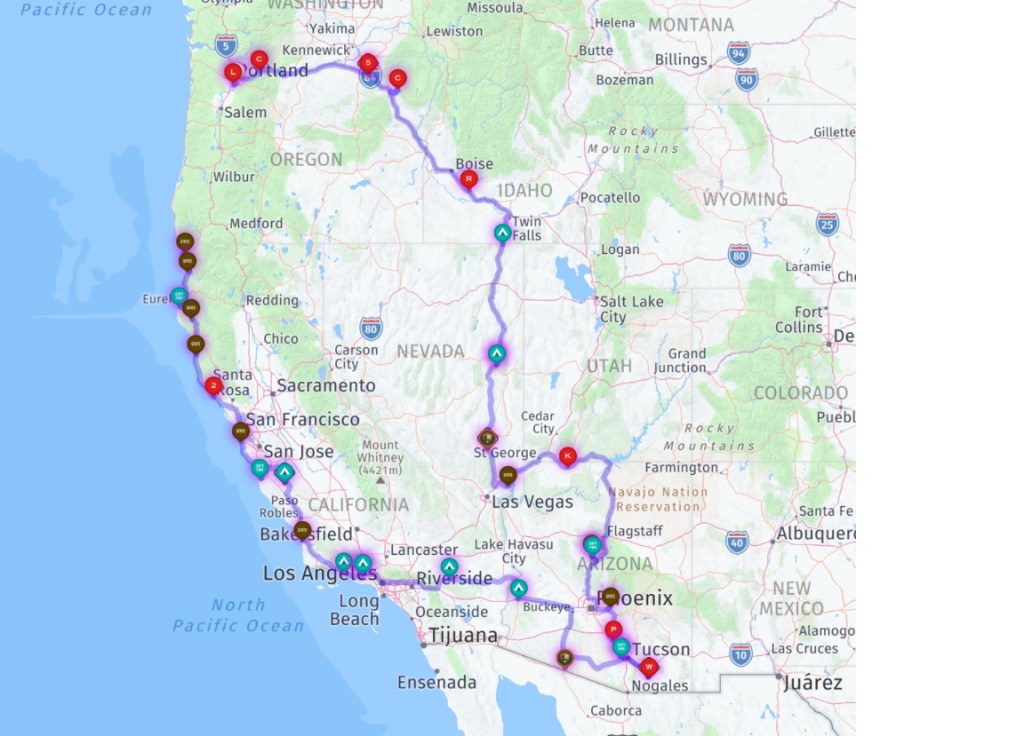
Our circuitous route through 10 episodes of RabbiTRAILS
Next Week:

RabbiTRAILS in Oregon and central Washington, including magnificent coastal views, the biggest waterfall in the world and an impressive dam.

The Good, the Bad and The Ugly of Truck Camping

(2023 Alaska Revisited Ep 9)

(Keep reading for the new names of our truck and truck camper)


We’ve been ‘trailer’ campers for a long time.

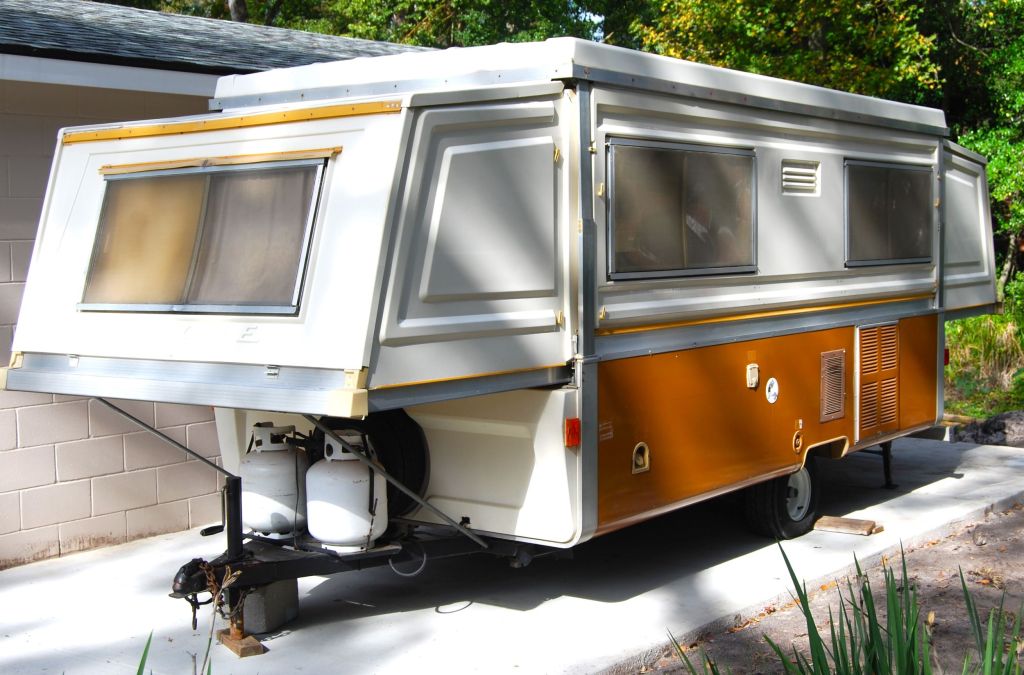
We purchased our first trailer, an Apache pop-up camper, in 1988. 

Apache camper, 1988-2011

Twenty-three years later we upgraded to Pancake, a 19-foot travel trailer with a small side slide.  We took Pancake on our 23000-mile trip to Alaska. 

Pancake – 2011-2019

In 2019, our rig grew to a 24-foot travel trailer with rear slide that we took on trips out west, Michigan, the Blue Ridge Parkway and Newfoundland.  Oscar was great, with lots of room to spread out in, ample space to store everything, a front bedroom with walk around bed and a real bathroom with decent-sized shower.

Oscar, 2019-2023

But now we are ‘truck camper’ campers.  We’ve downsized and simplified our mode of camping.  

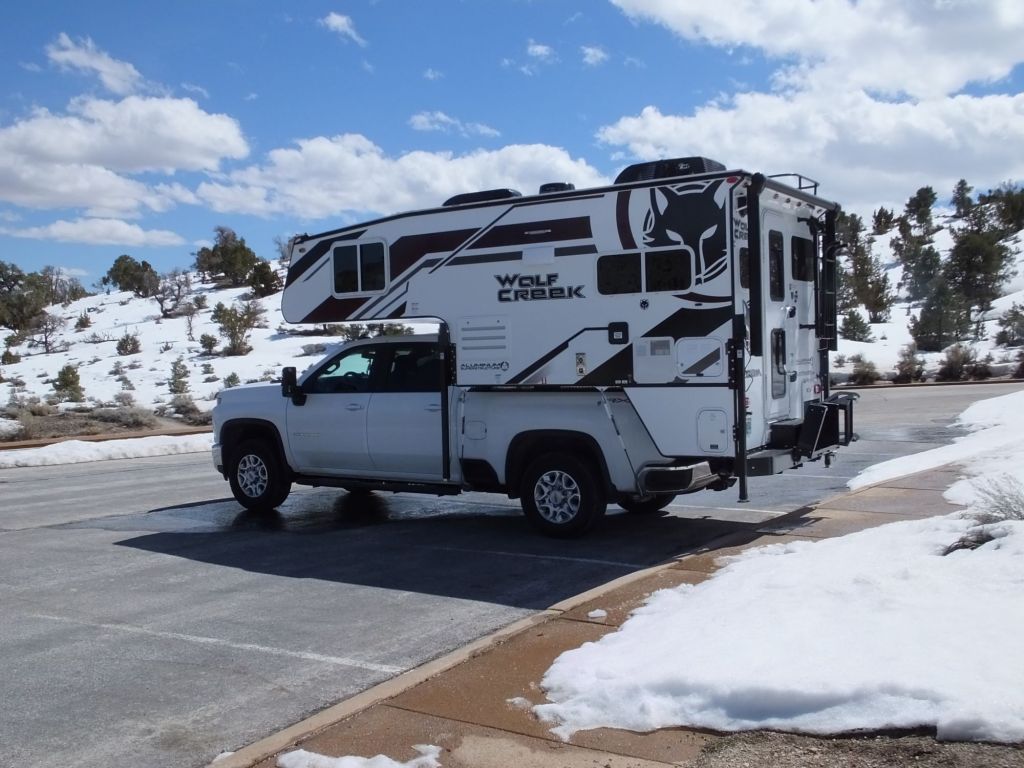
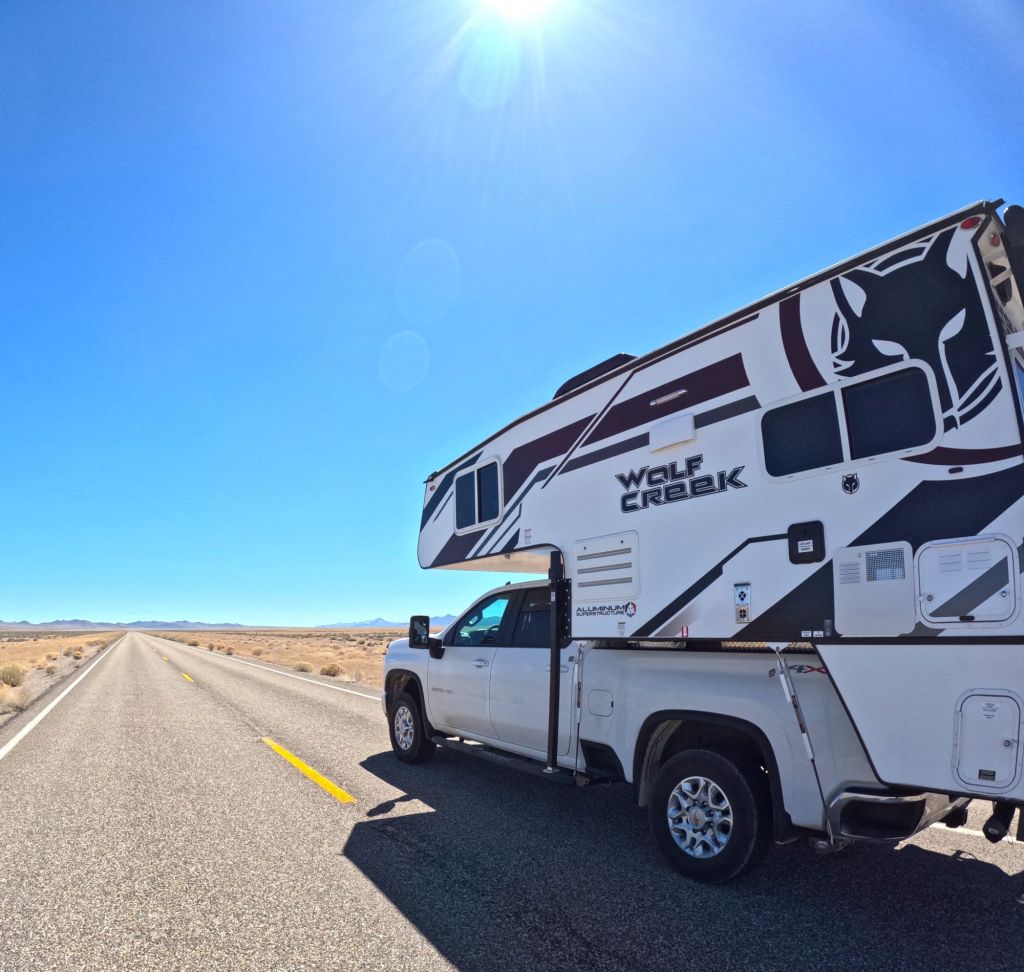
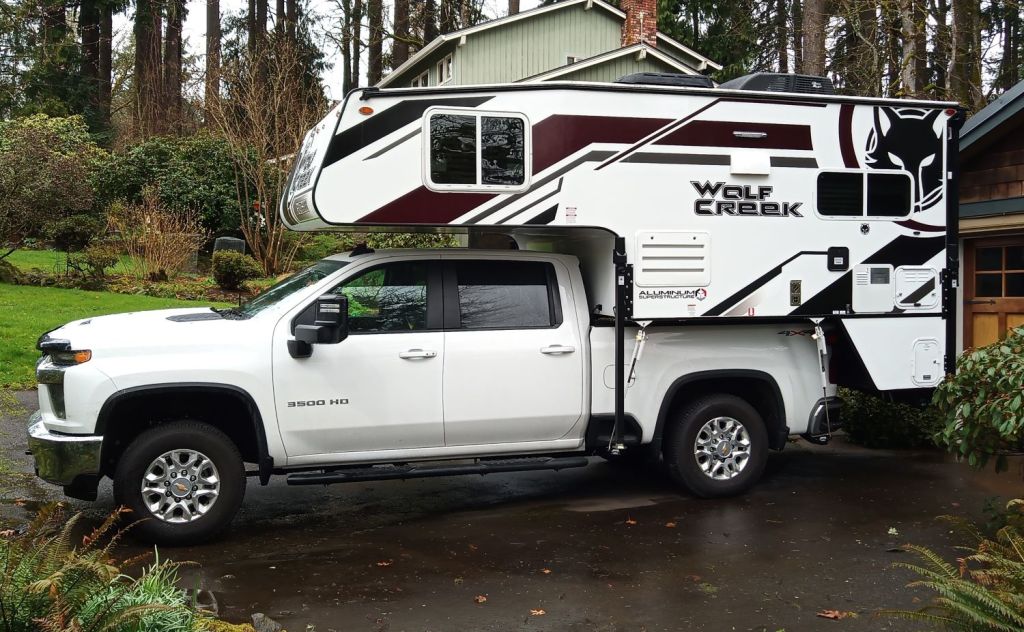
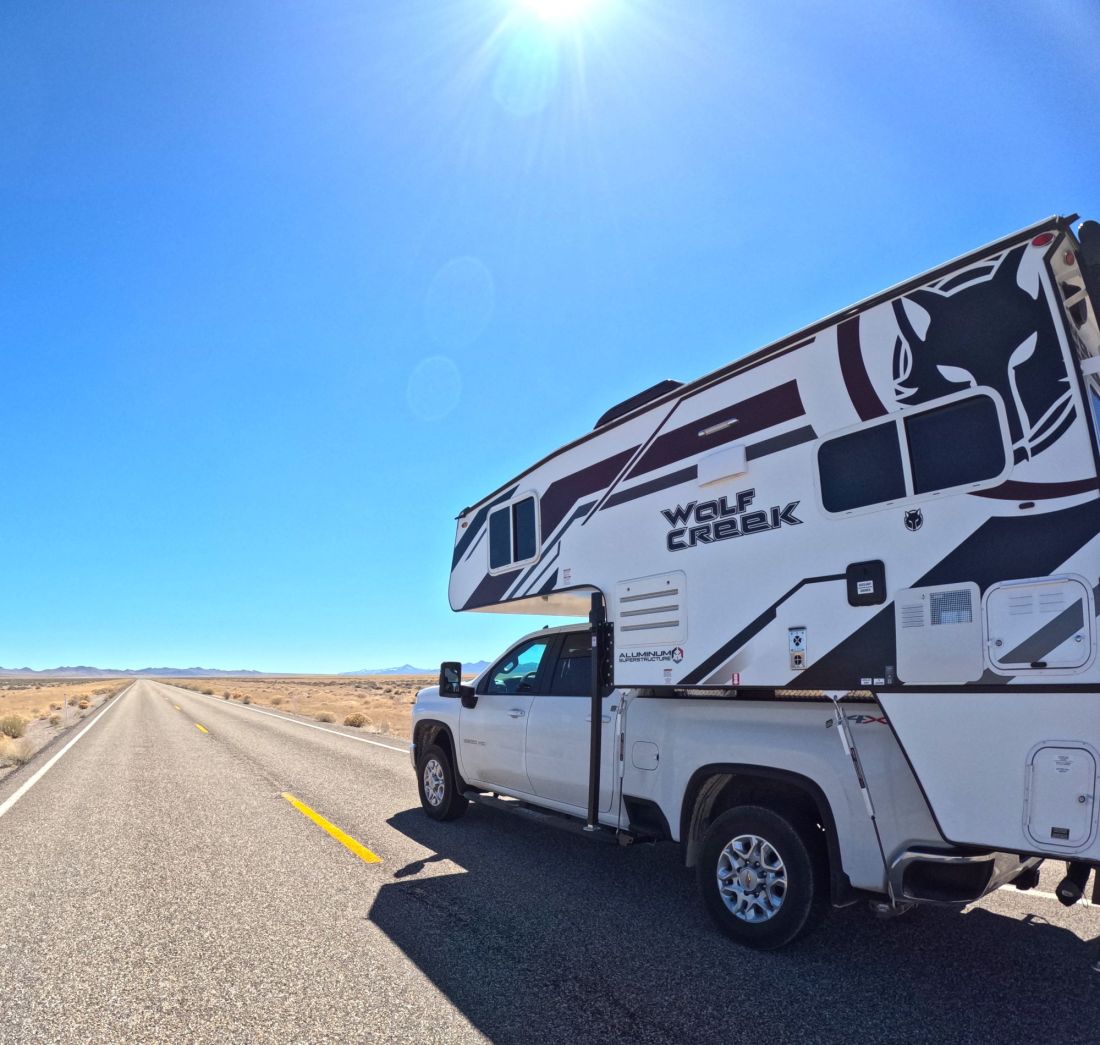
Wolf Creek 890 truck camper, 2023-?

One of our neighbors at home has predicted we won’t be happy with the new, smaller footprint and will sell the camper within six months.  Time will tell…


Clearly, every camping rig has tradeoffs.  After eight weeks and more than 5000 miles, here is the good, the bad and the ugly of truck camping with our Chevrolet 3500HD truck and Wolf Creek 890 TC.  

The Good

Setup and take down is MUCH simpler than our previous trailers.  No hitching, no tires to wear out or go flat, no axles to bend, no bearings to go bad and no slides to rebuild.  It is easier to ‘dry’ camp without water/electric connections, and when we do use hookups, we can quickly disconnect and be on our way.

Moving about. Getting into gas stations and parking lots, backing up and finding a right length campsite is pretty much a no-brainer.  Our TC is slightly longer and just a little wider than a full length pickup.  Our TC is 11.5 feet high, so we have to watch overhead clearances and tree limbs, however.

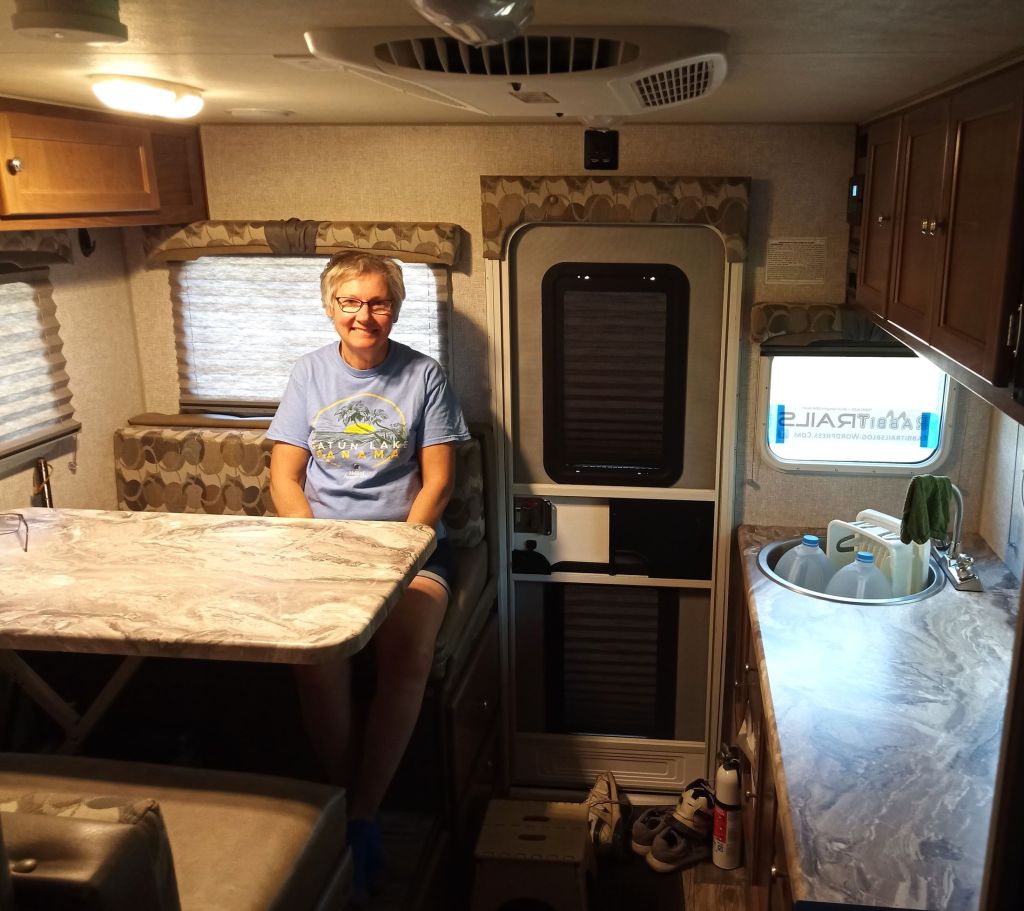
Big dinette with great view. We really like the four person dinette in our TC. It has windows on three sides.

Dinette – with wrap around windows

Nimble and flexible. Our TC setup gives us greater flexibility.  We can take our ‘home’ with us and more easily prepare meals and even shower during stops while on the road. Boondocking and moochdocking are much easier and we can take the TC off the back of the truck to use it as a base camp when we explore an area.

Better power options. We have a lithium battery and built-in generator that add to the flexibility.  We can camp without connections in remote locations.

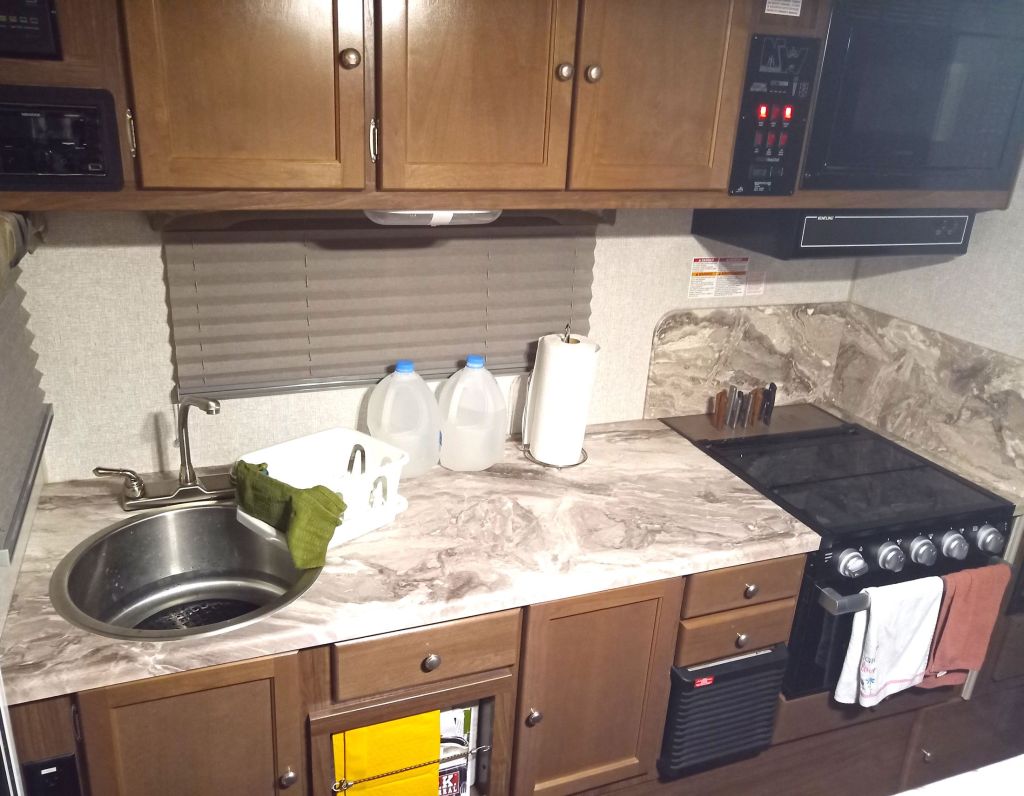
Kitchen – lots of counter space

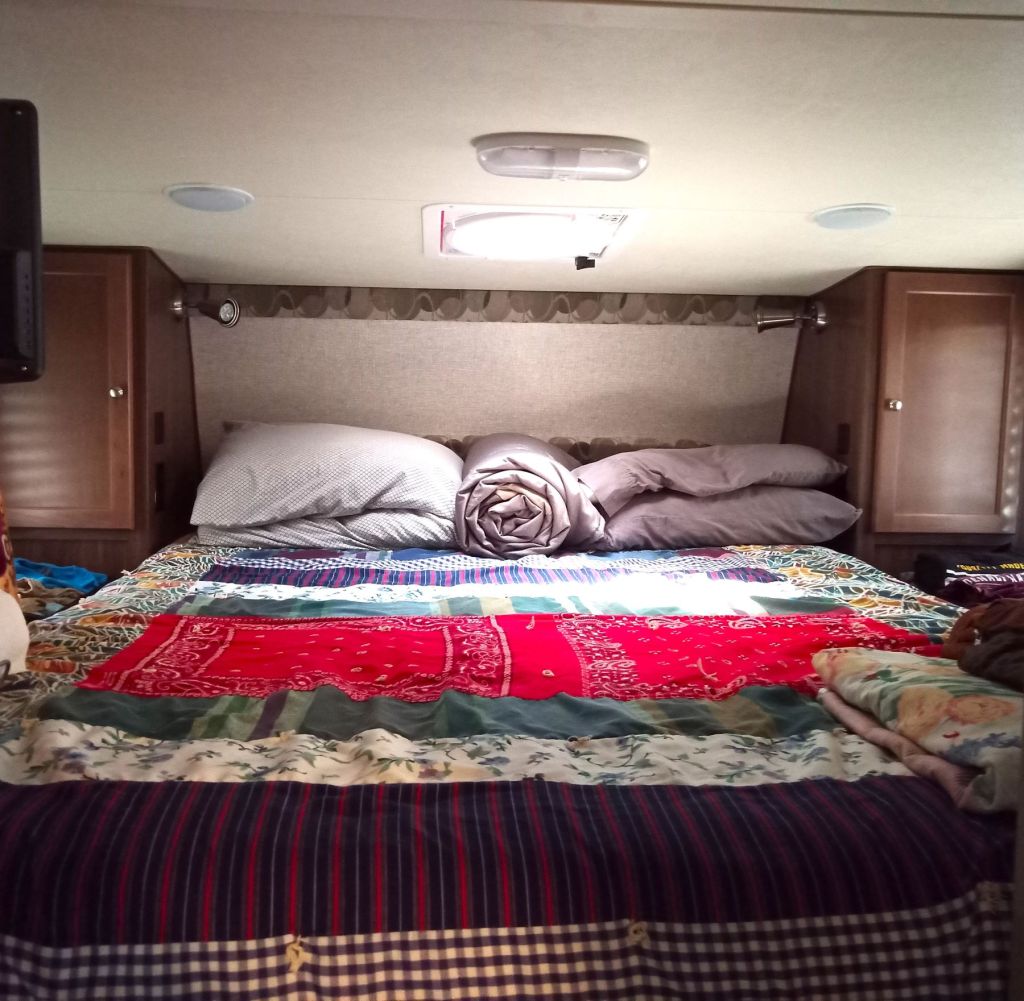
Great use of space. Our TC is smaller than Oscar and about the same size as Pancake. Space is used very efficiently.   There are lots of drawers, cabinets and storage nooks, inside and out.  There are even four closets in the sleeping area!  All three RVs had a queen-size bed.  The kitchen area is really useable in our TC, with much more counter space than our previous trailers. 

Sleeping area – with four closets

The Bad

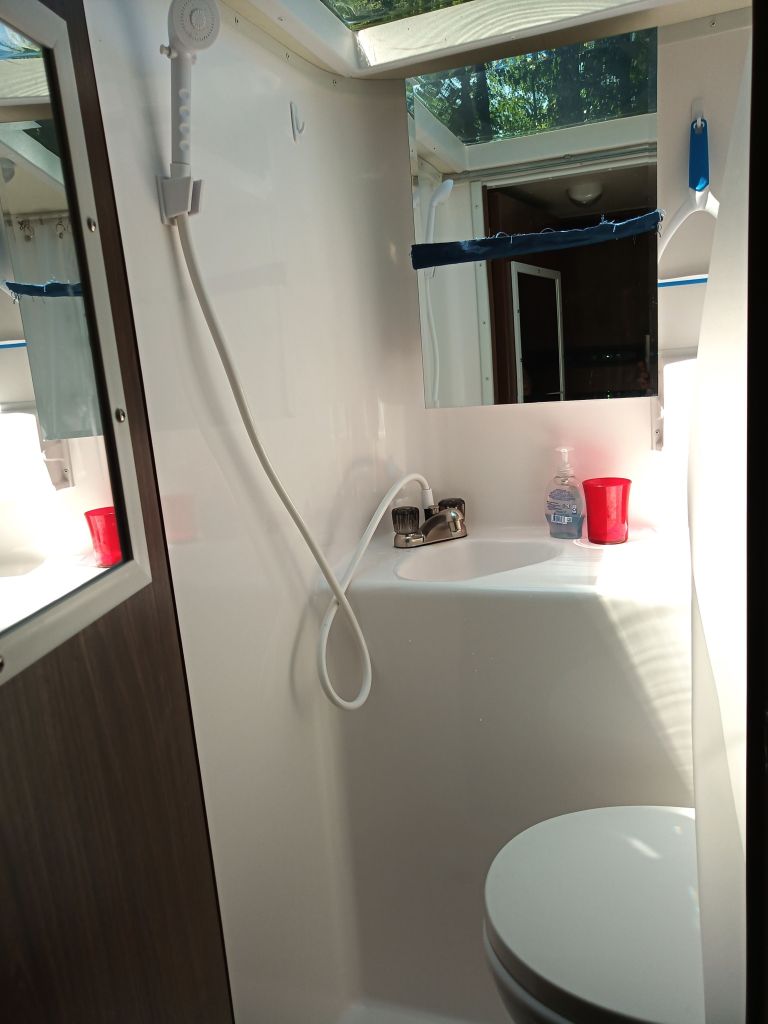
Small bathroom. Our TC bathroom is small.  It has a ‘wet bath’ with a shower, toilet and small sink combined in one small compartment, whereas Pancake had a small bathroom with tight corner shower and Oscar had a nice-sized bathroom and large (for an RV) shower.     

Small wet bath – it gets the job done

Leveling can be challenging. RV refrigerators require the camper to be reasonably level to work correctly.  It is harder to level our TC than it was to level any of our past trailers.  We’re getting better at leveling, however.

‘Fluid’ capacity is less. Every two to three days we have to fill fresh water and dump wastewater tanks.  Pancake was about the same.  Oscar had larger tanks that gave us an additional day.   

And the Ugly

Wind. Wind affects both TCs and travel trailers.  I think our steering wheel cover has permanent grooves from gripping the steering wheel so tightly while driving in high winds. 

Costly suspension upgrades. Our TC rests entirely on the truck frame and suspension, and we have experienced rear end ‘squat.’  We added air bags to reduce the squat, but sway (rocking back and forth) increased.  It will take a few more adjustments to get things right.  Unfortunately, such adjustments are pricey.

Fuel Costs. It takes a very large (one-ton) truck and a LOT of gas to carry our rig up mountains, across plains, etc. We average a little over 10 miles per gallon.  Do the math:  23000 miles driving / 10 MPG * $x.xx gallon = total cost of gas.   We expect gas will be our biggest expense during this trip.  Fortunately our MPG is actually slightly better than it was with Max and Oscar.          

Things break.  Our rig has been excellent overall. Two items have been repaired under warranty and we have made a few other minor repairs.    

On a very cold morning near Flagstaff, we pressed the button to start the generator.  When nothing happened,  I feared the worst. I looked things over and discovered a cable had slipped out of its battery connector.  We installed a new connector, and the generator was working again.      

Then the fridge quit working.  The control panel flashed a repeating pattern of five red blinks.  We reset the power to restart the fridge.  Unfortunately, the problem continued to occur.  A gas valve was replaced in Tucson and the fridge is now working fine.

A couple weeks ago we found a significant crack in the back doorstep landing.   Northwood, our TC manufacturer, quickly replaced the defective landing.

Oscar and Pancake had to have repairs as well. Time-consuming maintenance and costly repairs are an ugly reality of owning an RV.


Do you have any RV good-bad-ugly questions for us?  Post them in the comments and we’ll do our best to provide an answer.

The Big Name Announcement

We asked for your suggestions of names for our truck and TC. Thanks to all who sent such great (and interesting) ideas. 

Max, Pancake and Oscar will now have named siblings.

With no further ado, here are the names we have chosen:

(drumroll please)

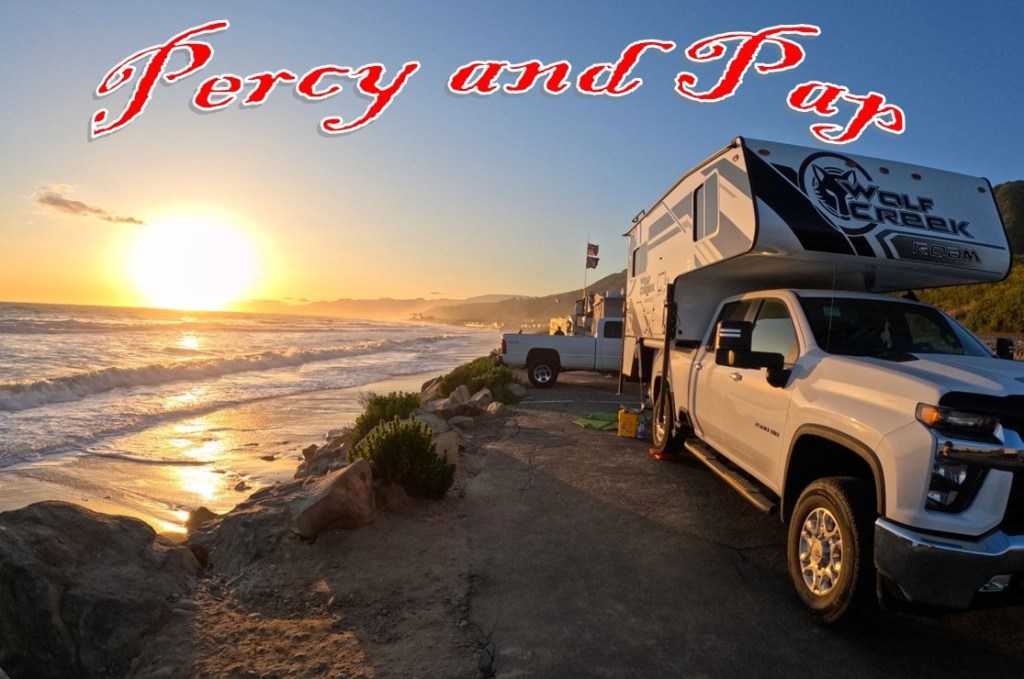
We’ve named our Chevy 3500HD PERCY, in part to honor Pat’s dad, Charles PERCY Hattenstein, and because we just liked the name!

Jan Farmer, a friend from Camp Cedarbrook Texas, suggested naming our Wolf Creek 890 TC PAPOOSE.  We loved the suggestion and shortened it a bit to PAP.

So, blog followers, meet PERCY and PAP!

Next week: 

Redwoods: big, beautiful and hard to photograph!

Nine Days on the Pacific Coast

(2023 Alaska Revisited Ep 8)

In the east, Florida A1A follows the Atlantic coastline. The highway offers wonderful seashore views and engaging stops in scenic small towns and several large cities. 

A1A’s counterpart in the far west is California 1 or the Pacific Coast Highway.   The PCH hugs the Pacific Coast for many of its 656 miles – starting between San Diego and Los Angeles in the south, continuing northward to San Francisco, and finally ending in the north California town of Leggett. 


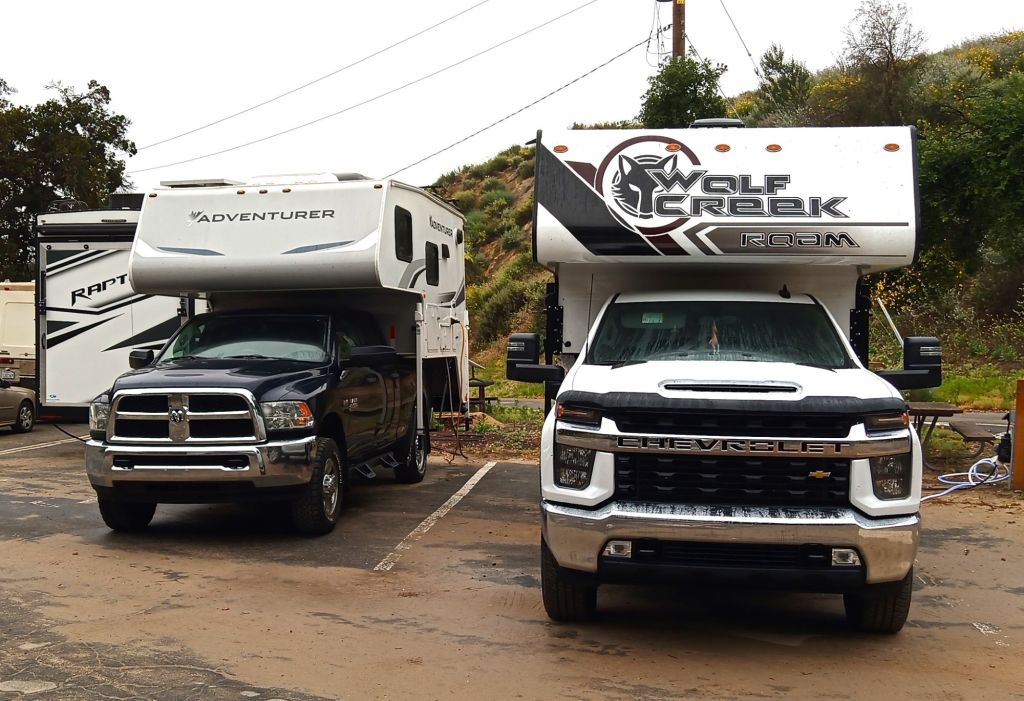
Truck campers in Simi Valley soon to part company

We said goodbye to Pat’s brother, James, after more than a week of camping across Arizona and southern California.  It was drizzling as we left and headed south on CA 23 across the Santa Monica Mountains.  After a dozen miles of twisty-turny mountain roads, we reached the coast and clear skies.

Thus, our nine day journey on the PCH began.

We bypassed the southern 100 miles or so of the PCH that goes through Los Angeles, and started near Malibu instead.  On our left there were spectacular views of the Pacific Ocean and the rocky shoreline, and on the right we saw grassy hillsides and occasional vineyards.

The highway turned inland for a few miles and we passed fields of strawberries and other crops around Oxnard and Port Hueneme.  When I was young, my parents spoke of these places that were near where my dad was stationed while serving in the US Navy.

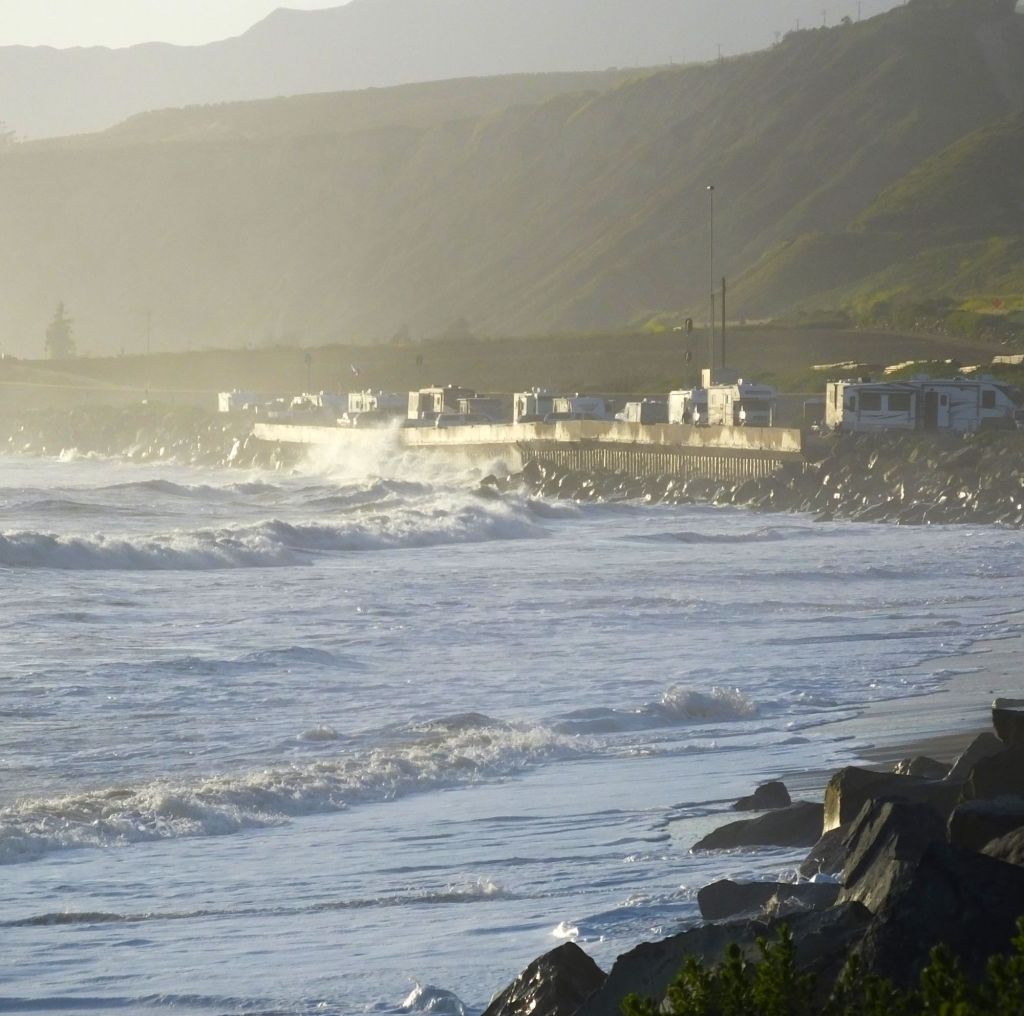
Oceanfront at Rincon Beach
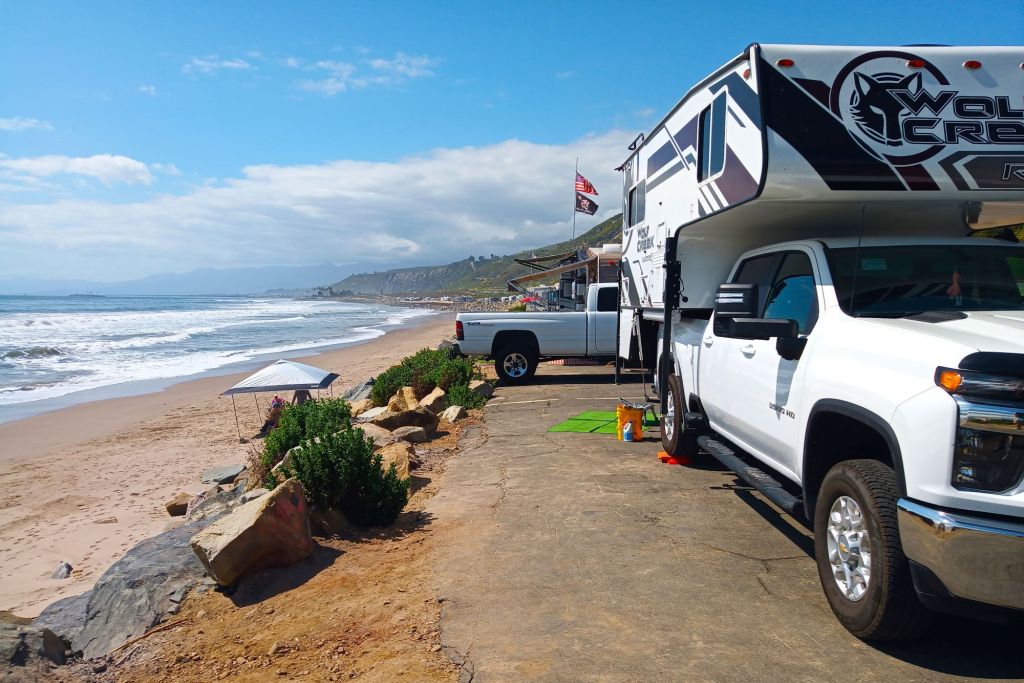
Camping at Rincon Beach. What a view!
RVs were parked for more than a mile, some very close to the waves

A few miles north, between Ventura and Mussel Beach, we passed a long line of RVs parked along an old section of the PCH. It was Rincon Beach, a ‘campground’ that overlooks the ocean.

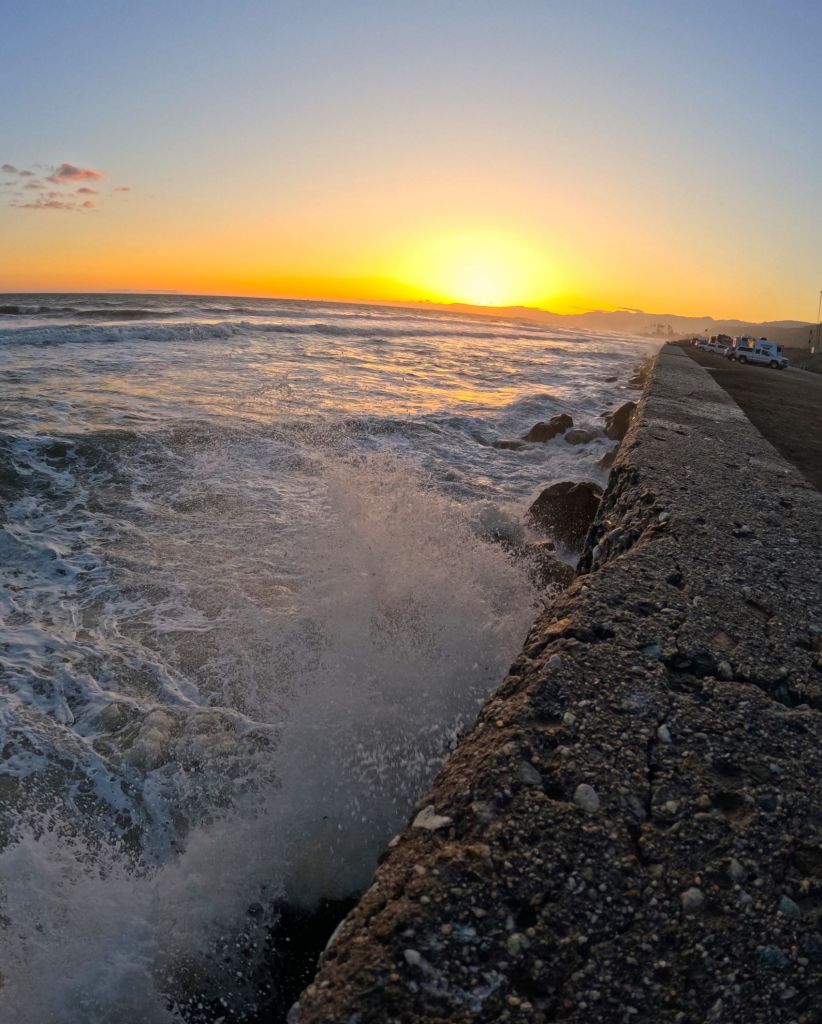
We joined them for the night and slept to the sounds of crashing waves and occasional passing Amtrak trains.  Rising the next morning, we could see the Channel Islands a few miles offshore, as well as several oil-drilling platforms near Santa Barbara.

Sunset at Rincon Beach
Pismo Beach and A Story to Tell

We continued along the coast to Pismo Beach where I met a man with a story to tell.

Chris, a ranger at Oceano/Pismo Beach State Park told me when he was young he lived in the Florida Keys.  I asked him what brought him to California. The bearded, 50-year-old explained that he moved often over the years and ended up in California. For years he was consumed by drug and alcohol addictions and two years ago, after a third addiction-caused coma, he awoke with no desire for drugs or alcohol.  He credits Jesus for changing his life and has been a Christ-follower since.  What a story of God’s goodness and redemptive power!

South of Big Sur – Elephant Seals

After leaving Pismo, we learned a 30-mile section of the PCH was closed near Big Sur as a result of intense weather earlier this year.  We drove as far north as possible to Ragged Point and then returned south a few miles to detour east to Pinnacles NP.

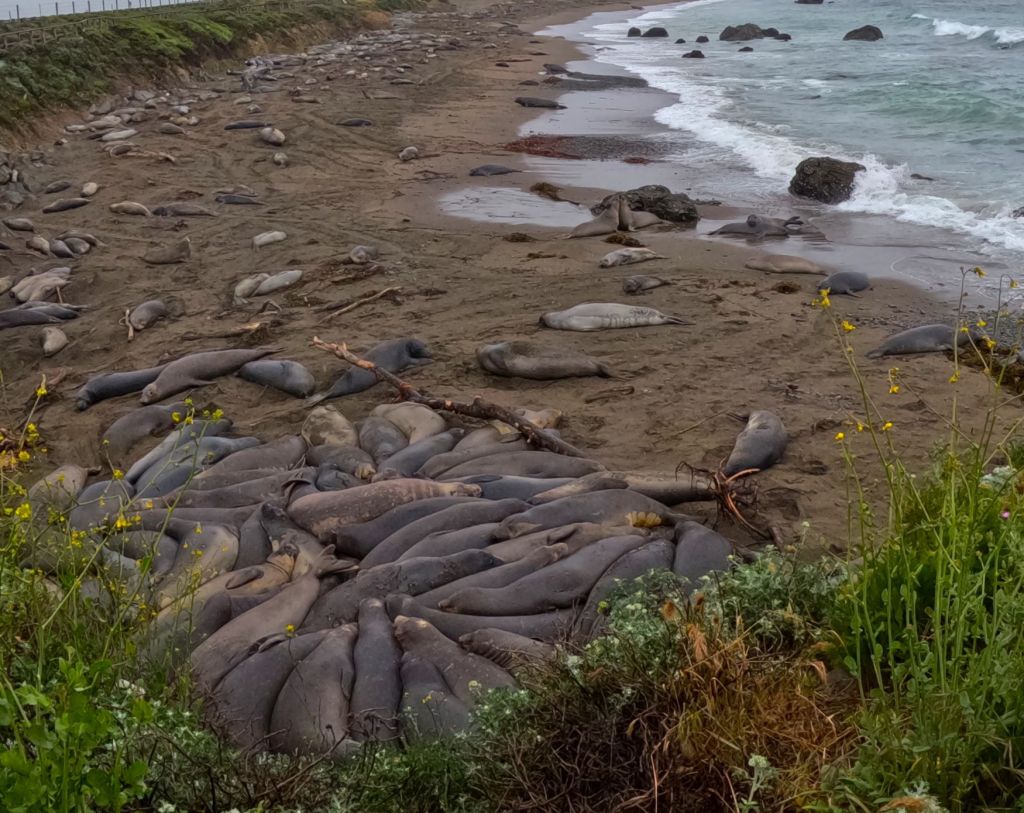
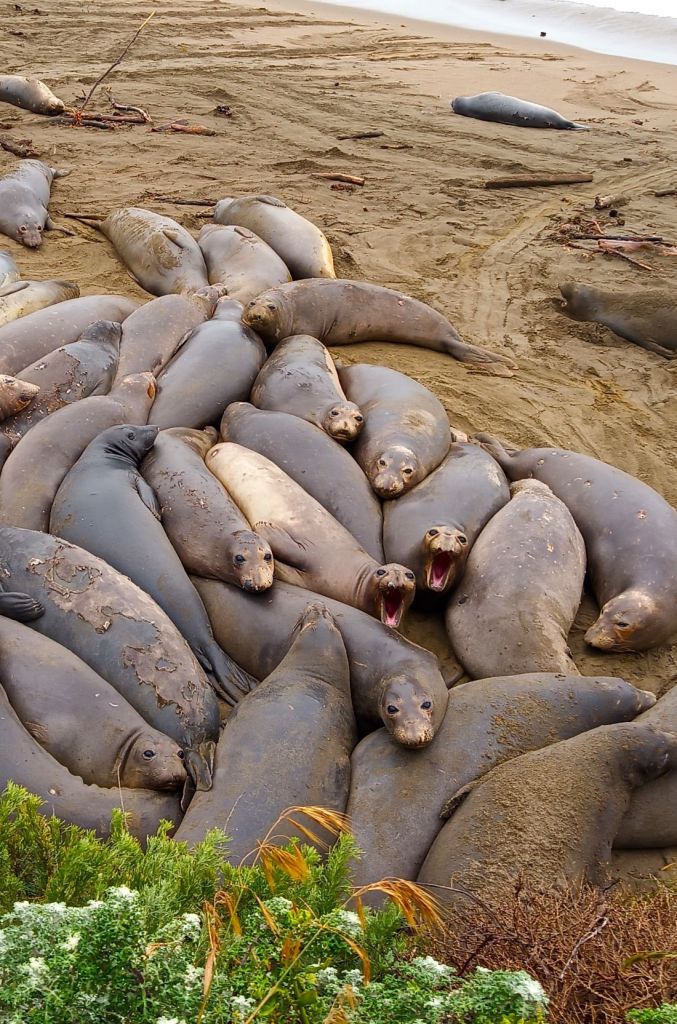
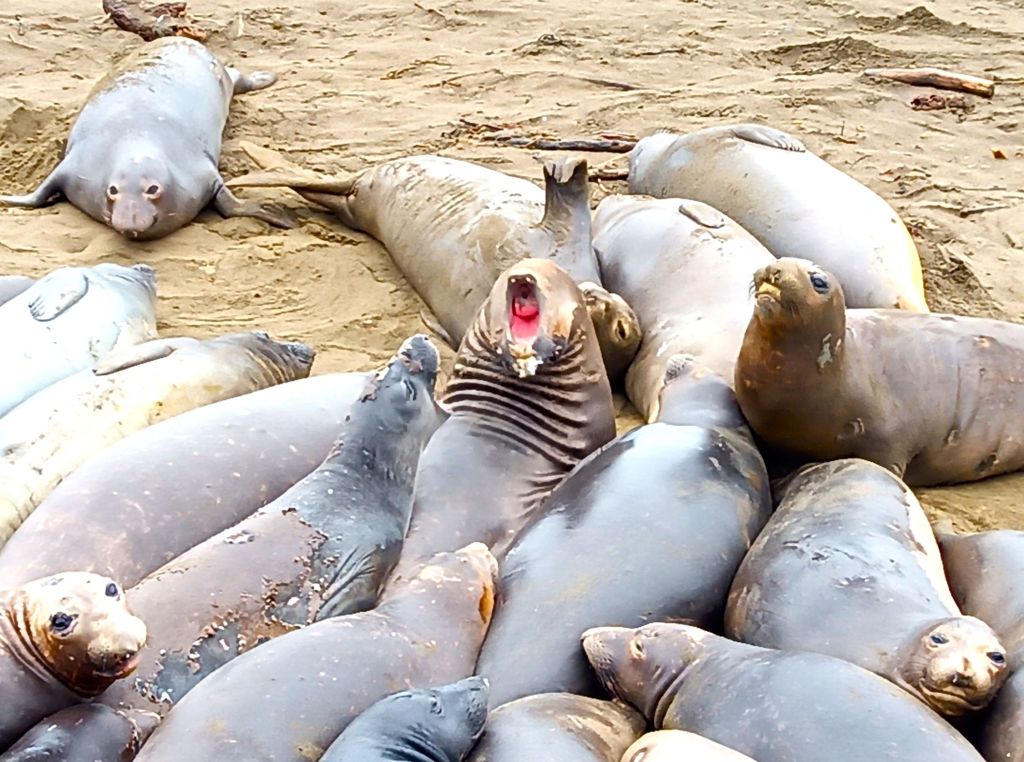
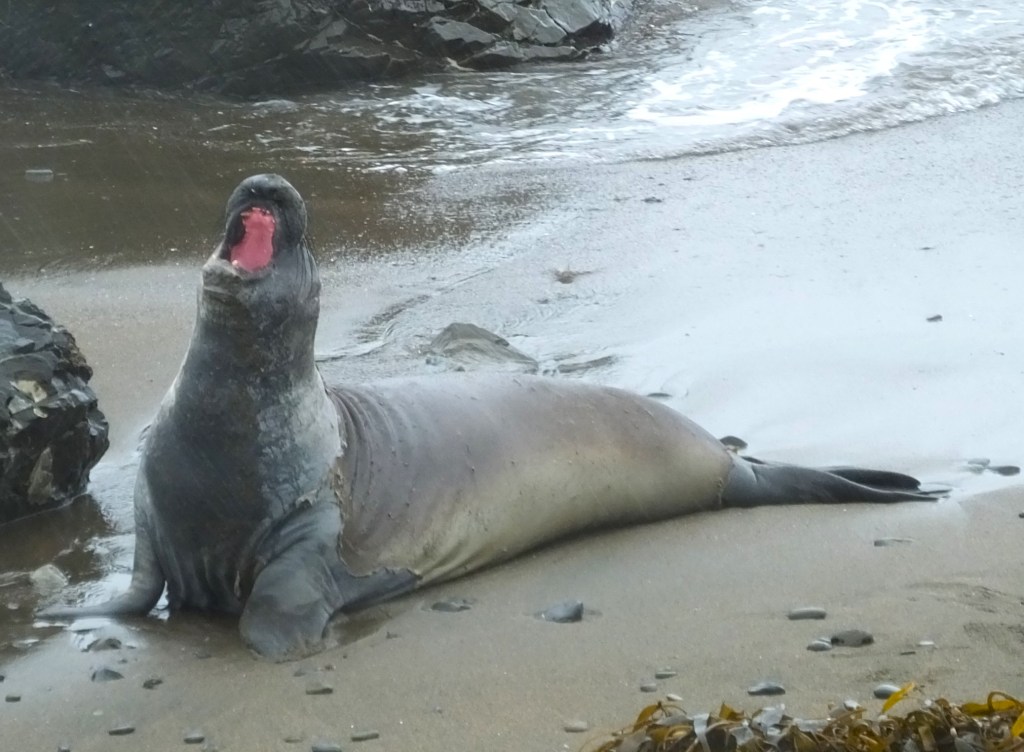
We stopped at Elephant Seal Vista Point and endured the cold coastal rain for an amazing sight.  From a bluff overlooking the rugged coast and crashing waves, we saw HUNDREDS of elephant seals.  Their rotund gray bodies were lying next to and atop one another.  Some seals scooted along with their flippers. Others seemed to be having grumpy arguments with one another.

The detour took us inland past fertile farmland.  There were immense fields of green and red leaf lettuce, vineyards and other fruit tree orchards.  It was interesting to see where our produce comes from.  

Pinnacles NP and an Amazing Connection
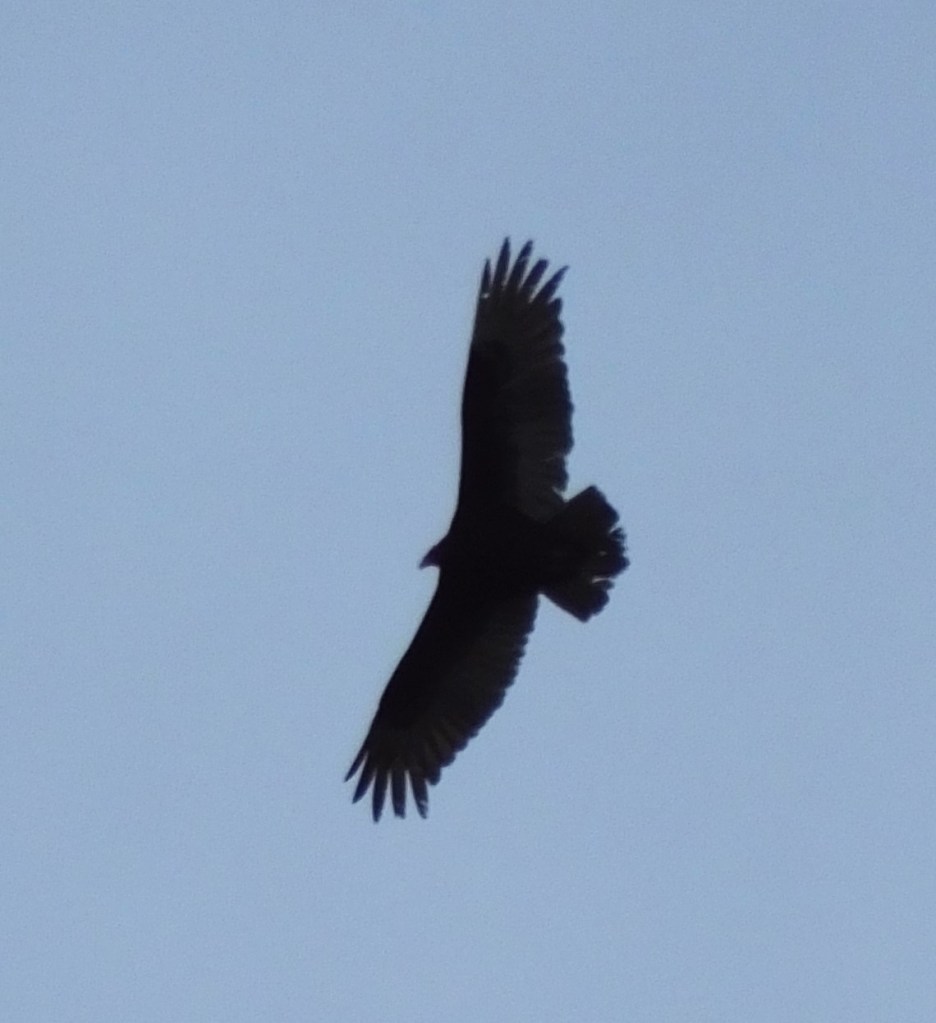
California Condor?

We camped the next two nights at Pinnacles NP.  The remote park has interesting rock formations and is a habitat for dozens of California condors reintroduced in recent years. We hiked a mile up the steep Condor Gulch trail to a viewpoint where we hoped to see a condor.  Several other condor-watchers were there also.  We saw several large birds soaring in the distance but are uncertain if they were condors.  The hike was worth it anyway.

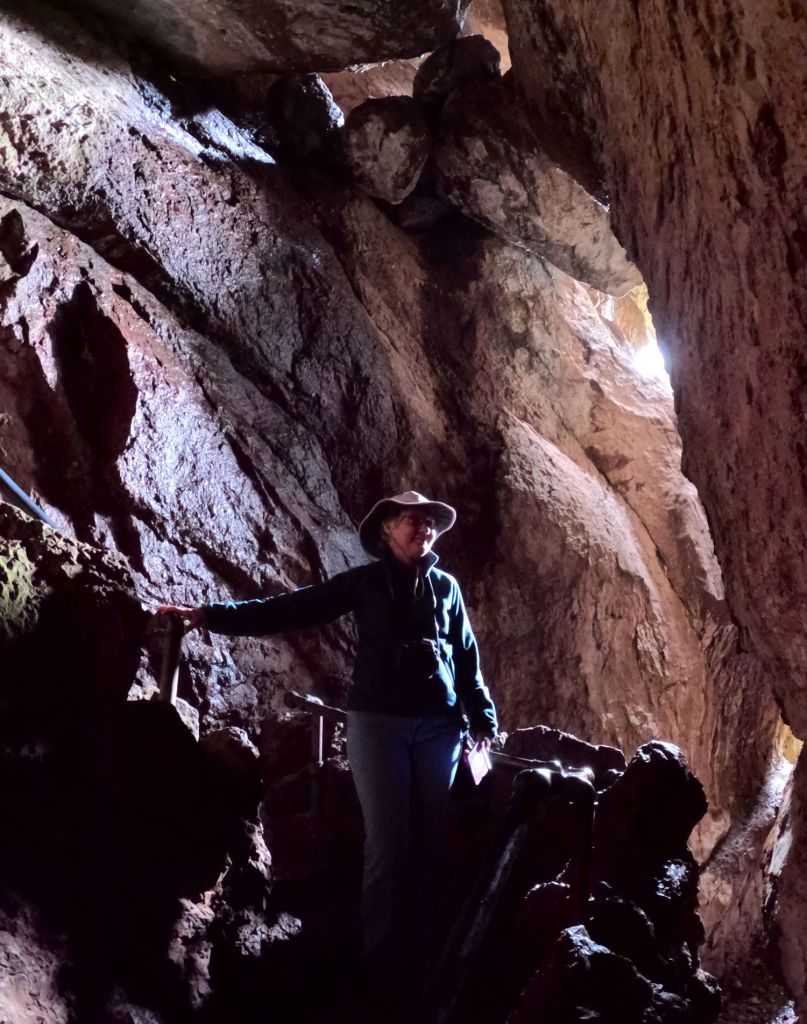
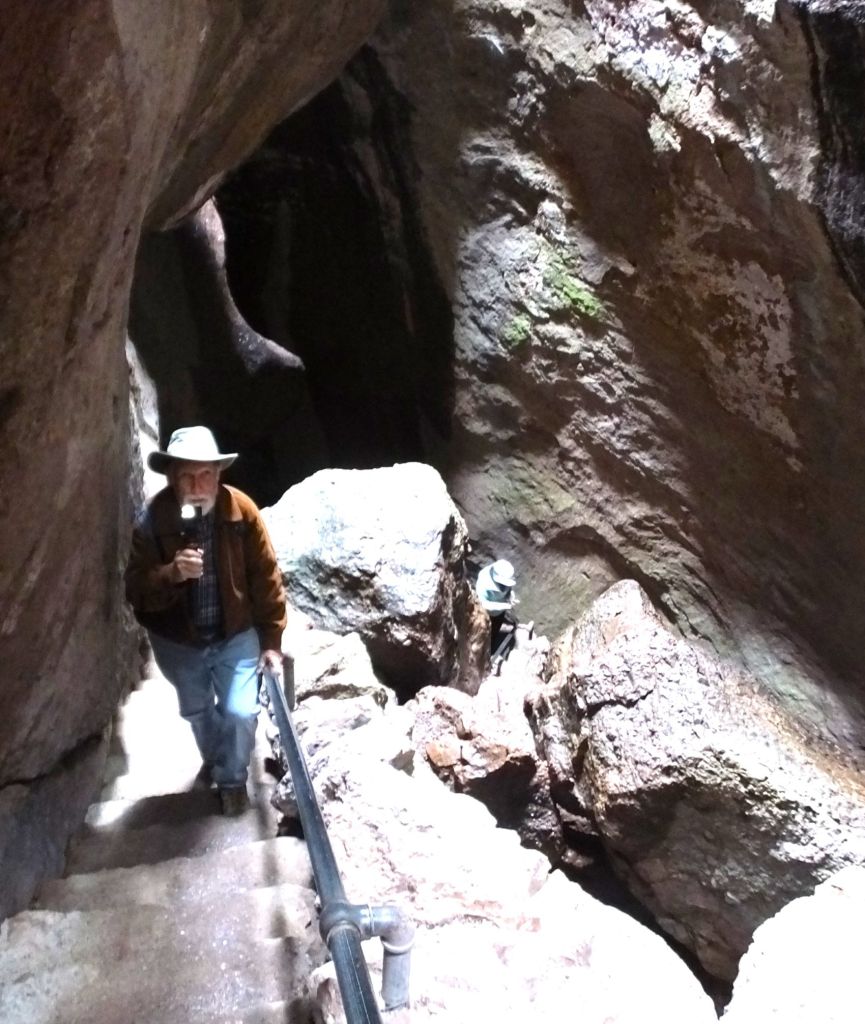
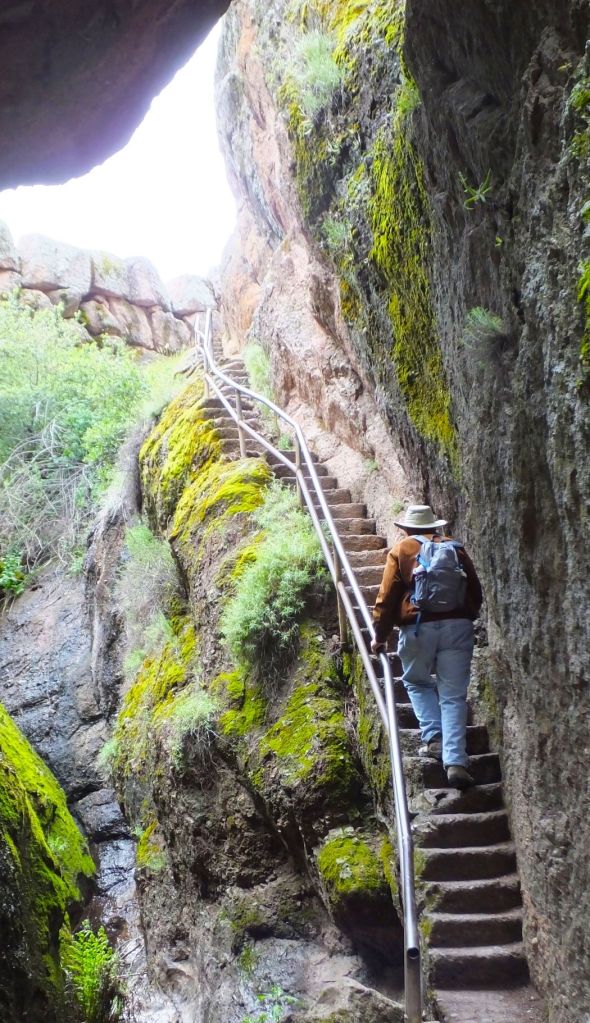
We also hiked to Bear Gulch Cave where we used our cell phone flashlights to find our way through the cave.  Dripping water fell from the ceiling and collected into runoffs in various spots.  We climbed a slick stairwell out of the cave and up more steep, rocky stairs to the Bear Gulch Reservoir.

Placid Bear Gulch Reservoir

As we returned to the parking lot, we realized we had not seen Moses Spring, another scenic point along the trail. 

We backtracked a bit and met two hikers also searching for the spring.  We learned one of the hikers, Julie, is from the same city we are from in Florida.  We asked what part town she lives in and discovered we go to the same church!  Then we recognized the other hiker, Kok-Tow, who used to attend our church and now lives in another city closer to her daughter and grandchildren.  They were on a two-week tour of California.

Our amazing God had arranged encouraging fellowship in a remote part of California more than 3000 miles from home!

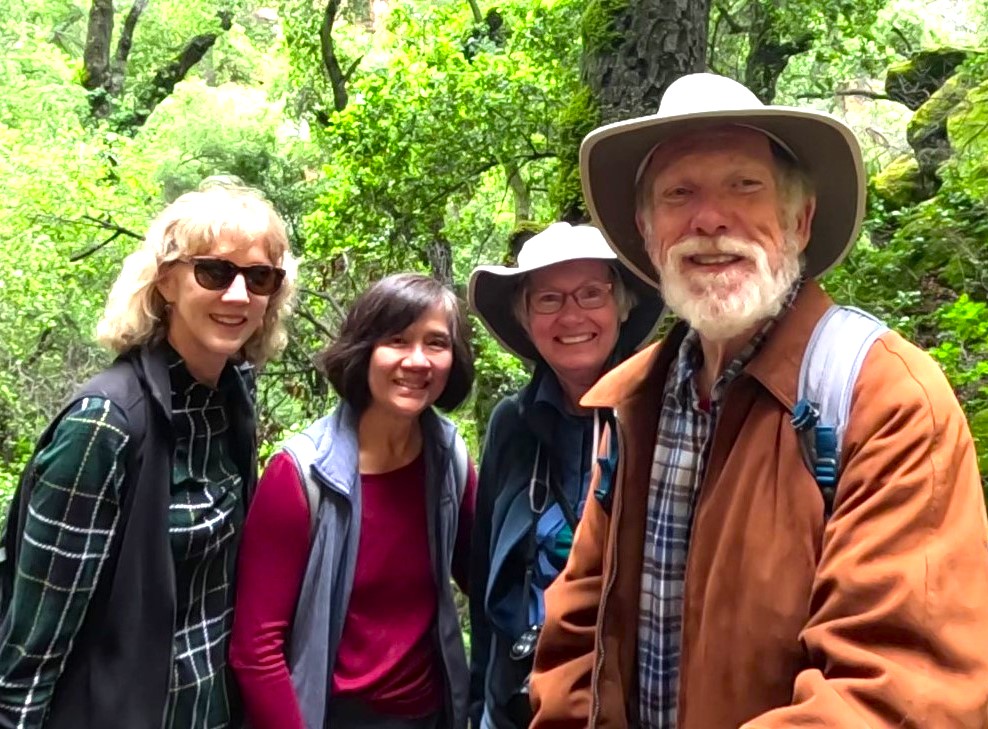
Julie, Kok-Tow, Pat and Ed fellowshipping in Pinnacles NP
North of Big Sur and Monterey

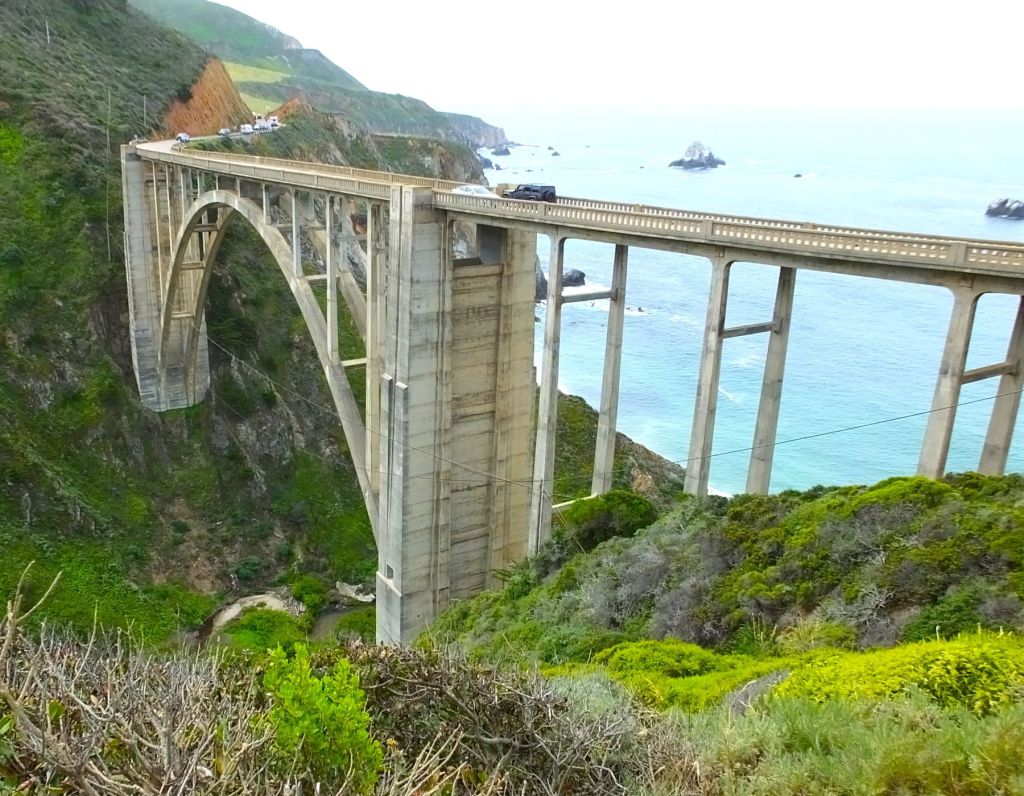
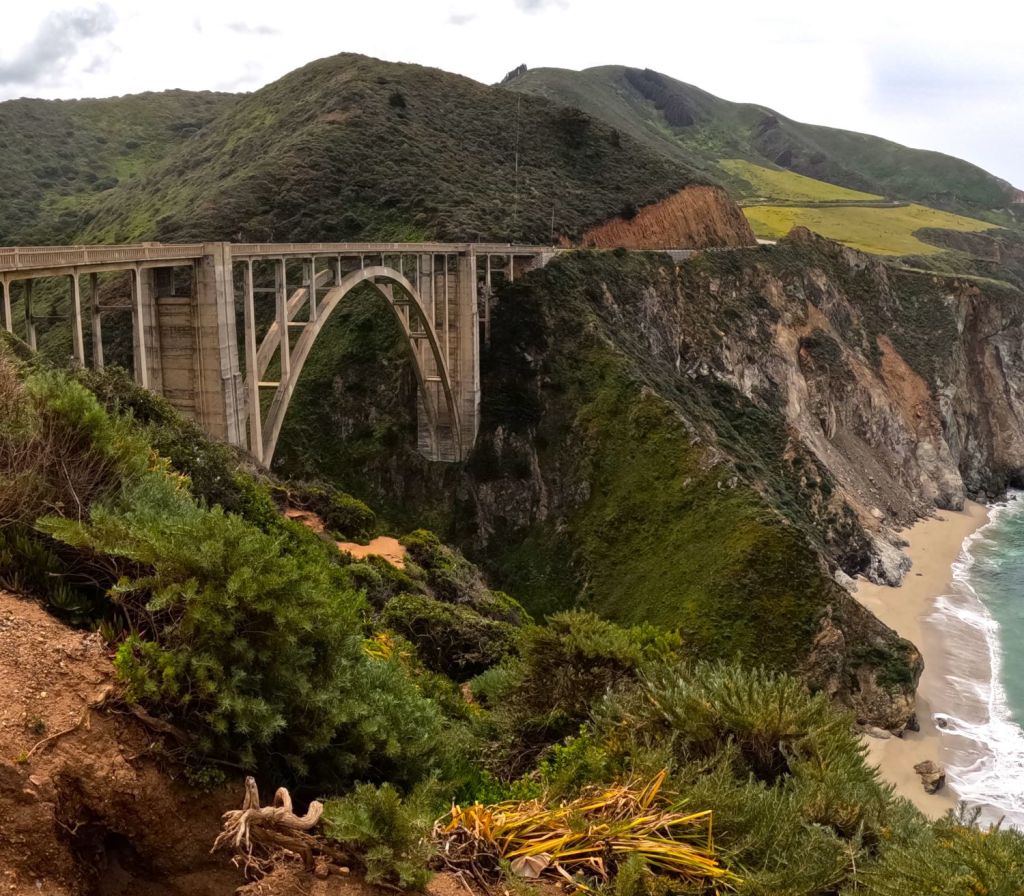
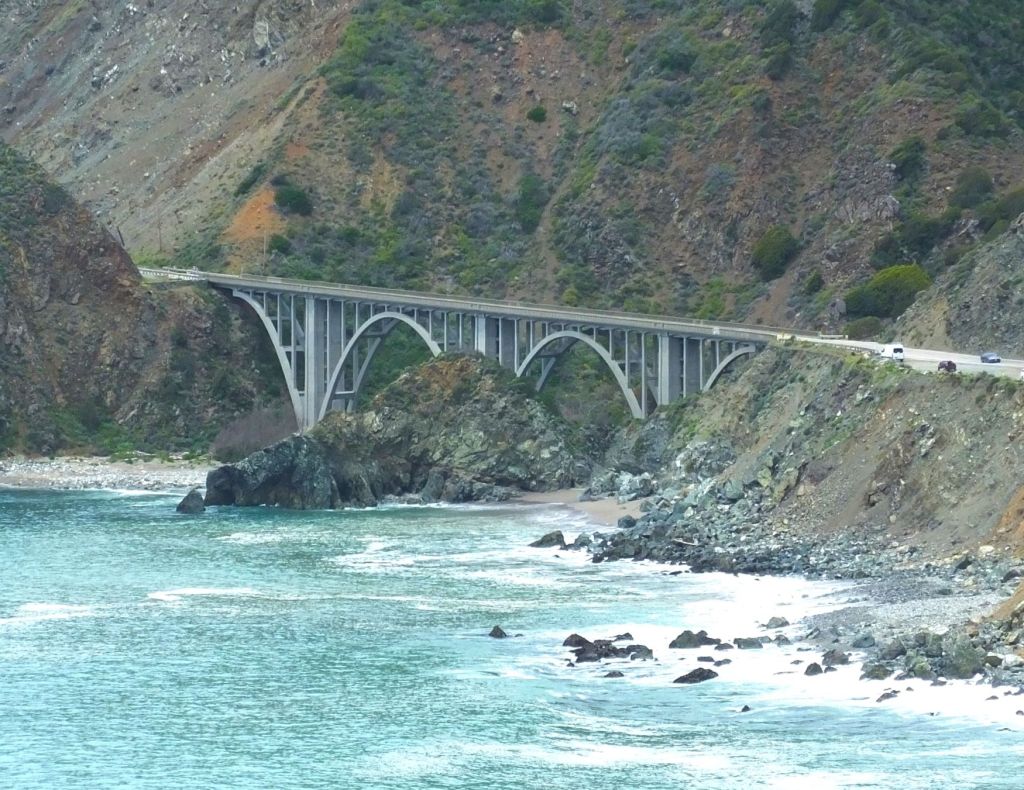
From Pinnacles NP, we returned to the coast where we camped several nights near Monterey.  One day we drove south on the PCH to Big Creek Vista Point where the road was closed.  Along the way we drove across several iconic PCH bridges.  The coastline views were magnificent.

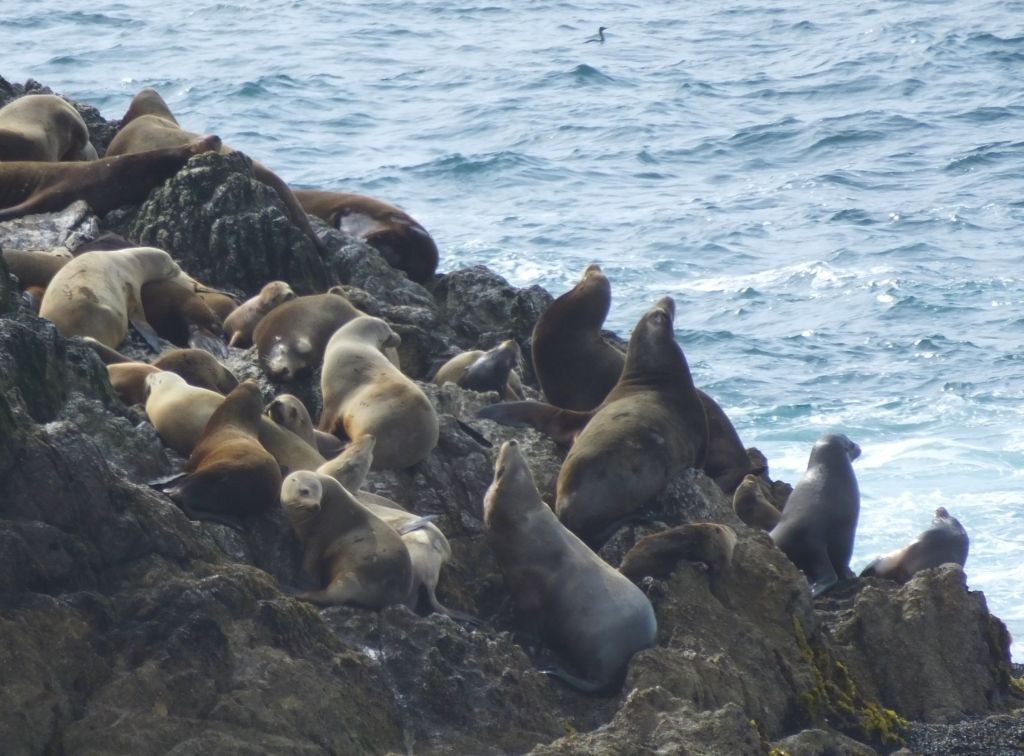
Back in Monterey, we enjoyed the 17-mile Drive at Pebble Beach.  We passed by the windswept Pebble Beach Golf Course and stopped along the rugged coast where we saw otters, sea lions, elephant seals, lots of birds and a few golfers.

San Francisco and the Golden Gate Bridge

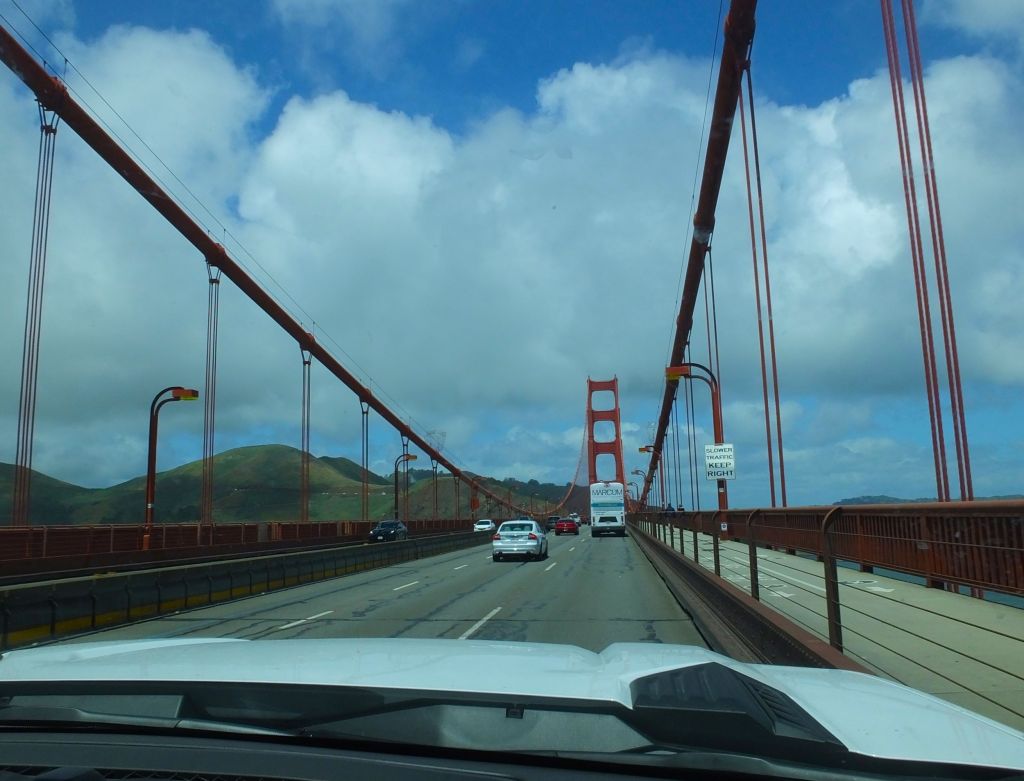
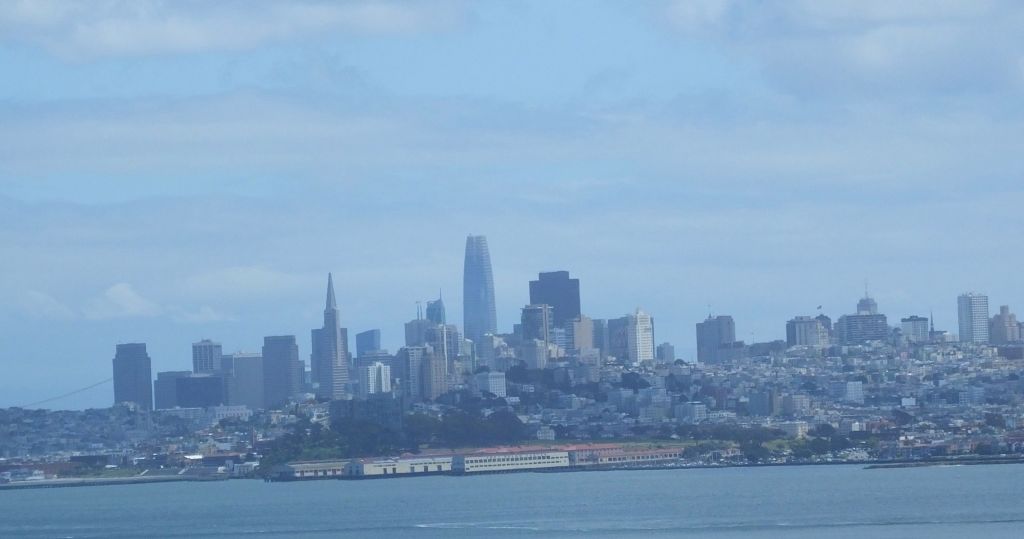
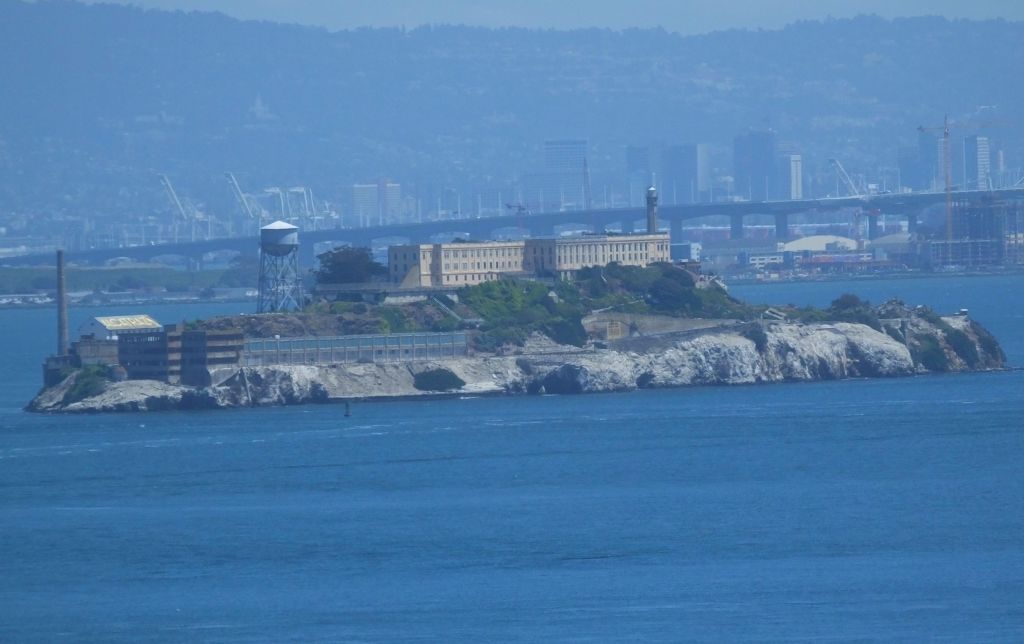
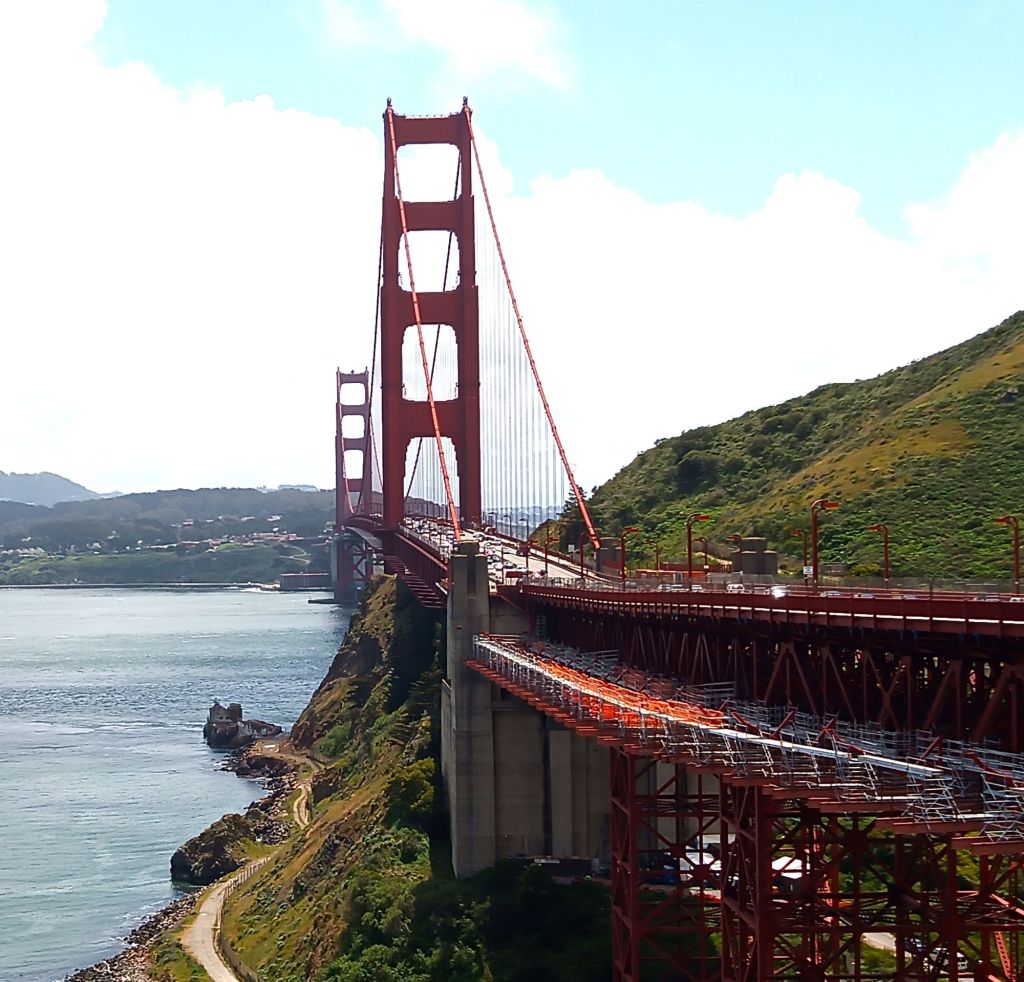
We continued north past Santa Cruz and neared San Francisco.   The PCH became increasingly busy.  After an hour or so of heavy city traffic, we crossed the Golden Gate Bridge and from a vista near the northern end of the bridge, we could see the world-renowned bridge, the San Francisco skyline and Alcatraz Island.

Finishing the PCH

The final 200 miles of the PCH from San Francisco north to Leggett follow coastal contours as they rise and fall, and zigzag around never-ending curves.  The road turns west for the final 40 miles, crossing several mountain ranges and ending a few miles from the redwood parks. 

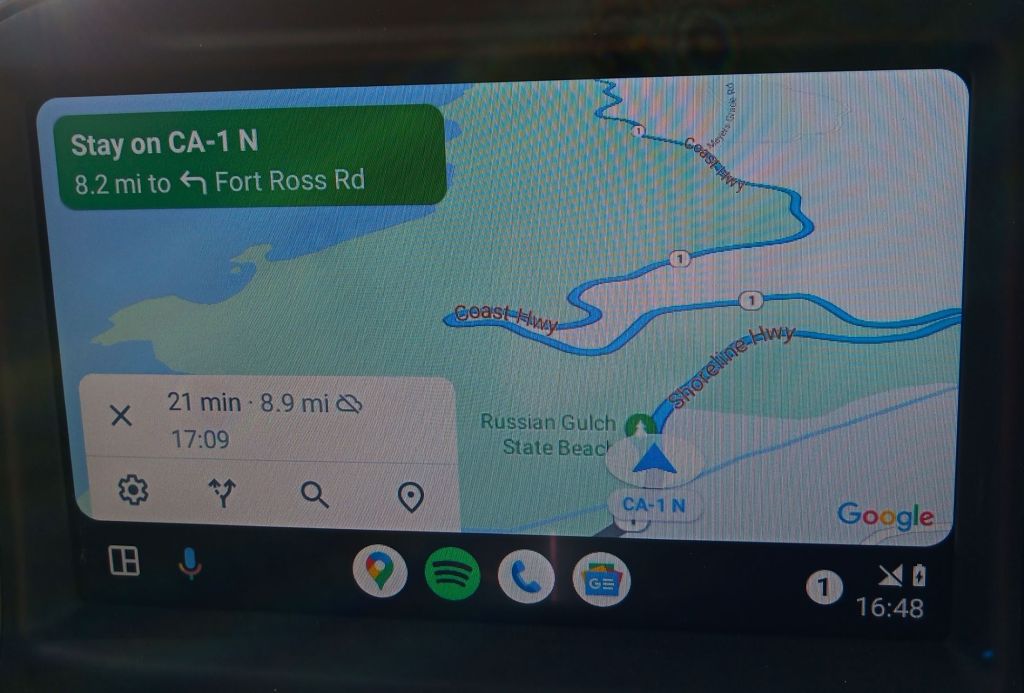
Google shows a twisted route ahead

We drove this section of the PCH in 1995 while on a family camping vacation and were told it would take 2-3 hours to go 45 miles.  I thought that had to be an error but became a believer after enduring the road.  The road is no straighter or quicker today!

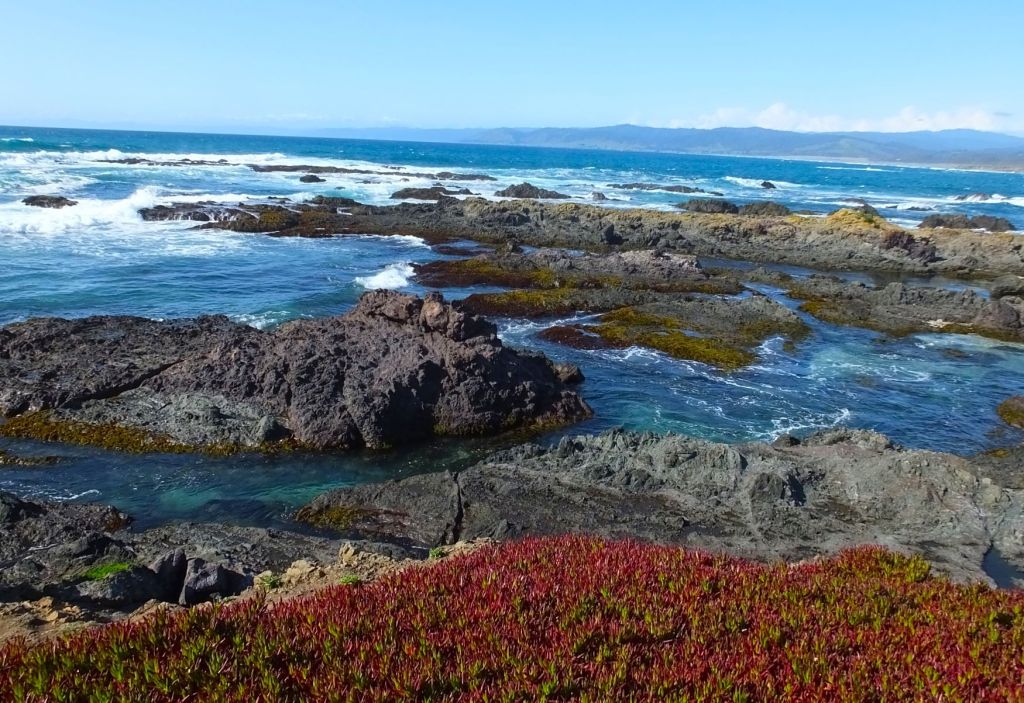
Our final night on the PCH was spent a few miles from Ft Bragg, where we camped near the ocean and walked a long boardwalk to Laguna Point.  A few seals were swimming in the turbulent waves near the rocks.  It was a beautiful ending to this chapter our Alaska journey.   

Next week: 

Thoughts on ‘downsizing’ to a truck camper plus we reveal the names of our truck and camper!  

RabbiTRAIL Trek: Where This Blog Has Not Gone Before

(2023 Alaska Revisited Ep 7)

We travelled the southwest desert for more than three weeks.  The weather was delightful, and the scenery was beautiful. 

We saw delightful desert vistas.

Desert panorama east of Phoenix
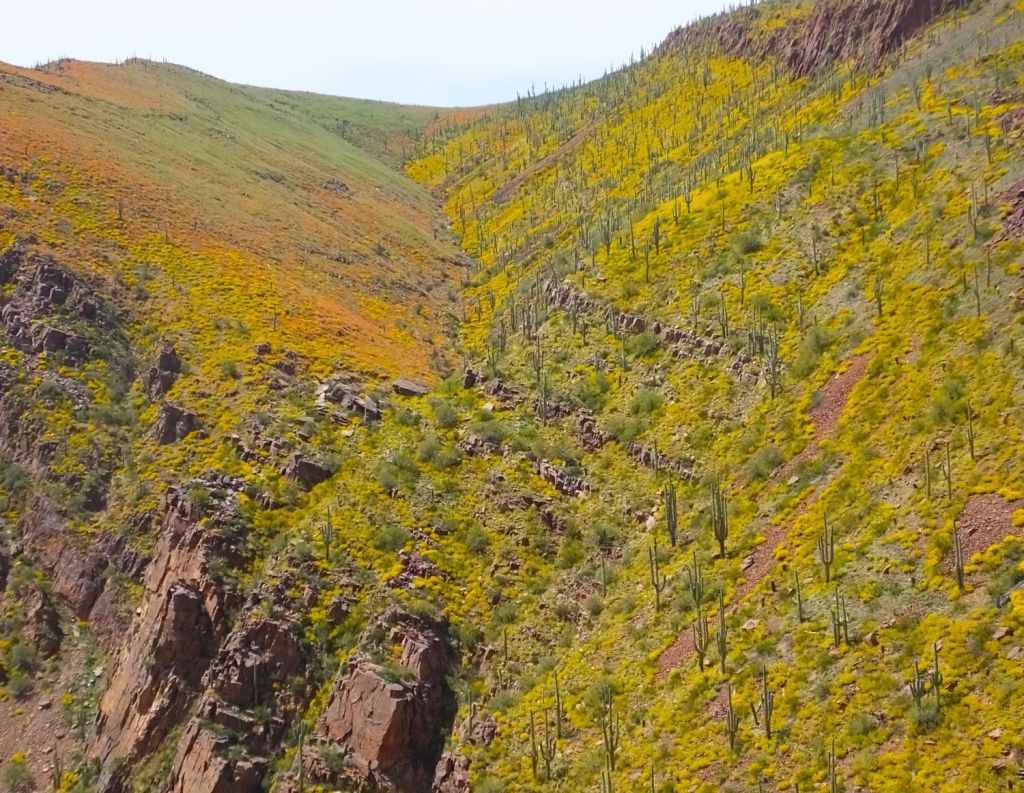
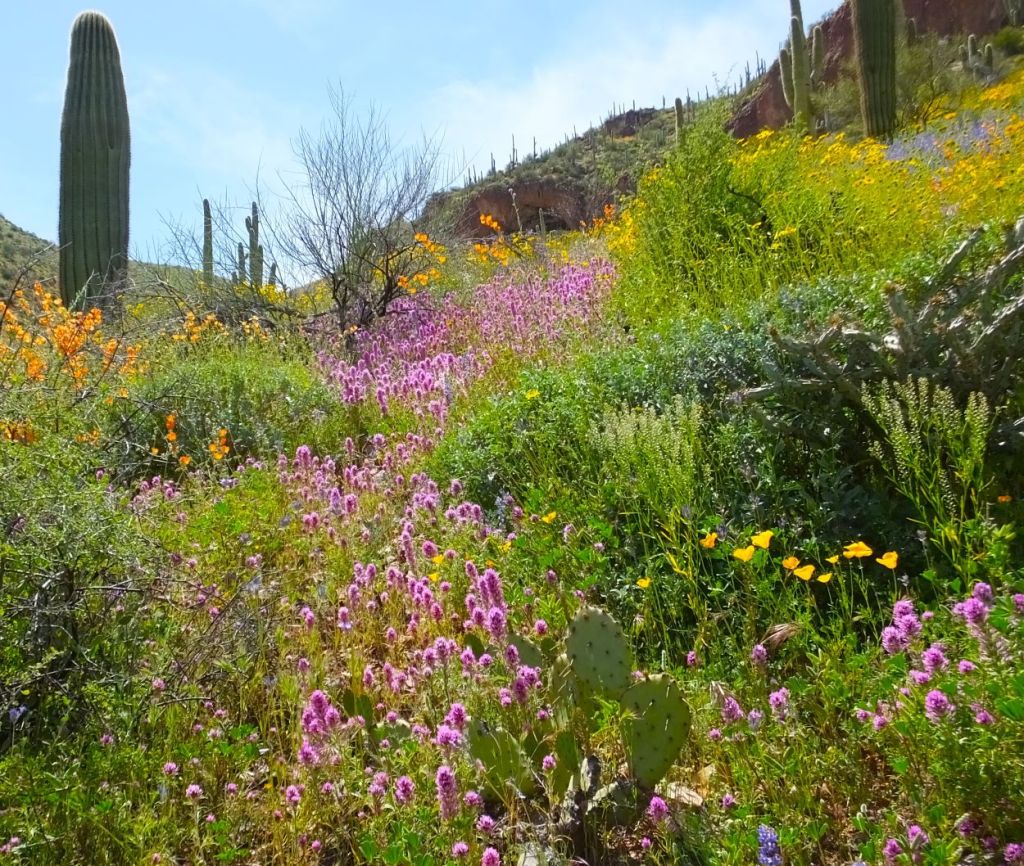
Flower covered hillsides
Desert sunset and colorful bitterweed flowers
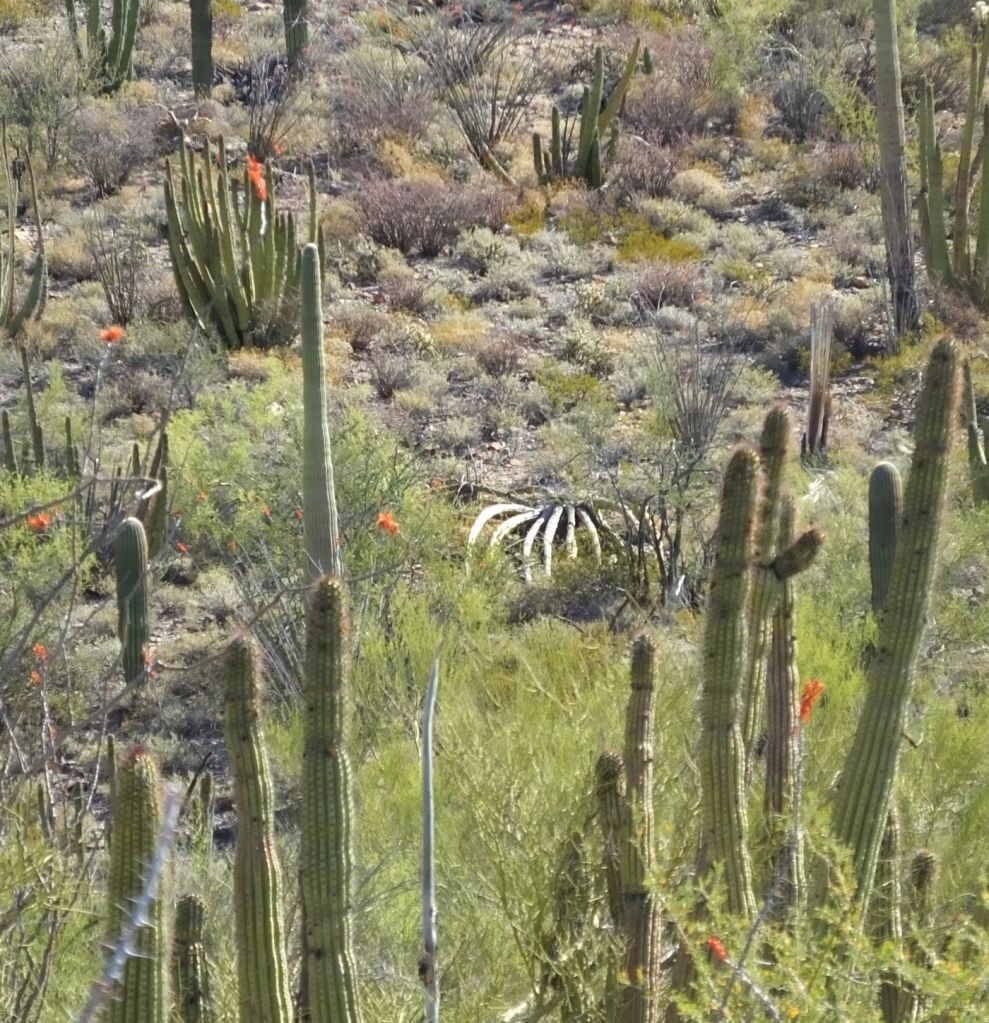
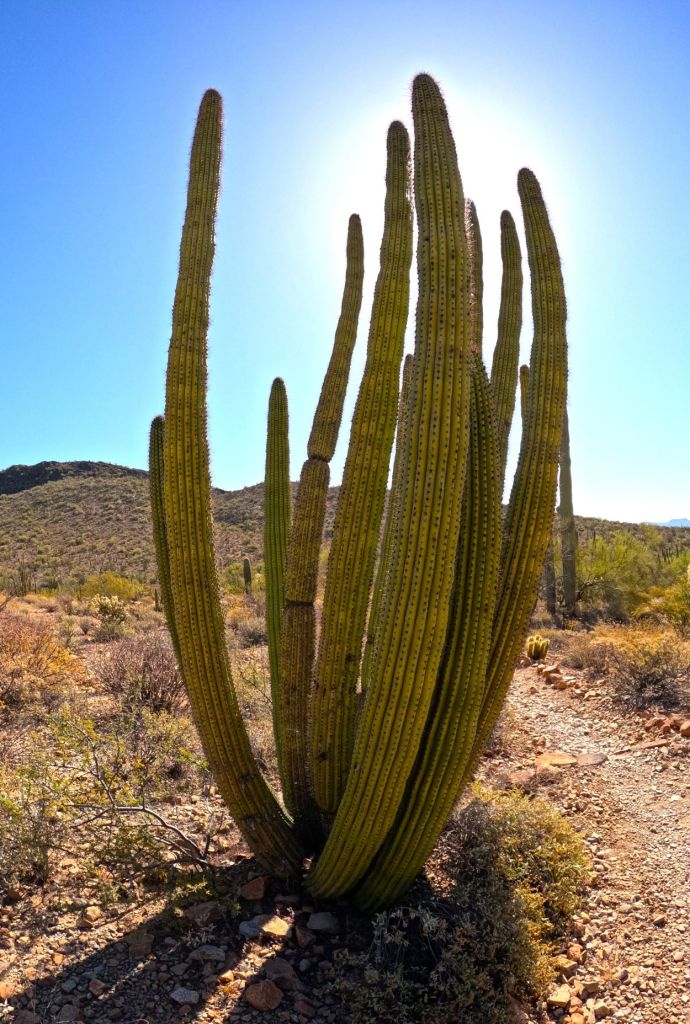
Huge desert spider? (actually the skeleton of an organ pipe cactus)
Flowers

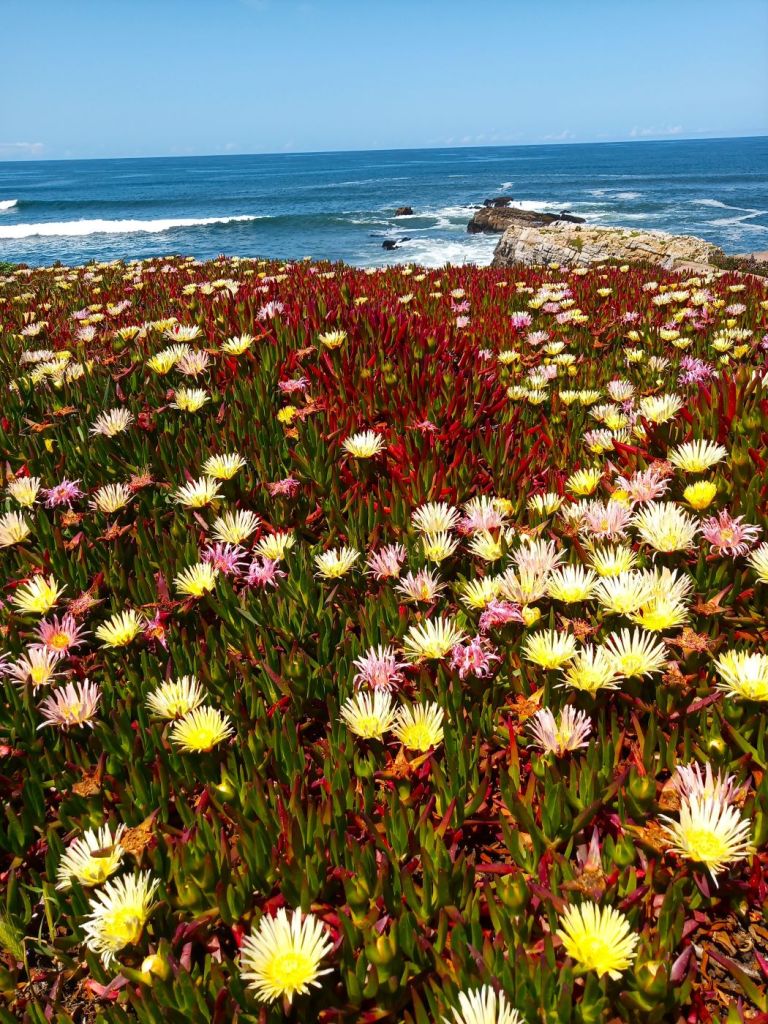
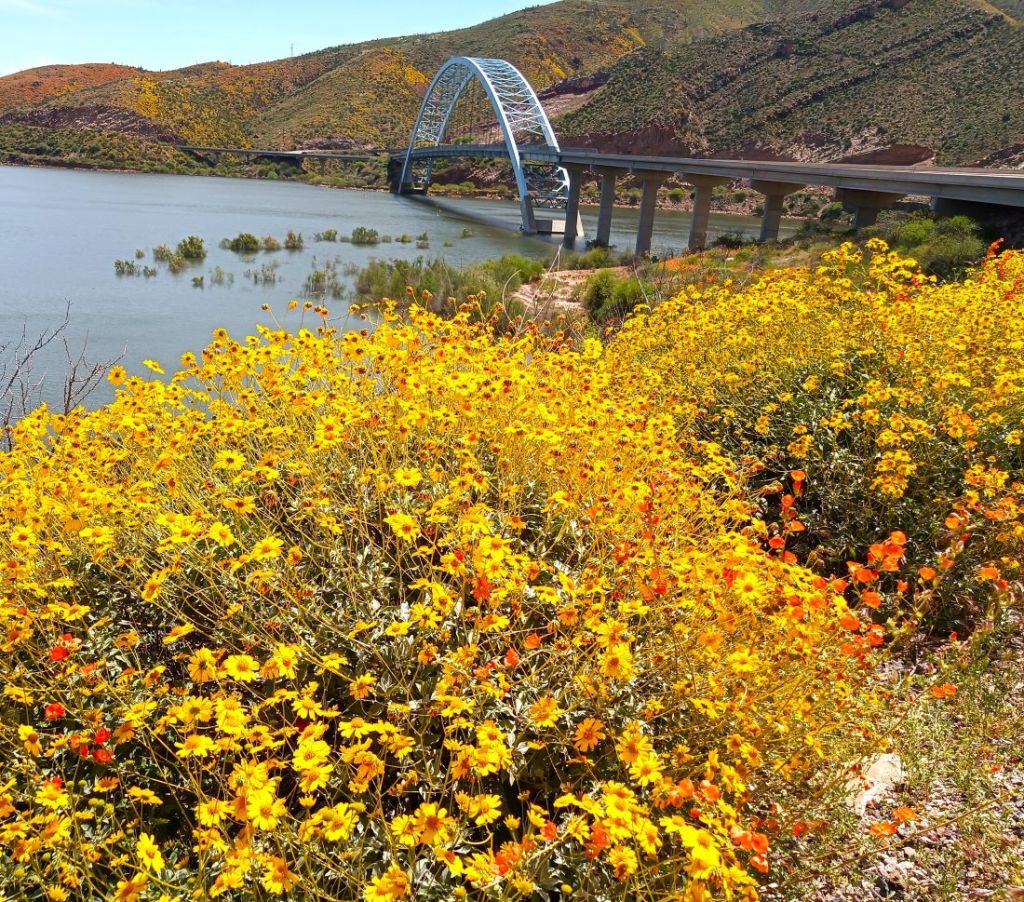
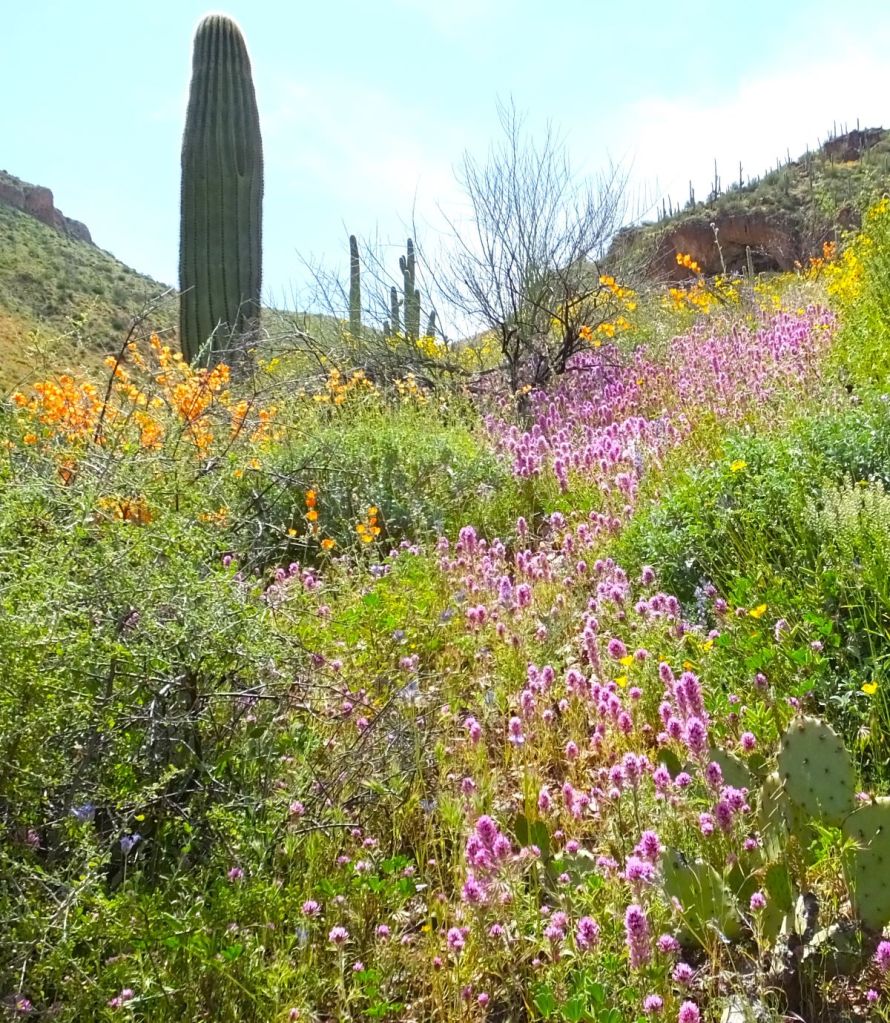
Rains in many areas resulted in eyepopping flower displays. 

Roosevelt Lake Bridge
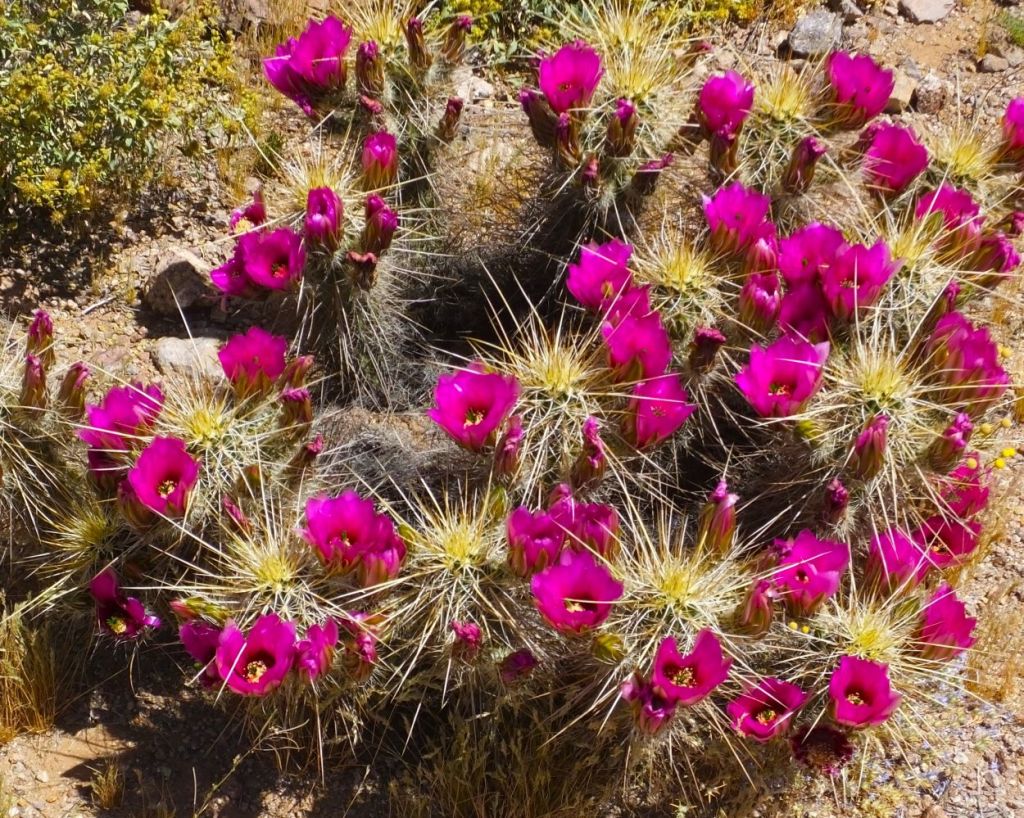
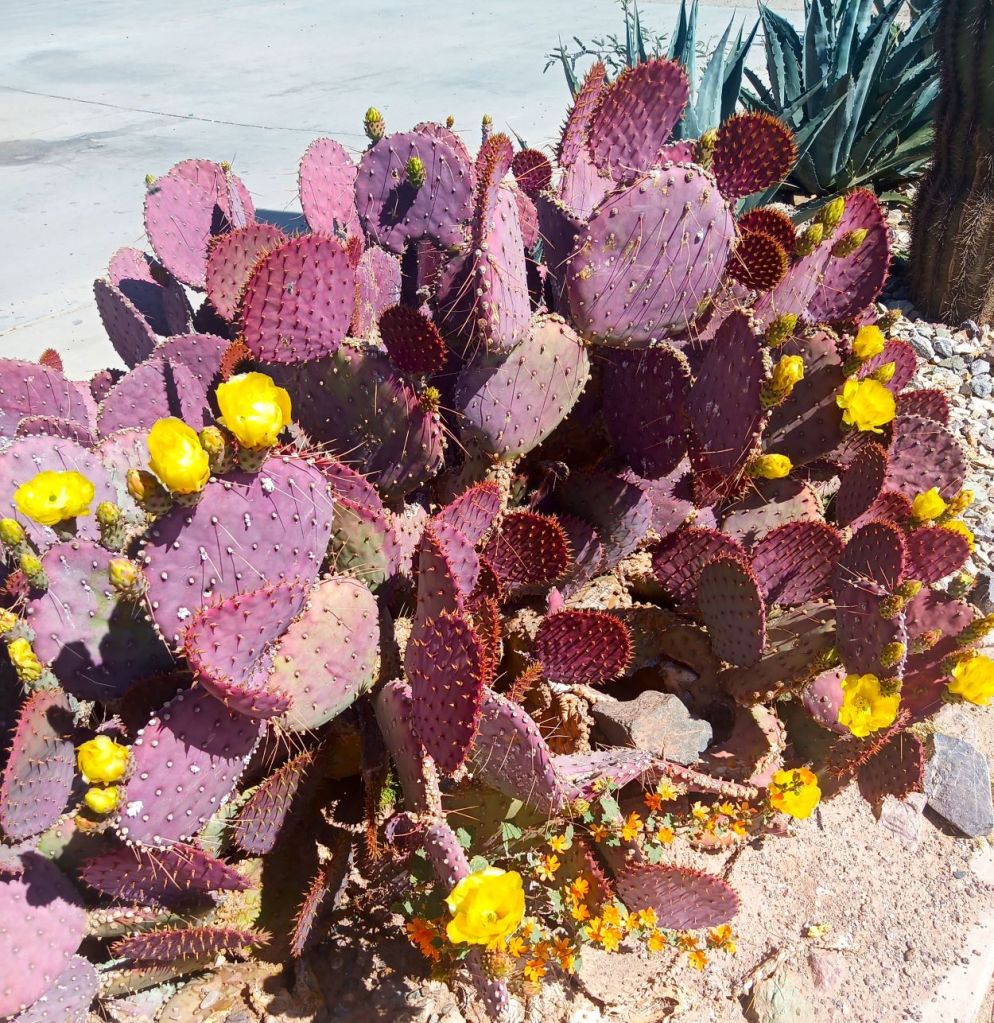
Purple bloomed teddy bear cactus
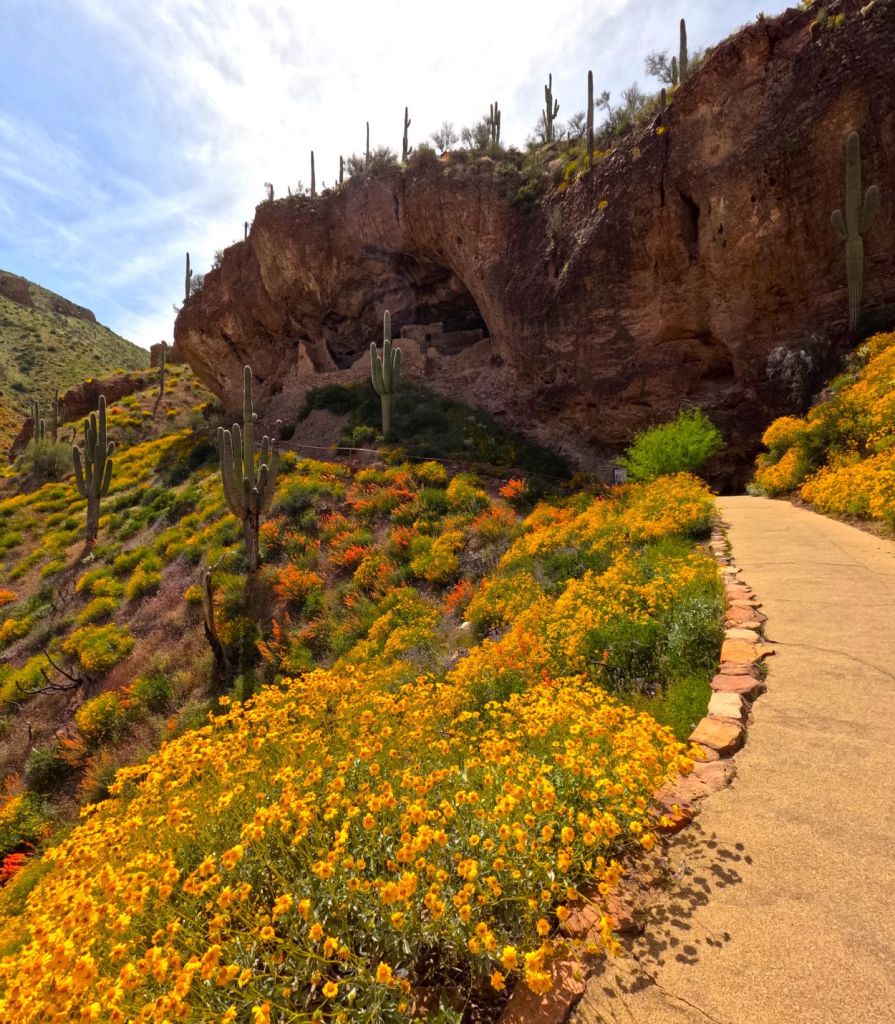
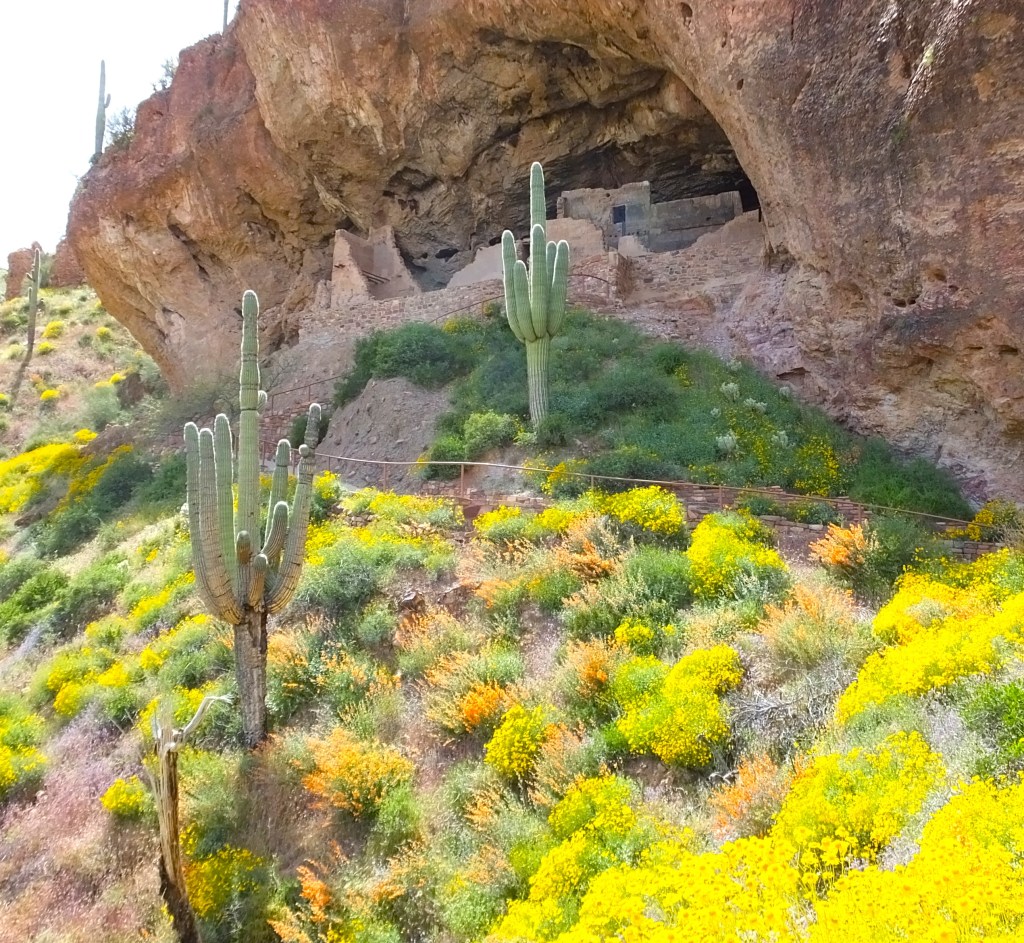
Blooms along the cliff dwellings trail in Tonto National Monument
More flowers in Tonto National Monument
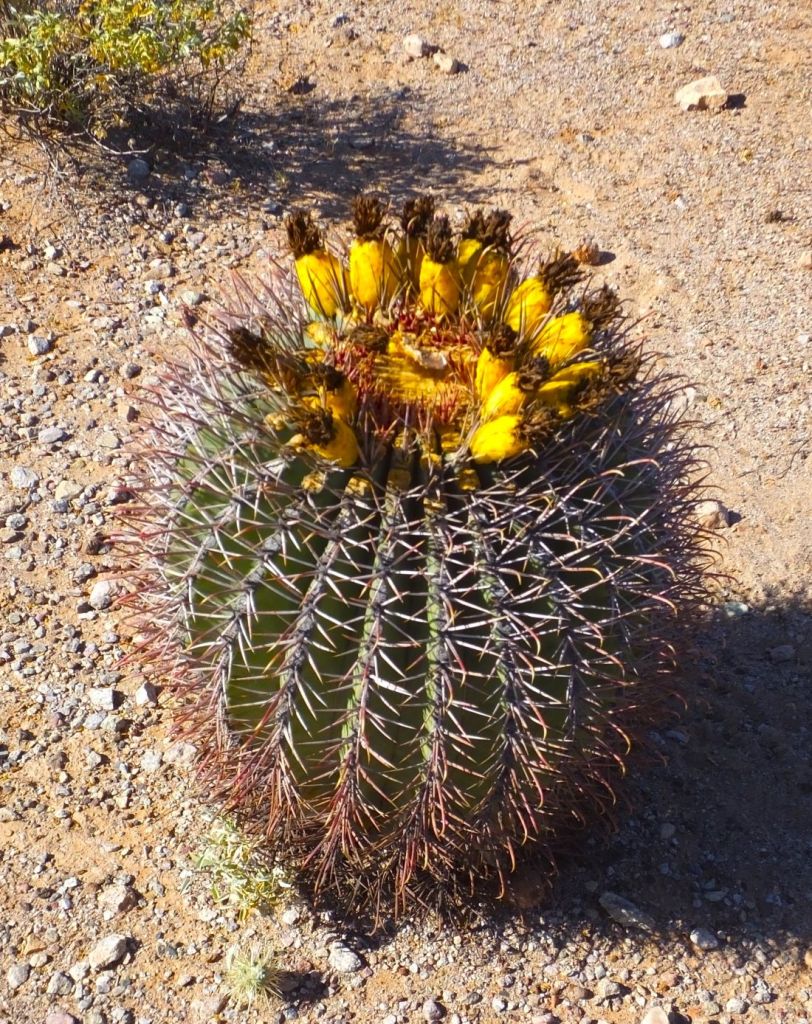
Barrel cactus
Amazing Desert Plants

Desert plants, especially the cactus, were unlike anything we have back home.

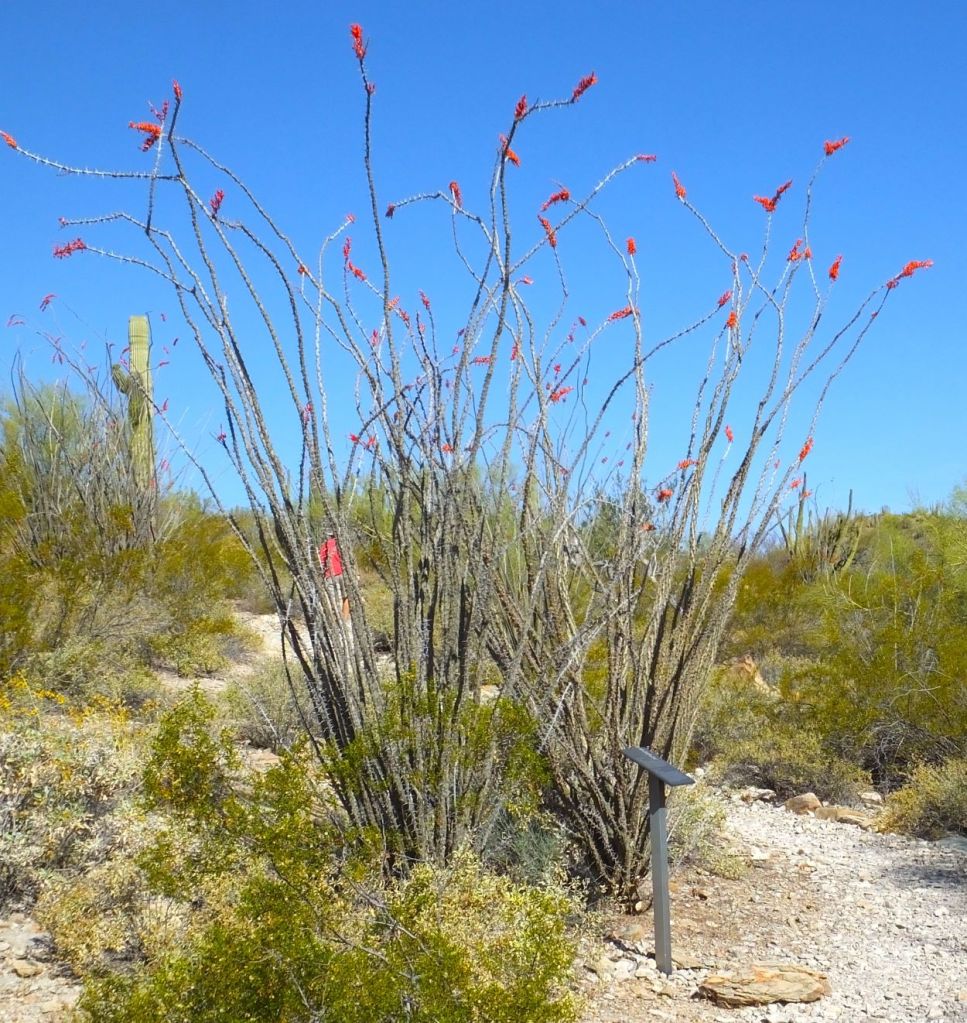
Satillo cactus topped with red blossoms
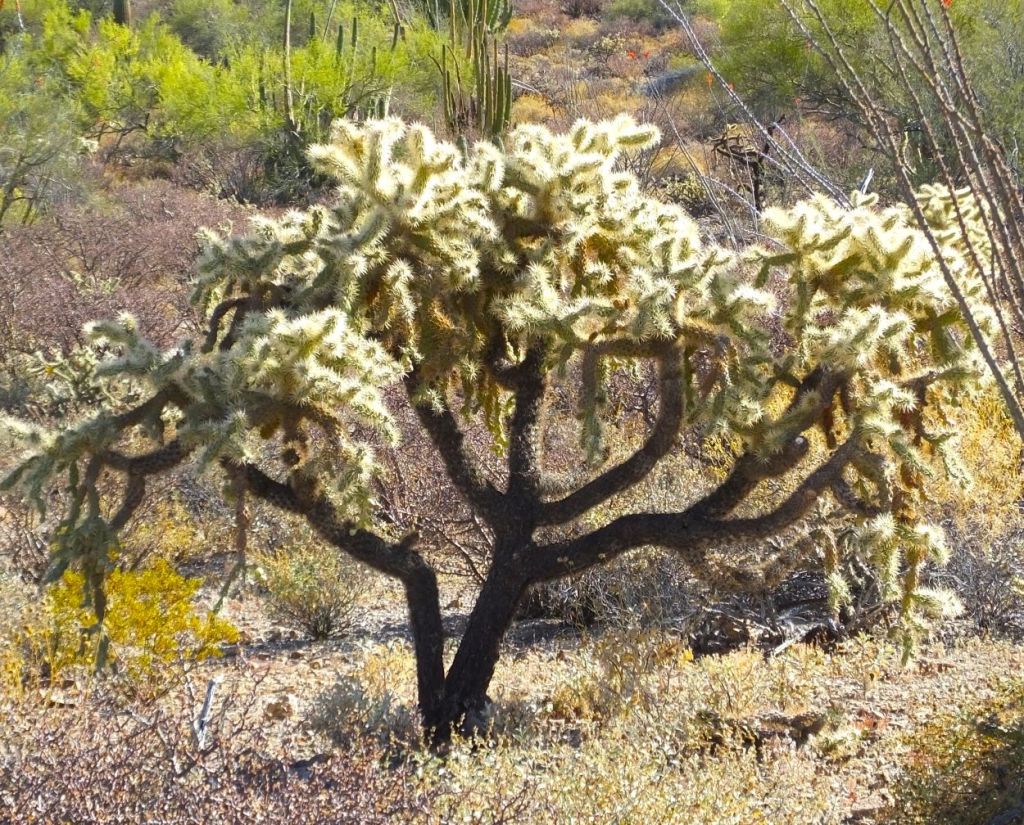
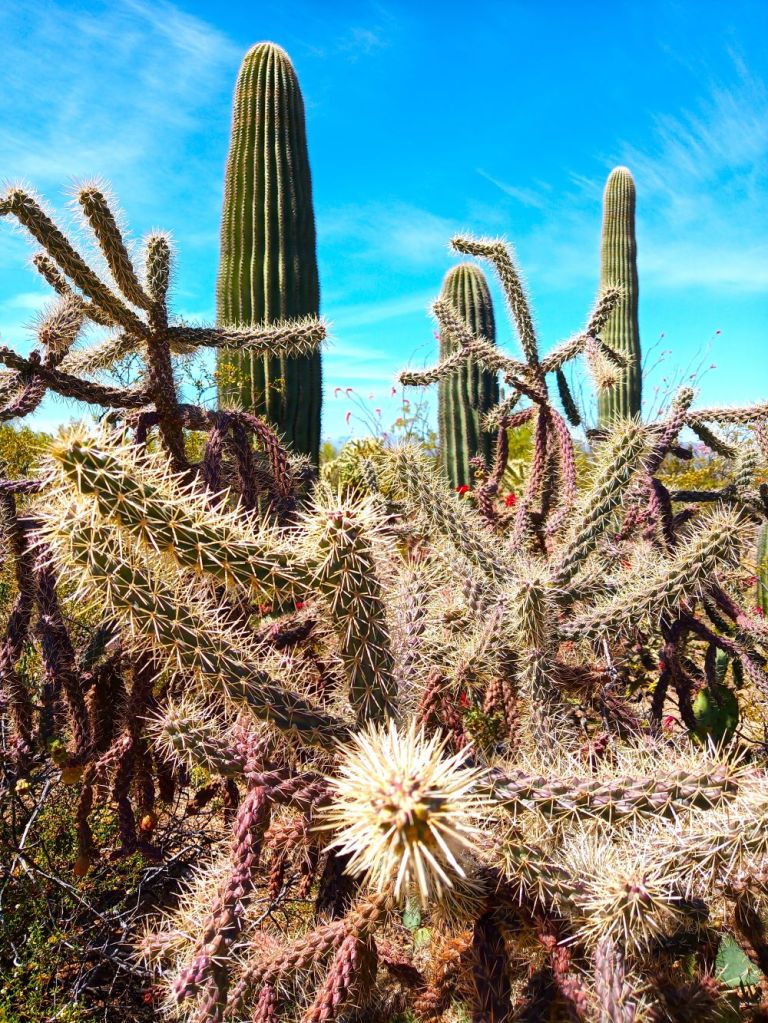
Cholla cactus tree
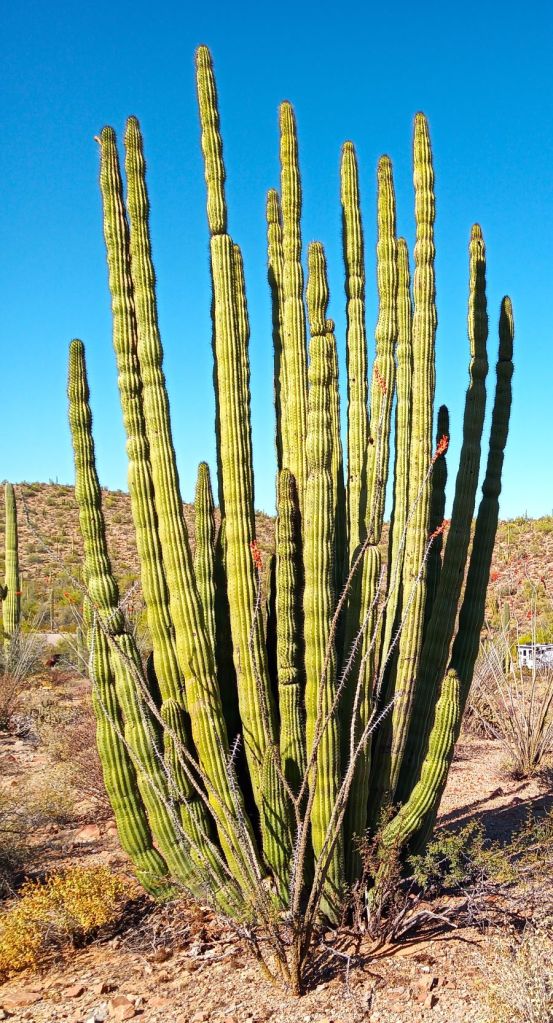
Organ pipe cactus
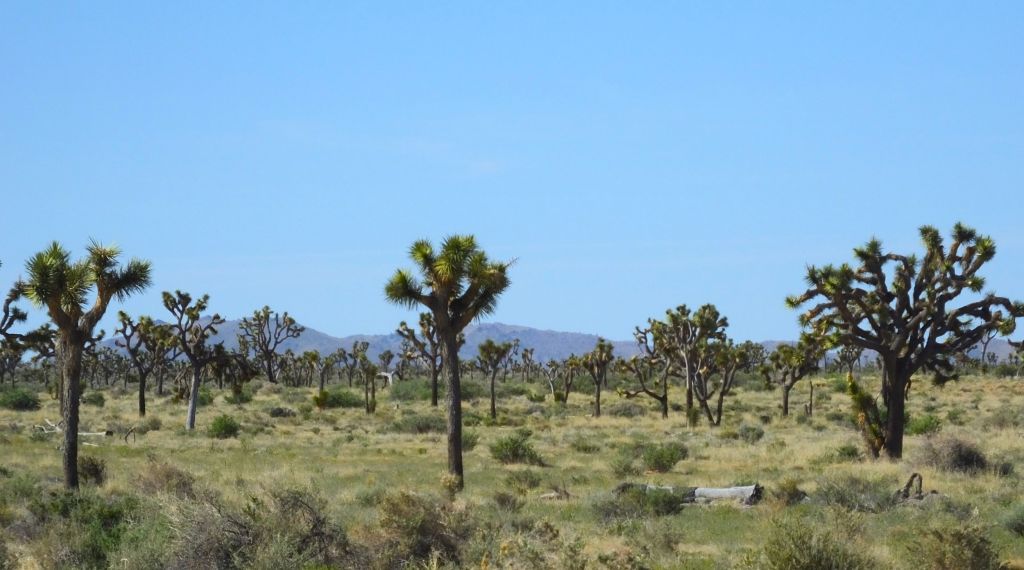
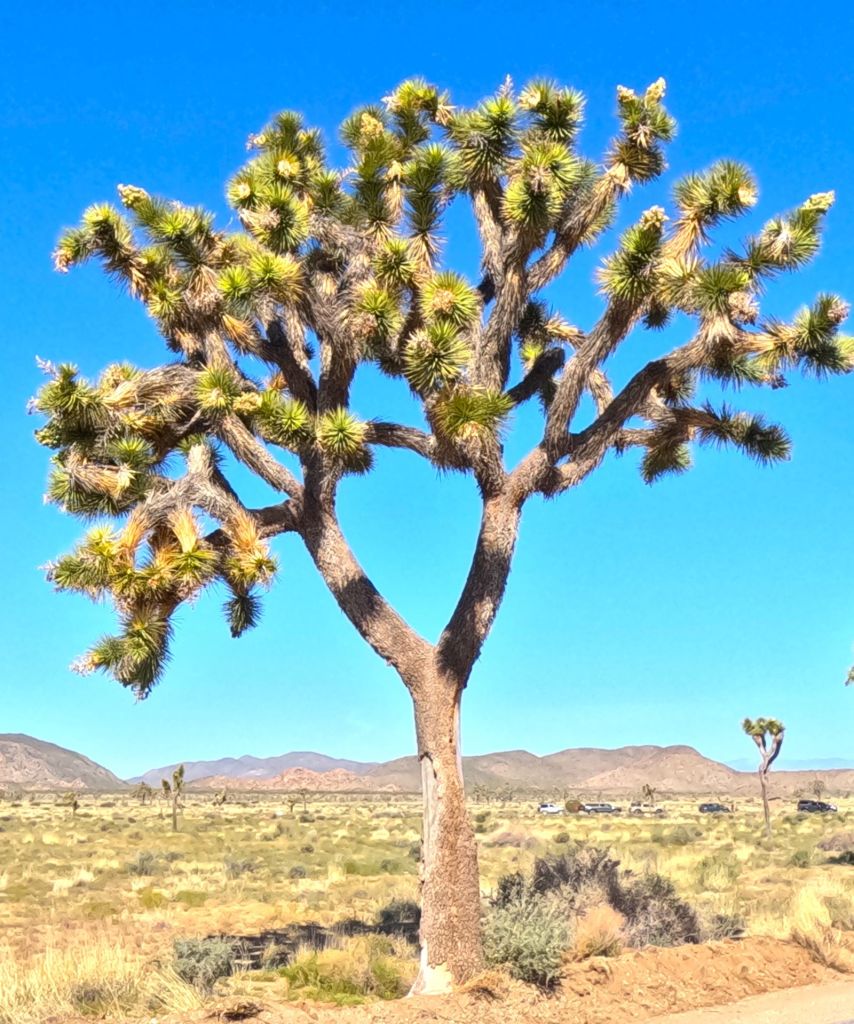
Joshua Tree ‘forest’
Prickly pear cactus
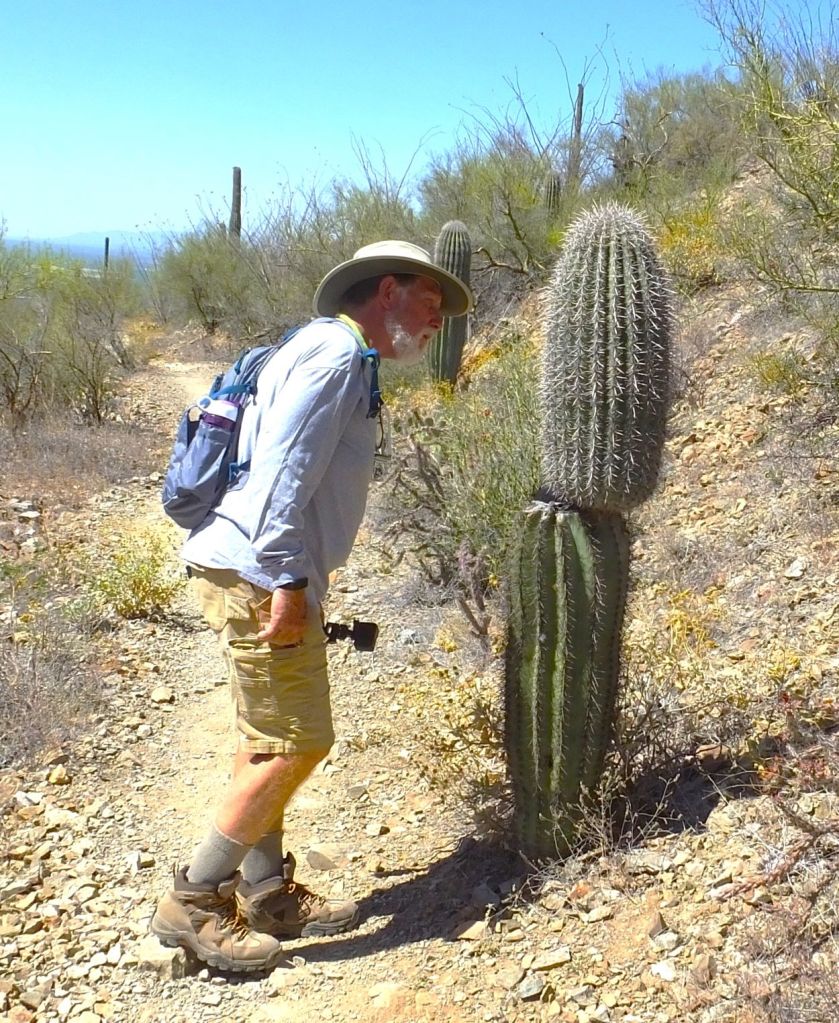
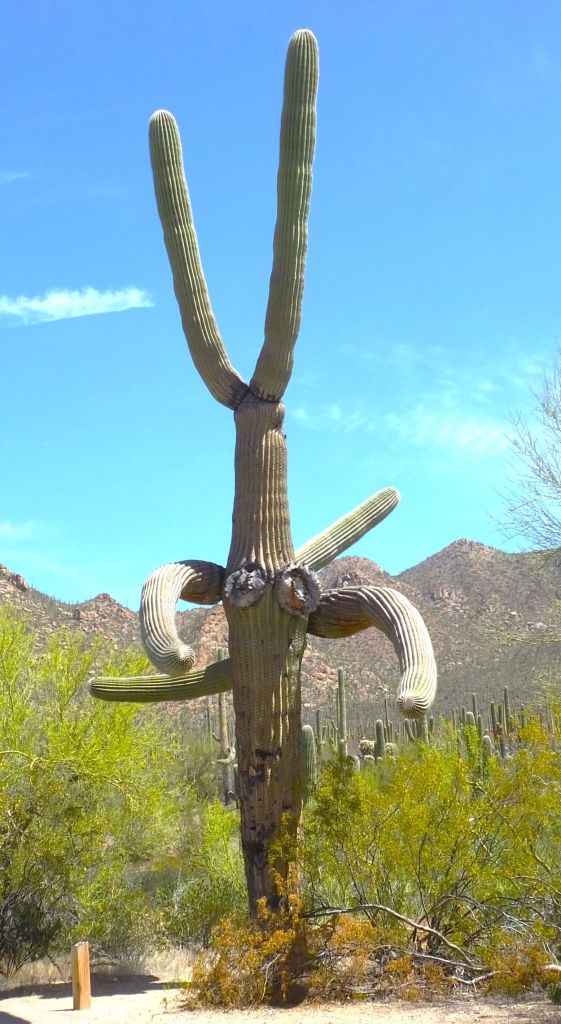
Examining a saguaro with a dislocated head
Funny-faced saguaro
A tangle of cactus prickles to avoid!
RabbiTRAIL Trek: Southern California and Vasquez Rocks

We knew the intense summer sun and heat in the desert was quickly coming.

Indeed, after a couple of very warm nights in Quartzite, AZ and Joshua Tree, CA, we departed from the desert. We braved Southern California freeways intending to camp for two nights in Simi Valley, located a few miles from the Pacific Ocean and Los Angeles.  We arrived stressed and tired in need for some old-fashioned comfort food.  Pizza it was!

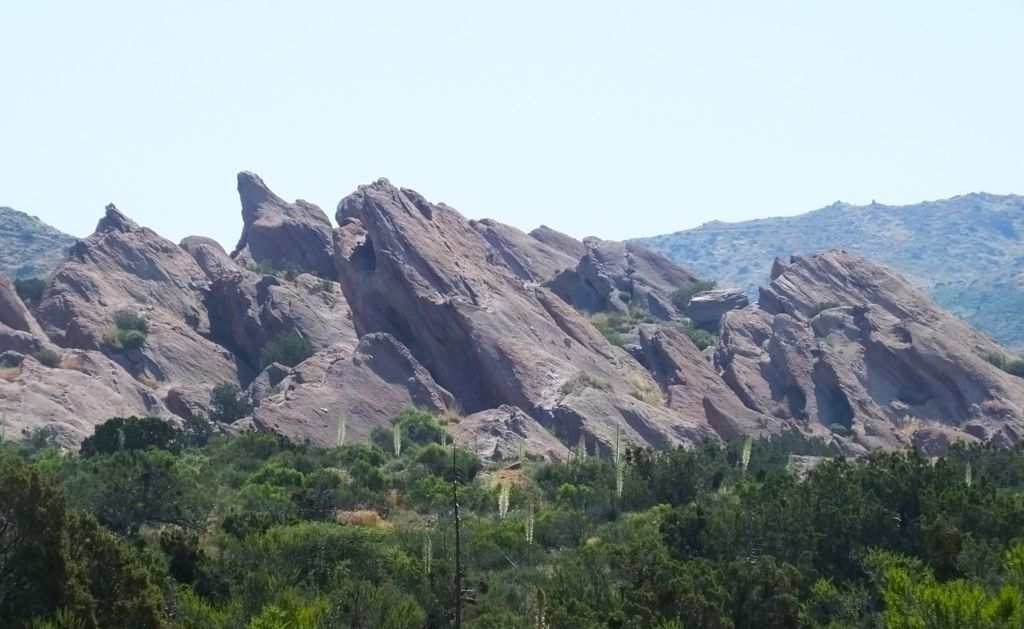
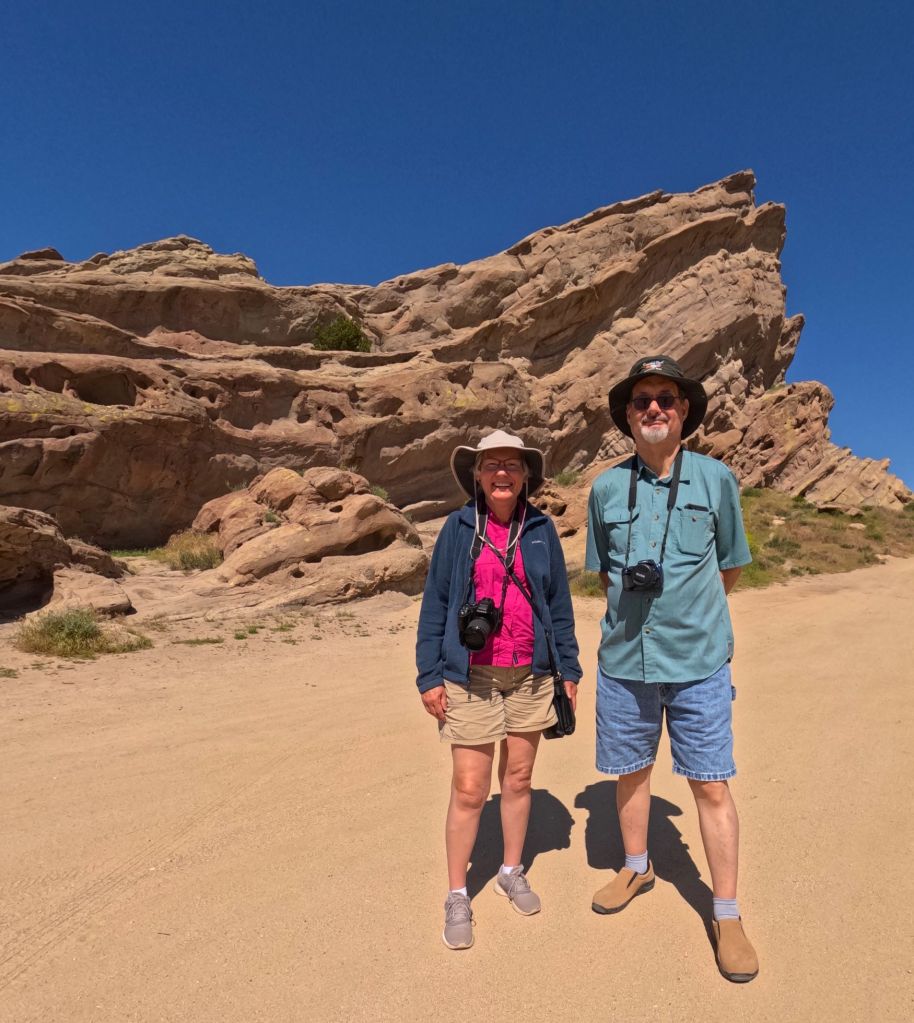
The next day we trekked to Vasquez Rocks Natural Area, a geologic area a few miles away from our campground that was on James’ bucket list.  You may not have heard of Vasquez Rocks, but you have probably seen them.  Many times.

Vasquez Rocks
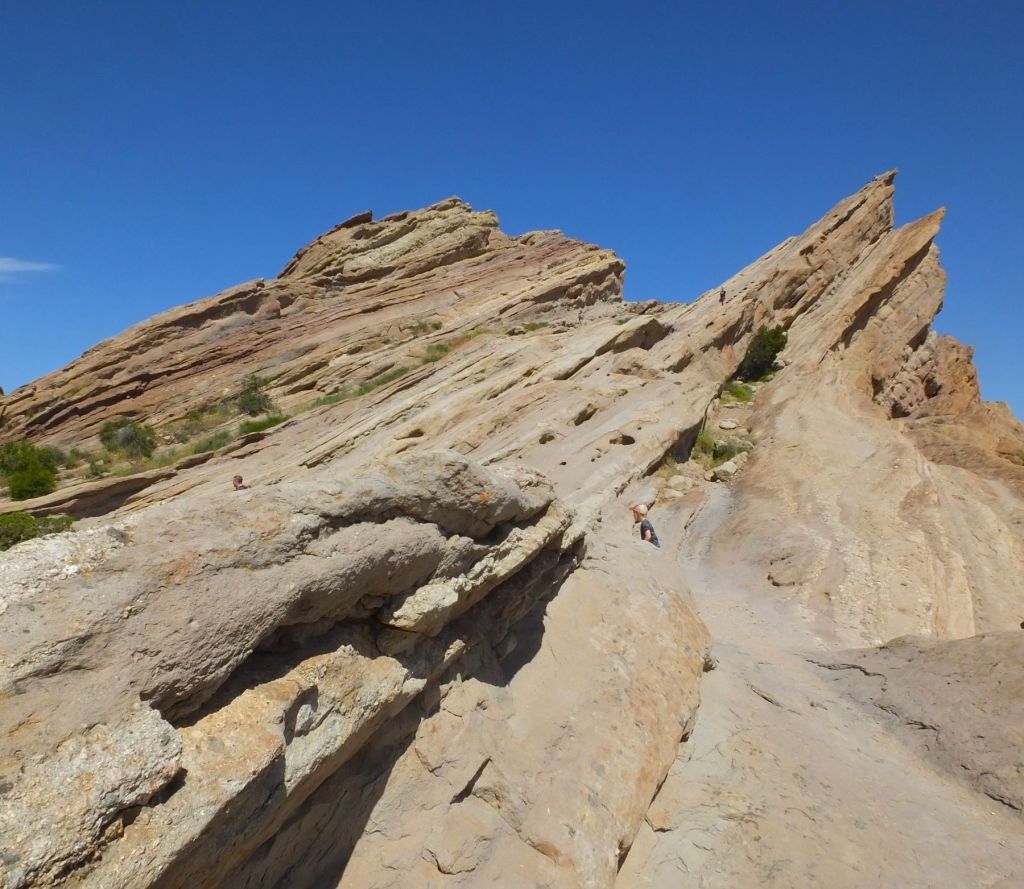
Vasquez Rocks (notice climbers for scale)

The rocks have been used as a setting for key scenes in more than 480 movies and television shows, including Blazing Saddles (1974), The Flintstones (1994), Joe Dirt (2001), Mighty Morphin Power Rangers (1995), The Muppet Movie (1979), One Million BC (1940), Planet of the Apes (2001), The Ten Commandments (1956)…  The list goes on and on!

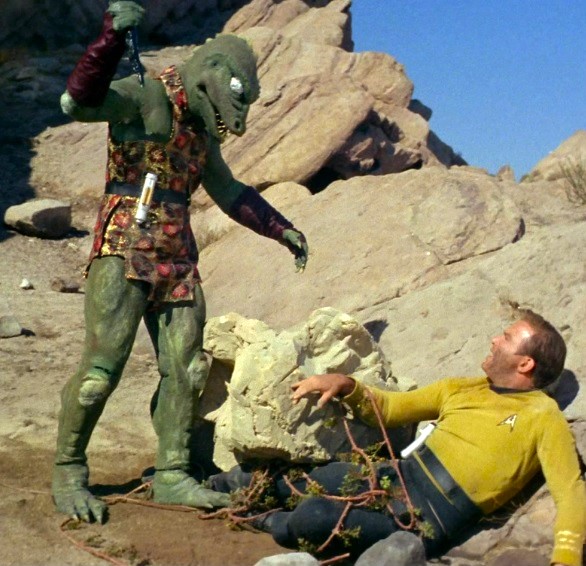
Several Star Trek movies and television episodes also used the location.  James found a boulder he thought might be from an original Star Trek TV episode that Captain Kirk pushed down on Gorn, the lizard man.  I don’t follow Star Trek, but it sounded plausible to me!

Sister and brother tour Vasquez Rocks

Freeways and famous rocks behind us, we said goodbye to James after more than a week together. Pat and I were headed to the coast to follow the Pacific Coast Highway north and James was going to Alabama Hills, another famous movie location near Death Valley where many old time westerns were filmed.

Next Week:

We drive the Pacific Coast Highway, California Route 1.

Adventures in the Southwest Desert

(2023 Alaska Revisited Ep 6)

After a short hike at Tonto National Monument where we visited a small cliff dwelling and enjoyed amazing desert flowers, we arrived in Lost Dutchman SP that afternoon. 

Lost Dutchman SP

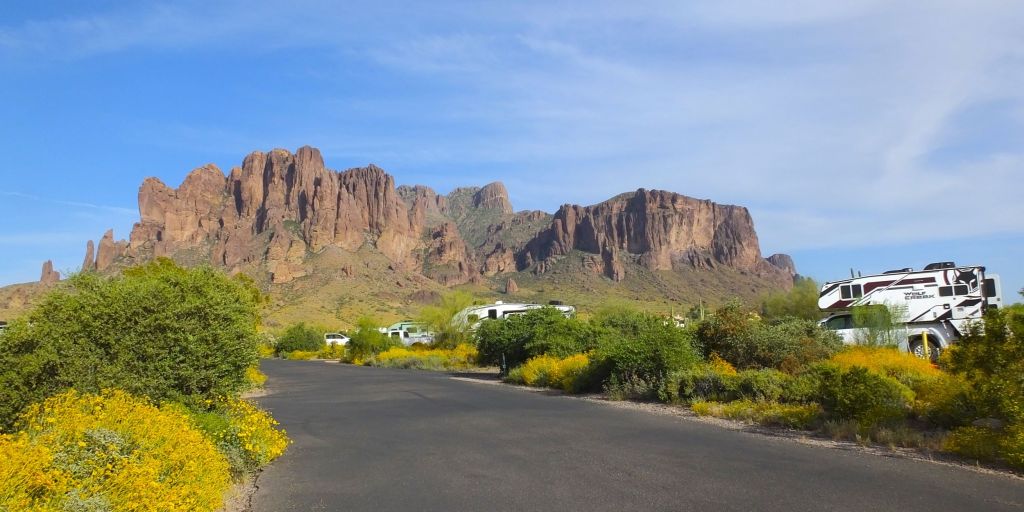
The park, named for a fabled lost gold mine, is located in the Sonoran Desert at the base of the Superstition Mountain, 40 miles east of Phoenix.  We didn’t find any gold, but did enjoy hiking to the base of the mountain and seeing colorful sunsets each evening.

Camping at the base of Superstition Mountain in Lost Dutchman SP
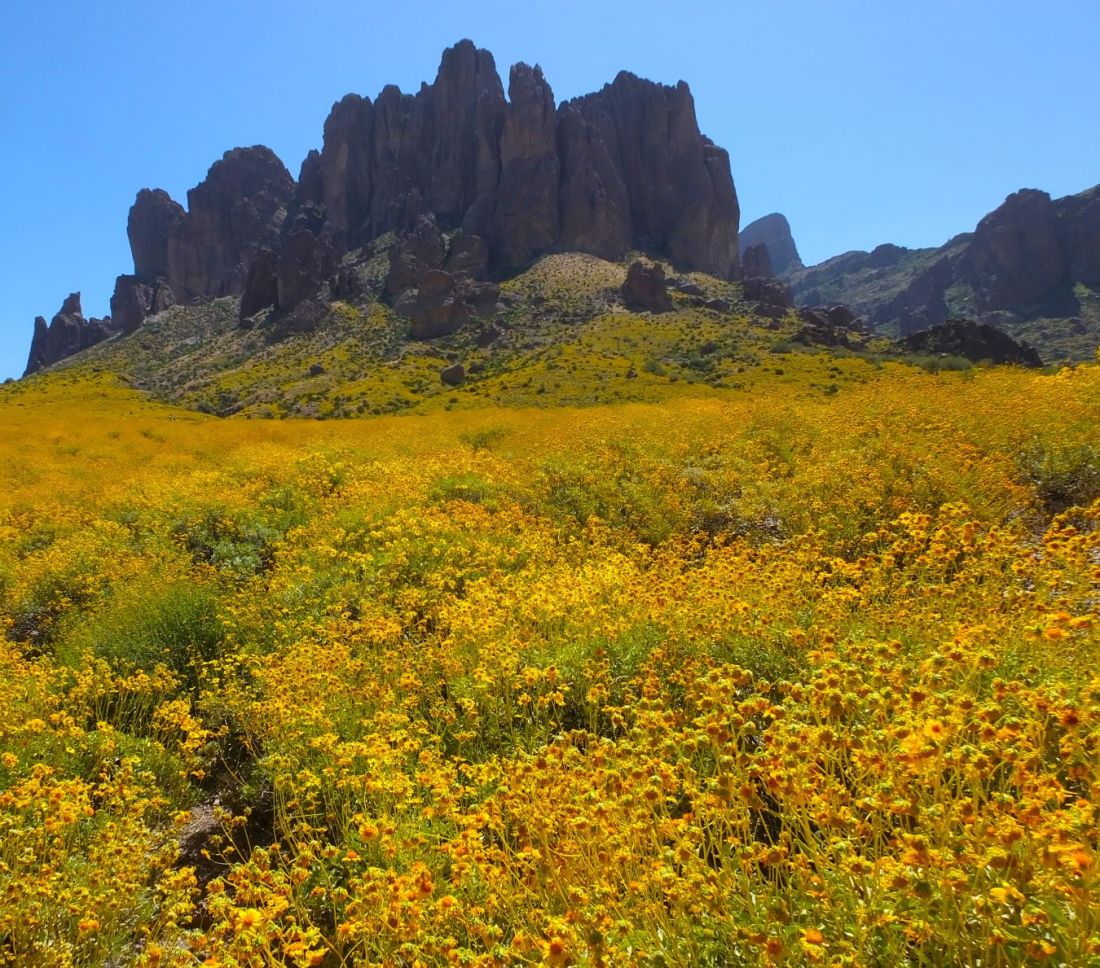
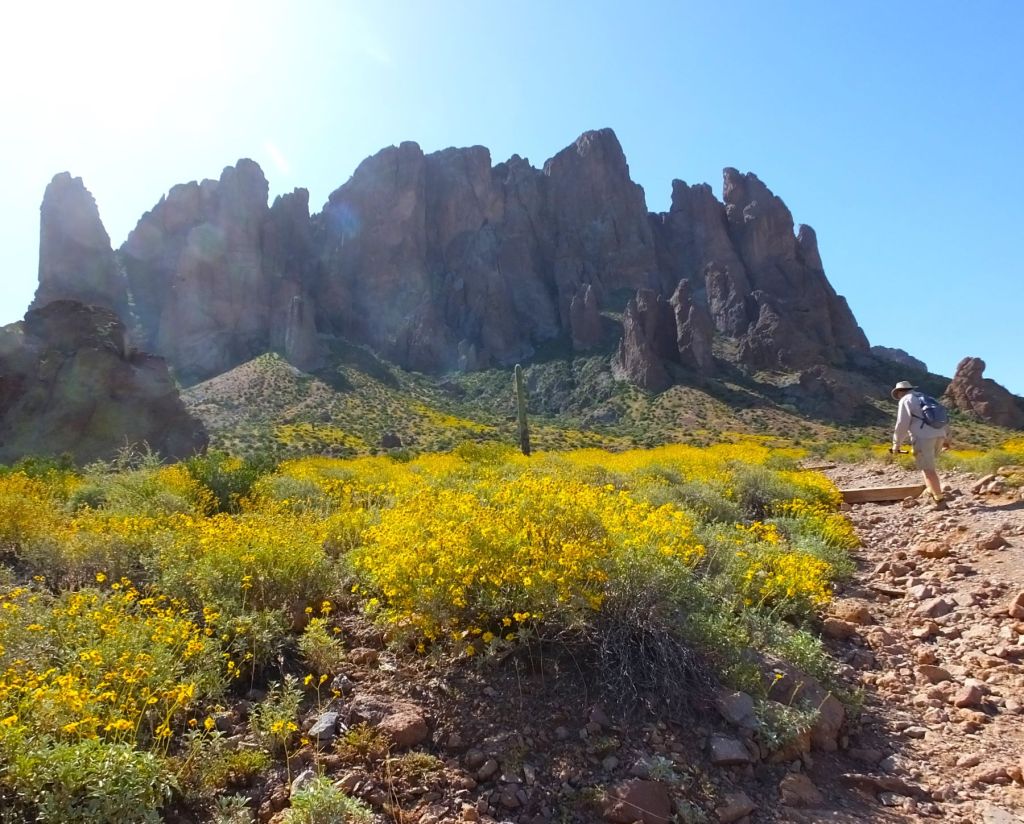
Bitterweed was in full bloom during a morning hike to the base of Superstition Mountain
Sonoran Desert Near Tucson

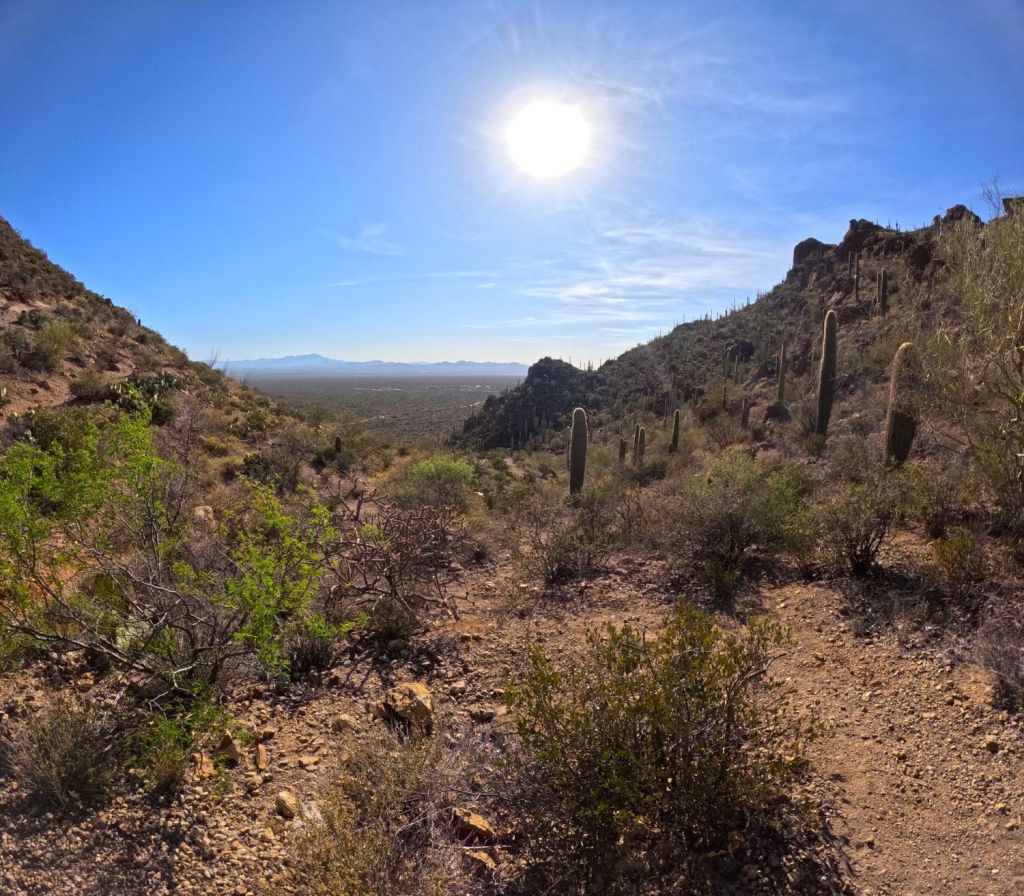
Further south near Tucson, we camped at a county park for two nights in the midst of a ‘grove’ of tall saguaro.  Our truck was due for an oil change and tire rotation, so we took the camper off the truck.  Taking the camper off for the first time, stabilizing it with jack stands and putting it back on the next afternoon was a stressful experience.

We succeeded with no sharp words or other mishaps!

Sunbaked Sonoran Desert near Tucson
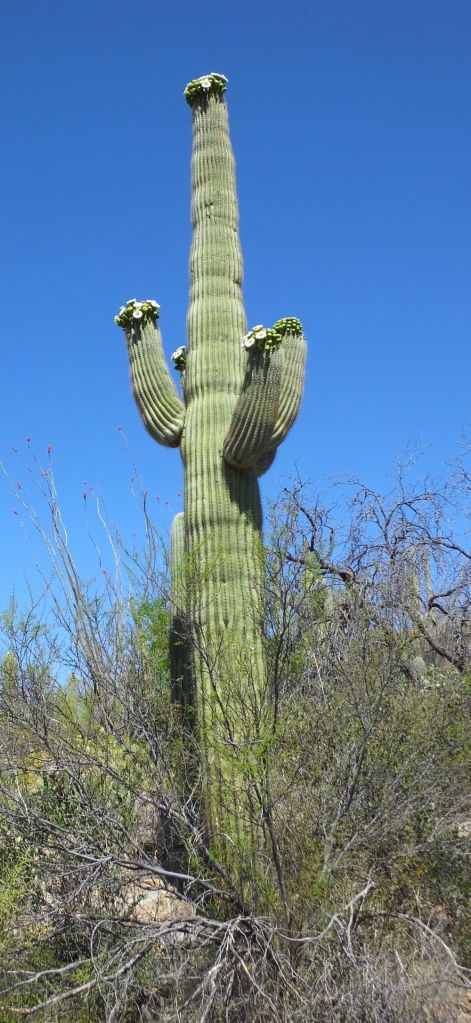
Stately saguaro cactus in bloom
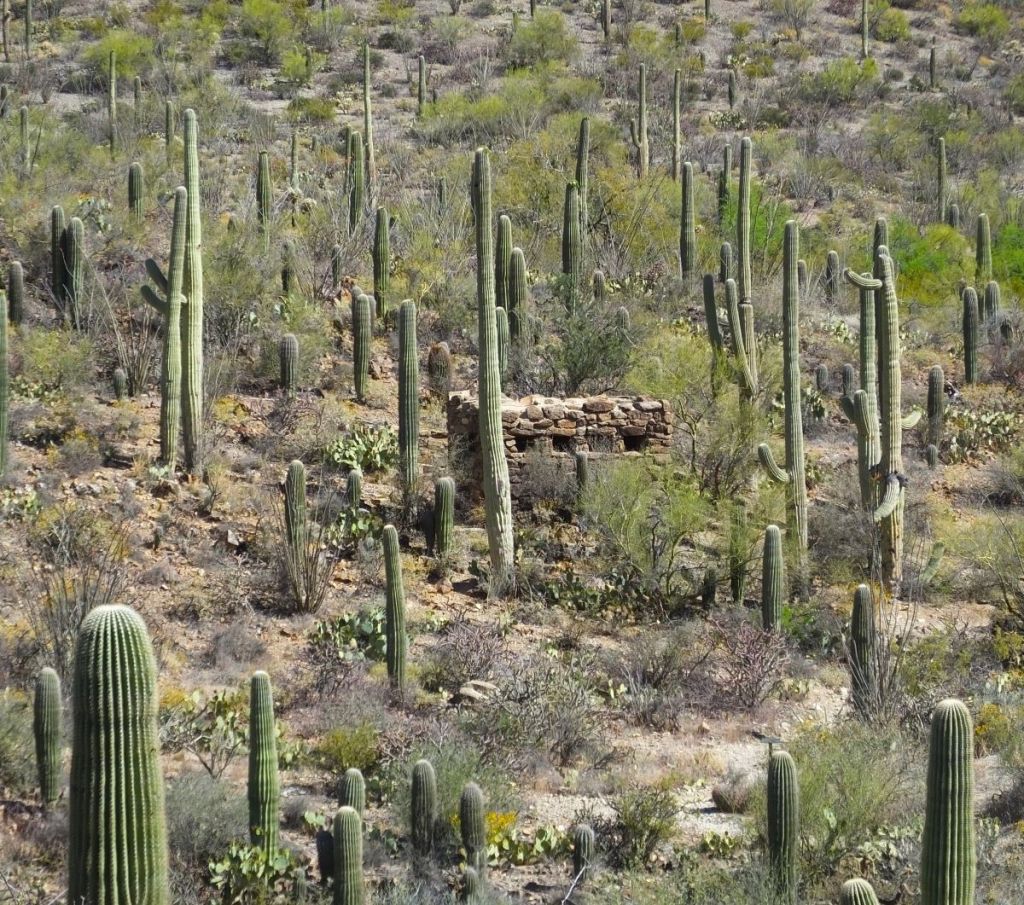
Abandoned building in saguaro ‘forest’
Joined by Pat’s Brother

We continued south of Tucson and camped near Whetstone, AZ, where we were joined by Pat’s brother, James.  He arrived earlier that day after driving his blue RAM pickup and Adventurer truck camper from Florida.  We would spend the next week camping and enjoying the sights together.

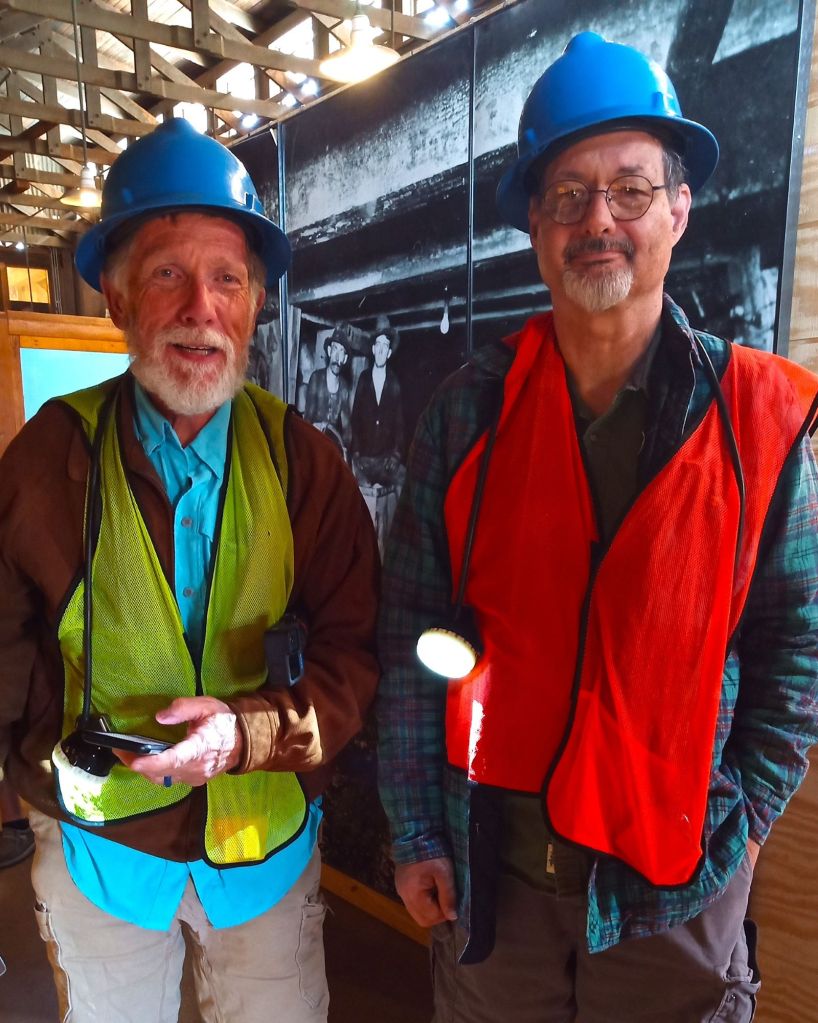
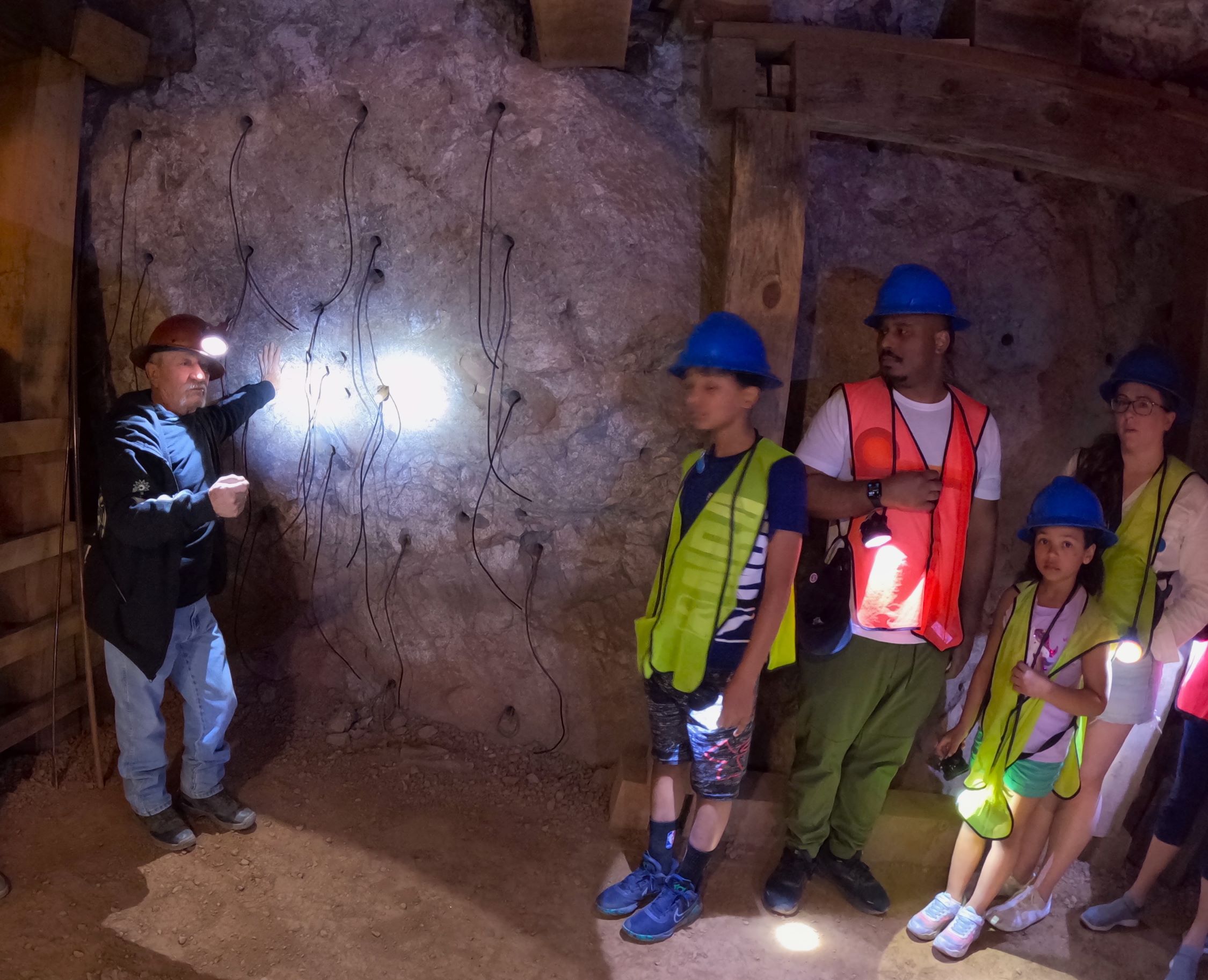
Hard hat mining at Queen Mine in Bisbee, AZ – Ed and Pat’s brother, James
Gunfight at the OK Corral

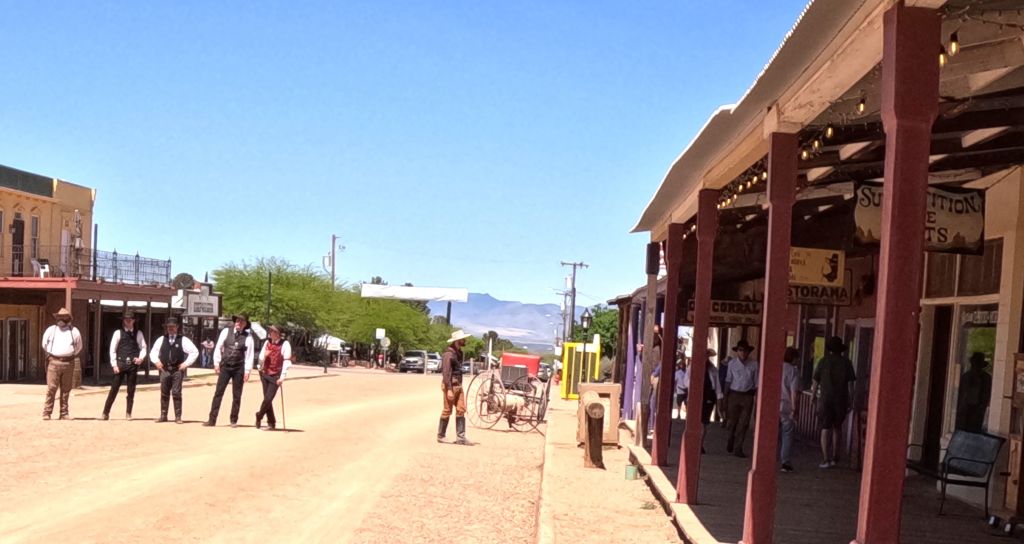
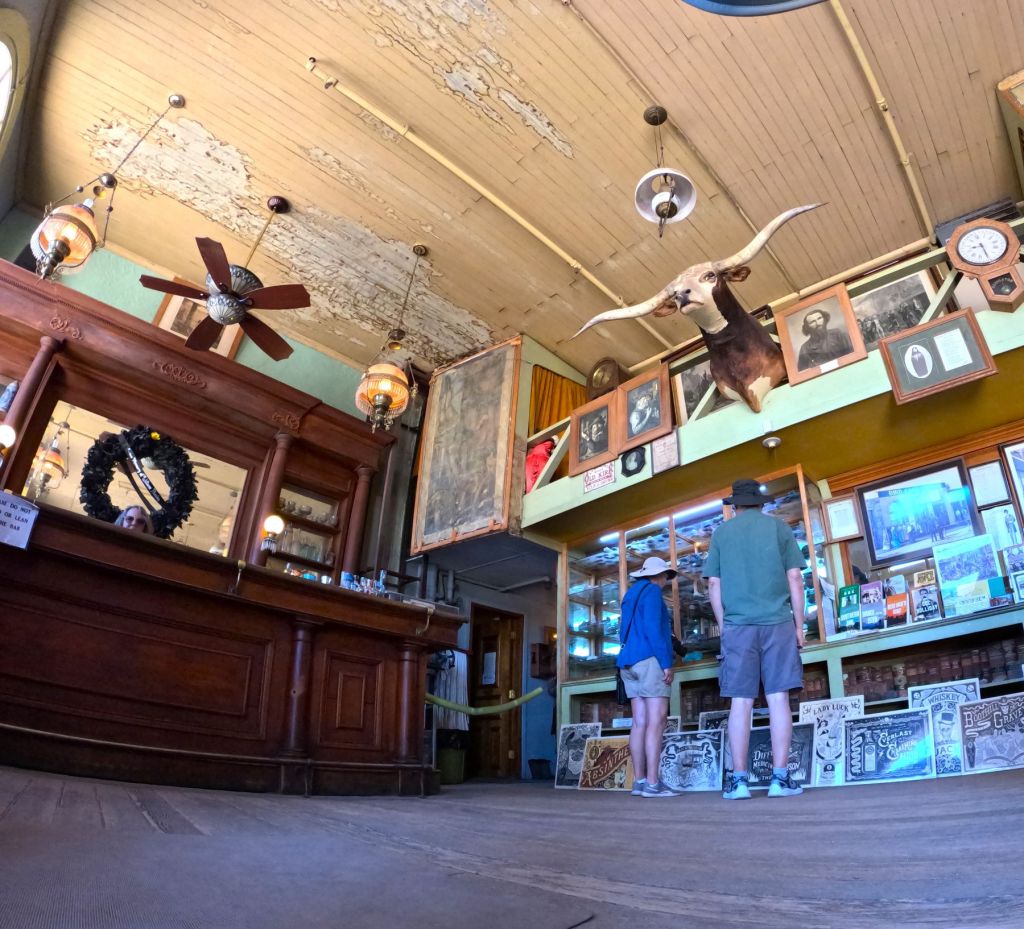
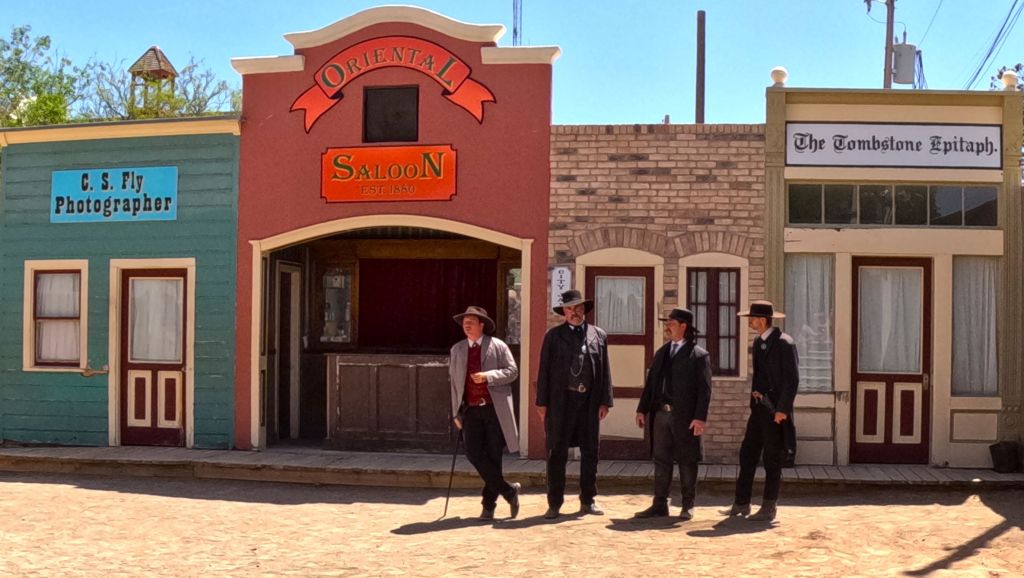
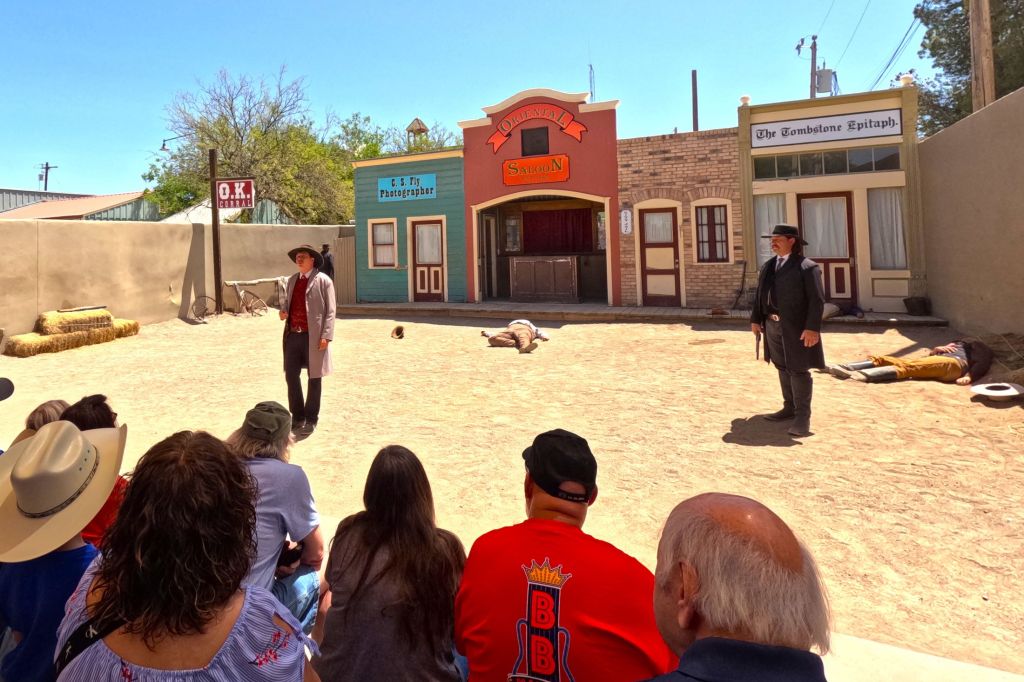
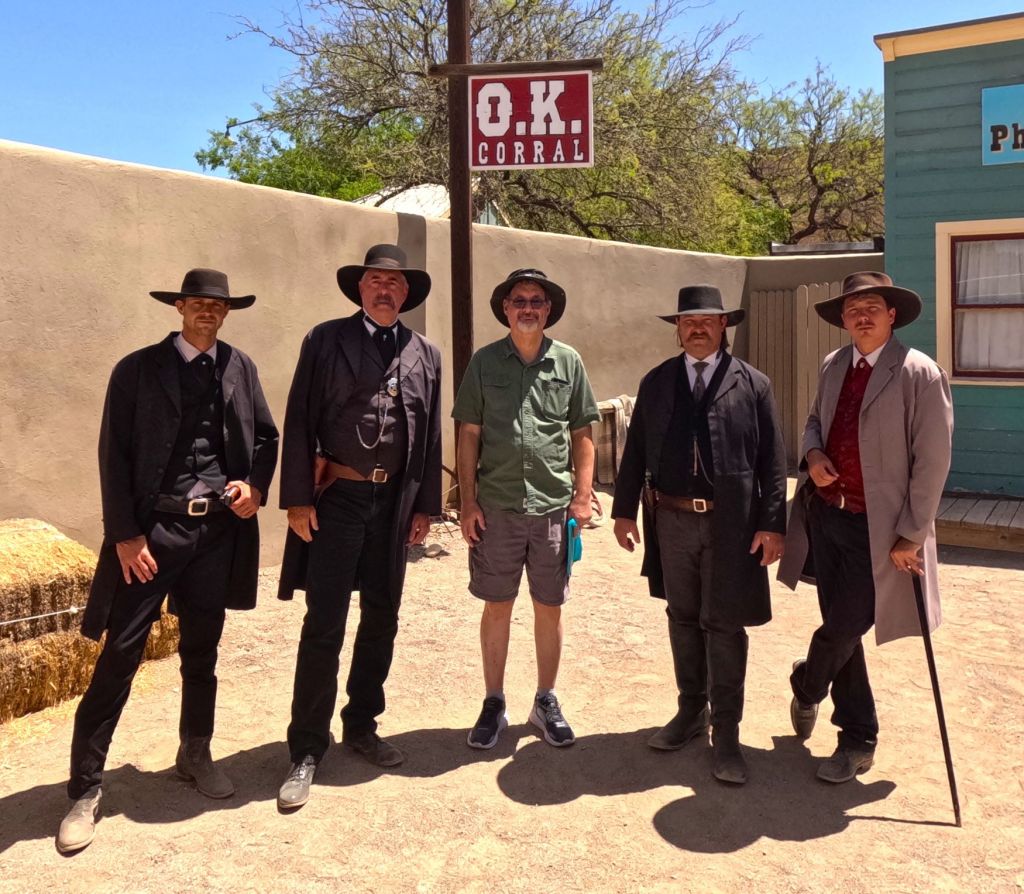
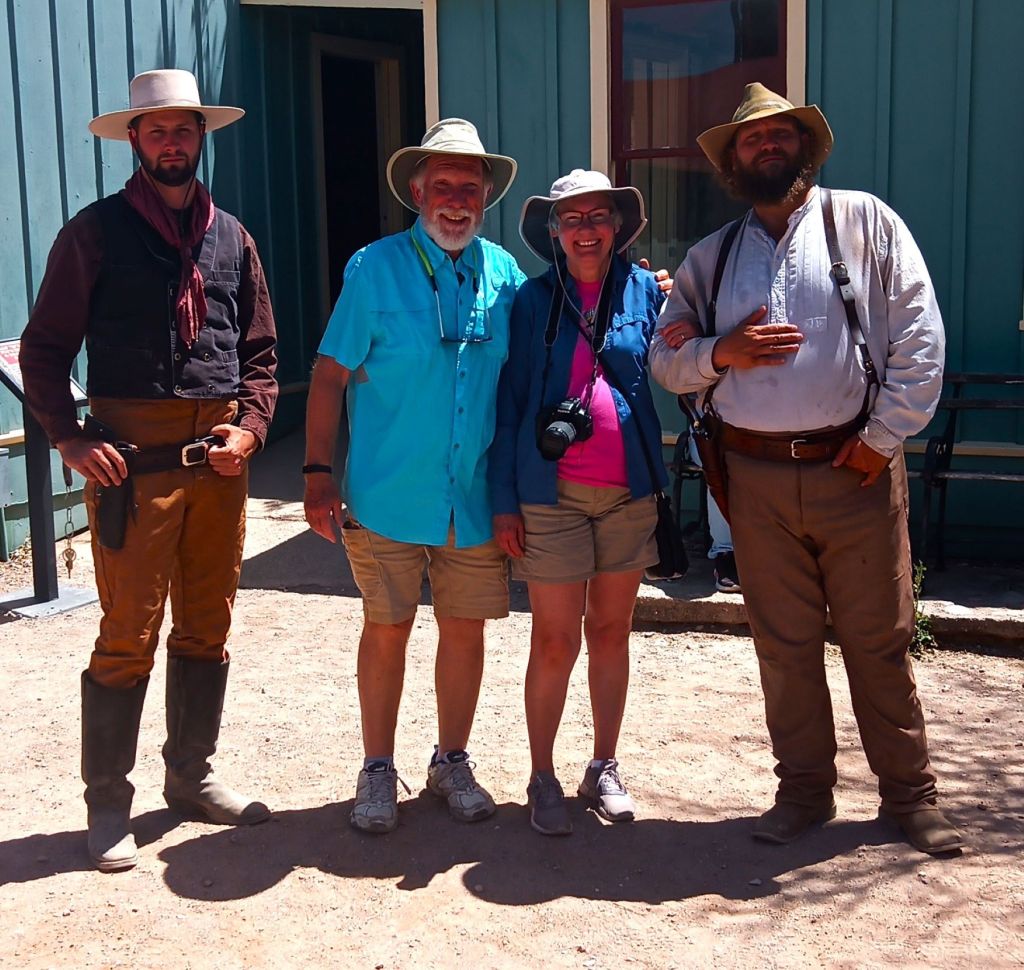
We visited Tombstone, the western town where the gunfight at the OK Corral took place.  There’s a lot to see along the dusty main street, including an entertaining reenactment of the famous faceoff.  Justice prevailed once again as the Earp brothers and Doc Holiday defeated the roughneck cowboys.

Dusty main street in Tombstone – looking for a gunfight?

At nearby Bisbee, we had a delightful lunch on the outdoor patio of Contessa’s Cantina.  I’m not sure if the meals were Tex-Mex or authentic Mexican, but the food was very good. 

Queen Mine – Extracting Copper from Deep in the Earth

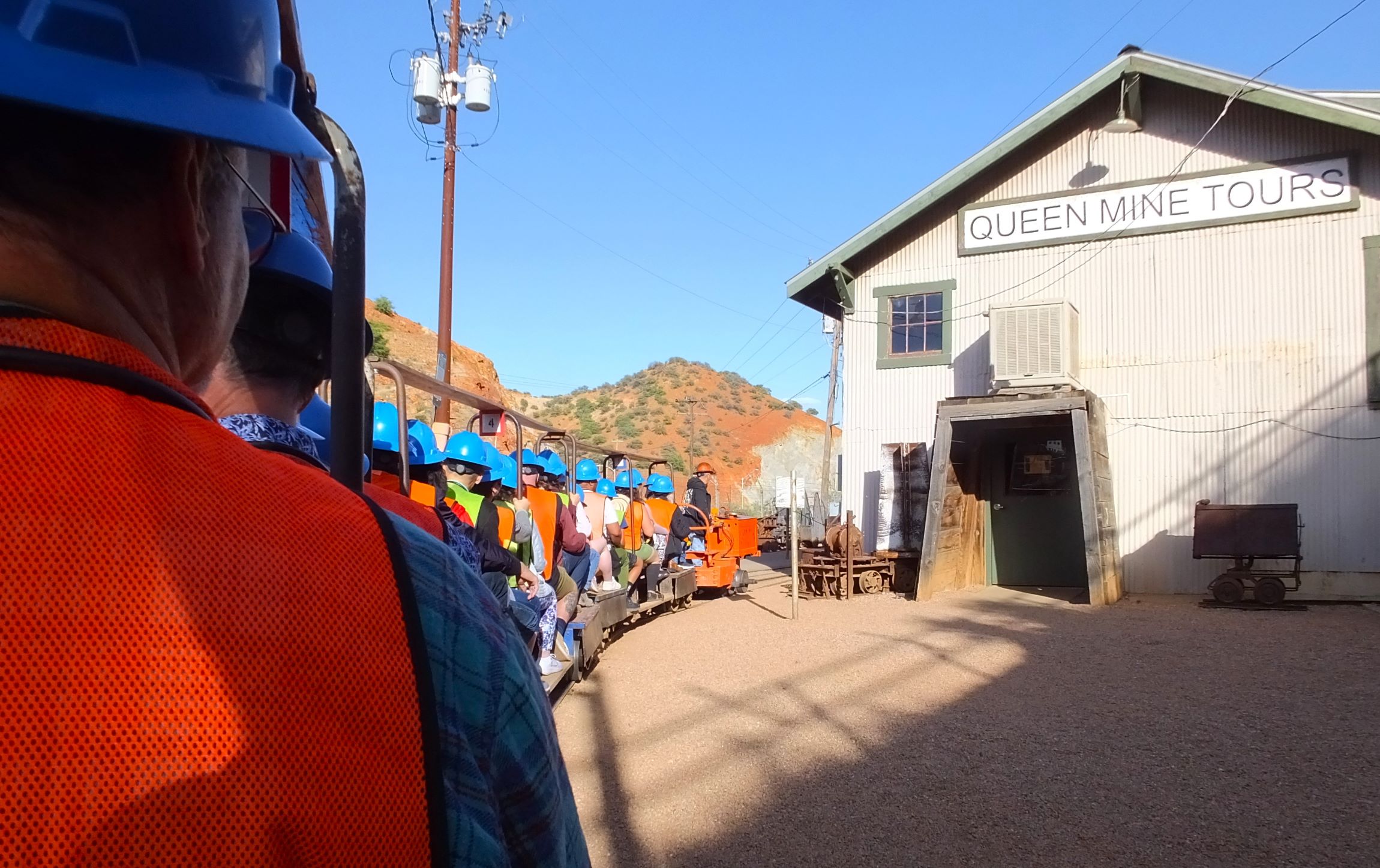
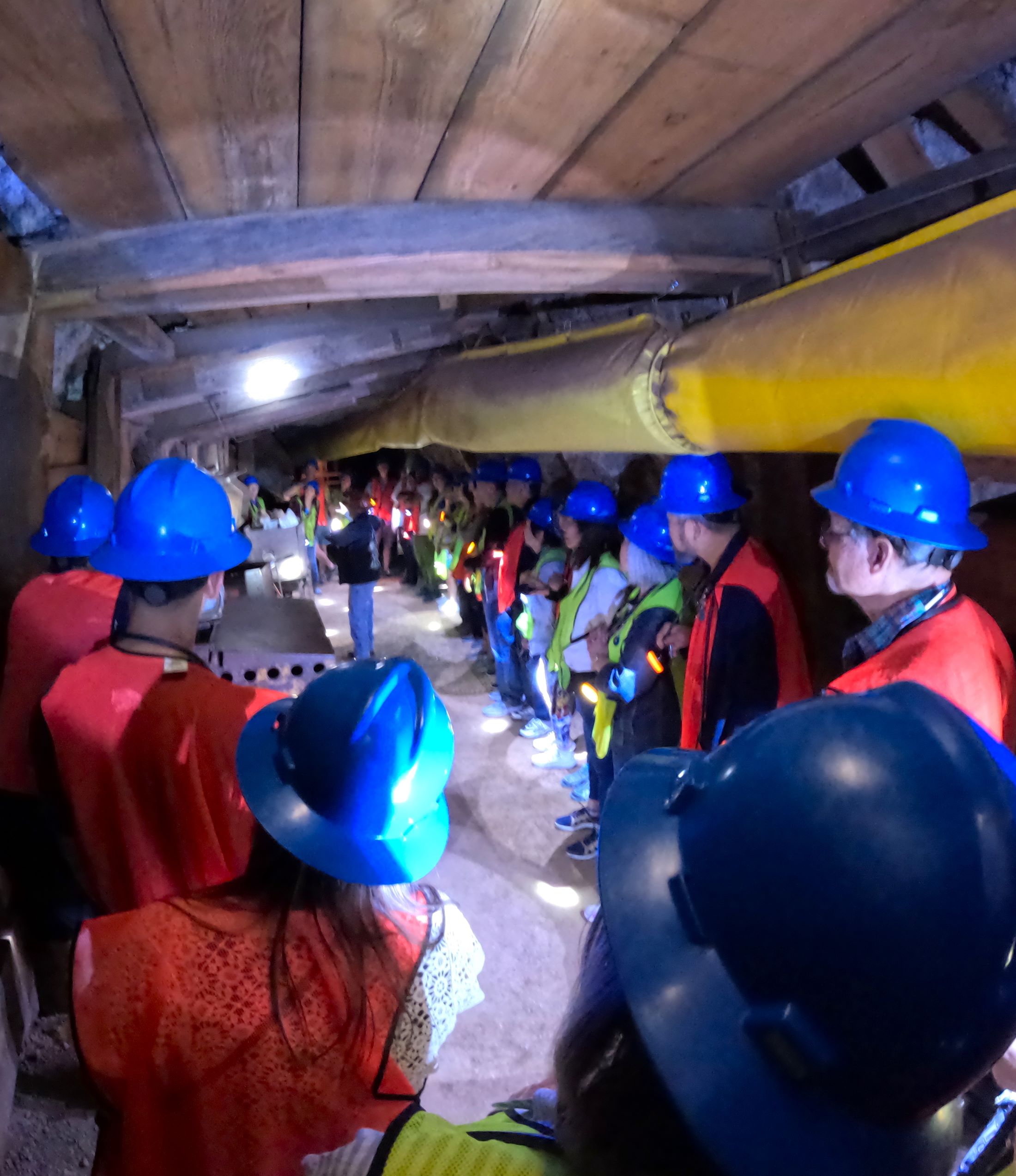
Queen Mine Tour in Bisbee

We didn’t have time for a post-lunch siesta, as we were scheduled to tour the Copper Queen Mine. The mine opened in 1877 and continued until mining operations were discontinued in the mid-1970s.  Today, the City of Bisbee offers the tours.

We donned safety vests and hard hats, and climbed aboard an electric mine train that took us more than 1500 feet into the mine. There are more than 143 miles of mine shafts across seven levels.   

Ore was produced by drilling 25 seven-foot-deep horizontal holes and filling them with dynamite.  The blasted rock was loaded onto one ton ore cars and transported out of the mine where it was smelted into copper plates. 

We highly recommend this tour if you are ever in the Bisbee area.

Saguaro NP Sojourn
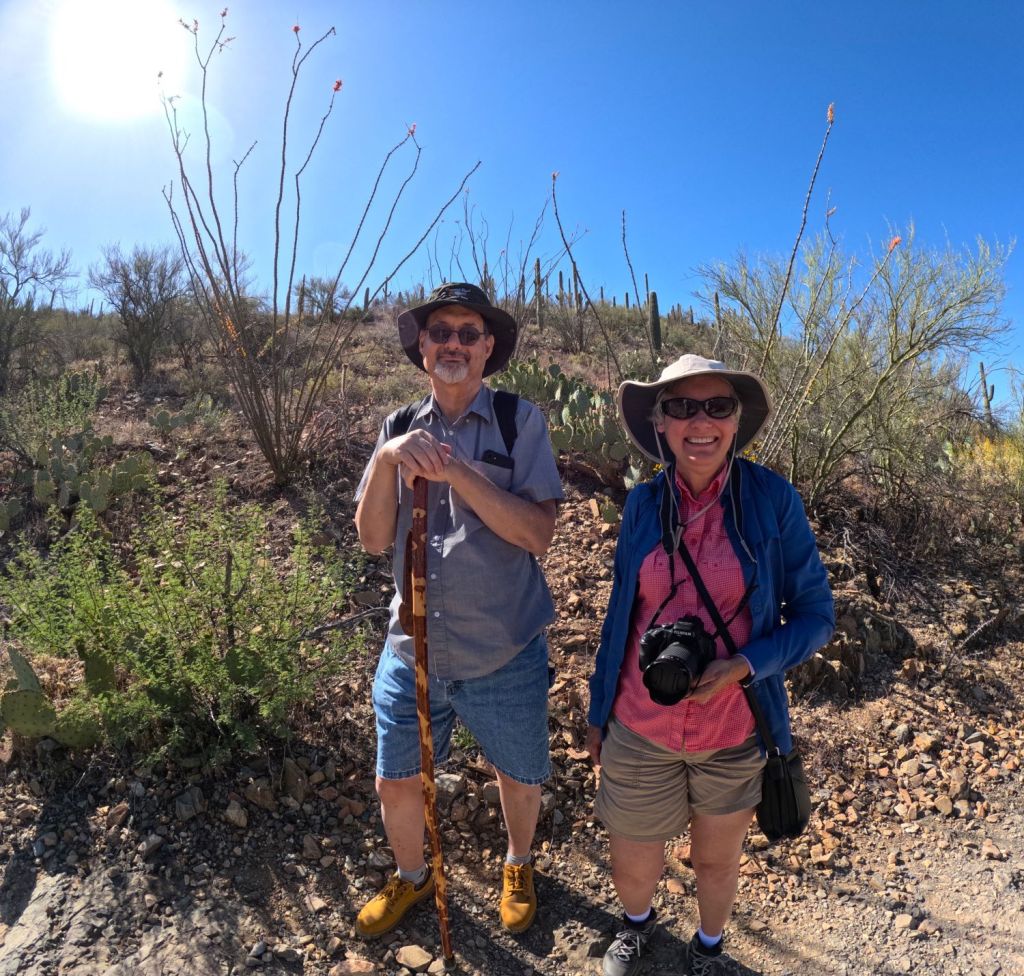
Hiking in Saguaro NP

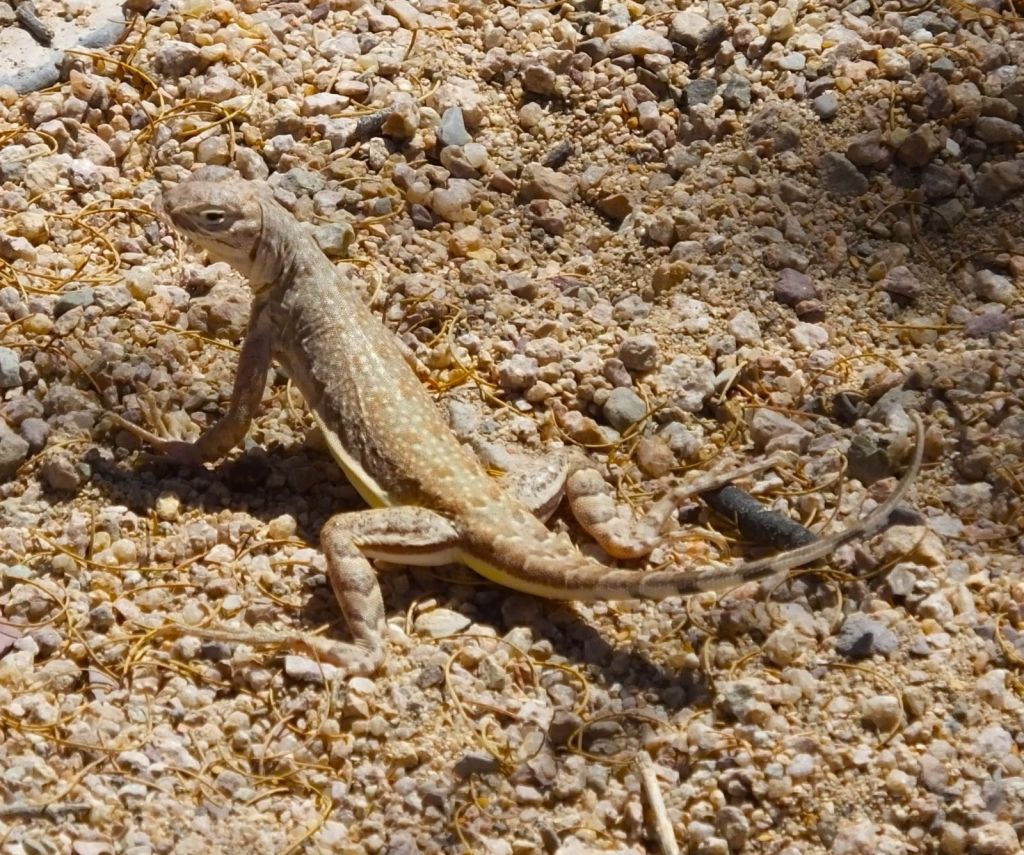
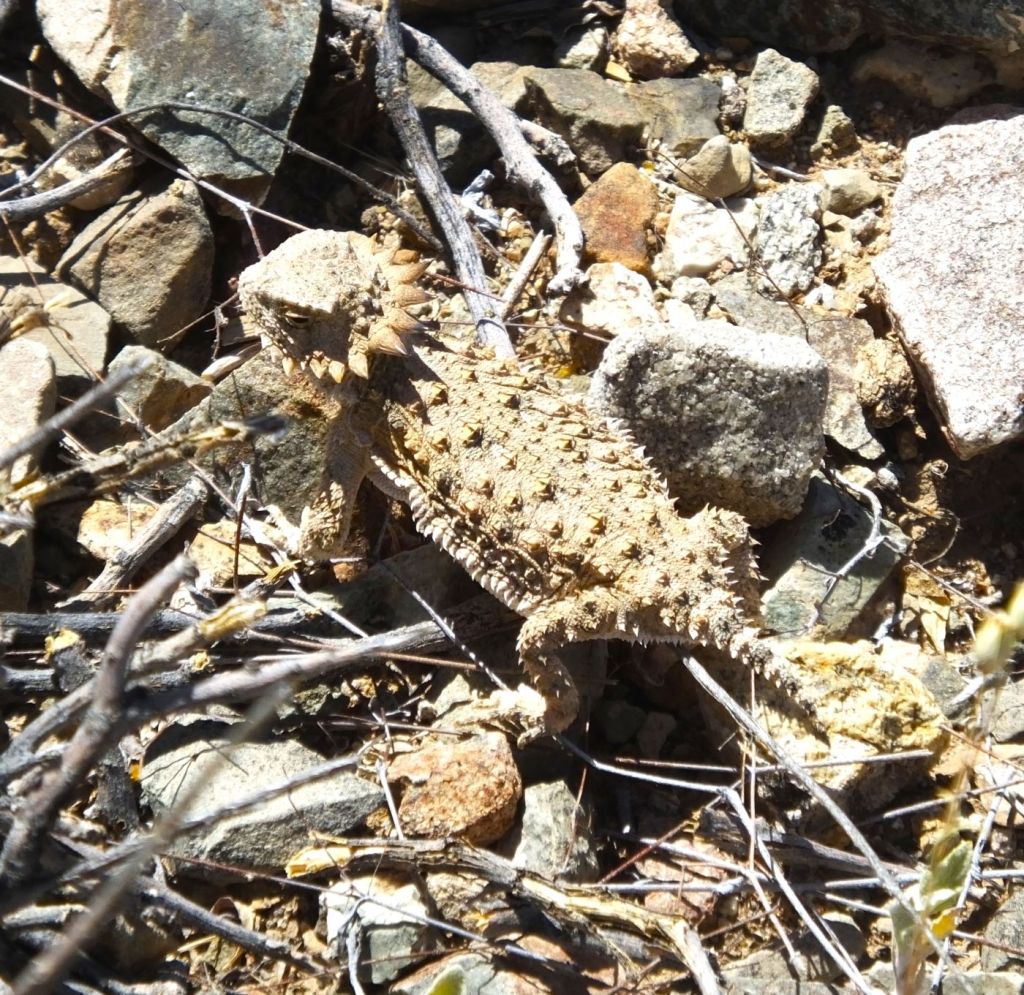
Two days later we hiked a trail in Saguaro National Park that led to a rugged canyon lined with blooming saguaro, barrel and prickly pear cactus.  We encountered curly-tailed lizards, horned toads and even a small snake on the three-mile trek.  We finished in the late morning heat, a sample of the hot days soon to come to the Arizona desert.

On the Border at Organ Pipe Cactus NM
Organ pipe cactus
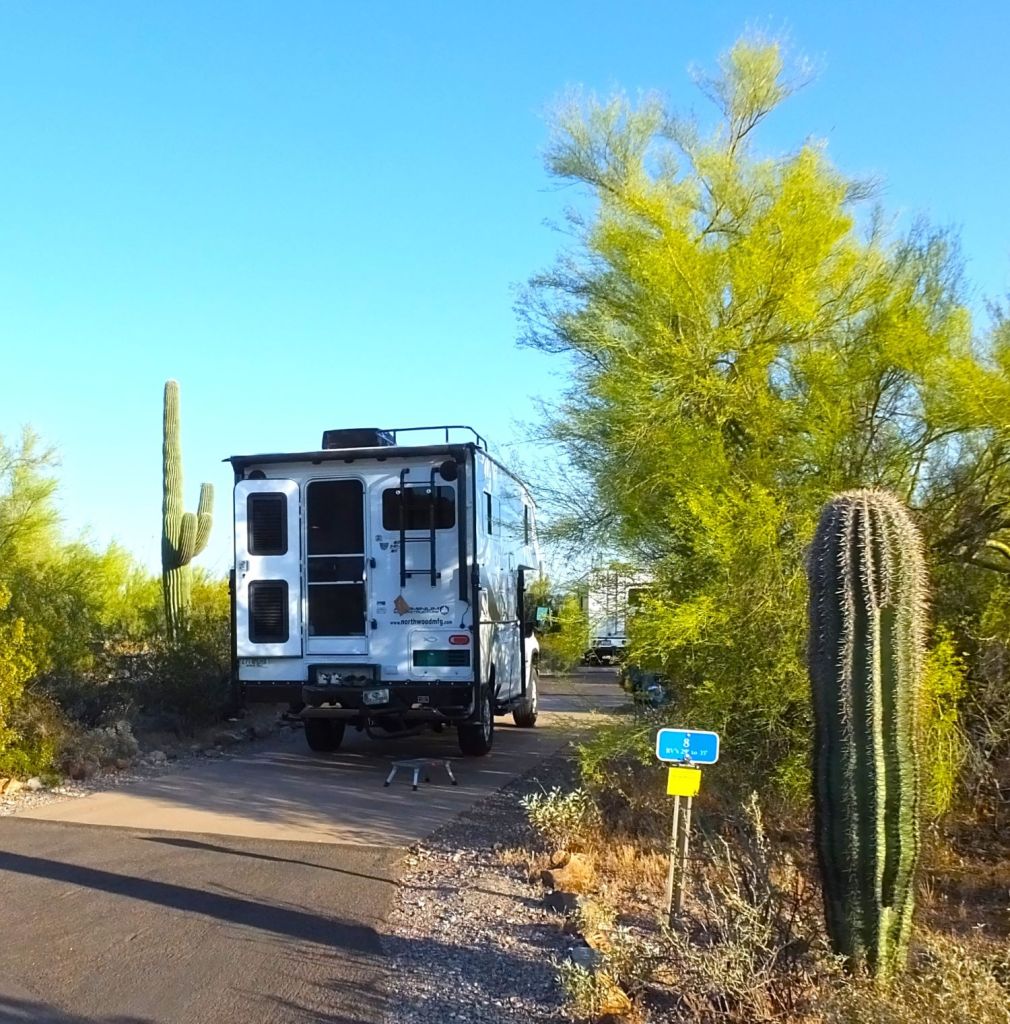
Camping at Organ Pipe Cactus NM five miles from the US-Mexico border

Later that day we drove a few hours southwest to Organ Pipe Cactus National Monument, where we camped just five miles from the US-Mexico border.  We saw organ pipe cactus, in addition to the other types of cactus mentioned above, amidst brilliant yellow palo verde trees in full bloom.

Joshua Tree NP
Joshua Tree – inspiration for Dr Suess?
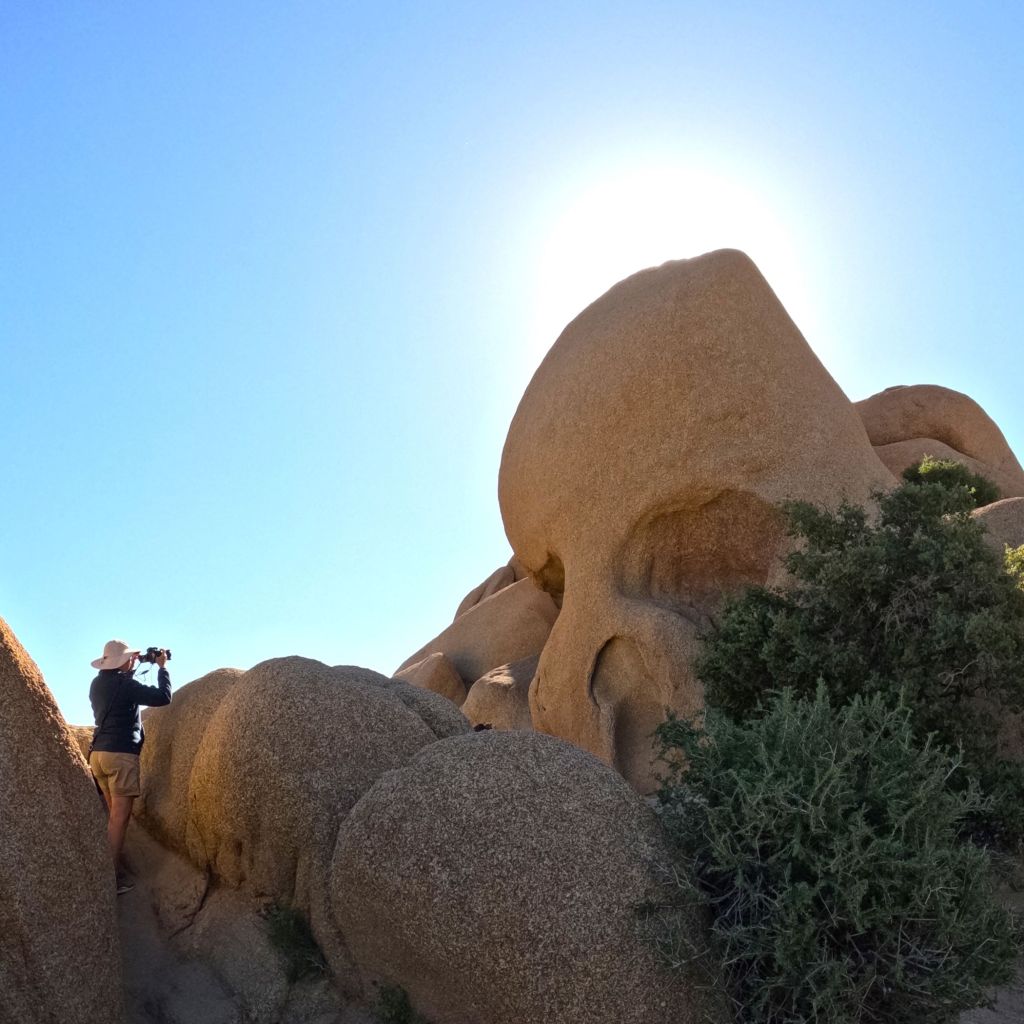
Pat photos Skull Rock at Joshua Tree NP

Our desert travels ended a couple days later with a drive through Joshua Tree National Park in southern California.  Joshua Trees are related to the yucca and have interesting shapes right out of a Dr Suess book!

There are many interesting rock formations in the park as well, including haunting Skull Rock.


During our final few days touring the desert, it had finally got hot with daytime temps approaching 100F.  Evening and nighttime air conditioning was a must. 

We were ready for cooler temps and a change in scenery.

NEXT WEEK:

The crazy freeways of Southern California, Vasquez Rocks and more.

Road Ramblings and a Dead Horse

(2023 Alaska Revisited Ep 5)

After a couple of hot days and chilly nights in Valley of Fire SP, our travels continued toward Arizona.  We had an unfollowed RabbiTRAIL from a previous trip to take care of.

Twilight Time Zone

In less than 100 miles, our route took us from Nevada to Arizona, then to Utah and back to Arizona.  Our various timepieces couldn’t keep up with the time zone changes.  Our truck had one time, phones had different times and wrist watches yet another time.  We gave up trying to figure out what time it was and decided to temporarily endure our twilight time zone experience.

By the next day we were well inside Arizona and our various clocks finally synched to the correct time!

Colorado Horseshoe

Two years ago we camped at Lee’s Ferry on the Colorado River, a few miles down river from the Glen Canyon Dam.  We highly recommend the campground and several great hiking trails nearby. 
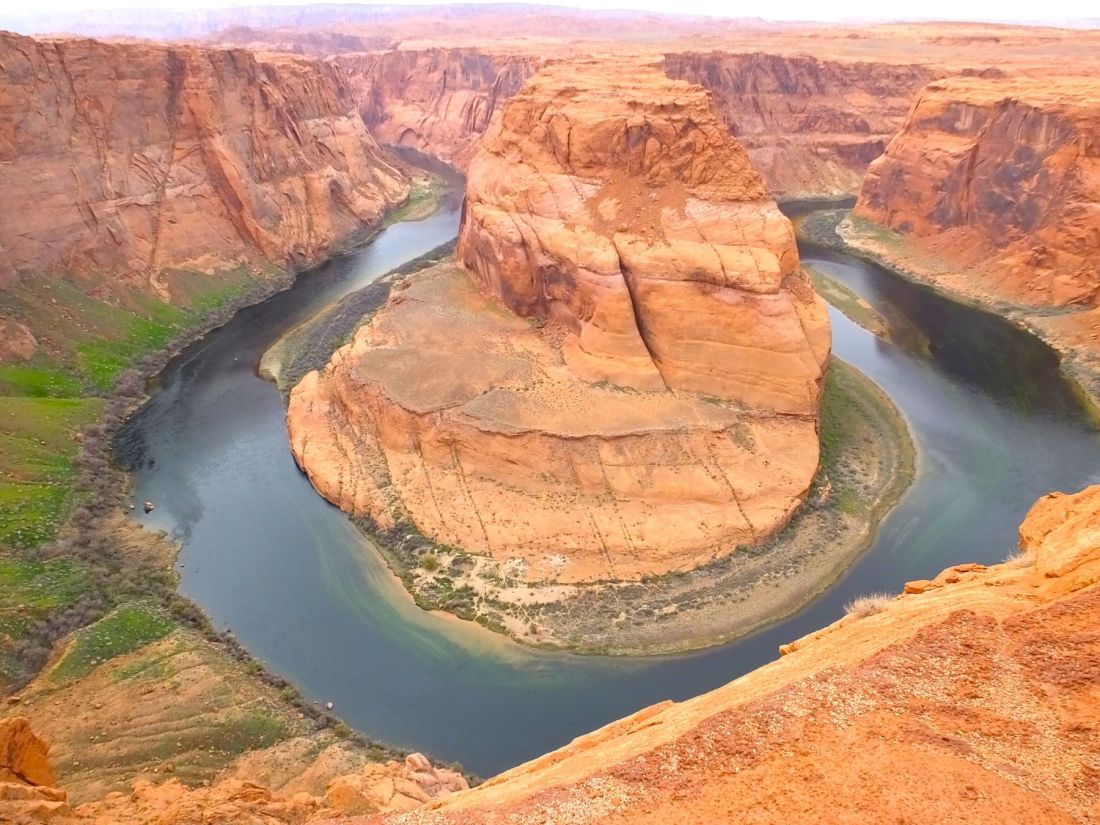
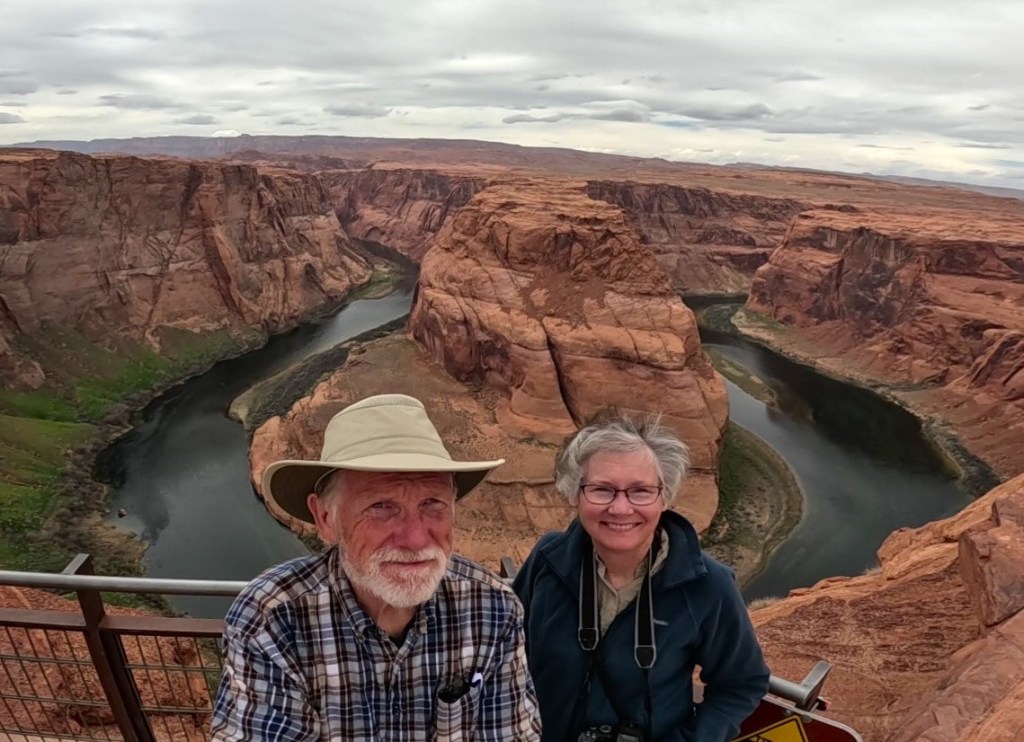
One afternoon we drove to Page, AZ for supplies and gas.  Page is near the Glen Canyon Dam and Lake Powell.  Down river from the dam the Colorado River has a horseshoe bend that can be seen at the end of an easy half mile trail.  We didn’t stop in 2021 but did so this time and were awestruck with an iconic view of the river. 

Colorado River Horseshoe Bend selfie
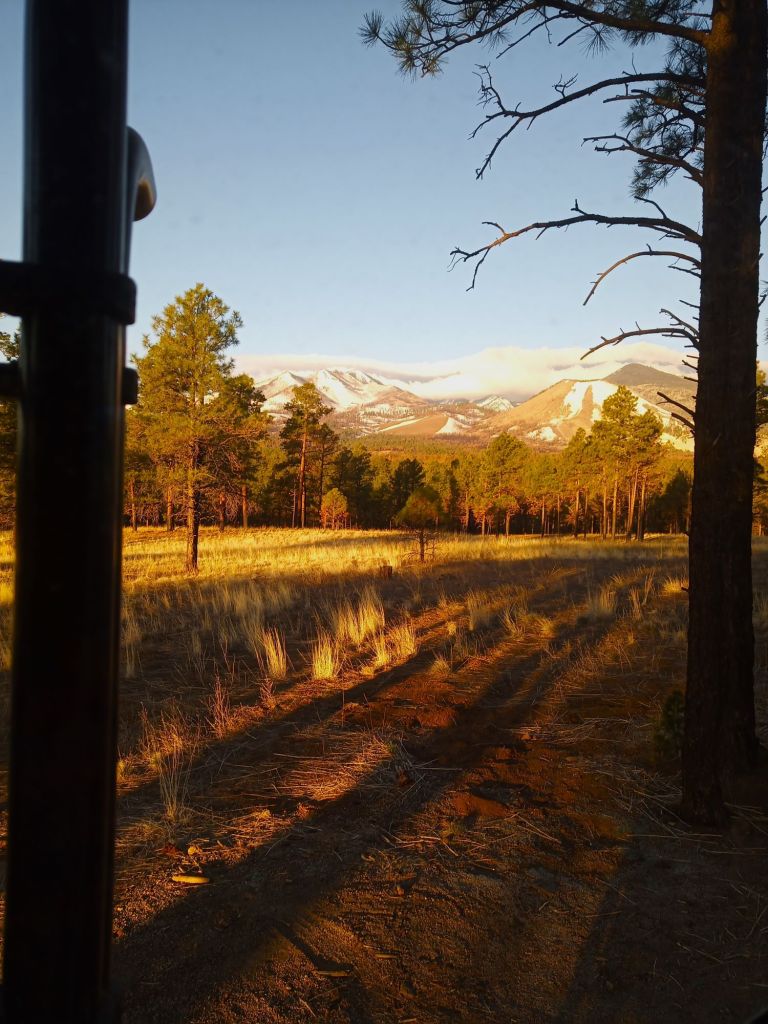
Morning view of snowy San Francisco Mountains near Flagstaff

That evening we spent a subfreezing night in a Coconino National Forest dispersed camping area near Flagstaff.  The mountain tops were dusted with snow that night and we had to use our RV furnace to stay warm.
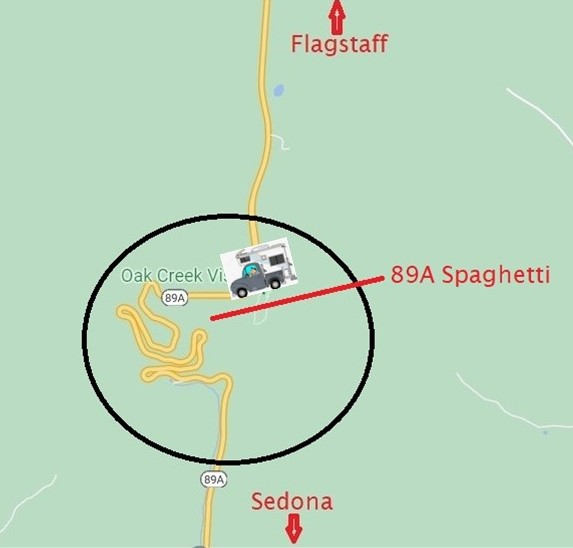
The next morning, we drove south of Flagstaff, driving highway 89A to Cottonwood AZ.  The highway descends narrow Oak Creek Canyon before reaching Sedona.  The Google map of the route shows what can best be described as a plate of spaghetti!
Sedona

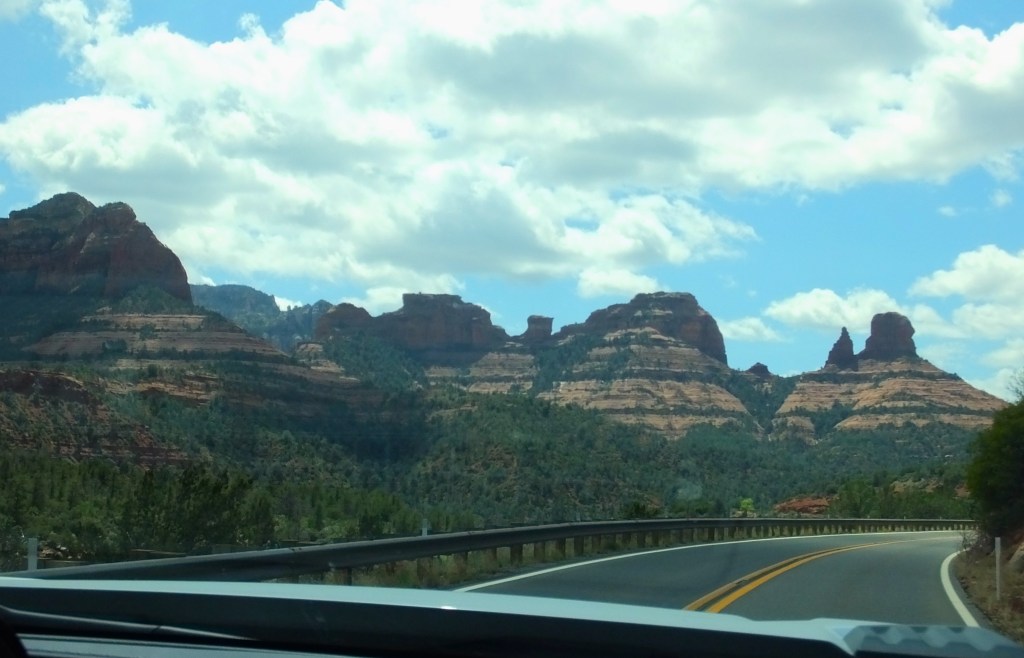
Many of our friends have recommended visiting Sedona, AZ, a charming town in a stunning red rock canyon between Phoenix and Flagstaff.  Sedona has an attractive downtown district with shops and restaurants that remind us of Fredericksburg TX or Gatlinburg TN.  It also has MANY dizzying traffic circles coming in and going out of town!

Red Rock formations near Sedona
No Dead Horses

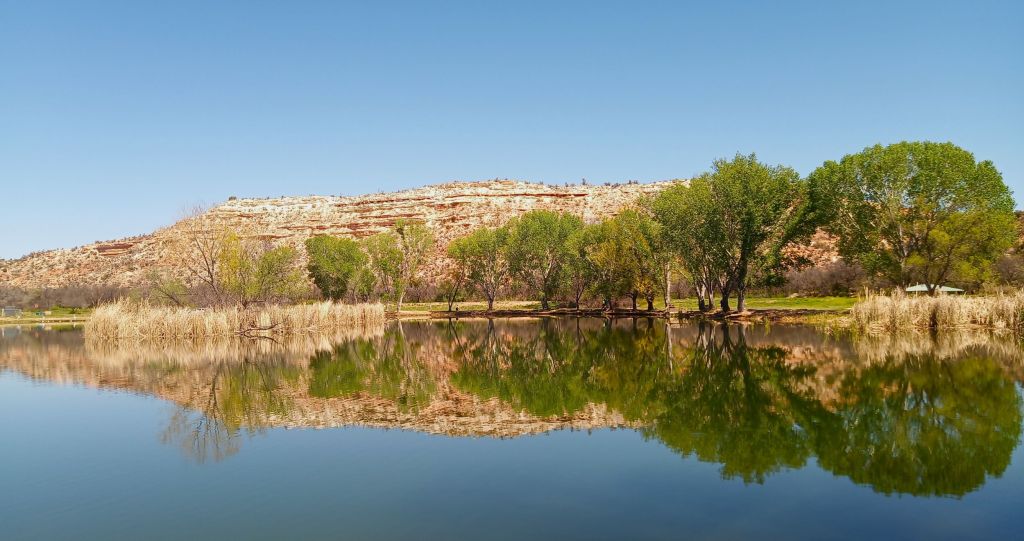
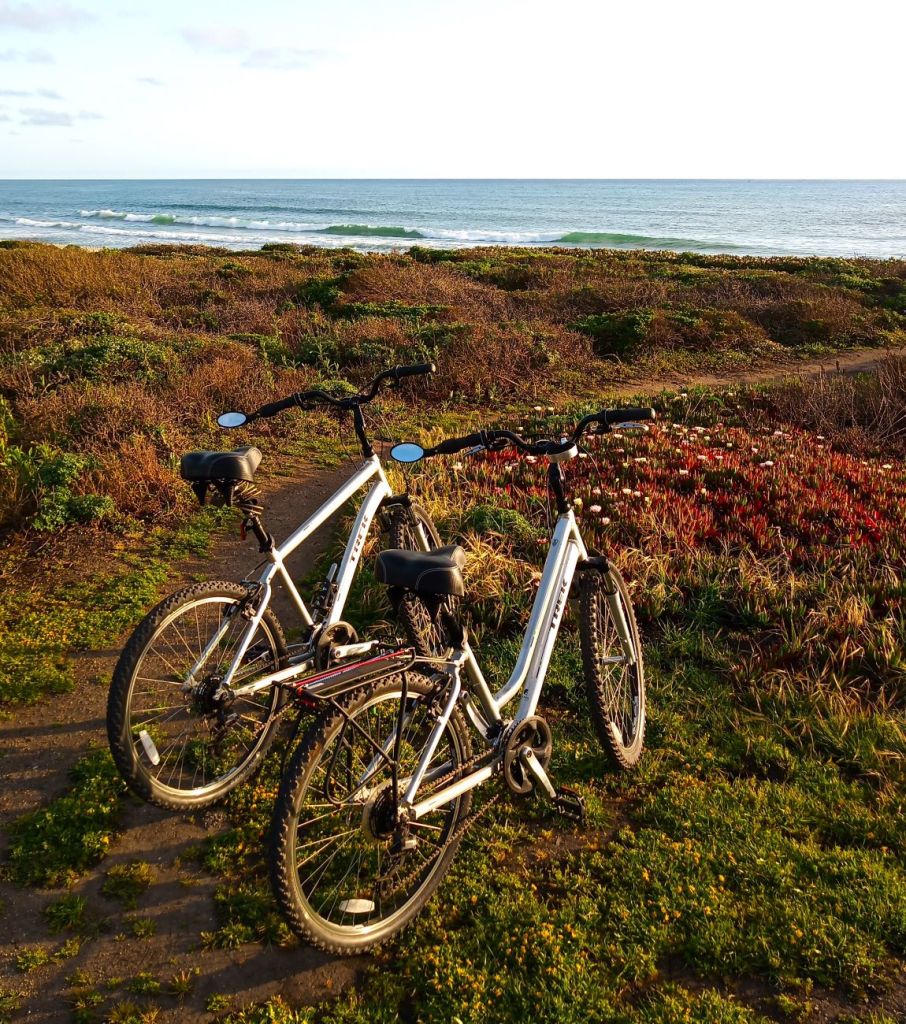
We camped the next three nights at Dead Horse Ranch State Park south of Sedona, enjoying warm, sunny days and chilly, almost cold, nights.  We unpacked our bicycles and rode throughout the park, along the swift flowing 50-foot-wide Verde River and around the three lakes in the park.

Serene lake at Dead Horse Ranch State Park

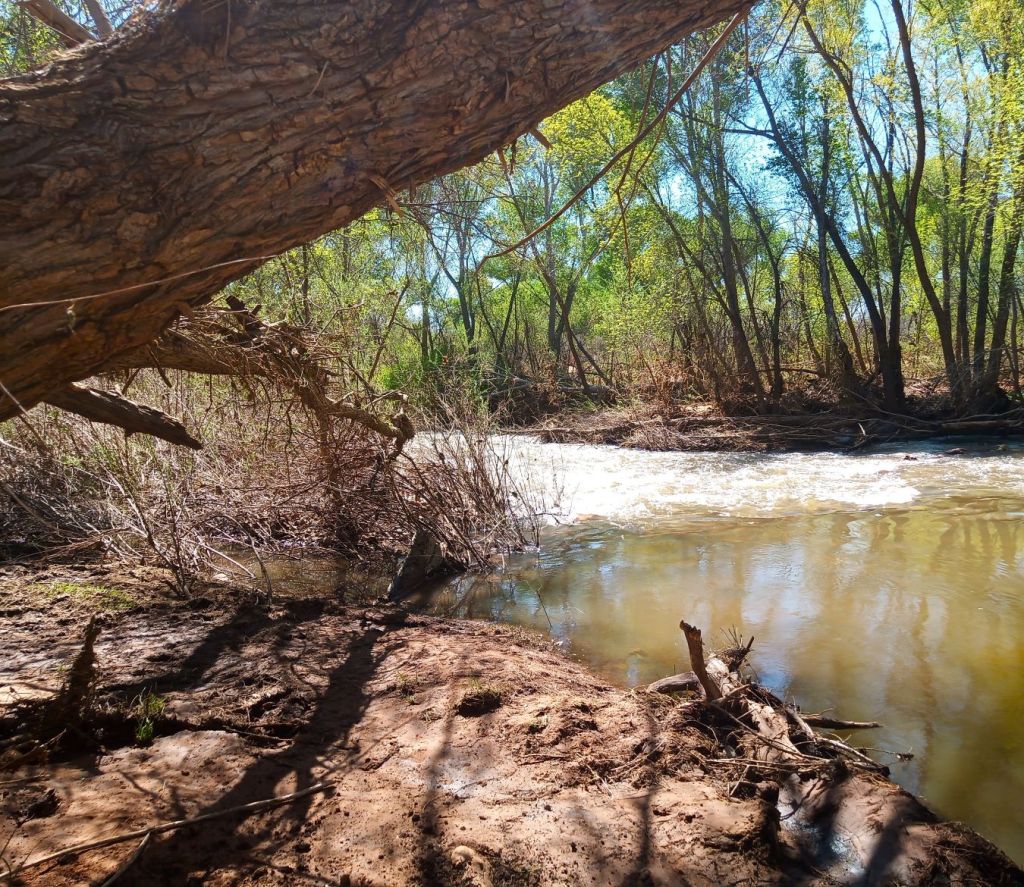
There was evidence of a substantial recent flood along the Verde River – tangles of brush in trees, piles of dirt and piles of rocks were everywhere.  We spoke with a ranger digging a small ditch to drain an area of backed up water.  He said a flood had occurred several weeks earlier from rapid snowmelt and a storm that dumped more than an inch of rain upriver.  During the flood the river was as much as a half mile wide!

Swift flowing Verde River

We wondered about the park name – there were no dead horses from what we could see. 

It seems a family from Minnesota came to Arizona in the 1940s looking to buy a ranch.  At one property a dead horse was lying by the road.  After looking at several properties, the father asked his children which ranch they liked best.  They said, “the one with the dead horse.”  So the family named it “Dead Horse Ranch” and when Arizona State Parks acquired the park in 1973, retaining the name was a condition of the sale.

A Detour and An Unexpected Blessing

From Dead Horse Ranch SP, we were bound for Lost Dutchman SP near Phoenix.  We decided to skip the more direct interstate highway route for the longer route through the Coconino National Forest.   The hills were covered with magnificent yellow and orange flowers, accented with skinny ocotillo and stately saguaro cactus.

We drove along a long reservoir created by the Roosevelt Dam.  Google routed us on AZ 88 through the canyon below the dam – the most direct route to Lost Dutchman SP.  Unfortunately, the road was closed due to a rock fall. and we had to detour more than 40 extra miles to reach our destination.
Tonto National Monument was along the detour, and we decided to stop to check things out.  We hiked a steep half mile trail to a small cliff dwelling overlooking the rugged valley.  Yellow, orange and purple desert flowers were at their peak.

Tonto NM cliff dwelling and more desert blooms

The detour was yet another reminder that changed plans often result in unexpected blessings from our Amazing God! 

NEXT WEEK:

We cross the Arizona desert bound for California and are joined in our travels.

Extraterrestrials and the Valley of Fire

(2023 Alaska Revisited Ep 4)

After another cold night in Jackpot (campground only, no casino!), we continued south to Ely, NV. 

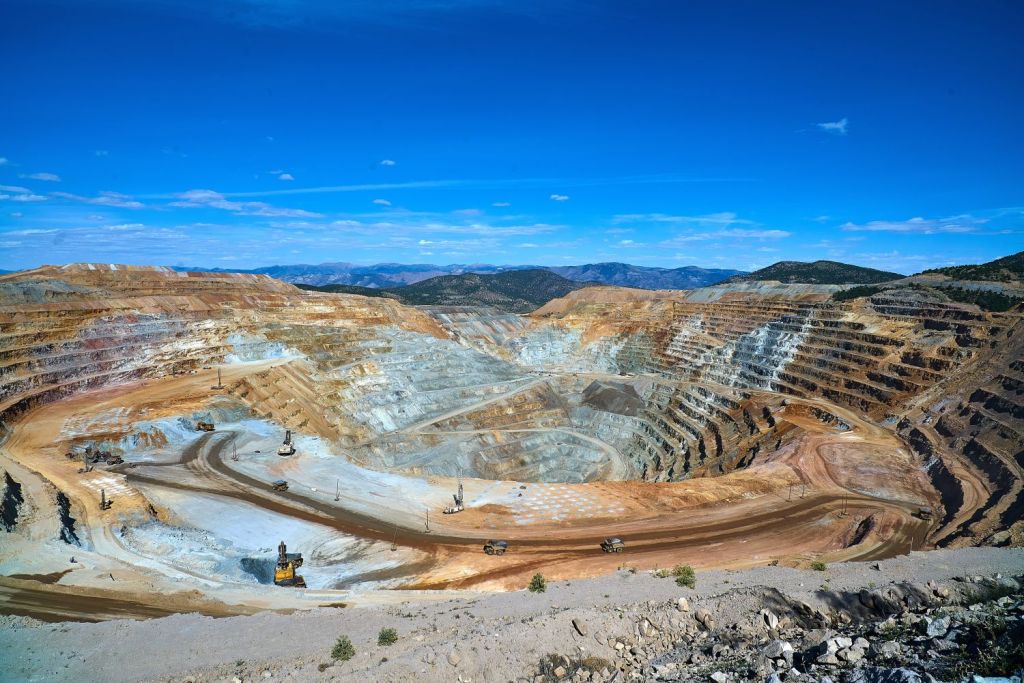
We drove four miles west of Ely hoping to see a big hole in the ground.  We were in search of Robinson Copper Mine, one of North America’s deepest mining pits at more than 1000 feet deep.  Since 1867, more than 4 billion pounds of copper and 2.7 million ounces of gold have been produced from the mine.

Robinson Copper Mine, a deep pit near Ely, NV (from kghm.com)

A nice young lady at the mine entrance gate informed us the public viewpoint was closed due to nearby mining activity.

Some RabbiTRAILS lead to dead ends. 

:>(

Extraterrestrial Sighting
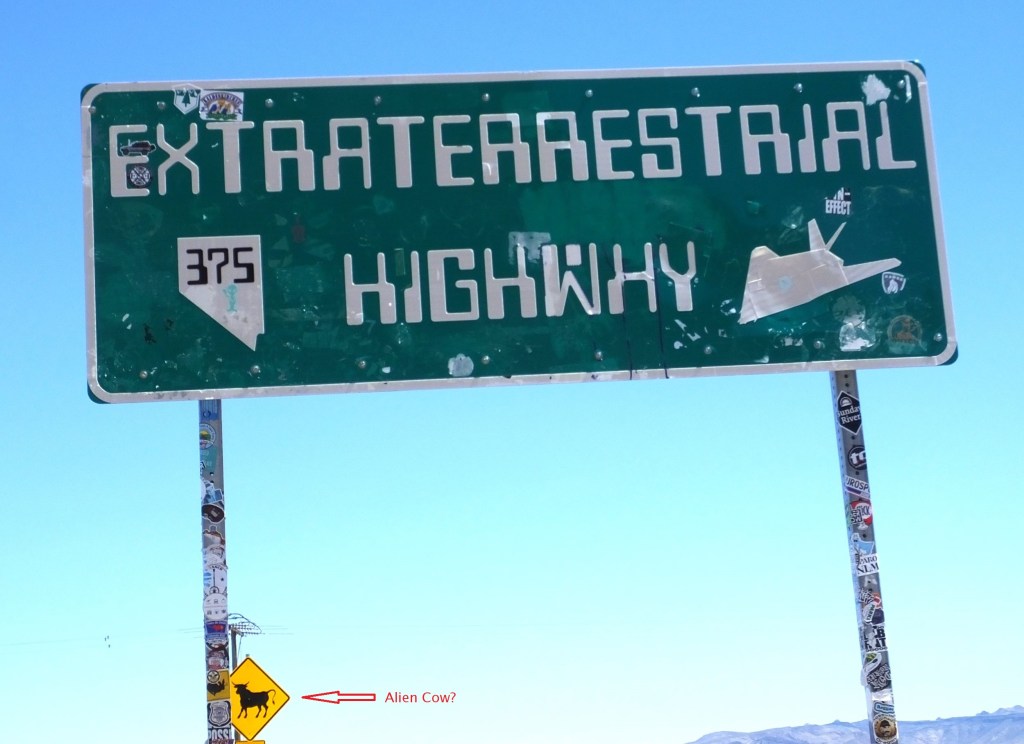
A road sign announces the start of the Extraterrestrial Highway

We left Ely and crossed central Nevada.  The region has many remote highways and Nevada highway 375 between Warm Springs and Ash Springs is known as the ‘extraterrestrial highway.’  The 94-mile highway skirts the highly classified US Air Force facility known as Area 51, where numerous events involving alien beings have allegedly taken place. 

Contemplating the LONG ROAD ahead and what we might encounter

After miles of sagebrush, various types of cacti and a few tumbleweeds, we had a close encounter.

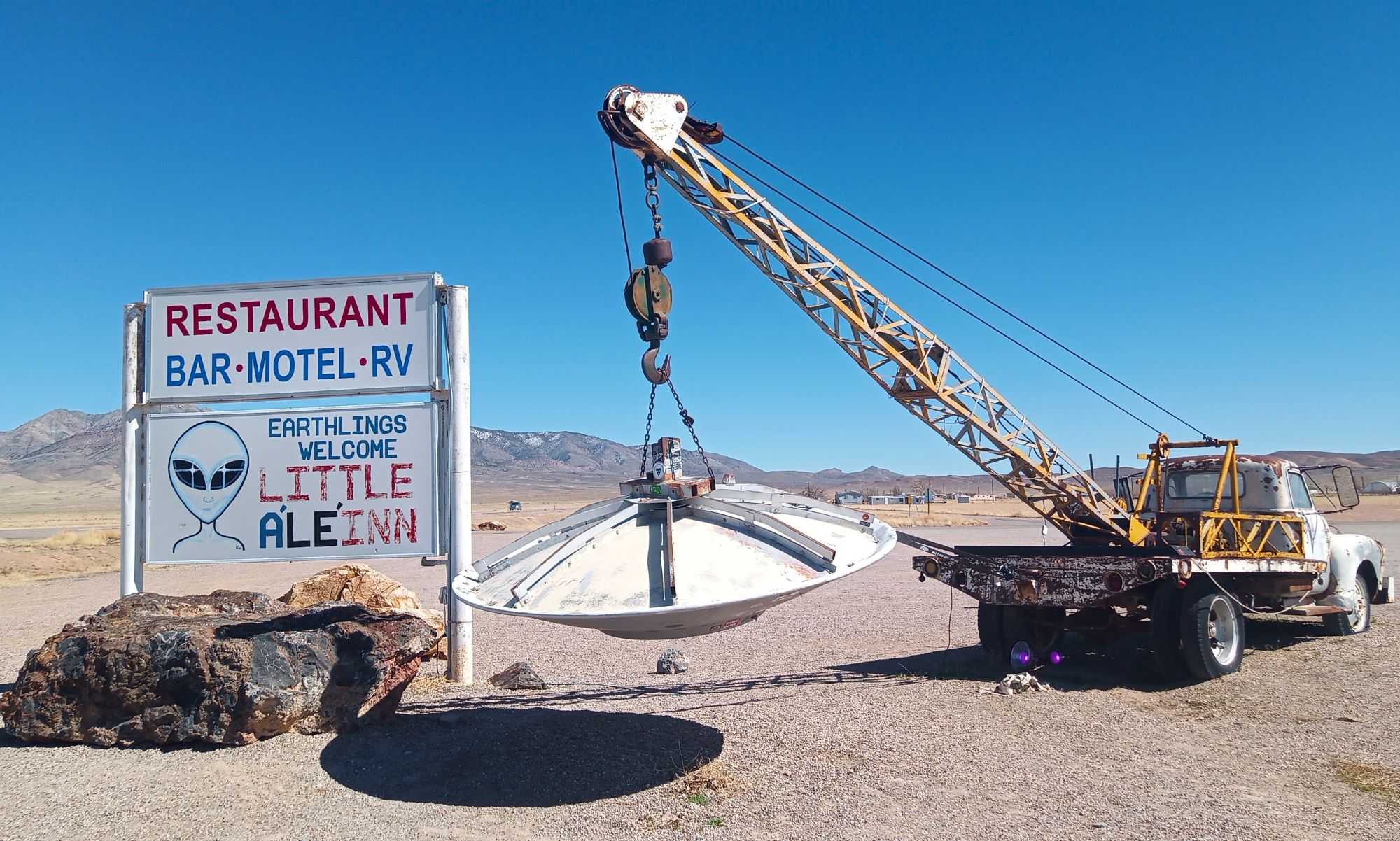
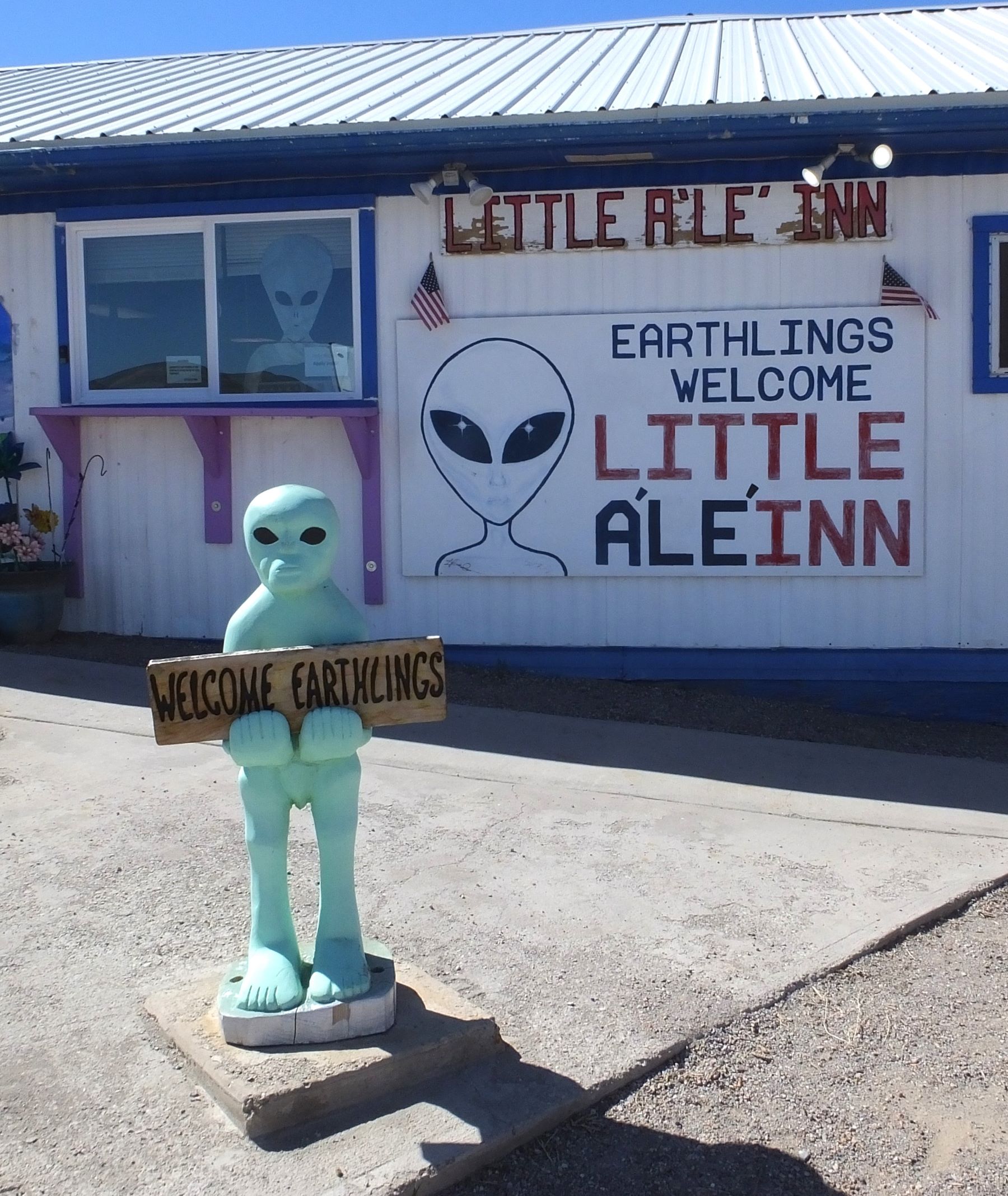
We came upon a truck with a flying saucer in tow and several chartreuse green aliens nearby.  A sign assured us that earthlings are welcome at the A’Le’Inn, a restaurant, bar, motel and RV park in the small, remote town of Rachel, NV.  This was not an alien outpost, but rather a kitschy tourist trap in the middle of nowhere. 

It was too late for lunch and too early for dinner, so we enjoyed a slice of chocolate cake and vanilla ice cream, along with conversation with the owner. 

He was quick to bring our attention to several signs forbidding video recording in the establishment.  We wondered if there something he was trying to hide!

The Valley of Fire
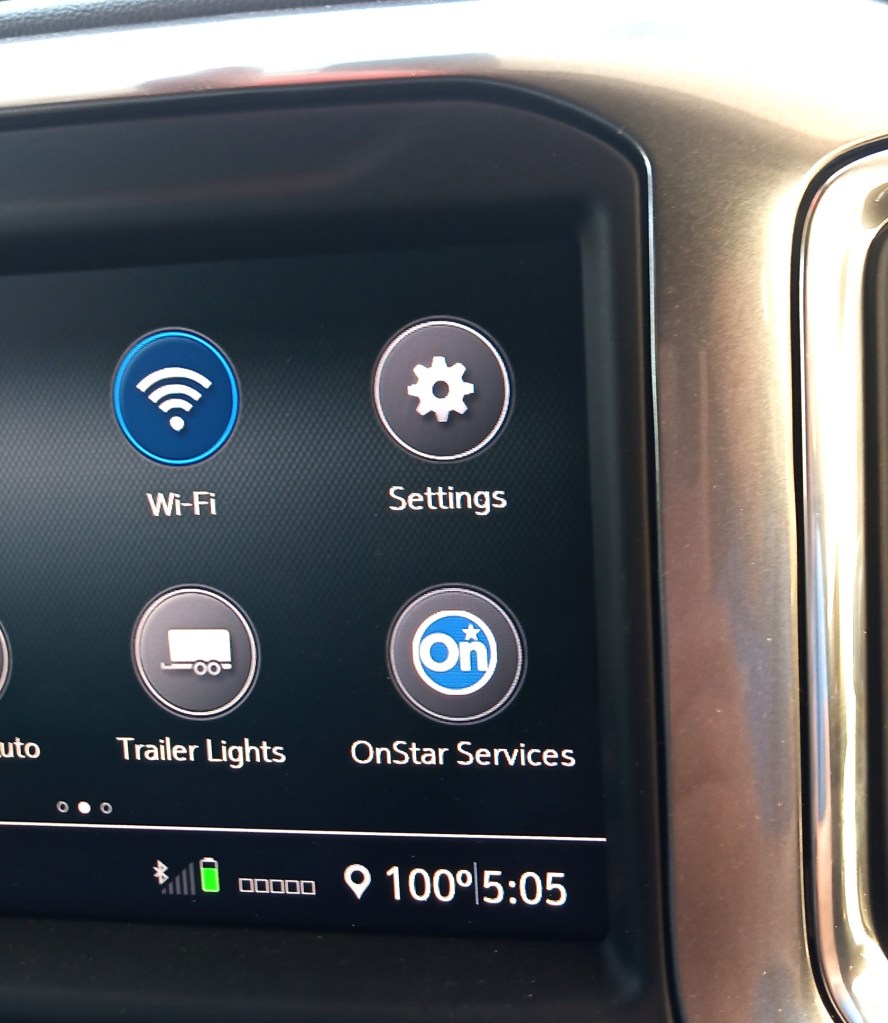
Our truck thermometer confirmed we finally found warm weather!

Our search for warmer weather was finally rewarded at Valley of Fire SP (VOFSP) in southern Nevada!

VOFSP is a popular state park a few miles east of Las Vegas.   The campground sites are first come, first serve and a disheartening ‘campground full’ sign greeted us when we arrived.  We stopped for lunch and a visit to the dump station, and while we waited, we overheard a ranger telling another RV traveler to drive through the campground as the campground full signs were often incorrect.

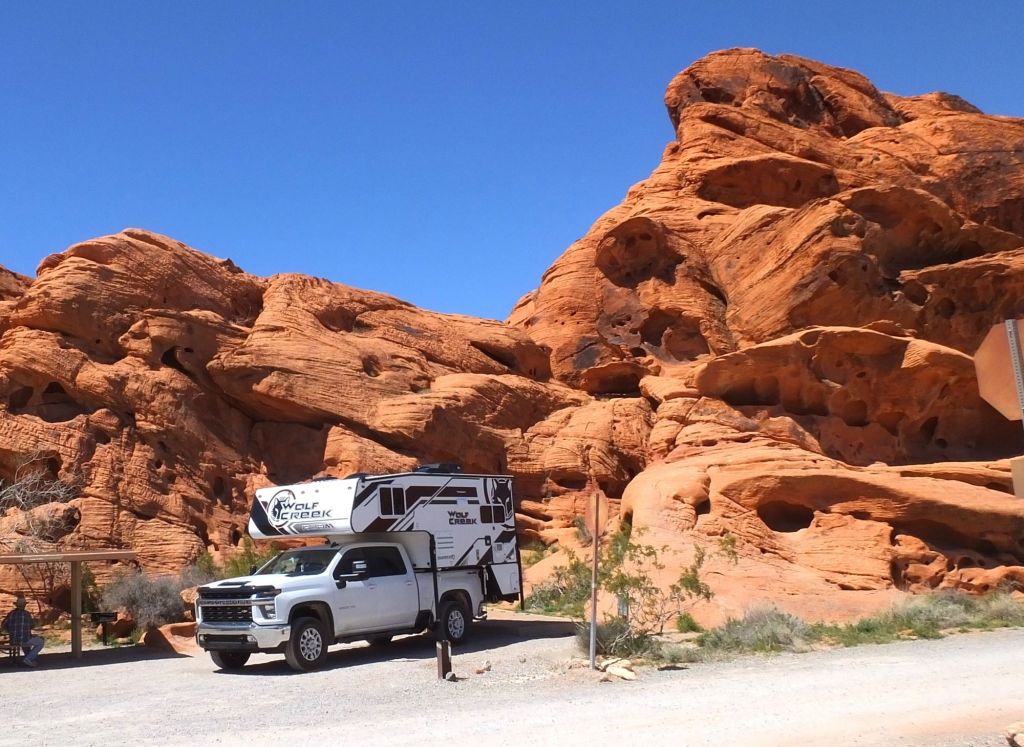
We were elated to find an available site, although it did not have electricity or water.  It was nestled up against rugged red rocks not too far from the restroom and showers. 

It reminded us to trust and give thanks to the One who provides for our every need and more!

Camping in Valley of Fire SP

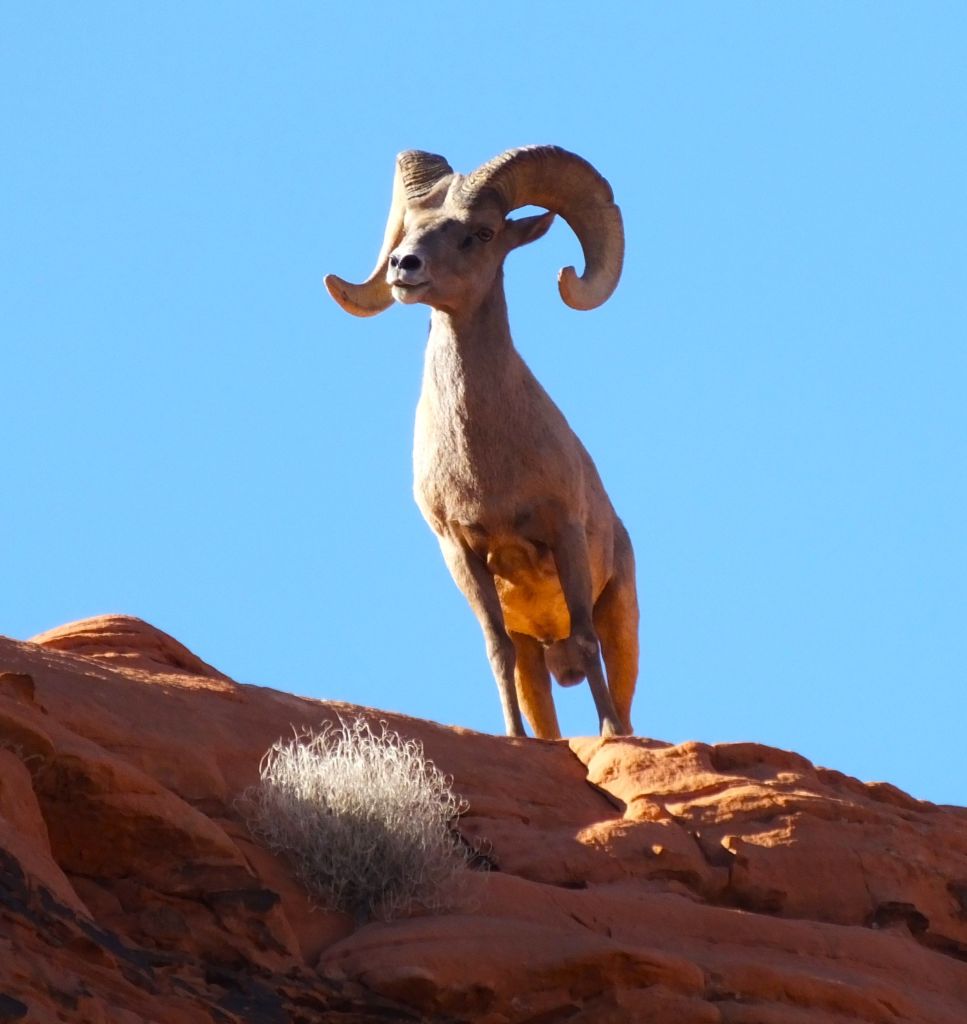
That afternoon we had an unexpected sighting of several bighorn sheep not far from the campground.    Two rams were facing off and when they butted heads, a loud crack echoed among the rocks.

As the hot sun fell behind the rocks, our camper cooled in the shade.  It was time for dinner, showers and sleep.  It was the first night since we picked up the truck camper that we didn’t use our small electric heater or RV furnace. We slept soundly in the cool desert night. 


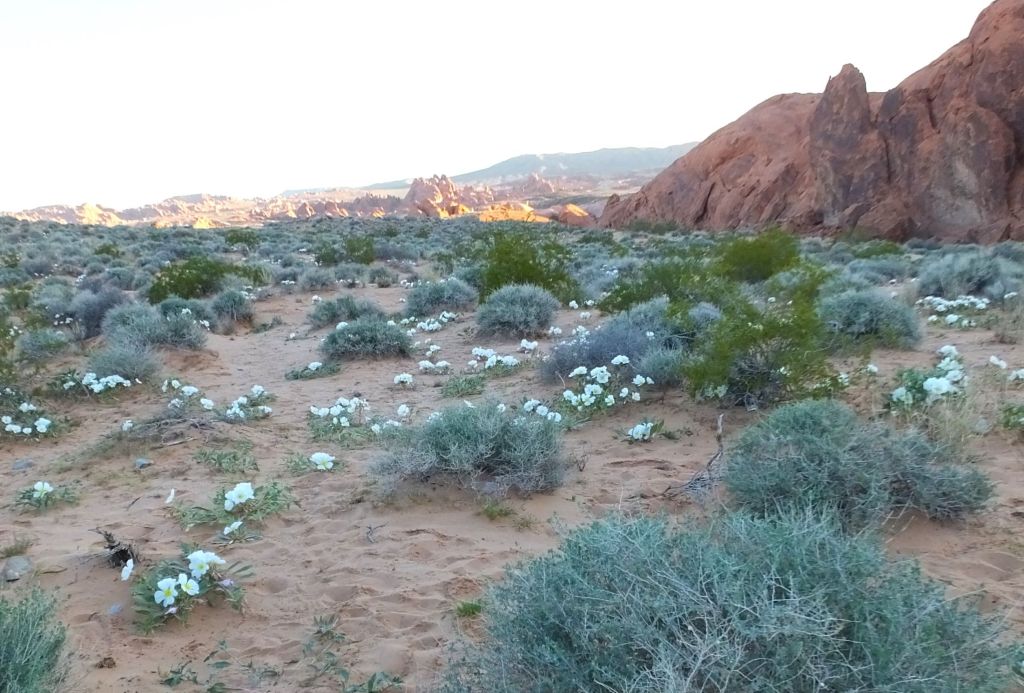
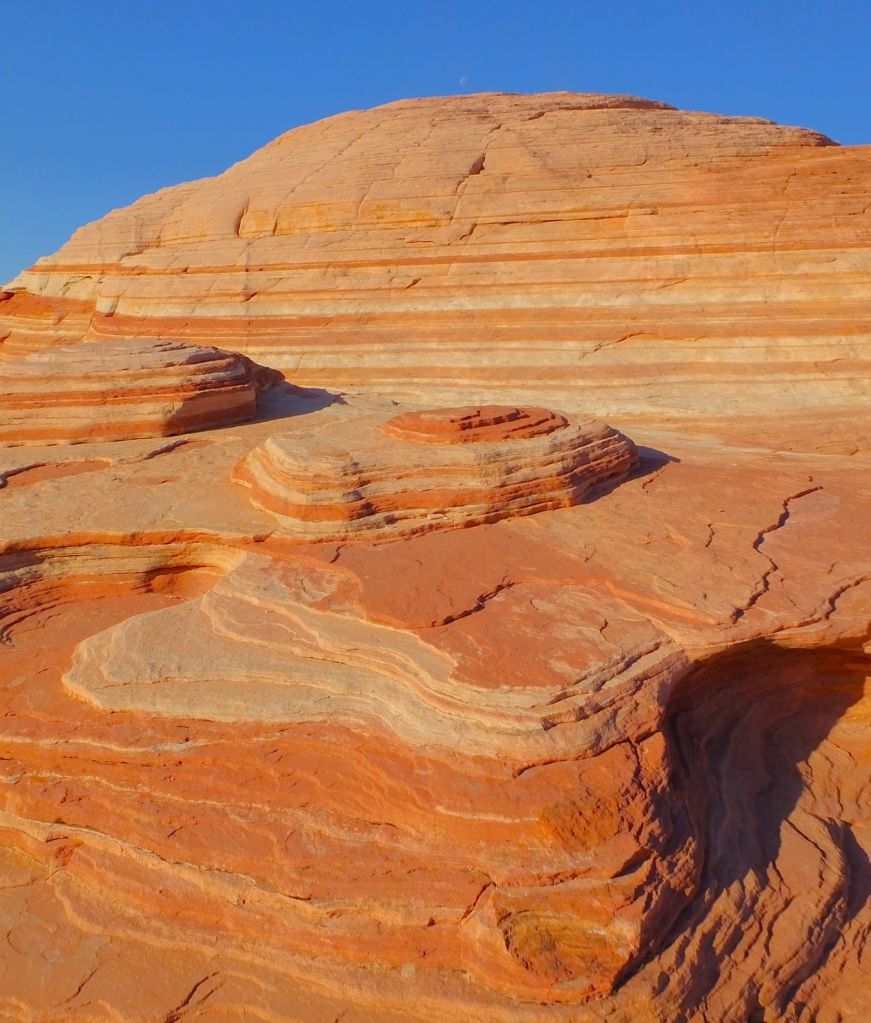
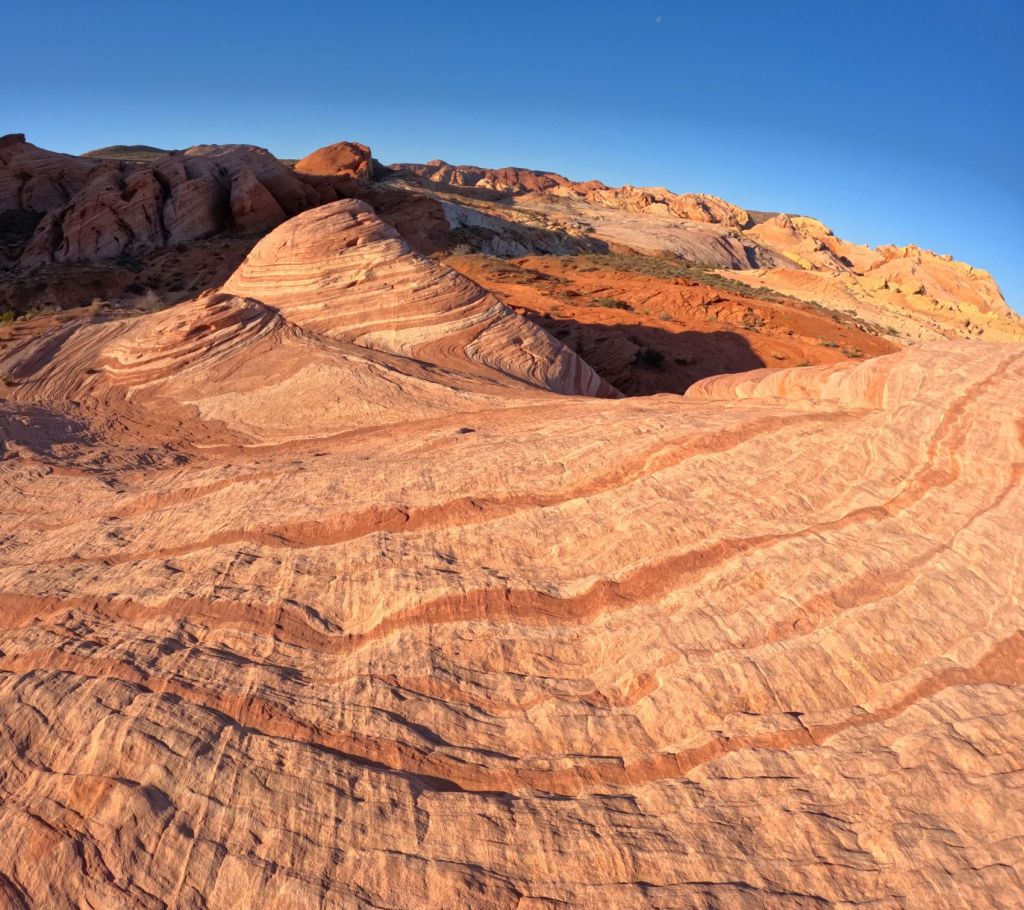
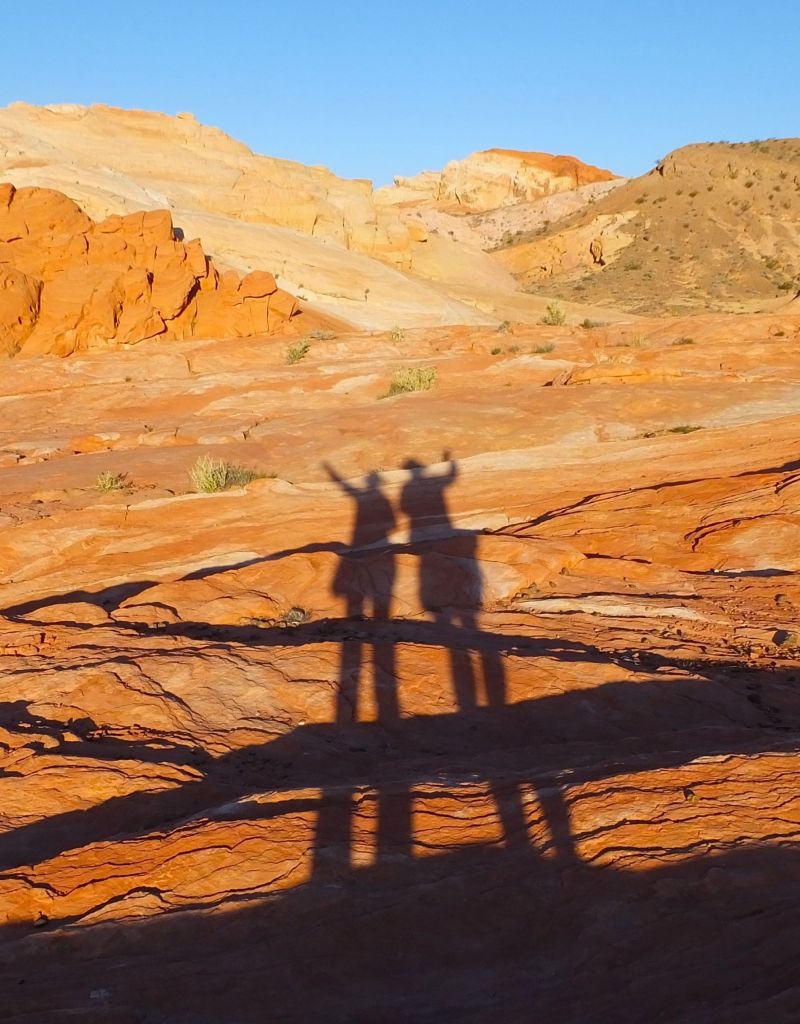
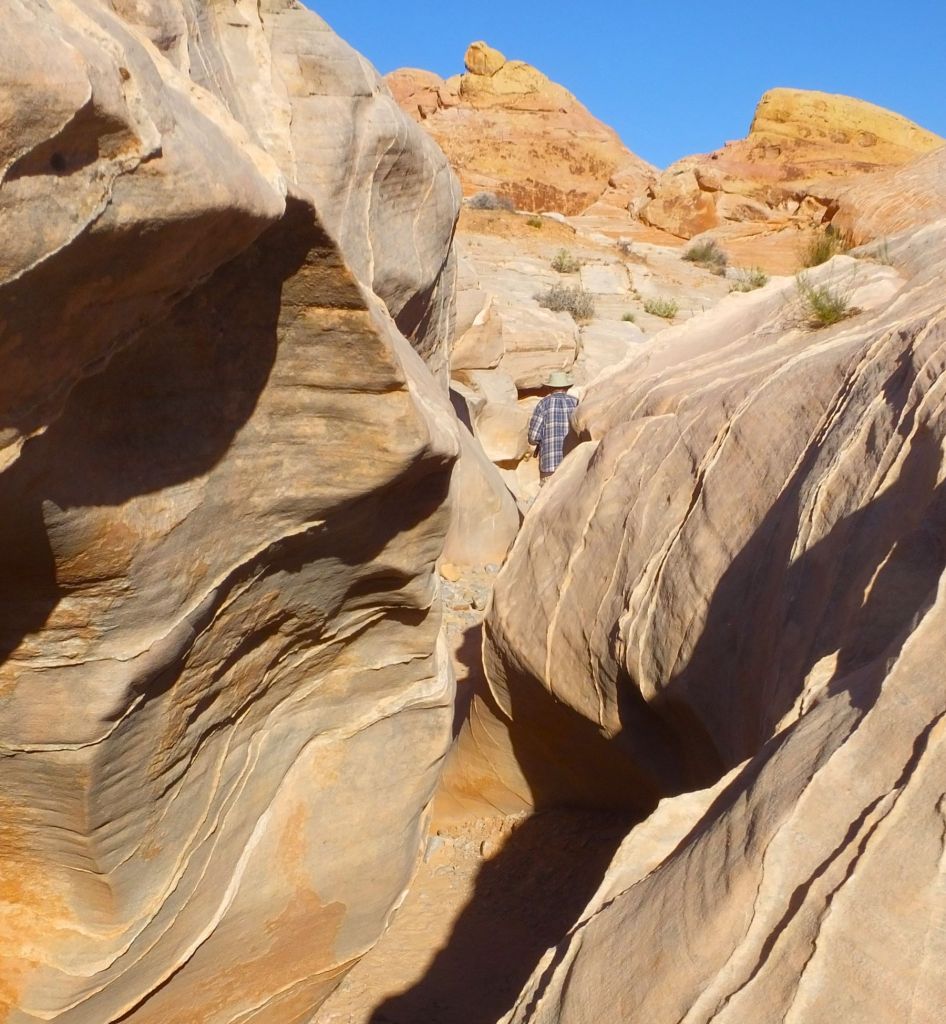
The next morning we rose early to drive the five mile White Domes Road to the Fire Wave/Seven Wonders Trail.  After hiking a half mile enjoying the sweet fragrance of desert primrose, we discovered the firewave – colorful red and white swirls in the Aztec sandstone.  The trail continued through a narrow slot canyon and ended with a steep and rugged uphill climb back to the parking lot. 

Fragrant desert primrose was in full bloom at the start of the Firewave Trail
Wandering through a slot canyon

Despite the remote location, we discovered that cell service was available from the parking lot. I spent several hours working on the April 10 RabbiTRAILS blog post

Later that afternoon we hiked several other trails including the White Domes Loop Trail where several movies (including Star Trek Generations) have been filmed.

VOFSP is beautiful and rugged, and reminds us of Arches NP in Utah without the epic arches.  The park is best visited in the late fall, winter or early spring.  Signs warn visitors of life threatening heat during the summer months.

Last Call for Names

This week is the last chance to send suggestions of names for our truck and truck camper. Max, Pancake and Oscar will have named siblings in the near future!

NEXT WEEK

Dead horses and a rewarding desert detour.

Factory Tour and The Snake

(2023 Alaska Revisited Ep 3)

We have been traveling in our truck camper for nearly two weeks, traveling southeast from Oregon to Idaho.  Although the mountains are slowly emerging from their solid white blankets of snow, it is still cold by Florida standards, especially at night.  Long pants, a flannel shirt and jacket are the uniform of the day.  We long for shorts and a T-shirt!


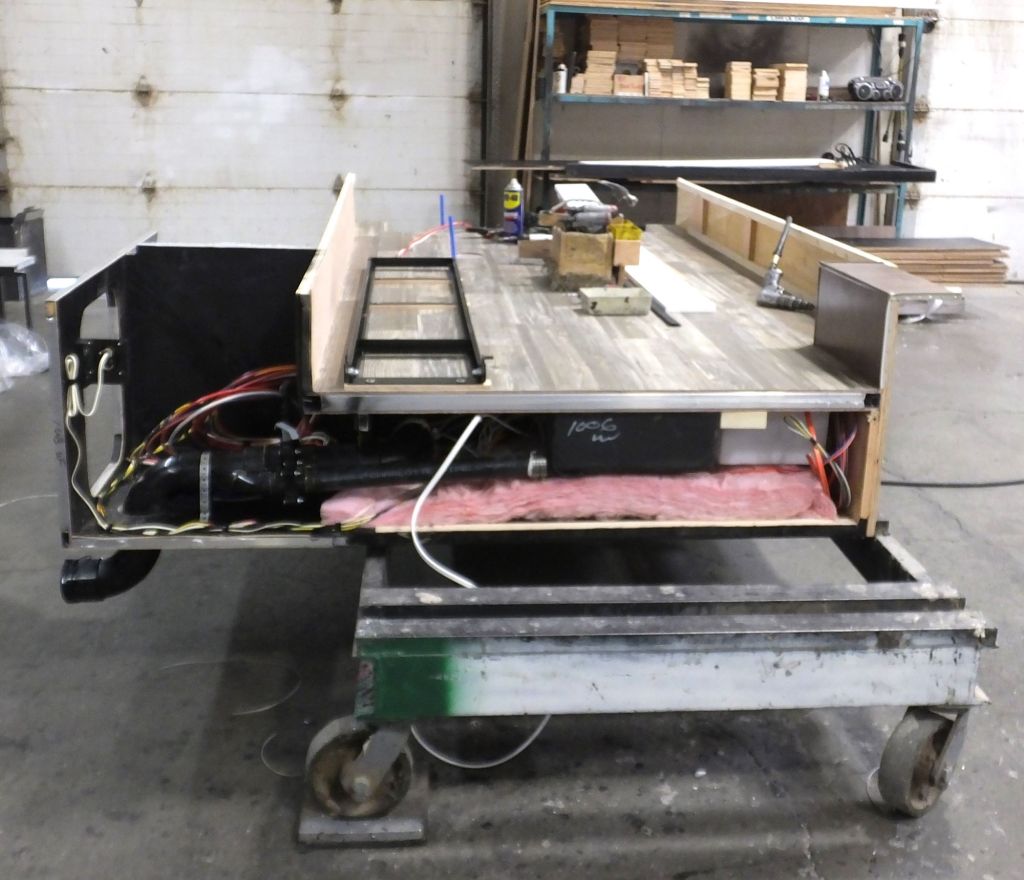
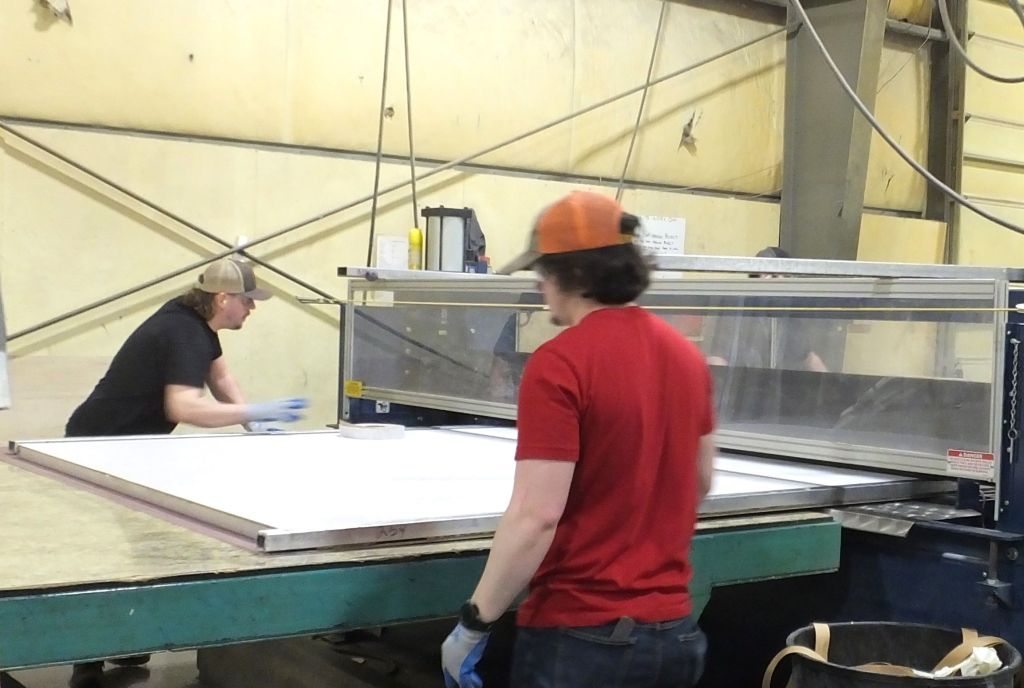
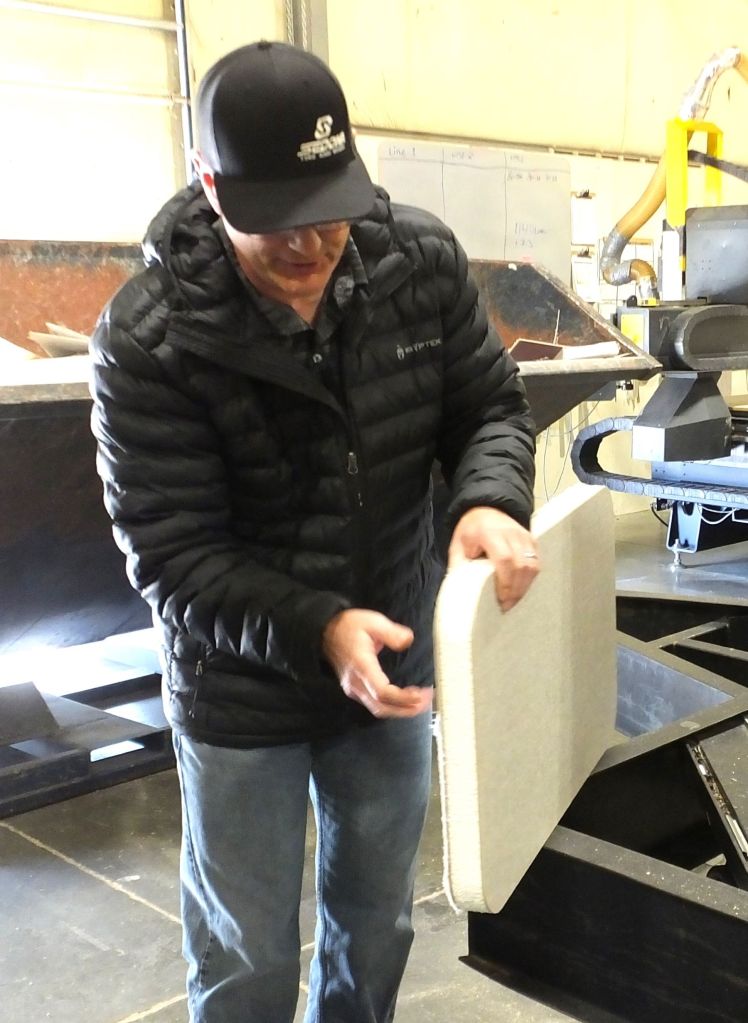
Our route took us near La Grande, OR, where our Wolf Creek truck camper was birthed.  We toured the Northwood manufacturing plant where Wolf Creek and Arctic Fox truck campers, and Arctic Fox travel and fifth wheel trailers are made.

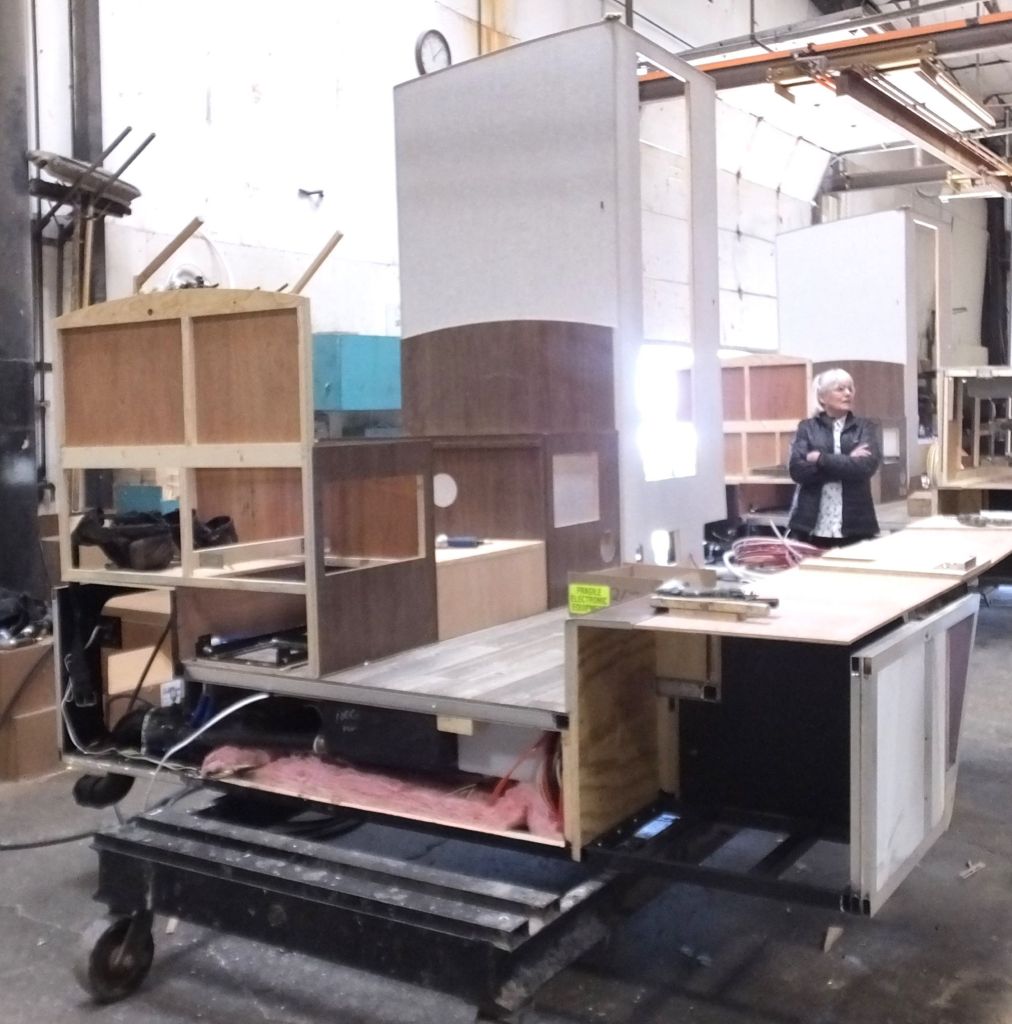
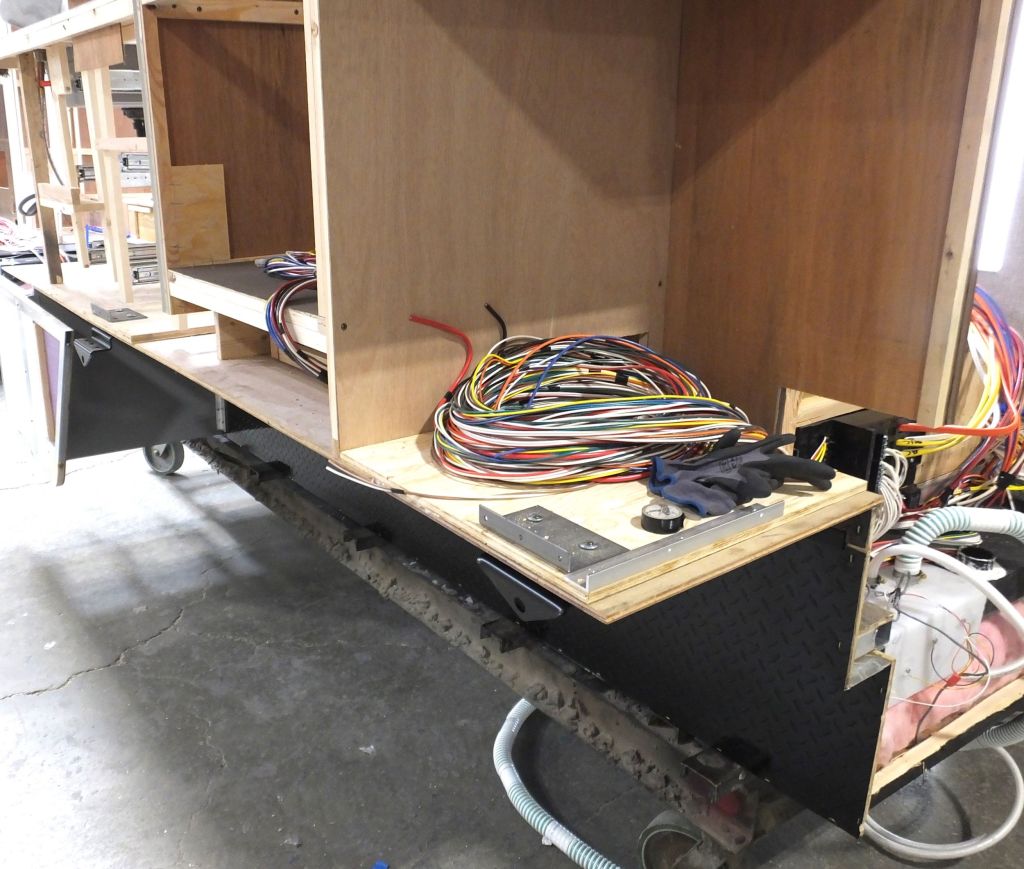
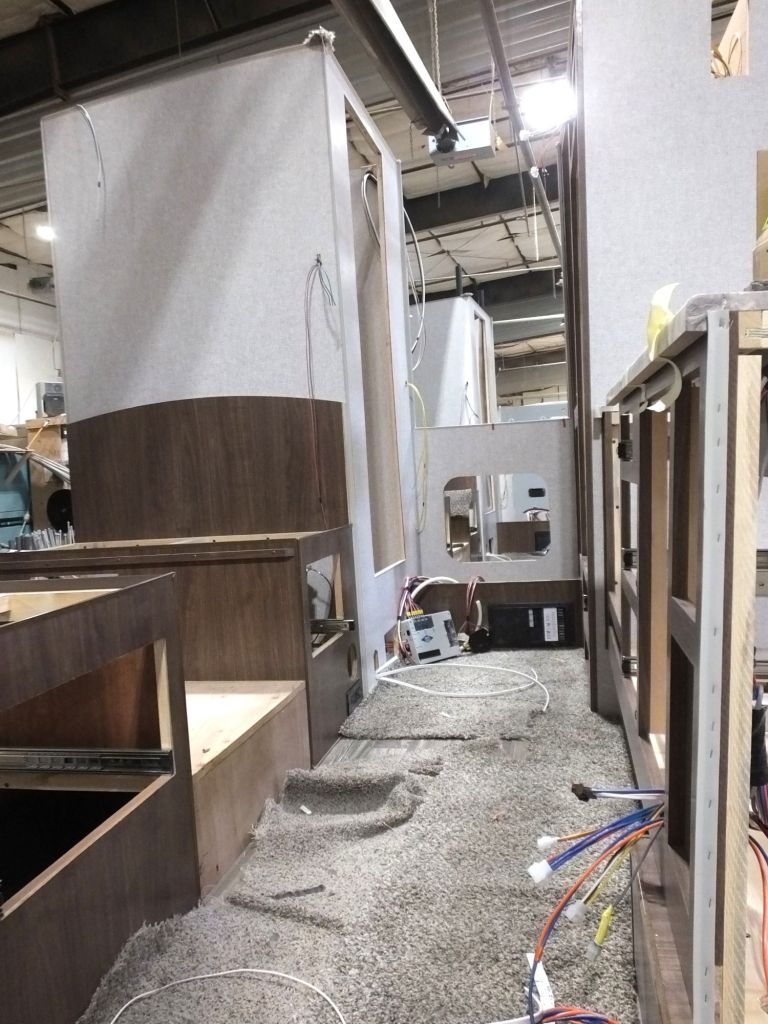
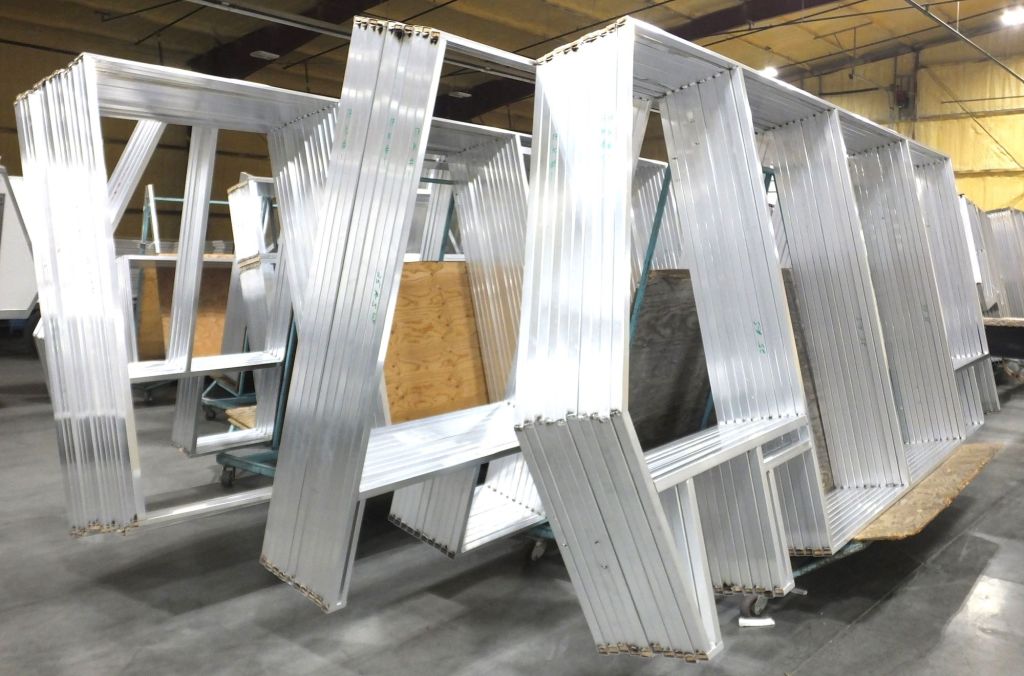
Truck campers like ours are put together from the inside out, starting with a base and floor.  Internal walls and framing come next followed by components like water tanks, plumbing and wiring.  Kitchen and bathroom fixtures, appliances, cabinets and drawers are added.  The nearly finished interior is then wrapped with pre-assembled exterior walls and roof.  Finishing touches include cushions, bedding and window coverings on the inside and decals on the outside.  

The manufacturing process for travel trailers and fifth wheels is very similar, although the components are much larger, and involve heavy-duty frame and wheel assemblies.


Northwood produces just a few models at any one time and our model (Wolf Creek 890) wasn’t in production during our tour.  It is next scheduled to be made late summer 2023. 

Unlike larger RV manufacturers, just a few of each model are completed each week and sent to select dealers nationwide.  Individual hands-on construction with great quality control is very much evident during the entire build process.

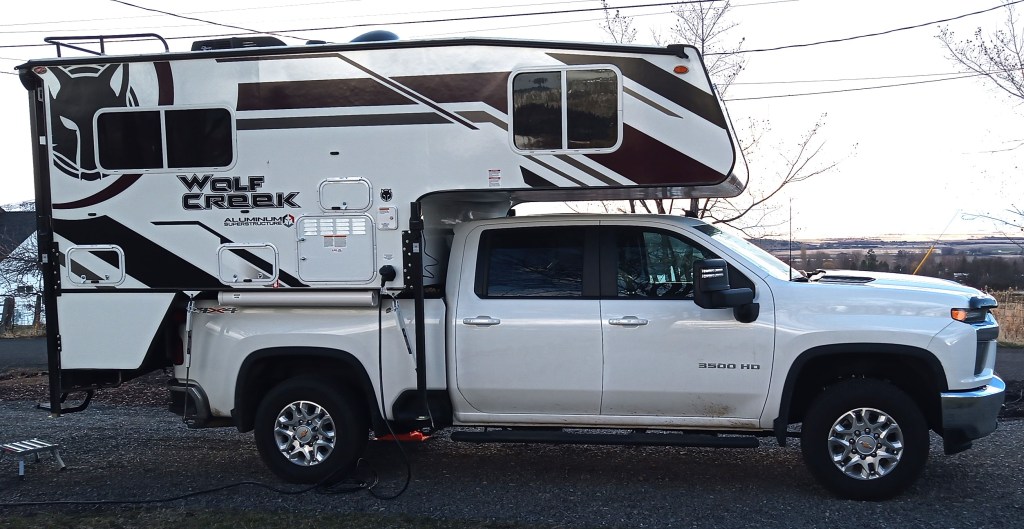
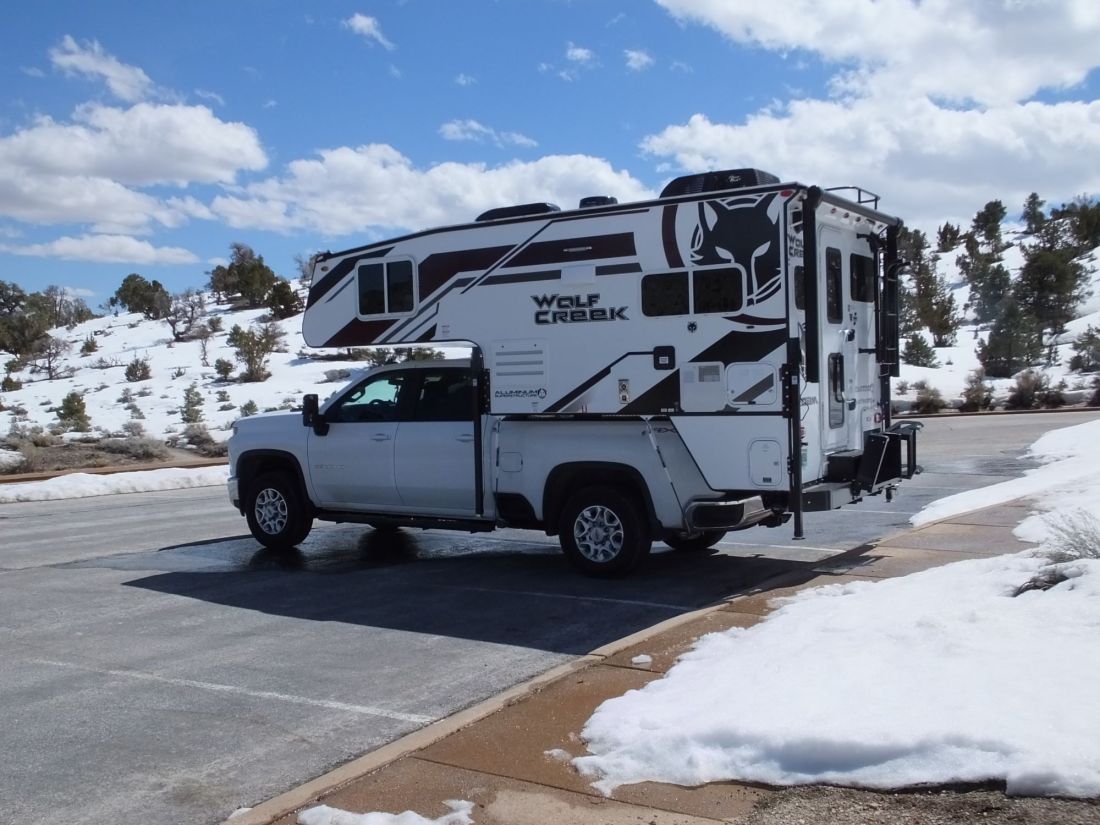
Our handsome final product

Later that day, we crossed into Idaho and spent the night a few miles southeast of Boise in Mountain Home.  The next morning, after dealing with the frozen water connections mentioned in our last blog post, we continued to Twin Falls, where we would turn directly south to Nevada and (hopefully) warmer weather.

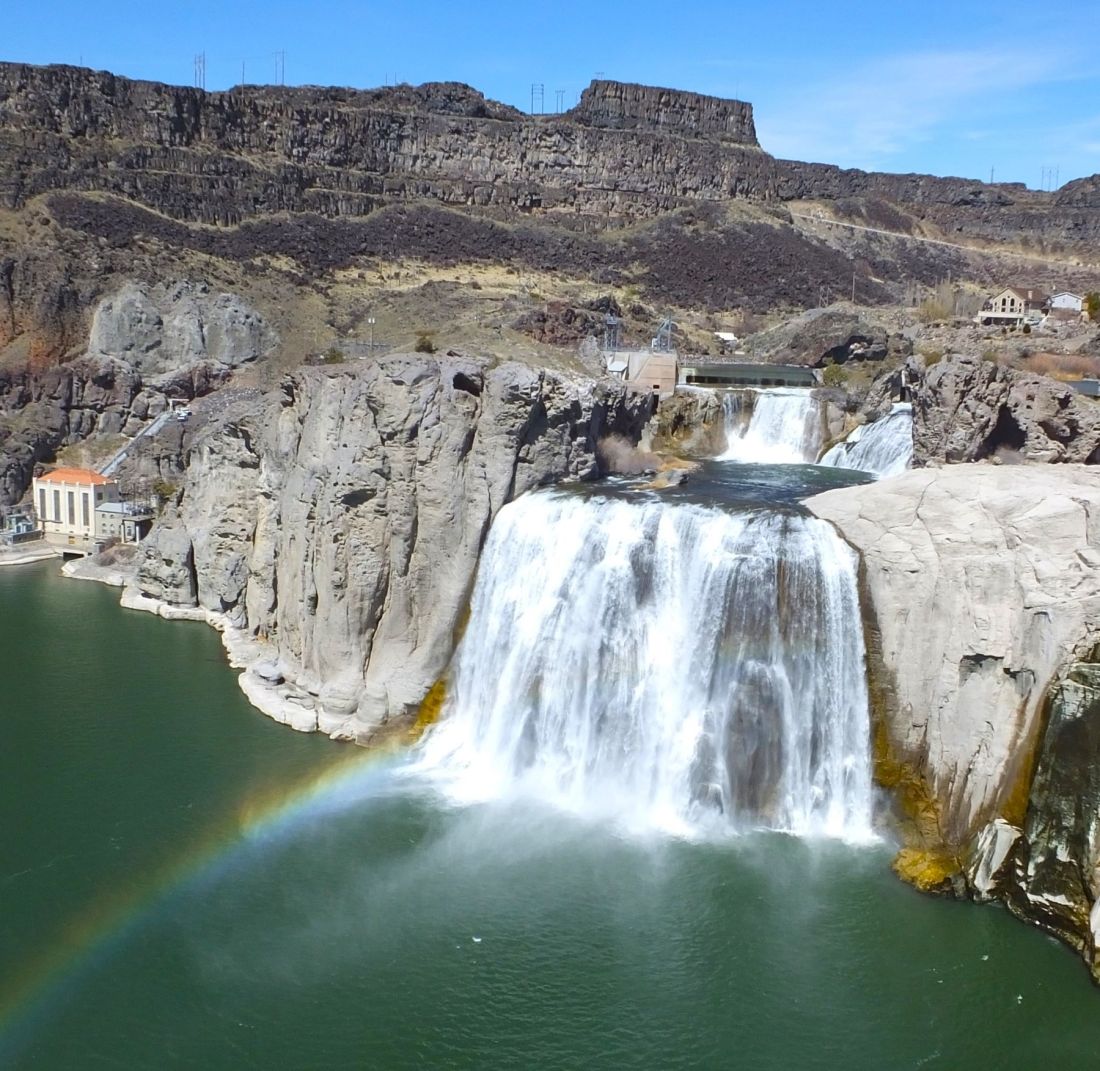
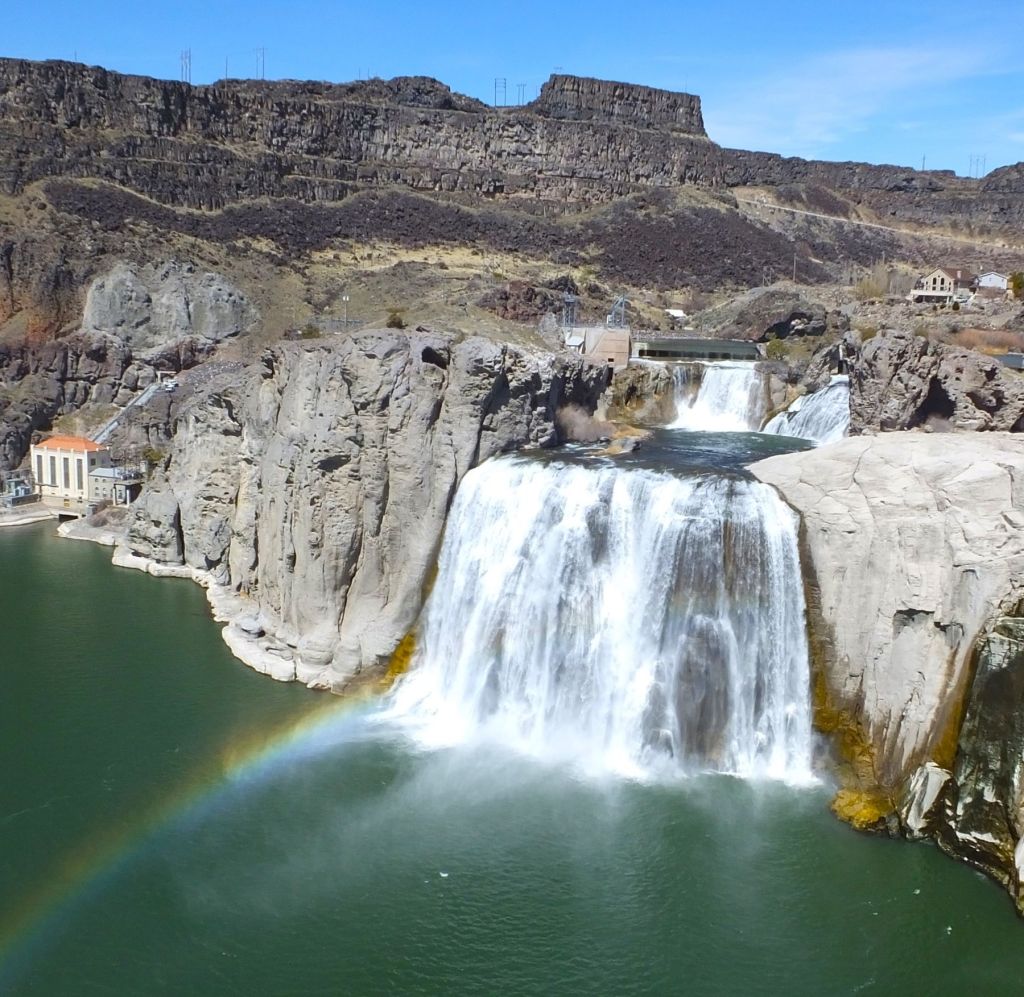
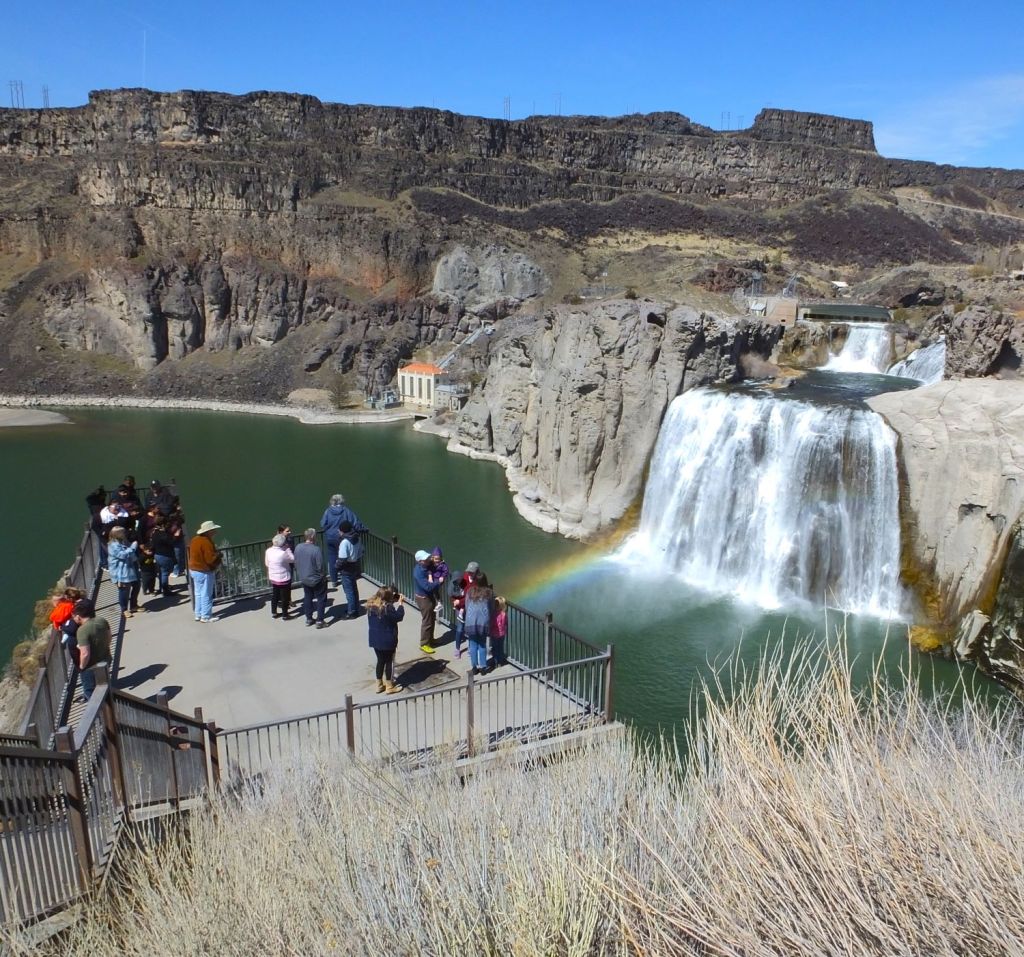
Shoshone Falls

Shoshone Falls

Twins Falls is named for Shoshone Falls, a beautiful waterfall on the Snake River, a few miles upriver from the town.  The Snake, floated by explorers Lewis and Clark in the early 1800s, flows 1078 miles from Wyoming’s Grand Tetons through Idaho before it joins the Columbia River near Pasco, WA.

We’ve seen many spectacular waterfalls in our travels.  After driving a narrow road down into the Snake River Canyon, we rounded a curve for our first view of the falls.  They were a marvelous surprise, and my spontaneous reaction was “Oh – wow!”

Jumping the Snake

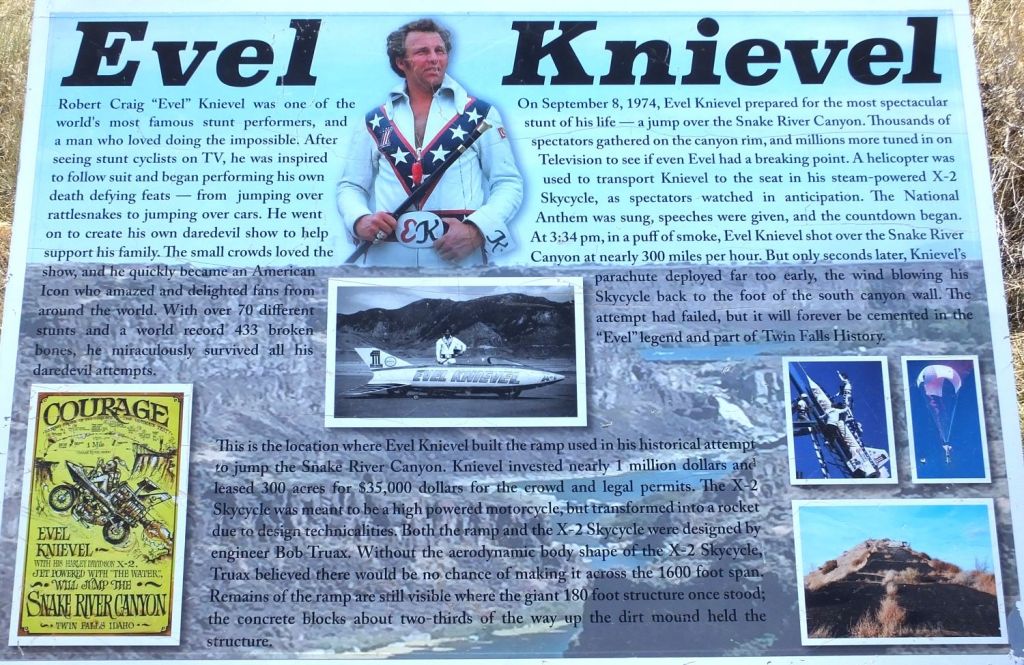
Evel Knievel Attempts to Jump the Snake River Canyon

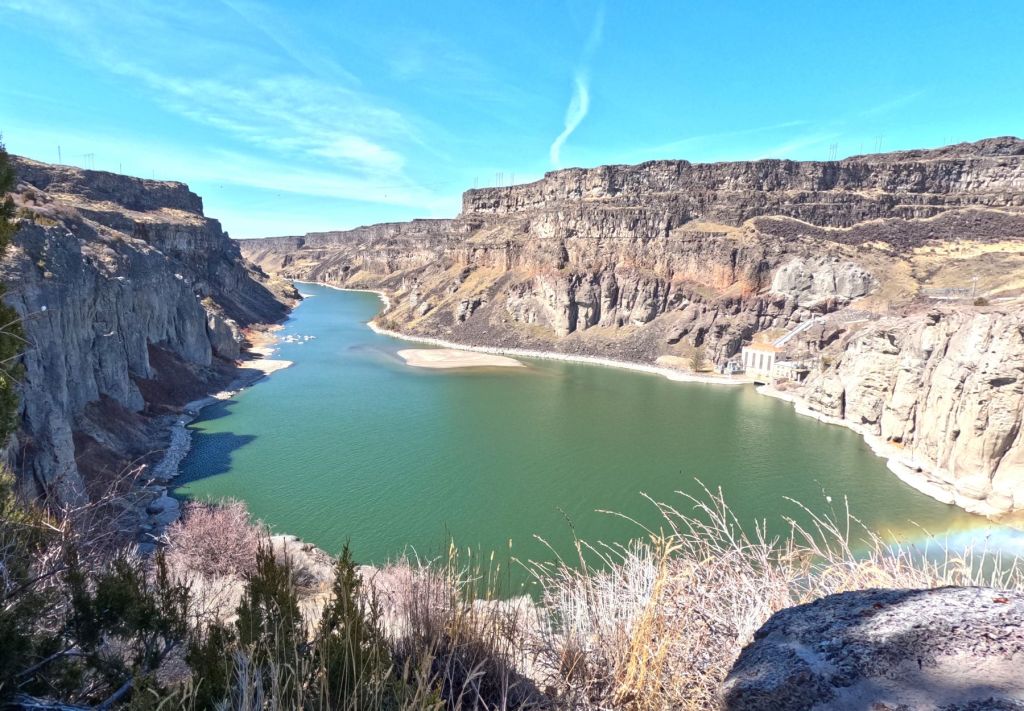
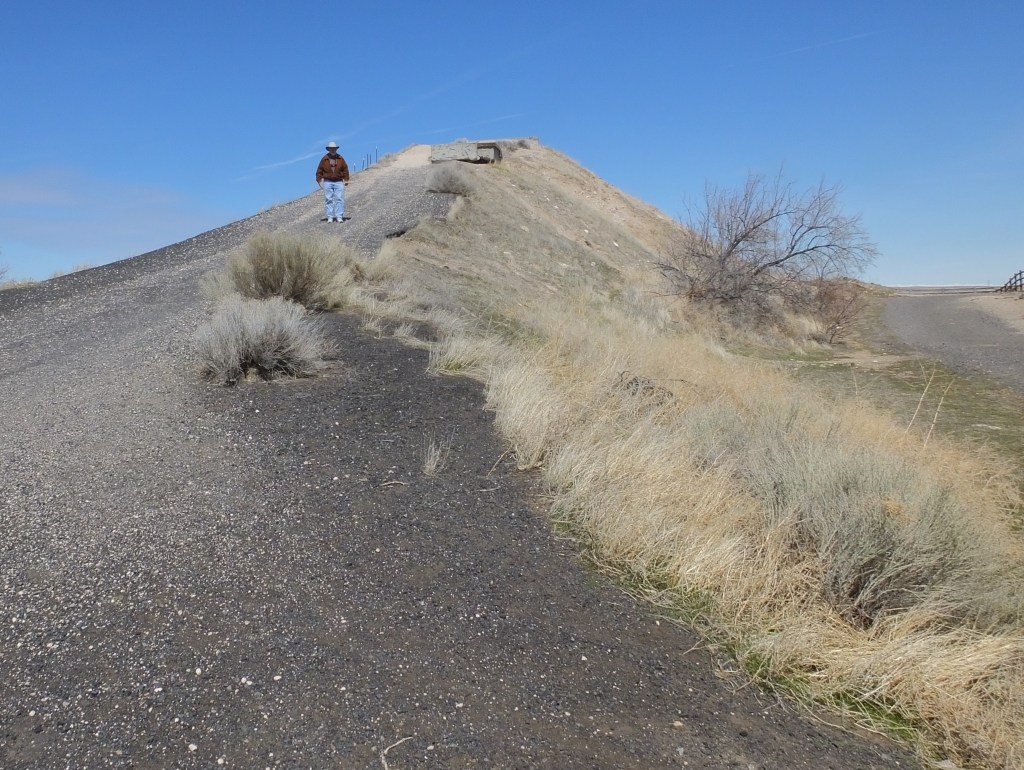
A few miles downriver, we visited a 60+ foot sloped mound of dirt on the southern edge of the Snake River Canyon.  This was the spot where, on September 8, 1974, daredevil Evel Knievel attempted to soar nearly a third of a mile across the Snake River Canyon on a rocket powered motorcycle. 

There was considerable media hype for the event, and Pat and I remember watching as the motorcycle failed to complete the jump (by a considerable distance).  A parachute opened not long after the takeoff and lowered Knievel to a safe landing.

Standing on the takeoff ramp
Snake River Canyon beyond the jump ramp

After stressful offroad 4×4 adventures with Max in 2021, we decided to pass on an attempt of our own Snake River jump in our truck camper, even if the new truck is bigger and stronger!


Our day ended a few miles south of Twin Falls at the Nevada border town of Jackpot. Jackpot is the home of a large casino and campground. 

Snow in northern Nevada, near Jackpot

Send Those Name Ideas!

Many thanks to you who have sent name suggestions for our truck and truck camper.  We’re still welcoming additional suggestions and will let you know our choices in the next few weeks!

Next Week

We drive south through Nevada to Valley of Fire State Park, near Las Vegas.  Was cold weather finally behind us?

Along the way we have an extraterrestrial experience.

Cold Nights and Names that are Right

(2023 Alaska Revisited Ep 2)

Since picking up our truck camper on March 30, it has been COLD.  Daytime highs have been in the 40s most days and it has dropped below freezing each night.  Early in the week, portions of I-84 in eastern Oregon had winter travel advisories.  One morning In Idaho, our water connections froze when the low was 15!

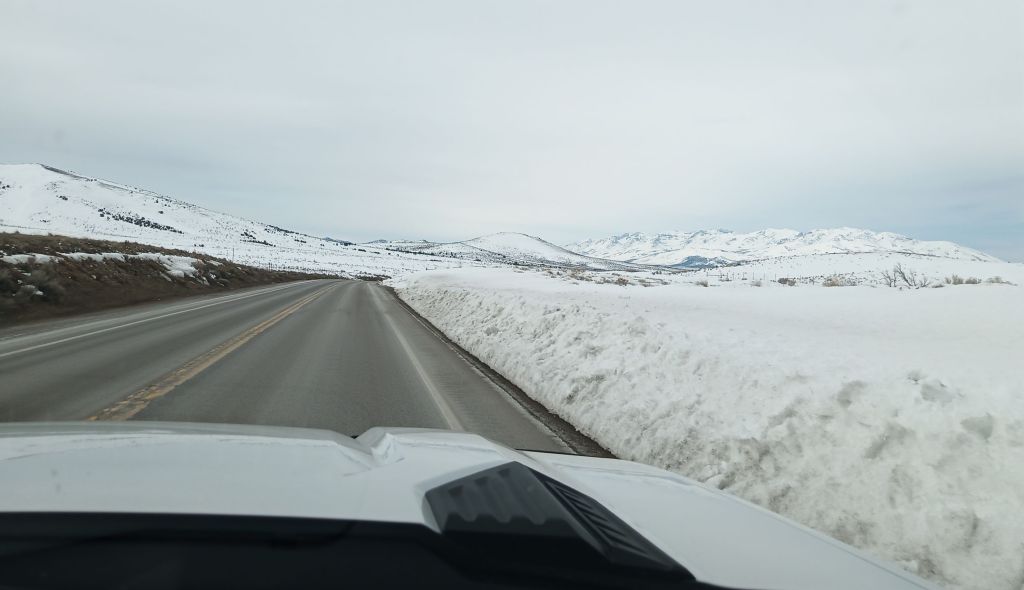
Along the road in eastern Oregon. We we thankful for snowplows and dry weather

The cold weather has restricted our daytime outdoor activities and we have needed to use electricity each evening.  Thank goodness for our portable electric heater!

As we drive south to find warmer weather, we have met a number of other campers doing the same! 


We left Portland on a chilly morning, truck camper mostly set up and stocked for the trip ahead. 

Our route was I-84 along the Columbia River Gorge.  There are tall bluffs on both sides of the river and across the river is Washington (state).  

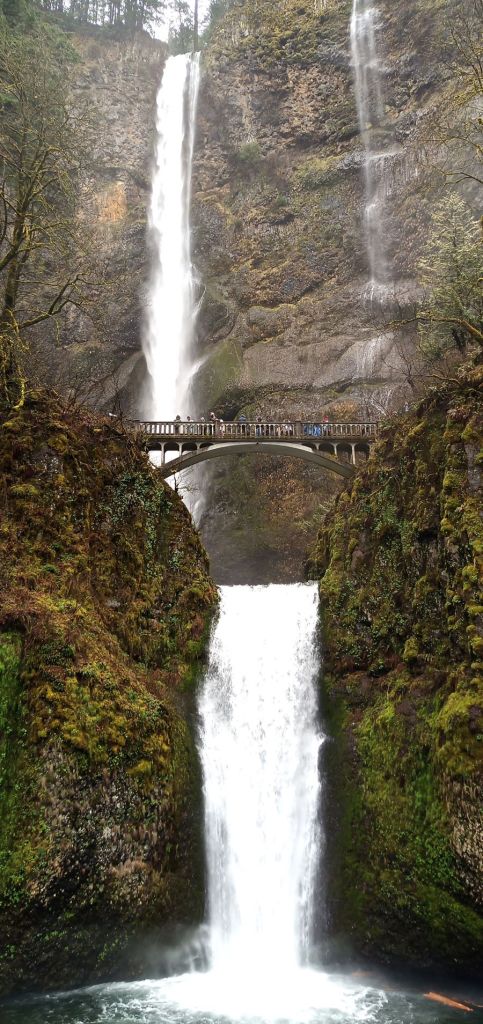
A number of waterfalls are visible along the route and we stopped to see an iconic Oregon waterfall,  Multnomah Falls. 

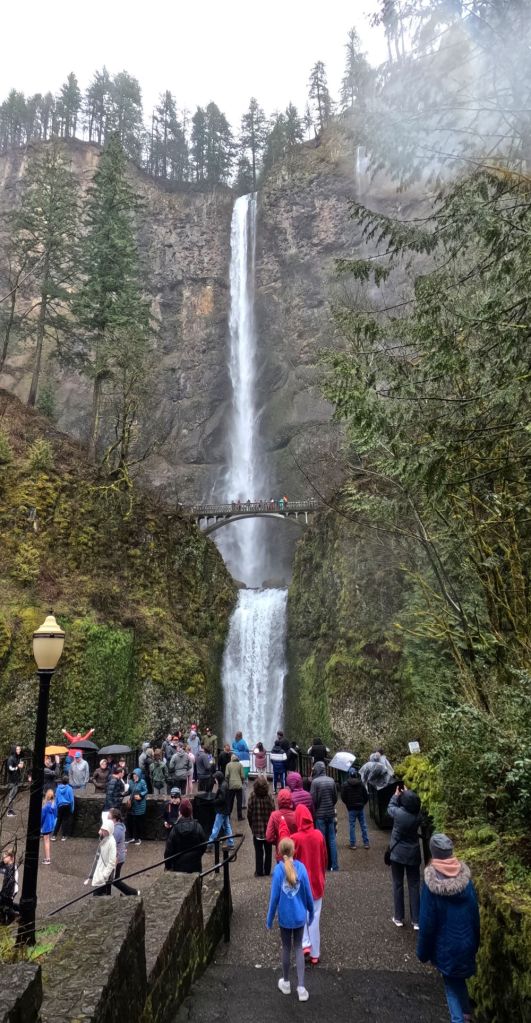
The falls are the tallest in Oregon at 620 feet.  There are actually two falls (the upper portion is 524 feet) and we walked up several switchbacks to the Benson Bridge, a footbridge at the brink of the lower falls.

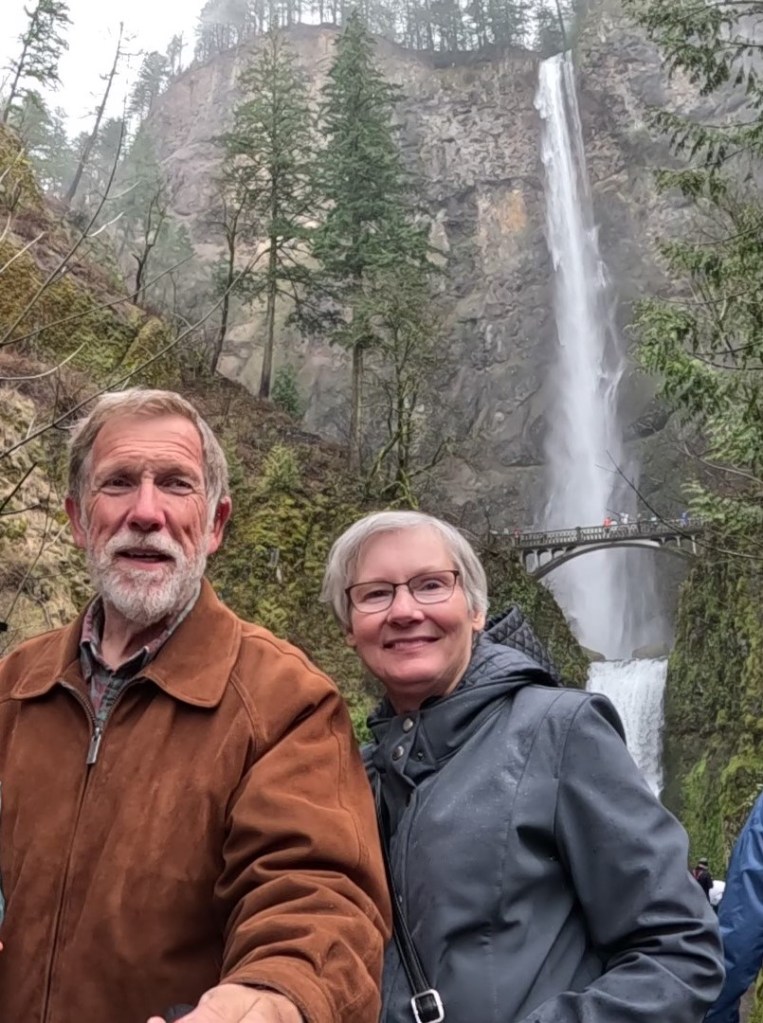
It was fairly crowded, with a number of families posing for photos on the drizzly Sunday afternoon.  Of course, we did the same!

It was crowded at the falls
Multnomah Falls selfie
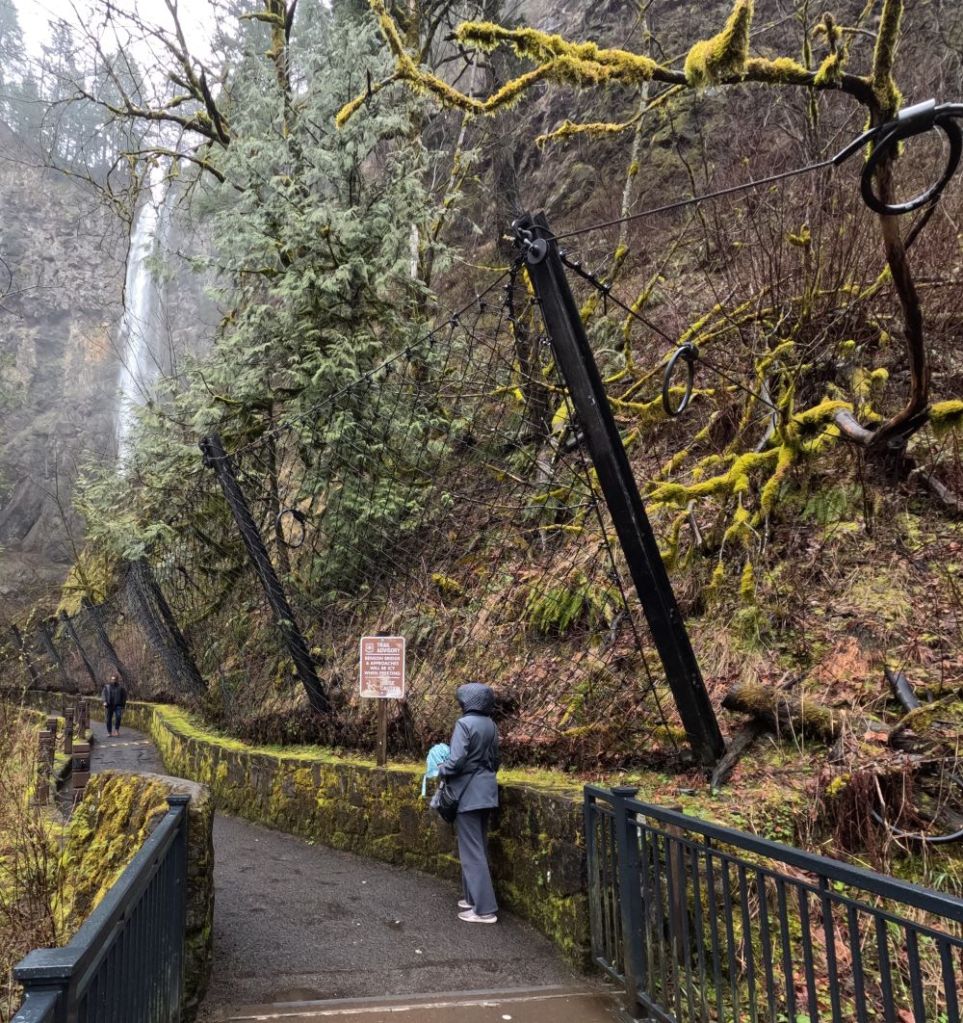
There was a heavy iron fence along the trail to the footbridge – wondering if it was to keep hikers safe from hungry T-rex dinos

Continuing on I-84, we saw several impressive hydroelectric dams and ship locks along the river. 

Bonneville Dam

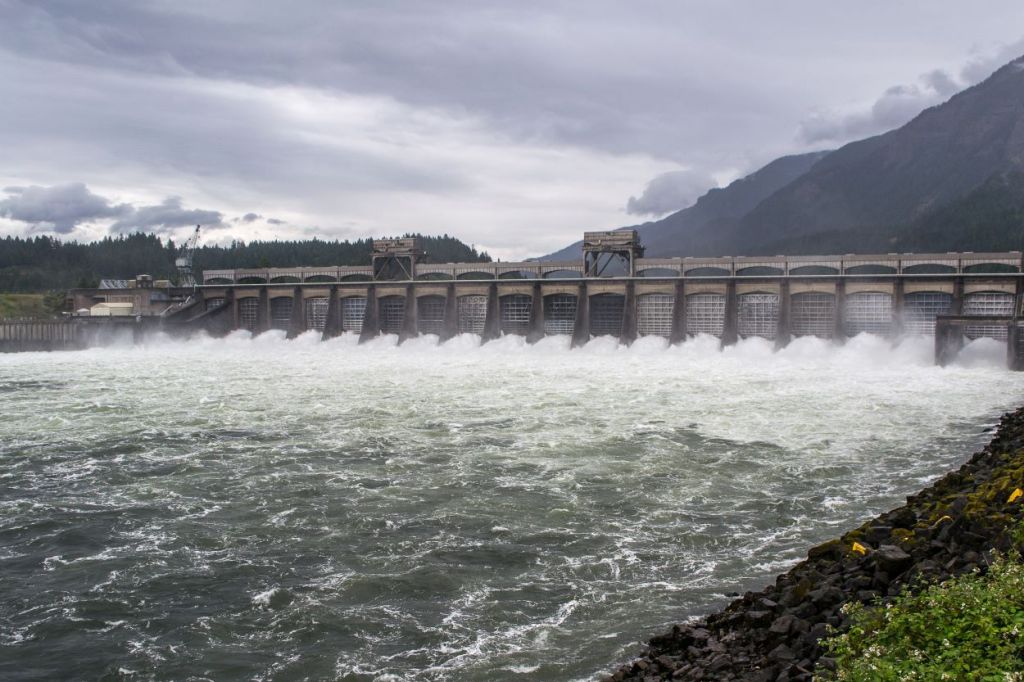
We stopped at Bonneville Dam, 40 miles east of Portland.  It was completed in 1937 as the largest water impoundment project in the US at the time.  The dam is half a mile long and 171 foot tall, and produces enough electricity for a half million homes!

Although security was tight and photos weren’t allowed, we toured the visitor center, remaining inside due to a heavy downpour.   On the bottom floor we saw a few fish swimming about behind large windows that provide an underwater view of a fish ladder.  Charts on the wall indicate many more fish are visible during late summer salmon migrations.  

We crossed several snow-covered mountain passes and although the rains had ended, it actually got colder!   We slowed our travels a bit to avoid threatening winter weather on a couple of the passes, and it was snowing as we arrived at a Boondocker’s Welcome location in Cove, Oregon. 

Snowy mountain view in Cove, Oregon

Bob, the host, kindly let us join him by a warm, wood-burning stove on his back patio, enjoying a view of mountains on one side and distant valley on the other.   

Names Needed!

As RabbiTRAILS blog followers, you may have noticed our prior Chevy truck and two travel trailers had names.  There is a story behind each of these names:   

Max, our truck

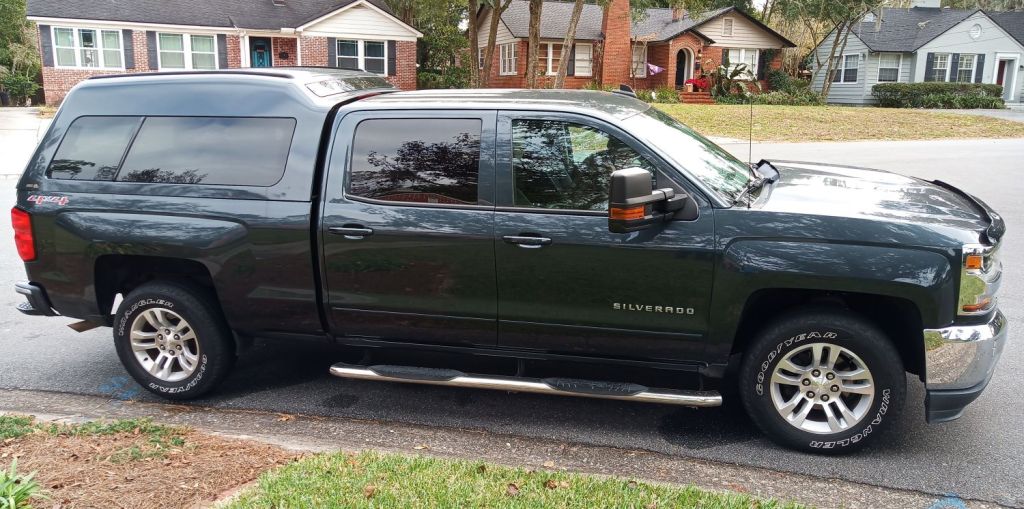
Max, our 2017 Chevy Silverado 1500, came equipped with the ‘max’ trailer towing package that allowed us to tow more than 11,000 pounds.  We never towed anything that heavy thank goodness, but the name stuck.

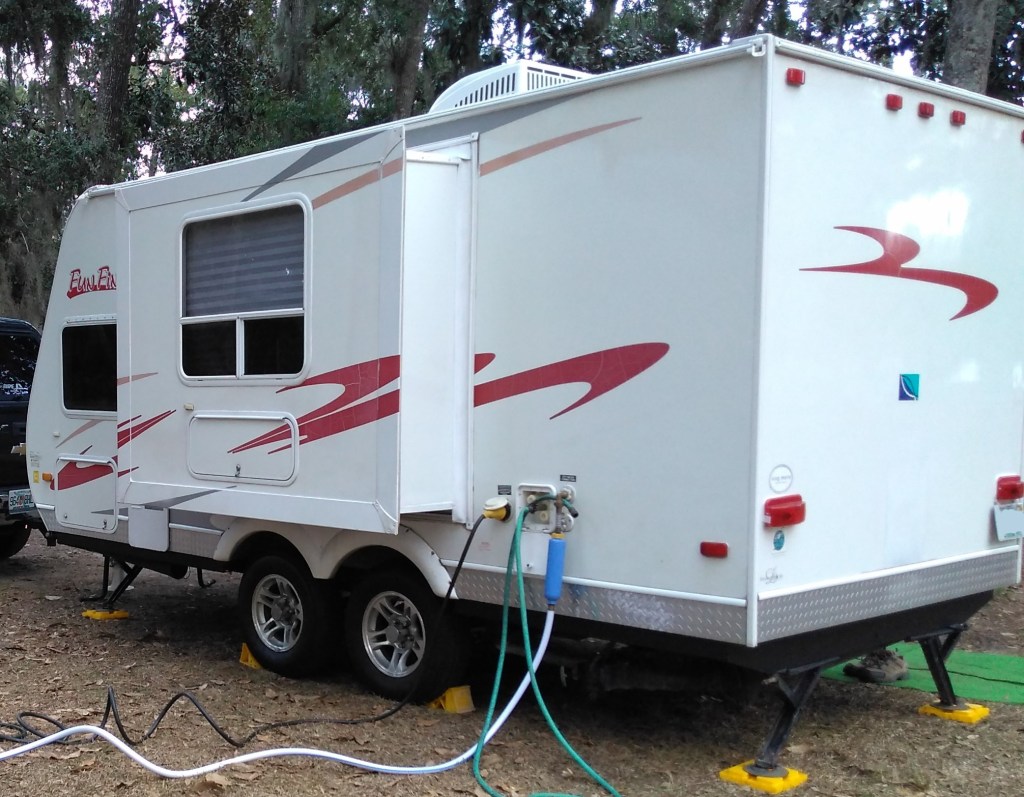
Pancake, our Alaska bound travel trailer

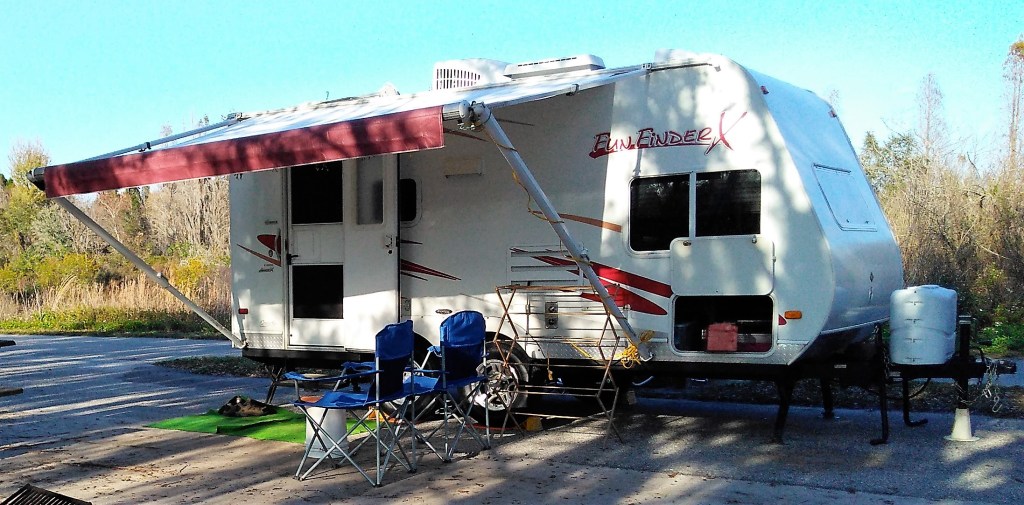
We adopted Pancake, our 2008 Funfinder travel trailer in 2011.  The prior owners named it for their camping tradition to make pancakes the first morning whenever they camped in the little trailer.

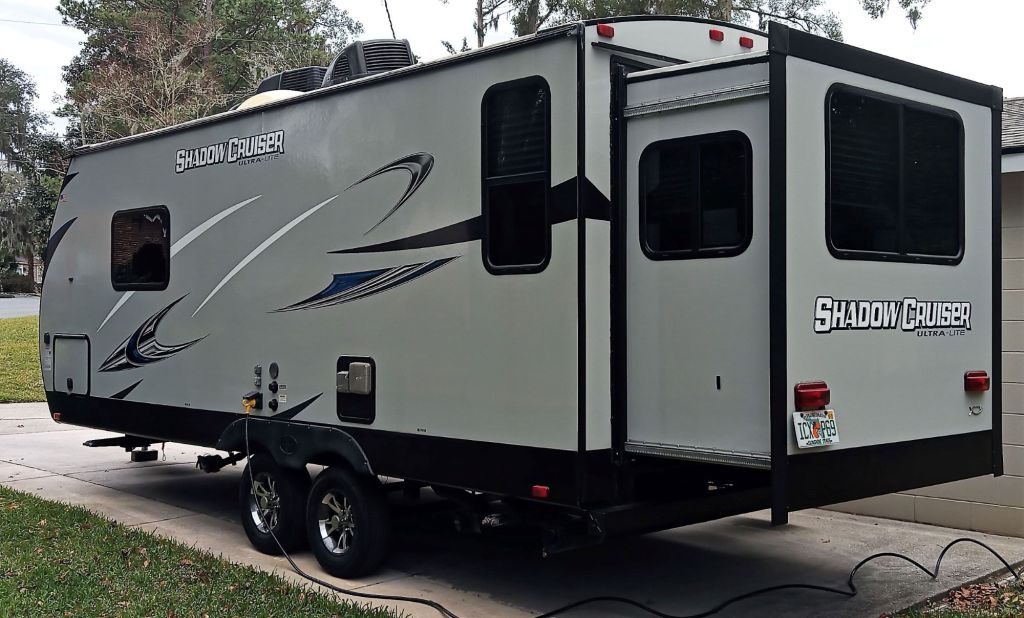
Oscar, our home to Newfoundland and several other trips

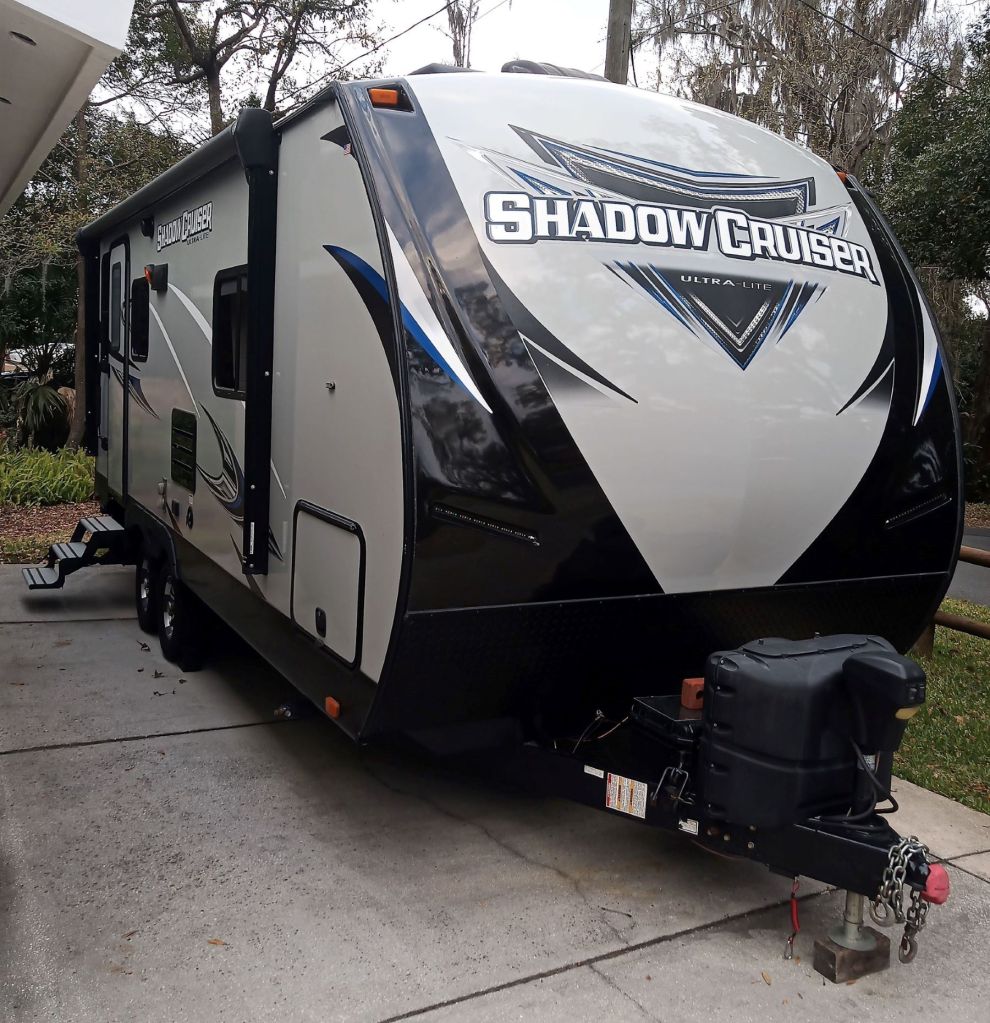
In 2019 we purchased Oscar from an RV dealer in Frankfort, IL, just south of Chicago.  We made a connection between Frankfort and frankfurters, and a well known producer of frankfurters: Oscar Meyer.  Thus Oscar became the name of our Shadow Cruiser travel trailer.

We’d welcome your suggestions of names of our new camping setup.  Here are some details to get your brain cells working:

Our truck and truck camper – trying to get warm!

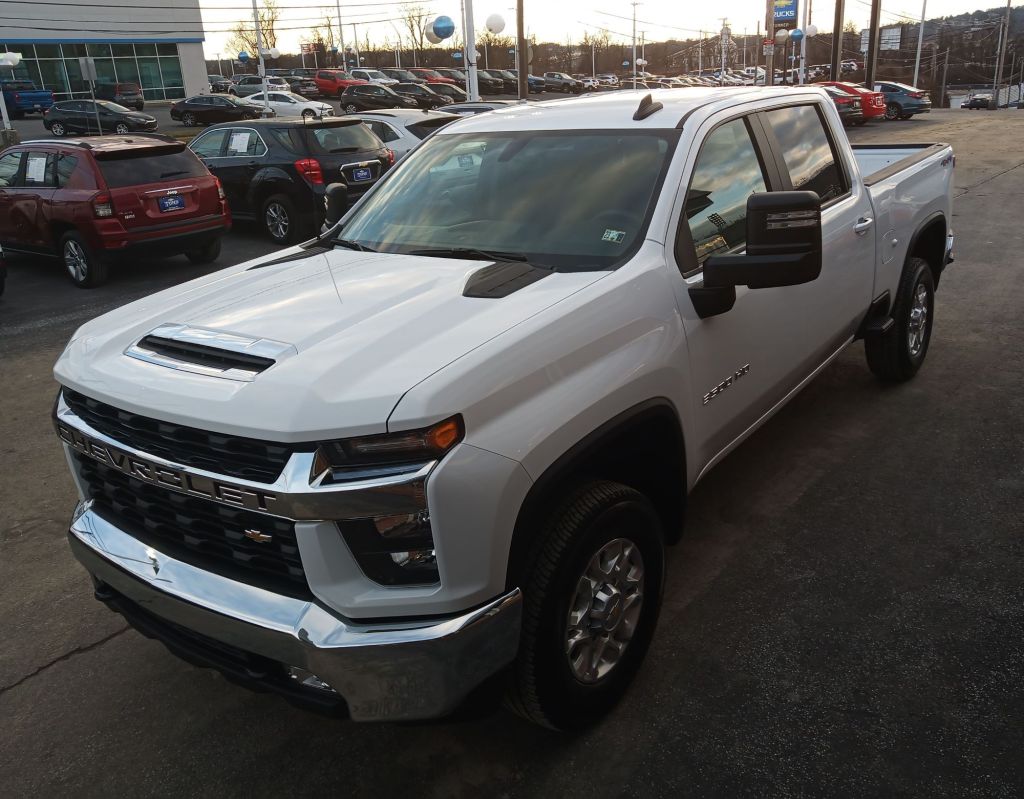
Truck – 2023 Chey Silverado 3500HD.  Purchased from a dealer in Harrisburg PA.

Camper – 2023 Wolf Creek 890 truck camper.  Purchased from a dealer in Portland OR.

Next week:  join us as our long road takes us to the La Grande, Oregon plant where our truck camper was birthed. We continue to Twin Falls, Idaho where we view Shoshone Falls on the Snake River and the site where a well-known daredevil attempted to jump the river on a rocket-powered motorcycle.

Until then, please like and comment, and don’t forget those truck/truck camper name suggestions! 

We’re Taking the LONG Long Road (Again)

(2023 Alaska Revisited Ep 1)

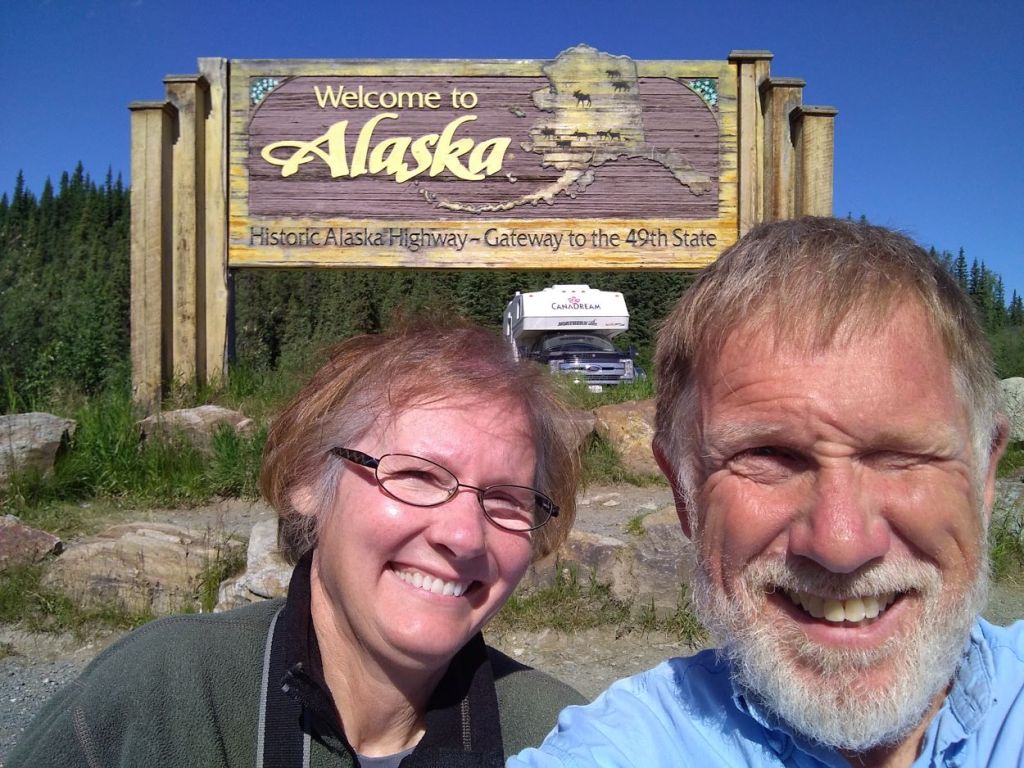
Arriving in Alaska, June 2018

We left Alaska for home in early September 2018.  Although we had many wonderful experiences on the 12,000 mile trip (at that point), we didn’t look forward to the 5000+ miles ahead of us to get home. 

Were we crazy for driving so far?  Was it worth it?

These questions and more were answered as we crossed back into the US few weeks later.  The long trip WAS worth it.  The remoteness, the wildlife and the adventure of the trip was life changing. 

And like many others who have driven to Alaska, we yearned to make the trip again.

It’s five years later and we’ve decided to act on our longing to visit Alaska again. 

Some Updates

In January, we said goodbye to Max, our Chevy pickup truck. 

Max, our 2017 Chevrolet Silverado 1500 pickup

Although we had significant repairs to Max in 2022, he took us on more than fifteen months of great trips, including:

Alaska in 2018 (link)

Grand Teton and Southwest in 2019 (link)

Michigan and Blue Ridge Mountains in 2020

Colorado, Utah and Albuquerque Balloon Fiesta in 2021

Newfoundland in 2022 (link)

We replaced Max with a heavy duty pickup.  This much larger truck would allow us to change our mode of camping.

Chevrolet Silverado 3500HD

During the above trips we camped in a travel trailer.  The 2018 Alaska trip was in Pancake, a 16-foot Funfinder travel trailer. 

The 2019-2022 trips were in Oscar, a 24-foot Shadow Cruiser travel trailer. 

Views of Oscar

Both trailers served us well for many miles and nights of camping.

We desired a simpler and more flexible way to travel and camp, so we sold Oscar and purchased a Wolf Creek truck camper…from a dealer in Portland. 

Portland OREGON – 3000 miles from home and almost half way to Alaska!

The new camper will rest entirely on the bed of our truck – it’s called a truck camper.  It’s a bit smaller, but there is no trailer to hitch and pull, no slide to contend with and we will be considerably more nimble.

Our new camping setup

This now brings us to our newest journey: 2023 Alaska Revisited!

The Florida Hillbillies

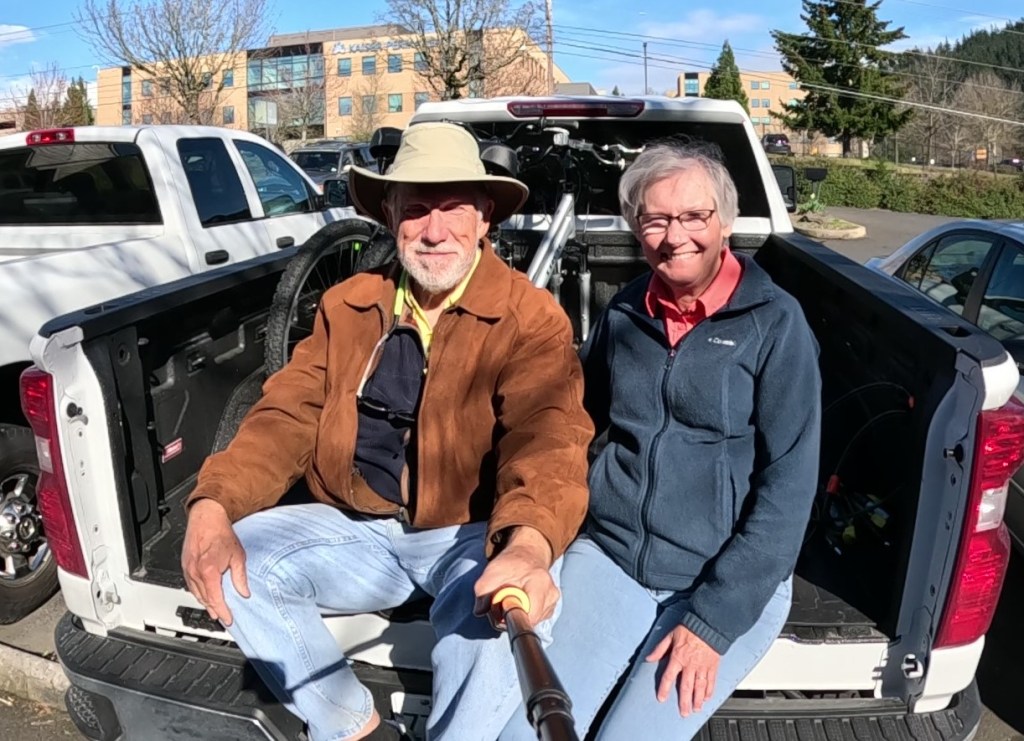
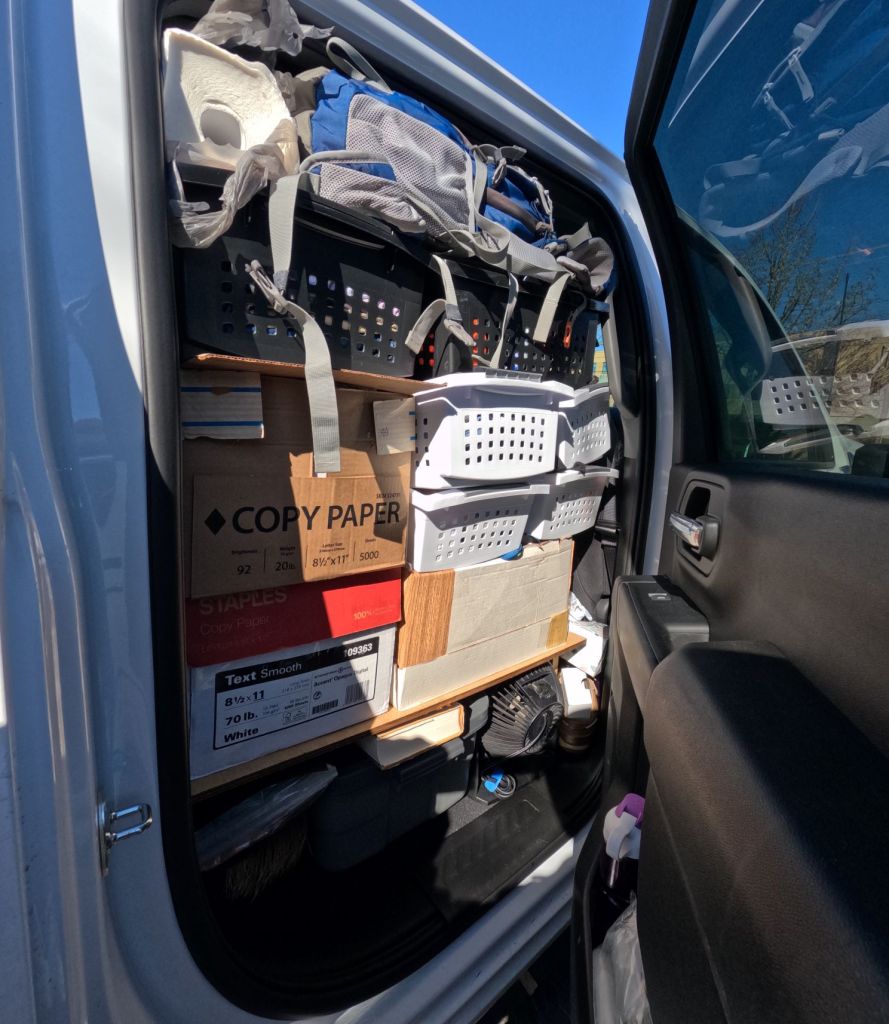
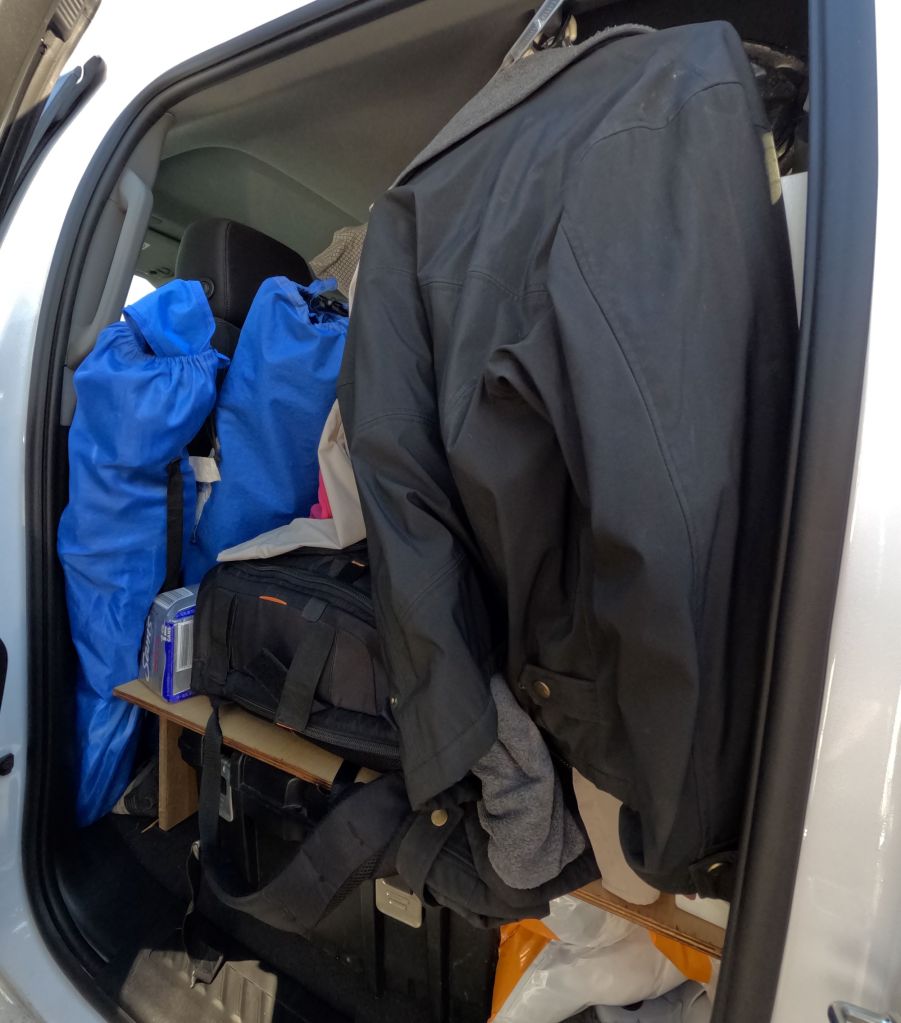
On March 25 we started west with our truck packed with six months of camping gear and two bicycles.   

A friend said we resembled the Beverly Hillbillies. So we wrote some lyrics as our trip gets underway:   

A theme song instrumental to put you mood to sing-along!
Come and listen to my story about Pat and Ed

Max was their truck and Oscar was their bed

Traded them in and got something new

A real big truck and a kangaroo


Chevy that is, 3500 HD, truck camper too


Well the first thing you know they’re making lotsa plans

Their friends asked “are you touring distant lands”?

Five years later Alasky was the place to go

So they packed up their rig and hit the road.


Denali that is.  Icy glaciers.  Alaska RabbiTRAILs!


So say goodbye to Ed and Pat as they get underway

And they would like to thank you for your prayers along the way

Watch for weekly blog postings about their new abode

Reminding you to follow as they take the long, long road!


RabbiTRAILS that is.  Browse a spell.  See you real soon.

And add some comments, y’hear!

NEXT WEEK:  we endure the long 3000-mile trip to Portland and pick up our truck camper. After a couple days setting up the camper, our journey begins.