
2023 Alaska Revisited Ep 11
(We’re playing catch up in this week’s RabbiTRAILS. Like many other blogs, RabbiTRAILS lags behind ‘real’ time. We’re currently in Stewart, British Columbia near the Cassiar Highway. Later this week we will be in Watson Lake, the location of the famous traveler sign post forest (see our 2018 sign). Meanwhile, we return to ‘blog time’…)
Oregon Coast
From the towering California redwoods, we continued to the Oregon coast. We enjoyed the wonderful views and less expensive gas!
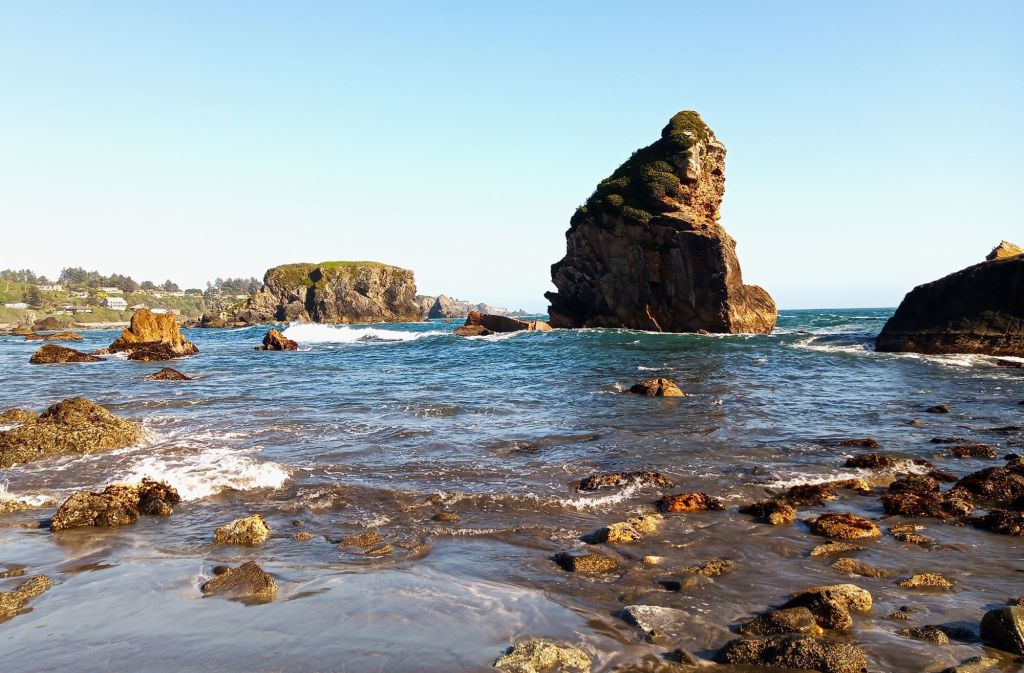
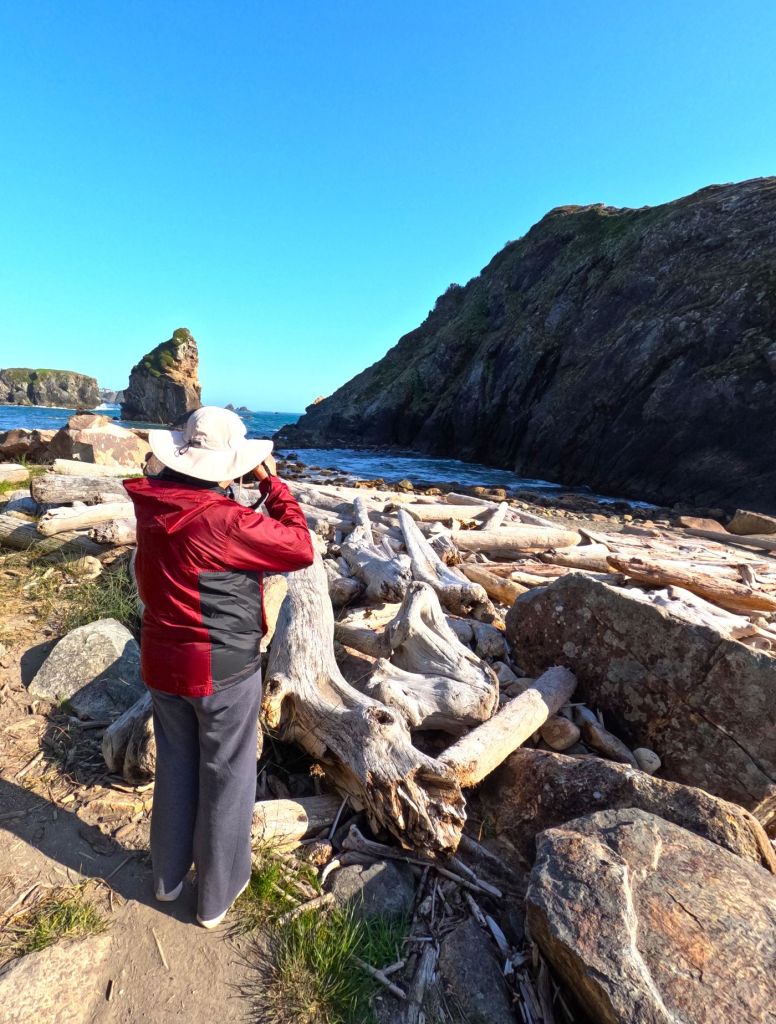
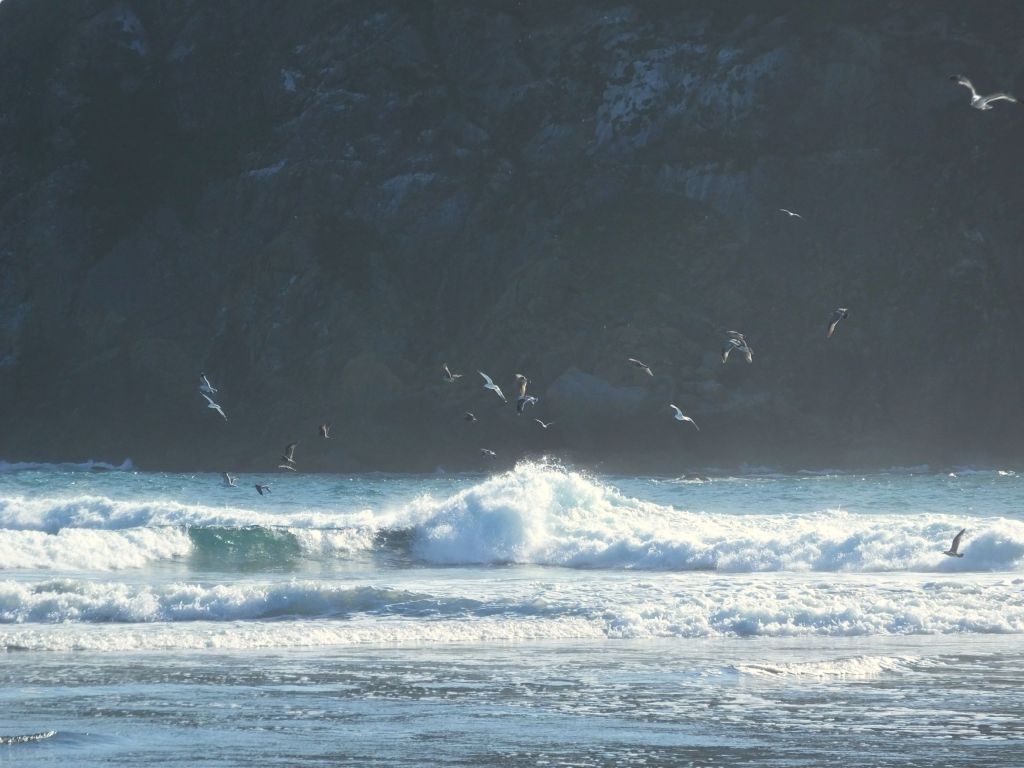
At Harris Beach SP, we hiked down a steep rocky trail to where the waves crashed against tall rocks. Further along, there was a long flat beach where the tide was quickly coming in. We had to step quickly to avoid getting our shoes wet!
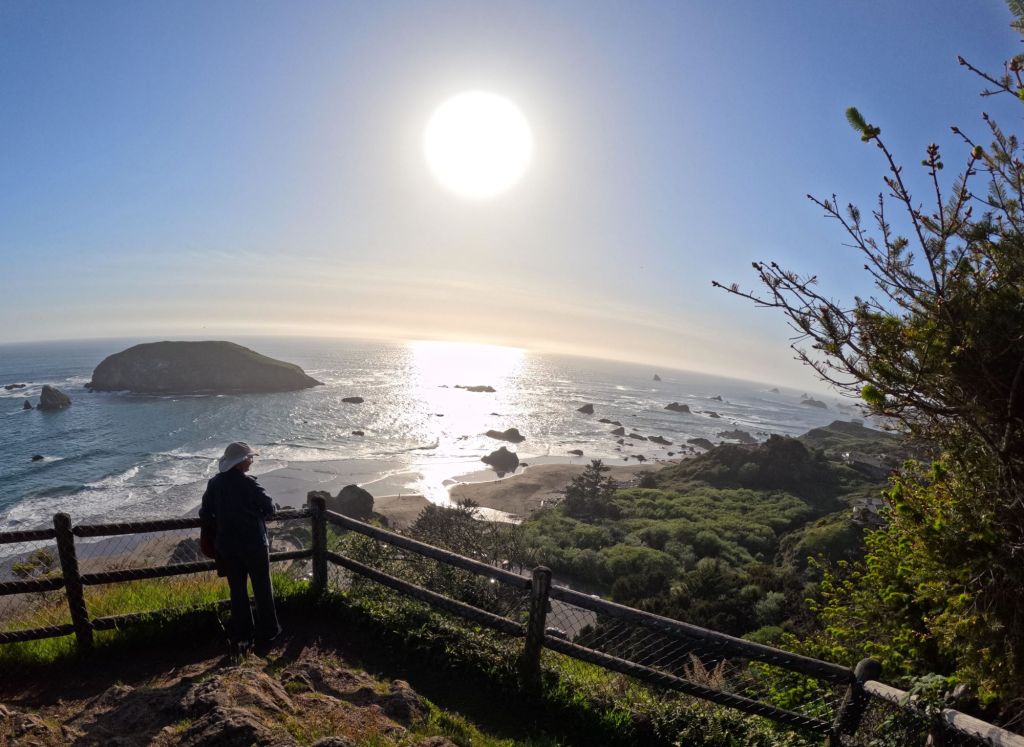
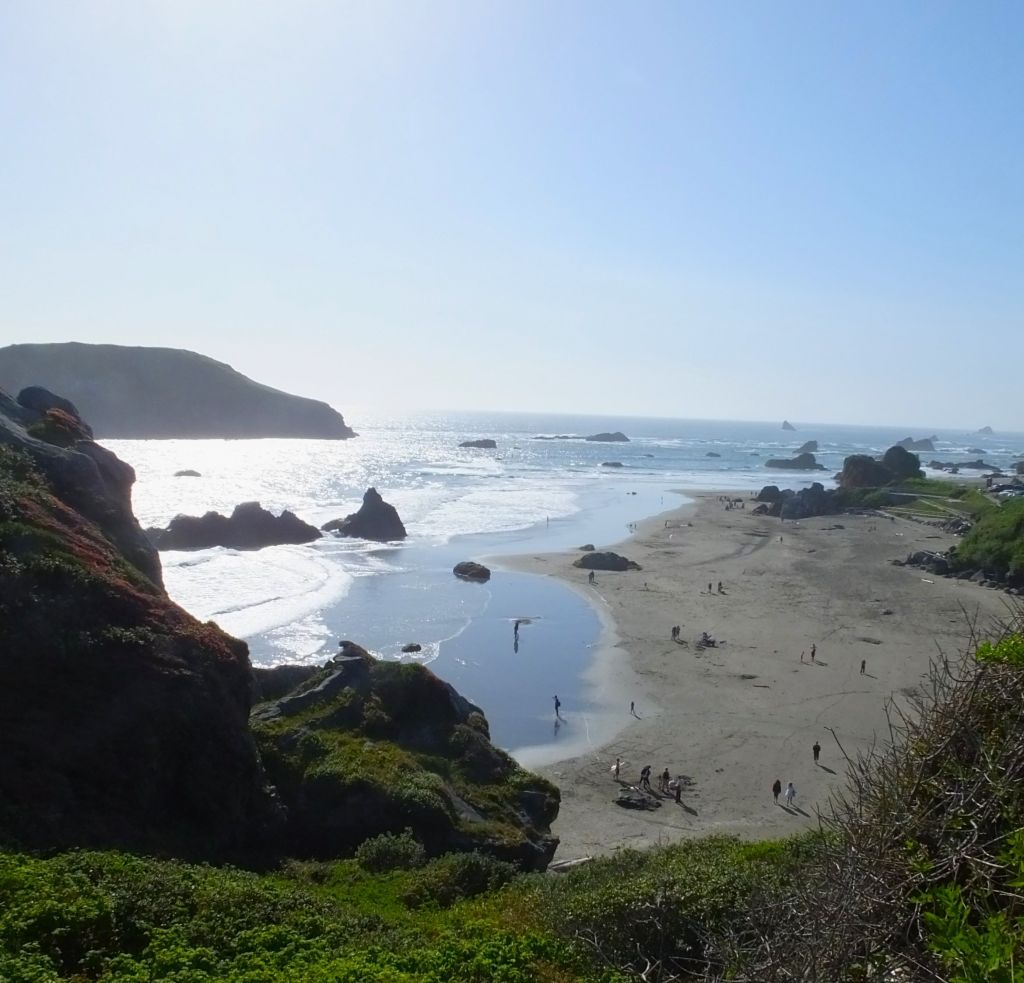
We ascended a trail to an overlook high above the rugged shoreline to get a better view of the rocks and beach. What a view!
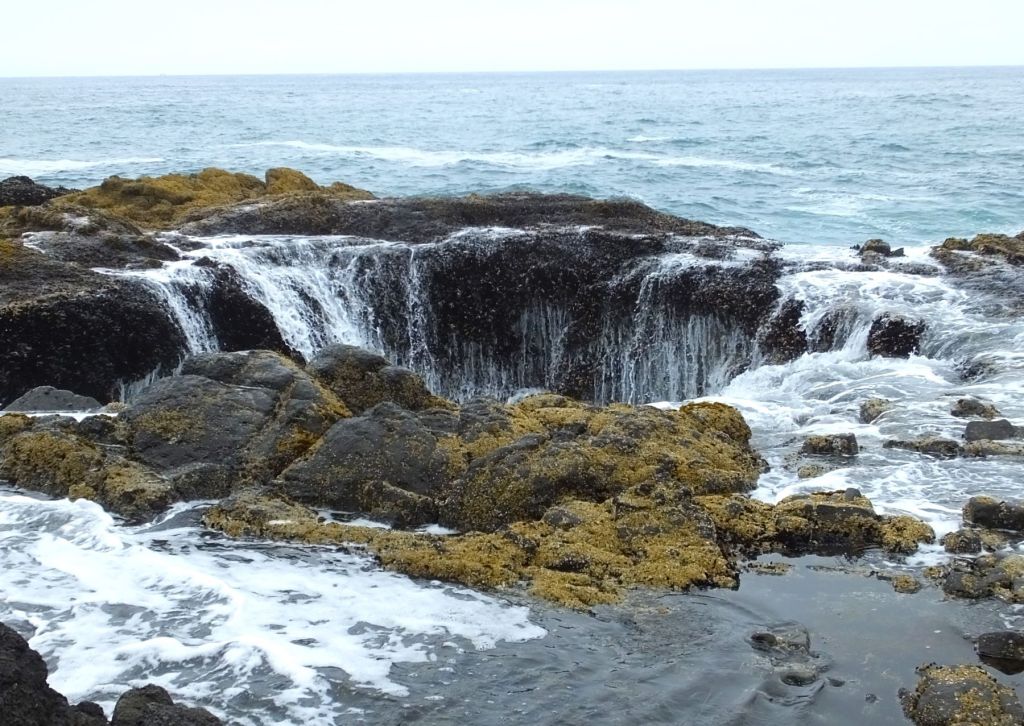
We turned inland from the coast, returning to Portland for a warranty repair on Pap and a suspension upgrade for Percy.
A Big Wooden Plane
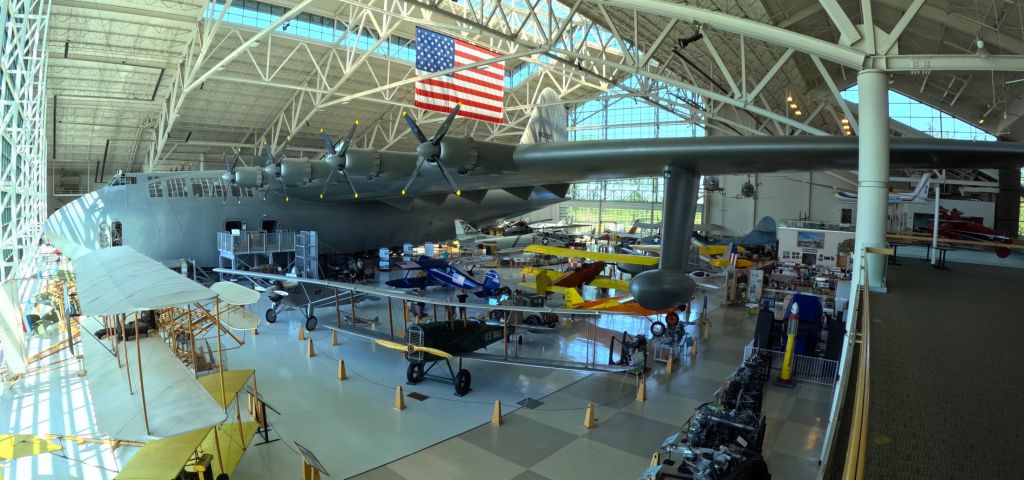
We stopped overnight at the Evergreen Aviation and Space Museum, the home of the famous Hughes Flying Boat, better known as the ‘Spruce Goose.’
The Goose is a huge plane made entirely of wood by Howard Hughes. It was intended to transport heavy equipment and up to 400 soldiers to Europe during WWII. With a wingspan of 321 feet (more than a football field) and length of 219 feet, the plane was the largest ever made for many years. It was completed in 1947, and flown by Hughes for just one 30-second flight in Long Beach, CA before being ‘mothballed.’ With the end WWII, it was no longer needed.
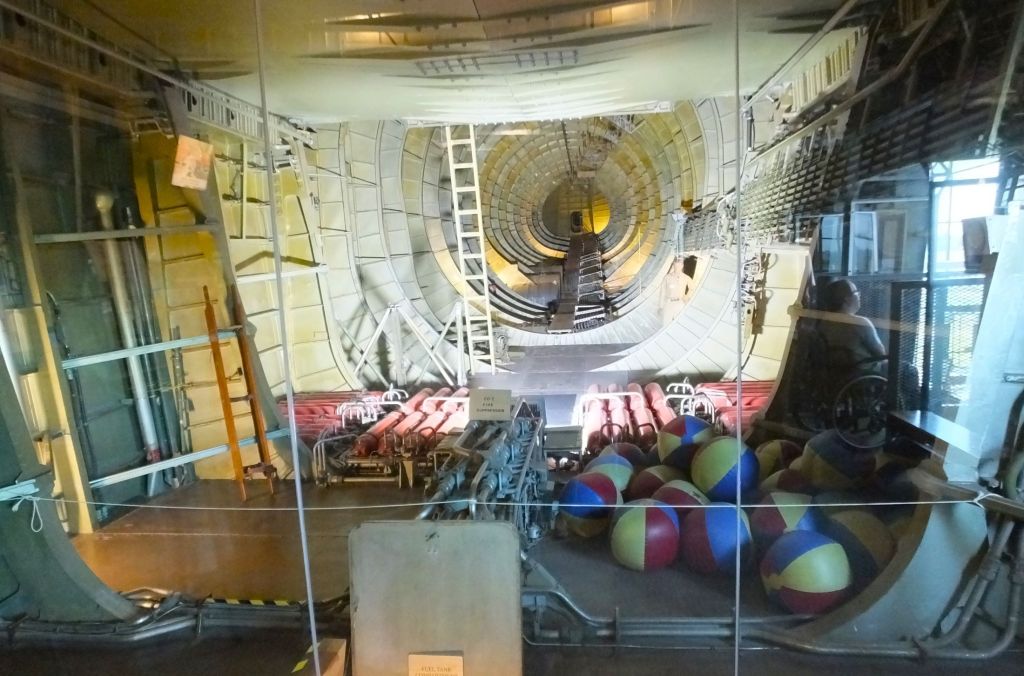
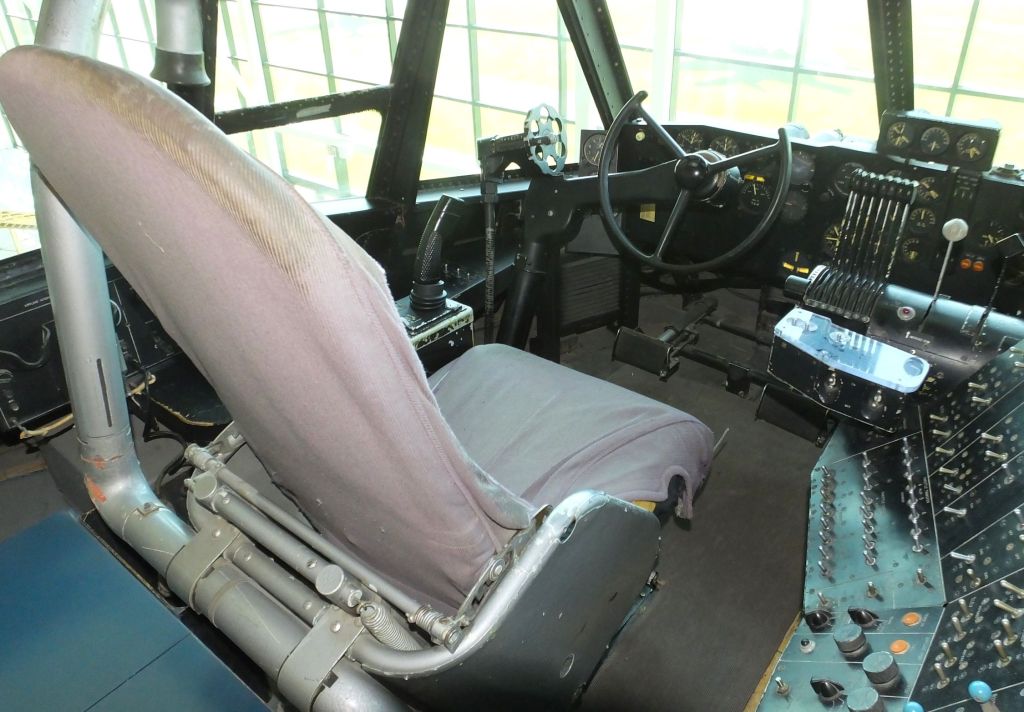
The plane was acquired by Evergreen in 1992 and is now the centerpiece of the museum. It is surrounded by many other aircraft from early planes to modern miliary jets. Experimental planes and helicopters are also on display.

An adjacent space museum has displays from early rocket launches through the Space Shuttle.
The museum is a nice one-day stop on any trip to the area.
We arrived in Portland, completed our repairs and camped at Milo McIver SP, just a few miles outside the city. For the first time on this trip, Pap spent three nights at the campsite while we explored the local area.
Musical Fish
Inside the park, we visited a chinook salmon and steelhead hatchery on a tributary of the Clackamas River. Dan, a ranger at the hatchery, explained how the Clackamas Hatchery hatches and releases 1.2 million juvenile salmon annually.
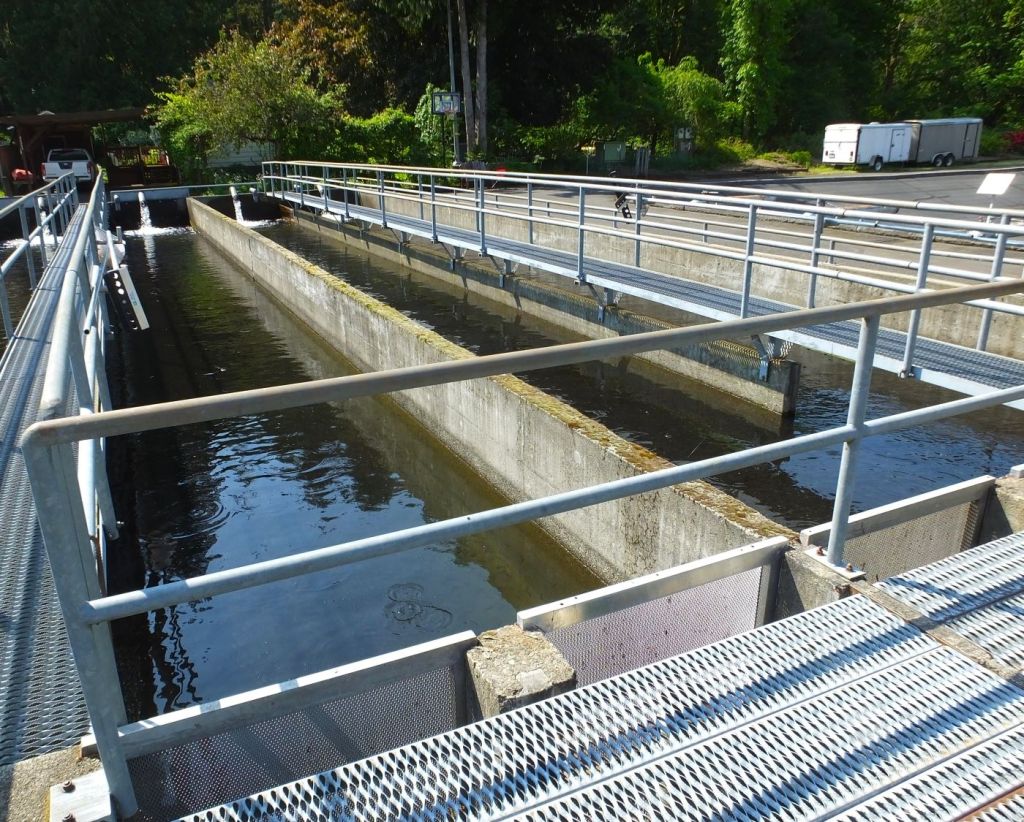
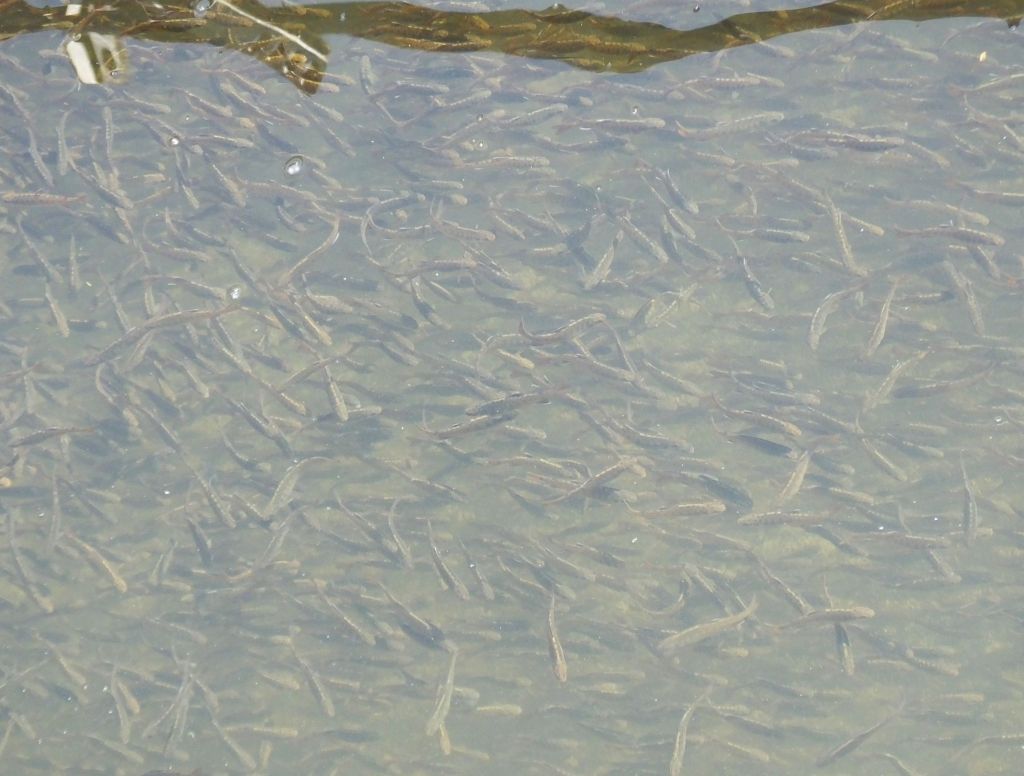
From just a few hundred of the several thousand salmon that return to hatchery each year, eggs are ‘harvested’ and fertilized. The fertilized eggs are transported to another hatchery several miles away where they are hatched and raised. Young salmon that are two inches or more in length (called fingerlings) are transported back to Milo McIver, where, in two months, they grow to five inches and are released. In a year or two they return to the hatchery and the cycle is repeated.
Meanwhile, fertilized eggs from the other hatchery are trucked to Milo McIver where they are hatched, raised and eventually returned to the other hatchery where they too are released.
Confused about the reason for the fish musical chairs? We were. Pathogens in the water at Milo McIver harm the developing fish, so they are transported to the other hatchery to give the young fish a better chance of survival.
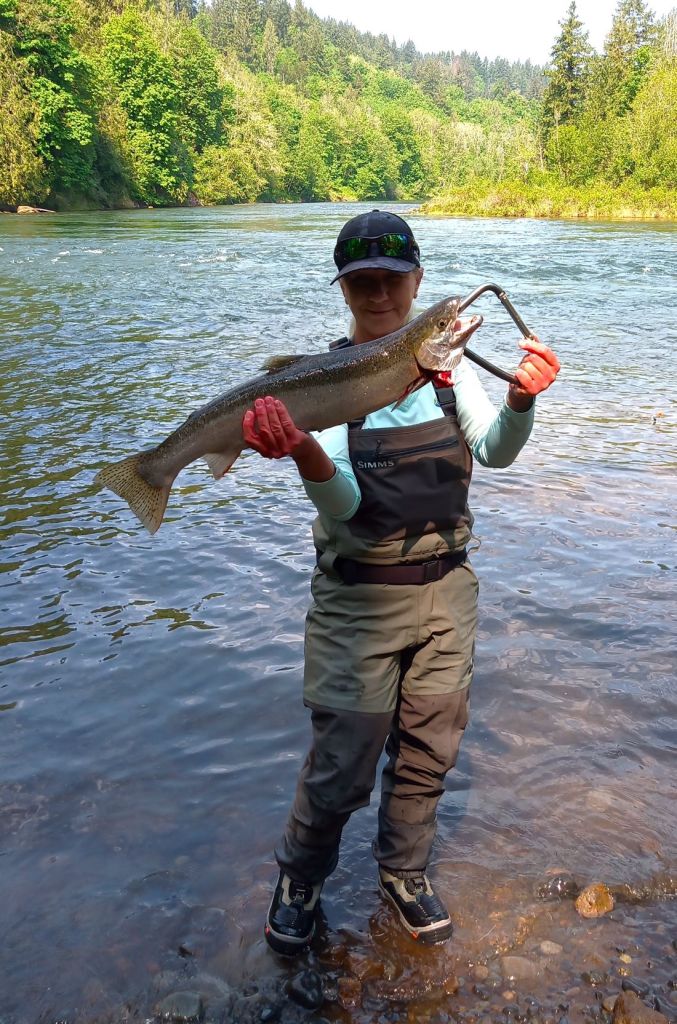
This is an example of the considerable efforts being taken throughout the Pacific northwest, Alaska and Canada to ensure the various salmon species survive and thrive.
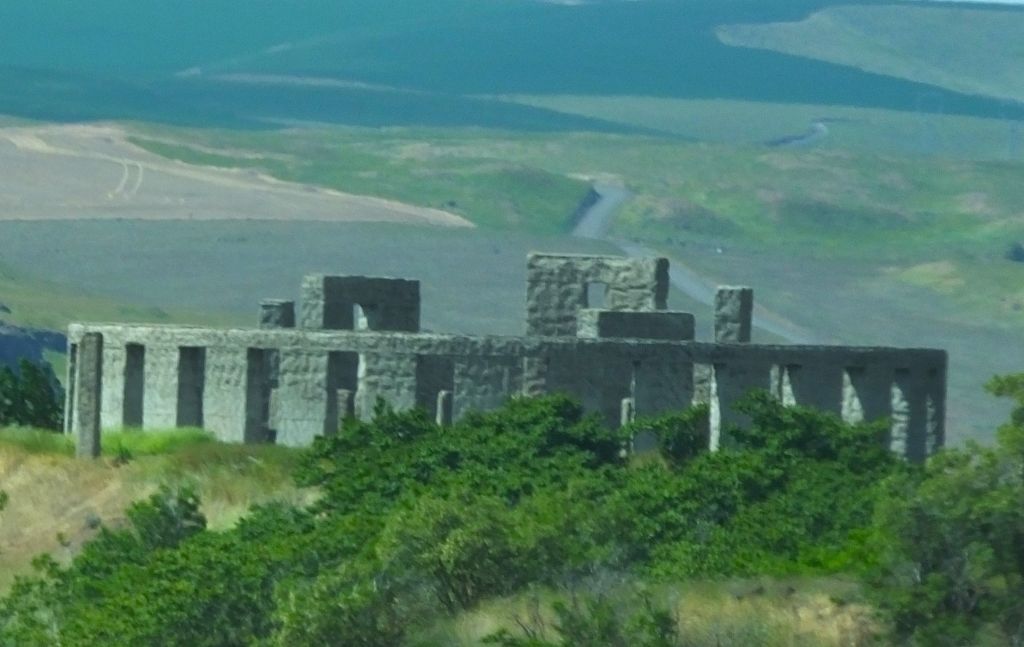
Fish stories aside, we continued northeast through central Washington. We visited ‘Stonehenge,’ an interesting memorial to WWI veterans on a bluff high above the Columbia River Gorge that resembles the famous stone formation in England. Talk about a RabbiTRAIL!
Dry Falls, the World’s Largest Waterfall
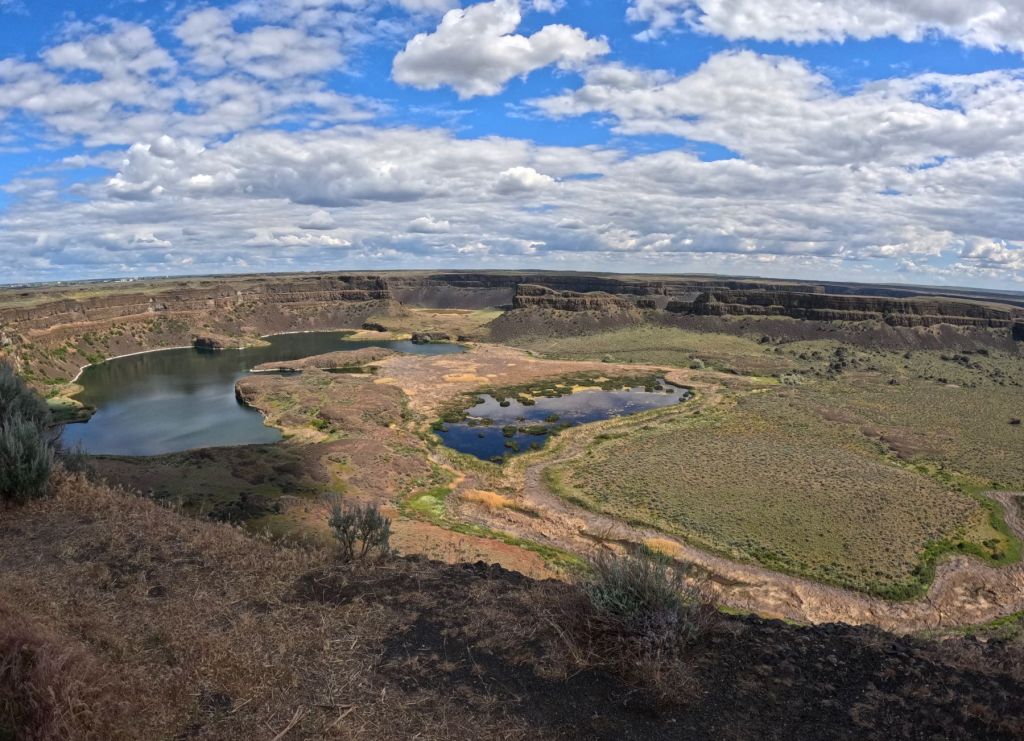
A few hours away we observed the once largest waterfall in the world, Dry Falls.
Huh?
In a past ice age, huge ice sheets covered eastern Washington, Montana and southern Canada. Tremendous flows of melt water raged across the area during a period of warming, carving out a huge waterfall near Coulee City, WA. The now dry waterfall was the biggest ever in the world at 400 feet tall and 3 1/2 miles wide. The falls would dwarf today’s 165-foot Niagara Falls.
Although the falls no longer exist, there are several small lakes at the base of Dry Falls with lots of hungry mosquitoes!
Grand Coulee Dam
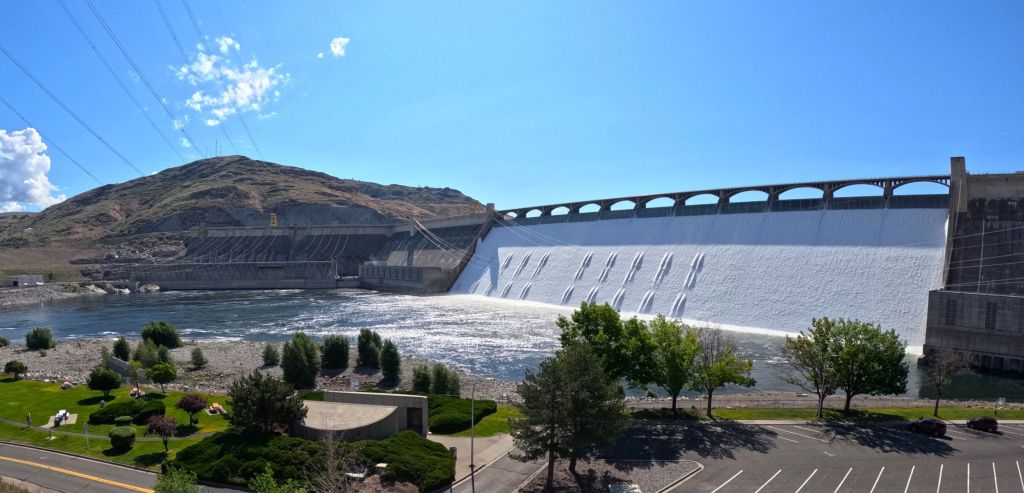
From Dry Falls we traveled to the site of a ‘man-made’ waterfall, the Grand Coulee Dam. The dam is 550 feet high and almost a mile long and was completed in 1942. It is the largest hydroelectric dam in the US, powering more than 4.2 million homes!
The water flow over the dam was impressive, enlarged by the spring snow runoff upriver.
—
While in central Washington, we reached the two month point of our Alaska travels. Warmer weather meant it was time to begin traveling north through Canada to Alaska.
Next Week:
We visit Pat’s cousin and several camp friends north of Seattle, and check out Vancouver Island before beginning the final leg of our journey to Alaska.

 Take the LONG Road...
Thanks for telling us all about these wonderful sites you are seeing. We are getting educated through you. How lucky we are! We are so enjoying all these adventures.
LikeLike
Last post was fabulous with the phenomenal Redwoods! Loved the pic of you and Bigfoot : ) The “dry falls” were possibly created as Flood waters drained thru Great Basin and on thru the Grand Canyon! Give us an update re going “tiny home”!
LikeLike
Hi, you are so right about the flood waters Norm. There are many amazing sights to see that remind us of God and His creation.
LikeLike
Thank you so much for taking the time to share your adventures and beautiful pictures with us! Looks like you all are having a wonderful time!
LikeLike
what wonderful, amazing and beautiful scenery you are enjoying! My father loved taking us to fish hatcheries! God truly gives wisdom to people to enable “His creation” to thrive well . So cool that you were able to experience the spruce goose. Thanks for sharing your adventures on the west coast.
LikeLike
Hi Maureen, thanks for the comments. Wise stewards of His creation are blessings, indeed.
LikeLike