
(2022 Newfoundland Ep 7)
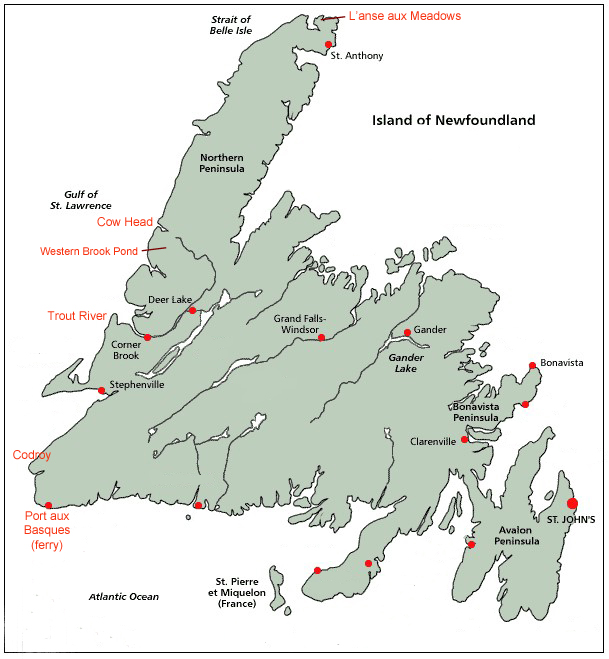
From Gros Morne, we traveled on a very rainy day toward the L’anse aux Meadows (LAM) National Historic Site. LAM is one of those ‘you have to visit’ places in NF. We took numerous potholed sections of the highway a little more slowly than normal and arrived at Viking Campground near LAM late in the afternoon.
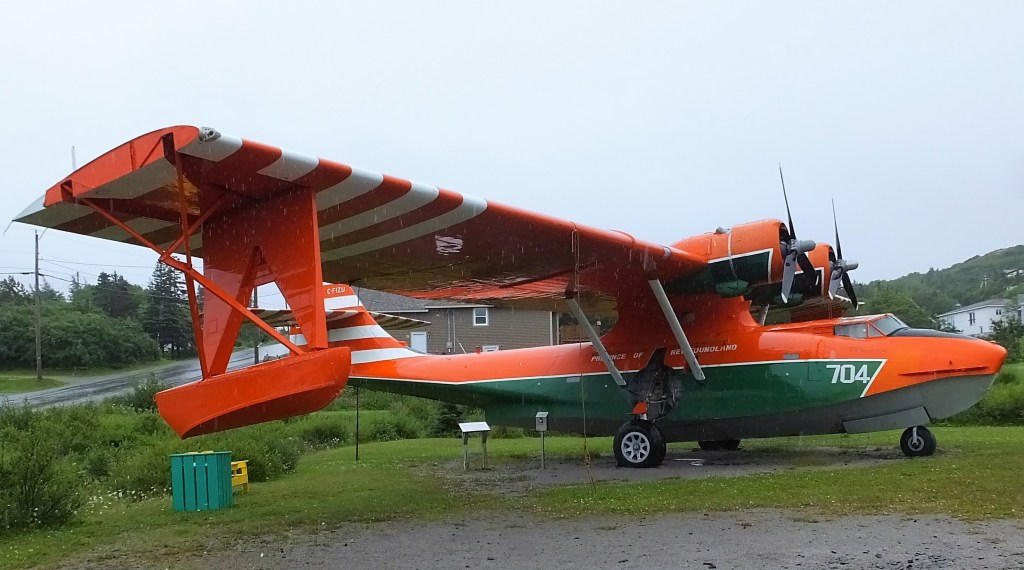
It was raining the next morning, so we drove a few miles into St Anthony, the largest town on the north tip of the peninsula. Although we decided not to hike several of the interesting looking trails in the area (guess we are fair weather hikers), we did avail ourselves of several civilized amenities such as a grocery store and gas station! We were intrigued by a restored plane in a small city park. The plane, a water bomber, is a memorial to two local pilots who lost their lives several years ago in a similar plane while dropping water on a forest fire out west. This was touching and unexpected RabbiTRAIL.
By evening, the rain stopped, and we contemplated our visit to LAM.
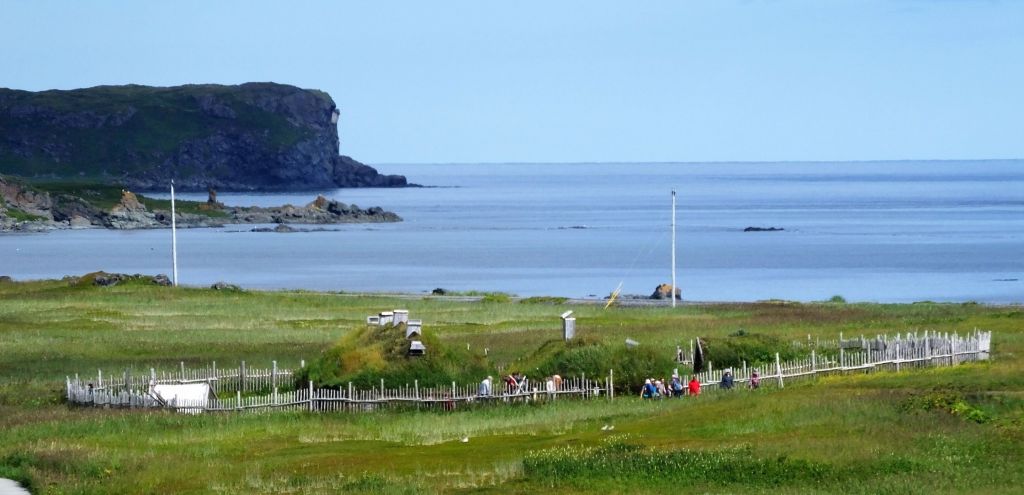
At the visitor center we learned LAM is the only confirmed Viking settlement in North America, dating to about 1000 years ago. The turf structures excavated at the site resemble those in Norse Greenland and Iceland of that timeframe. There is evidence of woodworking and iron production, likely for ship repair. LAM represents the connection of eastward migrating peoples across North America with those from Europe.
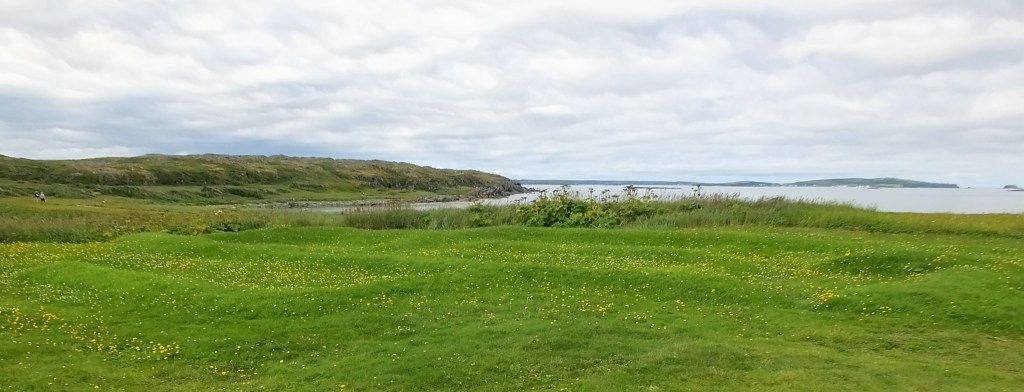
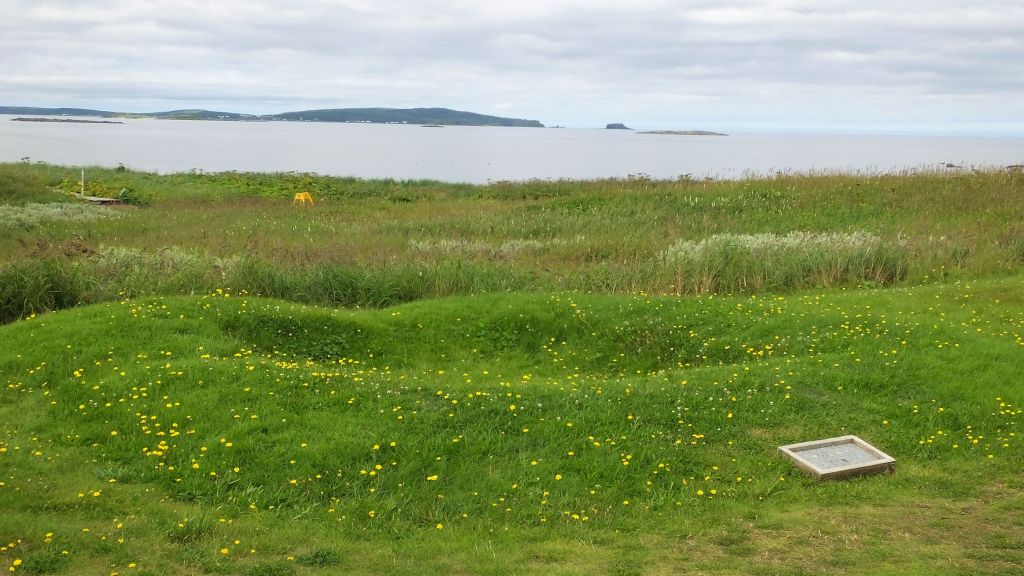
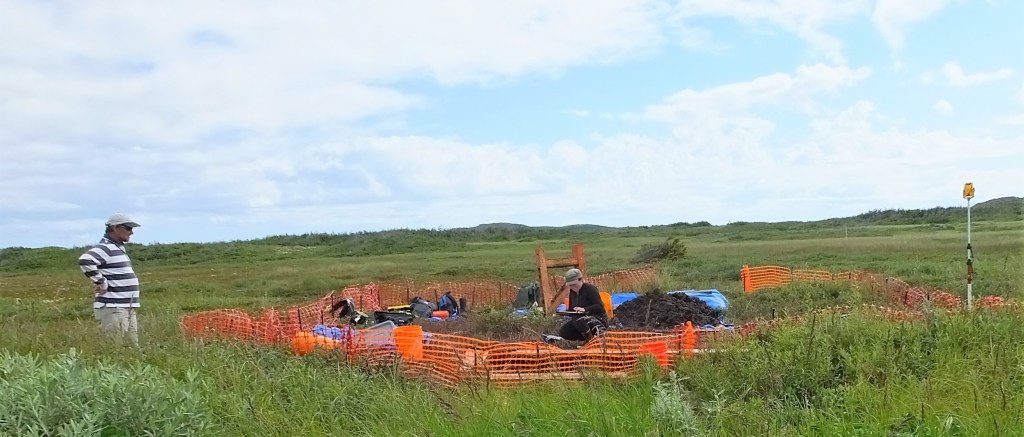
The visitor center overlooks the site, where there are several mounds and depressions of where the settlement was located. One is currently being excavated. The site is a short distance from the Strait of Belle Isle shoreline. Across the strait is Labrador, and during the spring and early summer, icebergs are often seen. We visited in mid-August and the ‘bergs were gone by then.
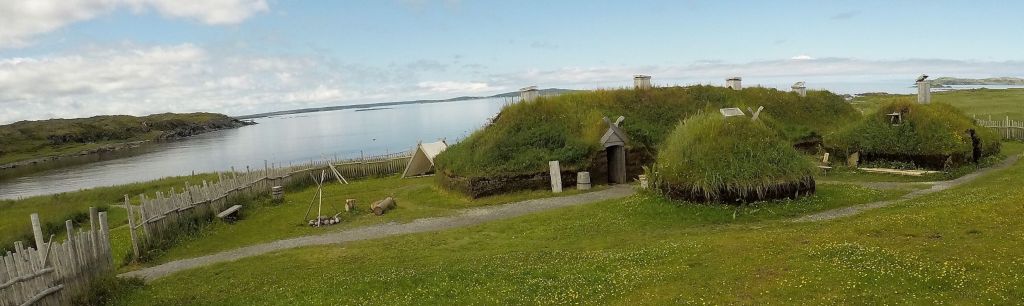
A Viking longhouse, recreated based on findings from the nearby mounds, can be toured at the site. The longhouse is a bit reminiscent of the Hobbit houses in Lord of the Rings.
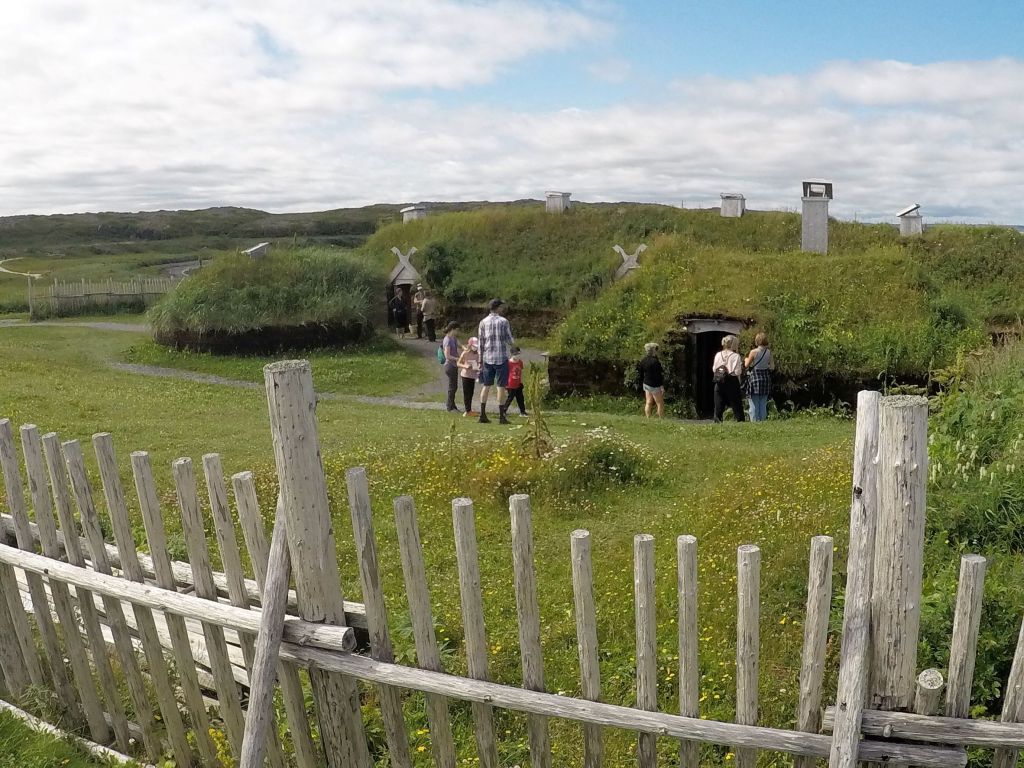
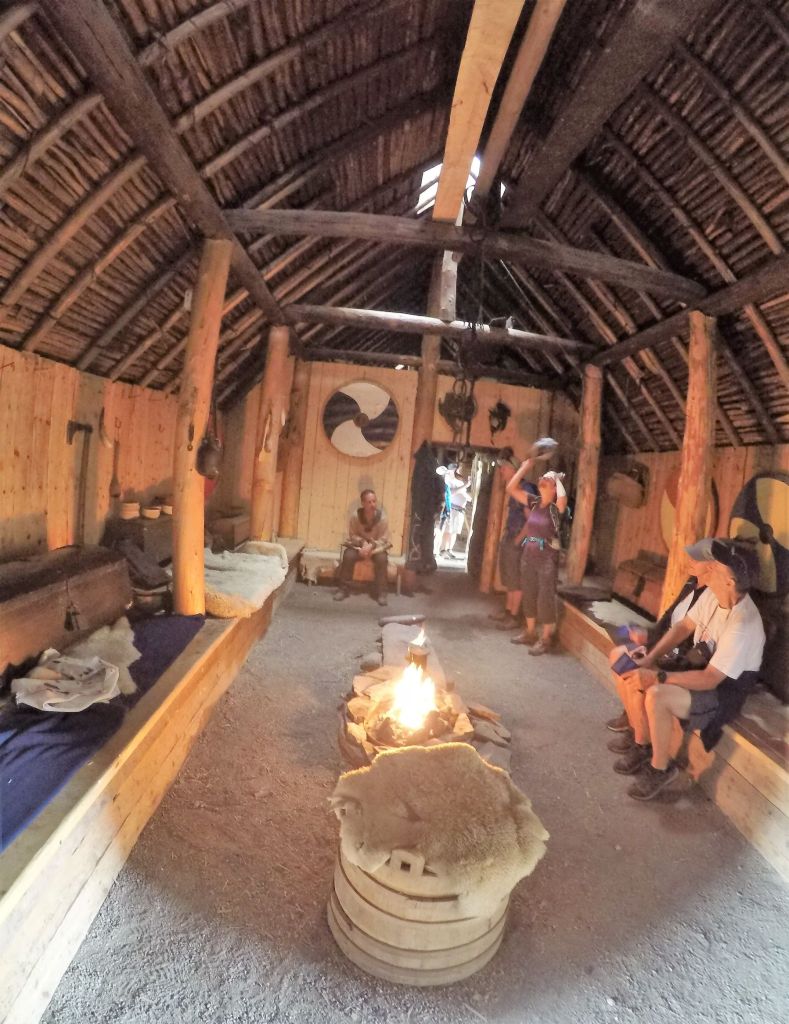
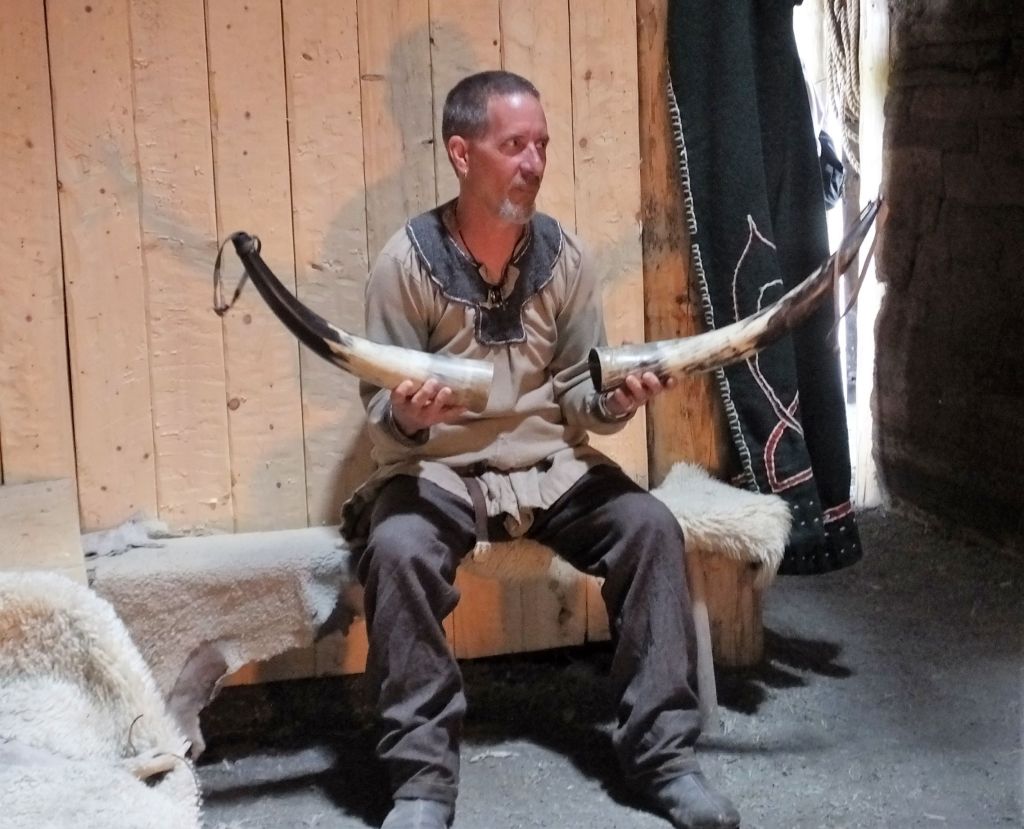
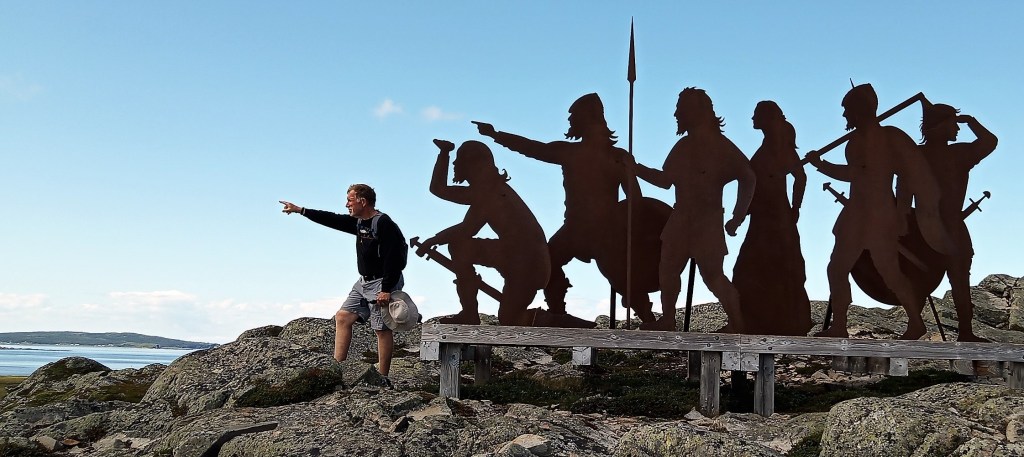
We hiked a two-mile trail around the site, enjoying views of the shoreline and berry-filled meadows. The trail ended atop a small hill where a steel sculpture of Vikings overlooks the site.
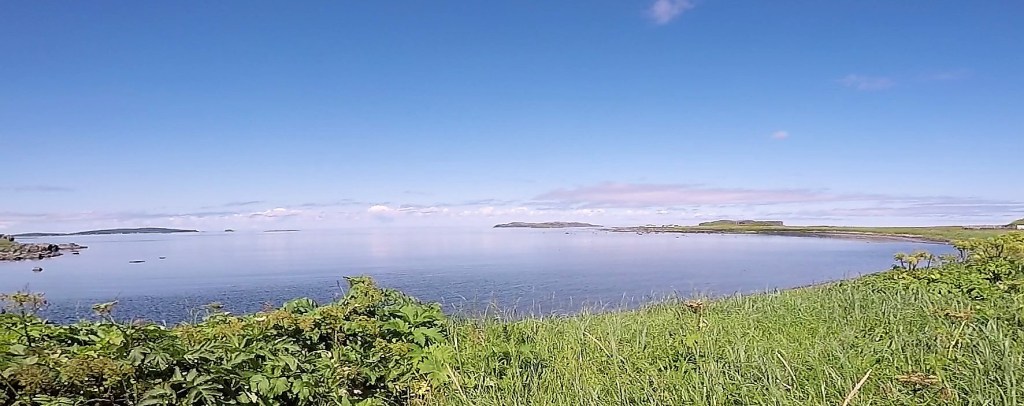

Later that afternoon, we visited several small towns along the seashore. There were fishing boats, lobster traps and such, a reminder of daily life in the area. At Emily’s Crafts and Jams, within eyesight of LAM, we bought crowberry jelly and learned that while all of the owner’s children live and work in the area, her grandchildren have moved away to work in larger towns and cities. Other Newfoundlanders share similar stories – a harbinger that NF’s small towns will get ever smaller due to our changing way of life.
We stopped at Dark Tickle Company in Saint Lunaire-Griquet. where they produce jams, sauces, chocolates and more from wild berries of NL and Labrador. ‘Dark Tickle’ refers to a nearby narrow channel (tickle) surrounded by high hills. We sampled scoops of berry-flavored ice cream – blueberry, partridgeberry and bakeapple. Each has a distinctive color and taste.
The Moose and Python Conundrum
What do moose and pythons have in common? They are invasive species!

As pythons are to Florida, Moose are to NF. The antlered mammals, largest member of the deer family, are not native to the island – they were introduced in 1878 and 1904. Since then, like Burmese pythons in south Florida, moose have multiplied rapidly. Today NF has an estimated moose population of 120,000.
NF has native caribou, but no deer like the ones throughout the US. We wondered why, then, there is a sizeable town near Gros Morne named Deer Lake. I asked several Newfoundlanders about this and got different answers from each person. One thought the name was related to deerflies that proliferate in the area, another thought it had to do with the indigenous people and their name for caribou, and a third (and apparently correct) was caribou are similar to the reindeer in Europe. Thus, it was decided to name the town Deer Lake, not Caribou Lake. There are likely other name theories.
We (actually Pat) saw our first NF moose, a momma and her baby, while on the Western Brook Boat Tour at Gros Morne. Going forward, we will include a moose and other critter count in RabbiTRAILS.
Two moose
Lots of seagulls, a few ravens and other birds
Next Week: we decide to leave NF

 Take the LONG Road...
The long houses made me immediately think of Hobbits! I like the critter count and can’t wait to see what animals are added!
LikeLike
Ed, you fitted right in with the other Vikings! Great shot of the Moose(s) and an interesting tour and history lesson! Thanks!
LikeLike